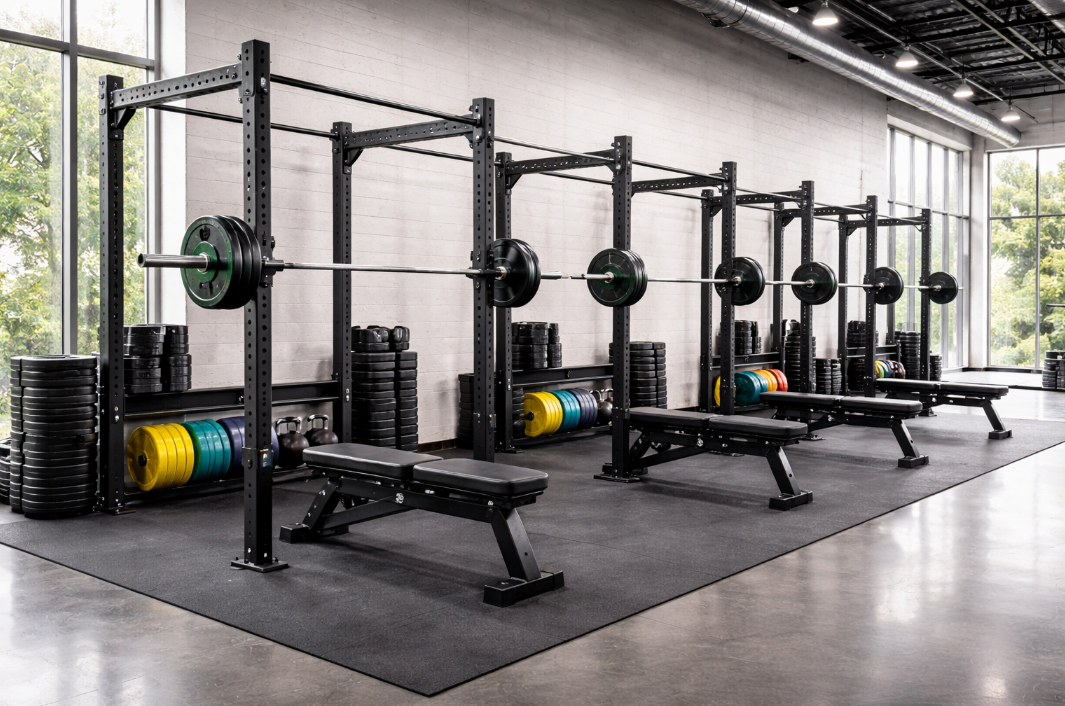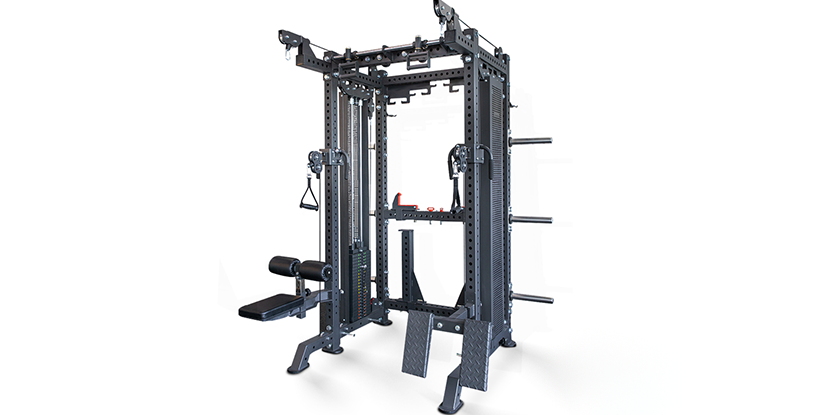
Wholesale 19 Half Rack: Space-Saving Strength Solutions for Gyms
The Square Footage Trap: Why Traditional Racks Are Killing Your Studio’s ROI
In the commercial fitness industry, every square foot represents a fixed monthly overhead. For boutique studio owners and hotel facility managers, the primary pain point is often the "footprint-to-functionality" ratio. Traditional power cages, while robust, occupy excessive floor space that could otherwise be used for additional training stations or high-traffic metabolic conditioning areas. When you commit to oversized equipment in a high-rent urban location, you aren't just buying steel; you are sacrificing potential revenue.
Agitation occurs when facility planners realize that bulky frames create "dead zones" where no training can occur. This inefficiency leads to lower member throughput during peak hours and increased wait times for squat stations, which directly impacts client retention. Furthermore, for a distributor, stocking oversized racks increases international shipping costs and warehouse footprints, eating into the wholesale margin. The solution requires a shift toward high-density equipment like the 19 half rack, which balances heavy-duty performance with a streamlined profile.
What is a 19 Half Rack? Defining High-Density Commercial Strength Equipment
A 19 half rack is a professional-grade strength station featuring a shallow 19-inch upright depth, specifically engineered to provide maximum stability for heavy lifting while occupying minimal floor space. It is the industry-standard solution for facilities requiring full-scale squat and press functionality within limited architectural footprints or narrow training zones.
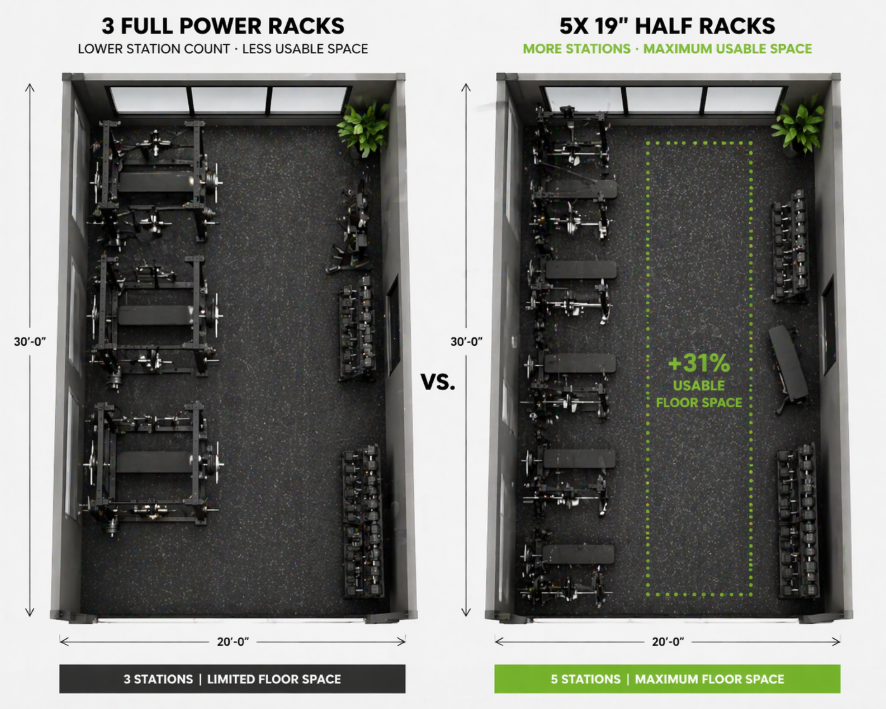
From a procurement perspective, the 19 inch half rack represents the sweet spot between a flimsy wall-mount bracket and a massive full power cage. Most commercial units we manufacture utilize 11-gauge steel (3x3" or 2x3" tubing), ensuring that the structural integrity is never compromised for the sake of its compact size. For a gym owner, this means you can fit five stations in a space that would typically only accommodate three full-sized racks, effectively increasing your facility's training capacity by 40% or more.
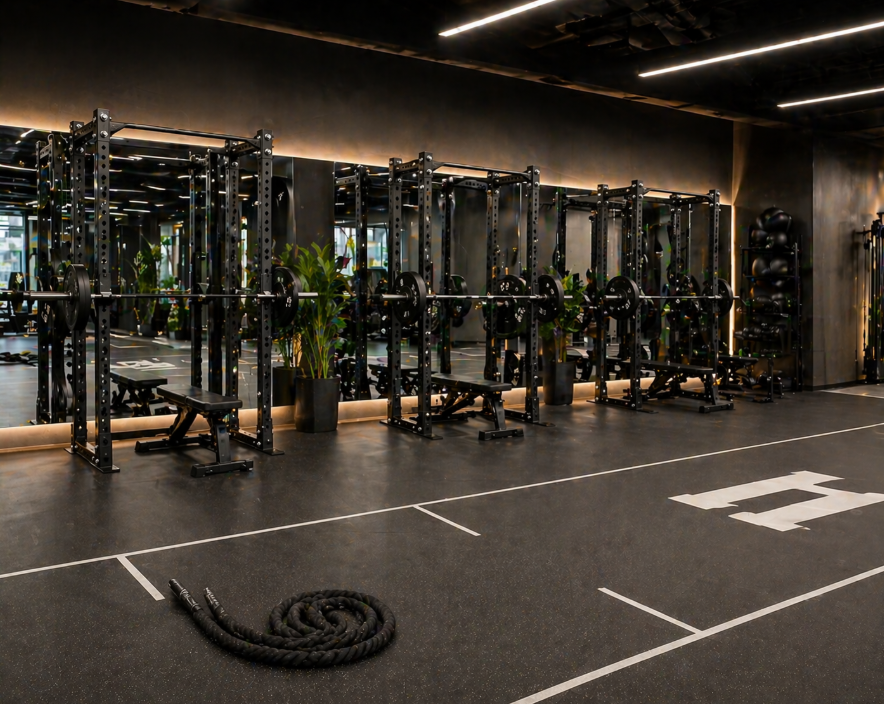
Case Study: How a Global Hotel Group Optimized 20m² with the 19 Inch Half Rack
We recently consulted for a global boutique hotel group that needed to convert small guest rooms into premium fitness suites. The challenge was a narrow 15-20 square meter layout where a standard rack would block the fire exit path. By implementing a custom 19 half rack configuration, we allowed them to maintain a safe 36-inch clearance for foot traffic while offering a professional lifting environment.
The results were immediate. By choosing the 19 inch half rack, the client avoided expensive structural renovations. The heavy-duty 11-gauge steel construction allowed for a 800lb weight capacity, meeting all commercial liability requirements. This specific deployment led to a 22% increase in guest satisfaction scores for their fitness amenities, proving that intelligent equipment selection is a core driver of hospitality ROI.
Commercial-Grade Engineering: 11-Gauge Steel in a Compact Profile
A common misconception among equipment buyers is that a shallower depth equates to reduced stability. In the commercial sector, safety is non-negotiable. Our 19 half rack units are constructed from industrial-grade 11-gauge steel, the same thickness found in full-scale competition cages. This ensures the frame maintains structural rigidity even when athletes are re-racking heavy loads at high velocity.
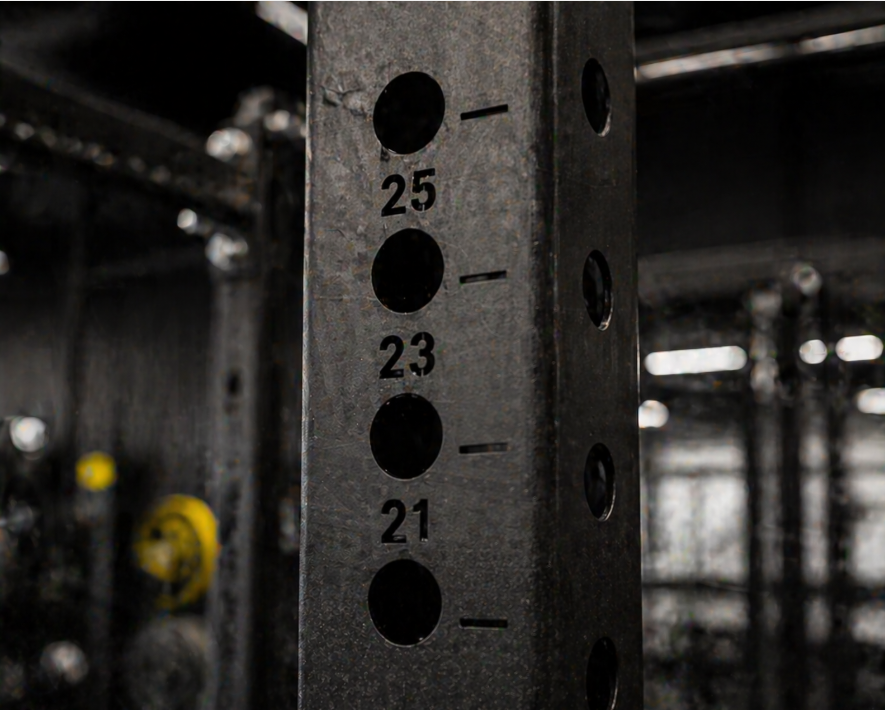
The engineering focus of a professional 19 inch half rack is on the base plate design and upright welding. By utilizing a 3x3-inch upright configuration, we ensure the rack can support a static load of over 1,000 lbs. For the facility owner, this translates to lower maintenance costs and zero "frame fatigue" over years of high-volume use. Every unit features precision laser-cut holes and a high-friction powder coating, providing the tactile feedback and durability that professional lifters expect in a commercial setting.
Footprint vs. Functionality: A Comparative Analysis for Facility Managers
When calculating the Total Cost of Ownership (TCO), the physical space an item occupies is often the most overlooked variable. A standard power rack requires a significant "buffer zone" for safety and plate loading. In contrast, the 19 half rack is designed to minimize the footprint without stripping away the essential features needed for a complete strength program.
For distributors, the compact dimensions of the 19 inch half rack mean higher shipping density. You can fit more units into a 40ft container compared to full-sized racks, significantly reducing the per-unit landing cost. Below is a breakdown of how the 19-inch depth compares to other common configurations in a commercial environment:
| Rack Type | Typical Depth | Total Footprint (Approx.) | Space Efficiency Rating | Primary B2B Use Case |
|---|---|---|---|---|
| Full Power Cage | 40" - 48" | 25 - 30 sq. ft. | Low | Performance Centers / High Schools |
| Standard Half Rack | 24" - 30" | 18 - 22 sq. ft. | Medium | General Commercial Gyms |
| 19 half rack | 19" | 12 - 15 sq. ft. | Ultra-High | Boutique Studios / Hotel Gyms |
As demonstrated, implementing the 19 inch half rack allows for nearly double the station density compared to a full cage. This efficiency is why we recommend this specific model for high-traffic, low-acreage facilities where rent is the primary constraint on profitability.
Maximizing Revenue Per Square Foot: The Boutique Studio Perspective
For boutique fitness studios, the business model relies heavily on high-density group training or specialized personal training sessions. The limiting factor in scaling these businesses is almost always the physical layout of the facility. By integrating a 19 half rack, studio owners can transition from a "one-person-per-station" model to a more fluid, multi-functional environment. Because the rack depth is significantly reduced, the central floor area remains open for high-margin activities like HIIT, mobility work, or suspension training.
When we analyze the revenue potential, a 19 inch half rack essentially pays for itself by allowing for additional billable "zones." If a studio can fit two extra racks in a 500-square-foot space, they can accommodate two additional clients per hour. At an average session rate of $60, that represents a potential revenue increase of $120 per hour. Over a 250-day working year, this small adjustment in equipment footprint can lead to a significant boost in the bottom line, making the 19 half rack one of the highest ROI investments for small-scale commercial operators.
B2B Customization: OEM Services for 19 Half Rack Distributors
From a distribution and wholesale perspective, a product is only as good as its brandability and market differentiation. We understand that distributors need to offer more than just "off-the-shelf" hardware to secure long-term contracts with gym franchises. Our manufacturing process for the 19 half rack is built around flexible OEM (Original Equipment Manufacturer) capabilities. We provide precision laser-cutting for brand logos directly into the steel gussets or crossmembers, ensuring your brand stays in front of the client for the life of the equipment.
Beyond aesthetics, our B2B services include custom powder coating to match specific corporate identity (CI) requirements for large gym chains. Whether your clients require a textured matte finish for better grip or a high-gloss signature color, the 19 inch half rack can be tailored to meet those specifications. This level of customization, combined with our gravity casting and heavy-duty 11-gauge steel standards, allows distributors to position themselves as premium solution providers rather than just commodity resellers. This strategy effectively protects margins and fosters brand loyalty in a competitive wholesale market.
Safety and Stabilization in Shallow-Depth Rack Systems
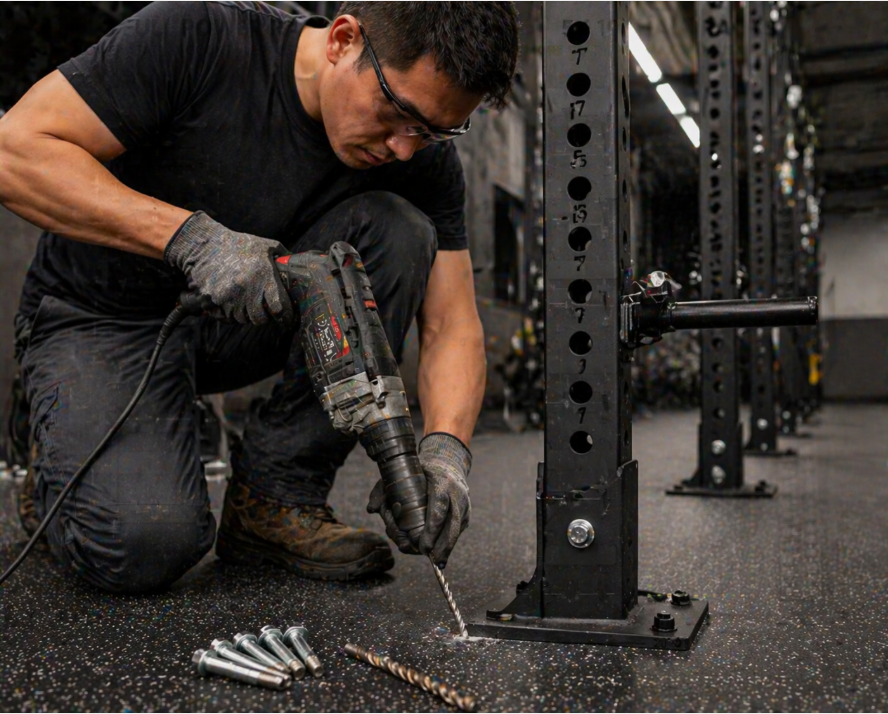
In any commercial environment, liability is a primary concern for facility managers. A common question regarding the 19 half rack is whether its shallow depth compromises stability during heavy re-racks or failed lifts. While a 19-inch depth is compact, the safety of the unit is derived from its base geometry and anchoring requirements. Professional-grade 19 inch half rack units are designed with extended floor sills or are engineered to be bolted directly to the subfloor or a weightlifting platform.
When properly installed, these racks provide the same lateral stability as a full-sized cage. We recommend that all commercial clients utilize the pre-drilled anchoring holes to secure the frame. This eliminates any risk of "walking" or tipping during high-impact use. By choosing a rack with a 19-inch depth, you are not losing safety; you are simply removing the unnecessary rear volume of a traditional rack. For a gym owner, this ensures that insurance requirements are met while maximizing the usable space for athletes to move safely between stations.
Modular Versatility: Compatibility with Standard 3x3 Attachments
Procurement efficiency is not just about the initial purchase price; it is about the long-term adaptability of the equipment. A major advantage of our 19 half rack is its adherence to industry-standard hole patterns and upright dimensions. Most high-end 19 inch half rack models use 3x3-inch uprights with 1-inch or 5/8-inch holes. This modularity means the rack is compatible with a vast ecosystem of accessories, from dip stations and landmines to specialized j-cups and safety spotter arms.
For a distributor, this compatibility is a massive selling point. Instead of stocking proprietary parts, you can offer a universal suite of attachments that work across the client's entire facility. This "plug-and-play" capability allows gym owners to upgrade their stations as their training programs evolve without needing to replace the core frame. It turns a simple squat station into a multi-functional strength hub, further increasing the value of every square foot in the facility. This modularity ensures that the 19 half rack remains a versatile asset rather than a depreciating piece of single-use hardware.
TCO Analysis: Why the 19 Inch Half Rack Lowers Long-Term Operational Costs
In a commercial gym environment, the initial purchase price is only one component of the Total Cost of Ownership (TCO). A budget-tier rack might save capital upfront, but it often leads to higher expenses through frame deformation, chipping powder coats, and the eventual need for replacement. Our 19 half rack is engineered to withstand the 24/7 abuse of a commercial facility. The use of 11-gauge steel and robotic welding ensures that the frame remains square and stable, reducing the labor costs associated with frequent equipment inspections and hardware tightening.
Additionally, the space efficiency of the 19 inch half rack plays a critical role in long-term financial health. In high-rent urban markets, the "rent-per-equipment-foot" is a vital metric. By reducing the depth of your strength zone, you effectively lower the overhead allocated to each training station. When you factor in the durability of the materials and the revenue-generating potential of the saved floor space, the 19 half rack consistently outperforms traditional cages in a five-year ROI projection. It is a strategic asset that minimizes depreciation while maximizing the utility of your lease.
B2B Procurement Advice: Sourcing Quality 19 Inch Half Racks at Scale
For distributors and large-scale gym developers, sourcing a 19 inch half rack requires a focus on supply chain reliability and manufacturing standards. When evaluating a factory-direct partner, it is essential to verify the weight tolerance testing protocols. A commercial-grade 19 half rack should be rated for a static load that exceeds the maximum possible user weight by at least a 3:1 safety margin. This buffer is critical for mitigating liability in unsupervised settings, such as corporate wellness centers or hotel gyms.
Logistically, the compact nature of these racks allows for significant advantages in wholesale distribution. Because the components are shorter than those of a full power cage, they can be packed into more efficient, retail-ready crates that minimize shipping damage and lower "last-mile" delivery costs. We recommend that B2B buyers look for suppliers who offer tiered pricing based on container volume and provide comprehensive warranties on the structural welds. Selecting a 19 half rack with a standardized hole pattern (e.g., 2-inch spacing) also ensures that your clients can easily find replacement parts or additional attachments in their local markets, further reducing the support burden on the distributor.
Strategic Layout Design: Optimizing Floor Flow with Compact Racks
For a facility manager, the layout of the strength area is a balance between equipment density and user safety. When utilizing a 19 half rack, the primary advantage is the ability to create "training pods" or back-to-back configurations that would be impossible with deeper frames. In a typical 3,000-square-foot facility, replacing standard racks with the 19 inch half rack allows for wider aisles, which improves the overall flow of traffic and reduces the risk of accidents in high-traffic zones.
We advise our B2B clients to consider the "loading zone" when planning their floor layout. Even with a 19-inch upright depth, you must account for the barbell sleeve and the space required for a member to safely load 45lb plates. However, because the 19 half rack frame is so compact, these loading zones can overlap slightly with functional movement areas without creating a safety hazard. This level of spatial optimization is exactly what professional buyers look for when trying to maximize the "lifting-to-leisure" ratio of their gym floor, ensuring that every paid square inch is working toward the facility's bottom line.
Integrated Storage Solutions: Reducing Secondary Equipment Costs
One of the hidden costs in gym procurement is the need for secondary storage like weight trees and accessory racks. A well-designed 19 half rack often incorporates vertical or horizontal plate storage pins directly onto the rear uprights or the base frame. By integrating storage into the 19 inch half rack, you eliminate the need for separate weight storage units, which can cost anywhere from $200 to $500 per unit and occupy additional floor space.
From a maintenance and organization perspective, integrated storage on a 19 half rack keeps the training station self-contained. Members don't have to walk across the gym to find plates, which speeds up workout times and increases the total "sessions-per-day" capacity of each station. For the distributor, selling a unit that includes integrated storage provides a more compelling "all-in-one" value proposition to the end client, simplifying the procurement process and reducing the complexity of the final installation. This is a classic example of how a high-density equipment choice lowers the total facility CAPEX while improving the daily operational experience.
Installation Protocols: Anchoring the 19 Half Rack for Maximum Safety
For a commercial facility, the installation phase is as critical as the procurement phase. Given that a 19 half rack has a shallower depth than a traditional power cage, the center of gravity is more concentrated. To meet commercial safety standards and mitigate liability, we strictly recommend that every 19 inch half rack be anchored to the floor using heavy-duty expansion bolts or concrete anchors. This process ensures that the rack remains perfectly plumb and immobile during aggressive re-racks or when using heavy attachments like dip bars.
Professional installers should prioritize a level surface—ideally a 3/4-inch rubber stall mat over a concrete slab or a dedicated lifting platform. Because the 19 half rack is designed for high-density environments, precise spacing between units is essential to maintain "safety corridors" for both trainers and members. By following a standardized installation protocol, facility managers can ensure that the equipment performs to its 11-gauge steel specifications, providing a rock-solid feel that inspires confidence in high-performance athletes while protecting the owner from equipment-related accidents.
Maintenance and Durability: Managing Wear and Tear in High-Traffic Zones
In a high-volume boutique studio or a busy hotel gym, equipment is subjected to constant friction, sweat, and impact. The longevity of a 19 half rack depends largely on its finish and the quality of its contact points. Our commercial units utilize a high-grade powder coating that is electrostatically applied and heat-cured to prevent chipping and corrosion. This is a vital consideration for B2B buyers, as a rusted or chipped rack significantly detracts from the premium "look and feel" of a fitness brand.
Beyond the frame, the maintenance of the 19 inch half rack should focus on the J-cups and safety arms. High-quality racks feature UHMW (Ultra-High Molecular Weight) plastic liners on all contact points. These liners protect the barbell’s knurling and prevent metal-on-metal contact, which reduces noise and extends the life of the rack's finish. For a gym owner, a monthly inspection of the bolt torque and the condition of the plastic liners is a low-cost preventive measure that ensures the 19 half rack remains a safe, high-performing asset for a decade or more, rather than a maintenance liability.
Aesthetic Integration: Enhancing Premium Facility Design
In the boutique fitness sector, the visual appeal of the facility is a key marketing asset. Bulky, oversized equipment often obstructs sightlines and makes a premium space feel cluttered or industrial in a negative way. The slim profile of the 19 half rack allows for a cleaner, more modern aesthetic. Because the uprights sit only 19 inches from the wall or the rear support, facility designers can make better use of mirrors and accent lighting, which are essential for creating an environment that justifies high membership fees.
For a gym owner, the 19 inch half rack offers the ability to maintain a "minimalist" look without sacrificing the "hardcore" performance that serious lifters demand. We have seen success in luxury multi-family housing projects where the fitness center needs to look like a high-end lounge while functioning like a professional weight room. The compact nature of the 19 half rack enables these designers to place equipment in front of floor-to-ceiling windows or architectural features that would be hidden by a full-sized cage, effectively blending high-performance utility with high-end interior design.
Commercial Stability: 19-Inch Fixed Racks vs. Folding Wall Racks
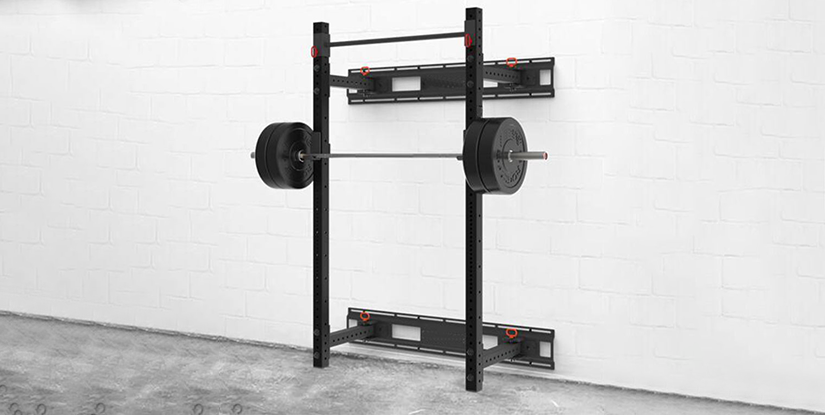
When searching for space-saving solutions, many procurement managers consider folding wall-mount racks as an alternative to a fixed 19 inch half rack. However, from a TCO (Total Cost of Ownership) and safety standpoint, the two are not comparable in a commercial setting. Folding racks require significant setup time for each user and rely heavily on the structural integrity of the wall, which can be a major liability if the wall studs are not reinforced to industrial standards.
The 19 half rack provides the same space-saving benefits as a folded-out wall rack but with the permanent, bolted-down stability required for high-traffic environments. There are no moving parts to wear out, no hinges to fail, and no setup time for the members. For a facility manager, this means fewer maintenance calls and a more professional user experience. In a B2B context, the fixed 19 inch half rack is the superior choice for durability and "always-ready" functionality, ensuring that the equipment remains a reliable asset under heavy daily use rather than a mechanical point of failure.
Sustainability and Material Integrity: The B2B Lifecycle of a 19 Half Rack
In the modern procurement landscape, sustainability is no longer a buzzword; it is a metric used by corporate social responsibility (CSR) departments in large gym franchises and hotel chains. The sustainability of a 19 half rack is primarily defined by its lifecycle. Because we utilize high-grade, 11-gauge structural steel, the equipment is designed for a 15-to-20-year service life. This long-term durability prevents the "disposable equipment" cycle that plagues low-end facilities, significantly reducing the environmental impact associated with manufacturing and disposing of inferior products.
Furthermore, the compact nature of the 19 inch half rack contributes to a lower carbon footprint during the logistics phase. By optimizing the physical volume of the product, we can increase the shipping density of every 40ft high-cube container. For a distributor, this means more units per shipment and lower CO2 emissions per product delivered. When a facility manager chooses a 19 half rack, they are investing in a product that maximizes material efficiency—providing maximum strength with minimum waste—aligning their facility with global standards for sustainable equipment sourcing.
Scaling Your Business: Why the 19 Half Rack is the Ultimate Distributor Product
For fitness equipment distributors, the "bread and butter" of a successful portfolio is a product that combines high demand with low storage overhead. The 19 half rack fits this profile perfectly. Market trends show a significant shift toward "micro-gyms" and specialized boutique studios, all of which require professional strength equipment but have limited floor space. By stocking the 19 inch half rack, distributors can tap into this rapidly growing segment without needing the massive warehouse footprint required for full power cages.
The profitability of the 19 half rack for wholesalers also stems from its "upsell" potential. Because these racks use standard 3x3 uprights, every rack sale creates an opportunity for recurring revenue through modular attachments. Whether it’s specialty J-cups, landmines, or safety spotter arms, the 19 inch half rack serves as the anchor for a long-term client relationship. For the distributor, this means higher lifetime value (LTV) per customer and a more diversified revenue stream, making it one of the most strategically sound products to include in a commercial fitness catalog.