5/8 vs 1 Inch Power Rack Procurement: Hardware Standards & ROI
For facility managers and collegiate strength coaches, the technical specifications of hardware often take a backseat to frame dimensions—until equipment begins to fail under load. The decision between a 5/8 vs 1 inch power rack is not merely an aesthetic choice; it is a fundamental engineering decision that dictates the shear strength of your training stations, the modularity of your attachment ecosystem, and the total cost of ownership over a decade of high-frequency use.
Defining the Difference: 5/8 vs 1 Inch Power Rack Standards
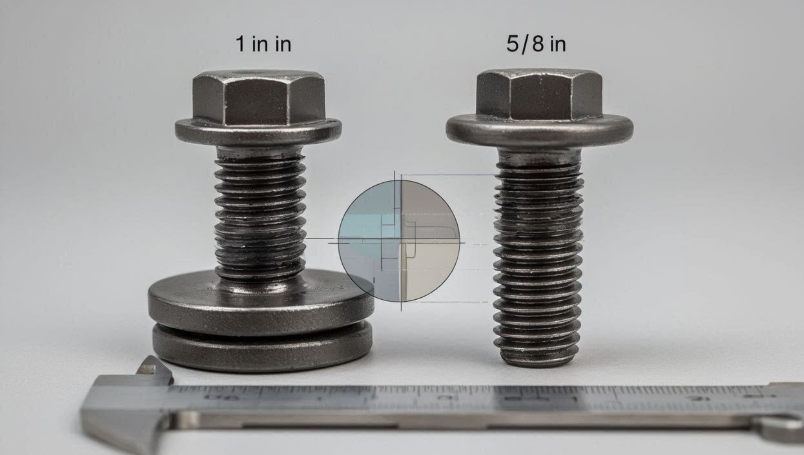
The 5/8 vs 1 inch power rack standard refers to the diameter of the bolts and holes used to assemble the frame and connect attachments. A 5 8 vs 1 inch power rack comparison reveals that while 5/8" hardware is common in boutique settings, the 1-inch standard offers approximately 150% more cross-sectional area, providing superior resistance to the high-torque forces generated by modern commercial gym accessories.
In professional procurement, the 1-inch hardware standard has become the benchmark for elite athletic facilities. When sourcing a 5/8 vs 1 inch power rack, we evaluate the hardware’s ability to withstand eccentric loads. For a facility managing hundreds of athletes daily, the increased surface area of 1-inch Grade-8 bolts reduces "hole ovalization"—the structural deformation that occurs when smaller hardware is subjected to repeated heavy impact. Selecting the correct standard at the point of purchase prevents premature frame fatigue and ensures that your facility meets the highest safety certifications required for commercial liability insurance.
The Shear Strength Crisis: Why Hardware Failure Happens in Collegiate Strength Rooms
The pain point for many athletic directors is the hidden degradation of equipment. In a high-traffic collegiate strength room, racks are often subjected to extreme torque from jammer arms and belt squat attachments. When a facility utilizes a 5/8 vs 1 inch power rack that is under-specced for these high-leverage movements, the hardware becomes the weak link. We have observed cases where 5/8" bolts, while sufficient for static loads, begin to show signs of shear fatigue when used with heavy lever-based attachments. This creates a dangerous agitation: structural play in the frame that compromises athlete confidence and increases the risk of catastrophic hardware failure during peak training hours.
Incorrectly speccing your hardware standard leads to a restricted accessory ROI. Many of the most advanced commercial-grade attachments are engineered specifically for 1-inch pins. If you procure a 5 8 vs 1 inch power rack without considering your future expansion, you may find your facility locked out of the best attachment technology or forced to use adapters that add unnecessary points of failure. This lack of foresight results in higher long-term costs, as you are eventually forced to replace entire racks to accommodate the evolving demands of modern strength programming. In professional sports, where the safety of multi-million dollar athletes is on the line, settling for inferior hardware is a risk that most procurement officers cannot justify.
Whether you are outfitting a D1 weight room or a high-end boutique studio, the solution lies in matching the hardware standard to the intended mechanical stress. A 5/8 vs 1 inch power rack decision should be based on your facility's long-term growth plan. By standardizing on 1-inch hardware for high-torque zones, you eliminate structural play and create a "zero-maintenance" foundation that protects both your athletes and your capital investment.
Structural Engineering: The Cross-Sectional Advantage of 1-Inch Hardware
From an industrial engineering perspective, the transition from 5/8" to 1" hardware is not a linear upgrade in strength; it is a exponential leap in load distribution. When comparing the 5/8 vs 1 inch power rack, the cross-sectional area of the 1-inch bolt is approximately 0.785 square inches, compared to just 0.306 square inches for a 5/8" bolt. This 150% increase in steel volume significantly elevates the shear strength of the frame. In a 5 8 vs 1 inch power rack setup, this extra mass prevents the hardware from "biting" into the 11-gauge steel uprights under heavy eccentric loads, a common cause of frame misalignment in high-traffic facilities.
Our 1-inch hardware systems utilize Grade-8 industrial fasteners, which are the standard for high-stress structural applications. This engineering choice is critical when your facility integrates dynamic attachments like lever arms or pulley systems. The increased surface area of the 1-inch bolt, coupled with oversized thick-gauge washers, creates a superior clamping force. This reduces the structural "chatter" or vibration often felt in 5/8" systems during high-rep explosive movements. For the procurement manager, this translates to a rack that remains square and stable for years, significantly lowering the frequency of safety re-inspections and bolt tightening cycles.
Accessory Compatibility: Protecting Your Long-Term Equipment ROI
In the B2B fitness market, modularity is the primary driver of a piece of equipment’s lifecycle value. A common procurement trap is selecting a 5/8 vs 1 inch power rack based on a lower initial price point, only to realize that the 5/8" standard limits your access to the broader commercial accessory market. While many entry-level or boutique-focused attachments use 5/8" pins, the "Gold Standard" for elite-level commercial accessories—such as heavy-duty Monolifts, ISO-lever arms, and advanced cable stations—is overwhelmingly 1-inch.
Choosing a 5 8 vs 1 inch power rack with 1-inch holes ensures that your investment is future-proofed. It allows your facility to source high-performance attachments from various premium manufacturers without needing custom adapters or facing vendor lock-in. For a university or a large-scale franchise, this universal compatibility protects your ROI. You can upgrade the functionality of your racks over time as training trends evolve, rather than being forced to replace entire frames because they cannot support the latest 1-inch pin accessories. In my consulting experience, facilities that standardize on the 1-inch ecosystem save thousands in long-term expansion costs compared to those stuck with limited 5/8" options.
Comparing 5/8" and 1" Standards for High-Frequency Commercial Use
To assist in your procurement decision, we have quantified the operational differences between the 5/8 vs 1 inch power rack standards. This comparison focuses on the metrics that impact the daily management and financial health of a commercial strength facility.
| Performance Metric | 5/8" Hardware Standard | 1" Hardware Standard | B2B Operational Impact |
|---|---|---|---|
| Shear Load Capacity | Standard (Collegiate Tier 2) | Elite (Collegiate Tier 1) | Long-term structural safety |
| Surface Clamping Area | Moderate | +150% compared to 5/8" | Reduced frame vibration |
| Hole Ovalization Risk | Moderate in high-torque zones | Minimal / Negligible | Prevents frame fatigue |
| Accessory Availability | Mid-range / Boutique | Premium / Universal | Maximizes equipment ROI |
| Maintenance Requirement | Quarterly tightening recommended | Bi-annual / Set & Forget | Lower labor costs |
| Standardization Grade | Light Commercial / Home Pro | Industrial / Elite Sports | Premium brand perception |
As the table illustrates, while a 5 8 vs 1 inch power rack may look similar on a spec sheet, the 1-inch standard is the clear choice for facilities that prioritize "overbuilt" reliability and accessory versatility. For distributors, stocking the 1-inch standard allows you to market to the most profitable sectors of the industry: D1 athletic programs, high-end performance centers, and professional sports teams.
Maintenance and Longevity: Reducing Vibration and Bolt Fatigue
In a high-traffic commercial facility, equipment maintenance is a significant operational expense that directly impacts your bottom line. A common pain point for gym owners is "hardware back-out"—the gradual loosening of bolts caused by the constant vibration of heavy lifts and aggressive racking. When evaluating a 5/8 vs 1 inch power rack, we must look at the surface area provided for clamping force. The larger diameter of the 1-inch hardware, combined with oversized industrial washers, distributes pressure across a wider area of the upright. This superior clamping force effectively dampens vibrations, preventing the "chatter" that leads to hardware fatigue and frame misalignment over time.
Agitating the maintenance issue, frequent bolt tightening is not just a labor cost; it is a sign of structural wear. In 5/8" systems, the smaller bolt has less contact with the hole walls, which can lead to micro-shifting. Over years of use, this micro-shifting causes the holes to become "out of round," compromising the rack's integrity and eventually requiring a full frame replacement. Choosing a 5 8 vs 1 inch power rack with 1-inch hardware provides a "set and forget" solution. In my experience managing large-scale facility rollouts, racks with 1-inch hardware require significantly fewer man-hours for safety audits, allowing your staff to focus on member engagement and revenue-generating activities rather than equipment repair.
Member Perception and Tactile Stability: Enhancing the Premium Gym Experience
For boutique personal training studios and elite performance centers, the "feel" of the equipment is a critical component of member retention. Clients who pay premium rates expect a tactile sense of absolute security when they are under a heavy barbell. In a 5/8 vs 1 inch power rack comparison, the 1-inch hardware delivers a "rock-solid" experience that is immediately noticeable. The lack of frame flex and the heavy-duty "thud" of a re-rack on a 1-inch bolt system signals industrial-grade quality. This perception of professionalism allows facility owners to justify higher membership fees and positions the gym as a top-tier strength destination.
Settling for a 5/8" system in a high-end environment can inadvertently lower your brand's perceived value. Serious lifters and high-net-worth clients are often highly educated on equipment specs; they recognize the 1-inch standard found in professional sports team weight rooms and collegiate D1 facilities. When they see a 5 8 vs 1 inch power rack built to those same elite standards in your studio, it reinforces their trust in your coaching and your infrastructure. By investing in the 1-inch standard, you are not just buying steel; you are buying the psychological assurance of quality that drives long-term member loyalty and separates your business from low-cost, "big box" competitors.
Strategic Sourcing for Distributors: Stocking for Global Market Demand
For fitness equipment distributors, the 5/8 vs 1 inch power rack debate is a matter of market segmentation and inventory turnover. While 5/8" hardware remains a viable option for the "prosumer" and light-commercial markets, the demand from high-revenue sectors—such as collegiate athletic programs and private performance centers—has shifted heavily toward the 1-inch standard. Stocking a 5 8 vs 1 inch power rack line that offers both options allows a distributor to service different budget tiers while maintaining a reputation for engineering excellence. However, from a profitability standpoint, 1-inch hardware systems often command a higher premium and offer better margins due to their perceived "elite" status in the B2B sector.
Logistically, the transition to 1-inch hardware does not significantly impact shipping volume or pallet density, but it does impact warehouse complexity. Managing two separate attachment ecosystems can increase stocking costs. As a result, many leading B2B suppliers are moving toward a "Unified 1-Inch Standard" for their top-tier rigs. This simplifies the supply chain and ensures that all high-margin accessories are compatible across the entire fleet. For a distributor, promoting the 1-inch standard is a strategy for long-term customer loyalty; once a facility invests in a 1-inch ecosystem, they are more likely to return for high-ticket attachments that fit their specific 5/8 vs 1 inch power rack configuration.

Safety Standards and Load Certification for B2B Procurement
In the litigious landscape of the American commercial fitness industry, equipment certification is a critical component of risk management. When a procurement officer evaluates a 5/8 vs 1 inch power rack, they are looking for more than just "strength"; they are looking for documented safety margins. A 1-inch hardware system provides a significantly higher "Factor of Safety" (FoS) in structural engineering calculations. This is particularly important for facilities that utilize dynamic loading accessories like suspension trainers or heavy-duty resistance band pegs, which apply non-traditional stress vectors to the frame.
Our 1-inch systems undergo rigorous shear testing to ensure they exceed industry-standard ASTM requirements for commercial strength equipment. A 5 8 vs 1 inch power rack comparison in a laboratory setting demonstrates that while 5/8" bolts are safe for traditional lifting, 1-inch bolts offer the redundancy needed for high-impact athletic environments. For a facility owner, this level of certification is a shield against liability. It ensures that in the event of an accident, your equipment cannot be cited as "under-engineered" for the task. Selecting the 1-inch standard is a proactive step in protecting your business’s legal and financial future, providing peace of mind that your infrastructure is built to the highest possible safety grade.
Hole Precision and Manufacturing Tolerances in High-End Racks
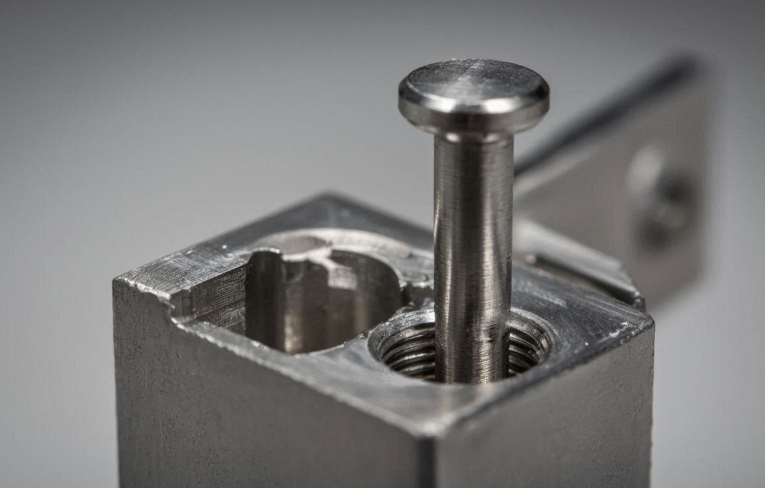
In my tenure as an equipment consultant, I have seen the "precision gap" firsthand. When choosing between a 5/8 vs 1 inch power rack, the manufacturing process itself often differs. Racks designed for 1-inch hardware typically represent a manufacturer’s flagship line, where laser-cutting tolerances are held to a much tighter standard. In a 5 8 vs 1 inch power rack, a 5/8" hole that is even slightly off-center can cause significant alignment issues when connecting long structural cross-members. Because 1-inch hardware systems are designed for elite collegiate and professional environments, the engineering oversight is generally more rigorous, ensuring that every attachment slides in with a "zero-tolerance" fit.
This precision directly impacts the training experience. A common agitation with lower-tier 5/8" racks is the "slop" or play within the attachment holes. When a J-hook or a safety arm has even a few millimeters of wiggle room, it accelerates the wear on the powder coating and creates an audible rattle that detracts from the premium feel of the gym. Our 1-inch systems are engineered for a flush fit, reducing the lateral movement of accessories. For a business owner, this means less surface-level damage to the uprights and a more professional, "tight" equipment feel that members associate with high-end performance centers. Precision is not just an engineering metric; it is a durability feature that protects the aesthetic and functional value of your 5/8 vs 1 inch power rack.
The Financial Trap: Why 5/8" Hardware May Increase TCO
The financial trap of the 5 8 vs 1 inch power rack decision is usually revealed in years three to five of a facility's operation. On paper, a 5/8" system often carries a lower initial procurement cost, which is attractive for startups with tight capital. However, as your facility grows and you seek to add specialized equipment—like belt squat attachments or high-capacity jammer arms—you may find that the 5/8" standard forces you into a "dead end." If the premium accessories you need are only available in 1-inch configurations, you are faced with a choice: settle for inferior 5/8" versions (if they exist) or replace your entire rack fleet to accommodate the 1-inch standard.
This "equipment silos" problem is a major driver of increased Total Cost of Ownership (TCO). When you factor in the cost of replacing racks and the potential loss of resale value on 5/8" frames, the "savings" from the initial purchase evaporate. By standardizing on a 5/8 vs 1 inch power rack with 1-inch hardware from day one, you are making a strategic move to protect your future cash flow. You gain the flexibility to source the world’s best attachments as your budget allows, without ever worrying about structural compatibility. In the B2B world, the most expensive equipment you can buy is the equipment you have to replace twice. Investing in the 1-inch standard is an insurance policy against future obsolescence.