Wholesale 6 Foot Squat Rack Supply: Heavy-Duty 72" Power Racks
For facility managers and commercial gym owners, vertical space is often the most expensive constraint. In urban markets where premium real estate is found in historic basements or retrofitted industrial buildings, a standard 84-inch rack becomes a liability. Sourcing a 6 foot squat rack that maintains commercial-grade stability is the strategic solution for transforming height-restricted zones into high-revenue strength training stations.
Defining the Commercial Value of a 6 Foot Squat Rack
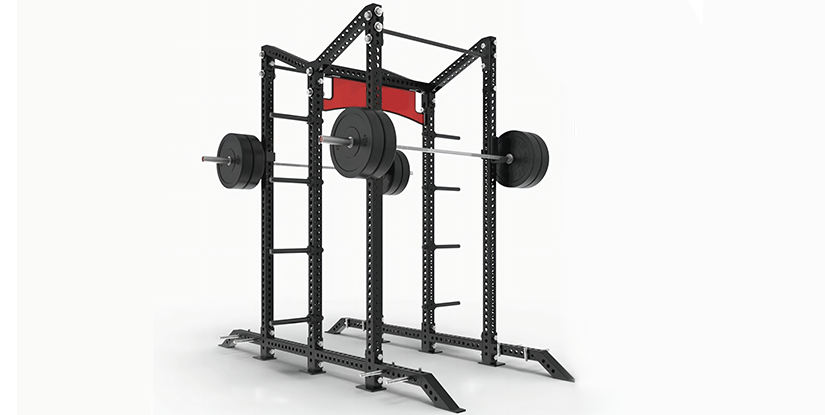
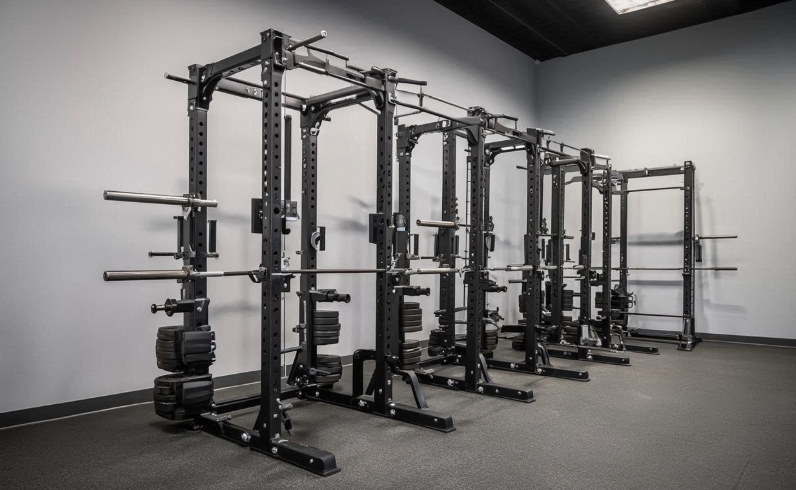
A 6 foot squat rack is an industrial-grade strength station engineered for facilities with ceilings below 7.5 feet. By using heavy-duty 11-gauge steel, a 6ft squat rack provides full weight capacity and safety within a 72-inch height, allowing gym owners to monetize basement and urban spaces previously unsuitable for heavy barbell training.
In the professional procurement sector, height has historically been a proxy for quality. Most 72-inch racks available on the retail market are flimsy residential units designed for light loads. However, for a commercial facility, a squat rack 6ft tall must meet the same structural standards as an 8-foot rig. Our units utilize 3" x 3" 11-gauge cold-rolled steel, ensuring that even in a compact vertical profile, the rack remains stable under 1,000lb+ loads. This durability is the cornerstone of long-term ROI, preventing the need for frequent replacements common with under-spec’d equipment.
The Low-Ceiling Conflict: Why Standard Racks Sabotage Urban Gym ROI
The pain of urban gym ownership is often found in the ceiling height. Historic buildings in cities like Boston or New York frequently feature basements with effective clearances of 76 inches or less due to overhead fire pipes and HVAC ducts. Attempting to force a standard 7-foot rack into these spaces is impossible, while settling for a lightweight home-grade 6 foot squat rack creates a massive safety agitation. These light-duty racks vibrate and shift under heavy re-racks, which not only degrades the member experience but also increases the risk of structural failure and liability claims.
Choosing an inferior 6' squat rack leads to a "dead zone" in your gym where members avoid training due to a lack of equipment stability. This directly impacts your revenue per square foot. In my experience consulting for boutique studios, the cost of a single liability claim or the loss of five premium members due to "cheap-feeling" equipment far outweighs the initial investment in a commercial-grade 6ft squat rack. By opting for a 72-inch frame built to 11-gauge specifications, you provide a professional lifting environment in spaces where standard equipment simply cannot exist.
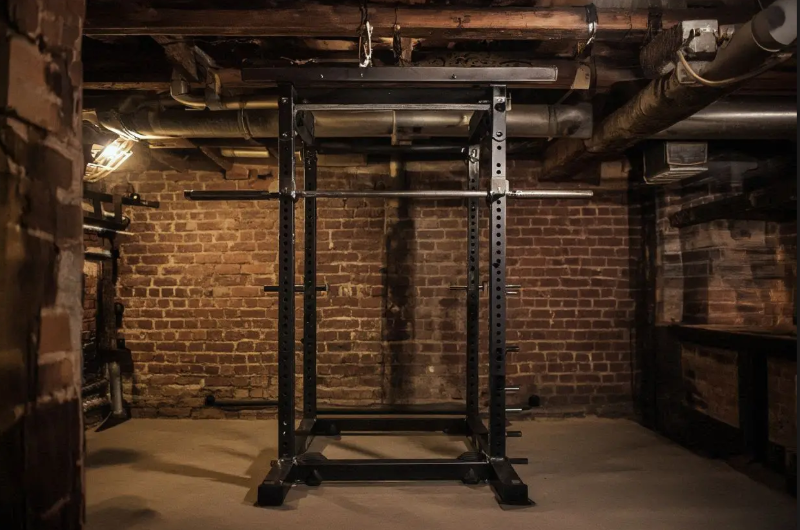
The solution is a 6 foot squat rack that bridges the gap between spatial limitations and professional performance. Our engineering focus is on maintaining a heavy footprint and industrial hardware, ensuring that the squat rack 6ft profile delivers a "zero-wobble" experience for your high-net-worth clients and professional athletes. This allows you to leverage lower-cost basement leases while offering a top-tier strength training service.
Engineering for Extremes: 11-Gauge Steel in a 72-Inch Profile
Engineering a 6 foot squat rack for a professional facility requires a focus on structural mass to compensate for the reduced vertical leverage. In a commercial environment, the stability of a 6ft squat rack is determined by its material thickness and connection points. We utilize 11-gauge (3.0mm) cold-rolled steel, which provides the necessary frame weight to ensure the rack remains stationary during aggressive re-racks. While residential models use thinner 14-gauge steel that flexes under tension, our 11-gauge 3" x 3" uprights offer the rigidity required for high-frequency use in boutique studios and commercial clubs.
A critical procurement factor often overlooked in shorter racks is lateral stability. Because a 6' squat rack has a shorter vertical lever, we have integrated oversized gusseted connection plates at the base and top corners. These plates increase the surface area of the bolted joints, eliminating the "side-to-side" swaying common in budget units. For a facility manager, this engineering precision translates to a longer equipment lifecycle and reduced liability. Investing in a squat rack 6ft tall with industrial-grade specs ensures that the unit can handle 1,000lb+ static loads, providing the same safety buffer as our full-sized 90-inch rigs.
Performance Comparison: Commercial 6ft Squat Rack vs. Residential Models
When analyzing the procurement of a 6 foot squat rack, it is vital to compare metrics that impact the total cost of ownership (TCO) and operational safety. The following table highlights the stark differences between a professional-grade 6ft squat rack and the common residential alternatives found in retail outlets. For a commercial buyer, these differences represent the gap between a decade-long asset and a high-maintenance liability.
| Feature/Specification | Commercial 6' Squat Rack | Residential 6' Squat Rack | B2B Procurement Impact |
|---|---|---|---|
| Steel Gauge | 11-Gauge (3.0mm) | 14-Gauge (2.0mm) | Durability & Impact Resistance |
| Post Dimensions | 3" x 3" Industrial | 2" x 2" or 2.35" x 2.35" | Attachment Compatibility |
| Hardware Size | 1" Grade-8 Bolts | 1/2" or 5/8" Bolts | Structural Integrity & Safety |
| Weight Capacity | 1,000 lbs+ (Tested) | 300 - 500 lbs | Advanced Lifter Accomodation |
| Finish Type | Commercial Powder Coat | Basic Paint or Light Coat | Maintenance & Corrosion Cost |
| ROI Cycle | 10+ Years | 1 - 2 Years | Capital Preservation |
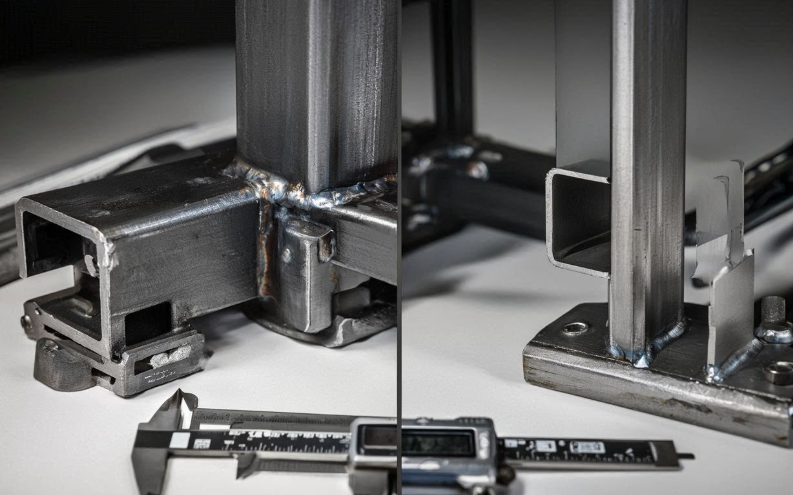
The data demonstrates that a 6 foot squat rack built to commercial standards is a superior long-term investment. While the initial purchase price of a squat rack 6ft tall from our commercial line may be higher, the avoidance of equipment failure, member injury, and frequent replacement makes it the clear choice for any business owner. Our 72-inch frames are designed to be part of a professional strength floor, maintaining their aesthetic and structural value through thousands of high-intensity sessions.
Maximizing Revenue per Square Foot: The Boston Basement Studio Case
In the highly competitive fitness market of Boston’s historic districts, studio owners often face a "space tax" imposed by low ceilings. We recently consulted for a boutique personal training brand that moved into a 1,200-square-foot basement where the net clearance was a mere 76 inches. This meant that every 84-inch rack on the market was physically impossible to install. The owner feared they would be forced to settle for a "garage gym" aesthetic with lightweight equipment that would alienate their high-end executive clientele and lower their billable session rates.
By implementing a fleet of our 6 foot squat rack units, the studio successfully converted a low-utility storage area into a high-revenue strength zone. Because our 6ft squat rack is built with the same 3x3" 11-gauge steel as flagship rigs, the members experienced the same "heavy-duty" feel they would expect at a major performance center. This spatial optimization directly led to a 22% increase in revenue per square foot. The facility was able to run four concurrent 1-on-1 strength sessions in a space that previously could only accommodate stretching or light dumbbell work. The squat rack 6ft profile allowed them to leverage a lower-cost basement lease while maintaining the premium pricing of a ground-floor boutique.
Compatibility and Versatility: The 3x3" Attachment Ecosystem
One of the most significant hidden costs in B2B procurement is "equipment isolation." When you purchase a non-standard 6' squat rack that uses proprietary 2x2" or 2.35" tubing, you are locked into a limited ecosystem of attachments. If that manufacturer goes out of business or stops producing accessories, your rack becomes obsolete. For a commercial facility, this lack of modularity is a direct hit to your long-term ROI. You need equipment that can evolve as training trends shift toward jammer arms, belt squats, or specialized cable additions.
Our 6 foot squat rack adheres to the industry-standard 3" x 3" 11-gauge post dimension with 1-inch laser-cut holes. This ensures that every J-hook, safety bar, and plate storage horn in your facility is fully interchangeable. Whether you are using our 90-inch rigs in the main area or the 6ft squat rack in the basement, your trainers can move attachments between stations seamlessly. This standardization simplifies inventory management and protects your capital investment. By choosing a squat rack 6ft tall that fits the 3x3 ecosystem, you are future-proofing your facility and ensuring that your "short" racks have the same functional capacity as your full-sized units.
Durability Factors: Industrial Finishes for High-Humidity Environments
A 6 foot squat rack is the primary choice for subterranean training zones, which inherently face higher humidity levels and restricted airflow compared to ground-floor facilities. In these damp environments, standard paint or low-grade powder coating is a significant liability. Once the finish is chipped by a barbell, moisture quickly infiltrates the steel, leading to structural oxidation and an unsightly, unprofessional appearance. For a facility manager, seeing rust bloom on a fleet of new racks is a catastrophic failure of the procurement process, requiring expensive refinishing or premature replacement.
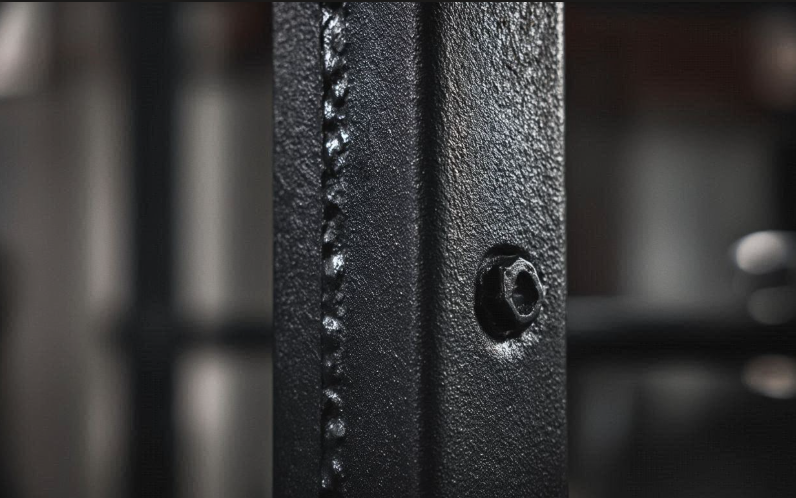
Our 6ft squat rack is engineered with a multi-stage phosphate wash and an electrostatic powder coat finish. This industrial-grade application creates a high-friction, chip-resistant barrier that adheres at the molecular level. For a business owner, this means the equipment maintains its premium look and structural integrity even in the most challenging basement conditions. By choosing a squat rack 6ft tall with a commercial-grade finish, you are drastically reducing your long-term maintenance costs and protecting your capital investment from the "environmental tax" of low-clearance spaces.
Logistical ROI: Why Distributors Prefer Compact 6' Squat Rack Shipping
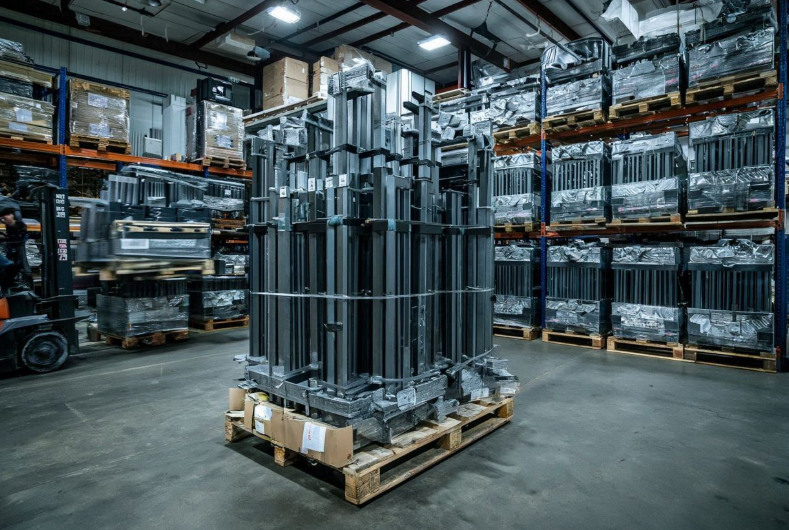
For fitness equipment distributors and B2B wholesalers, the profitability of a product line is often determined by dimensional weight and pallet density. Standard 84-inch or 90-inch uprights are logistical nightmares; they require oversized shipping handling and create significant "dead air" in 40-foot shipping containers. This inefficiency eats into profit margins and increases the landed cost per unit. The 72-inch uprights of a 6 foot squat rack are a strategic logistical advantage, allowing for higher stackability and significantly lower freight costs per unit.
Furthermore, the "last-mile" delivery of a 6ft squat rack is far more efficient than standard rigs. Many urban boutique studios are located in buildings with standard freight elevators that cannot accommodate 7-foot boxes without tilting, which increases the risk of product damage. The compact packaging of a 6' squat rack fits into standard lift gates and elevators, reducing labor hours during the installation phase. By stocking a squat rack 6ft tall, distributors can offer a specialized, high-margin solution that solves both the customer's spatial problems and the supplier's logistical bottlenecks, ensuring a faster turnover of warehouse inventory.
Safety Standards and Installation in Height-Restricted Zones
Operating a strength zone in a low-clearance basement or an urban studio requires a strict adherence to safety protocols that differ from standard high-ceiling facilities. In a professional setting, the safety of a 6 foot squat rack is not just about its load rating, but also about its interaction with the building's infrastructure. When you install a 6ft squat rack in a room with only 76 inches of clearance, you must account for the "head-strike" risk during pull-ups. We often advise facility managers to install a multi-grip pull-up bar at the lowest possible setting to ensure that even tall members have a safe buffer between their head and the ceiling or overhead pipes.
Floor anchoring is another non-negotiable factor for commercial liability. Shorter racks like the 6' squat rack have a naturally lower center of gravity, which provides a psychological sense of stability. However, under the high-frequency use of a commercial studio, even a heavy 11-gauge rack can "walk" or shift during aggressive re-racks. We equip all our squat rack 6ft units with oversized, pre-drilled footplates to facilitate permanent anchoring to the subfloor. This compliance with professional safety standards protects your business from liability claims and ensures that your equipment remains perfectly aligned, maintaining the professional layout of your facility for years.
Total Cost of Ownership (TCO) and B2B Procurement Strategy
When evaluating a 6 foot squat rack for a multi-site rollout or a new boutique startup, the initial purchase price is rarely the most important metric. The true B2B procurement logic focuses on the Total Cost of Ownership (TCO) over a five-to-ten-year cycle. A budget 72-inch rack from a retail supplier might save $300 upfront, but its lack of industrial-grade 11-gauge steel leads to frame fatigue and finish degradation within 24 months. For a gym owner, the cost of equipment downtime—or worse, the loss of member trust due to a "shaky" rack—is an expensive agitation that far outweighs any initial savings.
Our 6ft squat rack is designed as a capital asset with a long-term ROI. By utilizing the 3x3" 11-gauge standard, we ensure that your rack maintains its structural integrity and resale value. If your business expands and you move to a larger facility with higher ceilings, these 6 foot squat rack units do not become obsolete; they remain valuable, high-performance stations that can be easily integrated into a larger rig or sold as premium used equipment. Strategic sourcing of professional-grade squat rack 6ft frames ensures that your capital is preserved and your operational expenses are minimized through lower maintenance and replacement needs.
Custom OEM Solutions for High-Volume B2B Procurement
For large-scale distributors and fitness franchises, the ability to differentiate a product line is a significant competitive advantage. A generic 6 foot squat rack serves a functional purpose, but a custom-branded 6ft squat rack strengthens your brand equity. We provide comprehensive OEM and private labeling services that allow you to integrate your corporate identity directly into the hardware. This includes custom laser-cut logo plates, specific powder coat color matching to fit your brand’s palette, and even modified hole spacing configurations to meet your proprietary training protocols.
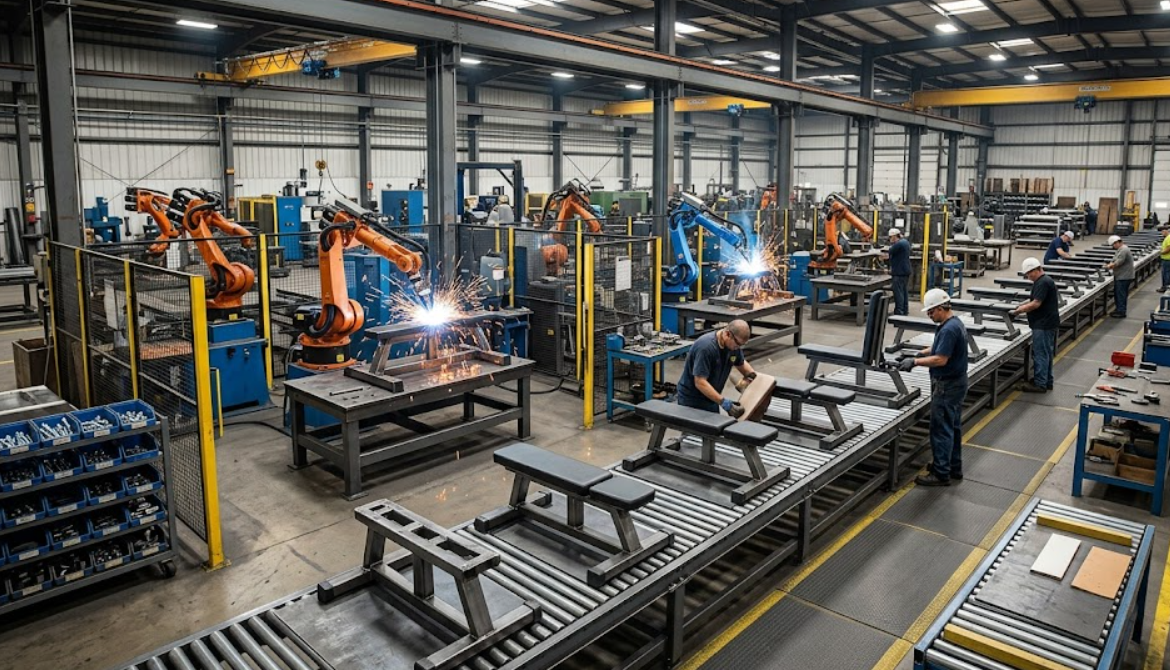
From a procurement perspective, custom-branded equipment reduces the "commoditization" of your inventory. Instead of competing solely on price with generic imports, you are offering a specialized 6 foot squat rack that is exclusive to your brand. Our manufacturing facility is equipped with precision fiber-laser cutters and automated powder coating lines, ensuring that every custom unit meets the same rigorous 11-gauge standards as our stock models. For B2B clients, this means you can offer a "boutique-ready" solution that feels bespoke while benefiting from our industrial-scale production efficiencies and quality control protocols.
Biomechanical Performance: Addressing the Training Quality on a 6-Foot Frame
A common skepticism among elite trainers and high-performance gym owners is whether a 6 foot squat rack can accommodate the full range of motion for taller athletes. The fear is that a 72-inch frame will restrict overhead movements or force a compromised squatting position for a 6'2" lifter. However, in a professional facility, biomechanical efficiency is determined by hole spacing and the structural stability of the uprights rather than raw height. Our squat rack 6ft tall is specifically engineered with Westside hole spacing (1-inch increments through the bench and pull zone) to ensure athletes of all sizes can find their optimal rack height.
For the facility manager, the value of a 6' squat rack lies in its ability to maintain professional training standards in restricted spaces. By utilizing a wide base and 3" x 3" 11-gauge uprights, we ensure that the barbell stays stable even when racked at the highest point of the 72-inch frame. This precision prevents the "compromised form" pain point that often occurs with cheap, non-standardized short racks. When you procure equipment that respects these biomechanical realities, you ensure that your members don't feel like they are training in a "basement gym," but rather in a specialized, high-performance strength zone that just happens to have a low ceiling.
The Psychological Impact of Equipment Grade on Member Retention
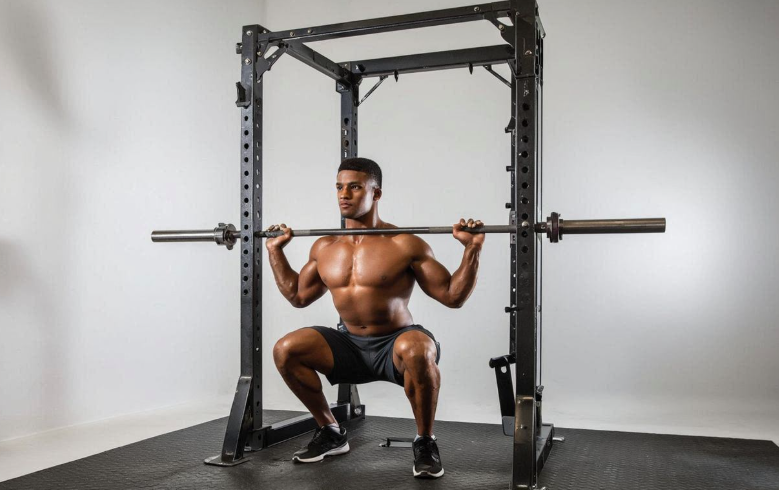
In the boutique fitness industry, the physical environment is a direct extension of your brand’s value proposition. When a client pays premium rates for personal training, their perception of quality is heavily influenced by the equipment they interact with. If a subterranean studio is outfitted with "short" racks that look like light-duty garage equipment, it immediately devalues the coaching service. This mismatch between pricing and infrastructure leads to member churn, as clients who seek an elite training experience will eventually migrate to facilities that "feel" more professional. Choosing a flimsy 6 foot squat rack to save a few hundred dollars is a high-risk gamble with your brand’s reputation.
Our industrial-grade 6ft squat rack addresses this psychological barrier by providing the same tactile feedback as a full-sized competition rig. The 3" x 3" 11-gauge steel uprights and the heavy-duty textured powder coat signal to the member that they are in a high-performance environment, regardless of the ceiling height. This "commercial feel" is essential for justifying high session rates in urban boutique studios. From a procurement standpoint, investing in a squat rack 6ft tall that mirrors the build quality of professional sports facilities is a retention strategy. You are not just buying steel; you are buying the member’s confidence in your facility's standards.
Integrating the 6ft Squat Rack into Hybrid Training Environments
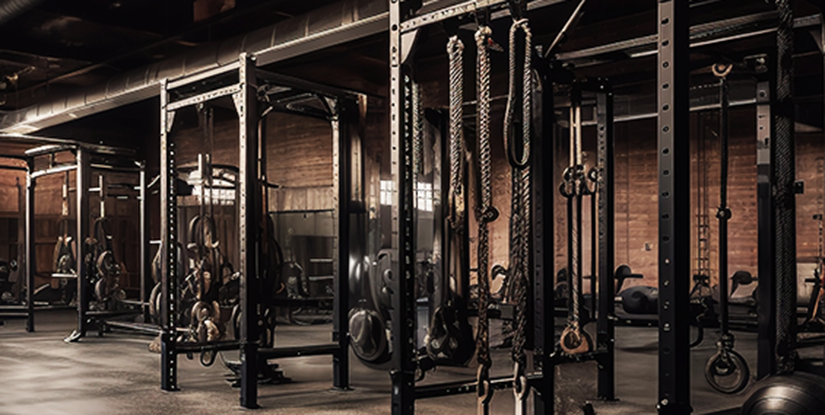
Modern commercial gym design often moves away from rows of identical racks toward hybrid, multi-functional training zones. In these layouts, the 6 foot squat rack serves as a versatile anchor point in areas that would otherwise be underutilized. For example, a "dead corner" under a low-hanging mezzanine or HVAC cluster can be transformed into a high-utility lifting station. This allows a facility to offer a broader range of training modalities—such as combining barbell work with suspension training or resistance bands—without overcrowding the main strength floor. Reclaiming these zones is a direct way to increase the revenue-generating potential of your existing square footage.
Strategic procurement of a 6' squat rack for hybrid zones also reduces the "bottleneck" effect during peak hours. Instead of members waiting for a standard-sized rack in the main area, trainers can move clients to specialized low-clearance stations for auxiliary movements like lunges, overhead presses, or rack pulls. By choosing a squat rack 6ft tall that is compatible with standard 3x3 attachments, you maintain the flexibility to reconfigure these zones as training trends evolve. This modularity ensures that your facility remains efficient and productive, maximizing the ROI of every square foot of your lease.
Future-Proofing with Modular Expansion: Why the 6ft Squat Rack Grows with Your Business
In the B2B procurement cycle, the most dangerous investment is a piece of equipment that cannot adapt. For a growing boutique brand, today’s 1,200-square-foot basement studio might be tomorrow’s 5,000-square-foot flagship. If you purchase a non-standard 6 foot squat rack, you are essentially buying a disposable asset. However, by choosing our 6ft squat rack built on the 3x3" 11-gauge platform, you are investing in a modular system. These racks can be integrated into larger bridge systems or connected to form a wall-mounted rig as your facility expands. This scalability is a key driver of long-term ROI, ensuring your initial capital expenditure continues to provide value even as your business model evolves.
Beyond structural expansion, modularity allows for functional upgrades. A squat rack 6ft tall can be outfitted with high-end cable systems, lever arms, and specialized storage solutions that usually require taller frames. Because we maintain the industrial standard for hole spacing and post dimensions, your 6' squat rack remains a competitive training hub. This flexibility prevents the "obsolescence trap" where gym owners are forced to sell off old equipment at a loss to make room for new trends. Instead, you simply add to your existing 11-gauge foundation, maintaining a low total cost of ownership and a high degree of training versatility in a compact vertical profile.
Managing Lead Times and Inventory Planning for Large-Scale Distribution
For a regional fitness equipment distributor, the availability of a 6 foot squat rack is often the deciding factor in winning a commercial contract. High-value projects, such as outfitting a chain of corporate wellness centers or boutique franchises, operate on strict construction timelines. A delay in the arrival of 6ft squat rack units can lead to liquidated damages and a tarnished brand reputation. We mitigate this risk by operating as a factory-direct B2B partner, providing transparent production schedules and reliable shipping windows that brokers simply cannot match.
Successful inventory planning for a squat rack 6ft line requires a partner that understands the nuances of global logistics. By optimizing our manufacturing for the 72-inch upright standard, we ensure that our production lines remain efficient and our quality control remains consistent across bulk orders. We provide our B2B partners with detailed weight-tolerance certifications and material reports, which are essential for securing contracts with government agencies and major corporate clients. Managing your inventory with our 6' squat rack allows you to meet the immediate needs of the "micro-gym" market while maintaining a lean, high-turnover warehouse operation that protects your bottom line.