Wholesale Power Rack Under 7 Feet | Commercial 11-Gauge Strength Equipment
For facility managers and commercial gym designers, vertical clearance is a non-negotiable constraint. When a premium urban location or a corporate office retrofit features ceilings of 8 feet or lower, a standard 84-inch rack becomes a structural liability. Sourcing a power rack under 7 feet that doesn't compromise on structural gauge is essential for maintaining safety standards while maximizing the billable training area of your floor plan.
Defining the Commercial Value of a Power Rack Under 7 Feet
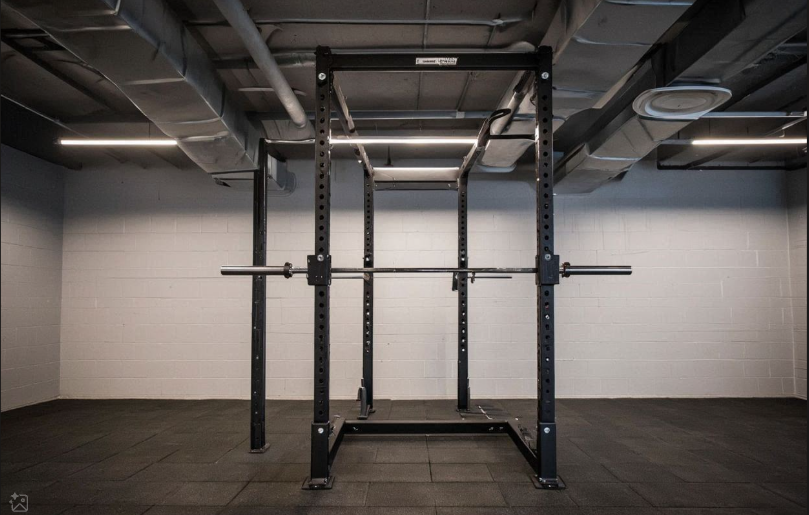
A power rack under 7 feet is a professional-grade strength station engineered for environments with restricted overhead clearance. Constructed from 11-gauge 3x3" steel, these racks provide the load-bearing capacity of standard rigs—typically exceeding 1,000 lbs—while ensuring 6 to 12 inches of safety buffer for pull-ups and barbell plate clearance in low-ceiling rooms.
In the professional procurement landscape, "short" racks have historically been associated with flimsy residential equipment. However, a commercial power rack under 7 feet (often spec’d at 82 inches) bridges the gap by using industrial-grade cold-rolled steel. This ensures that even in a basement studio or a renovated mid-rise office, the equipment meets the rigorous safety and durability requirements of a high-traffic facility. From a ROI perspective, these racks allow you to monetize "restricted" zones that were previously unusable for heavy strength training, effectively increasing your revenue per square foot.
The Overhead Obstruction Crisis: Why Standard Racks Fail Urban Gyms
Procuring a standard 7-foot rack for an 8-foot ceiling is a common mistake that leads to significant operational friction. Once you factor in the thickness of rubber flooring, the height of the pull-up bar, and the necessary clearance for a user’s head during a rep, a standard 84-inch rack often leaves zero room for error. Worse, in many historic buildings or modern corporate offices, HVAC ducting and fire suppression pipes frequently drop the effective clearance to 88 inches or less. Forcing a standard rack into these spaces risks damage to building infrastructure and results in failed safety inspections.
Settling for a lightweight "home-grade" short rack to solve this height issue is a poor long-term investment. These retail units often utilize 14-gauge steel and proprietary 2x2" posts, which lack the stability required for heavy eccentric loads and fail to meet the requirements for commercial liability insurance. This creates a cycle of frequent equipment replacement and increased maintenance costs. By opting for a heavy-duty power rack under 7 feet, you solve the spatial constraint while maintaining the industrial aesthetic and safety ratings your clients expect. Our 82-inch frames provide the necessary "safety buffer zone" without the structural flex common in cheaper alternatives.
Engineering Integrity: 11-Gauge Steel in a Compact Footprint
When vertical height is reduced, structural mass becomes the primary stabilizer. A common agitation for gym owners is the "shaking" sensation felt on shorter racks during heavy re-racks. This occurs because retail-grade manufacturers often reduce steel thickness alongside height to cut costs. In a commercial environment, a power rack under 7 feet must utilize 11-gauge (3.0mm) industrial steel. This thickness provides the necessary frame weight to lower the center of gravity, ensuring the rack remains anchored even during high-intensity training sessions.
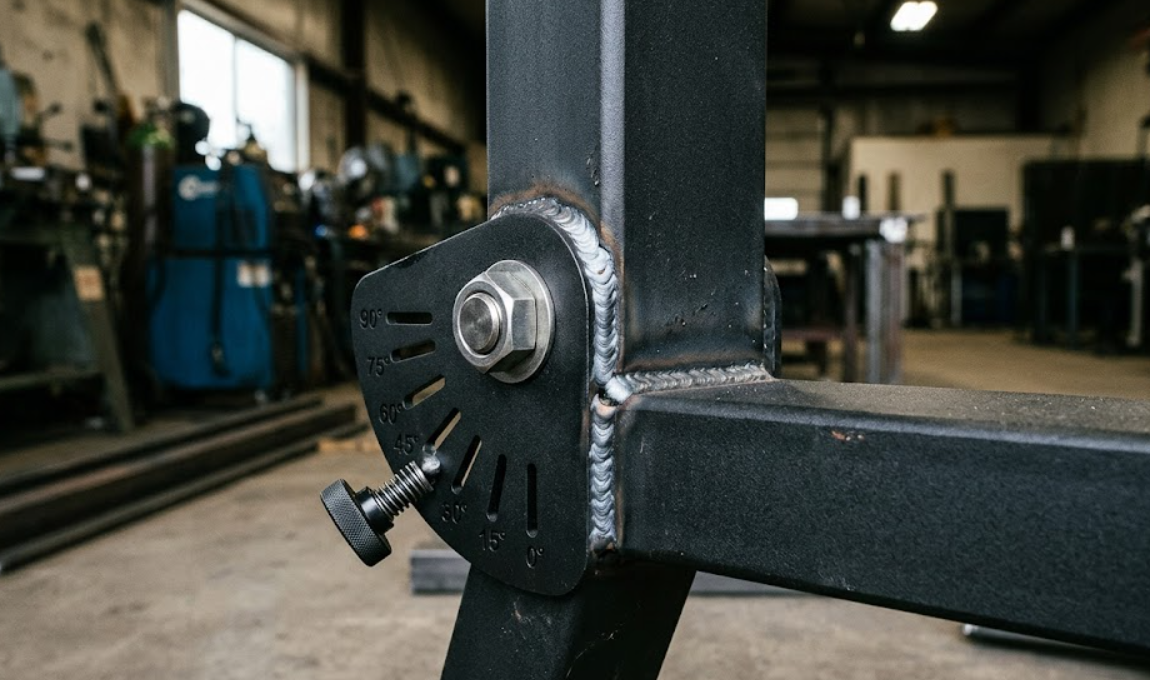
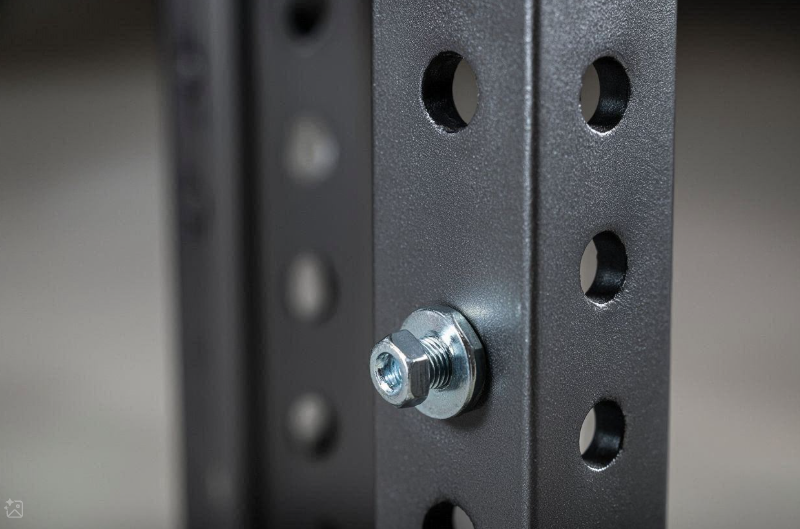
Our engineering team focuses on 3" x 3" tubing with oversized 1-inch hardware to ensure that a smaller vertical profile does not equate to a lower load rating. We prioritize a 1,000 lb static load capacity, which is essential for passing the strict liability audits required by corporate wellness centers and boutique franchises. Investing in a power rack under 7 feet built to these specifications reduces the long-term cost of ownership by eliminating the need for frame reinforcements or early equipment replacement due to structural fatigue.
Comparative Analysis: Professional vs. Residential Short Racks
Procurement decisions must be backed by data that reflects the rigors of high-frequency use. The following table illustrates why a professional power rack under 7 feet is the only viable choice for a commercial facility compared to the lightweight alternatives typically found in big-box retail stores.
| Specification | Commercial 82" Power Rack | Residential 72"-80" Rack | B2B Procurement Advantage |
|---|---|---|---|
| Steel Gauge | 11-Gauge (3.0mm) | 14-Gauge (2.0mm) | Superior impact resistance |
| Post Size | 3" x 3" (Oversized) | 2" x 2" (Standard) | Universal attachment compatibility |
| Hardware | 1" Grade-8 Bolts | 1/2" or 5/8" Bolts | Higher shear strength |
| Static Load | 1,000 lbs+ | 300 - 500 lbs | Handles advanced lifters safely |
| Warranty | Commercial Lifetime | 1-Year / Home Use Only | Protects capital investment |
As the comparison shows, the "savings" from a residential rack disappear when you factor in the lifecycle of the equipment. A power rack under 7 feet designed for a home gym will typically show signs of weld fatigue and finish degradation within 12 months of commercial use. For a facility manager, the professional-grade unit offers a much higher ROI by maintaining its structural integrity and aesthetic appeal for over a decade, even in high-humidity subterranean spaces.
Maximizing Revenue per Square Foot in Corporate Wellness Centers
In high-rent urban districts, such as the San Francisco financial sector, every square foot of a corporate wellness center must contribute to the employee benefit ROI. A common challenge arises when these facilities are retrofitted into mid-rise buildings with 8-foot (96-inch) ceilings. Once acoustic ceiling tiles and modern HVAC systems are installed, the effective clearance often drops to 88 inches. Attempting to install a standard 84-inch rack in this environment leaves only 4 inches of clearance—insufficient for a user to perform a pull-up or for a trainer to safely load plates. This spatial mismatch often results in "dead zones" that cannot be utilized for high-value strength training, effectively wasting the facility's lease budget.
Our implementation of a power rack under 7 feet—specifically engineered at 82 inches—directly addresses this "8-foot ceiling" bottleneck. By providing a 14-inch safety buffer between the rack and the ceiling, you allow for full-range vertical movements while adhering to strict OSHA safety standards. In one corporate case study, replacing oversized rigs with eight of these compact, heavy-duty stations allowed the facility to pass a rigorous liability insurance audit that previously flagged their taller equipment as a "head-strike hazard." Reclaiming this space for strength training increased the billable capacity of the gym floor by approximately 15%, transforming an architectural obstacle into a profit-generating strength zone.
Functional Versatility: Configuring a Power Rack with Lat Pulldown Under 7 Feet
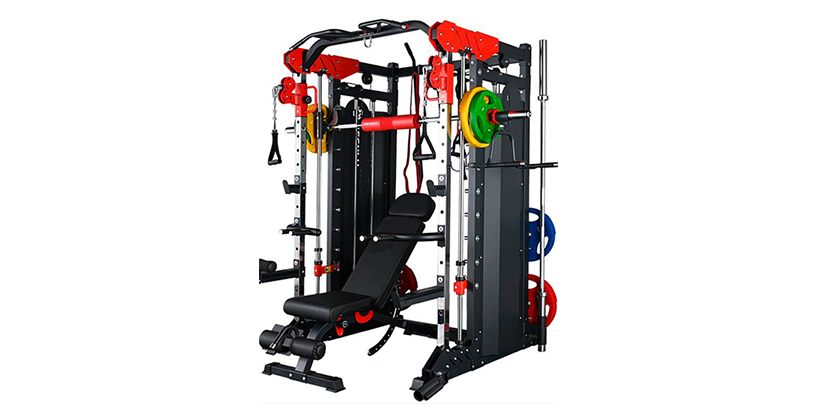
For boutique studios and home gym builders with height restrictions, multifunctionality is the primary driver of ROI. The ability to perform heavy compound lifts and cable-based accessory work within the same footprint is a significant competitive advantage. However, most cable systems require excessive vertical height for the pulley housing. We have engineered a power rack with lat pulldown under 7 feet that maintains a total height of 82 inches while offering a smooth, commercial-grade cable travel. This integration eliminates the need for a separate lat pulldown machine, saving both procurement costs and valuable floor space.
Selecting a power rack with lat pulldown under 7 feet requires careful attention to the pulley ratio and cable length. Many "short" pulley systems sacrifice the range of motion, making it impossible for a tall user to get a full stretch. Our commercial-grade solution uses a low-profile plate-loading carriage or an optional weight stack that stays within the 82-inch frame. This allows your facility to offer a comprehensive training program—including lat pulldowns, seated rows, and tricep extensions—without needing the 90+ inches of clearance required by standalone cable towers. For the facility owner, this "all-in-one" station reduces the total cost of ownership by consolidating equipment maintenance and maximizing training variety in a compact vertical profile.
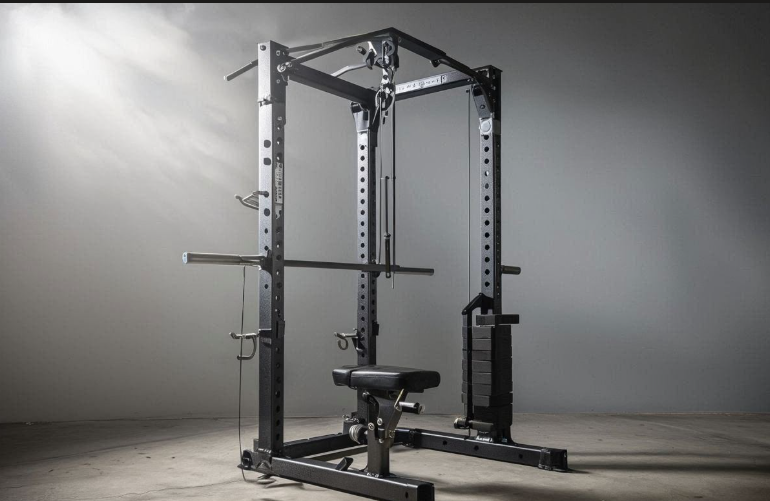
The 3x3" Ecosystem: Universal Attachment Compatibility
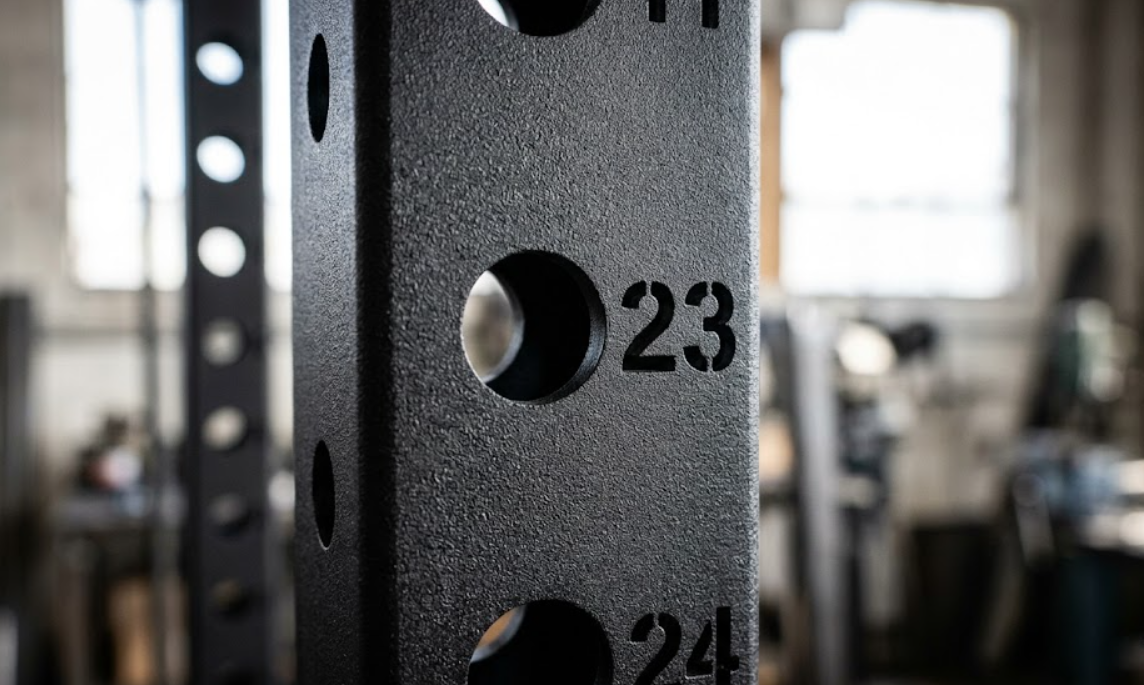
A significant risk in B2B equipment procurement is purchasing specialized or "short" frames that utilize non-standard tubing sizes. Many manufacturers reduce the post dimensions to 2x2" or 2.35x2.35" for their smaller units, effectively creating a "proprietary island" within your facility. This forces you to purchase height-specific accessories that cannot be shared with the rest of your fleet. Our power rack under 7 feet adheres to the industry-standard 3" x 3" 11-gauge profile with 1-inch laser-cut holes. This ensures that every J-hook, spotter arm, and jammer arm in your inventory is fully interchangeable across your entire strength floor.
For a facility manager, this standardization is a critical hedge against obsolescence. As training trends shift toward more integrated functional movements, your power rack under 7 feet remains a versatile hub rather than a limited-function frame. By maintaining the 3x3" standard, we ensure that your investment is future-proofed. You can upgrade your facility with new attachments without having to replace the core frame, significantly extending the lifecycle of the asset and maintaining a consistent training experience for your members across all stations.
Distributor Benefits: Logistical Efficiency and Shipping Density
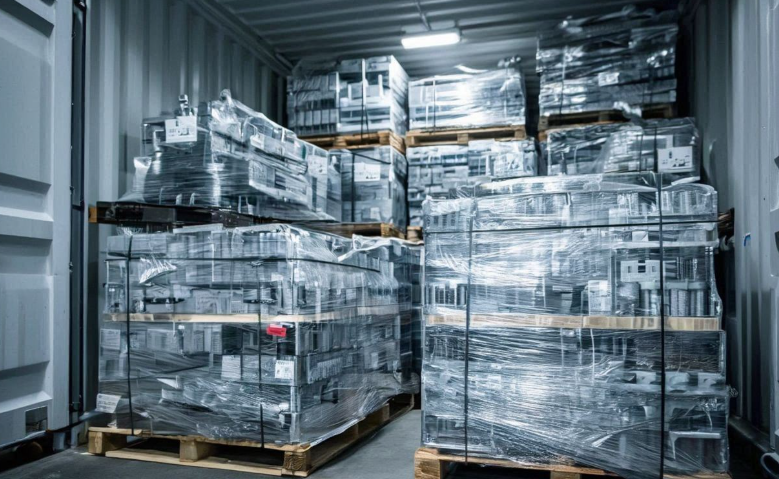
For fitness equipment distributors, the profitability of a power rack under 7 feet is often won or lost in the supply chain. Standard 84-inch or 90-inch uprights often present logistical nightmares, requiring oversized shipping handling and creating significant "dead air" in 40-foot containers. By optimizing the upright length to under 7 feet, we have significantly improved the dimensional weight (DIM weight) ratio. This allows for higher pallet density and reduces the per-unit freight cost from the factory to your warehouse. In a competitive B2B market, these logistical savings translate directly into higher profit margins for the distributor.
Beyond the warehouse, the power rack under 7 feet format is the ideal solution for "last-mile" delivery in dense urban areas. Many historic downtown buildings and modern high-rise studios have freight elevators that cannot accommodate 7-foot or 8-foot boxes without tilting, which increases the risk of product damage. The shorter packaging of an 82-inch rack simplifies the delivery process, requiring less labor and reducing the likelihood of delivery failures. By stocking a power rack under 7 feet, you are offering a product that is not only easier for your customers to install but also more efficient and profitable for your business to move through the global supply chain.
Long-Term Maintenance and Total Cost of Ownership (TCO)
For a commercial facility, the sticker price of a power rack under 7 feet is only one part of the financial equation. The true cost is measured over its operational lifespan. In subterranean or low-clearance spaces, ventilation is often suboptimal, leading to higher humidity levels and accelerated equipment corrosion. Standard retail racks with thin, low-grade finishes will begin to show surface rust and structural degradation within months. This not only compromises the professional aesthetic of your facility but also increases the risk of mechanical failure, leading to downtime and lost training revenue.
Our heavy-duty power rack under 7 feet is engineered to minimize these lifecycle costs. By utilizing a multi-stage industrial powder coating and a phosphate-based pre-treatment, we ensure maximum adhesion and corrosion resistance. Maintenance is reduced to a simple quarterly safety audit—tightening the 1-inch grade-8 hardware and wiping down the 11-gauge uprights to remove chalk and sweat. This durability ensures that your power rack with lat pulldown under 7 feet remains a reliable, profit-generating asset for over a decade, providing a significantly lower TCO than cheaper alternatives that require frequent replacement and refinishing.
Safety Protocols and Compliance in Height-Restricted Zones
Operating a strength zone in a space with low ceilings requires a strict adherence to safety protocols to mitigate liability. In a professional setting, having a user’s head come within inches of a concrete beam or fire pipe during a pull-up is an unacceptable risk. A power rack under 7 feet—specifically our 82-inch model—is designed to provide a "safe working envelope." This height allows for 14 to 16 inches of clearance in a standard 8-foot ceiling environment, which is the minimum required to prevent head-strike injuries and ensure compliant overhead barbell travel.
Beyond vertical clearance, floor anchoring is critical for any power rack under 7 feet used in a commercial capacity. Shorter racks have a naturally lower center of gravity, but they are still subject to "walking" or tipping during heavy re-racks or when using high-tension cable attachments. We include pre-drilled industrial footplates on all our power rack with lat pulldown under 7 feet units, enabling permanent anchoring to the subfloor. This compliance with professional safety standards—such as those required by OSHA or commercial liability insurance providers—protects your business from litigation and ensures that your members can train with the same intensity as they would on a full-sized rig.
Custom OEM Branding and Private Label Solutions for B2B Partners
For large-scale distributors and fitness franchises, a power rack under 7 feet is more than a piece of equipment; it is a representation of your brand's commitment to quality in specialized spaces. We provide comprehensive OEM and private label services that allow you to customize our 82-inch frames to meet your specific brand identity. This includes custom laser-cut logo plates integrated into the cross-members, brand-specific powder coat colors, and unique hole-spacing configurations. By offering a power rack with lat pulldown under 7 feet with your own branding, you eliminate the risk of "price-shopping" against generic competitors and build long-term brand equity in the commercial market.
From a manufacturing standpoint, our factory-direct relationship ensures that your custom power rack under 7 feet maintains the same 11-gauge structural integrity as our flagship models. We utilize precision fiber-laser cutting and automated welding to ensure that every custom unit meets the strict tolerances required for commercial safety certifications. For procurement officers managing multi-site rollouts, this level of customization ensures a consistent look and feel across all facilities, regardless of architectural variations. Investing in private label equipment allows you to control the supply chain and provide a proprietary solution that fits the exact needs of your height-restricted training zones.
Strategic Layout: Integrating the Power Rack Under 7 Feet into a High-Density Floor Plan
Designing a high-throughput strength floor requires a strategic balance between equipment variety and safe traffic flow. When dealing with low-ceiling environments, the layout of a power rack under 7 feet must account for both the vertical constraints and the horizontal footprint. We recommend a "station-centric" design, where each 82-inch rack serves as an independent training hub. By utilizing a power rack with lat pulldown under 7 feet, you can eliminate the need for separate cable rows, allowing for tighter spacing between racks without violating safety "buffer zones." This density is the key to maximizing the revenue-generating potential of a small-format urban studio.
When planning a bulk procurement for a new facility, consider the "shadow footprint" of the equipment. Because a power rack under 7 feet is often used in tighter quarters, we have optimized our frame design to include integrated plate storage and accessory hangers. This prevents "clutter creep"—where bars and plates migrate into walking paths—ensuring your facility remains compliant with local fire codes and accessibility standards. For a gym owner, a well-organized row of uniform, low-profile racks doesn't just look professional; it streamlines the training process, allowing for higher member throughput during peak hours and a higher ROI on your equipment investment.
Environmental Resilience: Why Finish Matters in Subterranean Facilities
Because the power rack under 7 feet is the standard solution for basement gyms and subterranean training zones, it is frequently exposed to environmental factors that standard-height equipment in ground-floor facilities never encounters. Lower-level spaces often suffer from higher humidity and restricted airflow, which can lead to rapid oxidation on equipment with inferior finishes. For a facility owner, seeing rust bloom on a fleet of new racks within the first year is a catastrophic loss of professional aesthetic and a signal of impending structural failure. This "environmental tax" is a hidden cost that many procurement managers overlook when comparing prices.
Our power rack with lat pulldown under 7 feet is engineered to thrive in these challenging environments. Each frame undergoes a multi-stage phosphate wash to remove surface impurities, followed by an electrostatic application of industrial-grade powder coating. This process creates a resilient, non-porous barrier that prevents moisture from reaching the 11-gauge steel. In my experience consulting for urban basement studios, this level of finish is the difference between an asset that looks new for a decade and one that requires a full refurbish after two years. By choosing a rack with a commercial-grade finish, you protect the visual brand of your facility and ensure that your power rack under 7 feet maintains its resale value in the long term.
Contract Sourcing Strategy: Managing Lead Times for High-Volume Rollouts
In the B2B sector, the most significant risk to a project's ROI is a delayed opening. When outfitting multiple "micro-gym" locations or corporate wellness centers, the coordination of lead times for a power rack under 7 feet becomes a critical logistical challenge. Many fitness equipment brokers act as middlemen, adding layers of communication that can result in missed deadlines. As a factory-direct supplier, we eliminate these friction points. We understand that for a distributor or a franchise owner, a two-week delay in receiving a shipment of power rack with lat pulldown under 7 feet units can result in thousands of dollars in lost membership revenue or liquidated damages on a construction contract.
Our sourcing strategy for the power rack under 7 feet focuses on high-volume production transparency. We provide our B2B partners with realistic manufacturing windows and real-time logistics tracking. Because we specialize in 3x3" 11-gauge frames, our production lines are optimized for consistency and speed, allowing us to manage bulk orders without the quality variance found in small-batch workshops. For procurement officers, this reliability is as valuable as the steel itself. By securing a stable supply chain for your height-restricted facilities, you ensure that your projects remain on schedule and your equipment arrives ready for immediate, high-traffic use.
Biomechanical Performance: Does a Power Rack Under 7 Feet Compromise Training Quality?
A common skepticism among elite trainers and high-performance gym owners is whether a power rack under 7 feet can accommodate the full range of motion for taller athletes. The fear is that a 6.5-foot or 6.8-foot frame will restrict overhead movements or force a compromised pull-up position. However, in a professional facility, biomechanical efficiency is determined by hole spacing and pull-up bar placement rather than raw upright height. Our 82-inch frame is specifically engineered to allow a 6-foot-tall athlete to perform full-depth squats and seated presses without the barbell or the user's head interfering with the top cross-members.
For a facility manager, the value of a power rack under 7 feet lies in its ability to maintain professional training standards in restricted spaces. By utilizing Westside hole spacing (1-inch increments through the bench and pull zone) on an 11-gauge frame, we ensure that athletes can find their optimal rack height regardless of the total vertical footprint. This precision prevents the "compromised form" pain point that often occurs with cheap, non-standardized short racks. When you procure equipment that respects these biomechanical realities, you ensure that your members don't feel like they are training in a "basement gym," but rather in a specialized, high-performance strength zone that just happens to have a low ceiling.
The Financial Justification: Reclaiming Real Estate Value with Short Racks
The core B2B logic for purchasing a power rack under 7 feet is the reclamation of unusable real estate. In premium urban markets, commercial rent is often calculated on gross square footage, regardless of whether the vertical clearance allows for standard equipment. If 15% of your floor plan is blocked by low-hanging pipes or a mezzanine floor, you are essentially paying a "space tax" on unusable square footage. By deploying a power rack with lat pulldown under 7 feet in these restricted areas, you convert a financial liability into a profit-generating asset. You are no longer paying for empty air; you are paying for a station that generates session revenue.
Quantifying the ROI of a power rack under 7 feet involves looking at member throughput. In a 2,000-square-foot facility, being able to fit two additional heavy-duty stations in a low-clearance corner can increase concurrent session capacity by 20%. If those stations facilitate 10 personal training sessions a day at a premium rate, the equipment pays for itself in less than 60 days. Beyond the immediate revenue, the use of industrial-grade 11-gauge steel ensures that these racks won't require replacement for at least a decade. This long-term capital efficiency, combined with the immediate boost in billable space, makes the power rack under 7 feet one of the highest-ROI investments a gym owner can make in an urban environment.
Overcoming Installation Barriers: Flat Foot Design vs. Bolt-Down Stability
In many subterranean facilities or renovated historic buildings where a power rack under 7 feet is required, drilling into the floor to anchor equipment is often prohibited. This is frequently due to the presence of post-tension slabs, radiant heating systems, or moisture barriers in basements that must remain intact to prevent flooding. When you cannot bolt down, a standard short rack becomes a significant safety hazard, as the reduced height often correlates with a narrower, less stable base. For a procurement manager, this creates a dilemma: how to maintain commercial safety standards without compromising the building's structural integrity.
Our solution is an industrial "flat-foot" version of the power rack under 7 feet. By extending the base members and using heavy 11-gauge steel plates at the corners, we create a rack that remains stable under high-intensity use without the need for floor anchors. This design is particularly valuable for a power rack with lat pulldown under 7 feet, where the dynamic force of the cable system could otherwise cause a lighter rack to tip. For the facility owner, this flexibility reduces installation costs and allows for easier floor plan reconfigurations, ensuring your equipment can adapt as your training space evolves.
The Psychology of Professionalism: Why Equipment Grade Impacts Member Retention
In the boutique fitness sector, member perception is a primary driver of retention and referral rates. When a client enters a premium studio and sees "short" racks that look like they belong in a garage, it immediately devalues the brand experience. Standard residential racks at this height use thin 2x2" tubing and cheap plastic components that signal "budget" rather than "elite." This visual inconsistency can lead to member churn, as clients who pay premium rates expect professional-grade infrastructure that matches the quality of the coaching.
Deploying a power rack under 7 feet built with 3x3" 11-gauge steel and a commercial-grade textured finish changes that perception. It signals to your members that while the space may be compact, the training standards remain uncompromising. The "heavy-duty" feel of a professional power rack with lat pulldown under 7 feet provides the tactile feedback that serious lifters crave—zero frame flex and a rock-solid re-rack. For the business owner, this investment in equipment aesthetics and build quality is a direct contribution to the facility’s "premium" positioning, allowing you to maintain higher membership price points and a more loyal client base in competitive urban markets.
Acoustic Considerations and Vibration Control in Low-Clearance Strength Zones
In subterranean gyms and corporate office retrofits where a power rack under 7 feet is typically installed, acoustic management is a critical but often ignored operational factor. Low ceilings and concrete floors act as amplifiers for the sound of racking weights and cable pulley travel. For a facility manager, excessive noise and structural vibration lead to neighbor complaints and potential lease violations, especially in mixed-use buildings. Settlement on thin-walled, residential-grade racks only agitates the problem, as the lighter steel vibrates more intensely, creating a "tinny" and unprofessional sound environment that disrupts the professional atmosphere of the facility.
Our heavy-duty power rack under 7 feet mitigates these acoustic challenges through material density and precision engineering. The use of 11-gauge 3x3" steel provides the mass necessary to dampen vibrations before they reach the building's subfloor. Additionally, we utilize high-density UHMW plastic liners on all J-hooks and safety bars to ensure "silent" re-racking. When configuring a power rack with lat pulldown under 7 feet, we incorporate dual-guide rod systems with nylon-coated cables and precision-machined pulleys to ensure the near-silent operation of the weight stack. This focus on vibration control protects your facility from noise-related litigation and creates a premium training environment that allows your business to coexist peacefully with neighboring tenants.
Strategic Bulk Procurement: Managing MOQ and Lead Times for Multi-Site Rollouts
For large-scale gym franchises and regional distributors, the challenge of sourcing a power rack under 7 feet lies in maintaining quality consistency across high-volume orders. When outfitting 20 or more locations, even minor variances in hole alignment or powder coat texture can lead to assembly delays and increased labor costs. Inconsistent supply chains can result in opening day delays, which are catastrophic for a brand’s projected ROI. Relying on brokers who outsource to multiple small-batch factories often results in a fragmented equipment fleet that is difficult to maintain and repair over time.
We solve this through a factory-direct B2B model that prioritizes industrial-scale consistency. By controlling the entire manufacturing process—from the initial fiber-laser cutting of the 11-gauge steel to the final stress-testing of the power rack with lat pulldown under 7 feet units—we ensure that every rack in your rollout is identical in specification and finish. We offer flexible Minimum Order Quantities (MOQs) for custom-branded orders, allowing you to scale your power rack under 7 feet fleet according to your project timeline. This streamlined procurement process reduces the administrative burden on your purchasing team and ensures that your facility rollouts remain on schedule, on budget, and fully aligned with your corporate quality standards.