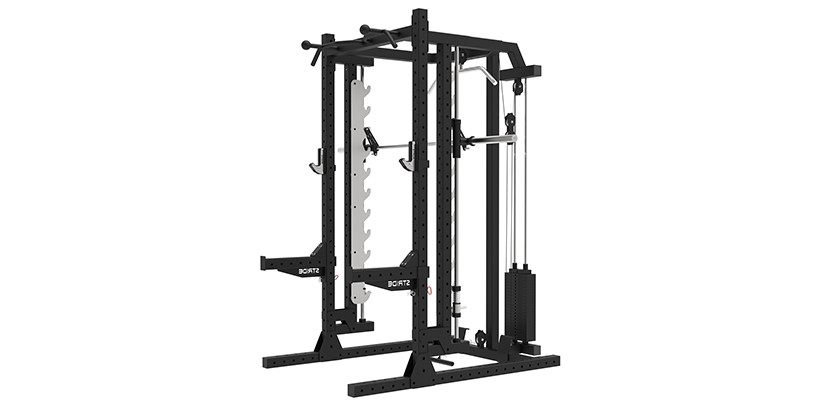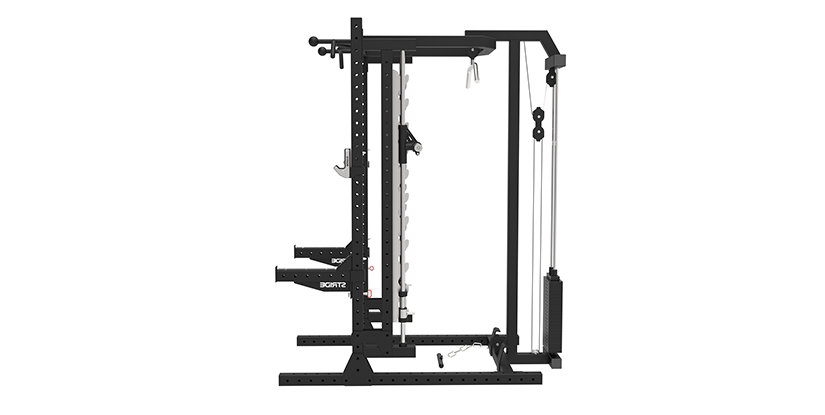
Choosing the Best Power Rack for Squats and Bench Work
Defining Your Procurement Standards for High-Performance Racks
For a high-traffic commercial gym or a professional training facility, the initial purchase price is often secondary to the total cost of ownership. While a boutique studio might prioritize aesthetics, serious strength centers must prioritize the safety-to-cost ratio. Choosing the best power rack for squats and bench involves recognizing that a low-cost, lightweight frame is a liability, not a saving. An under-engineered unit increases the risk of structural fatigue under heavy loads, leading to premature replacement costs and potential injury liabilities.
When sourcing, we recommend viewing a heavy duty squat rack as a long-term capital investment rather than a recurring expense. High-quality steel gauges and reinforced welding ensure long-term durability, allowing the equipment to withstand years of intense, high-volume usage without wobbling or bending. Investing upfront in premium fabrication minimizes the need for frequent maintenance or complete unit replacement.
| Investment Level | Primary Focus | Typical Lifespan | Value Proposition |
|---|---|---|---|
| Entry-Level/Light Commercial | Initial Outlay | Short-term | Lower upfront cost, but higher depreciation. |
| Mid-Tier Professional | Balanced Utility | Medium-term | Reliable performance for standard gym settings. |
| Premium Heavy-Duty | Total Cost of Ownership | Long-term | Maximum safety and extreme durability for heavy lifting. |
Ultimately, the best power rack for squats and bench work is the one that maintains its structural integrity through every heavy set. By prioritizing high-grade materials and robust construction, buyers secure a stable barbell bench press station that serves the facility for years, providing much higher long-term value than cheaper, flimsy alternatives.
Navigating the budget vs. premium tiers requires a technical understanding of what lies beneath the surface. In this strength training equipment guide, we emphasize that price differentiation is rarely about brand prestige, but rather about engineering tolerances and material density. A premium barbell bench press station is distinguished by its steel gauge and the precision of its stability features, such as oversized base plates and reinforced uprights.
When evaluating costs, look closely at material thickness. While entry-level models may use thinner, lighter steel to reduce shipping weight and manufacturing costs, a professional-grade heavy duty squat rack utilizes high-tensile, heavy-gauge steel. This difference is critical for preventing lateral sway during explosive movements. For procurement professionals, a slightly higher initial unit cost is often justified by the reduction in mechanical wear and the elimination of structural failure risks, ensuring the equipment remains a reliable asset rather than a maintenance burden.
Beyond the unit price, savvy buyers must account for the complexities of shipping logistics. Because a high-quality heavy duty squat rack is inherently heavy, freight costs can significantly impact your landed cost. We advise looking for equipment designed with modularity in mind. A modular system allows for easier transport and more efficient container loading, reducing the "hidden" expenses associated with oversized freight. Furthermore, selecting a system that supports future expansions—such as adding dip stations or landmines—prevents the need to replace the entire unit as your facility grows. By prioritizing a versatile, high-performance barbell bench press station that offers both scalability and robust construction, you ensure that your initial procurement is the final one, truly optimizing your total cost of ownership.
Structural Integrity: Evaluating Steel Gauge and Frame Stability
When sourcing high-end strength training equipment, the most critical technical specification often lies beneath the powder coating: the steel gauge. For professional facilities, the thickness of the steel tubing dictates the long-term structural integrity of the unit. A lower gauge number indicates thicker steel, which is essential when selecting the best power rack for squats and bench work in high-traffic environments.
A heavy duty squat rack must withstand not only static weight but also the dynamic forces generated during heavy eccentric movements. If the steel is too thin, the frame may experience micro-flexing, which compromises safety and reduces the lifespan of the barbell bench press station. When evaluating manufacturers, ensure they utilize high-grade, heavy-gauge steel to guarantee a high weight capacity. This structural rigidity ensures that even under maximum load, the rack remains stable, providing a reliable foundation for heavy lifting and protecting both the athlete and the equipment investment.
Understanding the distinction between steel thicknesses is a fundamental part of any professional strength training equipment guide. For distributors and gym owners, the choice between 11-gauge and 14-gauge steel often defines the tier of the product in the market.
11-Gauge Steel: The Gold Standard
Typically found in premium commercial-grade units, 11-gauge steel provides the maximum level of durability. This thickness is the ideal choice for a heavy duty squat rack designed for professional strength conditioning centers. It offers the extreme rigidity required to support heavy squats and high-intensity training without any structural oscillation or frame deflection.
14-Gauge Steel: The Versatile Mid-Tier
While slightly thinner, 14-gauge steel remains a robust option for semi-commercial gyms or high-end home studios. It offers a balanced profile for users who prioritize stability but may have different budget constraints. While highly capable, it may not match the extreme load-bearing longevity of 11-gauge steel under constant, heavy-duty professional use.
Beyond the gauge of the steel itself, the physical geometry of the uprights plays a decisive role in overall frame stability. When searching for the best power rack for squats and bench, one must look closely at the cross-sectional dimensions of the tubing. Thicker, wider uprights are engineered to minimize lateral movement, which is the primary cause of wobbling during high-intensity sets. A rack that lacks sufficient width in its vertical members will often oscillate when a lifter unracks a heavy barbell or shifts weight during a bench press.
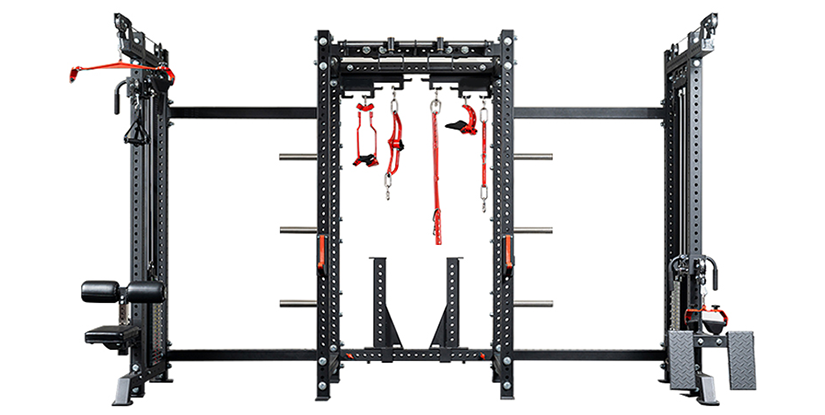
This lack of rigidity is more than a nuisance; it is a significant safety concern. In a commercial setting, any perceptible sway or vibration can disrupt a lifter's center of gravity, potentially leading to failed lifts or injury. High-quality strength training equipment must feature a footprint and upright thickness that effectively dampens these forces. For distributors and facility managers, prioritizing a design that resists lateral movement ensures a premium user experience and long-term reliability for every barbell bench press station in the facility.
Optimizing the Bench Press Station for Multi-User Safety
For commercial gym operators and distributors, the longevity of a heavy duty squat rack depends entirely on a proactive maintenance regimen. When a piece of equipment undergoes high-frequency, multi-user rotation, the physical stress on the frame increases significantly. To preserve the structural integrity of your barbell bench press station, routine inspections are non-negotiable. Neglecting these checks can lead to microscopic shifts in alignment, which eventually compromise user safety during heavy lifts.
We recommend a quarterly maintenance protocol focused on three critical areas. First, perform regular bolt tightening across all connection points; high-impact movements can naturally loosen hardware over time. Second, ensure all moving parts, such as adjustable J-cups or pin systems, receive periodic lubrication to prevent friction wear. Finally, inspect the powder coating for any signs of impact damage. By maintaining these standards, you protect your investment and ensure that your strength training equipment guide remains a benchmark for reliability in any professional facility.
To ensure your facility remains compliant with safety standards, implement a systematic maintenance checklist designed to identify wear and tear before it becomes a liability. A high-quality barbell bench press station is built to endure, but even the best power rack for squats and bench requires vigilant oversight to maintain its rated weight capacity.
Essential Safety Inspection Protocol
A professional-grade strength training equipment guide should always include a monthly safety inspection checklist for facility managers. Focus on these key structural elements:
- Hardware Integrity: Check all bolts and fasteners for loosening due to vibration or heavy loading.
- Surface Condition: Inspect uprights and J-cups for scratches or dents that might indicate structural fatigue.
- Alignment Verification: Ensure the rack remains perfectly level to prevent uneven weight distribution.
- Component Function: Test all adjustment pins and safety spotter arms to confirm they lock securely into place.
Consistent regular upkeep not only mitigates the risk of equipment failure but also extends the lifecycle of your heavy duty squat rack, maximizing your long-term ROI.
To streamline your facility management, we have categorized maintenance schedules based on typical usage intensity. This helps distributors and gym owners allocate labor resources efficiently, ensuring that every barbell bench press station remains in peak condition regardless of foot traffic levels.
| Usage Level | Inspection Frequency | Key Focus Areas | Maintenance Difficulty |
|---|---|---|---|
| Low (Private/Boutique) | Every 6 Months | Bolt tightness & surface rust | Low |
| Moderate (Commercial Gym) | Monthly | Pin security & J-cup alignment | Moderate |
| High (Performance Center) | Weekly | Structural welds & lubrication | High |
By implementing these tiered protocols, you ensure that your best power rack for squats and bench remains a safe, high-performing asset. Aligning your upkeep with the actual load on your heavy duty squat rack prevents unnecessary downtime and preserves the long-term value of your strength training inventory.
Versatility and Accessory Integration in Heavy Duty Systems
When designing a high-performance training floor, the physical footprint of your equipment is just as critical as its weight capacity. A high-quality heavy duty squat rack serves as the anchor of a facility, but its true value lies in its ability to evolve with your clients' needs. We often see distributors struggle with floor plan optimization because they overlook how multi-functional attachments—such as dip stations, landmines, or weight storage pegs—expand the functional reach of a single unit.
To find the best power rack for squats and bench work, you must look beyond the steel uprights and consider the vertical and lateral space efficiency. Integrating specialized accessories allows a single station to transition from a barbell bench press station to a complex functional training rig without requiring additional square footage. For commercial importers, prioritizing space-saving modular designs ensures that your clients can maximize their revenue per square foot while offering a premium, versatile strength training experience.
Selecting the right configuration requires a clear understanding of how various attachments impact the total footprint dimensions of your facility. While a standard unit occupies a fixed area, adding specialized modules can change the operational clearance required for safe movement. When sourcing for a commercial gym or a high-end studio, it is essential to evaluate how different accessory types will influence the surrounding workflow.
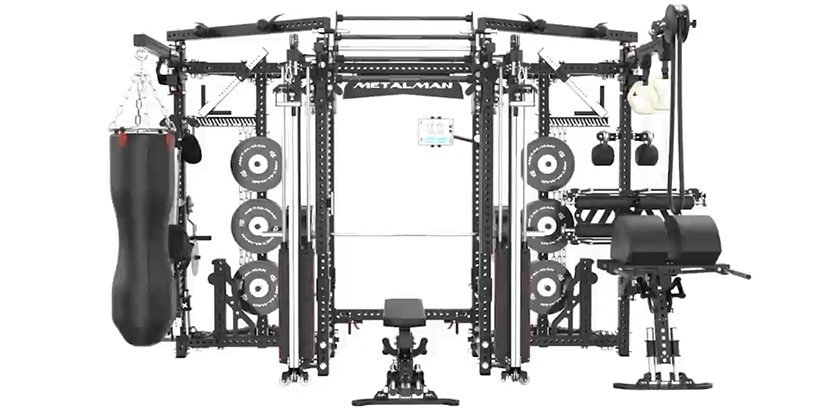
The following table illustrates how common additions to a barbell bench press station can affect the necessary training area. This strength training equipment guide helps you visualize the trade-offs between maximum functionality and spatial economy.
| Accessory Configuration | Typical Accessory Types | Impact on Space Requirements | Best Use Case |
|---|---|---|---|
| Basic/Minimalist | Standard Pull-up Bar | Standard Footprint | Compact boutique studios or home gyms |
| Functional Hybrid | Dip Bars, Landmines | Moderate Lateral Expansion | General fitness centers focusing on versatility |
| Full Commercial Rig | Lat Pulldown, Weight Storage, Cable Systems | Significant Footprint Increase | Large-scale training facilities and powerlifting gyms |
When evaluating the best power rack for squats and bench setups, we recommend accounting for an additional 3 to 5 feet of clearance around the station. This ensures that even with heavy duty squat rack attachments enabled, athletes have sufficient room for barbell rotation and safe spotting.
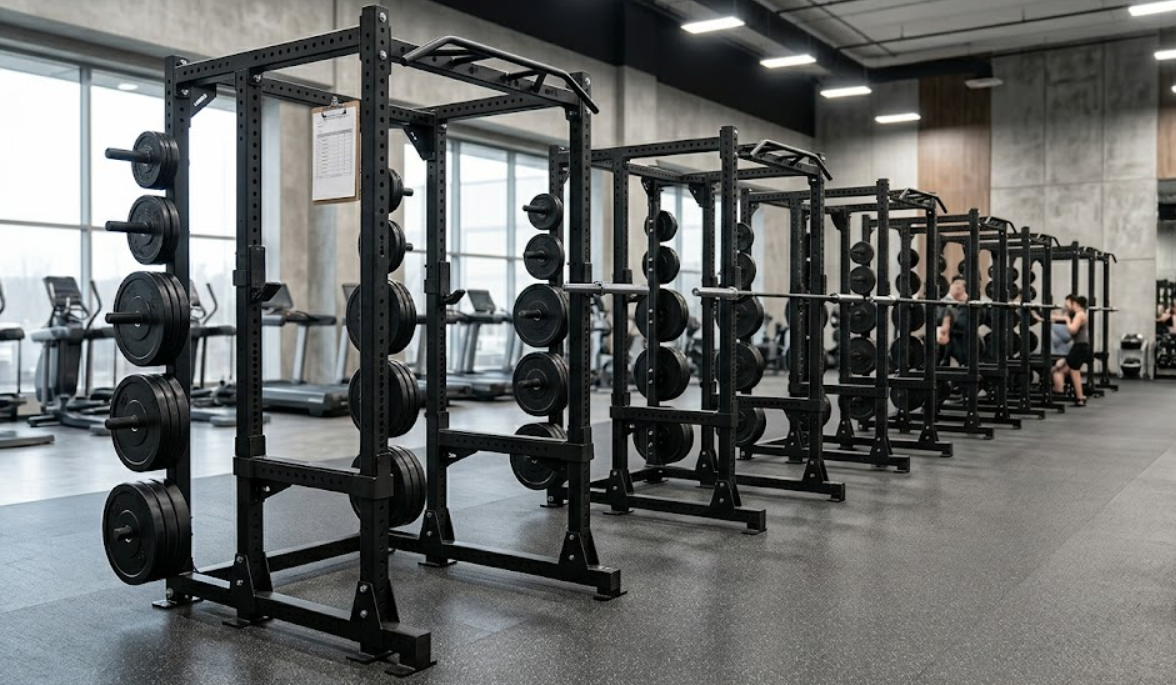
Beyond the immediate training footprint, true home gym optimization relies on how well a unit manages peripheral clutter. A premium setup should not only facilitate heavy lifting but also serve as a centralized hub for organization. We suggest prioritizing models that feature integrated vertical storage solutions, such as dedicated plate pegs and barbell holders. This approach minimizes the need for separate storage racks, effectively reclaiming valuable floor area within the facility.
For distributors and gym owners, the modularity of a system is a major selling point. A rack that allows for the seamless addition of storage or functional components provides long-term value to the end-user. This strength training equipment guide emphasizes that a versatile station—one that grows with the user’s collection of plates and bars—is far more efficient than a static, single-purpose unit. By selecting a rack that balances high-performance utility with smart, compact design, you ensure that even limited spaces can accommodate a professional-grade training environment.
Logistics and Installation Realities for Large-Scale Orders
When sourcing the best power rack for squats and bench work for a commercial facility, many buyers focus solely on the unit price and overlook the complex logistics of heavy steel. A high-quality heavy duty squat rack is a substantial piece of engineering, often weighing hundreds of pounds. Consequently, the shipping weight becomes a critical factor in your total investment calculation. If you are importing directly from a manufacturer, you must account for the high costs associated with specialized freight considerations, such as LTL (Less Than Truckload) shipping or ocean freight containers.
Neglecting these variables can lead to unexpected budget overruns. Beyond the initial purchase, remember that a robust barbell bench press station requires professional assembly and potentially reinforced flooring. We recommend working with distributors who can provide transparent volumetric weight data and optimized packaging solutions. By understanding these overheads early, you ensure that your pursuit of the best power rack for squats and bench remains a profitable venture rather than a logistical headache.
Understanding the financial scaling of your project requires distinguishing between retail-level purchases and industrial-scale procurement. In our strength training equipment guide, we categorize costs into distinct budget tiers to help you plan effectively. For single-unit acquisitions, you typically encounter higher per-unit costs and high assembly complexity, as these are often shipped in smaller, unoptimized parcels. Conversely, when sourcing a barbell bench press station at scale, the economics shift significantly toward volume discounts and optimized container loading.
Commercial buyers should evaluate whether they need individual pieces or a standardized fleet. While a single heavy duty squat rack might be easily handled via standard courier, a full gym fit-out demands a strategic approach to freight consolidation. Purchasing in bulk through a professional manufacturer allows you to mitigate the per-unit shipping impact, effectively lowering the landed cost. Whether you are outfitting a boutique studio or a large-scale fitness center, aligning your procurement model with your specific volume needs is essential for maintaining a healthy bottom line.
Beyond the unit price, the true complexity lies in the physical movement of massive components. Because a high-quality heavy duty squat rack is composed of thick-gauge steel, the delivery methods required are far more specialized than standard parcel shipping. Most professional importers must coordinate freight logistics involving LTL (Less Than Truckload) carriers or full container loads to ensure the heavy-duty steel delivery remains intact and undamaged during transit.
To avoid costly delays, installation readiness is a non-negotiable prerequisite. Before your shipment arrives, ensure your facility has a cleared receiving area, a loading dock or forklift access, and a floor surface capable of supporting the concentrated weight of a barbell bench press station. We advise buyers to verify the dimensions of all access points—such as freight elevators or narrow doorways—to ensure the best power rack for squats and bench work can actually reach its final destination. Proper pre-arrival planning transforms a potentially chaotic delivery into a streamlined setup process.
Long-term Value: Assessing Wear Patterns and Component Lifespan
When sourcing high-end strength training equipment, the true cost of ownership is determined by how well the unit withstands daily mechanical stress. A premium heavy duty squat rack must be engineered with a high-grade steel gauge—typically 11-gauge or thicker—to prevent structural deformation under heavy loads. Beyond the frame, the longevity of your barbell bench press station depends heavily on the quality of the powder coating durability. High-quality finishes prevent oxidation and resist chipping, even in high-humidity gym environments.
Attention to detail is critical at high-contact friction points. Components such as J-cups and safety spotter arms endure constant metal-on-metal contact. If the manufacturing tolerances are loose or the coating is thin, you will quickly see barbell wear, which can damage expensive weightlifting bars over time. For distributors and facility owners, prioritizing these high-wear components ensures that the equipment remains a reliable asset rather than a maintenance liability, preserving the long-term value of the installation.
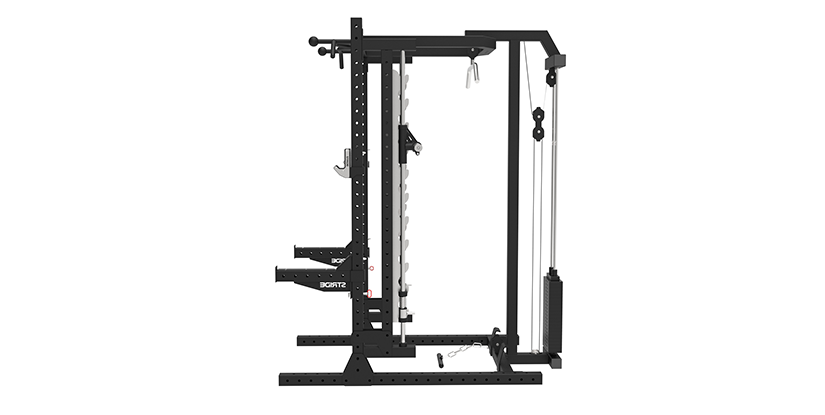
To maintain the structural integrity of your investment, a proactive maintenance schedule is essential. As part of a comprehensive strength training equipment guide, we recommend regular inspections of all fastening points. Periodically checking bolt tightness prevents the micro-vibrations caused by heavy lifting from loosening the frame, which could otherwise compromise the stability of the best power rack for squats and bench setups.
Furthermore, mechanical components like adjustable uprights and pulley systems require consistent lubrication with specialized lubricants to ensure smooth, snag-free movement. Neglecting these moving parts can lead to premature friction wear. To ensure long-term durability, especially in coastal or high-humidity regions, implement strict rust prevention protocols. This includes keeping the steel surfaces clean and inspecting the powder coat for any chips that might expose the raw metal. By focusing on these preventative measures, facility managers can extend the operational lifespan of their equipment, ensuring it remains a safe, high-performance centerpiece for years to come.
Understanding the relationship between usage volume and material requirements is essential for optimizing your procurement strategy. A rack designed for a low-traffic boutique studio will have vastly different maintenance needs than a high-performance station in a commercial warehouse gym. To help you determine the appropriate specification level, we have categorized common usage patterns below.
The following table illustrates how training intensity directly influences the required durability of the best power rack for squats and bench setups. Selecting a grade that exceeds your immediate needs is often a more cost-effective decision than replacing a lower-spec unit prematurely.
| Training Frequency | Typical Wear Areas | Maintenance Level | Recommended Material Grade |
|---|---|---|---|
| Low (Residential/Home Studio) | J-Cups & Safety Arms | Minimal (Seasonal) | Standard 12-Gauge Steel |
| Moderate (Boutique Fitness/PT Studio) | Upright Sleeves & Adjusters | Occasional (Quarterly) | Premium 11-Gauge Steel |
| High (Commercial Gym/Strength Club) | Full Frame & Connection Bolts | Regular (Monthly) | Heavy-Duty 7-Gauge/Reinforced |
When evaluating a heavy duty squat rack for a commercial project, always consider the "worst-case scenario" of your facility's traffic. Investing in a higher material grade or a more robust barbell bench press station architecture significantly reduces the long-term overhead costs associated with frequent part replacements and technical downtime.
Implementation checklist for buyers
When sourcing high-performance strength training gear, many buyers fall into the trap of prioritizing the lowest initial quote. However, professional procurement requires a shift in perspective: viewing a heavy duty squat rack as a long-term asset rather than a one-time cost. In a commercial setting, the best power rack for squats and bench is defined by its ability to withstand high-frequency, high-load usage without compromising structural integrity.
Viewing this acquisition as an investment vs expense is critical for your bottom line. A budget-tier unit may save capital today, but frequent replacements due to frame deformation or failed welds will drive up total cost of ownership. To ensure long-term value, your selection process must prioritize rigorous safety standards and material thickness. Investing in a premium barbell bench press station with superior steel gauge and reinforced uprights minimizes downtime and protects your facility's reputation. By focusing on durability now, you avoid the hidden costs of premature equipment failure and liability risks later.
To assist in your decision-making process, we have categorized various equipment tiers. This comparison helps clarify which configuration aligns with your facility's specific operational demands and budget constraints. Whether you are equipping a boutique studio or a high-traffic gym, selecting the appropriate barbell bench press station is essential for maximizing ROI.
| Tier Classification | Usage Frequency | Space Requirements | Durability Level | Target Environment |
|---|---|---|---|---|
| Entry-Level | Low (Personal/Home) | Minimal Footprint | Standard Gauge | Residential/Home Gym |
| Mid-Range | Moderate (Studio) | Standard Footprint | Reinforced Steel | Boutique Fitness Studios |
| Professional | High (Commercial) | Large/Open Area | Heavy Duty/Industrial | Full-Scale Commercial Gyms |
When evaluating the best power rack for squats and bench, always cross-reference these tiers with your expected foot traffic. A heavy duty squat rack designed for professional settings will offer much higher resistance to lateral forces, ensuring your strength training equipment guide requirements are met for years of continuous, heavy-load service.
Before finalizing your purchase order, utilize this final checklist to ensure your procurement aligns with the high standards of a professional strength training equipment guide. A successful acquisition depends on verifying technical specifications that go beyond basic aesthetics to ensure functional longevity.
Pre-Purchase Verification Checklist
- Weight Capacity Verification: Confirm the maximum static and dynamic load limits. For professional environments, ensure the frame can handle peak eccentric loading during heavy lifts.
- Compatibility with Barbell: Verify that the J-cups and safety pins are designed for standard Olympic barbells. Ensure the spacing allows for smooth transitions during heavy bench work.
- Accessory Integration: Check for standardized attachment points. A versatile barbell bench press station should easily accommodate dip stations, landmines, or weight plate storage.
- Final Inspection Points:
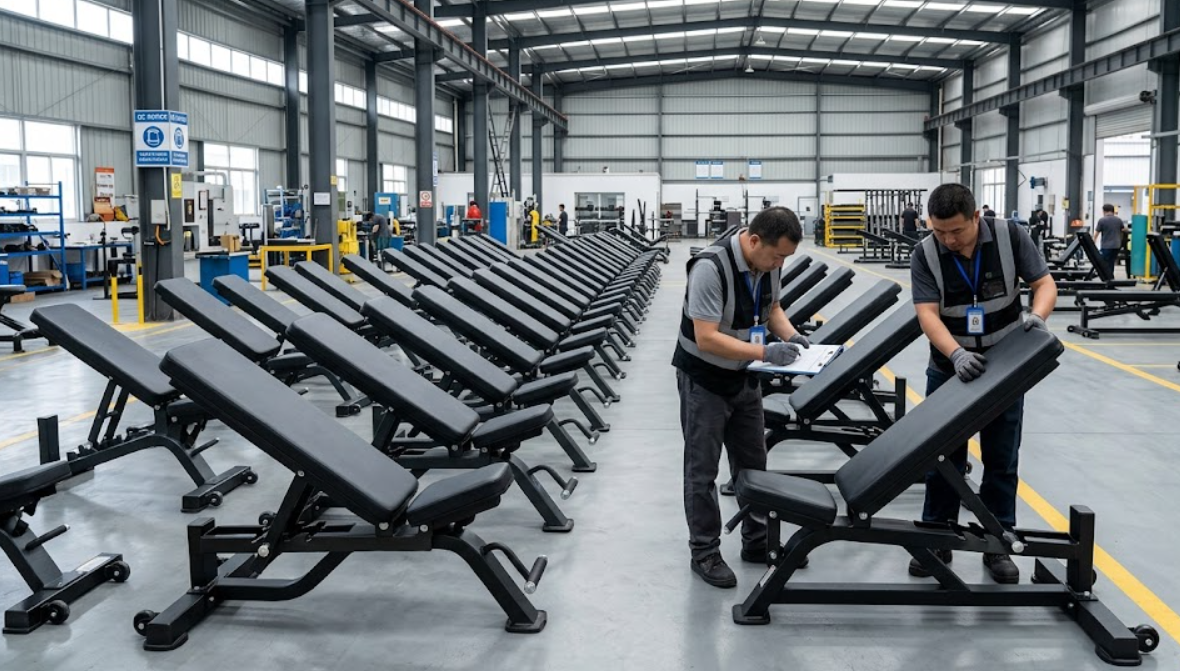
- Inspect weld quality for uniformity and thickness.
- Test the smoothness of adjustable components and pin insertion.
- Ensure the footprint is compatible with your facility's flooring thickness.
By strictly adhering to these technical benchmarks, you mitigate the risk of sourcing substandard hardware. This systematic approach ensures that the best power rack for squats and bench you select delivers consistent performance, maximizing both user safety and your long-term operational efficiency.