Finding the Best Mid Priced Power Rack for Your Home Gym
Defining Your Requirements: A Pre-Purchase Checklist
When a boutique studio owner or a dedicated home enthusiast begins scaling their training space, they often face a frustrating crossroads. You might find yourself caught between low-cost, flimsy structures that compromise safety and high-end, commercial-grade rigs that demand a massive capital outlay. This is where identifying the best mid priced power rack becomes a strategic necessity rather than a guessing game. Rather than falling into the "cheap vs. premium" trap—where you either overpay for brand prestige or under-invest in structural integrity—the goal is to find a balance of durability and value.
The middle ground offers a sweet spot for investment longevity. By targeting mid-range squat racks, you are essentially purchasing equipment that utilizes high-gauge steel and professional-grade finishes without the unnecessary overhead of specialized boutique branding. This approach ensures your affordable strength training equipment can withstand heavy progressive overload and high-frequency use, providing a reliable foundation for your strength journey without exhausting your initial budget.
To navigate this spectrum effectively, you must categorize your expectations based on actual usage intensity and available capital. A common mistake is over-specifying for a light garage setup or, conversely, under-specifying for a high-traffic training environment. By understanding these tiers, you can select mid-range squat racks that align with your specific growth trajectory and physical footprint.
Use the following framework to determine which category of affordable strength training equipment fits your current operational needs and long-term goals:
| Budget Tier | Typical Features | Ideal User | Longevity Expectation |
|---|---|---|---|
| Entry-Level | Light gauge steel, basic J-cups, limited modularity | Casual home enthusiasts | 1–3 years of moderate use |
| Mid-Range | Heavy-duty steel, multiple accessory options, improved stability | Dedicated lifters & small studios | 5+ years of consistent use |
| Premium/Commercial | Maximum gauge steel, advanced customization, full structural rigs | Professional gyms & high-traffic facilities | 10+ years of heavy use |
Selecting the best mid priced power rack requires a keen eye on these specifications to ensure your investment translates into long-term reliability rather than frequent replacements.
To truly justify the jump from entry-level models, you must look beyond the price tag and scrutinize the structural engineering. A high-quality home gym gear guide will always emphasize steel gauge importance; while entry-level racks often use thin, lightweight tubing, a true mid-tier model utilizes thicker, high-gauge steel that resists bowing under heavy loads. This structural density is what separates a temporary solution from a permanent fixture.
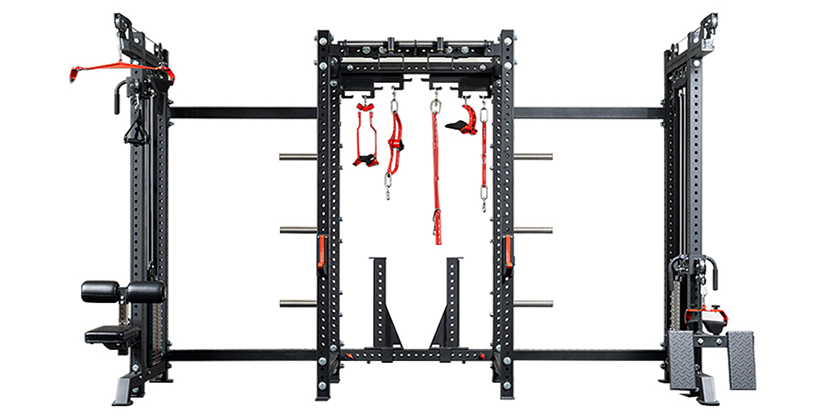
Furthermore, value is found in accessory compatibility. A mid-priced rack should not be a static piece of iron, but a versatile platform capable of accepting dip bars, landmines, or weight storage pegs. When calculating your long-term cost-per-use, these modular capabilities are vital. Instead of replacing an entire unit as your training evolves, you simply add specialized attachments. This foresight ensures that your affordable strength training equipment remains a functional, evolving asset rather than an obsolete piece of hardware.
Structural Integrity and Material Standards for Mid-Range Racks
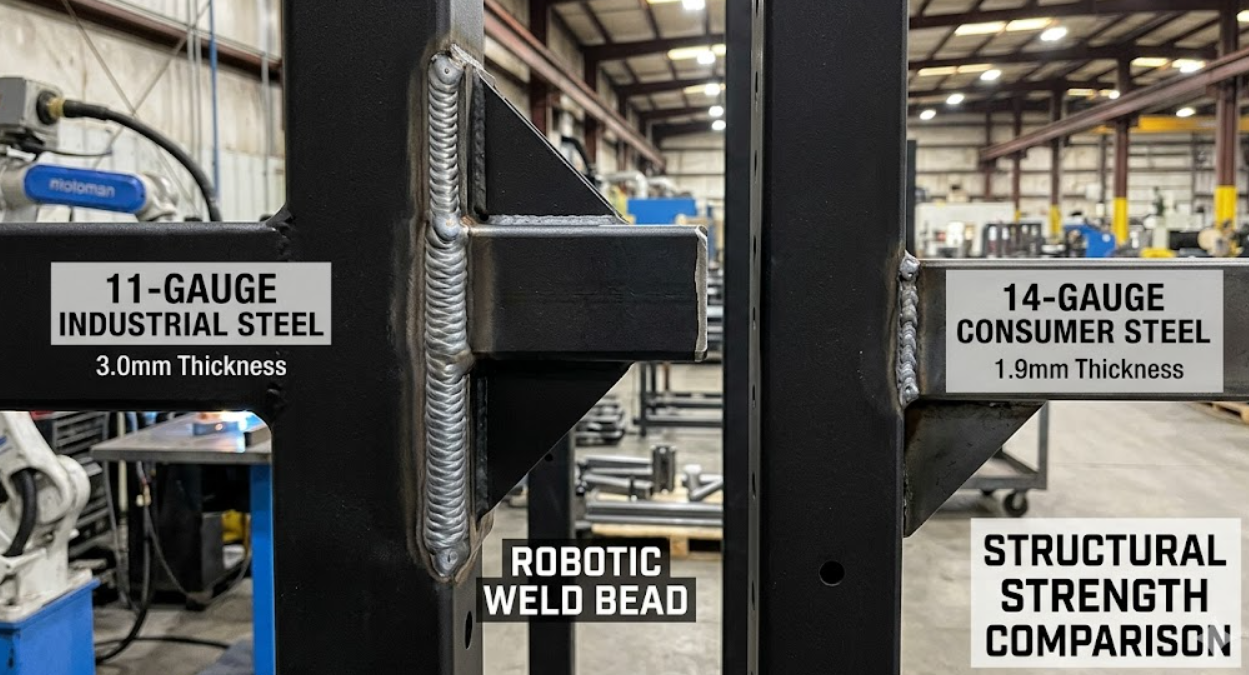
When sourcing mid-range squat racks, the most common pitfall is overlooking the internal metallurgy. A rack might look imposing, but its long-term utility depends entirely on the steel gauge and the finish. For a reliable home setup, we recommend prioritizing 11-gauge steel over the lighter 14-gauge often found in budget-tier models. While 14-gauge is sufficient for light resistance training, 11-gauge provides the necessary density to prevent frame deflection during heavy compound lifts. This structural density is the baseline for identifying the best mid priced power rack that won't require frequent replacement.
Beyond the steel itself, the quality of the powder coating dictates how the equipment withstands oxidation and mechanical wear. A high-grade electrostatic powder coat ensures the frame remains resistant to scratches and moisture, preserving the affordable strength training equipment investment over years of use. To help you evaluate these specifications, we have outlined the standard differences below:
| Material Standard | Typical Application | Durability Profile | Value Assessment |
|---|---|---|---|
| 14-Gauge Steel | Light Home Use | Moderate; prone to flex | Lowest entry cost |
| 11-Gauge Steel | Serious Home Gyms | High; excellent stability | Optimal long-term value |
| Premium Powder Coat | High-Traffic Gyms | Superior; chip resistant | Higher upfront, lower maintenance |
Investing in these foundational specs ensures your home gym gear guide search leads to a piece of equipment that maintains its structural stability even under heavy loading, providing peace of mind for every session.
Understanding these technical nuances is essential for any buyer looking to distinguish between a temporary solution and a long-term asset. When evaluating the best mid priced power rack, the distinction often lies in the capacity to handle progressive overload without compromising structural geometry. While entry-level models may suffice for basic calisthenics, a true mid-range standard must withstand the kinetic energy of heavy barbell drops and consistent lateral stress.
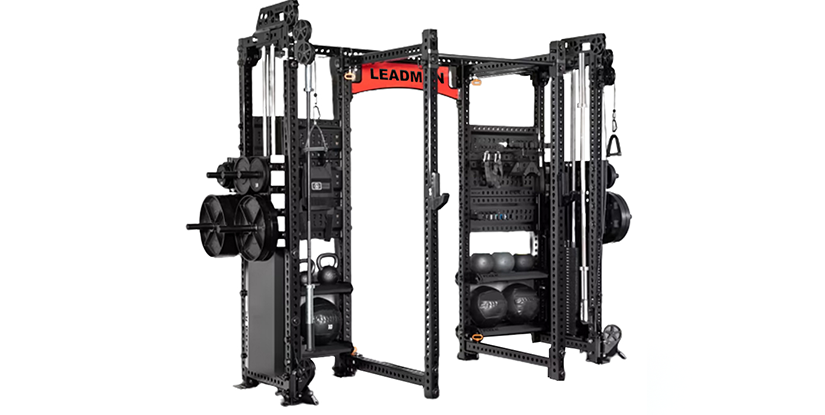
To assist in your procurement decision, we have compiled a comparison of the specifications that define quality in the affordable strength training equipment market. This table highlights why a slight increase in upfront cost often translates to significantly higher longevity.
| Feature | Entry-Level Model | Mid-Range Standard |
|---|---|---|
| Steel Thickness | 14-Gauge (Lighter/Thinner) | 11-Gauge (Heavy-Duty/Dense) |
| Weight Capacity | ~300–500 lbs | ~600–1,000+ lbs |
| Finish Durability | Basic Paint/Thin Coating | Premium Electrostatic Powder Coat |
By prioritizing these metrics within your home gym gear guide, you ensure that your equipment remains a stable foundation for your strength journey, rather than a maintenance-heavy liability.
The true test of any mid-range squat racks setup lies in the connection points and hardware integrity. Even the highest-grade steel becomes a liability if the assembly components are substandard. When auditing potential equipment, we advise scrutinizing the bolt strength and the precision of the weld quality. Low-tier manufacturers often cut costs by using thinner bolts or incomplete welds, which can lead to micro-instability and dangerous wobbles during high-intensity movements. For a reliable home gym, you want to see heavy-duty, high-tensile hardware that ensures every joint remains rigid under load.
Neglecting these small details is a common mistake when searching for affordable strength training equipment. While a rack may appear solid upon initial assembly, poor weld quality and inferior fasteners often succumb to long-term wear and tear. This results in loosened uprights or shifting J-cups, forcing the user to constantly re-tighten the frame. By prioritizing robust connection points and professional-grade welding, you ensure that your investment remains a safe, static anchor for your training, rather than a source of mechanical fatigue.
Optimizing Footprint: Dimensions and Spatial Efficiency
When sourcing equipment for a residential or small-scale commercial setting, the physical dimensions of your gear are just as critical as its weight capacity. A common mistake in the home gym gear guide process is overlooking the total operational area required for safe movement. While the best mid priced power rack may fit perfectly within a designated corner on paper, the actual footprint must account for more than just the steel uprights.
To ensure a high-quality training environment, you must calculate the necessary clearance around the rack for barbell loading and lateral movement. A high-density training setup requires a dedicated safety zone to prevent collisions with walls or other mid-range squat racks. We recommend evaluating the depth of the unit alongside the length of your standard Olympic barbell to ensure there is sufficient room for plate transitions without compromising the structural integrity of your layout.
Understanding the specific dimensions of your equipment is the difference between a streamlined setup and a cramped, hazardous workspace. When searching for affordable strength training equipment, buyers often focus on price but neglect how width, depth, and height impact their long-term utility. Standard commercial-grade models typically demand more vertical clearance, whereas compact versions are engineered for tighter residential environments.
Below is a general comparison to help you visualize how different mid-range squat racks occupy your available space:
| Rack Type | Typical Width | Typical Depth | Typical Height |
|---|---|---|---|
| Standard Full-Size | 48" – 54" | 48" – 60" | 84" – 92" |
| Compact/Space-Saver | 40" – 45" | 40" – 48" | 78" – 84" |
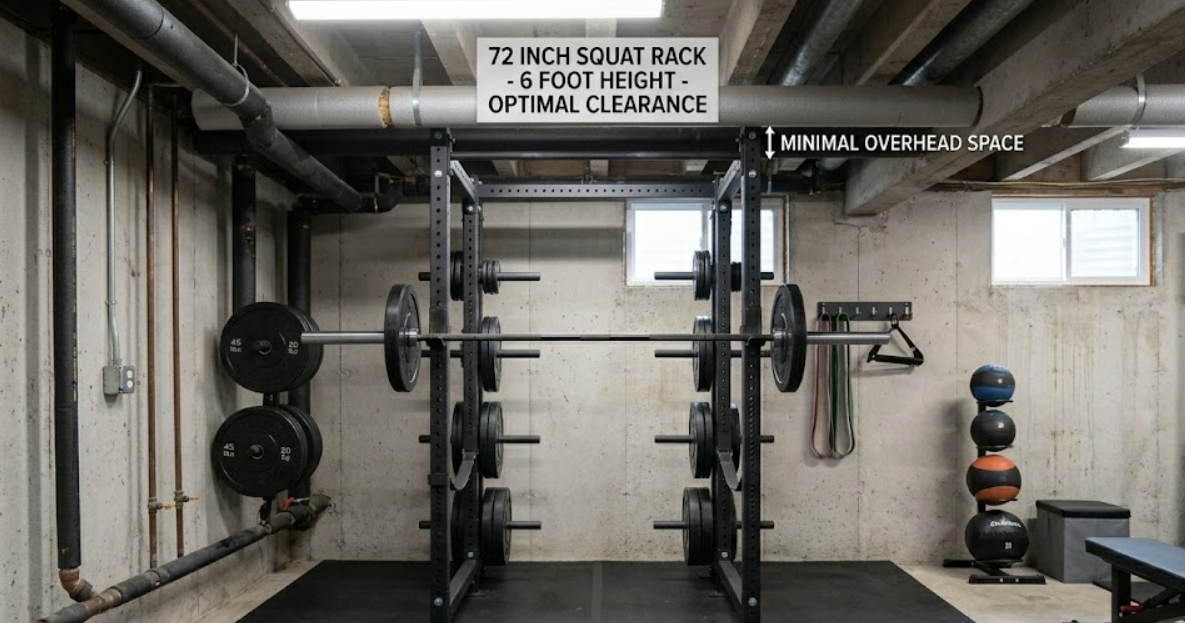
Always verify your ceiling height before finalizing a purchase. A rack that is too tall can prevent safe barbell clearance during heavy lifts, while a depth that is too shallow may limit your ability to load heavy plates safely. Measuring your actual floor space—including the barbell's reach—is essential for a professional-grade installation.
Beyond the basic dimensions, true spatial efficiency involves planning for the "invisible" dimensions of your workout. When selecting the best mid priced power rack, you must account for the total barbell clearance required during a lift. This means your floor space calculation should not just include the rack itself, but also the length of an Olympic barbell plus the diameter of the weight plates. Failing to account for this safety margin can lead to plates striking walls or nearby mid-range squat racks, which compromises both your training rhythm and equipment longevity.
Furthermore, verticality is often the most overlooked constraint. Always measure your ceiling height from the highest point of the room, including light fixtures or low-hanging beams. A safe setup requires enough overhead room to perform a press or a squat without the bar making contact with the ceiling. By prioritizing these clearances, you ensure that your affordable strength training equipment serves as a reliable, high-performance centerpiece rather than a spatial bottleneck.
Versatility and Accessory Compatibility in Affordable Strength Training Equipment
When sourcing affordable strength training equipment, the lowest upfront cost often leads to the highest long-term expense. A common pitfall is investing in a rigid structure that lacks modularity, effectively creating a "dead-end" purchase. To maximize your return on investment, you must prioritize a best mid priced power rack that functions as a central hub for diverse training modalities rather than a single-use station.
True value lies in future-proofing your setup. A high-quality, mid-range unit should feature a robust frame capable of supporting various attachments as your training needs evolve. Look for systems that allow for the seamless integration of essential upgrades such as specialized J-cups, landmines, and dip stations. By selecting a rack that accommodates a wide array of accessories, you ensure that your initial investment remains relevant and scalable, preventing the need to replace the entire unit when you decide to expand your strength regimen.
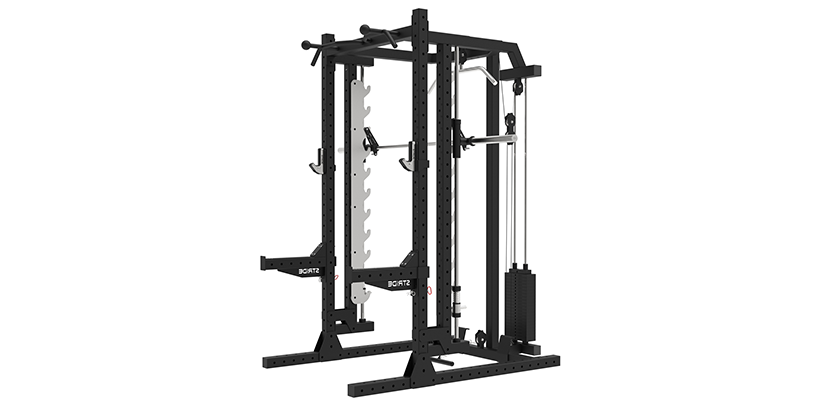
To visualize the long-term value of your selection, we have compiled this comparison within our home gym gear guide. Understanding the difference between a static frame and an ecosystem-ready unit is essential for calculating the true ROI of your purchase. While basic models serve a singular purpose, mid-range squat racks offer a scalable platform that evolves alongside your fitness journey.
| Feature Dimension | Basic Entry-Level Rack | Accessory-Ready Mid-Range Rack |
|---|---|---|
| Standard Dimensions | Fixed/Limited Hole Spacing | Standardized 2" or 3" Spacing |
| Common Attachments | Minimal (J-Cups Only) | Dip Bars, Landmines, Lat Pull-down |
| Expansion Potential | Low (Single-use) | High (Modular Ecosystem) |
| Value Score | Low (High Replacement Risk) | High (Long-term Versatility) |
Choosing the best mid priced power rack means investing in a piece of equipment that can transition from a simple squat station to a comprehensive strength training center without requiring a full hardware overhaul.
Beyond sheer modularity, the true indicator of a high-quality mid-range squat racks investment is the precision of the structural interface. When evaluating the best mid priced power rack, do not merely look at the frame thickness; inspect the quality of the drill holes and the precision of the spacing. Low-quality manufacturing often results in uneven or jagged holes that make installing attachments a frustrating, unsafe ordeal. For a reliable long-term investment, ensure the rack utilizes standardized spacing—typically 1 or 2 inches—to guarantee seamless compatibility with a wide range of aftermarket gear.
Furthermore, pay close attention to the compatibility with standard 2x2 or 3x3 tubing. A professional-grade unit should offer a robust connection point that maintains structural integrity even under heavy loads. Always verify the rated weight capacity of individual attachments, such as weight horns or pull-up bars, to ensure they match the strength of the main frame. Prioritizing these technical specifications ensures that your affordable strength training equipment remains a safe, durable, and high-performing centerpiece of your gym for years to come.
Evaluating Long-Term Maintenance and Component Wear
When sourcing affordable strength training equipment, the most common mistake is overlooking the microscopic details that dictate longevity. A budget-friendly price point should never mean sacrificing the structural integrity of the finish. To ensure you find the best mid priced power rack, you must evaluate the quality of the surface treatment. High-grade powder coating durability is essential; a thick, uniform electrostatic coating does more than just look professional—it provides critical rust prevention against humidity and perspiration in home environments.
Furthermore, maintenance issues often stem from subpar fasteners. Even the sturdiest steel frame will fail if the hardware quality is low. Look for high-tensile bolts and reinforced washers that can withstand repetitive heavy loading without stripping or loosening. Investing in mid-range squat racks that prioritize these industrial-standard finishes and robust assembly components ensures your setup remains a reliable asset rather than a recurring maintenance headache.
To maximize the lifespan of your investment, proactive care is non-negotiable. A consistent maintenance routine prevents minor mechanical issues from evolving into structural failures. In our home gym gear guide, we emphasize two critical pillars of upkeep: regular bolt tightening and periodic lubrication of moving parts. Over time, the vibration from heavy lifting can loosen fasteners, so a monthly inspection of all connection points is essential for safety.
Additionally, keeping the sliding mechanisms smooth will prevent friction-induced wear. Use a dry lubricant on guide rods to ensure the barbell moves fluidly without sticking. To help you monitor your equipment's health, we have outlined common wear patterns for mid-range squat racks below:
| Component Type | Common Wear Indicator | Maintenance Action | Replacement Urgency |
|---|---|---|---|
| J-Cups & Hooks | Scratches or paint chipping | Inspect for metal deformation | Low (Monitor surface) |
| Guide Rods | Friction or "stuttering" movement | Apply silicone-based lubrication | Medium (Routine care) |
| Structural Bolts | Looseness or slight movement | Perform regular bolt tightening | High (Safety critical) |
| J-Cup/Pin Holes | Oval-shaped or elongated holes | Check structural alignment | High (Replace component) |
Ultimately, the goal of preventative maintenance is to protect your long-term value. While a mid-priced unit is an excellent entry point for serious lifters, its lifespan is directly tied to how well you manage weight bearing stability. A rack that is checked regularly for alignment and bolt tension will remain a safe, rigid platform for years. By treating your equipment with the same discipline you apply to your training, you ensure that your best mid priced power rack remains a high-performing centerpiece of your home gym rather than a depreciating liability.
Sourcing Reliability: What to Expect from Mid-Range Manufacturers
When sourcing affordable strength training equipment, the primary concern for most buyers is the trade-off between budget constraints and long-term structural integrity. The best mid priced power rack options occupy a strategic middle ground, offering a sophisticated balance of durability vs. cost. Unlike entry-level consumer models that may use thin-walled tubing, mid-range manufacturers typically leverage higher manufacturing standards to ensure the frame can withstand heavy compound lifts.
In this tier, we see a shift toward professional-grade features—such as reinforced steel gauges and high-quality powder coating—without the inflated price tags of premium commercial brands. For distributors and home gym builders, this segment provides the most efficient way to scale a facility. By selecting a mid-range squat racks provider that prioritizes consistent manufacturing standards, you ensure that your investment remains a stable foundation for heavy training rather than a recurring replacement cost.
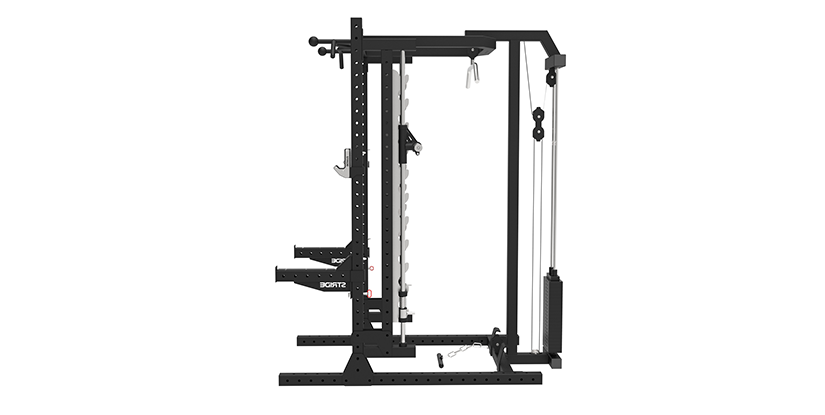
To distinguish a high-quality investment from a low-end budget model, you must look closely at the technical specifications. A common pitfall in this home gym gear guide is overlooking the thickness of the steel. While entry-level racks often utilize thin, light-gauge metal, mid-range squat racks typically utilize a robust 11-gauge or 7-gauge steel construction. This difference in steel gauge is critical, as it directly dictates the weight capacity and structural rigidity during high-intensity sessions.
Beyond the frame thickness, the finish serves as a primary indicator of manufacturing quality. A superior powder coating quality ensures the rack is resistant to scratches, oxidation, and the wear of constant barbell friction. When evaluating affordable strength training equipment, do not settle for a basic spray finish that chips easily. Instead, look for manufacturers that implement multi-stage coating processes. Investing in these mid-tier specifications ensures that your best mid priced power rack provides the longevity of commercial gear while maintaining a sensible budget.
Beyond the physical specifications, true reliability is often revealed through a manufacturer's logistical and production consistency. To secure the best mid priced power rack, you must look for indirect indicators of high-level quality control. A reliable manufacturer does not just produce a good single unit; they produce thousands of identical, high-performing units. This is evidenced by high component precision—where every bolt, upright, and J-cup fits with seamless, repeatable accuracy across different batches.
Furthermore, pay close attention to shipping reliability and packaging integrity. A manufacturer capable of maintaining strict tolerances in their factory will also prioritize the protection of those tolerances during transit. If a supplier utilizes reinforced, standardized crating and maintains consistent shipping schedules, it is a strong signal of a professionalized supply chain. Prioritizing these operational strengths ensures significant long-term value, preventing the hidden costs of damaged parts or mismatched components that often plague lower-tier mid-range squat racks.
Common Pitfalls to Avoid When Selecting Home Gym Gear
When sourcing affordable strength training equipment, the most dangerous mistake is equating a lower price tag with high value. In the pursuit of the best mid priced power rack, many buyers inadvertently compromise on structural integrity by overlooking the fundamental metallurgy of the unit. A rack that looks imposing in photos can fail under heavy loads if the manufacturing standards are subpar.
The primary red flag to watch for is insufficient steel gauge. High-quality mid-range squat racks typically utilize thicker, heavy-duty steel to ensure the frame remains rigid under tension. If a manufacturer uses thin-walled tubing to save on material costs, the rack may experience bowing or catastrophic failure during a heavy lift. Furthermore, pay close attention to the weld quality; uneven or porous welds are not just aesthetic flaws—they are weak points that jeopardize durability. Investing slightly more upfront in a machine with reinforced joints and high-gauge steel prevents the long-term safety risks and replacement costs associated with low-quality imitations.
To navigate this home gym gear guide effectively, you must distinguish between a "cheap" unit designed for light resistance and a true value-driven investment. The difference often lies in the microscopic details of the manufacturing process, such as the precision of the powder coating and the overall stability of the footprint. While low-end models may use thin-gauge metal that rusts or vibrates under pressure, professional-grade mid-range equipment is engineered for consistent, heavy-duty use.
Use the following comparison to evaluate whether a potential purchase offers long-term utility or is simply a budget-driven liability:
| Feature | Budget/Low-End Models | Mid-Range Squat Racks |
|---|---|---|
| Steel Thickness | Thin-walled, light gauge | Heavy-duty, high-gauge steel |
| Finish Quality | Basic paint (prone to chipping) | Premium, durable powder coating |
| Structural Stability | Potential wobbling or bowing | Rigid, high-stability design |
| Longevity | Short-term/Light use only | Reliable, long-term strength training |
Choosing the best mid priced power rack means prioritizing these structural benchmarks to ensure your setup remains a safe, permanent fixture in your training environment.
Beyond the immediate physical build, the true cost of a subpar purchase often manifests through "hidden" expenses. When you opt for a low-tier unit instead of a quality mid priced power rack, you are frequently buying a dead-end product. Many entry-level models lack standardized hole spacing or proprietary dimensions, which severely limits accessory compatibility. This means that as your training evolves, you may find yourself unable to add essential tools like dip stations, landmines, or specialized J-cups because the frame cannot support them.
This lack of versatility turns a single purchase into a cycle of constant replacement. Instead of a long-term investment that grows with your fitness journey, you end up discarding an obsolete rack to make room for a more capable one. Prioritizing build quality and standardized specifications ensures that your equipment remains functional and upgradeable. By selecting a rack designed for modularity, you avoid the frustration of outgrowing your gear and the wasted capital of buying twice.