Best Power Racks for Home Use: Wholesale Sourcing Guide
Strategic Procurement: Evaluating Residential Strength Training Racks
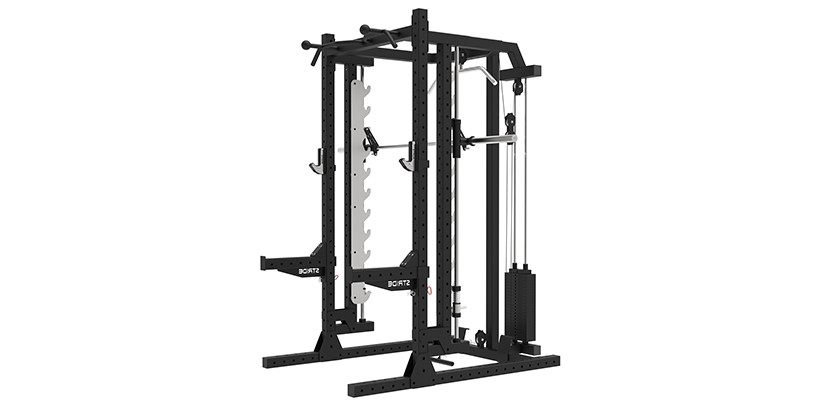
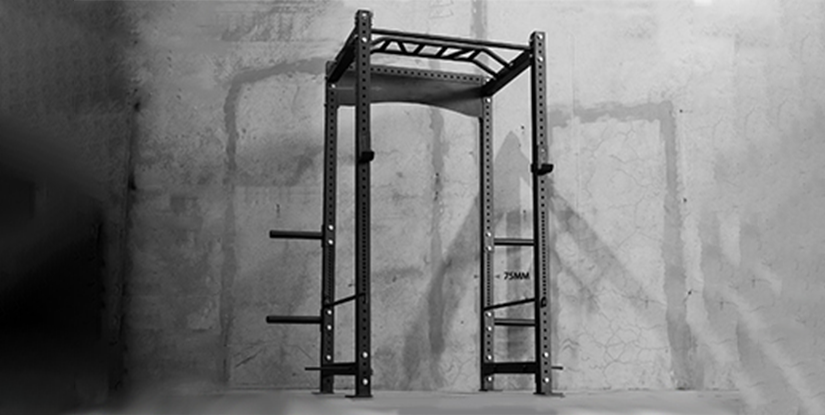
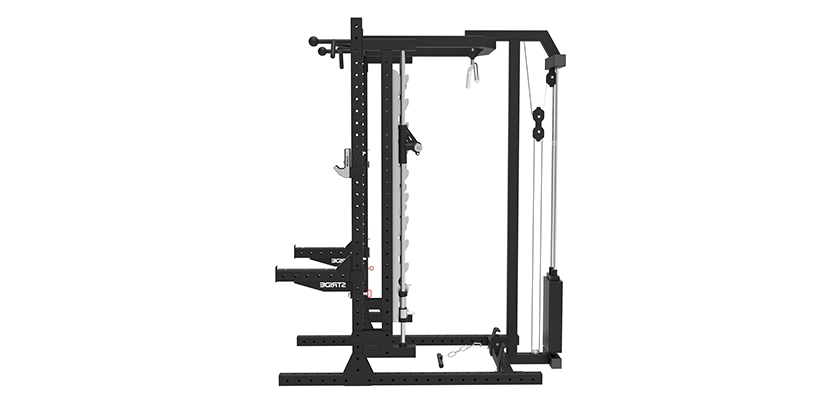
Residential strength training racks are specialized structural frameworks designed for high-frequency lifting within limited footprints. B2B buyers and distributors prioritize these units because they bridge the gap between consumer-grade light equipment and high-end commercial grade home gym equipment, offering high turnover potential and reliable durability ratings.
Technical Specifications and Material Integrity
When sourcing the best power rack for home use, procurement specialists must look beyond aesthetics to fundamental metallurgy. To ensure long-term ROI for your clients, verify that the steel gauge thickness meets a minimum of 11-gauge (approx. 3mm) for main uprights. This specification is critical for maintaining structural integrity under heavy eccentric loading.
Furthermore, quality control protocols must validate powder coating durability to prevent oxidation in varied residential climates. We recommend requesting load capacity certification documentation from the factory to ensure the unit meets international safety standards. For fitness equipment bulk supplier partners, prioritizing these technical benchmarks reduces return rates and strengthens your reputation as a provider of premium commercial grade home gym equipment.
Choosing between entry-level models and premium imports is a matter of calculating long-term asset depreciation against initial procurement costs. While lightweight models offer lower shipping weights and lower MOQs, they often lack the structural longevity required for high-performance users. For distributors, selecting the best power rack for home use involves balancing the low unit cost of consumer models against the high-margin potential of professional-grade imports.
Comparative Analysis: Tiered Sourcing Framework
The following table provides a technical benchmark to assist in your procurement decisions, highlighting the divergence between standard residential strength training racks and high-durability imports.
| Feature | Standard Residential Model | Commercial-Grade Import |
|---|---|---|
| Steel Gauge | 14-gauge to 12-gauge | 11-gauge (Heavy Duty) |
| Footprint | Compact / Space-Saving | Standard / Modular |
| Maintenance | Moderate (Bolt Tightening) | Low (High-Stability Design) |
| Lifespan | 3–5 Years | 10+ Years |
| Unit Cost | Low / High Volume | Premium / High Margin |
As a fitness equipment bulk supplier, we advise that investing in higher-spec commercial grade home gym equipment yields a superior ROI through reduced warranty claims and increased customer lifetime value, despite the higher initial landed cost.
Logistics Optimization and Global Export Standards
Maximizing profitability when sourcing the best power rack for home use requires a rigorous approach to the supply chain. To mitigate the risks of long-distance maritime transit, we implement strict packaging optimization for long-distance transit, utilizing reinforced corrugated cartons and corner protectors to prevent structural deformation. A professional fitness equipment bulk supplier must prioritize freight efficiency by optimizing container loadability; this involves balancing MOQ considerations with volumetric weight to ensure you are not paying to ship excess air.
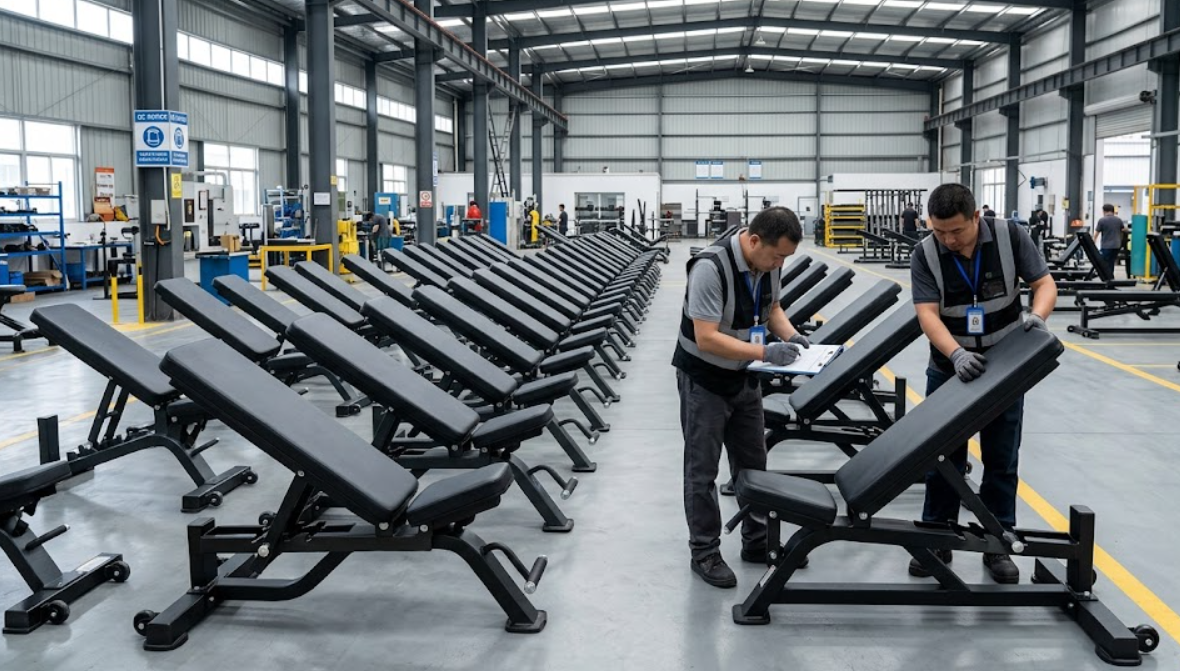
To eliminate the high cost of replacement parts and returns, our QC inspection protocols include pre-shipment stress tests and weld integrity audits. By verifying every component before it leaves the factory, we ensure that the residential strength training racks arriving at your warehouse are ready for immediate retail. This proactive quality management reduces the total landed cost and protects your margins from the volatility of international shipping damage.
Technical Specifications for High-Volume Residential Sourcing
When sourcing the best power rack for home use for large-scale distribution, procurement officers must prioritize structural integrity over aesthetic variety. For high-volume residential orders, the primary differentiator in long-term reliability is the steel gauge. While many entry-level models utilize 14-gauge steel, professional-grade distributors should focus on 11-gauge steel construction to meet commercial grade home gym equipment standards. This thickness ensures the frame can withstand high-impact loading and prevents structural bowing during intensive training sessions.
Beyond the core frame, the finish quality dictates the product's lifespan in diverse climates. A high-quality electrostatic powder coating is essential to prevent oxidation and scratching during transit and assembly. For distributors seeking residential strength training racks that maintain a premium appearance, verifying the micron thickness of the coating is a critical quality control step.
| Material Specification | Standard Residential Grade | Premium/Commercial Grade |
|---|---|---|
| Steel Gauge | 14-Gauge (Standard) | 11-Gauge (High Durability) |
| Surface Finish | Basic Paint | Electrostatic Powder Coating |
| Structural Integrity | Moderate Load Capacity | High-Impact/Heavy Load Rated |
| Sourcing Suitability | Low-Margin Retail | Fitness equipment bulk supplier Standard |
To mitigate liability and ensure long-term product reliability, buyers must distinguish between static and dynamic weight capacities. A common failure in low-cost residential strength training racks is the inability to handle sudden kinetic energy, such as a dropped barbell. When vetting a fitness equipment bulk supplier, demand specific data on upright diameter and load tolerances. While 2x2 inch tubing may suffice for light use, 3x3 inch heavy-duty tubing is the benchmark for commercial grade home gym equipment. The following technical comparison provides the necessary metrics to evaluate whether a unit meets the high standards required for the best power rack for home use in premium markets.
| Technical Metric | Residential Standard | Commercial Grade (Premium) |
|---|---|---|
| Upright Diameter | 2" x 2" Steel | 3" x 3" Heavy-Duty Steel |
| Steel Gauge | 14-Gauge | 11-Gauge (High-Density) |
| Static Weight Capacity | 400 - 600 lbs | 800 - 1,000+ lbs |
| Dynamic (Impact) Rating | Low (Light Loading) | High (Heavy/Repetitive Load) |
Rigorous Quality Control and Logistics Reliability
For distributors managing high-volume imports, structural failure is not an option. A reliable fitness equipment bulk supplier must demonstrate rigorous QC testing protocols that go beyond basic visual inspections. We recommend requiring documented load testing reports for every batch to ensure the best power rack for home use meets stated weight capacities under both static and dynamic stress. Furthermore, critical inspection points must include welding integrity; full-penetration welds are essential to prevent fatigue cracks at high-stress junctions, especially in commercial grade home gym equipment designed for heavy repetitive use.
Logistical efficiency is equally vital to maintaining profit margins in the North American market. Even the highest quality residential strength training racks can suffer damage if not shipped using logistics-friendly packaging. Ensure your manufacturer utilizes reinforced, high-density corrugated cardboard and optimized box dimensions to reduce volumetric weight and prevent transit-related deformation. High-tier suppliers prioritize modular designs that facilitate easier assembly for the end-user while ensuring the components remain secure and undamaged during long-haul maritime or overland transit.
Optimizing Footprint and Load Capacity for Home Gym Layouts
When sourcing residential strength training racks for distributors, the primary challenge is the physical constraint of the end-user's environment. Unlike expansive commercial facilities, home settings demand high-performance gear that fits within limited square footage. To meet this demand, B2B buyers must differentiate between standard heavy-duty models and specialized compact design solutions.
For clients with limited headroom or floor area, we offer space-saving features such as foldable uprights and slim-profile steel tubing. Selecting the best power rack for home use involves balancing footprint optimization with structural integrity. Our factory provides both full-size, heavy-duty rigs for serious enthusiasts and modular, condensed versions for urban dwellers. By diversifying your inventory with various dimensions, you can satisfy a broader market segment while maintaining the high durability standards expected of commercial grade home gym equipment.
Beyond physical dimensions, procurement specialists must evaluate the technical synergy between material thickness and weight limits. A high load capacity is meaningless if the frame lacks the structural stability to prevent lateral sway during heavy lifting. When auditing potential suppliers, prioritize manufacturers that utilize high-grade steel gauge specifications—typically 11-gauge for premium models—to ensure the frame remains rigid under maximum stress.
For distributors, verifying these durability ratings is essential to minimizing return rates and protecting brand reputation. We implement rigorous quality control (QC) protocols during the fabrication process, testing the tensile strength of every weld and the structural integrity of the uprights. By sourcing commercial grade home gym equipment that adheres to these strict technical standards, you ensure that even compact models can withstand intense, repetitive loading. This technical oversight guarantees that your bulk orders deliver long-term reliability, meeting the rigorous demands of the North American residential fitness market.
To streamline your procurement decision-making, we have categorized the most common configurations below. This comparison allows you to quickly assess which model aligns with your target consumer's specific environment and strength requirements. As a leading fitness equipment bulk supplier, we ensure that every model listed maintains rigorous structural standards, regardless of its size.
| Rack Type | Typical Footprint (Dimensions) | Max Load Capacity | Ideal Suitability for Home Use |
|---|---|---|---|
| Full Power Rack | 4' x 7' (122 x 213 cm) | 1,000+ lbs | Dedicated garage or basement gyms |
| Half Rack | 3' x 5' (91 x 152 cm) | 800+ lbs | Standard residential garages |
| Squat Stand | 2' x 4' (61 x 122 cm) | 600+ lbs | Limited space/small rooms |
| Folding Wall-Mount | Variable (Compact) | 500+ lbs | Apartments or studio environments |
When selecting the best power rack for home use for your inventory, always verify the steel gauge and bolt-tightening specifications. Whether you are importing high-capacity full rigs or space-efficient residential strength training racks, ensuring the weight-to-footprint ratio is optimized will significantly reduce your post-sale support costs and increase customer satisfaction.
Manufacturing Standards for Commercial Grade Home Gym Equipment
When sourcing the best power rack for home use for your distribution network, the primary differentiator between a high-margin product and a liability is the structural integrity of the steel. Retail-grade models often utilize thinner materials to reduce shipping costs, but professional distributors must prioritize commercial grade home gym equipment that meets strict structural benchmarks.
The most critical specification to audit is the steel gauge. While many entry-level models use 14-gauge steel, high-performance residential strength training racks should ideally utilize 11-gauge steel. This increased thickness significantly elevates the load capacity ratings, ensuring the unit can handle heavy barbell weights and dynamic movement without structural fatigue. Furthermore, examine the powder coating durability; a high-micron electrostatic finish is essential to prevent oxidation and surface degradation in diverse climates. For B2B buyers, verifying these metallurgical standards during the factory inspection process ensures your inventory remains a premium choice in the competitive fitness market.
To assist procurement officers in vetting potential fitness equipment bulk supplier candidates, we have outlined the technical discrepancies between consumer-tier units and professional-grade inventory. Relying on substandard manufacturing can lead to high return rates and brand damage. Use the following comparison to audit your supplier's technical specifications and ensure you are securing the best power rack for home use for your clients.
| Technical Specification | Standard Residential | Commercial Grade Home Gym Equipment |
|---|---|---|
| Steel Gauge | 14-gauge (Thinner/Lightweight) | 11-gauge (Heavy-duty/High-density) |
| Welding Type | Standard MIG (Basic Joint Integrity) | Reinforced TIG/MIG (Precision Structural Bond) |
| Weight Capacity | 300 lbs - 500 lbs | 600 lbs - 1,000+ lbs |
When negotiating MOQs, always demand certification of these welding and gauge standards to mitigate the risk of structural failure in your residential strength training racks inventory.
Verifying Factory Compliance and Quality Control Protocols
Beyond material thickness, long-term profitability for distributors depends on a fitness equipment bulk supplier that adheres to rigorous international manufacturing standards. When vetting a factory for high-end residential strength training racks, the presence of ISO certification is a non-negotiable baseline. This certification ensures that the facility operates under a standardized quality management system, reducing the variance in product dimensions and material consistency across large-scale production runs.
To secure the best power rack for home use for your client base, you must also verify that the manufacturer implements strict stress testing protocols. Reliable production lines utilize automated load testing and vibration analysis to simulate years of heavy barbell use. This prevents catastrophic failures caused by weld fatigue or structural deformation. For B2B buyers, requesting documentation regarding these mechanical tests and verifying commercial grade home gym equipment production capabilities is essential. Prioritizing suppliers who provide transparent QC reports and validated test data will safeguard your reputation and ensure the long-term reliability of your imported inventory.
Bulk Export Logistics and Container Optimization Strategies
For distributors and large-scale buyers, the cost of importing the best power rack for home use is often dictated by more than just the unit price. High-density steel structures present unique logistical challenges. When sourcing residential strength training racks, the primary objective is to maximize container load optimization to ensure that every cubic meter of shipping space is utilized effectively. Because these items are often heavy yet occupy significant volume, failing to account for volumetric weight can lead to inflated freight bills and diminished profit margins.
To achieve significant shipping cost reduction, we recommend working with a fitness equipment bulk supplier that offers modular designs. By selecting racks with detachable uprights or nested components, you can increase the density of your shipment. This strategic approach allows you to move more units per 40ft HQ container, effectively lowering the landed cost per unit for your end customers.
| Configuration Type | Space Efficiency | Packing Method | Logistics Advantage |
|---|---|---|---|
| Fully Assembled | Low | Crated/Palletized | Reduced assembly time |
| Modular/KD Set | High | Nested/Boxed | Optimized container volume |
| Foldable Series | Medium | Flat-pack | Reduced volumetric weight |
Navigating the complexities of international procurement requires a clear understanding of volume-based shipping models. When sourcing commercial grade home gym equipment, buyers must decide between LCL (Less than Container Load) and FCL (Full Container Load) strategies. While LCL provides flexibility for smaller inventory refreshes, FCL remains the most cost-effective method for high-volume distributors seeking to minimize the landed cost of the best power rack for home use.
As a professional fitness equipment bulk supplier, we maintain strict MOQ requirements to ensure production efficiency and competitive wholesale pricing. For bulk orders, sea freight optimization is critical; we specialize in nesting heavy steel components to maximize container density. Furthermore, we manage all customs documentation and compliance-related paperwork to prevent port delays. By streamlining sea freight logistics and ensuring all customs documentation is precise, we mitigate the risk of unexpected surcharges, allowing you to scale your distribution of residential strength training racks with predictable margins.
To maximize your procurement budget, you must evaluate the direct relationship between container volume and the landed cost per unit. For professional distributors, selecting the correct shipping configuration can drastically alter your profit margins. While a 20ft container is useful for smaller inventory adjustments, the 40ft High Cube (HQ) container is the industry standard for high-volume imports of commercial grade home gym equipment due to its superior volume-to-cost ratio.
The following table illustrates the typical capacity differences when importing the best power rack for home use via different container specifications. Note that weight limits often become the bottleneck before volume capacity is reached when shipping high-density steel products.
| Container Type | Typical Unit Capacity (Modular) | Weight Limit Factor | Cost-per-Unit Impact |
|---|---|---|---|
| 20ft Standard | ~15–25 Units | High Density/Low Volume | Higher per-unit freight cost |
| 40ft High Cube (HQ) | ~45–60 Units | Optimized Volume/Weight | Lowest per-unit landed cost |
When negotiating with your fitness equipment bulk supplier, always request a volumetric breakdown. Choosing a 40HQ container typically allows for a significantly lower cost-per-unit by spreading the base ocean freight across a larger quantity of residential strength training racks, even when accounting for strict heavy-load weight restrictions.
OEM Customization and MOQ Requirements for Global Distributors
For distributors seeking the best power rack for home use, the distinction between standard stock and bespoke manufacturing lies in the margin. While off-the-shelf residential strength training racks offer low entry barriers, they often lack the unique market identity required to dominate local retail sectors. Leveraging OEM customization allows your brand to differentiate itself through specialized features and aesthetic control.
Implementing custom color schemes or proprietary laser-cut logos may slightly increase the initial unit price, but these branding costs are offset by the high-margin retail potential of a premium, branded product line. When sourcing commercial grade home gym equipment, we advise negotiating based on tiered MOQs. By committing to higher volumes, you can mitigate the costs of customization while positioning your brand as a high-end provider in the domestic market, ensuring long-term profitability and brand loyalty.
Optimizing Procurement via Tiered Pricing and Volume Scaling
Understanding the direct correlation between order volume and unit cost is critical for any professional fitness equipment bulk supplier. When sourcing the best power rack for home use, procurement professionals must navigate the relationship between Minimum Order Quantities (MOQ) and long-term profitability. High-volume orders leverage economies of scale, significantly lowering the per-unit manufacturing cost by optimizing raw material procurement and reducing factory setup overhead.
Most premium manufacturers utilize tiered pricing structures to incentivize larger shipments. While low-MOQ orders are suitable for testing market demand for residential strength training racks, scaling to higher tiers unlocks substantial volume discounts. For distributors, this means the ability to maintain competitive retail pricing while preserving healthy margins. We recommend a strategic approach: utilize lower-volume orders for rapid prototyping and specialized designs, then transition to high-volume, standardized production to maximize your ROI on commercial grade home gym equipment.
To assist in your financial forecasting, we have outlined how customization depth and volume influence the landed cost. Note that the transition from standard 11-gauge to heavy-duty 7-gauge steel significantly impacts both material weight and shipping logistics, often requiring specialized freight handling.
| Customization Level | Typical MOQ | Steel Gauge Spec | Est. Unit Cost Impact |
|---|---|---|---|
| Standard (Stock) | 10 - 50 units | 11-gauge (Standard) | Base Price |
| Branded (Logo/Color) | 100 - 250 units | 11-gauge (Premium) | +5% to +8% |
| Full OEM (Bespoke) | 500+ units | 7-gauge (Heavy Duty) | +15% to +20% |
When calculating your total landed cost for the best power rack for home use, always factor in the increased dimensional weight of commercial grade home gym equipment. Higher-spec steel increases durability ratings but also elevates ocean freight and container optimization costs. A strategic fitness equipment bulk supplier will provide detailed packing lists to help you optimize container utilization and reduce the per-unit shipping burden.
Quality Control Protocols for Fitness Equipment Bulk Suppliers
For distributors sourcing residential strength training racks, the difference between a high-margin product and a costly return lies in rigorous manufacturing oversight. To provide the best power rack for home use, manufacturers must move beyond basic assembly and implement strict industrial protocols. High-volume procurement requires verifying that every unit meets commercial grade home gym equipment standards through standardized structural integrity testing. This ensures the frame can withstand repetitive heavy loading without fatigue or deformation.
Reliable sourcing also depends on granular technical specifications. Procurement officers should demand material certification (ASTM/ISO) to guarantee the steel gauge meets international safety benchmarks. Furthermore, quality inspections must prioritize weld inspection to prevent structural failure at high-stress joints. Finally, a consistent powder coating thickness must be verified via micron gauges to prevent premature oxidation and surface wear. By prioritizing these QC metrics, B2B buyers mitigate the risks of shipping defective inventory and ensure long-term durability for the end-user market.
Verifying Factory Maintenance and Manufacturing Standards
Beyond individual unit inspections, professional importers must evaluate the long-term operational reliability of their fitness equipment bulk supplier. A high-tier manufacturer does not just produce a single unit; they manage a continuous production ecosystem. During the vetting process, procurement specialists should request documentation regarding the factory's maintenance protocols for CNC machinery and welding stations. Neglected equipment leads to drifting component tolerance, which can result in misaligned uprights or faulty attachment points in the final product.
To ensure batch consistency across large-scale orders, verify that the facility conducts regular stress testing on production line components. This prevents the common issue of structural variance between the first and last unit of a shipment. Furthermore, a reputable supplier will demonstrate MOQ quality assurance by providing standardized preventative maintenance logs for their testing rigs. This level of transparency guarantees that the best power rack for home use remains structurally identical throughout your entire inventory, protecting your brand reputation and reducing the overhead costs associated with defective replacements.
Technical QC Metric Comparison: Standard vs. Premium Tiers
When evaluating a fitness equipment bulk supplier, procurement teams must distinguish between entry-level models and high-performance commercial grade home gym equipment. Relying on generic descriptions is a high-risk strategy; instead, demand specific technical benchmarks to justify your wholesale margins. The following comparison outlines the critical quality control metrics required to source the best power rack for home use for your distribution network.
| QC Metric | Standard Residential Tier | Premium/Commercial Tier |
|---|---|---|
| Steel Gauge | 11-gauge (approx. 3mm) | 7-gauge to 11-gauge (High-Tensile) |
| Bolt Strength | Grade 5 Hardware | Grade 8 Industrial Fasteners |
| Rust Resistance | Standard Powder Coat | Electrostatic/Anti-Corrosive Finish |
| Weight Capacity Verification | Static Load Test Only | Dynamic/Repetitive Load Certification |
| Shipping Durability | Single-Wall Corrugated Box | Reinforced Double-Wall/Export Grade |
Using these metrics, buyers can effectively vet residential strength training racks to ensure they meet the rigorous demands of the North American market. Selecting the premium tier reduces the frequency of warranty claims and enhances your position as a provider of high-durability equipment.