Olympic Squat Rack | Selecting Olympic Squat Racks for High
Optimizing Facility Throughput via Programming-Specific Rack Selection
When planning a strength training facility layout, procurement managers must balance the physical footprint of an olympic squat rack against the projected density of user traffic. A failure to align equipment dimensions with specific programming needs creates bottlenecks, increasing the risk of equipment idle time and reducing the overall ROI of your commercial weightlifting equipment investment. Successful scaling depends on evaluating whether a compact footprint or a wider, attachment-ready profile better serves your facility's high-volume throughput goals.
For boutique studios or high-intensity interval training (HIIT) centers, a smaller footprint allows for more stations per square meter, maximizing revenue in limited spaces. Conversely, large-scale strength clubs often prioritize specialized racks that accommodate diverse programming, such as heavy barbell training or functional accessory work. Selecting a rack that is too narrow may limit accessory compatibility, while an overly large unit might unnecessarily restrict the flow of movement within a crowded training floor.
Configuration Comparison: Footprint vs. Utility
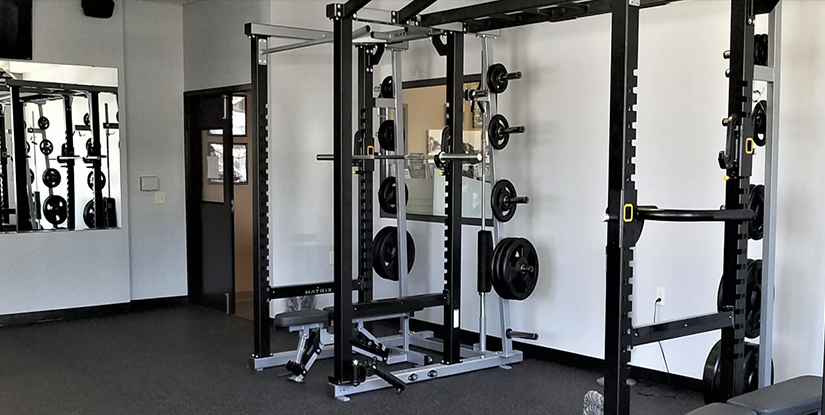
Distributors and facility owners should evaluate the trade-off between physical volume and functional versatility. While a full power rack offers the highest safety and attachment density, it demands significant floor area and overhead clearance. A half rack provides a middle ground, offering high utility for barbell training while maintaining better visibility and movement space for surrounding athletes.
| Configuration Type | Typical Footprint | Gym Attachment Compatibility | Best Use Case |
|---|---|---|---|
| Full Power Rack | High (Large) | Maximum (Dip bars, pull-up bars, landmines) | Dedicated strength clubs / High-load training |
| Half Rack | Medium | High (Dip stations, weight storage, pulleys) | Commercial gyms / Multi-purpose training |
| Squat Stand | Low (Minimal) | Variable (Basic J-cups, spotter arms) | Boutique studios / Limited space facilities |
From a B2B procurement perspective, the decision often hinges on the intended density of the training floor. If your client base requires heavy accessory usage—such as cable attachments or specialized barbell movements—the increased footprint of a power rack is a necessary investment. However, for high-turnover facilities where space-to-utility ratios are critical, a modular half rack often delivers the best balance of throughput and equipment versatility.
Prioritize long-term investment by evaluating how attachment compatibility affects your facility's operational lifecycle. A rack that supports a wide range of modular accessories allows for versatile programming without requiring additional floor space for new equipment. This adaptability is essential for maintaining high facility throughput, as it enables quick transitions between different training modalities, such as transitioning from heavy barbell sets to functional accessory work.
From a maintenance standpoint, sourcing racks with standardized, high-quality connection points reduces long-term upkeep costs and prevents the need for frequent hardware replacements. When negotiating with manufacturers or distributors, ensure that the compatibility of various attachments is not just a feature, but a robust, integrated part of the frame design. This foresight protects your capital expenditure, ensuring the equipment remains a high-value asset even as training trends and user demands evolve.
Evaluating Gym Attachment Compatibility for Multi-User Versatility
For distributors and facility managers, the utility of an olympic squat rack is defined by its ability to support diverse programming without structural degradation. High-traffic environments demand equipment that maintains rigid integrity even when heavily loaded with specialized accessories like dip stations, landmines, or weight plate storage.
Structural Integrity and Attachment Versatility
The relationship between a rack's frame gauge and its functional lifespan is critical. In high-performance commercial weightlifting equipment, a thicker steel gauge is not merely about weight capacity; it is about preventing frame deflection when lateral loads are applied via attachments. Furthermore, standardized hole spacing ensures that various brands of accessories remain compatible and secure, reducing the risk of hardware failure during heavy compound movements.
| Configuration Type | Primary Use Case | Attachment Potential | Inventory Turnover Risk |
|---|---|---|---|
| Standard 2-Inch | General Strength Training | Moderate/Common | Low (High Demand) |
| Premium 11-Gauge | High-Traffic Performance Centers | High/Specialized | Medium (Niche Market) |
| Modular Systems | Boutique/Hybrid Studios | Maximum/Custom | Higher (Requires Specific SKUs) |
When sourcing for large-scale facility layouts, prioritize steel thickness and precision drilling. A robust frame ensures that the olympic squat rack remains a reliable centerpiece, capable of evolving with user needs through modular upgrades rather than requiring total replacement.
Technical Comparison: Frame Dimensions and Attachment Loading
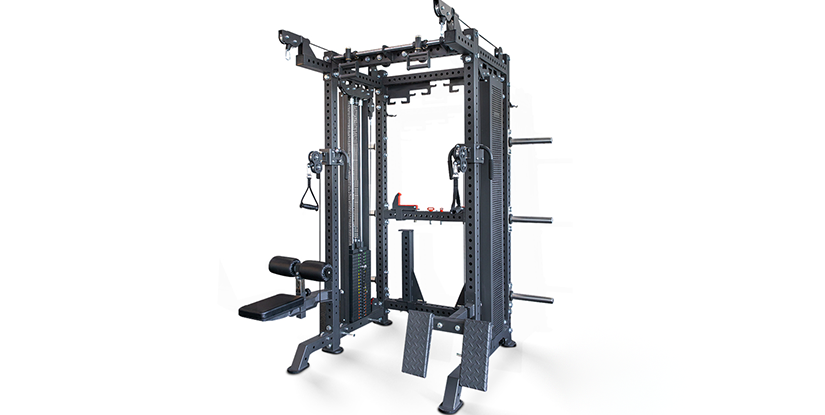
The choice between 2x3 inch and 3x3 inch tubing significantly influences the long-term ROI of your inventory. While 2x3 inch frames are cost-effective for smaller boutique setups, they often lack the surface area required for heavy-duty specialized accessories. For distributors supplying high-performance training centers, 3x3 inch configurations are the industry standard for ensuring structural stability under lateral tension.
| Frame Profile | Typical Attachment Compatibility | Facility Layout Impact | Durability Trade-off |
|---|---|---|---|
| 2x3 Inch Steel | Standard J-Hooks, Basic Dip Station | Compact/Space-Efficient | Higher risk of frame flex under lateral load |
| 3x3 Inch Steel | Landmines, Heavy Plate Storage, Pull-up Bars | Requires Larger Footprint | Optimized for high-volume, heavy-duty use |
| Modular/Hybrid | Full Range of Specialty Accessories | Highly Variable | Increased maintenance for specialized hardware |
From a procurement standpoint, selecting a rack with a 3x3 inch profile and consistent hole patterns minimizes the risk of compatibility issues. This foresight prevents the need for frequent equipment replacement and ensures that your strength training facility layout remains adaptable to evolving user demands and advanced programming requirements.
Vetting Factory Capability: Welding and Coating Durability
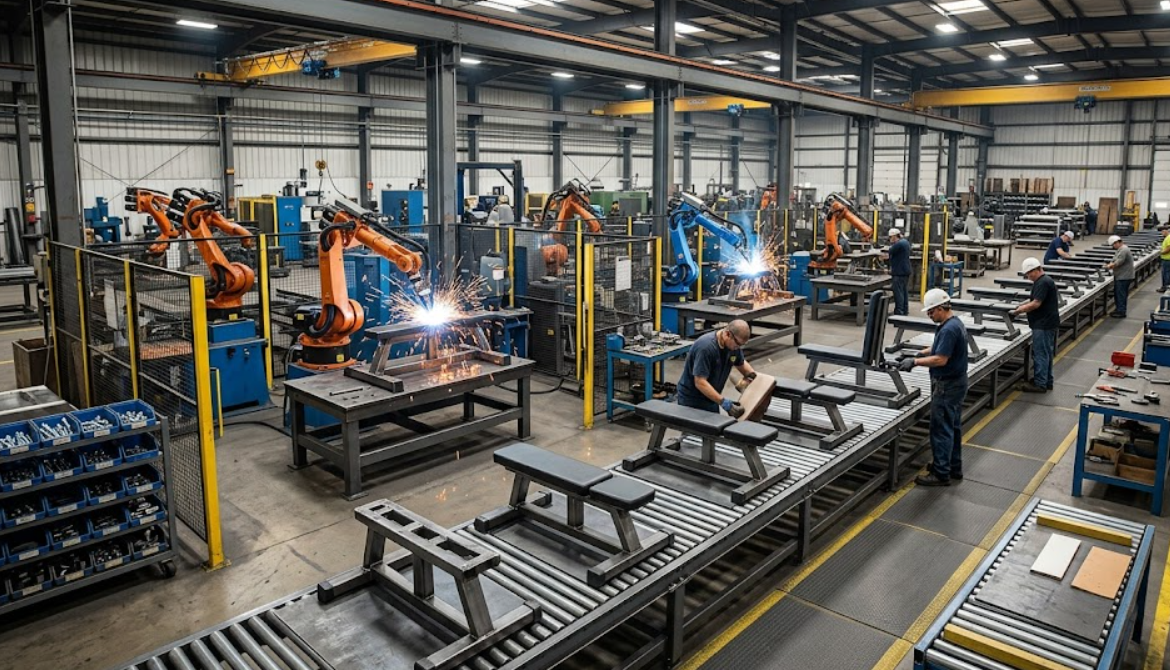
Beyond structural dimensions, the longevity of an olympic squat rack depends on microscopic quality control. Procurement managers must vet manufacturers specifically on their welding integrity and surface treatment processes. Low-quality welds often present as uneven beads or porosity, which can lead to structural fatigue under the repetitive, high-impact stress of commercial weightlifting. When negotiating MOQ or large-scale shipments, request documentation or video evidence of stress-test results on weld points to ensure they can withstand dynamic loading without cracking.
Surface resilience is equally vital to protect the investment. A high-grade powder coating durability assessment ensures that metal-on-metal contact from various attachments does not cause premature chipping or oxidation. In high-traffic strength training facility layouts, inferior coatings often fail at the contact points of J-cups and spotter arms, leading to unsightly wear and potential rust. Prioritize suppliers who utilize multi-stage electrostatic powder coating, as this significantly extends the equipment's maintenance cycles and preserves the aesthetic value of the facility over years of heavy use.
Structural Integrity and Load Distribution in High-Traffic Environments
For facility managers and distributors, the long-term ROI of an olympic squat rack depends entirely on its ability to withstand repetitive, heavy loading cycles. In high-traffic environments, such as commercial strength training facilities or large-scale fitness clubs, equipment undergoes constant mechanical stress that can lead to frame deformation if the base specifications are insufficient.
The Critical Role of Steel Gauge and Frame Stability
When sourcing commercial weightlifting equipment, the most vital technical specification to verify is the steel gauge thickness. A high-quality olympic squat rack must utilize heavy-duty steel tubing—typically 11-gauge or 3mm thickness—to ensure structural stability during maximum effort lifts. Thinner steel may suffice for boutique studio settings, but for professional-grade throughput, a robust frame is necessary to prevent lateral swaying and ensure even load distribution across the uprights. Selecting a rack with a higher gauge thickness minimizes long-term maintenance costs and protects your inventory against the structural fatigue common in high-volume training environments.
Beyond the gauge, the physical dimensions of the steel tubing—specifically the cross-section width—dictate how much vibration and lateral movement the unit can absorb. While 60mm tubing is a standard for many mid-tier setups, procurement managers specializing in heavy-duty strength training facility layout should prioritize 75mm configurations for high-load environments. This larger surface area provides a more stable foundation for various gym attachments and ensures the frame remains rigid under dynamic, uneven weight distribution.
Technical Comparison of Frame Specifications
The following table illustrates the performance trade-offs between common commercial configurations to assist in your procurement decision-making process.
| Specification Type | Standard Commercial (60mm / 14-gauge) | Professional Grade (75mm / 11-gauge) |
|---|---|---|
| Typical Load Capacity | Moderate (High-volume boutique/studio) | Extreme (High-traffic commercial/competition) |
| Lateral Stability | Good for static loading | Superior for dynamic/unbalanced loading |
| Structural Longevity | Standard lifecycle | Extended lifecycle under heavy use |
| Best Use Case | Residential/Small Studio/Light Commercial | Large Scale Gyms/Strength & Conditioning Facilities |
Choosing the 75mm/11-gauge standard may involve a higher initial unit cost and increased shipping weight, but it significantly reduces the total cost of ownership by extending the equipment's replacement cycle and minimizing structural repair needs.
Optimizing Modular Versatility and Attachment Compatibility
A sophisticated strength training facility layout must account for more than just floor space; it must consider the future evolution of programming. High-quality units prioritize modularity, allowing operators to swap or add accessories without replacing the core structure. When evaluating an olympic squat rack for wholesale procurement, ensure the uprights feature standardized hole spacing and compatible mounting patterns for various gym attachment compatibility needs, such as dip stations, landmines, or weight storage pegs.
Investing in a modular system provides a significant long-term ROI by allowing the facility to adapt to new training trends without a complete equipment overhaul. From a logistics and maintenance cycles perspective, modularity reduces downtime; if a specific attachment wears out, the entire rack does not need to be decommissioned. For distributors and large-scale buyers, prioritizing equipment that supports a wide range of professional-grade accessories ensures the product remains relevant and high-performing through multiple upgrade cycles.
Standardizing Dimensions for Seamless Strength Training Facility Layouts
Effective strength training facility layout planning requires a precise understanding of how an olympic squat rack interacts with its surrounding environment. Beyond the primary structure, procurement managers must account for the total footprint, including clearance for barbell rotation and user movement, to ensure safety and space optimization.
When sourcing commercial weightlifting equipment for high-traffic environments, failing to standardize dimensions can lead to bottlenecks. A rack that appears compact on a spec sheet may become an obstacle once weight plates, bumper weight storage, or lateral movement paths are factored into the actual floor plan. Calculating the functional area—not just the metal frame—is essential for maximizing throughput and preventing equipment congestion during peak hours.
Selecting the correct configuration involves a trade-off between structural rigidity and floor real estate. Distributors and facility owners must decide whether the priority is specialized programming or multi-functional versatility. A mismatch between the rack type and the available square footage can significantly impact the long-term utility and ROI of the installation.
| Configuration Type | Typical Footprint | Attachment Compatibility | Primary Use Case |
|---|---|---|---|
| Half Rack | Minimal / Compact | High (Side-mount focus) | Boutique studios & limited space |
| Full Power Rack | Moderate / Fixed | Extreme (360° access) | Strength-focused commercial gyms |
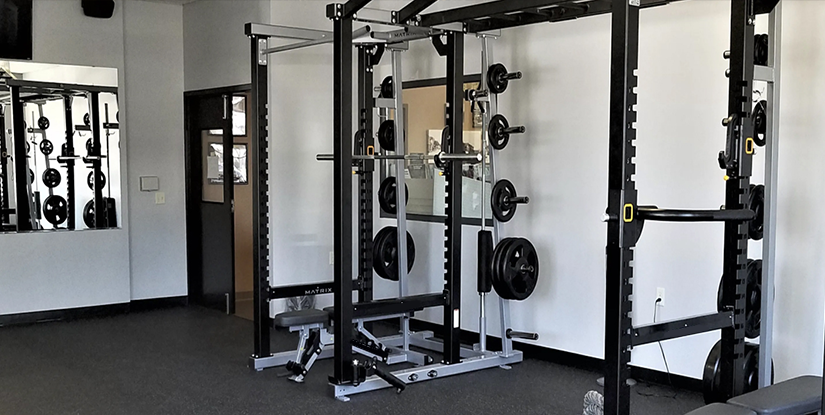
| Combo Station | Variable / Modular | Moderate (Functional focus) | Multi-purpose training facilities |
For high-density commercial settings, a Half Rack offers superior space-saving benefits, allowing for more training stations within a fixed square footage. Conversely, a Full Power Rack provides the highest level of safety and attachment versatility for heavy compound movements, though it requires a larger buffer zone. When evaluating wholesale orders, consider how these configurations influence your total equipment density and the ability to scale the facility's capacity.
Accounting for Buffer Zones and Accessory Clearance
A critical oversight in the procurement decision process is neglecting the "functional footprint" of the olympic squat rack. While the base dimensions of the steel uprights are fixed, the actual space required for safe operation expands significantly when factoring in gym attachment compatibility. Accessories such as weight plate trees, landmines, or dip stations extend outward from the frame, often creating unexpected protrusions into walking paths.
To maintain high operational throughput, procurement managers must enforce strict safety clearance standards during the facility design phase. A single station requires a buffer zone that accommodates the length of a standard Olympic barbell, the lateral movement of a lifter, and the swing radius of attached accessories. Without this calculated margin, equipment becomes a physical bottleneck, increasing the risk of collisions and slowing down user transitions between exercises. When calculating total orders, always add a 15–20% spatial margin to the raw equipment dimensions to ensure the facility remains fluid and safe under heavy load.
Maximizing Capital Expenditure Through Modularity
For facility owners and distributors, the true cost of commercial weightlifting equipment extends far beyond the initial purchase price. Selecting a high-quality olympic squat rack with a modular design allows for strategic future-proofing, ensuring your facility layout can evolve alongside changing member demands without requiring a total overhaul of your existing inventory.
Investing in a platform-based system shifts the financial focus from constant replacement to incremental expansion. While a basic setup may lower initial capital expenditure (CapEx), a modular system reduces long-term operational expenditure (OpEx) by allowing you to add specialized attachments or lateral extensions as your revenue grows. This approach optimizes your strength training facility layout, providing the flexibility to transition from a standard lifting station to a high-density training zone with minimal downtime and lower reinvestment costs.
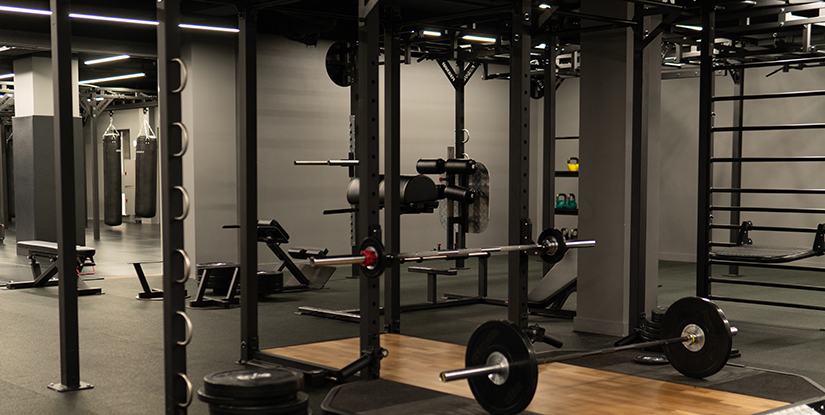
When evaluating sourcing configurations, buyers must weigh the immediate cost savings of fixed structures against the long-term versatility of modular platforms. A fixed setup offers high structural stability and lower initial shipping costs per unit, making it ideal for budget-conscious boutique studios. However, modular systems provide superior gym attachment compatibility, allowing for rapid reconfiguration to accommodate new programming trends like CrossFit or specialized powerlifting drills.
| Configuration Type | Primary Advantage | Throughput Potential | Long-Term Value |
|---|---|---|---|
| Fixed Setup | Low Initial CapEx | Moderate/Static | Lower (Requires replacement for upgrades) |
| Modular System | High Versatility | High/Adaptive | High (Scalable via accessory integration) |
| Hybrid Model | Balanced Cost/Function | Variable | Moderate (Optimized for specific zones) |
For distributors and large-scale facility managers, the decision hinges on accessory integration capabilities. A modular olympic squat rack architecture enables you to source specific add-ons—such as dip stations, landmines, or weight storage—at a later date. This capability ensures that your strength training facility layout remains dynamic, maximizing the revenue potential of every square foot of floor space over a multi-year lifecycle.
Logistics and Quality Control for Bulk Olympic Squat Rack Imports
When sourcing an olympic squat rack for large-scale distribution or facility builds, the initial purchase price is rarely the most critical metric. Professional buyers must evaluate the Total Cost of Ownership (TCO), which is directly dictated by the manufacturer's quality control (QC) standards and the resulting durability of the commercial weightlifting equipment.
Evaluating Structural Integrity and Long-Term Maintenance Costs
A deficit in manufacturing precision often leads to premature wear in high-traffic strength training environments. Substandard welding or inconsistent steel gauge thickness can compromise the structural integrity of the rack under heavy load, leading to mechanical failure or misalignment. For distributors and facility managers, these flaws translate into high long-term maintenance costs and frequent replacement cycles.
Investing in equipment produced under rigorous factory inspection protocols ensures that components like uprights and crossmembers maintain their tolerances over years of use. This stability reduces the need for onsite repairs and minimizes downtime, ultimately protecting your ROI and the reputation of your facility or brand.
Beyond technical specifications, the procurement strategy—whether you are purchasing direct or through a middleman—fundamentally alters your risk profile and capital outlay. B2B buyers must weigh the benefits of lower unit costs against the complexities of managing international logistics and quality oversight.
Sourcing Models: Cost and Risk Comparison
The following table outlines the typical trade-offs encountered when sourcing heavy-duty training equipment through different supply chain channels.
| Sourcing Model | Typical MOQ | Shipping & Lead Times | Quality Oversight | Primary Risk Factor |
|---|---|---|---|---|
| Direct Factory Sourcing | High (Container/LCL) | Long (Extended production + sea freight) | Requires 3rd-party inspection | Complex logistics & high upfront capital |
| Wholesale Importer | Medium (Pallet/Bulk) | Moderate (Pre-stocked inventory) | Managed by importer | Higher unit cost vs. direct factory |
| Local Distributor | Low (Individual/Small Batch) | Short (Domestic shipping) | High (Local warranty support) | Highest markup per unit |
For large-scale facility layouts requiring specialized gym attachment compatibility, direct factory sourcing offers the highest customization potential and lowest per-unit cost. However, this model demands a sophisticated understanding of international freight and the ability to implement strict quality control protocols at the point of origin to avoid costly returns.
Optimizing Shipping Volume and Inspection Protocols
To maximize the efficiency of a strength training facility layout, procurement managers must look beyond the unit price and account for the hidden variables of international freight. Efficient shipping volume optimization is a critical lever for reducing landed costs. This involves coordinating with manufacturers to ensure that the dimensions of the olympic squat rack components, such as uprights and base plates, are optimized for container loading density. Failing to standardize packaging can lead to excessive air in the shipment, driving up freight costs without increasing product volume.
To mitigate the risk of receiving defective or incompatible goods, a rigorous pre-shipment inspection is non-negotiable. This protocol should include a gym attachment compatibility verification, ensuring that all accessory holes and mounting points align perfectly with intended commercial accessories. By conducting these checks at the factory level, distributors can prevent the logistical nightmare of shipping heavy, non-compliant commercial weightlifting equipment back to the origin, which can often exceed the original value of the shipment.