Safety Squat Rack Maintenance and Installation Checklist
Procurement Standards for High-Traffic Strength Training Racks
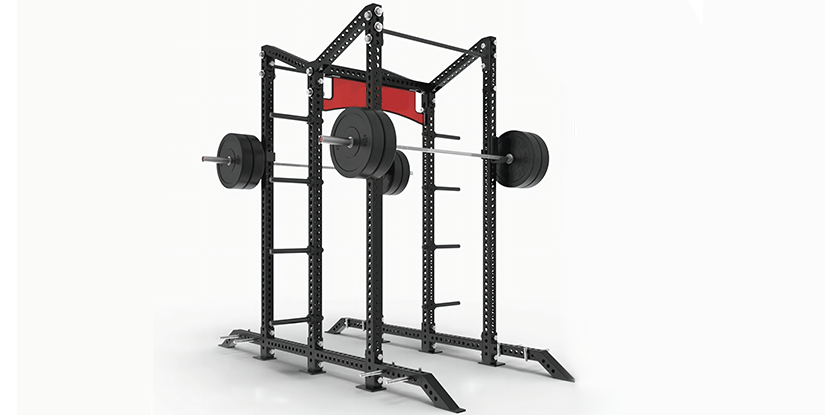
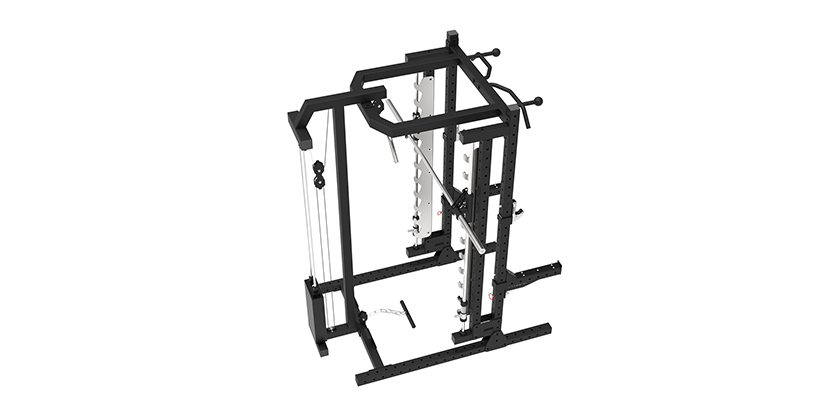
When sourcing a professional-grade safety squat rack, distributors must evaluate three critical checkpoints: structural risk mitigation, precise material specifications, and long-term logistics of replacement parts. Selecting equipment based solely on price often leads to premature structural fatigue, whereas prioritizing high-gauge steel and superior finishes ensures a lower total cost of ownership for the end-user.
Material Gauge and Structural Integrity
For high-traffic environments, the thickness of the steel dictates the lifespan of the unit. A standard commercial safety squat rack should utilize heavy-duty steel gauge, typically 11-gauge or 7-gauge for the primary uprights, to prevent bending under heavy barbell loads. This structural density is a fundamental component of commercial gym equipment upkeep, as thinner metal profiles are prone to deformation during repetitive heavy lifting cycles. Beyond the steel itself, the quality of the welding points determines if the rack can withstand the lateral stresses common in high-volume strength training facilities.
Surface Resilience and Finish Quality
The durability of a rack is also defined by its resistance to abrasion and oxidation. High-quality powder coating durability is essential to protect the steel from the constant friction of knurled barbells and weight plates. A robust, multi-layer finish prevents chipping and rust, which is vital for maintaining the aesthetic and structural integrity of the equipment over years of service. When vetting factory capabilities, buyers should confirm that the powder coating process is designed to withstand the mechanical wear typical of professional weightlifting environments.
Technical Specifications Comparison by Usage Intensity
Distributors and facility managers must align procurement orders with the specific load profiles of their target clients. A mismatch between the rack's structural capacity and the facility's foot traffic leads to increased maintenance costs and potential liability. Use the following technical comparison to differentiate between boutique studio needs and heavy-duty commercial requirements.
| Specification Metric | Boutique / Studio Setting | High-Traffic Commercial Gym |
|---|---|---|
| Primary Upright Steel Gauge | 12-gauge to 11-gauge | 7-gauge to 3-gauge (Heavy Duty) |
| Typical Coating Type | Standard Powder Coating | High-Abrasion Industrial Powder Coat |
| Load Capacity Expectation | Moderate / Interval Training | Maximum / Heavy Strength Cycles |
| Maintenance Frequency | Quarterly Inspections | Monthly Structural Audits |
| Hardware Durability | Standard Grade Fasteners | High-Tensile Steel Components |
When evaluating a strength training rack inspection schedule, remember that boutique settings often prioritize aesthetics and footprint, allowing for slightly thinner steel profiles. Conversely, large-scale commercial facilities require the highest tier of steel density to manage the extreme mechanical stress of constant, heavy barbell placement and removal.
Optimizing Logistics and Quality Control for Large-Scale Orders
Scaling a shipment of heavy-duty equipment requires more than just a low unit price; it demands rigorous oversight of the entire supply chain to protect your margins. Procurement managers should prioritize suppliers who offer transparent factory QC protocols, specifically targeting weld consistency and fastener tolerances. During high-volume sourcing, requesting a pre-shipment inspection is a non-negotiable step to ensure every unit meets the structural standards required for a professional strength training rack inspection.
Efficiency in the supply chain also hinges on shipping volume optimization. Because these units are heavy and often bulky, coordinating the MOQ with optimized carton dimensions can significantly reduce landed costs. A smart procurement strategy balances the economies of scale provided by larger orders against the increased freight costs of oversized dimensions. Ultimately, a focus on high-quality manufacturing and streamlined logistics reduces the total cost of ownership (TCO) by minimizing the frequency of warranty claims, part replacements, and onsite structural failures.
Structural Integrity and Load-Bearing Verification
Maintaining the structural integrity of a safety squat rack is a critical baseline for any high-traffic strength facility. For distributors and gym owners, ensuring that the frame remains rigid under heavy use is essential to prevent metal fatigue and ensure long-term facility safety.
Effective commercial gym equipment upkeep begins with verifying that the unit can handle its rated load-bearing capacity without shifting or bowing. In high-volume environments, uneven weight distribution during heavy lifts can stress connection points and bolts over time. Regular inspections must focus on the stability of the uprights and the security of the base to prevent catastrophic failure during peak training hours.
Evaluating Material Specifications for Long-Term ROI
When sourcing for high-traffic commercial environments, the difference between 14-gauge and 11-gauge steel significantly impacts the total cost of ownership (TCO). While thinner steel may lower initial shipping and unit costs, it often leads to premature structural deformation in professional settings. Procurement managers should prioritize heavy-duty upright designs to reduce replacement frequency and maintenance labor.
| Specification Feature | 14-Gauge Standard | 11-Gauge Professional |
|---|---|---|
| Typical Use Case | Boutique studios / Home gyms | High-volume commercial facilities |
| Structural Durability | Moderate; prone to vibration | High; optimized for heavy loads |
| Upright Thickness | Thinner wall profile | Thicker, rigid profile |
| Welding Requirement | Standard fillet welds | Reinforced/Full-penetration welds |
| Cost-Benefit Ratio | Lower initial investment | Higher durability; lower long-term TCO |
A high-quality safety squat rack relies heavily on welding quality at the junction points. For distributors, verifying that the manufacturer utilizes reinforced welding techniques on the uprights and base ensures the unit can withstand the lateral forces generated during heavy compound movements. Selecting 11-gauge steel provides the necessary rigidity to maintain a stable footprint, even when the rack is outfitted with heavy accessory attachments.
Routine Strength Training Rack Inspection Checklist
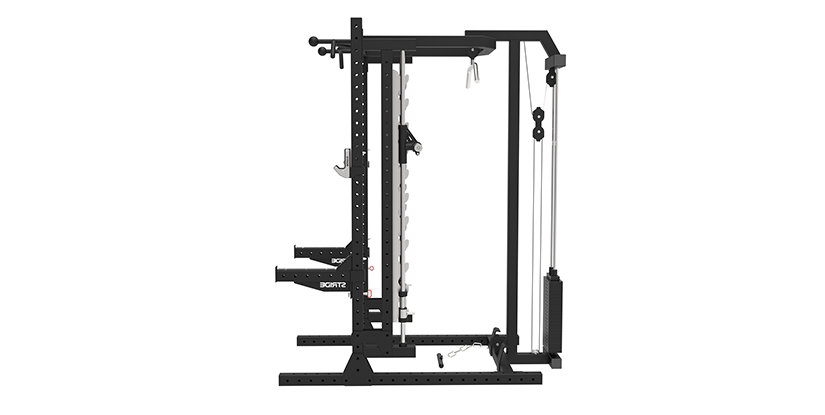
To mitigate the risks associated with heavy-duty usage, maintenance teams should implement a standardized maintenance cycle. A systematic strength training rack inspection prevents minor wear from escalating into costly structural failures. Instead of reactive repairs, proactive preventative measures ensure the equipment remains compliant with commercial safety standards.
During each scheduled inspection, technicians should focus on three primary indicators of structural fatigue:
- Bolt Tension and Fasteners: Check all connection points to ensure bolts have not loosened due to constant vibration. High-impact training can cause gradual loosening, requiring periodic tightening to maintain frame rigidity.
- Weld Integrity: Visually examine all load-bearing junctions for weld cracks or discoloration. Any sign of separation in the welding indicates structural fatigue that could compromise the entire unit.
- Frame Alignment: Verify that the uprights and crossmembers remain perfectly vertical and horizontal. Misalignment often suggests that the rack has settled unevenly or has been subjected to excessive lateral stress.
For facility managers, documenting these checks in a logbook provides a verifiable audit trail. This documentation is essential for maintaining high safety standards and optimizing the lifecycle of the inventory provided by your equipment suppliers.
Optimizing On-Site Assembly and Footprint Logistics
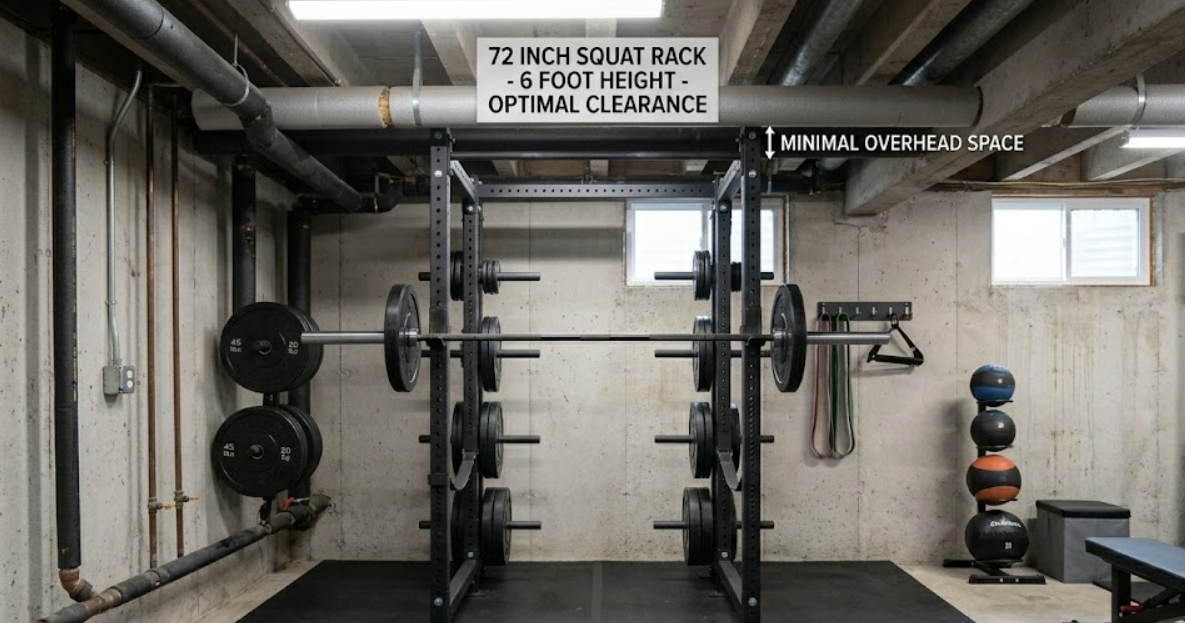
Effective facility layout planning begins long before the first bolt is tightened. When sourcing a safety squat rack for high-traffic environments, procurement managers must account for both the physical dimensions of the unit and the necessary clearance zones required for safe operation. Neglecting these spatial requirements leads to operational bottlenecks and increased liability during heavy lifting sessions.
Spatial Requirements and Clearance Standards
A common oversight in commercial gym equipment upkeep is failing to account for the "dynamic footprint." While the static frame of a safety squat rack occupies a fixed area, the movement of barbell plates, adjustable benches, and the lifter's range of motion requires additional buffer space. Proper planning ensures that your installation does not impede traffic flow or create safety hazards in multi-use training zones.
| Configuration Type | Primary Space Driver | Recommended Clearance | Procurement Consideration |
|---|---|---|---|
| Standard Fixed Rack | Static Frame Dimensions | 1.5m - 2m total | Predictable shipping volume |
| Modular/Expandable | Attachment/Accessory Depth | 2.5m+ total | Higher SKU complexity |
| Wall-Mounted Unit | User Movement/Barbell Swing | Variable (User-dependent) | Lower footprint, higher structural load check |
For distributors and large-scale facility developers, calculating these zones is critical for maximizing ROI per square foot. Integrating these dimensions into your initial facility blueprints prevents costly re-installations and ensures the long-term durability of the surrounding floor surfaces and adjacent equipment.
Technical Comparison of Rack Footprints
Selecting the correct configuration depends heavily on the ratio of available square footage to the intended training intensity. A mismatch between the rack's scale and the facility's dimensions can lead to inefficient space utilization or, conversely, a setup that lacks the structural stability required for professional strength training.
When evaluating a safety squat rack for wholesale or large-scale deployment, procurement teams should weigh the following technical specifications to balance structural capacity against floor-space constraints:
- Strength & Conditioning facilities
| Rack Profile | Typical Footprint (L x W) | Load Capacity Profile | Best Use Case |
|---|---|---|---|
| Compact/Space-Saver | ~1.2m x 1.2m | Moderate (High-density steel) | Boutique studios or hotel gyms |
| Standard Commercial | ~1.5m x 1.5m | High (Standard 3x3" tubing) | General commercial fitness clubs |
| Full/Professional | 2.0m+ x 2.0m+ | Maximum (Heavy-duty/Oversized) |
From a logistics and sourcing perspective, compact models often offer lower shipping volumes and easier assembly for smaller distributors. However, full-scale professional units, despite their larger footprint, typically provide a higher durability ceiling and greater accessory compatibility, which can reduce long-term replacement frequency in high-load environments.
Logistics Planning and Site Preparation
Successful deployment requires more than just an assembly guide; it demands rigorous logistics planning to prevent onsite delays. For distributors managing large-scale shipments, verifying the floor load capacity of the destination facility is a non-negotiable step. Heavy-duty commercial steel structures, especially when loaded with weight plates, exert significant concentrated pressure that standard flooring may not support without reinforced subflooring or specialized rubber matting.
Before the shipment arrives, ensure the assembly site is cleared of all obstructions to provide adequate assembly clearance. A cluttered workspace leads to improper bolt tensioning and structural misalignment. We recommend a pre-installation audit to confirm that the delivery zone can accommodate both the unboxed components and the mechanical footprint of the uninstalled parts. By aligning your site preparation with professional squat rack assembly guide protocols, you mitigate the risk of structural instability and ensure a seamless transition from delivery to operational status.
Routine Inspection Protocols for Commercial Gym Equipment Upkeep
Maintaining a high-performance facility requires a systematic approach to assessing the structural integrity of heavy-duty hardware. A professional maintenance schedule for a safety squat rack ensures that high-traffic strength zones remain compliant with safety standards and operational requirements.
Effective commercial gym equipment upkeep involves more than visual checks; it requires a technical audit of load-bearing components. Facility managers must implement a structured protocol to identify subtle wear and tear—such as bolt loosening, weld fatigue, or coating degradation—before these issues compromise facility safety. For distributors and gym owners, prioritizing these inspections reduces long-term replacement costs and extends the lifecycle of the inventory.
Technical Inspection Checklist for Strength Training Racks
To maintain strict quality control standards, facility operators should implement a recurring inspection cycle. Depending on daily usage volume, a monthly or quarterly technical audit is recommended to identify mechanical fatigue or surface degradation that could impact long-term durability.
| Component Category | Inspection Focus Area | Action Required |
|---|---|---|
| Fasteners & Structure | Bolt tension and weld integrity | Tighten any loose hardware; check for hairline cracks in welds. |
| Load-Bearing Attachments | J-cups and safety spotter arms | Verify alignment; check for metal deformation or scoring. |
| Surface Finish | Powder coating and frame texture | Identify chips or rust; ensure no sharp edges are exposed. |
| Moving Parts | Lubrication of adjustable pins/rails | Apply silicone-based lubricant to prevent friction or seizing. |
A consistent strength training rack inspection protocol minimizes the risk of unexpected equipment failure. For procurement managers, documenting these checks provides a clear audit trail, proving that the high-grade hardware sourced meets the rigorous demands of a commercial environment.
Optimizing Total Cost of Ownership Through Sourcing Strategy
While routine inspections mitigate immediate risks, long-term profitability depends on the initial procurement quality. To maximize the total cost of ownership (TCO), buyers should prioritize sourcing units constructed from high-gauge, heavy-duty steel. Premium steel thickness and superior welding techniques directly correlate with extended product lifecycles, significantly reducing the frequency of hardware replacement and the associated labor costs of frequent re-assembly.
A strategic advantage for distributors and large-scale facility operators lies in selecting manufacturers that offer robust distributor support. Relying on a supplier that provides readily available replacement parts—such as specialized pins, bushings, or proprietary upright components—prevents extended equipment downtime. Investing in high-durability assets at the outset minimizes the logistics of frequent small-batch reordering and ensures that your facility remains operational even under the most intensive training cycles.
Hardware Longevity and Component Replacement Cycles
In high-traffic environments, the lifecycle of a safety squat rack is determined by the rigorous interaction between heavy iron plates and metal adjustment points. For facility managers and distributors, understanding the distinction between structural steel and consumable hardware is vital for long-term commercial gym equipment upkeep.
While the main uprights are designed for extreme durability, secondary components like J-cups, safety arms, and adjustment pins experience constant wear and tear. Neglecting these parts can compromise the structural integrity of the entire unit. Implementing a proactive preventative maintenance schedule—rather than a reactive one—ensures that hardware is replaced before a failure occurs, protecting both the user and the manufacturer's reputation for quality.
| Component Type | Typical Lifecycle Factor | Replacement Priority |
|---|---|---|
| Main Steel Uprights | Low (Structural) | Low (Inspect for bends/cracks) |
| Adjustment Pins/Pop-pins | High (Mechanical) | Medium (Replace upon loosening) |
| J-Cups & Safety Arms | Medium (Contact points) | High (Replace if coating wears thin) |
Effective procurement planning requires a granular understanding of how specific hardware failures manifest. For distributors and large-scale gym operators, monitoring the degradation of surface coatings and mechanical tolerances is the most reliable way to forecast replacement costs and maintain inventory levels for spare parts.
Component Degradation and Replacement Triggers
The following table outlines the specific indicators that a component has reached its end-of-life stage, allowing for more precise budget allocation during your annual equipment audit.
| Hardware Category | Signs of Failure | Replacement Trigger | Procurement Strategy |
|---|---|---|---|
| Bolts & Fasteners | Stripped threads or visible rust | Any loss of torque or structural play | Bulk order of high-tensile steel sets |
| J-Cups / Hooks | Thinning polymer lining or metal gouges | Visible metal-on-metal contact | Maintain 10% overstock of J-cup SKUs |
| Safety Arms | Deformation or paint chipping | Bent uprights or uneven weight loading | Immediate replacement; do not repair |
| Powder Coating | Scratches or oxidation exposure | Exposed raw steel surfaces | Periodic site-wide re-coating or replacement |
When managing a large-scale installation, we recommend tracking these metrics via a digital maintenance log. By identifying these replacement triggers early, you can leverage wholesale volume advantages—ordering replacement parts in larger quantities to lower your per-unit shipping and handling costs while ensuring the strength training rack inspection protocols remain efficient.
Strategic Sourcing and Inventory Management for Spare Parts
For distributors and large-scale facility operators, the cost of downtime often exceeds the cost of the hardware itself. Managing a safety squat rack inventory requires a shift from reactive purchasing to a strategic procurement model. Relying on local, small-batch retail suppliers for emergency repairs is inefficient and increases the total cost of ownership (TCO) through high shipping premiums and inconsistent compatibility.
To optimize your supply chain, prioritize sourcing high-grade steel components directly from manufacturers capable of maintaining strict quality control. When negotiating with factories, focus on the following procurement pillars to ensure long-term operational stability:
- Sourcing High-Grade Steel Components: Ensure all replacement uprights and safety arms meet the same gauge and tensile strength specifications as the original installation to prevent structural imbalances.
- Managing MOQ and Bulk Ordering: Rather than ordering single units as failures occur, utilize a bulk ordering strategy for high-wear items like J-cups and adjustment pins. Meeting a higher Minimum Order Quantity (MOQ) significantly reduces per-unit landed costs.
- Logistics for Spare Parts: Coordinate with your supplier to establish a dedicated "maintenance kit" SKU. This simplifies logistics for spare parts by consolidating small fasteners, pins, and coatings into a single shipment, reducing customs complexity and freight overhead.
- Verification of Compatibility: Always confirm that replacement hardware is engineered for your specific rack model. Even minor variations in hole spacing or diameter can render a part useless, stalling your strength training rack inspection and maintenance workflows.
By integrating these sourcing strategies into your annual budget, you transition from a consumer mindset to a professional distribution model, ensuring your facility or client sites remain fully operational with minimal disruption.
Mitigating Liability Through Systematic Strength Training Rack Inspection
For facility operators, a high-quality safety squat rack represents a long-term capital investment rather than a mere operational expense. When managed correctly, systematic upkeep transforms this equipment into a reliable asset that protects both your bottom line and your patrons.
Maximizing Total Cost of Ownership (TCO)
Viewing commercial gym equipment upkeep through the lens of total cost of ownership (TCO) allows distributors and gym owners to move beyond initial procurement costs. While premium steel construction and high-grade powder coating may require a higher upfront investment, these features significantly extend the lifecycle of the unit. By implementing a structured inspection schedule, you prevent minor structural fatigue from escalating into costly replacements or complete unit failures.
Beyond hardware longevity, consistent maintenance serves as a critical tool for liability mitigation. In a commercial setting, an uninspected safety squat rack can become a significant legal vulnerability. Regular audits of bolt tension, upright alignment, and accessory integrity ensure that your facility meets safety standards, effectively reducing the risk of equipment-related injuries and the associated legal or insurance complications that can devastate a commercial brand's reputation.
Optimizing Maintenance Labor and Risk Management
Deciding between in-house facility maintenance and specialized service contracts depends on your volume of use and the complexity of your rack configurations. A structured strength training rack inspection schedule helps procurement managers allocate budget effectively, balancing the cost of labor against the risk of structural failure.
| Inspection Level | Focus Areas | Frequency | Primary Objective |
|---|---|---|---|
| Visual Audit | Surface wear and tear, coating integrity | Monthly | Prevent aesthetic degradation |
| Mechanical Check | Bolt torque, pin alignment, upright stability | Quarterly | Ensure structural integrity |
| Professional Service | Full frame load testing, deep structural audit | Annually | Mitigate long-term liability |
For high-traffic commercial gyms, relying solely on monthly visual checks often leads to overlooked issues like loosening hardware. Integrating a quarterly mechanical check—specifically verifying bolt torque and upright alignment—protects your investment by catching minor fatigue before it necessitates a full equipment replacement.
The Role of Rigorous Documentation in Compliance
Effective risk management requires more than just performing the physical inspection; it demands a verifiable paper trail. For distributors and facility managers, maintaining a detailed log of every routine maintenance session is a critical component of professional standards. This documentation serves as empirical proof that your facility adheres to strict safety protocols, providing an essential layer of defense during insurance audits or legal inquiries.
A standardized digital or physical ledger should record the date of inspection, the specific technician or staff member responsible, and the exact components evaluated—such as J-hook stability or upright bolt tension. By archiving these records, you transition from reactive repairs to a proactive management model. This disciplined approach to documentation not only secures your facility against liability but also optimizes the lifespan of each safety squat rack in your inventory, ensuring long-term ROI for your commercial fitness assets.