Squat Rack Platform Installation and Safety Standards
Pre-Procurement Checklist for Heavy-Duty Lifting Zones
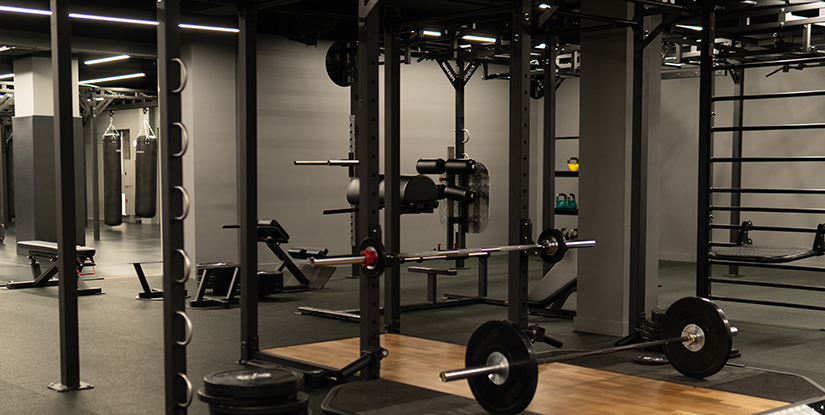
A high-quality squat rack platform serves as a specialized structural foundation designed to absorb high-impact kinetic energy and protect the facility floor. Professional buyers select these units to ensure long-term structural integrity, mitigate vibration in multi-story gyms, and provide a stable, level surface for heavy compound movements.
Budgeting for Modular vs. Integrated Systems
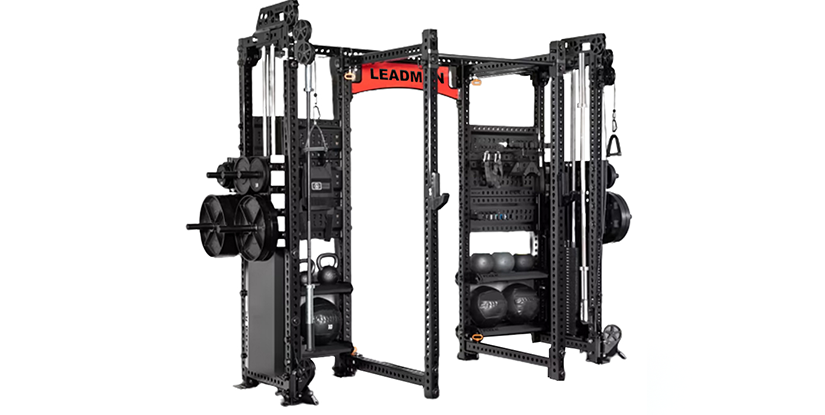
Distinguishing between modular components and integrated systems is critical for calculating the total cost of ownership (TCO). Modular setups, which involve sourcing a separate squat rack platform and a standalone rack, often offer lower initial outlays and greater flexibility for future facility expansions. However, integrated systems—where the rack and platform are engineered as a single, cohesive unit—typically provide superior stability and more efficient installation processes.
When planning a rollout, procurement managers must account for hidden costs beyond the initial unit price. A single oversight in commercial gym floor leveling can lead to uneven weight distribution, causing premature wear on both the platform edges and the rack's uprights. Budgeting should include specialized labor for precision leveling and the potential requirement for subfloor reinforcement to ensure the longevity of the lifting zone.
| Configuration Type | Primary Cost Drivers | Ideal Use Case |
|---|---|---|
| Modular Components | Shipping individual parts, separate assembly labor | Boutique studios or phased facility expansions |
| Integrated Systems | Higher upfront procurement, streamlined installation | High-traffic commercial gyms and strength zones |
Understanding the scale of your procurement—whether you are a single-site facility owner or a regional distributor—is essential for managing logistics costs and long-term ROI. The following comparison highlights how assembly complexity and durability trade-offs impact your bottom line.
| Procurement Tier | Typical Assembly Method | Logistics & Shipping Profile | Lifespan Expectations |
|---|---|---|---|
| Small Studio / DIY | Manual weightlifting platform assembly with standard tools | Lower volume, high frequency of individual part shipments | 3–5 years; higher wear on edges and surface integrity |
| Commercial Gym / Mid-Scale | Semi-professional installation; potential subfloor leveling required | Consolidated freight; standard palletized shipping | 5–8 years; optimized for high-volume daily use |
| Distributor / Multi-Site Rollout | Professionalized installation with specialized structural reinforcement | High-volume LCL/FCL; optimized for bulk inventory storage | 8+ years; engineered for heavy-duty impact and constant turnover |
For distributors, the focus remains on the durability/lifespan trade-offs. While modular components may reduce initial shipping costs, integrated commercial-grade platforms reduce the risk of onsite assembly errors, which can negatively impact barbell platform safety and long-term customer satisfaction during large-scale facility rollouts.
Mitigating Logistics and Site Preparation Overruns
Beyond the base unit price, procurement professionals must account for the logistical complexities of heavy-duty equipment. Shipping volume and weight significantly impact landed costs, especially when dealing with high-density rubberized components and steel frames. Failing to factor in the specialized labor required for precision installation often leads to budget creep. For example, inadequate floor leveling requirements can necessitate expensive subfloor adjustments mid-installation. Furthermore, long-term maintenance schedules and the cost of replacing worn edge protection should be part of the initial TCO calculation. Prioritizing barbell platform safety through professional assembly ensures that initial savings on shipping do not result in higher long-term operational expenses due to structural instability or uneven wear.
Achieving Precision with Commercial Gym Floor Leveling
A high-quality squat rack platform requires a perfectly level foundation to maintain long-term structural integrity. For distributors and facility managers, overlooking the subfloor preparation can lead to premature equipment wear and increased liability due to instability during heavy lifts.
Impact of Surface Irregularities on Equipment Lifespan
In many high-traffic commercial settings, even minor deviations in the subfloor can cause uneven load distribution across the rack's uprights. When a platform is installed on an unlevel surface, the weight of the barbell and the kinetic energy from heavy movements are not distributed symmetrically. This misalignment puts undue stress on the bolts and frame joints, potentially leading to metal fatigue or structural warping over time.
Furthermore, precision in commercial gym floor leveling is essential for effective vibration dampening. A flat, stable base ensures that the platform's high-density rubber components function as intended, absorbing shock rather than transferring lateral vibrations into the building's structure. Proper leveling protects the buyer's investment by extending the service life of both the lifting platform and the attached steel rack components.
Substrate Selection and Structural Foundations
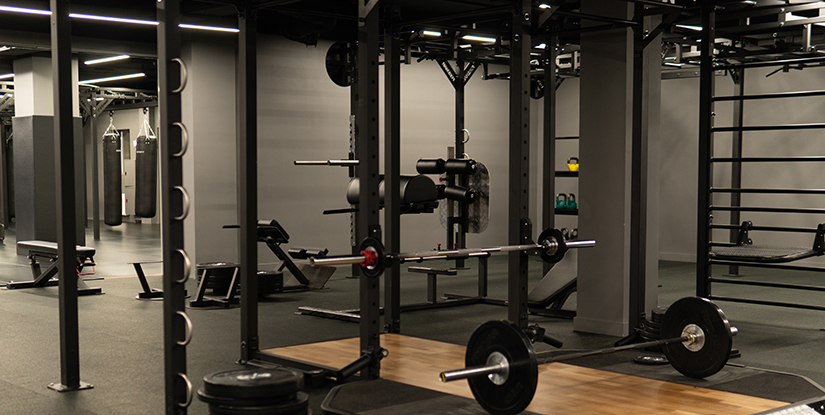
Selecting the appropriate subfloor is a critical decision for procurement managers balancing initial CAPEX against long-term durability. The foundation dictates how effectively a weightlifting platform assembly handles kinetic energy. A mismatch between the weightlifting area and the underlying surface often results in shifting or uneven wear patterns.
For professional facility rollouts, understanding the trade-offs between different subfloor types and leveling solutions is essential for maintaining barbell platform safety. Below is a technical comparison of common substrate configurations used in commercial installations:
| Substrate Type | Leveling Capability | Shock Absorption | Typical Use Case |
|---|---|---|---|
| Poured Concrete | High (if finished) | Low (requires overlay) | Standard warehouse or basement gyms |
| Raised Access Flooring | Moderate | Medium | Multi-story commercial fitness centers |
| Wood Subfloor | Variable | High | Boutique studios or specialized lifting zones |
| Modular Rubber Tiles | Low (surface only) | High | Light commercial or residential-grade areas |
When sourcing for large-scale projects, we recommend verifying the floor flatness (FF) numbers of the site before finalizing the platform order. Relying solely on rubber mats to correct a sloping floor is a common error; true leveling should be addressed at the structural level to ensure the most stable and durable training environment.
Long-Term Durability and Maintenance Cycles
Maintaining the structural integrity of a squat rack platform requires more than just initial precision; it demands a proactive maintenance cycle. In a rigorous commercial setting, the constant impact of heavy barbell drops can cause subtle shifts in the internal padding or the wooden sub-layers. Over several years, these shifts can lead to structural fatigue if the platform is not periodically inspected for stability and surface cohesion.
To preserve the lifespan of the installation, facility managers should implement a quarterly inspection routine. This includes checking for any compression in the high-density rubber and ensuring that the platform remains perfectly flush with the surrounding floor. For distributors and high-volume gym owners, emphasizing professional installation during the initial procurement phase is the most effective way to mitigate these long-term risks. A well-maintained, level foundation ensures that the equipment remains a durable asset rather than a recurring maintenance liability.
Structural Integrity and Weight Distribution Standards
A high-quality squat rack platform serves as the foundation for heavy lifting, requiring precise alignment to ensure long-term operational safety. For distributors and facility managers, understanding the mechanical relationship between the subfloor and the equipment is critical to preventing premature equipment failure and reducing long-term maintenance costs.
The Impact of Precision Leveling on Equipment Longevity
During the weightlifting platform assembly process, the primary technical challenge is ensuring a perfectly flat surface. Improper commercial gym floor leveling creates uneven pressure points under the uprights, which can lead to structural fatigue over time. When a rack is not perfectly level, weight is distributed asymmetrically across the frame, placing undue stress on specific bolts and weld points. This uneven load-bearing capacity management significantly shortens the lifespan of the steel components and can compromise the barbell platform safety standards required in high-traffic commercial environments.
- High-Density Modular
| Platform Configuration | Durability Profile | Maintenance Requirement | Best Use Case |
|---|---|---|---|
| Single-Layer Rubber | Moderate | Annual inspection | Boutique studios |
| Multi-Layer Composite | High | Bi-annual inspection | Standard commercial gyms |
| Maximum | Annual inspection | Professional training centers |
From a procurement standpoint, investing in multi-layer composite or modular systems offers a better ROI for large-scale rollouts. These options better accommodate minor subfloor imperfections, ensuring that the squat rack platform maintains its structural integrity despite the high-impact nature of heavy compound movements.
Evaluating Base Configurations for Long-Term ROI
Distributors and procurement managers must distinguish between monolithic builds and modular systems when assessing total cost of ownership. While a single-layer rubber surface offers lower upfront shipping costs and simplified logistics, it lacks the specialized impact absorption necessary for professional-grade training. In high-intensity settings, the lack of a multi-layered approach can lead to rapid degradation of the subfloor and uneven wear on the equipment base.
Modular assembly provides a distinct advantage for large-scale facility layouts. These systems allow for easier replacement of individual sections if localized damage occurs, preventing the need to replace an entire unit. This adaptability is essential for maintaining high barbell platform safety standards across large footprints. When selecting a squat rack platform for wholesale distribution, prioritizing high-density modularity ensures the setup can withstand the extreme torque and downward force typical of heavy barbell drops, ultimately protecting the long-term durability of the entire gym installation.
Logistics and shipping configurations directly influence the final assembly precision of high-end lifting zones. For international buyers, the complexity of a squat rack platform is often hidden in the packaging density and component modularity. A well-engineered shipping strategy minimizes the risk of component warping or misalignment during transit, which is essential for maintaining a strict maintenance cycle and ensuring the structural reliability of the facility layout.
Optimizing Logistics for Structural Reliability
When managing large-scale orders, procurement specialists should evaluate how shipping methods affect the long-term weight distribution of the installation. Compact, nested packaging may reduce freight costs, but it often increases the risk of structural vibration damage. In contrast, specialized crating for heavy-duty components ensures that every part of the weightlifting platform assembly arrives with its dimensional tolerances intact. This precision is vital because even a millimeter of deviation in the base components can compromise the entire equipment footprint, leading to increased mechanical wear and higher long-term operational costs for the end-user.
Long-Term Durability and Safety Oversight
Maintaining a professional-grade squat rack platform requires a proactive inspection schedule to mitigate liability and extend equipment lifespan. In high-volume commercial settings, the constant impact of heavy barbells can compromise the weightlifting platform assembly, leading to loosened bolts or degraded shock absorption. Distributors should advise clients to implement a quarterly maintenance cycle to ensure long-term operational safety.
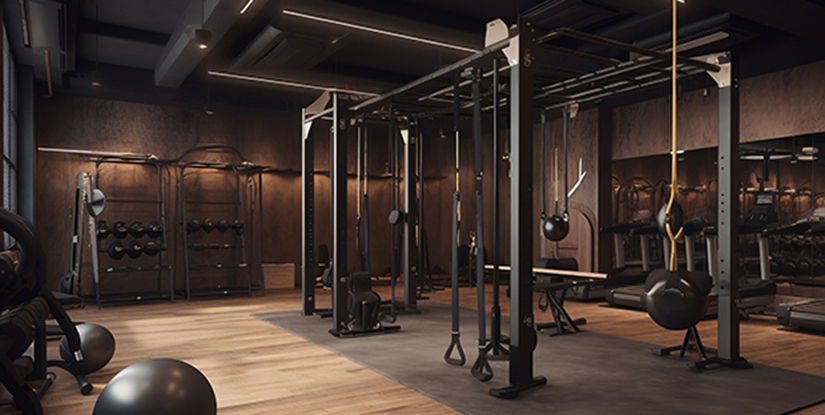
Routine checks must focus on the structural integrity of the frame and the stability of the base. Over time, heavy lifting sessions can cause subtle shifts in commercial gym floor leveling, potentially creating uneven surfaces that affect athlete stability. Inspectors should verify that all mounting hardware remains torqued to specification and that the rubber or wood surfaces show no signs of excessive compression or delamination.
| Inspection Focus | Frequency | Key Action Item |
|---|---|---|
| Hardware & Bolts | Quarterly | Check torque levels on all structural fasteners. |
| Surface Integrity | Monthly | Inspect rubber/wood for cracks or uneven wear. |
| Floor Alignment | Bi-Annually | Verify leveling and contact points with the subfloor. |
Material Performance and TCO Analysis
From a procurement standpoint, selecting the right surface material significantly impacts the Total Cost of Ownership (TCO). While initial purchase costs may favor certain configurations, the long-term maintenance burden and replacement frequency vary drastically across different material compositions. Facility managers must weigh the immediate budget against the durability required for their specific facility type, such as a high-intensity strength training zone versus a boutique studio.
The following comparison outlines how different surface types behave under heavy commercial use to assist in strategic sourcing and inventory planning.
| Material Type | Typical Wear Patterns | Cleaning Protocol | Replacement Cycle | Procurement Profile |
|---|---|---|---|---|
| Solid Wood (Oak/Maple) | Surface scuffs and minor impact indentations | Dry microfiber or specialized wood cleaners | High (3–5 years in heavy use) | Premium aesthetic; high maintenance |
| High-Density Rubber | Compression in high-impact zones | Damp mop with pH-neutral solution | Medium (5–7 years) | Durable; standard for most commercial gyms |
| Composite/Hybrid | Edge delamination or seam separation | Standard industrial floor cleaners | Low (7+ years) | Best ROI for high-traffic training facilities |
When sourcing for large-scale rollouts, distributors should prioritize composite or high-density rubber options to minimize onsite maintenance labor. While wood offers a classic look, its sensitivity to moisture and impact often leads to higher replacement costs in high-traffic environments, potentially offsetting its initial appeal.
Beyond material selection, maintaining barbell platform safety depends heavily on the cleanliness of the installation site and the precision of the subfloor. Accumulation of surface debris, such as chalk dust or moisture, can compromise the friction coefficient of the platform, increasing slip risks during heavy lifts. Regular sweeping and vacuuming of the platform area are essential to prevent the buildup of particles that could cause material abrasion or surface instability.
For large-scale facility management, we recommend scheduling a professional inspection at least once per year. A certified technician can perform a deep-dive assessment of the floor leveling and structural mounting points to ensure the platform has not shifted due to building settling or heavy vibration. Ensuring that bolt tightening protocols are strictly followed during these inspections protects the long-term ROI of the equipment. By treating the platform as a precision-engineered component rather than a static floor covering, buyers can avoid premature replacement costs and maintain a high standard of safety for their athletes.
Mitigating Risk Through Barbell Platform Safety Protocols
Regular inspection schedules are vital for maintaining the long-term structural integrity of a squat rack platform in high-traffic commercial gym settings. Neglecting routine checks can lead to accelerated surface wear or subtle shifts in alignment, which ultimately compromises the safety of the lifting area and decreases the equipment's total lifecycle value.
Preventative Maintenance and Inspection Standards
To protect your investment and ensure consistent barbell platform safety, facility managers should implement a tiered inspection protocol. This involves checking the stability of the base frame and the condition of the platform's impact-absorbing layers. In many commercial environments, the constant vibration from heavy dropped weights can loosen fasteners or compress high-density rubber components over time.
Distributors and procurement specialists should advise clients to monitor for signs of surface wear, such as thinning rubber or uneven textures, which can affect grip and stability. A well-maintained squat rack platform not only reduces liability risks but also ensures a higher return on investment by extending the interval between full equipment replacements.
Scheduled Maintenance and Component Inspection Intervals
Effective lifecycle management requires a structured approach to monitoring different platform layers. While the structural steel frame is built for extreme durability, the impact-absorbing surfaces and subfloor elements are subject to mechanical fatigue and environmental wear. Establishing a fixed cadence for these checks prevents costly structural remediation and ensures long-term commercial gym floor leveling remains within tolerance.
| Component Type | Primary Inspection Point | Recommended Frequency |
|---|---|---|
| Rubber Flooring | Surface abrasion, density loss, and edge lifting | Monthly / Quarterly |
| Wood Subfloor | Moisture levels, creaking, and structural deflection | Bi-Annually |
| Steel Frame & Bolts | Fastener torque, weld integrity, and leveling shifts | Quarterly / Annually |
For high-volume strength facilities, we recommend a more aggressive inspection cycle. Even minor shifts in the underlying substrate can affect the precision of a barbell platform, leading to uneven weight distribution. Monitoring these variables helps procurement teams plan for component replacements well before a failure impacts daily gym operations or safety compliance.
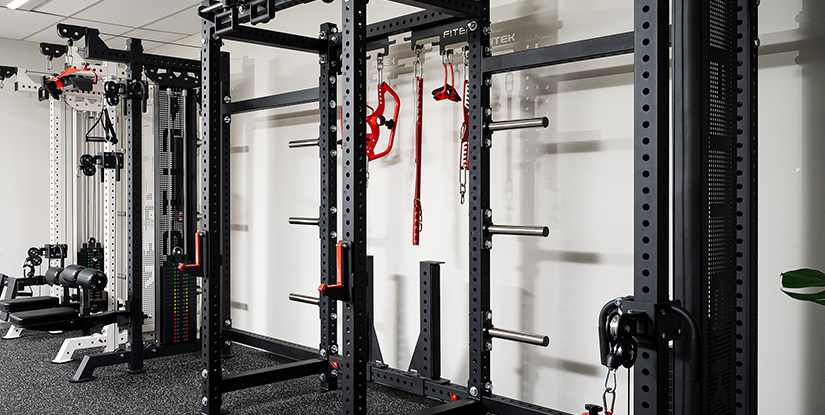
Optimizing Total Cost of Ownership Through Material Selection
When sourcing for multi-site rollouts or large-scale facility upgrades, procurement managers must look beyond initial unit costs and focus on the long-term TCO. The quality of materials used during the weightlifting platform assembly dictates the replacement cycles of the entire lifting station. Low-grade high-density rubber or substandard plywood subfloors may offer lower upfront savings, but they frequently succumb to rapid compression and moisture-related warping in commercial environments.
High-quality, impact-resistant vulcanized rubber and moisture-treated timber are essential for maintaining durability under heavy barbell loads. By prioritizing premium material specifications, distributors can offer end-users a more predictable maintenance schedule and significantly extended product lifespans. Investing in superior builds reduces the frequency of hardware turnover, ensuring that the facility's structural stability remains uncompromised by the mechanical fatigue of daily high-intensity training.
Operational Lifecycle and Upkeep
Transitioning from a successful weightlifting platform assembly to long-term facility use requires a structured maintenance lifecycle. Unlike stationary equipment, a squat rack platform undergoes constant high-impact stress, meaning procurement managers must account for periodic structural audits and surface integrity checks to protect the initial investment and ensure user safety.
Maintaining the integrity of the installation depends heavily on the quality of the initial commercial gym floor leveling. If the subfloor settles or shifts, the platform may lose its ability to distribute heavy barbell loads evenly, leading to premature wear of the rubber components or instability in the rack uprights.
| Maintenance Focus | Standard Protocol | Procurement Impact (TCO) |
|---|---|---|
| Surface Integrity | Inspect rubber density and seams | Reduces replacement frequency |
| Structural Alignment | Verify leveling and bolt tension | Extends equipment lifespan |
| Floor Interface | Check for subfloor compression | Prevents costly floor remediation |
For distributors and large-scale facility owners, scheduling these inspections as part of a routine operational checklist is more cost-effective than reactive repairs. A well-maintained squat rack platform ensures that the heavy-duty components remain within the safety tolerances established during the initial installation phase.
Technical Maintenance Frequency and Safety Audits
To optimize the total cost of ownership, facility managers should implement a tiered inspection schedule. While high-traffic commercial gyms may require more frequent touchpoints, a standardized approach to monitoring barbell platform safety prevents minor wear from becoming structural failures. Regular checks focus on high-stress connection points and the compression levels of high-density materials.
A proactive maintenance strategy involves monitoring three critical layers: the mechanical fasteners, the impact-absorbing surface, and the base stability. For example, checking bolt tension prevents vibration-induced loosening, while assessing rubber matting integrity ensures the platform still provides the necessary shock absorption for heavy lifting sessions.
| Component Category | Primary Inspection Metric | Recommended Frequency | Critical Failure Indicator |
|---|---|---|---|
| Hardware & Fasteners | Bolt tension and thread integrity | Quarterly | Loose connections or visible rust |
| Platform Surface | Rubber matting density and seams | Bi-Annually | Cracking, peeling, or uneven wear |
| Structural Frame | Upright verticality and base level | Annually | Shifting or subfloor indentation |
From a procurement standpoint, sourcing platforms with high-grade, UV-resistant rubber and reinforced steel threading can significantly reduce the frequency of these audits. When evaluating factory specifications, prioritize equipment that demonstrates high resistance to mechanical fatigue and compression, as this directly influences the long-term stability of the installation.
Adhering to a professional inspection regimen is not merely a safety requirement; it is a strategic move to preserve equipment warranties. Most manufacturers provide clear guidelines regarding structural upkeep, and failure to address standard wear and tear—such as loose mounting bolts or degrading rubber edges—can void long-term durability guarantees. For B2B buyers, this means that the initial purchase price should be viewed alongside the long-term cost of specialized maintenance.
We suggest that distributors and procurement officers seek professional advice from their equipment suppliers when designing a maintenance schedule for multi-site rollouts. A consistent audit of the squat rack platform ensures that the high-impact zones remain structurally sound, preventing the gradual degradation that often occurs in high-traffic commercial gym environments. By integrating these checks into standard facility management, you safeguard both the equipment lifespan and the safety of the end-user.