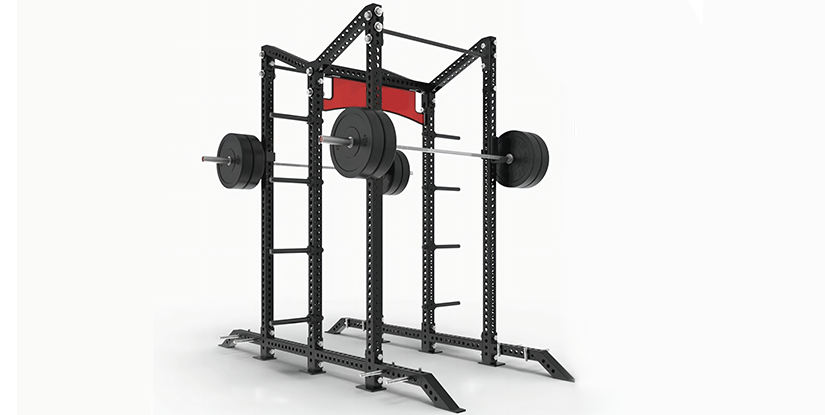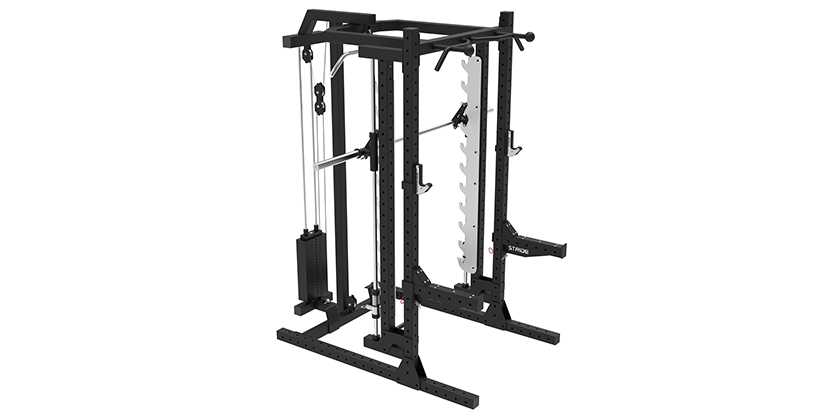
Collapsible Squat Rack | Maintaining Collapsible Squat
Optimizing Facility Footprints with Deployable Strength Solutions
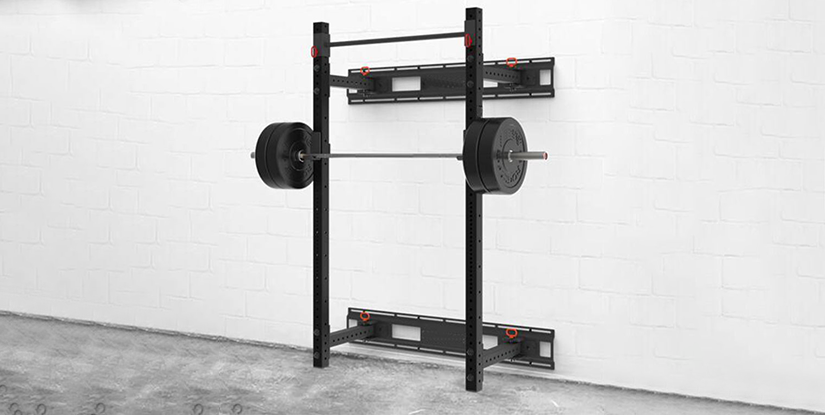
When evaluating high-density training environments, procurement managers must balance equipment density against operational agility. A strategic focus on the collapsible squat rack allows distributors and facility owners to mitigate the risk of stagnant floor plans, ensuring that specialized strength zones do not permanently obstruct high-traffic pathways. Beyond simple storage, the primary value lies in maximizing the utility of every square foot through intelligent footprint optimization.
Integrating these units into a sophisticated facility layout directly impacts the Total Cost of Ownership (TCO). By transitioning from fixed structures to deployable models, operators can host diverse programming—such as group classes or specialized mobility sessions—without investing in additional real estate. This flexibility drives a higher ROI per square meter, as the versatility of the equipment reduces the need for redundant hardware. Furthermore, consistent commercial gym equipment maintenance ensures that the folding mechanisms remain fluid, preventing the premature depreciation often seen in lower-quality, space-saving alternatives.
Strategic Comparison: Fixed vs. Deployable Strength Systems
Distributors and gym owners must weigh the immediate procurement costs against long-term operational utility. While fixed racks offer maximum structural rigidity, they lack the adaptability required for multi-purpose facilities. A collapsible squat rack provides a strategic advantage in environments where floor space must serve multiple training functions within a single shift.
| Feature Attribute | Fixed Power Racks | Collapsible Squat Racks |
|---|---|---|
| Footprint Requirement | Permanent/Static | Reduced/Variable |
| Deployment Speed | N/A (Stationary) | Rapid (Fold/Unfold) |
| Versatility | Single-use Strength Zone | Multi-functional/Hybrid |
| Commercial Suitability | Standard Weightrooms | Boutique Studios & High-Turnover Gyms |
| Maintenance Focus | Structural Integrity | Folding Mechanism & Pivot Points |
For wholesalers and large-scale distributors, the decision often hinges on the end-user's turnover needs. In boutique fitness or hotel gym settings, the ability to clear a training zone in seconds justifies the slightly more complex collapsible rack safety inspection protocols. Choosing the right model ensures that equipment serves as a dynamic asset rather than a static obstacle in a high-demand commercial setting.
Long-Term Durability and Maintenance Protocols
Transitioning to deployable strength solutions introduces specific technical requirements for long-term upkeep. Unlike stationary models, a collapsible squat rack relies on precision-engineered moving parts that demand a rigorous collapsible rack safety inspection schedule. To maintain structural integrity, facility managers should focus on the lubrication and tension of pivot points and heavy-duty hinges. Neglecting these components can lead to friction-induced wear, which diminishes the equipment's lifespan and safety rating.
From a distributor quality control perspective, it is essential to advise clients on systematic folding power rack upkeep. This includes checking bolt torque and inspecting hydraulic or mechanical locking systems after every 500 cycles. Implementing a standard commercial gym maintenance checklist—specifically targeting the articulation zones—prevents the mechanical fatigue often found in high-traffic environments. By prioritizing these preventative measures, operators protect their initial capital investment and ensure the hardware remains a reliable, high-performance asset for years.
Structural Integrity and Mechanical Component Inspection
Maintaining the structural integrity of a collapsible squat rack requires a systematic approach to monitoring both the static frame and the mobile mechanical parts. For high-traffic commercial facilities, consistent oversight ensures that the folding mechanisms do not compromise the equipment's overall stability or user safety.
Prioritizing Load-Bearing Stability
Effective commercial gym equipment maintenance extends beyond surface cleaning; it involves rigorous inspections of the pivot points and locking pins. Facility managers must verify that every component responsible for load-bearing stability remains free of hairline fractures or metal fatigue. A routine safety inspection should focus on the tension of the folding struts and the alignment of the uprights to prevent uneven weight distribution during heavy lifts.
From a procurement and long-term ROI perspective, distributors should prioritize units with reinforced hinge architectures. While collapsible designs offer significant spatial advantages, the mechanical complexity necessitates a stricter maintenance schedule compared to fixed power racks to mitigate the risk of structural failure under peak load.
Mechanical Component and Hinge Maintenance
The longevity of your inventory depends heavily on the condition of moving parts. To prevent unexpected downtime, implement a strict inspection schedule focused on the high-friction zones of the collapsible squat rack. Unlike stationary units, these models rely on precise mechanical tolerances that can be affected by constant heavy usage.
Focus your folding power rack upkeep on three critical areas: hinge lubrication, locking pins, and structural alignment. Ensure that all pivot points are regularly treated with a high-grade, non-corrosive lubricant to prevent seizing. Inspect all locking pins for any signs of bending, scoring, or deformation, as these are the primary fail-safes during the folding process. Even minor wear and tear on these mechanical components can lead to catastrophic failure if not addressed. For wholesalers and gym owners, maintaining these small parts is a low-cost way to protect the total value of the asset and ensure long-term operational safety.
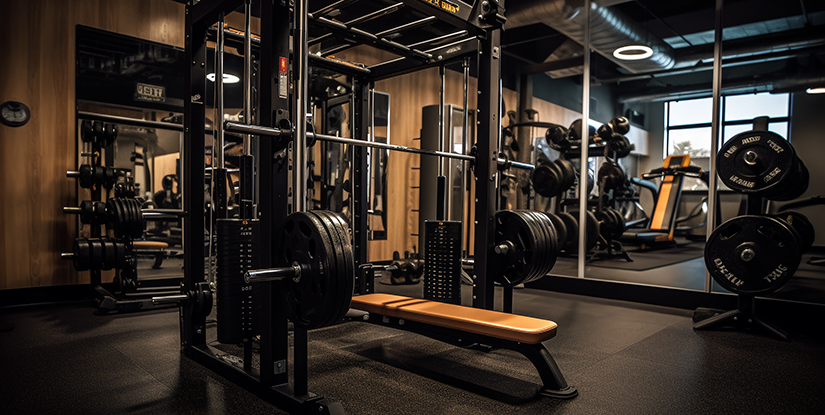
Maintenance and Inspection Frequency Matrix
To streamline labor allocation and optimize operational budgets, facility managers and distributors should adopt a tiered maintenance protocol. Rather than reactive repairs, a proactive schedule prevents the degradation of expensive mechanical assemblies. Use the following table to align your staff's technical oversight with the specific demands of the equipment.
| Inspection Type | Critical Component | Frequency | Required Action |
|---|---|---|---|
| Visual Safety Check | Locking Pins & Safety Stoppers | Daily/Weekly | Verify presence, alignment, and absence of structural deformation. |
| Mechanical Lubrication | Pivot Hinges & Folding Struts | Monthly | Apply non-corrosive lubricant to prevent friction-induced seizing. |
| Structural Integrity Audit | Main Uprights & Connection Bolts | Quarterly | Check for hairline fractures, bolt torque, and weld stability. |
| Full System Calibration | Folding Mechanism & Footing | Bi-Annually | Test full deployment/retraction cycle and base level stability. |
Adhering to these benchmarks ensures that the collapsible rack safety inspection process remains efficient. For distributors managing large-scale inventory, documenting these intervals provides a clear audit trail for quality control and helps justify the total cost of ownership (TCO) to end-users.
Standardized Maintenance Protocols for High-Traffic Environments
For distributors and facility managers, the total cost of ownership (TCO) is heavily dictated by how a collapsible squat rack is managed after deployment. In high-traffic environments, the constant transition between folded and upright positions accelerates mechanical wear on pivot points and locking pins. Without a rigorous commercial gym equipment maintenance schedule, minor friction issues can escalate into significant structural integrity failures, leading to expensive replacements or liability concerns.
Implementing a standardized inspection routine ensures that your inventory remains a high-performing asset rather than a mounting maintenance cost. Below is a comparison of maintenance approaches to help evaluate long-term ROI.
| Maintenance Approach | Frequency | Primary Focus | TCO Impact |
|---|---|---|---|
| Reactive (On-Failure) | As needed | Immediate part replacement | High (Unplanned downtime) |
| Preventative (Scheduled) | Quarterly/Bi-annually | Lubrication and bolt torque | Low (Extended lifespan) |
| Predictive (Sensor-based) | Continuous | Wear pattern monitoring | Moderate (High initial cost) |
Prioritizing regular collapsible rack safety inspection protocols allows procurement teams to justify the premium for high-quality folding mechanisms, as consistent care preserves the original engineering tolerances and protects the client's capital investment.
Technical Inspection Checklist for Facility Teams
Effective folding power rack upkeep requires more than just visual checks; it demands a systematic approach to mechanical tension and friction management. To minimize labor overhead and prevent unplanned downtime, facility managers should assign specific tasks to maintenance staff based on the following technical requirements.
A routine collapsible rack safety inspection should focus on three critical zones to ensure the structural stability of the unit during both the deployment and retraction phases:
- Pivot and Hinge Points: Apply a high-grade lithium-based lubrication to all moving joints every six months to prevent metal-on-metal grinding and ensure smooth folding transitions.
- Fastener Integrity: Conduct a monthly bolt tension check using a calibrated torque wrench. Vibrations from heavy lifting can gradually loosen the hardware that secures the uprights to the base.
- Locking Mechanisms: Inspect all spring-loaded pins and safety catches for spring tension and debris buildup to ensure they engage fully and instantly.
For distributors managing large-scale gym installations, documenting these checks is vital for maintaining product warranties and providing professional-grade service to end-users.
From a procurement standpoint, the long-term reliability of your inventory is directly linked to the quality of the manufacturing and the rigor of the operational care. High-quality components with superior powder coating and heavy-duty steel thickness are essential, but even the most durable equipment requires a structured approach to avoid premature depreciation.
When evaluating a supplier, look for manufacturers that provide clear documentation regarding parts availability. For distributors, the ability to source replacement pins, bolts, or specialized folding components easily is a critical factor in managing the total cost of ownership. If a single broken hinge can render an entire unit unusable, the resulting operational downtime will quickly erode the profit margins of your service or rental contracts.
Ultimately, investing in equipment with robust build quality and a predictable commercial gym equipment maintenance cycle ensures a higher resale value. By prioritizing products designed for easy folding power rack upkeep, you protect your capital investment and maintain a professional standard of safety for your end-users.
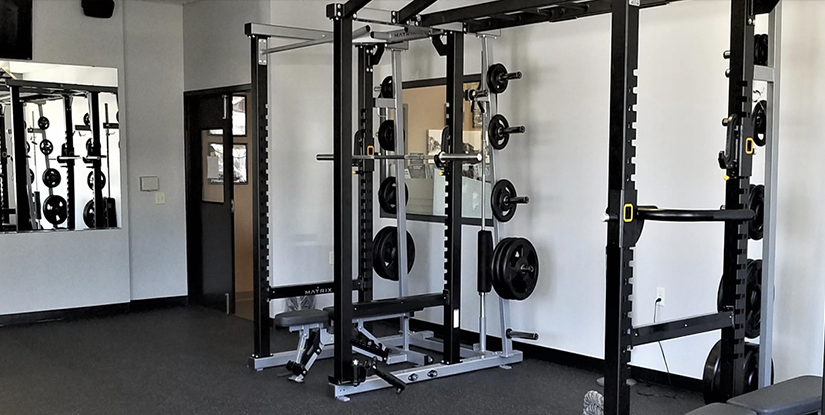
Safety Verification for Folding Mechanisms and Pivot Points
For distributors and facility managers, the long-term reliability of a collapsible squat rack depends heavily on the condition of its moving components. Unlike static structures, folding units rely on high-stress mechanical junctions that require systematic oversight to prevent catastrophic failure during heavy lifts.
Prioritizing Pivot Point Integrity
The most critical aspect of commercial gym equipment maintenance involves the regular inspection of pivot points. These central nodes bear the brunt of rotational torque and weight shifting; any hairline fractures or deformation in the bolts and bushings can compromise the structural integrity of the entire unit. High-traffic commercial environments accelerate wear and tear, making it essential to monitor for metal shavings, loose fasteners, or uneven movement patterns.
To maintain optimal functionality, a routine lubrication schedule is mandatory. Applying a high-grade industrial lubricant to the moving joints prevents friction-induced heat and mechanical binding. For wholesalers and procurement officers, ensuring that end-users receive clear protocols for these inspections is a vital step in reducing liability and protecting the product's lifecycle in the field.
Operational Inspection Checklist
To ensure safety and longevity, maintenance staff should perform a structured walkthrough at least once per month. In high-use commercial settings, even minor neglect of mechanical parts can lead to increased downtime or replacement costs for the distributor.
Use the following criteria for a standardized collapsible rack safety inspection:
- Bolt Tension & Fasteners: Conduct a manual torque check on all structural bolts. Ensure no loosening has occurred due to vibration or repetitive load cycles.
- Safety Pin Integrity: Verify that all safety pins are fully seated and free of bends. Check for any signs of metal fatigue or corrosion on the locking mechanisms.
- Folding Power Rack Upkeep: Test the folding and unfolding motion without weight to ensure smooth transition. Check for resistance that might indicate a need for increased lubrication frequency.
- Visual Inspection: Scan the frame for paint chips or surface rust, which can signal moisture ingress or structural stress.
Consistent folding power rack upkeep protects the end-user's investment and maintains the high quality standards expected from premium commercial-grade imports.
Strategic Maintenance Intervals for TCO Optimization
Effective procurement planning requires understanding that a collapsible squat rack is a dynamic mechanical system rather than a static one. To minimize the Total Cost of Ownership (TCO) and prevent premature replacement, distributors and facility operators should implement a tiered maintenance schedule based on usage intensity.
| Component Category | Inspection Action | Recommended Frequency |
|---|---|---|
| Primary Pivot Joints | Lubrication & Friction Test | Monthly |
| Locking Pins & Latches | Physical Fit & Spring Tension Check | Quarterly |
| Structural Fasteners | Torque Verification & Tightening | Bi-Annually |
| Frame & Coating | Rust/Surface Integrity Scan | Annually |
Adhering to these intervals helps mitigate the risk of unexpected downtime. For wholesale buyers, providing these specific service timelines to clients can serve as a value-added service, positioning your inventory as a high-reliability solution for professional fitness environments.
Sourcing Considerations for Long-Term Inventory Reliability
Distributors must prioritize rigorous factory-level inspections when sourcing a collapsible squat rack to mitigate long-term liability. Unlike static structures, folding mechanisms introduce mechanical variables that require strict adherence to manufacturing tolerances to ensure every unit meets commercial safety standards before reaching the showroom floor.
Mitigating Risk Through Structural Integrity Standards
Reliability in space-saving equipment depends heavily on the precision of the pivot points and heavy-duty locking pins. If a manufacturer lacks strict quality control, slight deviations in steel thickness or hinge alignment can compromise the structural integrity under heavy loads. For wholesalers, investing in high-spec components is a critical component of commercial gym equipment maintenance strategy, as it reduces the frequency of costly warranty claims and prevents rapid inventory turnover caused by premature mechanical failure.
Technical Specifications for Procurement Evaluation
When vetting potential suppliers, B2B buyers should look beyond basic dimensions and focus on the metallurgical and mechanical quality of the unit. A high-quality collapsible squat rack must balance structural rigidity with smooth kinetic movement. Use the following technical benchmarks to evaluate whether a manufacturer's output meets the rigorous demands of high-traffic commercial facilities.
| Technical Dimension | Standard Commercial Grade | Premium/High-Traffic Grade |
|---|---|---|
| Steel Gauge (Tubing) | 11-gauge (approx. 3mm) | 7-gauge to 11-gauge reinforced steel |
| Welding Standard | Standard MIG welding | Full-penetration TIG or high-spec MIG |
| Folding Mechanism | Standard spring-loaded pins | Heavy-duty industrial pivot points/locking systems |
| Coating Quality | Basic powder coating | High-durability, anti-corrosive electrostatic finish |
Selecting a supplier capable of delivering the "Premium" tier significantly reduces the long-term burden of folding power rack upkeep. While the initial unit cost may be higher, the increased durability of the coating and mechanical components ensures a lower total cost of ownership (TCO) for the end-user and fewer replacement requests for the distributor.
Optimizing Supply Chain and Logistics Efficiency
Effective inventory management for space-saving equipment requires a nuanced approach to procurement logistics. When negotiating with manufacturers, buyers should clarify the MOQ (Minimum Order Quantity) specifically regarding specialized hardware, as custom-engineered hinge components often require higher volumes to maintain production stability. Establishing a clear quality inspection protocol at the factory level—rather than solely upon arrival—is essential to ensure that folding components remain unmarred during transit.
Furthermore, shipping stability is a critical variable for collapsible units. Because these racks contain high-density steel and complex moving parts, packaging must be engineered to prevent micro-vibrations from loosening internal locking mechanisms during sea freight. Relying on a distributor reliability assessment that includes a review of their container loading standards will protect your margins. A partner who understands the delicate balance between weight distribution and mechanical protection will minimize the incidence of "dead on arrival" units, ensuring your stock remains ready for immediate commercial deployment.
Logistics and Assembly Precision for Global Distribution
Distributing a collapsible squat rack requires a strategic approach to logistics, as the ability to reduce shipping volume through folding mechanisms significantly impacts landed costs. While compact packaging optimizes container utilization for wholesalers, it also increases the technical requirements for the end-user during the unboxing phase.
To protect long-term ROI, distributors must emphasize assembly precision. Unlike static structures, folding units rely on high-tolerance pivot points and locking mechanisms that are sensitive to improper setup. Even minor misalignments during installation can compromise the structural integrity of the unit, leading to increased commercial gym equipment maintenance costs or premature mechanical failure. Ensuring that your technical teams or end-clients follow exact torque and alignment protocols is essential for maintaining both safety standards and equipment longevity.
Selecting the appropriate configuration for your inventory involves a direct trade-off between freight savings and onsite labor. For high-volume distributors, the choice between standardized or modular packaging determines not only the initial landed cost but also the complexity of the final deployment in a commercial facility setting.
| Packaging Configuration | Shipping Efficiency | Assembly Time | Risk Level |
|---|---|---|---|
| Standard Single-Box | High (Compact Volume) | Fast/Simple | Low (Basic Structure) |
| Reinforced Heavy-Duty | Moderate (Increased Weight) | Moderate | Minimal (High Protection) |
| Modular Componentized | Very High (Optimized SKU) | Extended/Technical | Moderate (Complex Setup) |
When evaluating these options, consider that modular configurations often offer the best container utilization for large-scale sea freight, yet they demand more rigorous quality control during the collapsible rack safety inspection phase to ensure every specialized component remains intact after transit. For boutique studio suppliers, the reinforced option often provides the most reliable balance of protection and speed.
Standardizing Quality Control and Inspection Protocols
To minimize return rates and protect brand reputation, wholesalers must implement rigorous QC protocols that extend beyond basic structural checks. A robust distributor checklist should prioritize the precision of moving parts, as these are the primary failure points in folding units. A standard inspection should include a tactile check of all pivot pins, a verification of locking pin tolerances, and a visual scan for any finish degradation that could indicate friction issues during the folding process.
Regular wear and tear monitoring is a critical component of long-term folding power rack upkeep. We recommend that facility managers conduct a scheduled collapsible rack safety inspection every quarter. This process should focus on the lubrication of mechanical joints and the integrity of the tensioning systems. By identifying minor mechanical drift or loosened fasteners early, operators can prevent costly onsite repairs and ensure the equipment meets the high-performance standards required in professional commercial gym environments.