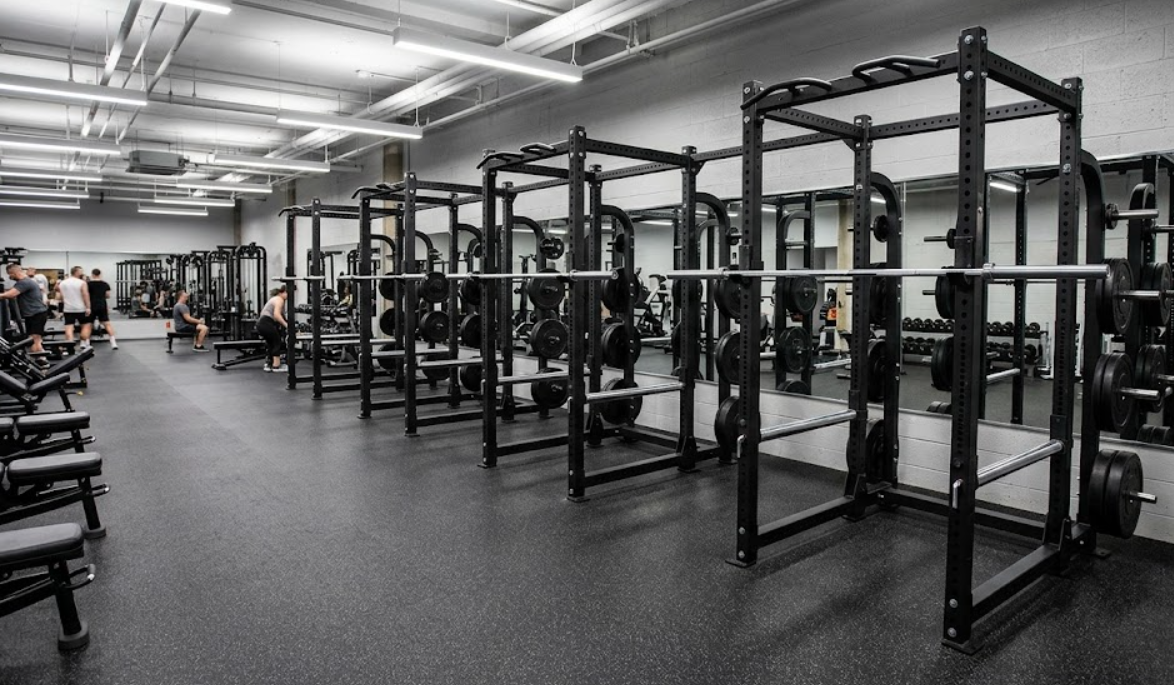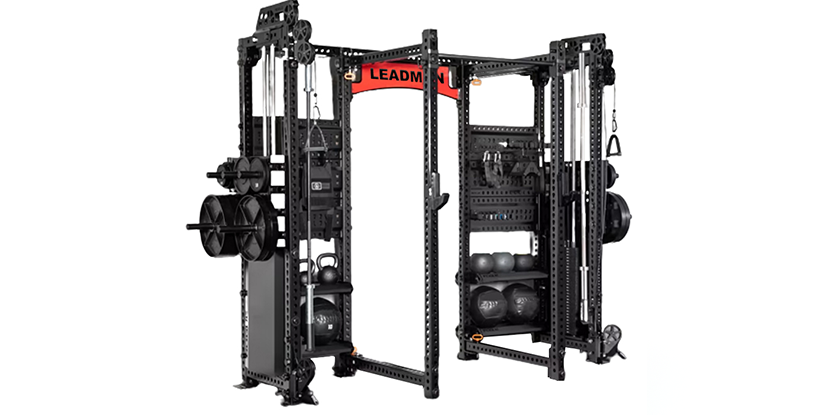
Optimizing Gym Floor Plans with Wall Mounted Weight Racks
Vetting Manufacturers for High-Capacity Vertical Weight Storage Solutions
When sourcing vertical weight storage solutions for high-traffic facilities, procurement managers must evaluate three critical checkpoints: the structural integrity of the mounting hardware, the specific weight capacity of the bracketry, and the long-term reliability of the factory's welding standards. Failure to verify these technical specifications often leads to premature fatigue or wall damage, increasing the total cost of ownership through frequent replacements.
A high-quality wall mounted weight rack designed for commercial gym standards must account for dynamic loading, not just static weight. In many professional environments, the vibration from heavy plate movement can compromise standard fasteners over time. Therefore, distributors should prioritize manufacturers that utilize heavy-gauge steel and reinforced mounting plates to ensure the unit maintains its position under repetitive stress. Selecting a wall mounted weight rack with high-grade industrial coatings also prevents oxidation in humid training environments, preserving the structural integrity of the assembly throughout its lifecycle.
Technical Standards for Long-Term Durability
Evaluating a factory's capability requires looking beyond the basic dimensions. For commercial weight plate racks, the distinction between residential-grade and professional-grade equipment lies in the metallurgical specifications and finishing processes. A lower-quality finish may look identical in a showroom but will succumb to chipping and oxidation within months of heavy use. To optimize the Total Cost of Ownership (TCO), procurement specialists should demand specific benchmarks regarding steel thickness and coating adhesion.
| Feature | Standard Commercial Grade | Premium/High-Traffic Grade |
|---|---|---|
| Steel Gauge | 14-gauge (approx. 2.0mm) | 11-gauge or 12-gauge (heavy-duty) |
| Powder Coating | Standard electrostatic | High-durability, scratch-resistant industrial |
| Mounting Hardware | Standard hex bolts | Reinforced steel plates with specialized anchors |
When negotiating MOQs or evaluating shipping logistics for bulk orders, confirm that the manufacturer uses consistent welding techniques. Inconsistent bead strength can lead to structural failure under peak loads. Choosing a supplier that adheres to these rigorous industrial standards ensures that your gym space optimization efforts are not undermined by the need for constant maintenance or premature equipment replacement.
Reliable procurement relies heavily on the rigor of the manufacturer's quality control (QC) protocols. Before finalizing a purchase order, request documentation regarding their load testing procedures. A reputable factory should demonstrate that each wall mounted weight rack has undergone stress tests that exceed the advertised maximum capacity to account for real-world dynamic impact. This prevents the common issue of bracket deformation when clients rapidly load or unload heavy plates.
From a logistics and facility management perspective, ensure the manufacturer provides detailed installation guides that specify compatible wall substrates. Whether you are outfitting a boutique studio or a large-scale commercial gym, the hardware must be compatible with your specific facility layout. Furthermore, establish a clear maintenance schedule for your staff to inspect mounting points and fastener tension, which significantly extends the service life of the equipment and reduces long-term operational overhead.
Assessing Load-Bearing Integrity and Installation Standards
Distinguishing between consumer-grade hardware and professional-grade vertical weight storage solutions requires a strict evaluation of structural engineering. In high-traffic environments, a wall mounted weight rack must withstand not only static weight but also the dynamic impact of plates being loaded and unloaded by multiple users daily.
Engineering Requirements for High-Traffic Facilities
Procurement managers must prioritize structural integrity to prevent long-term wall fatigue or hardware failure. While residential setups often rely on lightweight steel, commercial gym standards demand heavy-gauge steel construction and reinforced mounting points to handle high load-bearing capacity. Failure to specify industrial-grade components can lead to increased maintenance costs and potential liability issues in boutique studios or large-scale fitness centers.
Standard screw anchors| Feature Factor | Residential Grade | Commercial Grade |
|---|---|---|
| Steel Gauge | Lightweight/Thin-walled | Heavy-duty/High-gauge |
| Mounting Type | Reinforced bracket systems | |
| Usage Cycle | Low-frequency/Home use | High-frequency/Continuous |
| Durability Expectation | Short-term lifespan | Multi-year industrial use |
When sourcing for distributors or facility rollouts, always verify that the wall mounted weight rack is compatible with the specific wall substrate of the installation site, whether it be concrete, cinder block, or reinforced timber studs.
Configuration Selection by Substrate and Load Requirements
Selecting the correct mounting configuration is as critical as the steel gauge itself. A mismatch between the hardware and the facility's structural substrate can lead to catastrophic failure or gradual loosening over time. For procurement specialists, understanding these technical distinctions ensures long-term ROI and minimizes onsite installation troubleshooting.
| Mounting Configuration | Typical Steel Gauge | Weight Capacity Range | Ideal Use Case |
|---|---|---|---|
| Wood/Timber Stud-Mounted | 11–14 Gauge | 150–300 lbs | Boutique Studios & Small Private Gyms |
| Masonry/Concrete Anchored | 7–10 Gauge | 400–800+ lbs | Heavy-Duty Commercial & Strength Centers |
| Steel Stud/Reinforced Metal | 9–12 Gauge | 250–500 lbs | Modern Multi-unit Residential Gyms |
For large-scale facility rollouts, we recommend specifying heavy-gauge commercial weight plate racks designed for masonry anchoring. While timber-based mounting is more cost-effective for small-scale boutique installations, industrial environments demand the high-density stability provided by concrete-anchored systems to manage the heavy impact of high-volume training cycles.
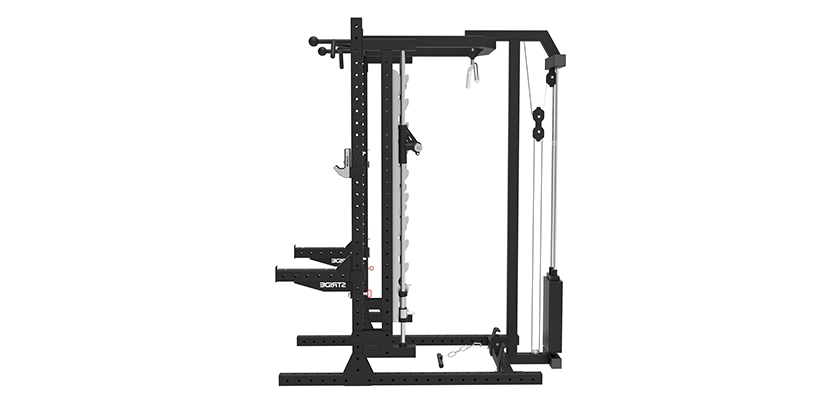
Critical Quality Control and Manufacturing Precision
Beyond the initial substrate compatibility, the long-term reliability of a wall mounted weight rack depends heavily on manufacturing precision. Buyers should demand strict quality control (QC) protocols from their overseas suppliers, specifically focusing on the structural junctions where stress is highest. Inconsistent welding quality is a common failure point in low-cost production; poorly executed welds can develop hairline fractures under the repetitive stress of heavy plate loading, eventually compromising the entire unit.
A high-standard manufacturing process ensures that welding integrity is consistent across every batch, particularly at the pivot points and bracket junctions. Furthermore, procurement specifications should explicitly define the required fastener specifications. Relying on generic hardware often leads to stripped threads or insufficient grip within the wall substrate. To achieve true gym space optimization without the risk of structural sagging, ensure that the mounting kits provided include high-tensile, industrial-grade bolts and specialized anchors designed to match the weight-bearing capacity of the steel frame. Investing in these technical details during the sourcing phase prevents the high cost of onsite repairs and ensures a seamless installation process for distributors and facility managers.
Optimizing Boutique Studio Layouts with Wall-Mounted Systems
In high-density training environments, every square foot impacts the perceived value of a membership. Utilizing a wall mounted weight rack allows facility owners to transition from cluttered floor-based setups to streamlined, professional environments. By shifting heavy storage upward, you effectively reclaim valuable real estate for active training zones.
Maximizing Movement Area via Vertical Storage
For many boutique studio layouts, the primary constraint is not total square footage, but the usable area available for client movement flow. Traditional floor-standing plate trees often create "dead zones" or trip hazards in high-traffic areas. Implementing vertical weight storage solutions mitigates these risks by clearing the ground plane entirely.
From a procurement standpoint, sourcing these systems involves more than just aesthetics; it is a strategic move toward floor space optimization. By integrating commercial weight plate racks directly into the perimeter walls, distributors and gym owners can expand the footprint available for HIIT classes, mobility work, or functional training circuits without expanding the physical walls of the facility.
Evaluating Configuration Models: Floor vs. Wall vs. Hybrid
Selecting the right configuration requires a calculated assessment of your facility's structural integrity and long-term budget. While floor-standing units offer high mobility, they consume significant floor area. In contrast, a wall mounted weight rack maximizes utility in cramped boutique settings but requires specific installation requirements, such as reinforced wall studs or masonry backing, to ensure long-term durability and safety.
For distributors and large-scale facility managers, the decision often hinges on the total cost of ownership (TCO). While wall-mounted systems may require higher initial labor costs for professional installation, the footprint comparison reveals a significant ROI through increased usable training space. Below is a technical comparison to assist in your procurement planning:
| Configuration Type | Footprint Impact | Installation Requirement | Durability/Weight Load | Cost-Efficiency (Long-Term) |
|---|---|---|---|---|
| Floor-Standing Racks | High (Occupies floor space) | Low (Minimal setup) | Very High (Self-supported) | Moderate (Higher spatial cost) |
| Wall Mounted Systems | Minimal (Zero floor footprint) | High (Structural mounting) | High (Dependent on wall) | High (Maximizes revenue space) |
| Hybrid/Integrated | Moderate (Integrated with racks) | Moderate (Complex assembly) | High (Reinforced stability) | Optimized (Versatile utility) |
When sourcing commercial weight plate racks, always verify the weight-bearing specifications with your manufacturer. For boutique studios with limited square footage, the verticality of a wall-mounted approach provides a superior professional aesthetic and significantly reduces the risk of client injury caused by floor-level obstructions.
Structural Integrity and Logistics for Wholesale Procurement
When managing wholesale procurement for high-density facilities, the focus must shift from mere aesthetics to technical load-bearing capacity. Unlike freestanding units, a wall mounted weight rack relies entirely on the structural integrity of the host building. Buyers should mandate that suppliers provide detailed technical sheets specifying the maximum load-bearing capacity per peg and the recommended wall mounting hardware, such as heavy-duty sleeve anchors or specialized masonry bolts.
From a logistics perspective, procurement managers must account for shipping volume and weight distribution. While vertical systems are highly efficient for gym space optimization, they often arrive in high-density, heavy-duty crates that require specialized freight handling. To ensure efficient facility maintenance and long-term durability, verify that the steel gauge and powder coating meet commercial standards to prevent oxidation in high-humidity environments. Assessing these technical variables during the sourcing phase prevents costly on-site installation failures and ensures the long-term stability of your vertical storage investment.
Compatibility Check: Plate Sizes and Attachment Versatility
Before finalizing a purchase order, procurement managers must verify the technical alignment between the wall mounted weight rack and the facility's existing plate inventory. Mismatched specifications often lead to costly returns or underutilized floor space in high-traffic boutique studios.
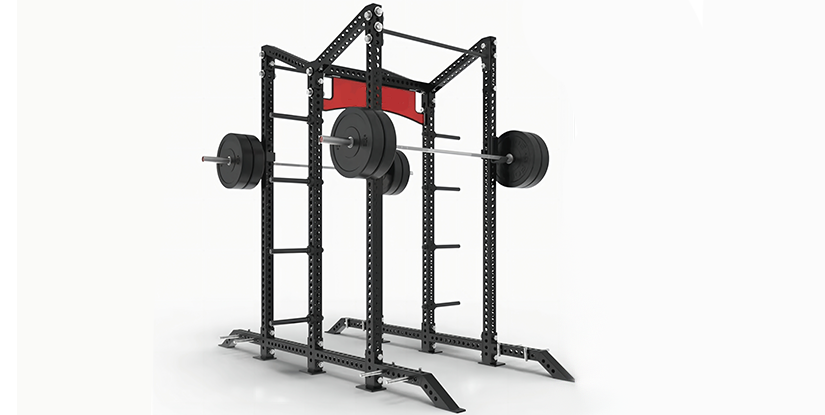
A critical oversight in many commercial procurement processes is failing to account for plate thickness variations. While the diameter is a standard metric, the depth of the plate affects how many units can fit on a single tier. Ensure your commercial weight plate racks are rated for the specific weight class and thickness of your current stock to prevent overloading or uneven weight distribution.
| Specification Type | Olympic Standard (Common) | Standard/Fractional (Specialty) |
|---|---|---|
| Inner Diameter | 50mm (2-inch) | 1-inch or Fractional |
| Primary Use Case | Heavy lifting and barbell training | Accessory work or light conditioning |
| Compatibility Risk | Requires deep-well bracket depth | May slip on oversized Olympic pegs |
When planning facility layout compatibility, consider the vertical clearance required for both the rack and the user's range of motion. A well-vetted vertical weight storage solution must accommodate both Olympic vs. standard diameter plates without obstructing movement paths or interfering with other structural elements in the gym.
Beyond diameter, the long-term TCO (Total Cost of Ownership) for a facility is heavily influenced by how often the mounting hardware requires inspection. Heavy-duty Olympic plates exert significantly higher lateral stress on the mounting brackets compared to lighter fractional plates, necessitating a proactive maintenance schedule to ensure structural integrity.
Distributors and gym owners should evaluate the following technical breakdown to determine the appropriate level of oversight required for different storage configurations:
| Configuration Metric | Olympic (50mm) Systems | Standard (2-inch) Systems |
|---|---|---|
| Load Profile | High impact/High density | Low to moderate impact |
| Primary Maintenance | Bolt torque checks & wall-anchor inspection | Surface rust prevention & alignment |
| Typical Inspection Frequency | Quarterly (High-traffic/Commercial) | Bi-annually (Boutique/Light-use) |
| Space Optimization Efficiency | High (Deep storage/Minimal footprint) | Moderate (Requires more linear length) |
For large-scale rollouts, we recommend sourcing racks with reinforced gussets if the primary inventory consists of heavy Olympic plates. This ensures that the verticality of your storage does not compromise the facility's safety standards over time, even under constant loading and unloading cycles.
Long-Term Durability and Maintenance Standards
Optimizing the long-term TCO (Total Cost of Ownership) requires looking beyond the initial purchase price to the structural longevity of your vertical weight storage solutions. In high-volume commercial environments, the constant mechanical stress of loading and unloading heavy iron or bumper plates can lead to structural fatigue if the hardware is not properly vetted during the sourcing phase.
Procurement managers should prioritize coating durability as a primary metric for quality control. High-grade powder coating is essential to prevent oxidation and surface degradation caused by humidity and frequent contact with chalk or sweat. A superior finish ensures that the wall mounted weight rack maintains its aesthetic appeal and structural integrity, reducing the need for premature replacement cycles in premium boutique settings.
Furthermore, ensuring consistent load-bearing stability is a non-negotiable safety requirement. When selecting a manufacturer, verify that the weight distribution models are engineered to handle eccentric loading—where weight is unevenly removed from one side of the rack. This prevents the structural shifting or wall-anchor loosening that often occurs with lower-quality, non-commercial grade alternatives. Investing in reinforced mounting brackets and high-tensile hardware during the initial procurement stage mitigates the risk of catastrophic failure and minimizes ongoing facility maintenance costs.
Managing Bulk Shipments and Landed Costs for Heavy Hardware
When sourcing a wall mounted weight rack at scale, procurement professionals must look beyond the factory ex-works price. The heavy gauge steel required for commercial durability introduces significant logistical complexities that directly impact your final budget through landed costs.
Estimating the total cost of ownership requires a deep dive into freight considerations and the unique weight-to-volume ratio of these units. Because these racks are often dense and heavy, shipping costs are driven more by actual weight than by cubic volume. When organizing bulk shipments, distributors must account for how these items nest or stack within a container to avoid paying for "shipping air." Failing to calculate the true landed cost—including ocean freight, customs duties, and local drayage—can lead to unexpected budget overruns that diminish the ROI of your facility optimization project.
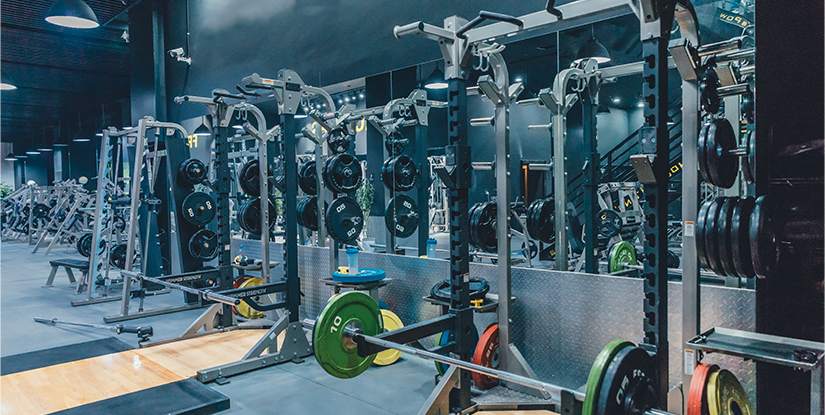
Selecting the appropriate Incoterm is a critical decision for balancing upfront capital expenditure against logistical risk. For high-volume orders of vertical weight storage solutions, the choice between FOB and DDP will dictate how much control your team maintains over the supply chain and the final arrival price.
| Shipping Model | Cost Implications | Lead Time Impact | Primary Risk Level |
|---|---|---|---|
| FOB (Free On Board) | Lower unit price; buyer pays freight and duties. | Faster if buyer manages freight directly. | High: Buyer assumes all transit risks. |
| DDP (Delivered Duty Paid) | Higher unit price; includes all customs and delivery. | Longer due to comprehensive documentation. | Low: Seller manages end-to-end delivery. |
For distributors managing multiple boutique studio rollouts, DDP offers a streamlined approach by consolidating all commercial weight plate racks into a single landed cost. However, if you have a dedicated logistics partner capable of handling heavy hardware, an FOB arrangement may yield better margins by allowing you to optimize container utilization and mitigate unexpected port fees.
Mitigating Risk Through MOQ and Inspection Protocols
To protect margins, buyers should align their Minimum Order Quantity (MOQ) strategies with rigorous quality control (QC) standards. While higher MOQs often unlock tiered pricing for vertical weight storage solutions, they also increase the financial exposure to manufacturing defects or transit damage. It is more cost-effective to invest in a strict inspection protocol at the factory level than to manage high return rates for damaged commercial weight plate racks upon arrival.
When negotiating with suppliers, demand a pre-shipment inspection that specifically targets structural integrity and finish consistency. Ensure your QC checklist includes stress testing for mounting brackets and verifying the powder coating thickness. This proactive stance on damage prevention—such as requiring reinforced edge protection and heavy-duty palletization—prevents the "hidden costs" of onsite installation delays and the logistical nightmare of returning heavy, defective steel hardware.
Long-Term ROI of Integrated Gym Space Optimization
For facility owners and distributors, the economic value of a wall mounted weight rack extends far beyond simple organization. High-density vertical weight storage solutions directly impact the bottom line by converting dead floor space into revenue-generating zones, such as functional training areas or additional strength stations.
Maximizing square footage value is critical in high-rent urban markets where boutique studios and premium commercial gyms operate on tight margins. By utilizing commercial weight plate racks that leverage verticality, operators improve client movement flow and reduce trip hazards. This streamlined layout allows for higher member throughput and more efficient class programming without expanding the physical footprint. From a procurement standpoint, investing in high-grade vertical mounting systems reduces long-term maintenance costs and ensures the facility remains scalable and professional.
Comparing Total Cost of Ownership: Vertical vs. Floor Storage
When calculating the Total Cost of Ownership (TCO), procurement managers must weigh the initial unit price against long-term operational benefits. While floor-based racks often have a lower upfront cost and simpler shipping logistics, they consume significant square footage that could otherwise host revenue-generating equipment. In contrast, a high-quality wall mounted weight rack offers superior space efficiency and durability, which can justify a higher initial investment through increased facility capacity.
| Feature | Floor-Based Racks | Wall Mounted Solutions |
|---|---|---|
| Footprint | High (consumes floor area) | Minimal (utilizes vertical space) |
| Durability | Vulnerable to impact/movement | High (fixed to structural elements) |
| Maintenance | Higher (cleaning/movement issues) | Low (fixed position) |
| Long-term ROI | Standard | Enhanced (maximizes usable area) |
For distributors and large-scale gym developers, the decision hinges on the facility's layout strategy. Utilizing vertical storage mitigates the risk of equipment clutter, ensuring the floor remains clear for high-traffic movement. This optimization directly supports higher member density and provides a more premium aesthetic for boutique fitness environments.
Beyond floor space utility, long-term profitability depends on the structural integrity and the procurement lifecycle of the hardware. Sourcing professional-grade vertical weight storage solutions requires a strict focus on load-bearing capacity to prevent structural fatigue under heavy daily use. In high-traffic commercial environments, the installation durability of the mounting hardware is the primary driver of the product's lifespan. If the mounting system fails to meet weight-load specifications, the resulting repair costs and downtime can quickly erode the initial ROI.
Distributors should prioritize suppliers that provide transparent data regarding the procurement lifecycle and maintenance cycles. A robust wall-mounted system should require minimal intervention, typically only periodic inspections of the mounting bolts and weight-bearing brackets. By selecting equipment with high-grade steel construction and reinforced attachment points, facility owners can avoid frequent replacement cycles and ensure that the installation remains a permanent, reliable asset rather than a recurring maintenance liability.