How to Choose the Best Weight Bench for Your Power Rack
Defining Your Strength Training Requirements
When outfitting a high-end boutique studio or a professional training facility, we often see clients overlook the most fundamental physical constraint: the physical footprint of the equipment. It is a common oversight to select a high-performance piece of equipment only to realize it obstructs the movement within the rig. To ensure a seamless home gym bench setup or a commercial installation, you must first analyze the spatial relationship between your rack and your seating. Selecting the best weight bench for power rack integration requires more than just matching aesthetic styles; it demands a precise understanding of your available square footage.
Before placing an order, calculate the total clearance required for both the rack and the bench. If the bench is too long or the frame is too wide, you may encounter spatial constraints that prevent you from safely sliding the bench into position for heavy lifts. We recommend measuring the interior width of your rack and the external dimensions of the bench to ensure there is zero interference during high-intensity training sessions.
To optimize your training floor, you must decide between a fixed configuration or a highly versatile adjustable weight bench. While fixed benches offer maximum stability for heavy compound movements, they often lack the mobility required for multi-functional training environments. In many professional settings, we recommend an adjustable model to maximize the utility of a single rack station, allowing for a wider range of angles without needing additional power rack accessories.
When evaluating your layout, pay close attention to the bench width vs. rack uprights. A bench that is too wide may collide with the vertical supports, while one that is too narrow might feel unstable during lateral movements. For space-saving efficiency, consider a bench with a compact footprint that can be easily moved or stored when not in use. This ensures that your training area remains fluid and adaptable to different exercises, providing a professional-grade experience regardless of the actual room dimensions.
Beyond simple footprint dimensions, a critical factor in long-term usability is the barbell path. When selecting the best weight bench for power rack compatibility, you must account for the arc of the bar during movements like the bench press or overhead press. If the bench is positioned too close to the uprights, the bar may strike the rack during the lift, compromising safety clearance and disrupting your rhythm. This lack of unobstructed movement is a common mistake in suboptimal home gym bench setup designs.
We advise professional buyers and facility managers to map out the training area dimensions by simulating the widest range of motion required for your specific programming. Ensure there is a buffer zone between the barbell's highest and lowest points and any structural components of the rack. By prioritizing safety clearance and a clear barbell path during the procurement process, you prevent the frustration of equipment that is technically functional but practically unusable due to spatial interference.
Critical Compatibility Standards for Power Rack Integration
When sourcing equipment for high-performance environments, the most common failure point is not the user's form, but the underlying structural stability of the gear. A premium power rack is an investment in safety, and pairing it with a flimsy bench creates a dangerous bottleneck. To identify the best weight bench for power rack integration, procurement professionals must look beyond aesthetics and focus on the metallurgical integrity of the frame.
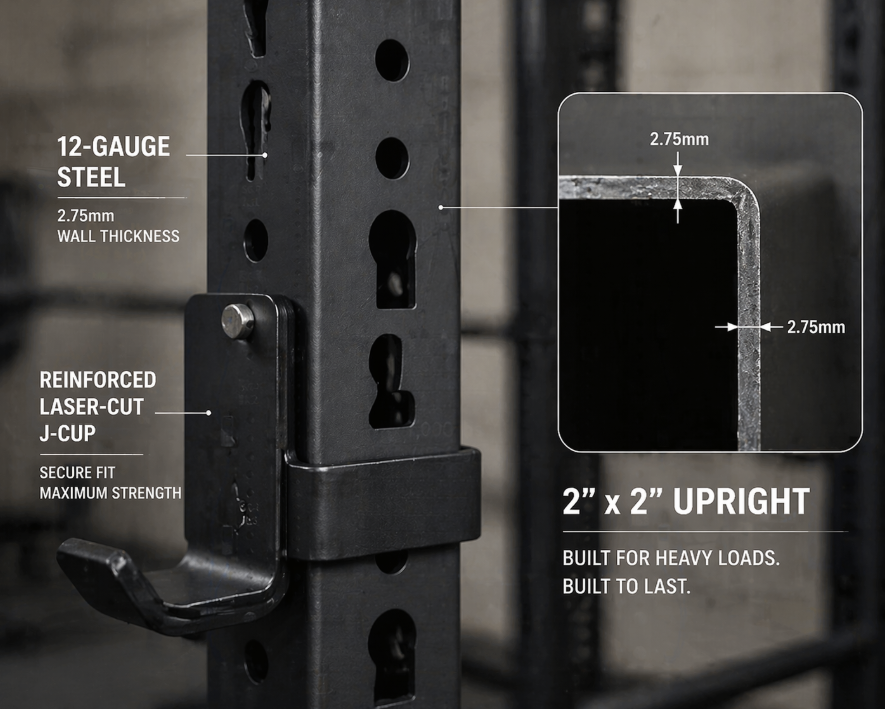
In high-intensity training scenarios, even minor oscillations can lead to catastrophic failure. We recommend prioritizing heavy-duty steel construction with a specific focus on the frame gauge. A higher gauge number indicates thinner steel, which is unacceptable for professional use. For a robust home gym bench setup or commercial facility, a thicker steel profile ensures the bench remains a fixed, immovable platform during heavy compound lifts.
| Steel Specification | Typical Use Case | Durability Profile | Stability Rating |
|---|---|---|---|
| 11-Gauge Steel | Commercial/High-Volume | Extreme; resists deformation | Highest |
| 14-Gauge Steel | Advanced Home Gym | High; suitable for heavy lifting | Very High |
| 16-Gauge Steel | Light/Recreational | Moderate; prone to flexing | Standard |
Choosing an adjustable weight bench with these specifications ensures that your power rack accessories work in harmony rather than working against each other. Investing in superior steel thickness is the most effective way to mitigate long-term maintenance costs and ensure user safety during maximum effort sets.
Beyond the steel frame, long-term reliability depends heavily on the quality of the contact surfaces. A high-quality home gym bench setup requires more than just a strong skeleton; it requires surfaces that can withstand constant friction and heavy loads without degrading. When evaluating options, we suggest looking closely at the upholstery durability and the rated weight capacity, as these factors directly impact the lifespan of the equipment in a professional or high-use setting.
The following comparison highlights how different material grades and load ratings affect the overall utility of your adjustable weight bench depending on your specific training intensity:
| Material/Spec Focus | Standard Grade | Professional Grade |
|---|---|---|
| Upholstery | Basic PU Leather | High-Density Vinyl/Medical Grade |
| Padding Density | Soft/Standard Foam | High-Density Reinforced Foam |
| Weight Capacity | 300–500 lbs | 600–1,000+ lbs |
| Best Use Case | Light Strength Training | Heavy Compound Lifting |
Selecting the best weight bench for power rack synergy means matching the bench's weight capacity to your heaviest projected barbell load plus the user's weight. For those sourcing for commercial distribution or high-end fitness studios, prioritizing high-density foam and tear-resistant upholstery is essential to prevent premature wear and reduce replacement frequency.
Precision in Spatial Dimensions and Fitment
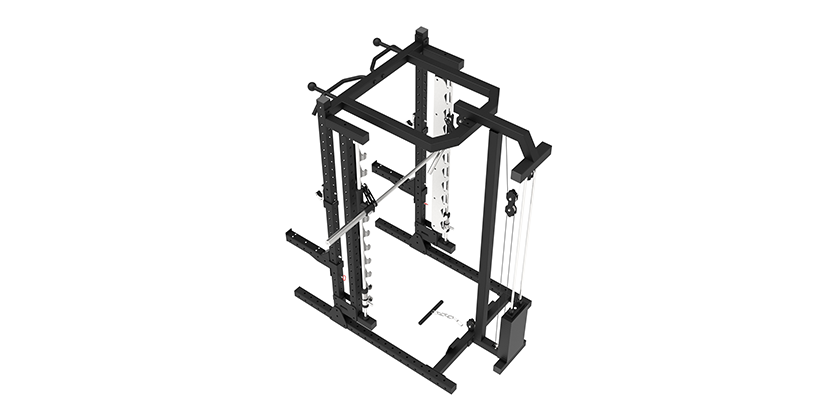
Beyond material density, a critical oversight in procurement is failing to verify the physical footprint of the bench against the rack's dimensions. Even a high-quality adjustable weight bench becomes a liability if it lacks the necessary clearance to maneuver within the uprights. When sourcing for a professional home gym bench setup, you must ensure the bench's base dimensions allow for seamless integration without any upright interference.
If the bench is too wide or the frame geometry is too aggressive, it may strike the vertical posts during movement, preventing the user from achieving a full range of motion or, worse, causing the rack to shift. We advise buyers to cross-reference the bench's total length and width with the internal spacing of your specific rack. Ensuring this spatial compatibility is a fundamental step in selecting the best weight bench for power rack use, as it guarantees that your power rack accessories and the bench can operate in a synchronized, unobstructed environment.
Optimizing the Adjustable Weight Bench for Multi-Angle Movements
To maintain the long-term value of your investment, regular mechanical upkeep is non-negotiable. When sourcing an adjustable weight bench for a high-use facility or a premium home gym, the longevity of the unit depends heavily on how well the moving parts are managed. A high-quality home gym bench setup requires more than just heavy steel; it requires consistent attention to the mechanisms that facilitate movement.
The most critical aspect of maintenance involves the pivot points and adjustment pins. Over time, friction from repeated angle changes can cause stiffness or even misalignment. To ensure smooth adjustment during intense training sessions, we recommend periodic lubrication of all moving joints with a high-grade silicone spray. This prevents metal-on-metal grinding and ensures that transitioning between incline and flat positions remains fluid. Furthermore, a routine safety inspection of the locking pins and adjustment notches is essential. Verifying that these components engage securely prevents catastrophic failures during heavy lifts, ensuring your power rack accessories remain reliable and safe for years to come.
Beyond the mechanical adjustments, the physical integrity of the bench's surfaces determines its long-term durability. Neglecting the upholstery or the structural frame can lead to premature degradation, even if you have selected the best weight bench for power rack compatibility. To keep your equipment in peak condition, follow this professional maintenance checklist tailored for high-performance environments.
| Maintenance Task | Frequency | Action Required |
|---|---|---|
| Bolt Tightening | Every 3 Months | Check all structural bolts and adjustment pins for looseness. |
| Upholstery Care | Monthly | Clean with a damp, non-abrasive cloth; check for tears or sweat seepage. |
| Rust Prevention | Bi-Annually | Inspect exposed steel; apply a thin layer of oil to prevent oxidation. |
| Full Setup Audit | Annually | Verify compatibility and stability within your home gym bench setup. |
Proper upholstery care is particularly vital in humid environments; ensure any sweat or moisture is wiped away immediately to prevent the material from cracking or absorbing odors. Additionally, regular bolt tightening ensures that the frame remains rigid under heavy loads. By adhering to this maintenance frequency, you protect your investment and ensure your power rack accessories continue to function with factory-level precision.
Ultimately, the goal of consistent upkeep is to ensure that your equipment meets rigorous safety standards even after years of heavy use. When selecting the best weight bench for power rack integration, remember that mechanical failure is often the result of neglected routine check-ups rather than inherent design flaws. By prioritizing these small preventative actions, you safeguard the long-term durability of the unit and maintain the structural integrity required for heavy compound lifts. Investing in a premium bench is a significant decision; treating it with professional-grade maintenance ensures that your strength training remains both productive and, most importantly, safe.
Essential Power Rack Accessories to Enhance Bench Utility
When planning your home gym bench setup, understanding the relationship between initial investment and long-term utility is vital. We often see buyers struggle with the budget vs. durability dilemma, where low-cost options lead to premature wear or poor compatibility with existing structures. Choosing the best weight bench for power rack integration requires a strategic look at your intended training volume.
At the entry-level, you may find basic models that offer limited movement. While these are cost-effective for light use, they often lack the structural integrity required for heavy compound lifts. In contrast, professional-grade equipment is engineered for high-frequency training. Investing in a high-quality adjustable weight bench ensures that your power rack accessories—such as specialized attachment points or specialized footplates—function seamlessly with the bench. For distributors and serious enthusiasts, prioritizing premium builds reduces the frequency of replacements and ensures the equipment remains a reliable asset in any rigorous strength program.
To help you navigate these investment tiers, we have outlined a comparative overview below. This breakdown focuses on how different price points impact the longevity and versatility of your home gym bench setup.
| Investment Tier | Typical Use Case | Key Features | Long-Term Value |
|---|---|---|---|
| Budget | Light home use | Basic incline/flat functions, thinner padding | Lower initial cost, but higher replacement risk |
| Mid-Range | Serious enthusiasts | Robust adjustable weight bench mechanics, improved stability | Balanced durability for consistent training |
| Premium | Commercial/High-volume | Heavy-duty steel, high-density foam, seamless power rack accessories integration | Maximum lifespan and high resale potential |
When sourcing the best weight bench for power rack compatibility, remember that the cheapest option often carries a hidden cost in maintenance and downtime. A higher upfront investment in a professional-grade adjustable weight bench typically yields better long-term value by providing a stable, reliable foundation that grows alongside your strength training goals.
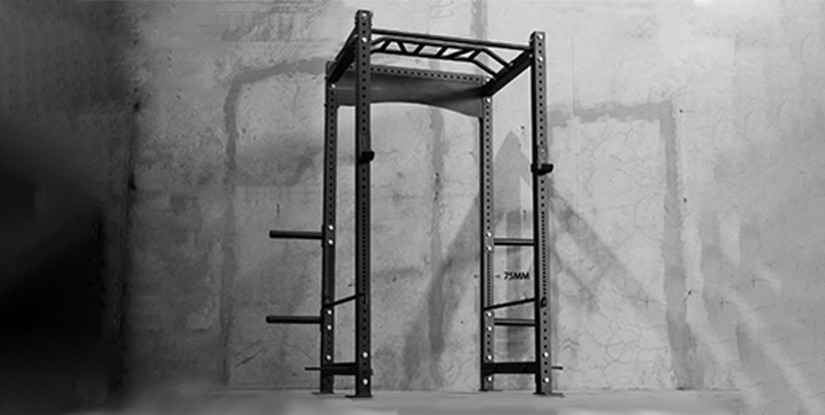
Optimizing your total setup cost requires more than just looking at the price tag of a single item; it is about calculating the synergy between your bench and your rack. Many buyers make the mistake of purchasing a high-end rack but pairing it with a substandard bench, which limits the utility of your power rack accessories. For example, if your bench lacks the correct height or stability, premium attachments like dip stations or landmines may become difficult or even unsafe to use.
We recommend a strategy of smart investing: allocate a larger portion of your budget to the core components that face the most mechanical stress. Selecting the best weight bench for power rack integration means prioritizing a model that offers a wide range of adjustments and a footprint that complements your existing gear. By focusing on quality during the initial procurement phase, you avoid the recurring costs of upgrading mismatched equipment and ensure a professional, cohesive training environment.
Designing a High-Performance Home Gym Bench Setup
Before finalizing your procurement, you must account for the physical footprint of your equipment. A common oversight in home gym bench setup planning is neglecting the spatial relationship between the rack and the bench. When selecting the best weight bench for power rack integration, you aren't just buying a piece of furniture; you are managing a mechanical clearance zone. If the bench is too long or the frame is too wide, it may collide with the rack's uprights or crossmembers during heavy lifts.
We recommend measuring your total depth requirement by adding the length of an adjustable weight bench to the depth of your rack. Always maintain strict safety margins to ensure that even when the bench is fully extended or tilted, there is no risk of hitting the steel structure. A well-planned layout prevents equipment damage and ensures that your power rack accessories, such as dip stations or pull-up bars, remain fully accessible without spatial interference.
Selecting the right configuration depends heavily on your specific training environment and floor plan. Depending on your facility's constraints, different bench profiles will offer varying levels of mobility and stability. Below is a comparison to help you decide which model aligns with your layout goals.
| Configuration Type | Primary Advantage | Ideal User Type | Space Constraint |
|---|---|---|---|
| Fixed/Stationary Bench | Maximum stability for heavy lifting | Advanced lifters/Bodybuilders | Requires dedicated footprint |
| Compact adjustable weight bench | High space-saving efficiency | General fitness enthusiasts | Small or multi-purpose rooms |
| Mobile/Wheeled Bench | Enhanced mobility for versatile drills | Cross-training/Functional athletes | Variable/Changing layouts |
For those prioritizing a high-density home gym bench setup, a compact model that can be easily moved or stored is essential. However, if your training focuses on maximal strength, ensure your choice offers the structural integrity required to remain steady under heavy loads within the rack's clearance zone.
Precision in measurement is the difference between a fluid training session and a frustrating bottleneck. When sourcing the best weight bench for power rack compatibility, do not rely on visual estimation alone. You must document the exact dimensions of your rack's footprint, specifically the distance between the uprights and the depth of the base. This data allows you to calculate the necessary movement range required for various exercises, such as incline presses or seated rows, where the bench may shift or tilt.
A professional-grade home gym bench setup requires an obstacle-free zone that extends beyond the immediate footprint of the equipment. This buffer zone ensures that as you transition between different power rack accessories—like landmines or weight pegs—you are not restricted by physical interference. By verifying these clearances during the procurement stage, you ensure that your adjustable weight bench operates seamlessly within the structural constraints of your facility, maximizing both safety and training efficiency.
Long-Term Value and Structural Integrity Considerations
When sourcing equipment for a high-traffic facility or a serious home gym, the initial price tag is often a distraction from the true cost of ownership. Selecting the best weight bench for power rack integration requires a shift in perspective from "lowest cost" to "highest durability." A bench that lacks sufficient structural integrity may seem cost-effective today, but it quickly becomes a liability when the frame begins to flex or the adjustment pins fail under pressure.
To ensure a high return on investment, buyers must prioritize the metallurgy of the frame. We recommend looking for a high-grade, heavy-duty steel gauge—typically 11-gauge or thicker—to prevent deformation during maximal efforts. This level of construction ensures absolute stability under load, which is critical when performing heavy compound lifts within the confines of a rack. Investing in a premium adjustable weight bench with reinforced, precision-welded joints is not just a purchase; it is a long-term investment in safety and equipment longevity that minimizes replacement cycles and downtime.
Understanding the balance between durability vs. price is essential for optimizing your home gym bench setup. While entry-level models may offer a lower barrier to entry, they often lack the resilience required for consistent, heavy-duty training. To make an informed decision, you must evaluate your specific usage frequency and the expected lifespan of the equipment.
A professional-grade adjustable weight bench is designed for high-frequency use, featuring robust adjustment mechanisms that withstand thousands of cycles without losing precision. In contrast, budget-friendly options may suffice for occasional light training, but they often come with higher maintenance requirements as parts wear down more rapidly. We suggest categorizing your needs into two distinct tiers: if your goal is a permanent, high-performance station, prioritize heavy-duty construction to avoid the hidden costs of frequent replacements. If you are building a versatile, low-impact space, a more economical model may provide a shorter-term solution, provided you monitor the stability of the adjustment points regularly.
Beyond sheer strength, true long-term value is found in the modularity and functional compatibility of your equipment. A common mistake in procurement is selecting a standalone unit that cannot interact with other power rack accessories. To maximize the utility of your investment, ensure your bench is designed to work in harmony with your existing setup, such as dip stations, landmines, or pull-up attachments.
A bench that offers high versatility allows your training space to evolve without requiring a total overhaul of your hardware. When a bench is engineered to integrate seamlessly with various power rack accessories, it transforms from a single-use tool into a multi-functional training hub. This adaptability ensures that as your training goals shift—from heavy compound lifts to accessory-driven hypertrophy—your equipment remains a relevant, high-performing asset. By prioritizing a system-based approach rather than isolated purchases, you secure a more cohesive and scalable home gym bench setup that delivers sustained utility for years to come.
Lifecycle maintenance planning for busy facilities
Investing in the best weight bench for power rack configurations is only the first step in securing a long-term ROI. For high-traffic commercial environments or dedicated home gyms, equipment degradation is an inevitability if a strict maintenance protocol is not established. Constant movement and heavy loading can lead to subtle wear and tear on upholstery, pivot points, and adjustment pins.
To ensure user safety and equipment longevity, we recommend implementing a routine safety inspection schedule. For every adjustable weight bench in your facility, check the stability of the frame and the integrity of the sliding mechanisms quarterly. Look for signs of fraying in the padding or loosening bolts that could compromise structural alignment within the rack. By proactively managing these small details, you prevent unexpected equipment failure and ensure your strength training setup remains a reliable asset for years to come.
Routine Maintenance and Longevity Guidelines
A professional home gym bench setup requires more than just occasional use; it demands a systematic approach to upkeep to prevent structural fatigue. For distributors and facility managers, understanding the relationship between usage intensity and service intervals is vital for maintaining high-quality power rack accessories and support gear.
Proper upholstery care—such as using non-abrasive, pH-neutral cleaners—prevents the cracking that often occurs under heavy perspiration. Additionally, regular lubrication of the adjustment rails and periodic bolt tightening are essential to prevent the rattling or misalignment that can occur during heavy lifting sessions. Use the following guide to align your service schedule with your equipment's workload:
| Usage Intensity | Typical Environment | Maintenance Focus | Frequency |
|---|---|---|---|
| Low to Moderate | Residential/Home Gym | Dusting & Visual Inspection | Every 3–6 Months |
| High | Boutique Studio/Personal Trainer | Bolt Tightening & Pivot Lubrication | Monthly |
| Extreme | Commercial Fitness Center | Full Structural & Upholstery Care | Bi-Weekly |
By adhering to these standards, you protect your capital investment and ensure that your best weight bench for power rack selection remains a safe, high-performing centerpiece of your training environment.
Beyond mechanical upkeep, environmental management is a critical factor in preserving the structural integrity of your steel components. For those sourcing equipment for regions with variable climates, uncontrolled humidity control is often the difference between a decade of service and premature degradation. Moisture accumulation in poorly ventilated spaces can lead to rapid oxidation, making rust prevention a top priority for any professional home gym bench setup.
To maximize the longevity of your investment, consider these strategic storage and environmental protection habits:
- Climate Regulation: Avoid placing your training area in damp basements or garages without active dehumidification to mitigate metal corrosion.
- Surface Protection: Utilize high-quality floor mats to create a barrier between the bench frame and potentially moist flooring.
- Off-Season Care: If the equipment is used in a seasonal or semi-outdoor facility, ensure the adjustable weight bench is wiped down and stored in a dry, temperature-stable environment during downtime.
By treating environmental protection as a core component of your maintenance strategy, you ensure that your power rack accessories and heavy-duty benches remain as resilient as the athletes using them.