Best Power Rack Sourcing for Commercial Gym Distributors
Optimizing High-Traffic Facility Layouts with Premium Power Racks
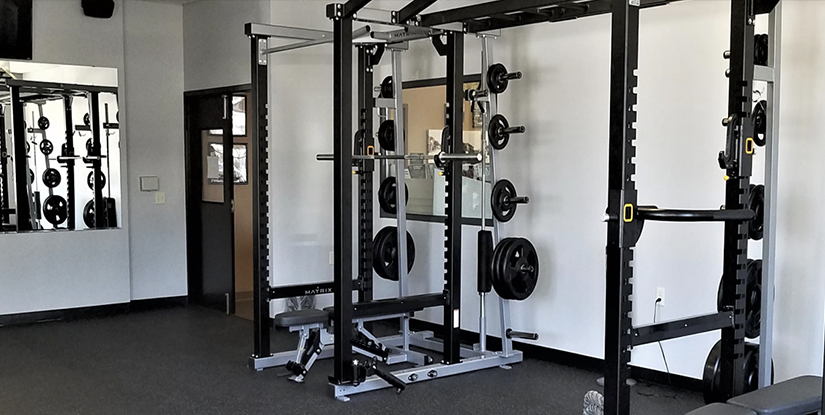
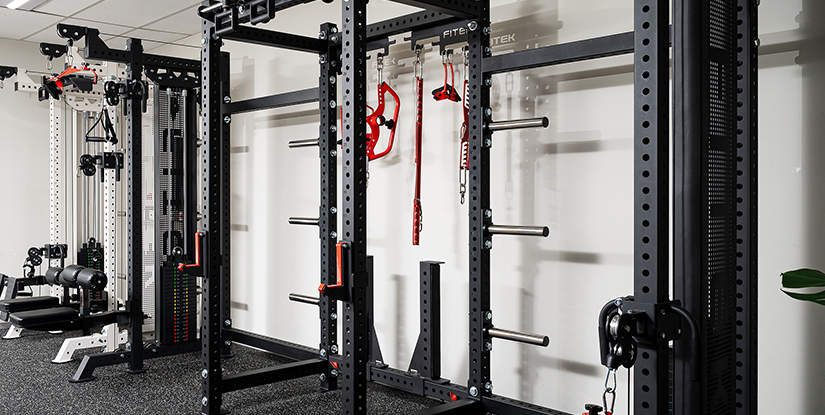
Many distributors fail by sourcing generic, oversized units that lack standardized dimensions, or by prioritizing low cost over structural integrity, leading to wasted floor area. A superior sourcing strategy focuses on securing the best power rack models that balance a compact footprint with high-density steel construction. By selecting commercial strength training racks with engineered depth and width specifications, you ensure your clients achieve maximum spatial efficiency without compromising user safety.
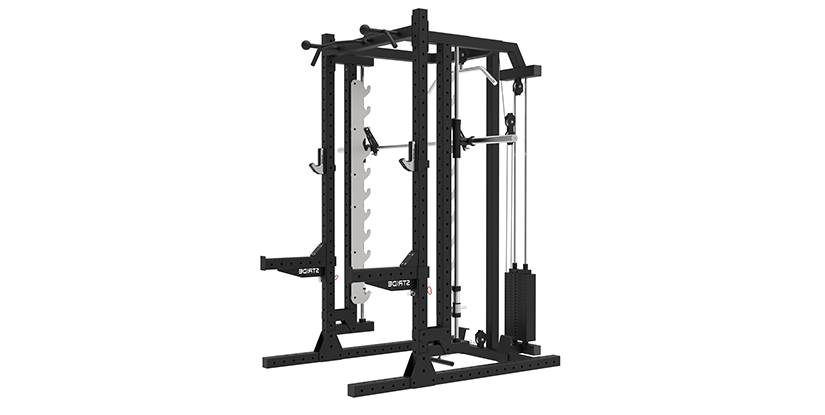
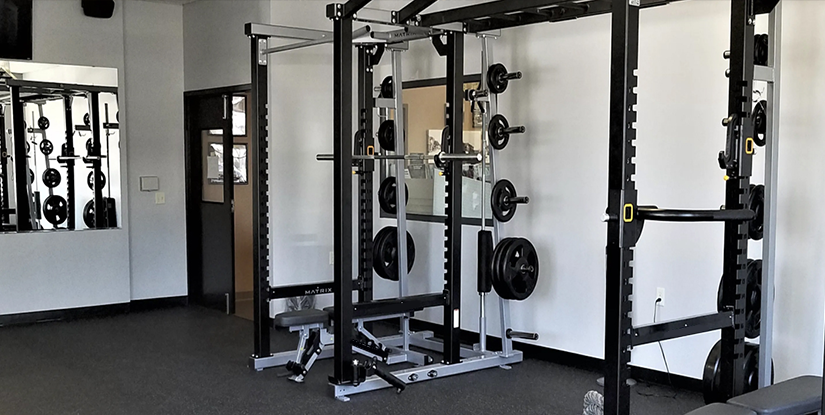
In a high-traffic facility layout, every square foot impacts the gym's revenue potential. Selecting heavy duty gym power racks with optimized dimensions allows for smoother movement and better footprint optimization around heavy lifting zones. For a wholesale fitness equipment supplier, providing racks that accommodate both rigorous training and efficient commercial strength training racks density is critical. This approach minimizes bottlenecks, improves traffic flow, and ensures that your clients can maximize their usable square footage while maintaining a professional, high-end aesthetic.
To provide high-level technical guidance to your clients, you must distinguish between different installation architectures. Distributors should offer a variety of space-saving configurations tailored to the specific structural constraints of a facility. Whether a client is outfitting a boutique studio with limited floor area or a massive training center, understanding the dimensions and installation requirements is vital for successful procurement and long-term client satisfaction.
The following footprint comparison highlights the technical differences between standard models, assisting you in selecting the best power rack options for diverse client needs:
| Rack Configuration | Typical Depth | Spatial Advantage | Ideal Use Case |
|---|---|---|---|
| Freestanding heavy duty gym power racks | 48" - 60" | Maximum stability; 360° access | Large-scale commercial centers |
| Wall-Mounted/Half Rack | 30" - 45" | Reduces floor intrusion | High-density training zones |
| Compact/Slim Profile | Under 40" | Maximum spatial efficiency | Boutique gyms & small studios |
As a wholesale fitness equipment supplier, prioritizing these specific dimensions ensures your clients receive equipment that fits their architectural reality, reducing the risk of returns due to improper sizing.
Beyond individual unit footprints, professional facility planning requires absolute consistency across entire orders. When engaging in bulk procurement, distributors must ensure that every unit adheres to strict standardized dimensions. Discrepancies in steel gauge or frame depth between different production batches can derail a large-scale installation, leading to costly onsite adjustments. A reliable wholesale fitness equipment supplier mitigates these risks by implementing rigorous quality control protocols that guarantee uniformity across all SKUs.
Furthermore, seamless logistics management is essential when scaling orders. Whether your MOQ requirements involve a single container or multiple shipments, standardized packaging and predictable dimensions facilitate efficient container loading and reduced shipping costs. By sourcing the best power rack models from a manufacturer that prioritizes technical precision, you protect your margins and ensure that your clients can execute flawless, large-scale gym builds without the headache of mismatched equipment or unexpected spatial conflicts.
Structural Integrity and Steel Specifications for Heavy Duty Gym Power Racks
For distributors sourcing high-volume orders, the difference between a premium product and a liability lies in the metallurgical standards. The best power rack models must withstand years of rigorous, high-frequency use in commercial environments without compromising safety. When vetting a wholesale fitness equipment supplier, your primary technical benchmark should be the steel gauge. While residential models often utilize 14-gauge steel, professional-grade commercial strength training racks must be constructed from 11-gauge or even 7-gauge high-tensile steel to ensure long-term structural stability.
High-quality heavy duty gym power racks require steel with superior tensile strength to prevent bowing under heavy barbell loads. As a procurement professional, you must demand strict quality control documentation regarding the steel's composition. Relying on subpar materials leads to high return rates and damaged brand reputation. By prioritizing heavy-duty specifications during your sourcing process, you ensure that your inventory meets the uncompromising durability standards required by top-tier fitness facilities worldwide.
To mitigate the risk of structural failure in high-traffic facilities, distributors must evaluate the specific metallurgical grades used by their factory partners. Relying on generic descriptions is insufficient; you must demand transparency regarding the steel's grade and wall thickness. The following comparison serves as a technical benchmark to help you identify the best power rack configurations for your specific market segments, ensuring your inventory meets international safety standards.
| Steel Gauge/Wall Thickness | Material Grade (ASTM) | Load Capacity Profile | Recommended Use Case |
|---|---|---|---|
| 11-Gauge (approx. 3mm) | ASTM A500 Grade B | High (800+ lbs) | Commercial strength training racks |
| 7-Gauge (approx. 4.5mm) | ASTM A572 High-Tensile | Extreme (1000+ lbs) | Elite/Professional Training Centers |
| 14-Gauge (approx. 2mm) | Standard Mild Steel | Moderate (<500 lbs) | Residential/Home Gym Use |
When negotiating with a wholesale fitness equipment supplier, confirm that all heavy duty gym power racks utilize ASTM-certified steel to prevent deformation during heavy lifting sessions. Prioritizing these high-spec materials reduces long-term liability and strengthens your position as a reliable distributor of premium equipment.
Rigorous Quality Control and Durability Testing Protocols
Beyond metallurgical specifications, the long-term viability of your inventory depends on the precision of the manufacturing process. A top-tier <strong class="wholesale-fitness-equipment-supplier must implement stringent QC inspection standards that go far beyond basic visual checks. For distributors, the primary concern is ensuring that every unit in a high-volume shipment maintains consistent weld integrity. Weak or inconsistent welds are a critical failure point in commercial strength training racks, making regular stress testing and ultrasonic weld inspections essential for maintaining high safety ratings.
Furthermore, the longevity of the aesthetic and protective layers is a key metric for bulk order reliability. You should verify that the powder coating durability meets international standards for abrasion resistance and chemical stability. A high-quality best power rack must resist chipping and oxidation even under the heavy friction of constant barbell movement. To ensure professional-grade performance, demand documented evidence of load-bearing testing and rigorous fatigue cycles. This level of technical scrutiny mitigates the risk of costly returns and ensures your heavy duty gym power racks can withstand the punishing environments of professional training facilities.
Evaluating Long-Term ROI Through Low-Maintenance Strength Training Racks
For distributors, the true cost of a product is measured by its lifecycle, not just the initial invoice. Sourcing the best power rack requires looking beyond the price point to evaluate the metallurgical integrity and finishing processes. Low-quality alternatives often suffer from structural fatigue or surface degradation, leading to costly replacement cycles and damaged brand reputations. By prioritizing heavy duty gym power racks engineered with high-gauge steel, procurement officers can significantly reduce long-term maintenance overhead.
High-quality commercial strength training racks utilize superior steel gauge specifications (typically 11-gauge or thicker) to ensure structural stability under heavy loads. Furthermore, advanced electrostatic powder coating provides essential corrosion resistance, protecting the equipment from oxidation in high-humidity gym environments. This level of durability ensures that your inventory remains in premium condition, reducing warranty claims and enhancing your value proposition as a reliable wholesale fitness equipment supplier.
| Procurement Factor | Standard Grade Racks | Premium Heavy Duty Racks |
|---|---|---|
| Steel Gauge | Thin/Variable | High-Gauge Consistent |
| Surface Finish | Basic Paint | Industrial Powder Coating |
| Maintenance Cost | High (Frequent Repairs) | Minimal (Long Lifecycle) |
| TCO Impact | Lower Initial/Higher Long-term | Higher Initial/Lower Long-term |
Understanding the maintenance frequency is vital for calculating the total cost of ownership. While standard models may offer lower upfront costs, they often suffer from rapid component wear, particularly in high-traffic facilities. Premium commercial strength training racks are engineered to withstand rigorous daily use, ensuring that hardware and structural integrity remain intact for years. For a professional wholesale fitness equipment supplier, providing products that minimize downtime is the most effective way to build trust with end-users. Choosing the best power rack based on these durability metrics ensures your clients receive long-lasting value rather than a recurring liability.
| Maintenance Metric | Standard Grade Racks | Premium Heavy Duty Racks |
|---|---|---|
| Maintenance Frequency | Quarterly inspections required | Annual/Bi-annual checks |
| Component Wear | High (Bolts, J-cups, Welds) | Minimal (High-Grade Steel) |
| Replacement Cycle | Short (2-3 years) | Long-term (8-10+ years) |
| Distributor Risk | High warranty claims | Low liability/High reliability |
Mitigating Risk via Rigorous Factory QC and Structural Integrity
To safeguard your margins, procurement must focus on the manufacturer’s internal oversight. A reputable wholesale fitness equipment supplier does not merely assemble parts; they implement strict QC protocols that govern every stage of production, from raw steel inspection to final weld testing. For distributors managing bulk orders, the absence of standardized testing often results in catastrophic failures, such as frame warping or joint fatigue, which trigger expensive returns and diminish long-term ROI.
Ensuring absolute structural stability requires a factory capable of high-precision CNC machining and consistent welding standards. When you source the best power rack, you are investing in a product that has undergone rigorous stress testing to meet international commercial standards. By prioritizing suppliers who demonstrate transparency in their QC protocols, you minimize the risk of structural instability in the field. This proactive approach to quality management ensures that your heavy duty gym power racks maintain their integrity over thousands of loading cycles, protecting both your reputation and your bottom line.
Sourcing Strategies for High-Volume Wholesale Fitness Equipment Suppliers
Maximizing Margins through Direct Factory Procurement
For distributors managing large-scale gym fit-outs, the primary challenge is balancing structural integrity with competitive retail pricing. When searching for the best power rack to add to your inventory, the middleman markup is often the biggest threat to your bottom line. By bypassing regional distributors and partnering directly with a wholesale fitness equipment supplier, you effectively eliminate unnecessary layers of manufacturing overhead and secondary markups.
Direct-from-factory sourcing allows your business to leverage significant economies of scale. When placing high-volume orders for heavy duty gym power racks, you benefit from direct factory pricing that is simply unavailable through third-party wholesalers. This strategic shift from retail-adjacent buying to direct manufacturing procurement ensures that your procurement budget goes further, allowing you to maintain healthy margins while providing high-tier commercial strength training racks to your end-users at market-leading prices.
Analyzing Cost Variables: Steel Grade and Manufacturing Standards
Understanding the technical variables that drive unit costs is essential for effective cost-per-unit optimization. The price differential between standard models and heavy duty gym power racks often stems from the steel gauge thickness and the caliber of raw materials used. For instance, while 11-gauge steel offers superior structural rigidity for commercial strength training racks, it requires higher manufacturing precision and more substantial shipping weight, which impacts your landed cost.
Beyond the steel itself, the durability of the finish significantly influences long-term replacement cycles and brand reputation. High-quality powder coating quality—specifically electrostatic processes that resist chipping under heavy use—adds to the initial production cost but reduces warranty claims. When negotiating with your wholesale fitness equipment supplier, do not merely seek the lowest price; instead, evaluate the total value proposition. A slightly higher upfront investment in premium steel specifications and superior finishes ensures your inventory meets the rigorous demands of professional gym environments, ultimately protecting your margins against high return rates.
Optimizing Landed Costs: Logistics, MOQ, and Compliance
To secure the best power rack for your inventory, you must look beyond the factory gate and analyze the total landed cost. For high-volume distributors, bulk shipping optimization is a non-negotiable variable. Relying on container load efficiency—ensuring every cubic meter of a 40HQ container is maximized—is critical to reducing the per-unit freight cost of heavy duty gym power racks. Failing to optimize volume leads to wasted shipping spend and diminished margins.
Furthermore, understanding MOQ requirements is essential for cash flow management. While lower minimums offer flexibility, higher-volume orders from a wholesale fitness equipment supplier typically unlock better tiered pricing and more favorable import duties classifications. Finally, do not overlook the necessity of quality control (QC) inspection costs. Budgeting for professional third-party inspections at the source prevents the catastrophic expense of receiving substandard commercial strength training racks, ensuring that your final landed cost remains predictable and your product quality remains uncompromising.
Streamlining Bulk Procurement via OEM and ODM Customization
For distributors looking to source the best power rack models, the real margin lies in the balance between specification and scale. Relying on off-the-shelf products often limits your ability to control unit costs. By pivoting to OEM or ODM services, you gain direct control over material specifications—such as steel gauge thickness and powder coating quality—ensuring your commercial strength training racks meet specific regional standards without unnecessary premium overhead.
Leveraging factory direct pricing through customized manufacturing allows you to optimize your budget by aligning features with market demand. While high-end heavy duty gym power racks require robust construction, you can strategically choose which components to upgrade. Working with a wholesale fitness equipment supplier that offers flexible MOQ tiers ensures that customization vs. cost becomes a competitive advantage rather than a logistical burden. This strategic approach maximizes your ROI by reducing per-unit expenses through optimized production runs and streamlined export logistics.
Analyzing Specification-Driven Cost Differentials
When sourcing the best power rack for high-traffic facilities, procurement specialists must weigh the initial capital expenditure against long-term durability. Standard wholesale models offer lower entry points, but customized heavy duty gym power racks often provide superior value through increased product lifespan. The primary cost drivers in these high-spec builds are the steel gauge thickness and the durability of the powder coating finish, both of which directly impact the unit's resistance to wear and oxidation.
To assist in your procurement decision, the following table illustrates the typical cost-benefit variance between standard and high-spec configurations when working with a professional wholesale fitness equipment supplier:
| Feature Specification | Standard Wholesale Model | Custom Heavy-Duty Spec |
|---|---|---|
| Steel Gauge | 11-gauge (Standard) | 7-gauge or 11-gauge (Reinforced) |
| Powder Coating | Basic Electrostatic | Industrial-Grade Anti-Scratch |
| Unit Cost | Lower (Optimized for Volume) | Moderate (Optimized for Durability) |
| Market Position | Budget/Home Gym | Premium Commercial/Tier-1 |
By selecting the appropriate tier, distributors can effectively manage their inventory risk while maintaining high quality-control standards across their entire product catalog.
Optimizing ROI through Quality Control and Logistics Efficiency
The true cost of the best power rack is not found in the initial invoice, but in the total cost of ownership. Low-cost, low-spec alternatives often trigger a cycle of frequent replacements and warranty claims, which erode distributor margins. By prioritizing a <strong class="wholesale fitness equipment supplier> with rigorous quality control (QC) protocols, you ensure that every unit meets strict structural tolerances. This focus on long-term durability minimizes the risk of structural fatigue, protecting your brand reputation and reducing the overhead associated with returns and faulty hardware.
Furthermore, optimizing bulk procurement efficiency requires more than just selecting the right steel; it requires a partner with reliable export logistics. Efficient container loading and streamlined shipping documentation reduce the likelihood of transit-related damage and unexpected port fees. When you integrate high-tier manufacturing standards with professional freight management, you mitigate the hidden costs of global sourcing. Investing in high-spec commercial strength training racks becomes a strategic move to stabilize your supply chain and maximize long-term profitability.
Logistics and Export Compliance for International Commercial Distributions
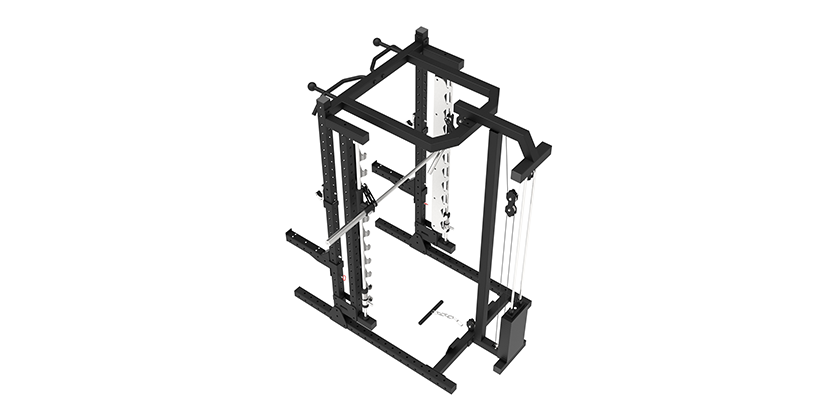
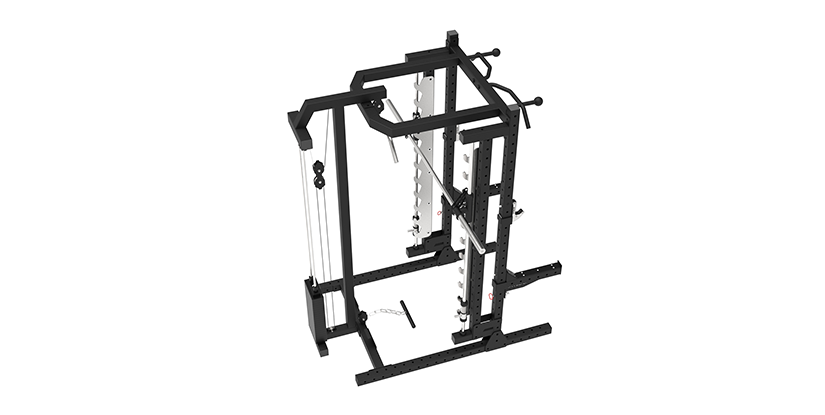
For distributors sourcing the best power rack models, the procurement challenge extends far beyond steel gauge; it resides in the efficiency of the final mile. Shipping heavy duty gym power racks internationally involves managing massive dimensions and high mass. Without advanced container load optimization, your landed cost per unit will skyrocket due to inefficient space utilization. We prioritize volumetric weight reduction through modular component design, ensuring that uprights, crossmembers, and pull-up bars nest tightly within the shipping footprint.
Furthermore, maintaining protective packaging standards is non-negotiable. High-density foam inserts and reinforced double-walled corrugated boxes prevent structural deformation during long-haul sea freight. This rigorous approach ensures that the commercial strength training racks arrive at your warehouse in pristine, showroom-ready condition, minimizing costly RMA rates and insurance claims.
| Packaging Strategy | Space Efficiency | Damage Risk | Landed Cost Impact |
|---|---|---|---|
| Standard Bulk Boxing | Low | Moderate | High per unit |
| Modular Nested Packing | High | Low | Optimized/Low |
| Reinforced Export Crates | Moderate | Minimal | Moderate |
Beyond the shipping container, the integrity of your inventory relies on rigorous pre-export storage management. A professional wholesale fitness equipment supplier must implement strict moisture-controlled warehousing to protect high-grade steel from oxidation during seasonal shifts. Our facility utilizes advanced rust prevention protocols, including specialized VCI (Volatile Corrosion Inhibitor) films and silica desiccant applications, to ensure that commercial strength training racks remain free from surface blemishes before they reach your showroom.
To prevent structural fatigue or finish degradation, we enforce strict stacking limitations within our distribution centers. This prevents the weight of upper tiers from compromising the integrity of lower-level units. Every batch undergoes a final, comprehensive quality control (QC) inspection to verify that no transit-related warping has occurred. By maintaining these high-tier warehousing standards, we guarantee that your bulk orders of the best power rack units arrive with the exact tolerances and finish quality promised at the point of purchase.
To streamline your procurement forecasting, we provide granular data regarding container utilization. As a leading wholesale fitness equipment supplier, we optimize our modular designs to maximize density without compromising the structural integrity of the heavy duty gym power racks. This technical breakdown assists distributors in calculating precise landed costs and managing inventory lead times effectively.
Table: Shipping Configuration by Rack Type
| Rack Model | Packaging Type | Units per 40HQ Container | Estimated Volume (CBM) |
|---|---|---|---|
| Standard Full Rack | Reinforced Double-Wall Box | 12–14 Units | ~65 CBM |
| Modular Half-Rack | Nested Modular Crating | 22–26 Units | ~72 CBM |
| Compact Training Station | Optimized Bulk Packing | 35–40 Units | ~78 CBM |
All international shipments are accompanied by full compliance documentation, including material certificates and export-grade inspection reports. This ensures that when you source the best power rack through our factory, you bypass customs delays and meet all local regulatory requirements for commercial strength training racks immediately upon arrival.
Quality Control Standards for Global Commercial Strength Training Racks
For distributors, the primary risk in sourcing is structural failure due to substandard materials. To identify the best power rack for high-traffic facilities, you must look beyond aesthetics and audit the fundamental metallurgy. A professional-grade heavy duty gym power racks specification must prioritize 11-gauge steel over the lighter 14-gauge alternatives often found in budget-tier manufacturing. While 14-gauge steel may suffice for home use, 11-gauge construction is the non-negotiable standard for commercial strength training racks intended for high-volume commercial environments.
Beyond steel thickness, true durability is defined by weld integrity and surface resilience. High-end manufacturing requires full-penetration welding to ensure the frame remains rigid under extreme torque. Furthermore, the wholesale fitness equipment supplier must guarantee a premium powder coating process that resists oxidation and scratches from constant barbell friction. Reliable procurement requires verifying that every unit has undergone rigorous load-bearing capacity testing to ensure it meets the structural demands of professional athletes. Investing in these high-specifications minimizes your return rates and protects your reputation as a premium distributor.
To streamline your procurement process, we have outlined the technical discrepancies between standard models and the high-performance specifications required for professional facilities. When vetting a wholesale fitness equipment supplier, use the following benchmarks to verify if their manufacturing capabilities align with the demands of high-traffic commercial gyms. Relying on inferior specifications often leads to increased maintenance costs and diminished client trust.
| Technical Dimension | Standard Commercial Grade | Premium Heavy Duty Grade |
|---|---|---|
| Steel Thickness | 14-Gauge (approx. 1.9mm) | 11-Gauge (approx. 3.0mm) |
| Tubing Diameter | 60mm (Standard) | 75mm (Oversized/Reinforced) |
| Weld Type | Spot/Partial Welding | Full-Penetration/Continuous Weld |
| Finish Quality | Basic Powder Coating | High-Durability Anti-Oxidation Coating |
Distributors sourcing the best power rack should prioritize the "Premium Heavy Duty Grade" to ensure long-term structural stability. Choosing commercial strength training racks that utilize 75mm tubing and 11-gauge steel significantly reduces the risk of frame deformation, providing the reliability your commercial clients demand.
Mitigating risk in international procurement requires more than just verifying steel gauge; it requires rigorous oversight of the entire logistics chain. To secure the best power rack shipments, distributors must mandate strict factory QC protocols that occur long before the product reaches the port. Relying on a wholesale fitness equipment supplier without a formal pre-shipment inspection (PSI) process exposes your inventory to the high costs of transit-related defects and structural misalignment. A professional pre-shipment inspection (PSI) ensures that every unit of your commercial strength training racks meets the exact dimensional tolerances and finish standards specified in your purchase order.
Furthermore, the complexity of shipping heavy duty gym power racks demands advanced container loading optimization. Because these units are heavy and high-volume, improper stacking can lead to catastrophic structural damage during long-haul transit. We implement specialized damage prevention during long-haul transit strategies, including reinforced edge protection and customized palletizing, to stabilize the load within the container. By prioritizing these strict oversight and container loading optimization standards, distributors can minimize the incidence of "dead on arrival" shipments and ensure their commercial clients receive flawless, high-performance equipment.