Best Half Rack for Home Gyms: Wholesale Sourcing Guide
Optimizing Footprint and Traffic Flow with Half Rack Deployments
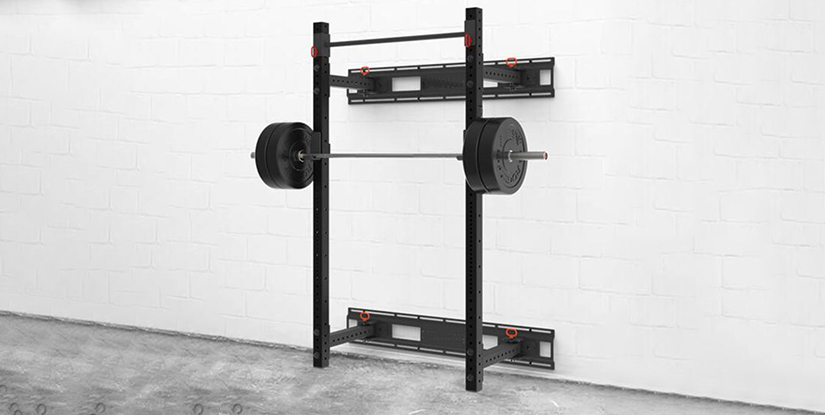
Boutique fitness studio owners and high-end residential developers often face the same constraint: limited square footage that must still accommodate high-intensity training. Unlike full power cages, the best half rack for home environments or compact commercial settings offers a streamlined profile that maximizes utility without overwhelming the room. For distributors sourcing home gym strength equipment, prioritizing models with a smaller footprint is essential for meeting the demands of modern, space-conscious clients.
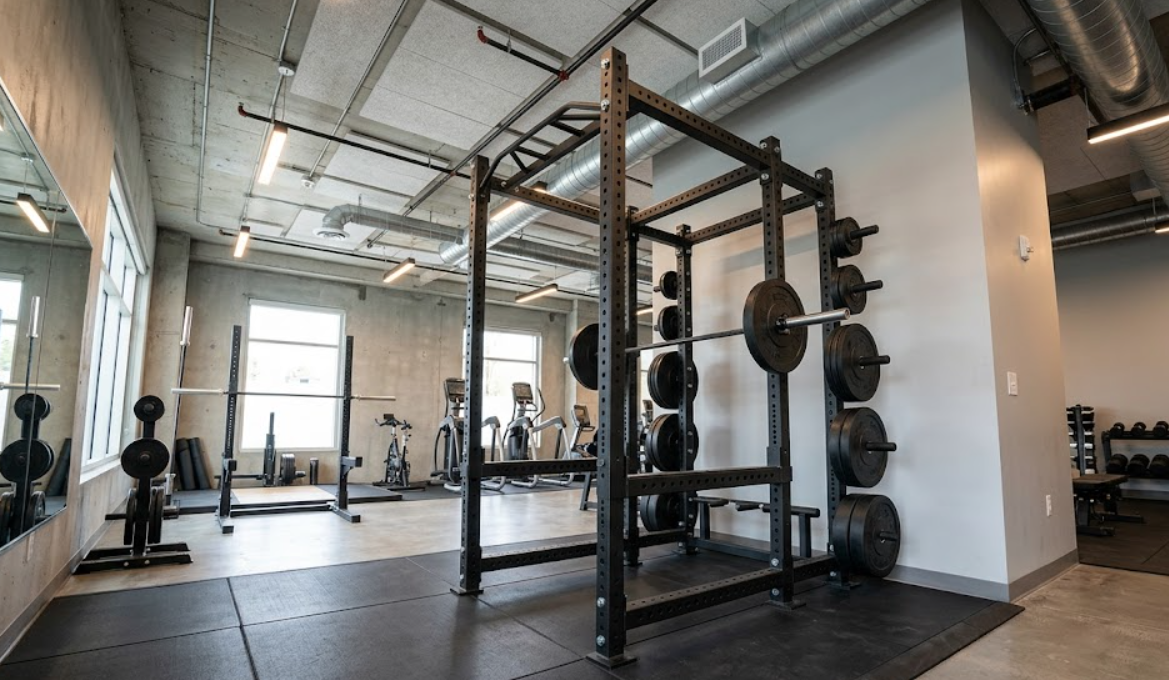
Selecting a commercial grade half rack is not just about durability; it is about footprint optimization. Our manufacturing specifications focus on spatial ergonomics, ensuring that the uprights and adjustable components do not obstruct user movement or surrounding equipment. By sourcing hardware designed for high-density layouts, importers can provide end-users with a professional-grade training experience that maintains an open, efficient, and safe flow within any constrained fitness facility hardware installation.
Technical Footprint Comparison for Installation Planning
When planning large-scale residential or boutique studio deployments, precise dimensions are critical to avoid logistical bottlenecks. As a distributor, you must account for both the physical floor space requirements of the unit and the necessary "safety buffer" required for barbell movement. A commercial grade half rack with a shallower depth may offer better traffic flow, but it must still accommodate the standard length of an Olympic barbell to ensure user safety.
To assist in your procurement and site-planning processes, we have categorized our most popular models based on their spatial impact. This comparison helps buyers determine which fitness facility hardware best aligns with their client's specific spatial constraints and home gym strength equipment configurations.
| Model Category | Base Depth (Typical) | Total Width | Ideal Use Case |
|---|---|---|---|
| Compact Pro Series | 40" - 45" | 48" | Small residential units |
| Standard Commercial | 48" - 55" | 52" | Boutique studios/Home gyms |
| Heavy-Duty Expansion | 60"+ | 56"+ | Full-scale training facilities |
We recommend factoring in an additional 3-5 feet of clearance around the perimeter to account for plate loading and lateral movement, ensuring the best half rack for home or studio installations remains compliant with safety standards.
Logistics and Global Shipping Efficiency
Beyond the physical footprint, professional buyers must prioritize logistics optimization to protect profit margins. When engaging in <strong class="wholesale sourcing> processes, the shipping volume of heavy-duty steel components can significantly impact landed costs. We address this by implementing high-density packaging efficiency standards, ensuring that every <strong class="best half rack for home> unit is modularly packed to reduce dead air within sea containers. This systematic approach minimizes freight expenses and mitigates the risk of transit damage for <strong class="home gym strength equipment.
For international distributors, managing MOQ considerations alongside shipping constraints is vital. Our factory-direct model allows for scalable orders that balance volume discounts with streamlined container loading. By optimizing the ratio of product to volume, we ensure that your <strong class="fitness facility hardware> shipments are both cost-effective and warehouse-ready upon arrival, allowing for faster turnover and reduced storage overhead in your local distribution centers.
Durability Standards for High-Volume Home Gym Strength Equipment
When sourcing the best half rack for home use, professional distributors must look beyond aesthetics to verify structural integrity. For B2B buyers, the distinction between consumer-grade and a true commercial grade half rack lies in the steel specifications. We prioritize high-volume manufacturing standards that utilize heavy-duty steel tubing to prevent structural fatigue under heavy loads.
The primary differentiator in quality control is the steel gauge thickness. While many low-cost suppliers utilize 14-gauge steel, premium home gym strength equipment should ideally feature 11-gauge steel for maximum rigidity and impact resistance. This ensures the frame remains stable during high-intensity training sessions. Furthermore, the longevity of the unit depends on advanced finishing techniques. We ensure all fitness facility hardware undergoes a rigorous electro-static powder coating process. This provides superior powder coating durability, protecting the steel against oxidation and scratches during transit and long-term installation, ensuring your inventory remains market-ready for global export.
To mitigate the risk of structural failure and product returns, procurement officers must vet technical specifications against rigorous benchmarks. A common oversight in low-tier manufacturing is the reliance on spot welding, which lacks the structural cohesion required for high-demand environments. For distributors seeking the best half rack for home gym installations, we mandate full-penetration welding to ensure seamless joint integrity. Use the following technical comparison to standardize your quality control protocols and verify that your suppliers meet global fitness facility hardware standards.
| Metric Category | Standard Consumer Grade | Premium Commercial Grade Half Rack |
|---|---|---|
| Steel Type & Gauge | 14-Gauge Mild Steel | 11-Gauge High-Tensile Steel |
| Welding Quality | Spot Welding | Full-Penetration MIG/TIG Welding |
| Weight Capacity (Static) | 300 - 500 lbs | 800 - 1,200+ lbs |
| Weight Capacity (Dynamic) | Low (High Impact Risk) | High (Optimized for Heavy Barbell Drops) |
Verifying these metrics during the factory audit phase ensures that your home gym strength equipment inventory can withstand the rigors of both high-intensity use and long-distance shipping logistics.
Beyond material thickness, wholesale sourcing reliability is defined by the rigor of a manufacturer's QC testing protocols. To ensure the best half rack for home markets, every batch must undergo systematic stress testing. This includes load-bearing simulations and impact tests to validate long-term wear resistance under repetitive high-intensity use. For distributors, a failure in these tests translates to expensive returns and damaged brand reputation.
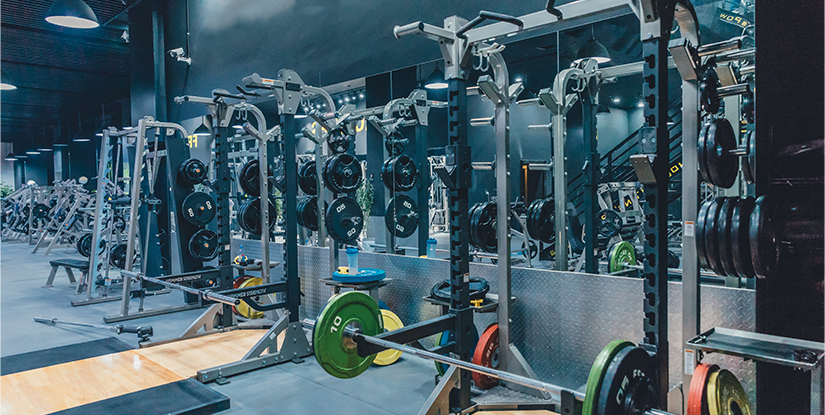
Logistical integrity is equally critical. Even the highest quality home gym strength equipment can suffer if shipment stability is neglected during sea freight. We implement strict packaging standards, utilizing reinforced edge protectors and heavy-duty corrugated boxing to prevent structural deformation. This ensures that your fitness facility hardware arrives at the destination in factory-perfect condition, minimizing transit-related damage. By prioritizing these advanced QC testing protocols and robust shipping configurations, B2B buyers can guarantee that their bulk orders meet the uncompromising durability demands of the North American market.
Evaluating Structural Integrity and Maintenance Requirements
For distributors and high-volume buyers, the long-term value of a commercial grade half rack is determined by its ability to withstand rigorous use without structural fatigue. Selecting a model with inferior steel gauge thickness leads to high return rates and damaged brand reputation. To ensure maximum structural integrity, procurement officers must prioritize heavy-duty steel construction that maintains its shape under heavy weight loads.
Beyond the frame, powder coating durability is a critical factor in preventing oxidation and surface wear during shipping and long-term installation. A high-quality finish protects the metal from moisture and friction, ensuring the high-load capacity remains consistent over time. When sourcing home gym strength equipment, evaluating these technical specifications prevents the logistical headaches associated with premature equipment failure.
| Material Specification | Standard Grade | Premium Commercial Grade |
|---|---|---|
| Steel Gauge Thickness | 11-14 Gauge | 7-11 Gauge Heavy-Duty |
| Finish Type | Basic Spray | Electrostatic Powder Coating |
| Load Stability | Moderate | High-Load Capacity |
| Maintenance Cycle | Frequent Inspection | Minimal/Long-Term |
Investing in high-spec fitness facility hardware ensures that your inventory remains a reliable asset for end-users, reducing the overhead costs associated with warranty claims and replacements.
Technical Analysis of Surface Finishes and Longevity
When sourcing the best half rack for home environments, procurement specialists must distinguish between standard paint and advanced maintenance-free coatings. In high-humidity export markets, inferior finishes often succumb to oxidation, leading to high replacement costs. To ensure superior rust prevention, we recommend specifying electrostatic powder coating, which provides high wear resistance against barbell friction and chemical cleaners.
The maintenance requirements for different finishes directly impact the total cost of ownership for your clients. While basic finishes require frequent touch-ups to prevent corrosion, premium fitness facility hardware utilizes multi-layer coating technologies. This technical distinction is vital for distributors; high-quality coatings reduce the need for post-sale technical support and ensure the home gym strength equipment maintains its aesthetic and structural integrity throughout its lifecycle. Prioritizing these high-spec finishes during your factory audit minimizes the risk of surface degradation and protects your brand's reputation for quality.
Optimizing Total Cost of Ownership Through Rigorous QC
For international distributors, the true cost of a product is not the initial FOB price, but the cumulative expense of warranty claims and technical support. Identifying the best half rack for home use requires a strict evaluation of the manufacturer's QC standards. Low-tier suppliers often overlook the precision of weld points and bolt-hole alignment, which leads to increased replacement frequency and high return rates. When your clients experience mechanical instability, it directly erodes your market position.
To protect your margins, source home gym strength equipment that undergoes rigorous stress testing and weight-load validation. High-specification fitness facility hardware minimizes the need for onsite adjustments and parts replacement, ensuring long-term durability even in high-usage settings. By prioritizing factory-verified structural stability and high-grade hardware, you reduce the logistical burden of shipping replacement components and secure a reputation for reliability in the competitive North American and global markets.
Sourcing Commercial Grade Half Racks for Scalable Distribution
Optimizing your procurement budget requires a strategic shift from retail-oriented purchasing to direct manufacturing partnerships. When searching for the best half rack for home gym setups, distributors often face inflated landed costs by utilizing middle-tier wholesalers. By bypassing these intermediaries and securing a commercial grade half rack through direct factory-to-distributor channels, you can significantly protect your wholesale margins.
The primary driver of profitability in fitness hardware distribution is the ability to leverage economies of scale. Engaging directly with a manufacturer allows you to negotiate factory-direct pricing that is simply unavailable through standard domestic supply chains. While high-volume orders may require a specific MOQ (Minimum Order Quantity), the reduction in per-unit cost ensures your business remains competitive in the high-growth home strength equipment market. Establishing these direct lines ensures that your inventory remains both high-durability and high-margin, providing the necessary fiscal headroom for rapid market expansion.
Analyzing Sourcing Models: Direct Factory vs. Trading Companies
Choosing the right procurement model is critical to managing your total landed cost. Sourcing through a trading company may offer lower initial MOQ requirements, but it often introduces hidden expenses such as increased quality control (QC) overhead and multiple markup layers. While trading firms can simplify shipping logistics, they rarely provide the deep volume discounts necessary for scaling a fitness facility hardware brand.
Conversely, a direct-from-factory procurement strategy optimizes your capital by eliminating redundant commissions. Although managing shipping logistics and direct quality control (QC) overhead requires more rigorous oversight, the ability to negotiate directly with the production line ensures you are sourcing the best half rack for home use at the lowest possible base price. For distributors, the long-term advantage of direct manufacturing outweighs the convenience of a middleman, providing the structural stability needed to dominate the home gym strength equipment sector.
The ROI of Durability: Premium vs. Budget Sourcing
Distributors must look beyond the initial purchase order to understand the true durability-to-price ratio. While low-cost, unbranded alternatives may offer an attractive entry point, they frequently result in high replacement costs and excessive warranty claims. Sourcing low-quality <strong class="home gym strength equipment> often leads to brand erosion and increased customer support overhead, which ultimately erodes your net profit margins.
Investing in a commercial grade half rack ensures long-term reliability, providing a significant competitive advantage in the B2B and high-end consumer markets. By prioritizing high-spec fitness facility hardware, you reduce the frequency of returns and logistical headaches associated with faulty components. A strategic focus on premium vs. budget sourcing reveals that high-durability units offer a superior lifecycle value. For professional importers, selecting equipment built to rigorous industrial standards is the most effective way to secure recurring revenue and maintain a reputation for quality in a saturated market.
Logistics and Export Readiness for Global Fitness Hardware
When sourcing the best half rack for home use at scale, procurement professionals must look beyond product dimensions to the complexities of international freight. A commercial grade half rack is a high-density item, often constructed from heavy-gauge steel that demands rigorous heavy-duty steel packaging to prevent structural deformation during long-haul transit. For distributors, unoptimized shipping can lead to catastrophic margin erosion through unexpected surcharges.
Reliable manufacturers prioritize volumetric weight optimization to ensure that shipping containers are utilized efficiently without compromising structural integrity. We implement strict palletization standards that secure every component—from uprights to barbell holders—within reinforced crates. This meticulous approach minimizes the risk of transit damage and ensures that your home gym strength equipment arrives at the final destination in factory-perfect condition. By focusing on these logistical benchmarks, we provide the stability required for seamless fitness facility hardware distribution across global markets.
Rigorous Quality Control and Export Compliance
To mitigate the risks of international procurement, our factory implements a multi-stage validation process before any unit leaves the warehouse. We understand that high-end home gym strength equipment must withstand diverse environmental conditions during transit and storage. Consequently, every batch undergoes rigorous rust-resistance testing to ensure the powder coating remains intact under varying humidity levels. This prevents the premature oxidation often seen in substandard fitness facility hardware.
Before departure, our quality assurance team conducts a comprehensive pre-shipment inspection, verifying that every component meets the exact engineering tolerances required for a commercial grade half rack. We provide full export-grade documentation—including detailed packing lists and certificates of origin—to streamline customs clearance and prevent costly port delays. Furthermore, we maintain strict MOQ compliance protocols to ensure that even large-scale wholesale orders are processed with consistent precision. For distributors seeking the best half rack for home installations, our commitment to documentation and quality standards guarantees a reliable, damage-free supply chain.
Optimized Shipping Configurations and Freight Estimation
To facilitate accurate landed cost calculations for your distribution network, we provide transparent volumetric and weight data. Selecting the best half rack for home procurement strategy requires understanding how different models impact your container utilization and total freight expenditure. Below is a technical breakdown of our standard shipping configurations for high-demand fitness facility hardware models.
| Model Category | Weight per Unit (kg) | CBM (Cubic Meters) | Container Capacity (40HQ) | Preferred Shipping Method |
|---|---|---|---|---|
| Standard Pro Series | 85 kg | 0.85 CBM | ~55 Units | Sea Freight |
| Commercial Grade Half Rack | 120 kg | 1.20 CBM | ~38 Units | Sea Freight |
| Compact Home Edition | 55 kg | 0.50 CBM | ~110 Units | Air/Sea Hybrid |
Our logistics team specializes in maximizing payload density for home gym strength equipment. Whether you are utilizing LCL (Less than Container Load) for smaller batches or FCL (Full Container Load) for large-scale retail replenishment, our optimized packaging ensures your fitness facility hardware orders remain cost-effective and transit-ready.
Maximizing ROI through OEM Customization and Bulk Procurement
For distributors looking to dominate the premium residential market, sourcing a generic best half rack for home is a missed opportunity for margin expansion. To move beyond commodity trading, savvy importers must leverage factory-direct customization. By investing in proprietary dimensions and custom color schemes, you transition from selling a standard product to offering a specialized fitness solution that justifies a premium price point.
Implementing branding opportunities—such as laser-etched logos on uprights or custom-branded weight horns—creates long-term brand equity. This level of value-added resale ensures that your commercial grade half rack offerings stand out in a crowded marketplace. When you control the aesthetic and structural specifications, you insulate your business from price wars driven by low-quality clones.
| Procurement Model | Customization Level | Inventory Strategy | Margin Potential |
|---|---|---|---|
| Standard Wholesale | Minimal/None | Ready-to-ship SKU | Low/Competitive |
| OEM Customization | High/Branded | Planned Production | High/Premium |
| White Labeling | Moderate | Seasonal Stocking | Mid-Tier |
Strategic home gym strength equipment procurement relies on balancing MOQ requirements with the desire for unique fitness facility hardware. Choosing a partner capable of high-spec commercial grade half rack manufacturing allows you to scale your catalog with high-margin, branded assets.
To achieve true scalability, distributors must prioritize supply chain reliability over the lowest possible unit cost. High-volume procurement of home gym strength equipment requires a partner that offers transparent MOQ (Minimum Order Quantity) structures, allowing for predictable inventory cycles without excessive capital tie-up. By optimizing bulk procurement savings through direct factory orders, you can significantly lower your landed cost per unit while maintaining the high standards required for fitness facility hardware.
Rigorous Quality Control and Global Logistics
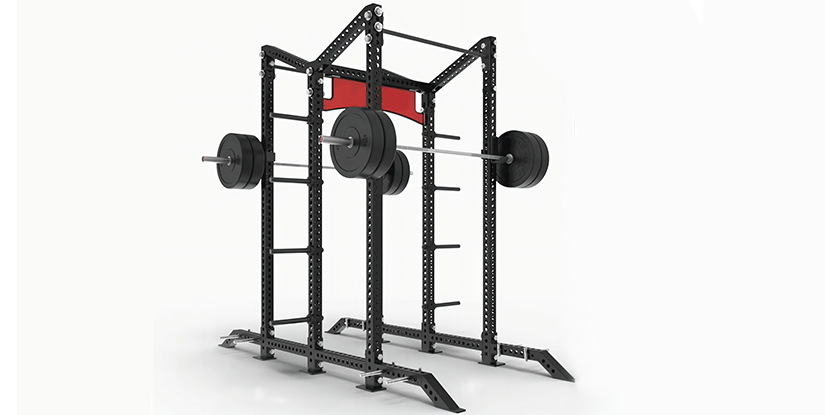
Reliability in the North American market is won or lost during the inspection phase. We implement strict QC inspection protocols that evaluate structural integrity, weld strength, and powder coating consistency before any unit leaves the floor. This ensures that every commercial grade half rack meets international safety benchmarks. Furthermore, to minimize transit damage and reduce overhead, all units utilize export-ready packaging designed for high-density container loading. Streamlined shipping logistics and robust crating techniques ensure that your high-value shipments arrive at your warehouse in pristine condition, ready for immediate distribution to your end-users.
To effectively calculate your long-term yield, you must evaluate the trade-offs between speed-to-market and brand exclusivity. While standard purchasing offers rapid fulfillment, the highest ROI is found in models that allow for differentiation in the home gym strength equipment sector. The following data outlines how different sourcing strategies impact your operational overhead and market positioning.
| Sourcing Model | Cost per Unit | Customization Level | Lead Time | Brand Control | Target Market Segment |
|---|---|---|---|---|---|
| Standard Wholesale | Lowest | Minimal | Short (Stocked) | Low | Budget Consumers |
| OEM Customization | Moderate/High | Maximum | Long (Production-based) | High | Premium/Boutique Gyms |
| White Labeling | Medium | Moderate | Medium | Moderate | Mid-Tier Retailers |
For distributors aiming to provide the best half rack for home use, selecting an OEM path allows you to command higher margins by offering specialized fitness facility hardware that competitors cannot easily replicate. Balancing these variables ensures your commercial grade half rack inventory remains a high-value asset rather than a generic commodity.
Risk Mitigation through Material Integrity
Long-term profitability in the best half rack for home market is directly tied to product longevity and the reduction of post-sale liabilities. For B2B buyers, the lowest upfront cost often results in the highest total cost of ownership due to premature failure. To mitigate these risks, procurement must focus on high-durability steel construction and rigorous load-bearing testing protocols. By sourcing equipment built to professional-grade specifications, distributors can guarantee a superior long-term product lifecycle, which is essential for maintaining a high-end brand reputation.
True ROI is achieved by minimizing the overhead associated with defective shipments. We prioritize manufacturing processes that adhere to strict ISO certification standards, ensuring that every commercial grade half rack undergoes comprehensive quality validation. This commitment to excellence serves two critical functions: it drastically reduces return rates and provides a foundation for robust warranty support. When your home gym strength equipment inventory is backed by verifiable structural integrity, you protect your margins from the volatility of customer complaints and expensive replacement logistics.
Lifecycle maintenance planning for busy facilities
Investing in the best half rack for home environments requires more than just an initial purchase; it demands a strategic approach to long-term asset preservation. For distributors, the primary concern is ensuring that a commercial grade half rack maintains its structural integrity under repetitive loading cycles. Even in residential settings, high-frequency use can lead to mechanical fatigue if rigorous protocols are not established from the outset.
To protect your investment and ensure client satisfaction, implement a strict bolt tightening schedule. Regular inspections of the frame assembly prevent lateral instability and ensure the unit remains safe for heavy lifting. Furthermore, maintaining powder coating durability is essential for rust prevention. In humid or coastal regions, any scratch in the finish can lead to oxidation, compromising the fitness facility hardware. We recommend that wholesalers advise end-users to inspect surfaces quarterly. By prioritizing these high-standard maintenance protocols, you ensure that your home gym strength equipment inventory retains its value and meets the rigorous durability expectations of the North American market.
Technical Maintenance & Quality Control Protocols
To ensure long-term reliability, distributors must implement a comprehensive maintenance checklist tailored to high-performance fitness facility hardware. A critical component of routine upkeep is the lubrication of guide rods and sliding mechanisms. Without consistent application of high-grade silicone lubricant, friction increases, which can prematurely degrade the smoothness of the movement and stress the structural components. This is vital for maintaining the premium feel expected of a commercial grade half rack.
Beyond mechanical movement, we advise rigorous weight bearing capacity verification. Periodically testing the load-bearing stability of the J-cups and safety pins ensures the equipment remains compliant with safety standards under peak stress. Your QC inspection points should also include wear and tear monitoring on all high-stress contact points, such as barbell knurling interfaces and bolt housing. By incorporating these technical oversight steps into your distribution model, you mitigate liability and ensure that every unit of home gym strength equipment you supply meets the highest durability benchmarks for the North American consumer.
To streamline the post-sale support process, we recommend providing end-users with a standardized Maintenance Frequency Guide. Providing this level of technical documentation adds significant value to your wholesale offering, positioning your brand as a premium provider of home gym strength equipment. A structured approach reduces warranty claims and ensures the longevity of the commercial grade half rack in diverse environmental conditions.
| Component | Frequency | Action Required |
|---|---|---|
| Bolts & Frame Fasteners | Monthly | Check torque levels and tighten any loose hardware to ensure stability. |
| J-Cups & Safety Pins | Quarterly | Inspect for deformation, surface wear, and alignment accuracy. |
| Barbell Sleeves | Annually | Clean internal bearings and apply high-grade lubricant to prevent friction. |
By integrating these technical oversight protocols into your distribution model, you ensure that the best half rack for home installations remain safe and functional. This proactive maintenance strategy is essential for maintaining high standards of fitness facility hardware reliability across all export markets.