Comparing Home Gym Weight Racks for Multi Site Rollouts
Vetting Overseas Manufacturers for High-Volume Equipment Orders
A home gym weight rack designed for multi-site deployment must meet rigorous structural standards to ensure safety and longevity. B2B buyers prioritize high-grade steel and precision engineering to minimize replacement cycles and maintain brand reputation across distributed fitness networks or hospitality environments.
Prioritizing Structural Integrity and Material Consistency
When sourcing at scale, the primary risk involves non-standardized manufacturing that compromises facility standardization. High-quality commercial grade squat racks rely on specific structural steel gauge thickness to prevent bowing under heavy loads. Procurement managers must verify that every unit in a large shipment maintains identical dimensions and welding consistency. Discrepancies in weld strength or steel density across different production batches can lead to premature structural failure, creating significant liability and increasing the total cost of ownership for multi-site operators.
Standardization across distributed networks requires more than just visual consistency; it demands a technical baseline for every component. Relying on consumer-grade specifications for a commercial environment often leads to higher long-term maintenance costs and unpredictable replacement cycles. To ensure a reliable rollout, procurement specialists should evaluate the following technical benchmarks when reviewing factory specifications.
| Specification Metric | Consumer-Grade Standard | Commercial-Grade Standard |
|---|---|---|
| Steel Gauge (Thickness) | 11–14 Gauge | 7–10 Gauge (Heavy-Duty) |
| Powder Coating Quality | Standard Electrostatic | High-Durability UV-Resistant |
| Load-Bearing Stability | Static/Light Dynamic | High-Impact Dynamic Loading |
| Maintenance Cycle | Frequent/Annual Inspection | Extended/Low-Intervention |
A professional home gym weight rack intended for high-traffic facilities must feature a robust powder coating finish to resist oxidation and surface abrasion. When managing high-volume orders, verify that the manufacturer employs automated coating processes to ensure uniform thickness. This level of detail prevents the peeling or chipping often seen in lower-tier production, protecting the underlying steel from environmental wear and reducing the frequency of facility maintenance interventions.
Implementing Rigorous Quality Control and Logistics Protocols
Effective strength training equipment procurement extends beyond selecting a vendor; it requires establishing strict oversight of the production lifecycle. To maintain batch consistency across large-scale rollouts, buyers should mandate independent load testing protocols. Verifying that every production run meets a specific weight-bearing threshold prevents the shipment of structurally compromised units that could jeopardize gym facility standardization. A robust QC checklist should include random sampling of welds, upright alignment, and hole precision to ensure that the 100th unit is identical to the first.
Logistical planning is equally critical for maintaining long-term ROI. High-volume orders often face significant transit stresses that can lead to micro-fractures or surface damage. When negotiating MOQ levels, confirm that the manufacturer utilizes reinforced packaging and palletization designed specifically for international freight. Implementing logistics-related damage prevention—such as edge protectors and moisture-resistant wraps—is essential to ensure that the equipment arrives at your distributed sites in showroom condition, eliminating the hidden costs of transit-related replacements and installation delays.
Standardizing Structural Integrity Across Distributed Networks
When managing multi-site rollouts, procurement managers must prioritize structural uniformity to ensure a consistent user experience across all locations. A lack of standardization in your home gym weight rack selection can lead to fragmented maintenance schedules and varying replacement cycles, complicating the logistics for distributed networks.
Prioritizing High-Gauge Steel for Longevity
The core differentiator between consumer-grade products and commercial grade squat racks lies in the metallurgical specifications. To maintain high structural integrity under heavy use, sourcing agents should mandate a specific steel gauge—typically 11-gauge or 7-gauge steel for heavy-duty applications. This thickness directly dictates the load-bearing capacity and the long-term stability of the frame. Relying on lower-gauge alternatives may reduce initial shipping costs, but the increased risk of frame deformation significantly raises the total cost of ownership (TCO) for facility operators. For large-scale deployments, verifying these material standards during the factory audit phase is essential to prevent localized equipment failure across your network.
Selecting the correct specification is not merely a matter of preference; it is a strategic decision regarding the lifespan of your assets. For distributors and facility managers, understanding the distinction between lightweight setups and heavy-duty systems is critical to avoiding premature replacement cycles. A mismatch between user demand and equipment durability can result in high maintenance overhead and diminished brand reliability.
Material Specification Comparison
The following table outlines the typical technical differences between standard and heavy-duty configurations to assist in your procurement planning. When evaluating a home gym weight rack for a commercial-facing environment, use these benchmarks to vet supplier capability and quality control standards.
| Specification Feature | Standard / Boutique Grade | Heavy-Duty Commercial Grade |
|---|---|---|
| Steel Thickness (mm) | 2.0mm – 2.5mm | 3.0mm – 3.8mm+ |
| Powder Coating Quality | Standard Electrostatic | High-Durability UV-Resistant |
| Typical Use Case | Residential / Small Studio | Full-Scale Gym / High-Traffic Facility |
| Weight Capacity Range | 150kg – 250kg | 350kg – 500kg+ |
For strength training equipment procurement, we recommend prioritizing the higher gauge steel for any location expecting high-volume turnover. While the initial unit cost and shipping weight are higher for heavy-duty models, the reduction in replacement frequency offers a much more favorable ROI for large-scale deployments.
Optimizing Logistics and Assembly Consistency
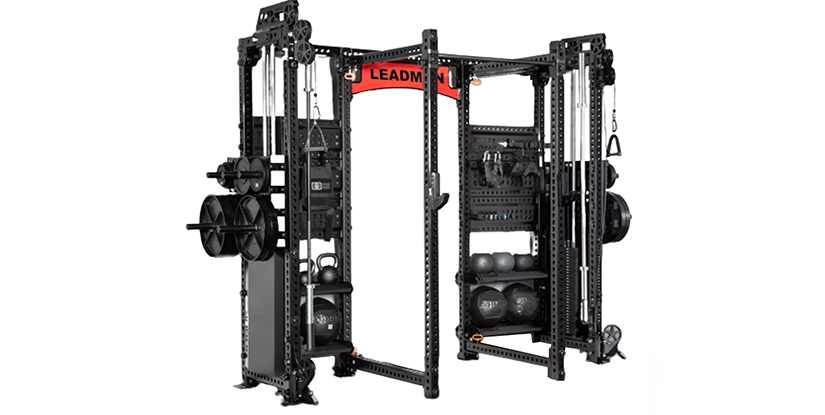
Standardization extends beyond the steel itself; it encompasses the entire lifecycle of the product, from the factory floor to the final installation site. For multi-site rollouts, assembly consistency is a critical variable. Sourcing a home gym weight rack with modular, standardized bolt patterns and intuitive hardware sets ensures that field technicians can maintain a predictable maintenance cycle without needing specialized training for every unique SKU. This uniformity reduces the risk of installation errors that can compromise structural safety.
Furthermore, robust quality control (QC) protocols at the manufacturing stage are vital for managing logistics and procurement efficiency. When a single high-quality manufacturer handles a large-volume order, the consistency in part dimensions and finish quality prevents the "mixed-batch" issues often seen when sourcing from multiple disparate vendors. For a distributor or facility manager, this level of control simplifies inventory management and ensures that every location in the network receives a product that meets the same rigorous durability standards, ultimately lowering the long-term TCO through predictable service intervals and reduced downtime.
Structural Integrity and Steel Gauge Standards
Establishing a baseline for structural integrity is critical when managing distributed fitness networks. For procurement managers, the primary differentiator in a home gym weight rack is the steel gauge, which directly dictates the long-term weight capacity and the ability to withstand high-frequency use across multiple locations.
Standardization prevents the logistical headache of maintaining different replacement parts or dealing with varying failure points. While thinner steel may lower initial shipping costs, it often fails to meet the rigorous demands of commercial grade squat racks, leading to increased maintenance cycles and diminished ROI for multi-site operators.
| Steel Specification | Typical Application | Durability Profile | Procurement Suitability |
|---|---|---|---|
| 11-Gauge Steel | High-traffic commercial gyms | Maximum rigidity; high load capacity | Ideal for flagship locations |
| 14-Gauge Steel | Premium home/boutique studios | Moderate durability; lighter weight | Best for distributed networks |
| 16-Gauge Steel | Light residential use | Lower structural stability | Not recommended for multi-site rollouts |
When evaluating strength training equipment procurement, we recommend prioritizing 11-gauge or 14-gauge steel to ensure gym facility standardization. This consistency ensures that every site, regardless of geographic location, maintains the same safety standards and equipment lifespan.
Load Capacity and Functional Benchmarking
Beyond steel thickness, the actual weight-bearing capacity determines the versatility of your equipment fleet. A mismatch between the rack's rated capacity and the actual training intensity of your members can lead to premature wear or structural deformation. For distributors and facility managers, understanding these load thresholds is essential for accurate inventory planning and ensuring long-term reliability.
| Material Specification | Typical Load Capacity | Ideal Use Case |
|---|---|---|
| Heavy-Duty 11-Gauge | 1,000+ lbs (450+ kg) | Full-Scale Commercial Gyms |
| Standard 14-Gauge | 600–800 lbs (270–360 kg) | Boutique Studios / High-End Home Networks |
| Lightweight 16-Gauge | Under 500 lbs (225 kg) | Residential / Low-Frequency Retail Displays |
When scaling a network, selecting a single high-spec configuration—such as the 11-gauge model—may increase initial freight and MOQ requirements, but it significantly lowers the total cost of ownership. By standardizing on a higher load capacity, you mitigate the risk of site-specific equipment failures and simplify your spare parts logistics across all managed locations.
Long-Term ROI and Maintenance Implications
The decision to invest in higher-spec materials is not merely a matter of upfront cost, but a strategic calculation of the total cost of ownership (TCO). For operators managing distributed networks, the long-term expenses associated with equipment replacement and onsite repairs often far exceed the initial price delta between consumer-grade and commercial-grade units.
Choosing a high-spec home gym weight rack for a multi-site rollout provides two distinct advantages: it extends the maintenance cycles and ensures procurement consistency. Higher-grade steel and robust powder coatings resist the mechanical wear and environmental degradation that typically plague lower-tier equipment in high-traffic settings. By standardizing on premium specifications, procurement managers can avoid the logistical complexity of managing a fragmented inventory of varying parts and replacement components.
In the context of strength training equipment procurement, opting for durability over the lowest possible unit price minimizes the frequency of unscheduled downtime. This reliability is essential for maintaining brand reputation across all locations and ensures that the initial capital expenditure delivers a sustainable return through a longer, more predictable asset lifecycle.
Optimizing Procurement Through Component Compatibility and Modular Design
For distributors managing multi-site rollouts, the long-term Total Cost of Ownership (TCO) is dictated by how easily a home gym weight rack can be serviced. Relying on proprietary, non-standardized parts creates a logistical bottleneck during routine maintenance cycles, often forcing facilities to replace entire units rather than single components.
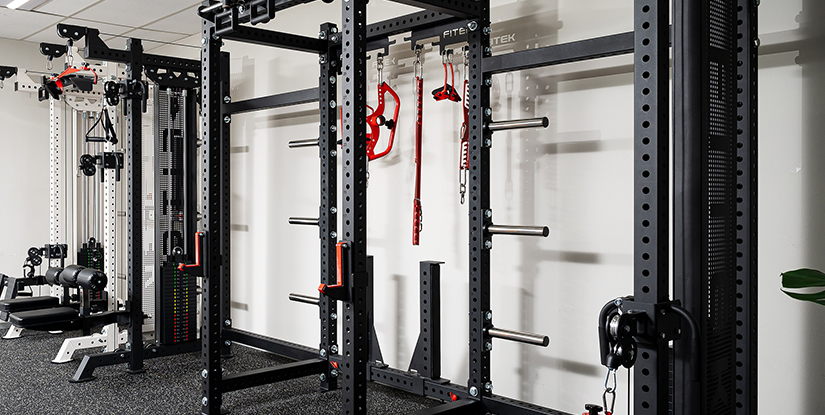
Prioritizing a modular design ensures that commercial grade squat racks utilize standardized hardware and compatible accessories. When a single J-cup or weight storage peg fails, procurement teams should be able to source a single replacement part rather than navigating complex SKU-specific orders. This level of standardization reduces downtime and simplifies inventory management for large-scale fitness networks.
| Design Approach | Maintenance Impact | Procurement Complexity |
|---|---|---|
| Proprietary/Custom Components | High; requires manufacturer-specific parts | Difficult; high risk of SKU obsolescence |
| Modular/Standardized Design | Low; easy to swap individual elements | Streamlined; simplified global sourcing |
Effective facility management requires a technical understanding of how different structural configurations respond to daily operational stress. While fixed-structure units offer high rigidity, modular systems demand a more proactive maintenance schedule to ensure long-term durability across distributed networks.
| Maintenance Metric | Fixed-Structure Racks | Modular/Adjustable Systems |
|---|---|---|
| Wear and Tear | Minimal; static load points | Moderate; moving parts/pins |
| Bolt Tightening | Occasional; structural check | Frequent; vibration-induced loosening |
| Accessory Compatibility | Limited; fixed dimensions | High; versatile attachment points |
| Long-term Durability | High stability; low upkeep | High versatility; higher upkeep |
When planning strength training equipment procurement, managers must weigh the convenience of adjustable components against the increased labor requirements of routine inspections. Modular systems often require periodic torque checks on bolts and pins to mitigate the effects of repetitive loading. For high-traffic commercial environments, selecting a rack with standardized, high-tolerance connection points is essential to prevent structural instability and ensure consistent safety standards across all locations.
Scaling Logistics and Supply Chain Reliability
Successful multi-site rollouts depend heavily on the manufacturer's factory capability to maintain consistency across large production runs. When executing large-scale strength training equipment procurement, distributors must look beyond the initial unit price and evaluate the supplier's ability to manage complex logistics consistency. A robust partnership requires a manufacturer that offers transparent Minimum Order Quantity (MOQ) structures while maintaining strict quality control protocols for every batch produced.
A critical failure point for distributed gym networks is the lack of a dedicated spare parts inventory. Relying on a supplier that lacks a systematic approach to secondary components can derail facility standardization. We recommend vetting suppliers based on their capacity to provide readily available replacement hardware, such as specialized bolts or adjustment pins, to prevent a single broken part from decommissioning an entire station. Ensuring your partner can scale production without compromising structural integrity is the most effective way to protect your long-term ROI.
Managing Logistics and Landed Costs for Bulk Weight Rack Shipments
Procurement professionals must look beyond the initial factory quote when sourcing a home gym weight rack for distributed networks. True budget accuracy requires accounting for the complex interplay between unit price, freight logistics, and the long-term durability of the equipment across diverse geographic locations.
The Complexity of Total Cost of Ownership (TCO)
Effective strength training equipment procurement involves calculating the Total Cost of Ownership rather than just the purchase price. For multi-site rollouts, the financial impact of a single home gym weight rack extends to landed costs—including ocean freight, customs duties, and last-mile delivery to specific facilities. Neglecting these variables or failing to account for scaling costs as order volumes increase can lead to significant budget overruns. A lower upfront MOQ might seem attractive, but it often results in higher per-unit shipping expenses and fragmented quality control compared to high-volume, consolidated shipments.
Optimizing the logistics strategy is critical for maintaining gym facility standardization while controlling overhead. The choice between different shipping modalities directly dictates your landed cost per unit and the speed at which your rollout reaches completion.
Freight Model Comparison for Bulk Procurement
Selecting the right shipping method depends on your inventory turnover rates and the urgency of your site openings. Use the following comparison to align your procurement model with your current capital allocation and deployment timelines.
| Shipping Method | Best Use Case | Cost Impact | Logistics Complexity |
|---|---|---|---|
| LCL (Less than Container Load) | Small boutique studio rollouts or testing new models. | Higher per-unit cost due to shared container space. | Moderate; involves multiple handling points. |
| FCL (Full Container Load) | Large-scale distribution or multi-site facility launches. | Lowest per-unit cost; optimizes volume-to-weight ratios. | Streamlined; direct transit from factory to port. |
| Air Freight | Urgent replenishment of high-demand components. | Extremely high; not recommended for heavy steel structures. | Fastest; minimal transit time and handling. |
For most distributors, transitioning from LCL to FCL as order volumes grow is the most effective way to lower the landed cost of each home gym weight rack. While FCL requires higher initial capital and larger storage capacity, the economies of scale significantly improve the ROI for long-term expansion projects.
Mitigating Hidden Costs Through Quality Control and Standardization
A common pitfall in large-scale procurement is overlooking the secondary expenses triggered by substandard manufacturing. When deploying commercial grade squat racks across a network, the lack of rigorous QC (Quality Control) protocols can lead to high maintenance costs and premature equipment failure. Inconsistent welding, subpar powder coating, or non-standardized bolt sizes across different batches can force facility managers to stock an excessive variety of replacement parts, complicating gym facility standardization efforts.
To protect your long-term ROI, prioritize suppliers who offer strict adherence to production specifications. While a lower MOQ might facilitate smaller initial tests, scaling with a manufacturer that maintains high-volume consistency ensures that every unit arriving at your sites meets the same structural integrity. Investing in high-specification hardware during the initial procurement phase reduces the frequency of onsite repairs and prevents the logistical headache of managing mismatched components across multiple locations.
Mitigating Risk in Large-Scale Warranty and Replacement Cycles
When managing distributed fitness networks, the financial impact of a single faulty home gym weight rack extends far beyond the initial replacement cost. For multi-site operators, equipment failure triggers a cascade of secondary expenses, including emergency technician dispatch fees, localized downtime, and increased liability risks that can destabilute the operational budget of an entire rollout.
Evaluating TCO over Initial Procurement Price
Distributors and facility managers must shift focus from the sticker price to the Total Cost of Ownership (TCO). While entry-level models may offer lower upfront costs, they often lack the structural integrity required for high-traffic environments. Investing in commercial grade squat racks ensures longer maintenance cycles and reduces the frequency of unscheduled repairs. High-quality steel gauges and reinforced weld points act as an insurance policy against procurement risk, preventing the need for frequent, costly re-orders across multiple locations. A lower-quality unit might save capital during the initial phase, but the long-term logistics of replacing broken components across a distributed network will inevitably erode your ROI.
To achieve true gym facility standardization, procurement teams should utilize a structured comparison framework. This helps distinguish between a one-time purchase and a long-term asset. The following table outlines how different equipment tiers impact your operational expenditure and long-term return on investment.
| Metric | Standard/Residential Grade | Commercial Grade (Multi-Site Ready) |
|---|---|---|
| Material Durability | Lightweight steel; prone to bending | Heavy-duty gauge steel; high weld integrity |
| Replacement Frequency | High (12–24 month cycles) | Low (5+ year operational lifespan) |
| Logistics Complexity | Frequent small-batch re-ordering | Planned, bulk replenishment cycles |
| Maintenance Profile | Reactive (Fixing broken parts) | Preventative (Routine adjustments) |
| ROI Profile | Low initial cost; high long-term TCO | Higher initial investment; stable TCO |
When scaling a rollout, the goal is to minimize the "hidden costs" of procurement. Selecting a high-specification home gym weight rack for commercial-use environments might seem more expensive at the factory level, but the reduction in shipping frequency and the ability to maintain a uniform parts inventory across all sites significantly improves your bottom line. Standardizing on a single, high-durability specification allows for more predictable budgeting and easier technician training during facility expansions.
Vetting Factory Capability and QC Protocols
Securing a reliable supply chain requires looking past the product catalog and scrutinizing the manufacturer's actual factory capability. For large-scale rollouts, you are not just buying a home gym weight rack; you are purchasing a standardized production process. It is essential to verify that the supplier maintains strict QC protocols, such as batch testing for powder coating thickness and weld strength, to ensure every unit arriving at a new site meets the exact same specifications.
Furthermore, evaluate the supplier’s MOQ (Minimum Order Quantity) and their ability to handle sudden scale-up requests. A capable manufacturer should offer standardization in both hardware and finish, allowing you to maintain a unified aesthetic and part-compatibility across your entire network. If a supplier cannot guarantee component consistency or lacks a robust quality management system, the resulting fragmentation in your equipment inventory will drive up long-term operational costs and complicate your strength training equipment procurement strategy.