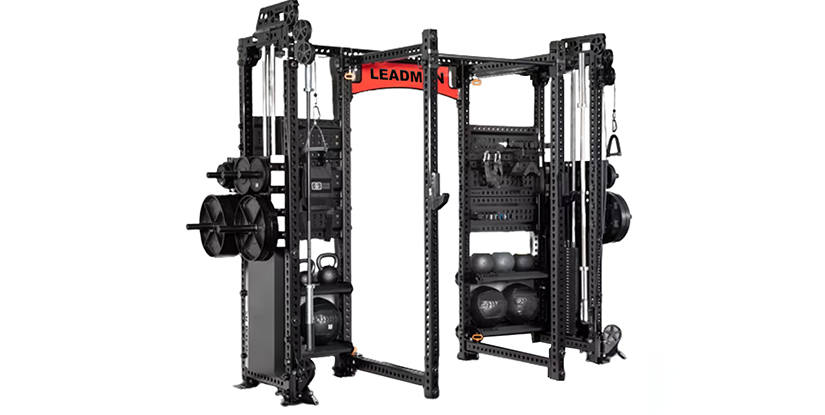
Best Home Squat Rack Wholesale: Commercial Grade Sourcing
Strategic Procurement: Evaluating High-Performance Home Squat Racks
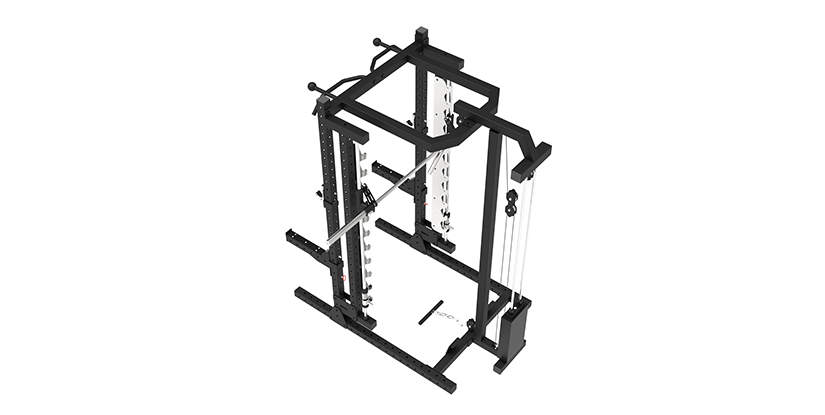
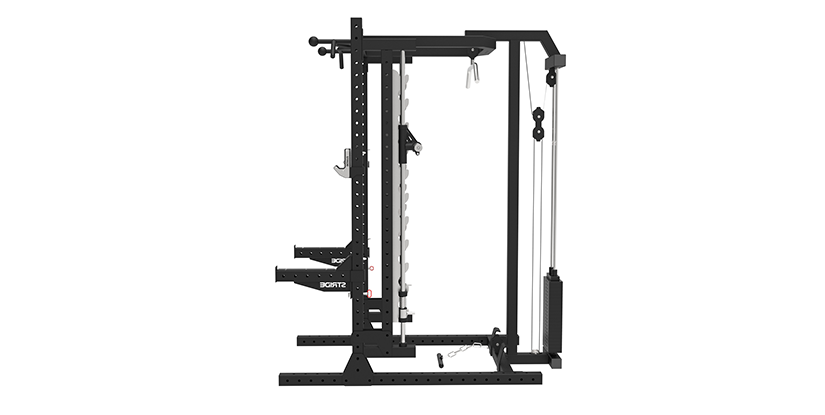
A high-end best home squat rack is a specialized piece of residential strength training equipment engineered with commercial-grade specifications. B2B buyers prioritize these units because they bridge the gap between consumer-grade aesthetics and the rigorous structural integrity required for long-term durability and high resale value.
When sourcing from a heavy duty squat rack supplier, technical precision is non-negotiable. To justify premium wholesale margins, your inventory must feature high-grade steel gauge construction—typically 11-gauge or 7-gauge steel—to prevent frame deformation under heavy loads. Furthermore, the quality of the powder coating determines the product's resistance to oxidation and surface wear in diverse climates. For distributors, vetting these metallurgical standards is essential to minimize returns and ensure the best home squat rack remains a reliable asset for the end-user. Selecting a fitness equipment wholesale distributor that prioritizes these industrial benchmarks ensures your clients receive equipment that survives heavy use without compromising safety or structural stability.
To facilitate informed procurement, professional buyers must evaluate technical specifications beyond basic aesthetics. Relying on superficial descriptions can lead to high return rates and damaged brand reputation. Instead, utilize the following technical benchmark to vet your next heavy duty squat rack supplier. This comparison ensures your inventory meets the rigorous standards expected of premium residential strength training equipment.
| Material Specification | Standard Grade | Commercial-Grade (Best Home Squat Rack) |
|---|---|---|
| Steel Thickness (Gauge) | 14-gauge (Light Duty) | 11-gauge or 7-gauge (High Durability) |
| Weight Capacity | < 500 lbs | 800 lbs - 1,200+ lbs |
| Rust Resistance | Basic Paint | Electrostatic Powder Coating |
| Structural Integrity | Standard Folding | Reinforced Steel Cross-Bracing |
As a savvy fitness equipment wholesale distributor, prioritizing these metallurgical metrics guarantees that every best home squat rack in your catalog maintains its structural profile under extreme mechanical stress.
Rigorous Quality Control and Fatigue Resistance Standards
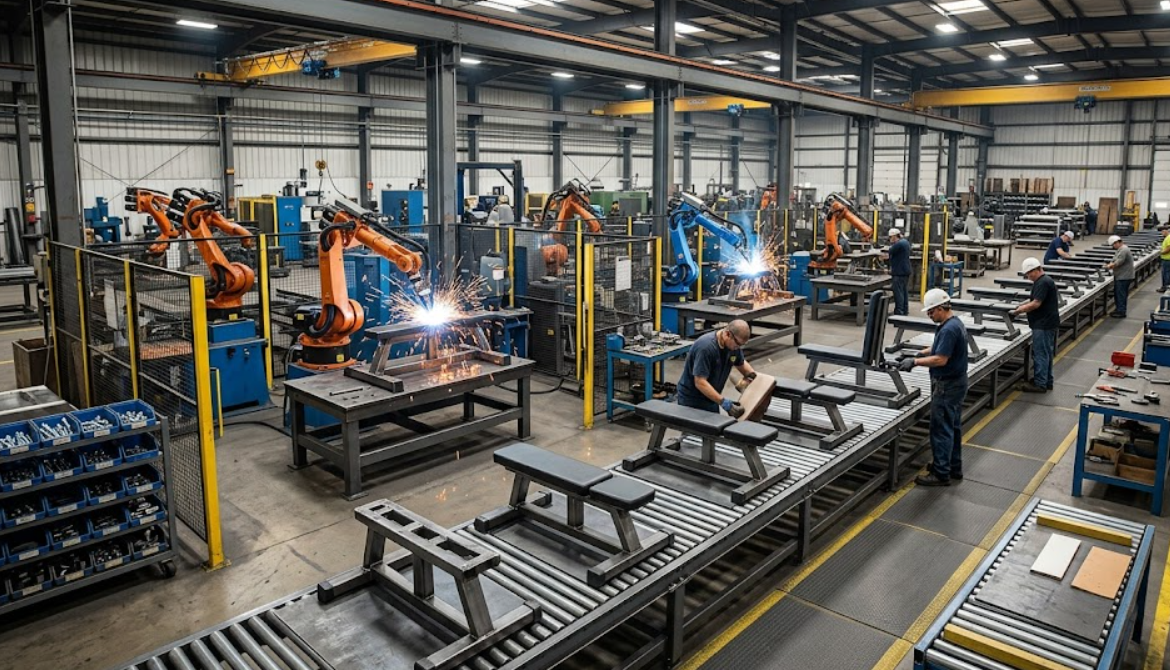
Reliability in the residential strength training equipment market is defined by more than just raw steel; it is defined by the precision of manufacturing protocols. A reputable heavy duty squat rack supplier must implement stringent QC protocols that extend far beyond basic visual inspections. For high-volume distributors, the risk of mechanical failure or frame misalignment is a direct threat to profit margins and brand trust. Consequently, sourcing should focus on facilities that utilize advanced stress testing to simulate years of heavy load cycles. This ensures high fatigue resistance, preventing the structural bowing or weld fractures that often plague lower-tier best home squat rack models.
To mitigate long-term liability and minimize post-sale maintenance, verify that your partner holds a recognized factory certification. We recommend requesting documentation regarding weld strength validation and metallurgical consistency. By auditing these technical capabilities, a fitness equipment wholesale distributor can confidently guarantee that their inventory withstands the dynamic forces of heavy lifting. Investing in products backed by rigorous testing protocols ensures that your high-performance best home squat rack offerings remain a benchmark for durability in the North American market.
Defining Commercial-Grade Specifications for Residential Markets
When sourcing the best home squat rack for your inventory, the primary differentiator between a low-margin consumer product and a high-value asset is structural integrity. Most retail-grade units fail under prolonged use due to thin-walled tubing. As a professional heavy duty squat rack supplier, we prioritize high-gauge steel construction to ensure long-term load capacity stability. This distinction is critical for distributors catering to the premium residential strength training equipment market, where clients demand equipment that survives heavy lifting cycles without frame deflection.
Beyond the frame, the longevity of the unit depends on the finishing process. Standard electrostatic paint often chips under barbell impact, whereas our industrial-grade powder coating durability ensures the finish remains intact despite high-frequency use. For fitness equipment wholesale distributor partners, investing in these technical specifications reduces return rates and enhances brand reputation.
| Specification Factor | Standard Residential Grade | Commercial-Grade Wholesale |
|---|---|---|
| Steel Gauge Thickness | 14-gauge thin wall | 11-gauge heavy-duty steel |
| Load Capacity Stability | Limited; prone to sway | High; optimized for heavy loads |
| Powder Coating Durability | Basic spray finish | Industrial-grade textured finish |
| Structural Longevity | Short-term/Light use | Long-term/High-intensity use |
To optimize your procurement strategy, you must analyze the specific engineering tolerances that define the best home squat rack. Relying on generic descriptions can lead to inventory shortages or quality disputes. For a professional fitness equipment wholesale distributor, the technical distinction lies in the tubing diameter and gauge density. While consumer-grade models often utilize 14ga steel with smaller diameters, our factory-direct production focuses on 11ga high-tensile steel and larger tubing diameters to prevent frame oscillation. This rigorous adherence to industrial standards ensures that your residential strength training equipment offerings meet the high-performance expectations of modern home gym enthusiasts.
| Technical Metric | Standard Consumer Grade | Our Commercial-Grade Wholesale |
|---|---|---|
| Steel Gauge (Thickness) | 14-gauge (Thinner) | 11-gauge (High-Density) |
| Tubing Diameter | 2" x 2" (Standard) | 3" x 3" (Heavy-Duty) |
| Weight Capacity | Low to Moderate | Extreme/High-Capacity |
| Finish Type | Basic Electrostatic | Industrial Powder Coating |
Rigorous Quality Control and Structural Validation
For B2B buyers, the risk of high return rates stems from inadequate testing during the manufacturing phase. As a specialized heavy duty squat rack supplier, we mitigate these procurement risks through standardized QC testing protocols that exceed basic retail benchmarks. Every batch undergoes structural stress testing to simulate years of heavy barbell loading, ensuring the frame maintains its geometric integrity under maximum tension. This level of scrutiny is non-negotiable when sourcing residential strength training equipment intended for long-term market presence.
We also prioritize long-term wear resistance by testing hardware components and welding strength against repetitive impact. For a fitness equipment wholesale distributor, these technical safeguards translate directly to lower warranty claims and higher customer retention. By integrating these rigorous validation steps into our production, we ensure that the best home squat rack in your catalog is not just a single-sale item, but a reliable, high-durability asset that protects your brand's reputation for quality in the competitive North American market.
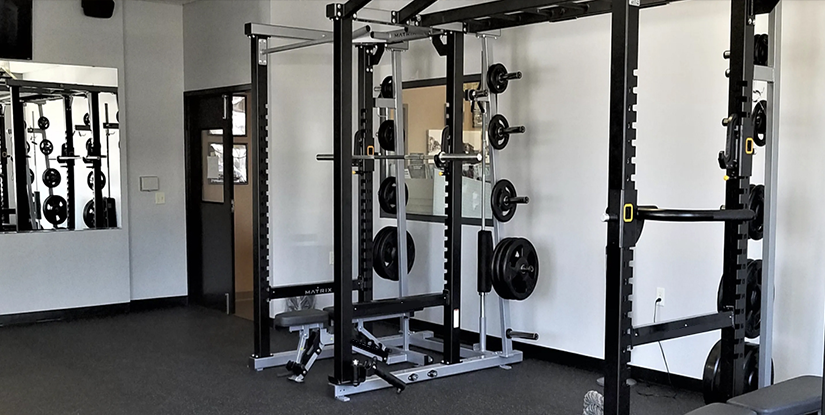
Optimizing Inventory Mix for Residential Strength Training Equipment
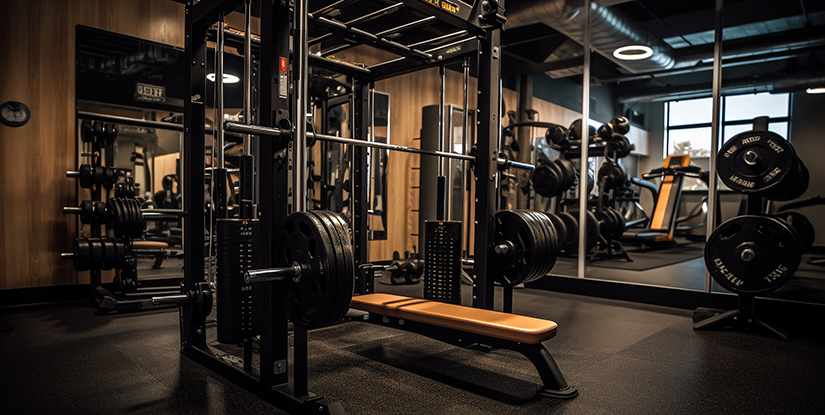
For distributors, the primary challenge lies in navigating the gap between high-end commercial specifications and the budget constraints of the home consumer. To identify the best home squat rack for your catalog, you must balance a high value-to-durability ratio with competitive retail pricing. While professional gyms demand extreme load capacities, the residential strength training equipment market prioritizes footprint efficiency and ease of assembly without sacrificing structural integrity.
Successful procurement strategies rely on implementing tiered pricing models. By sourcing equipment that utilizes heavy-gauge steel but optimizes manufacturing costs through streamlined design, you can maintain healthy profit margins while catering to diverse consumer segments. Instead of stocking purely entry-level gear, focus on high-durability builds that justify a premium price point. This strategic mix ensures rapid inventory turnover, as customers are increasingly willing to invest in long-term reliability rather than disposable fitness solutions.
Analyzing Sourcing Cost-Efficiency
To maximize your ROI, you must evaluate the true landed cost of your inventory. While a local fitness equipment wholesale distributor offers convenience, the markup often erodes your competitive edge in the residential market. By partnering directly with a heavy duty squat rack supplier, you eliminate intermediary margins and gain control over the MOQ impact on your capital expenditure.
The following comparison illustrates the direct-from-factory savings achieved when bypassing domestic wholesalers for high-volume orders of the best home squat rack models:
| Cost Component | Local Distributor | Direct Factory Sourcing |
|---|---|---|
| Unit Cost | High (Retail-Adjusted) | Low (Manufacturer Base) |
| Shipping Overhead | Low (Domestic Freight) | Optimized (LCL/FCL Export) |
| Volume Discounts | Limited | High (Tiered Scaling) |
Strategic procurement focuses on minimizing the unit cost through bulk logistics and direct manufacturing oversight, ensuring your residential strength training equipment remains both premium and profitable.
Mitigating Hidden Costs Through Quality Control
Low initial unit prices can become deceptive liabilities if they are not backed by rigorous quality control protocols. For a high-volume importer, the true cost of a product is not just the invoice price, but the total cost of ownership. Selecting a heavy duty squat rack supplier that adheres to strict manufacturing standards is essential for minimizing defect rates. When inferior welds or substandard steel pass through your supply chain, the resulting surge in customer returns and refund requests will rapidly erode your long-term ROI.
Investing in higher-tier manufacturing reduces the frequency of post-sale technical support and warranty claims, which are often the most significant "hidden" expenses in residential strength training equipment distribution. Furthermore, a manufacturer capable of managing reliable export logistics ensures that your inventory arrives in pristine condition, preventing damage-related losses during transit. By prioritizing high-standard production over the lowest possible bid, you protect your brand reputation and ensure that your selection of the best home squat rack remains a high-margin, low-headache asset in your catalog.
Sourcing Standards for Heavy Duty Squat Rack Suppliers
When sourcing for your inventory, the difference between a standard unit and the best home squat rack lies in the technical specifications of the raw materials. To ensure long-term reliability for your clients, you must verify the steel gauge specifications during the procurement process. We recommend a minimum of 11-gauge steel for high-demand residential use to prevent structural deformation under heavy loads.
As a professional heavy duty squat rack supplier, we prioritize structural integrity testing to ensure every unit meets rigorous weight-bearing standards before export. Beyond the frame, powder coating durability is a critical factor; a high-micron electrostatic finish is essential to prevent oxidation and surface wear in diverse climates. For a fitness equipment wholesale distributor, these technical benchmarks are non-negotiable. By demanding these specific material standards, you mitigate the risk of returns and build a reputation for distributing premium residential strength training equipment that withstands the test of time.
QC Benchmarks: Maintenance and Durability Standards
To mitigate long-term liability and reduce after-sales support, B2B buyers must implement strict quality control protocols. Relying on generic descriptions is insufficient; you must demand documented performance data. The following checklist allows you to differentiate between standard consumer goods and the best home squat rack configurations suitable for professional distribution. Use these metrics to audit your heavy duty squat rack supplier and ensure your residential strength training equipment inventory meets high-performance expectations.
| Feature | Commercial Standard | Residential Standard |
|---|---|---|
| Rust Prevention | Zinc-plated or multi-layer electrostatic coating | Standard powder coat finish |
| Bolt Torque Stability | High-tensile Grade 8 hardware; vibration resistant | Standard steel bolts; regular tightening required |
| Bearing Longevity | Sealed industrial bearings; low-friction movement | Open or basic bushings; high maintenance |
As a leading fitness equipment wholesale distributor, we advise verifying these components during factory inspections to ensure maximum product lifecycle and client satisfaction.
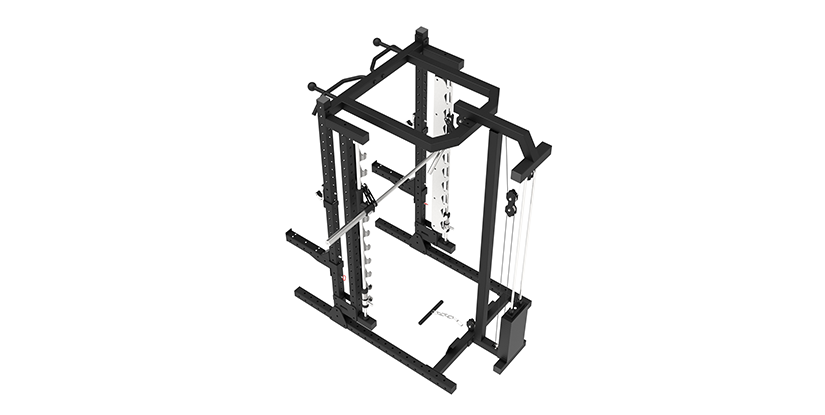
Optimizing your inventory for long-term ROI for retailers requires a shift from focusing on initial purchase price to total lifecycle value. When you source high-tier residential strength training equipment, your primary goal is to minimize post-sale service requests. This is achieved by selecting products engineered with superior wear-and-tear resistance, such as reinforced J-cups and high-grade nylon bushings that do not degrade under repetitive mechanical stress.
A sophisticated fitness equipment wholesale distributor understands that true value is found in reducing the need for preventative maintenance. By prioritizing equipment with industrial-grade hardware and corrosion-resistant finishes, you ensure that the end-user experiences minimal downtime. This proactive approach to procurement protects your brand reputation and reduces the overhead costs associated with warranty claims and replacement parts. Ultimately, sourcing the best home squat rack models that emphasize durability over low-cost components ensures a sustainable, high-margin product line that satisfies even the most demanding home gym enthusiasts.
Logistics and Export Optimization for Fitness Equipment Wholesale Distributors
For high-volume buyers, the true cost of sourcing the best home squat rack is determined by landed costs and shipping efficiency. As a leading heavy duty squat rack supplier, we prioritize advanced container load optimization to minimize your overhead. Standardizing our packaging involves precise volumetric weight reduction techniques, ensuring that high-density steel components are nested efficiently without compromising structural integrity during transit.
Our warehouse operations adhere to strict palletization standards to prevent transit damage and streamline offloading at your facility. By optimizing the spatial footprint of each unit, we maximize the capacity of 20ft and 40ft HQ containers, significantly reducing the per-unit freight cost for residential strength training equipment importers.
| Packaging Strategy | Space Efficiency | Protection Level | Best For |
|---|---|---|---|
| Standard Export Carton | Moderate | High | Small MOQ Orders |
| Nested Bulk Packing | Maximum | Medium | High-Volume Distribution |
| Reinforced Palletization | High | Maximum | Long-Distance Ocean Freight |
Partnering with an experienced fitness equipment wholesale distributor ensures that your inventory arrives ready for immediate retail or commercial installation, with optimized logistics workflows that protect your bottom line.
Beyond container loading, maintaining the long-term value of your inventory requires rigorous warehouse storage protocols. Unlike lighter gym accessories, residential strength training equipment consists of high-density steel components that are susceptible to environmental degradation during long-haul sea freight. To mitigate these risks, our facility implements specialized moisture-proof packaging, utilizing industrial-grade polyethylene wraps and desiccant agents to prevent oxidation and surface corrosion before the product reaches your warehouse.
Ensuring Product Longevity via Quality Control
To guarantee that every unit meets the specifications of the best home squat rack, we integrate a multi-stage QC inspection process directly into our storage workflow. Every batch undergoes a final verification of structural integrity, ensuring that heavy-gauge steel frames and mounting hardware remain perfectly aligned and undamaged. By enforcing these strict environmental and mechanical standards, we ensure that your bulk shipments arrive in pristine, retail-ready condition, minimizing the risk of costly returns or damaged-on-arrival claims.
Strategic Freight Selection for Global Distribution
Selecting the optimal shipping mode is a critical decision for any fitness equipment wholesale distributor looking to balance speed against landed costs. The choice between sea freight vs air freight significantly impacts your margin, especially when importing heavy-gauge steel products. While air freight offers rapid delivery, the high volumetric weight of a heavy duty squat rack makes it cost-prohibitive for large-scale inventory replenishment. Conversely, ocean freight remains the most economical bulk shipping mode for high-volume procurement.
Understanding the MOQ impact on shipping costs is vital for maintaining a competitive edge. Larger order volumes allow for more efficient container utilization, effectively lowering the per-unit freight expense. The table below outlines the standard lead times and cost-efficiency profiles for various transport methods:
| Shipping Method | Typical Lead Time | Cost Efficiency | Primary Use Case |
|---|---|---|---|
| Sea Freight (LCL/FCL) | 30–45 Days | Maximum | High-volume residential strength training equipment stock |
| Air Freight | 5–10 Days | Low | Urgent, low-volume sample or specialized component replenishment |
| Express Courier | 3–7 Days | Minimal | Small-scale testing of the best home squat rack prototypes |
By leveraging optimized bulk shipping modes, our partners can secure predictable lead times and stable logistics costs, ensuring a reliable supply chain for their regional markets.
Scalability via OEM/ODM Customization and Quality Control
Maximizing your return on investment requires moving beyond generic inventory. To secure the best home squat rack for your catalog, you must look toward customization through OEM/ODM services. By tailoring dimensions, colorways, or integrated features, you can target high-growth niche market segments that generic importers often overlook. Whether your clients demand compact footprints for apartments or specialized aesthetics for premium home gyms, bespoke manufacturing allows you to capture premium pricing.
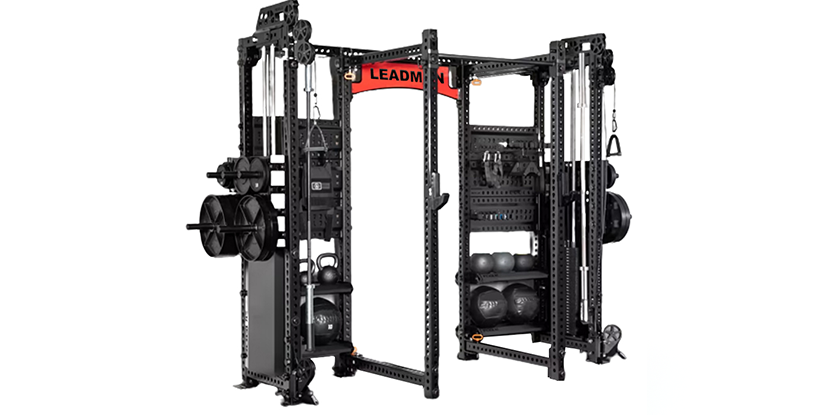
Working directly with a specialized fitness equipment wholesale distributor ensures that your residential strength training equipment meets rigorous durability standards while maintaining healthy profit margins. We offer flexible MOQ options designed to balance inventory risk with the ability to offer unique, high-demand products. Instead of competing solely on price in a saturated market, leverage our factory capabilities to build a branded, high-value collection that drives long-term loyalty and superior revenue.
However, high-margin customization is only sustainable if your heavy duty squat rack supplier maintains uncompromising oversight. For B2B buyers, the greatest threat to ROI is not the initial unit cost, but the long-term liability of product failure. To protect your brand reputation, sourcing must focus on a partner that treats residential strength training equipment with commercial-grade specifications. This means every unit must undergo rigorous testing protocols—including load-bearing stress tests and weld integrity checks—to ensure it can withstand years of heavy use.
True scalability depends on batch consistency. Without strict quality control (QC), your inventory becomes a gamble of varying tolerances and substandard steel. By prioritizing a manufacturer that implements standardized quality control (QC) at the factory level, you ensure that the durability of the first unit matches the thousandth. Investing in high-standard testing protocols minimizes costly returns and builds the consumer trust necessary to establish your brand as a leader in the best home squat rack market.
To assist your procurement team in evaluating potential ROI, we have provided a specification comparison below. This table highlights why sourcing from a professional fitness equipment wholesale distributor yields a superior product compared to low-cost, generic alternatives. Choosing the standard vs. premium tier is a critical decision for your inventory strategy.
| Feature Specification | Standard Residential Tier | Premium Commercial-Grade Tier |
|---|---|---|
| Steel Gauge | 14-gauge thin-wall steel | 11-gauge heavy-duty structural steel |
| Load Capacity | 300–500 lbs (Limited) | 800–1,000+ lbs (High-Stability) |
| Powder Coating | Basic electrostatic paint | Anti-corrosive, scratch-resistant finish |
| Structural Integrity | Basic bolt-together design | Reinforced weld points & heavy-duty hardware |
When sourcing the best home squat rack, opting for the premium tier reduces long-term liability and increases your market authority. A reliable heavy duty squat rack supplier will always prioritize these high-spec materials to ensure your residential strength training equipment remains a high-performing asset in your global distribution network.
Mitigating Risk in Global Fitness Equipment Sourcing
When sourcing the best home squat rack for your inventory, the lowest initial unit price is often a deceptive metric. Many distributors fall into the trap of prioritizing low MOQ vs. quality trade-offs, only to face significant financial setbacks later. Opting for unverified manufacturers frequently leads to high rates of manufacturing defects, such as structural weld failures or uneven powder coating. These flaws do more than damage your reputation; they escalate return costs and logistics expenses that can quickly erode your entire profit margin.
To protect your bottom line, you must vet every heavy duty squat rack supplier based on their rigorous quality control (QC) protocols rather than just their price sheet. A professional fitness equipment wholesale distributor understands that high-durability residential strength training equipment requires strict adherence to material gauges and stress-test standards. By investing in a supplier with proven factory oversight, you mitigate the risk of faulty shipments and ensure that your pursuit of the best home squat rack results in long-term reliability rather than costly liability.
Optimizing Total Landed Cost and Procurement Efficiency
Beyond quality assurance, savvy procurement professionals must calculate the true total landed cost before finalizing any purchase order. When sourcing residential strength training equipment, the unit price is merely a baseline. To maintain healthy margins, you must account for the full spectrum of landed cost components that emerge during international transit. Relying on a low-cost fitness equipment wholesale distributor who fails to disclose hidden freight fees can lead to catastrophic budget overruns upon arrival at your warehouse.
A professional procurement strategy involves a granular breakdown of logistics-related expenses. This includes calculating customs duties specific to your region and ensuring that shipping insurance is integrated into the quote to protect against transit damage. Neglecting these variables often results in unexpected "sticker shock" during the customs clearance process. By demanding transparency regarding freight overhead and securing comprehensive coverage, you ensure that your acquisition of the best home squat rack remains a profitable venture rather than a logistical liability.
Strategic Comparison: Direct Sourcing vs. Established Distribution
Choosing the right procurement path requires a strategic evaluation of your business scale and risk appetite. While direct factory sourcing offers the lowest per-unit cost, it demands higher logistical expertise and significant capital. Conversely, working with an experienced fitness equipment wholesale distributor provides a streamlined approach for those prioritizing speed and reliability over absolute minimum unit prices.
| Metric | Direct Factory Sourcing | Wholesale Distributor |
|---|---|---|
| Upfront Investment | High (Large MOQs required) | Moderate (Flexible order volumes) |
| Lead Times | Long (Production + Sea Freight) | Short (Ready-to-ship inventory) |
| Risk Mitigation | Low (Buyer manages QC/Logistics) | High (Supplier manages QC/Compliance) |
| Scalability | Excellent for mass production | Optimal for rapid stock turnover |
When your goal is to stock the best home squat rack, your decision should hinge on your ability to manage a heavy duty squat rack supplier directly. If your infrastructure supports complex international logistics and high-volume residential strength training equipment imports, direct sourcing maximizes margins. However, for distributors seeking rapid market entry with minimal oversight, a professional fitness equipment wholesale distributor offers a more agile and de-risked procurement model.