Folding Gym Rack Selection for Boutique Studio Layouts
Vetting Manufacturers for High-End Folding Strength Solutions
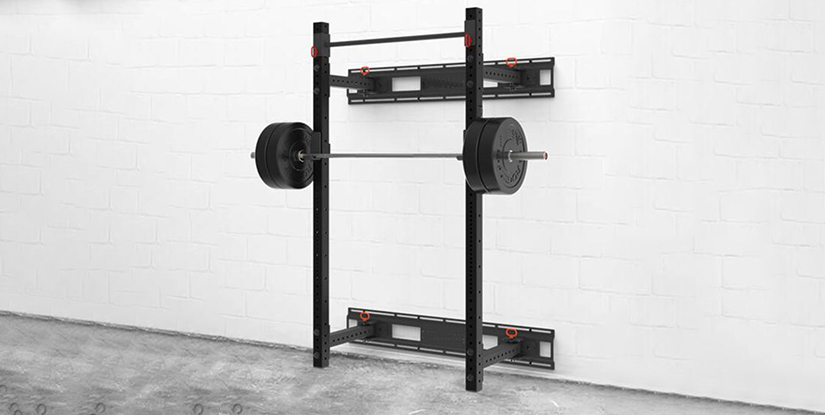
A professional folding gym rack is a specialized strength training unit designed to retract or fold against a wall to maximize usable floor area. B2B buyers in boutique fitness and hospitality select these units to balance high-density equipment layouts with the premium aesthetic and spatial flexibility required by luxury clients.
The Critical Distinction: Commercial Grade vs. Consumer Utility
For multi-site rollouts or high-traffic boutique studios, the primary procurement risk lies in the failure of moving parts. Unlike basic home-use models, a true commercial grade folding gym rack must maintain absolute structural integrity even when the mechanism is engaged. High-end boutique studio requirements demand that the frame remains rigid during heavy compound lifts, ensuring that the folding process does not compromise the load-bearing capacity of the uprights.
When auditing factory capabilities, specialized attention must be paid to the pivot points and locking pins. In a commercial setting, these components undergo thousands of cycles of tension and release. Cheap consumer-grade hinges often suffer from lateral play or metal fatigue, which can lead to catastrophic failure. Professional distributors should prioritize manufacturers that utilize heavy-duty steel bushings and reinforced steel locking systems to ensure the equipment remains stable under heavy barbell loads.
To mitigate long-term maintenance costs and liability risks, procurement managers should demand specific technical specifications during the RFQ process. Relying on generic descriptions is insufficient for high-end hospitality or boutique studio rollouts; instead, verify the metallurgical and mechanical standards against a standardized benchmark. The following table outlines the minimum requirements for professional-grade units versus the inferior specifications typically found in residential-grade alternatives.
| Technical Specification | Residential/Light Utility Standard | Commercial/Boutique Studio Standard |
|---|---|---|
| Steel Gauge (Uprights) | 11-gauge or thinner (approx. 3mm) | 7-gauge to 11-gauge heavy-wall steel (3mm+) |
| Welding Quality | Standard MIG welding | Full-penetration, reinforced structural welding |
| Hinge & Pivot Mechanism | Single-point pivot with basic pins | Multi-point reinforced steel bushings/bearings |
| Typical Load Capacity | 150kg – 250kg (static) | 350kg – 500kg+ (tested for dynamic movement) |
When evaluating a supplier's factory capability, confirm if they utilize precision CNC bending for the frame members. Even slight deviations in the steel geometry can cause the mechanism to bind or create uneven stress on the folding joints. For distributors managing large-scale installations, ensuring that the manufacturer uses standardized, heavy-duty locking pins—rather than proprietary or lightweight plastic components—is a critical step in verifying the long-term durability of the space saving strength training equipment.
Due Diligence: QC Protocols and Supply Chain Reliability
Beyond mechanical specs, professional procurement requires a rigorous audit of the manufacturer's operational reliability. When sourcing for high-end hospitality or multi-site boutique rollouts, the Total Cost of Ownership (TCO) is heavily influenced by shipping stability and the frequency of maintenance cycles. A single damaged hinge during transit can stall an entire installation schedule, making robust packaging standards a non-negotiable requirement.
During the RFQ stage, B2B buyers should move beyond price-per-unit and demand transparency regarding the following operational metrics:
- Quality Control (QC) Protocols: Does the factory perform batch-level testing on the folding mechanism and locking pins to ensure consistent tension and zero lateral play?
- Shipping Stability: What are the specific crating and reinforcement standards for international freight to prevent structural deformation of the uprights?
- Customization MOQs: For boutique studios requiring specific colorways to match brand aesthetics, what is the Minimum Order Quantity for custom powder coating?
- Maintenance Cycles: Does the manufacturer provide a documented service interval for lubrication and bolt-torque inspections for the moving components?
- Supply Chain Reliability: Can the supplier guarantee consistent lead times for replacement parts, such as specialized bushings or heavy-duty pins, to minimize facility downtime?
Selecting a partner based solely on the lowest initial cost often leads to higher long-term expenses due to premature component wear or logistics-related delays. High-performing distributors prioritize manufacturers with established QC workflows and predictable supply chains to protect their reputation and client ROI.
Critical Inspection Points for Collapsible Squat Rack Commercial Standards
When sourcing for boutique studios or high-end hospitality gyms, the primary concern shifts from simple footprint to long-term structural integrity. Unlike static racks, a commercial-grade folding gym rack must maintain rigorous stability standards while managing the mechanical wear inherent in frequent deployment and retraction.
Structural Integrity and Material Specifications
The durability of space-saving strength training equipment is fundamentally determined by the steel gauge and the quality of the pivot points. For high-traffic commercial environments, procurement managers should prioritize heavy-duty steel—typically a minimum of 11-gauge or 3mm thickness—to ensure the frame does not deflect under heavy loads. The most vulnerable areas in a collapsible design are the hinges and locking mechanisms; these pivot points must be engineered to withstand constant lateral and vertical stress without developing play or structural wobble.
A reliable folding gym rack must demonstrate high load-bearing capacity through reinforced welding at every junction. In a multi-site rollout, the ability of the rack to remain perfectly rigid during heavy compound lifts is non-negotiable. If the pivot mechanisms or the locking pins lack sufficient mass or precision, the equipment will suffer from rapid wear, increasing maintenance costs and decreasing the asset's lifespan.
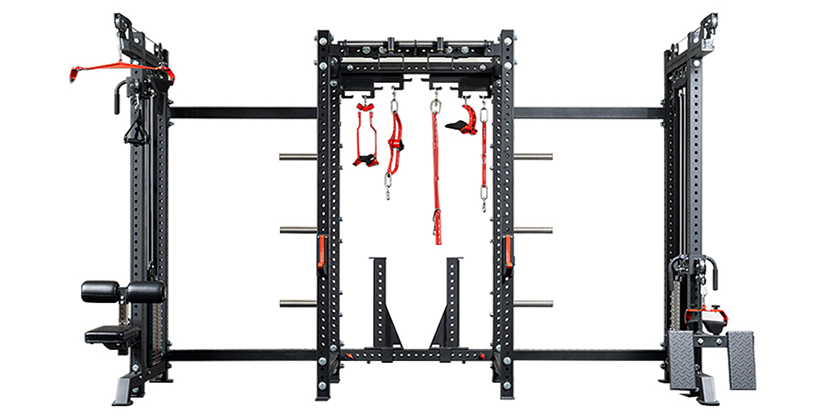
Distinguishing between consumer-grade home units and professional studio equipment requires a technical look at the mechanical components. While home models often use thinner tubing and lighter-duty hardware to reduce shipping weight, commercial-grade units focus on component longevity and reduced maintenance frequency to optimize total cost of ownership (TCO).
Technical Comparison: Commercial vs. Consumer Grade
| Feature Spec | Professional Studio Grade | Consumer/Light Commercial |
|---|---|---|
| Steel Thickness | Min. 11-gauge (3mm) heavy-duty | 14-gauge to 16-gauge (Standard) |
| Welding Quality | Full-penetration, reinforced joints | Spot or partial fillet welds |
| Hinge & Pivot Mechanism | Precision-engineered, heavy-duty steel | Lightweight, friction-based hinges |
| Powder Coating | Industrial-grade, high-impact resistance | Standard electrostatic finish |
| Maintenance Frequency | Low (annual inspection/lubrication) | High (frequent bolt tightening/adjustment) |
For distributors and facility planners, the quality of the powder coating is a subtle but critical indicator of long-term durability. A high-end finish prevents oxidation and resists the scratches caused by constant weight plate contact. When evaluating potential suppliers, ensure the hinge durability meets the demands of a high-turnover environment, as the pivot points are the most common failure points in any compact gym layout planning.
Mitigating Mechanical Fatigue and Long-Term ROI Risks
For procurement professionals, the true cost of a folding gym rack is not the initial purchase price, but the total cost of ownership over a 5-to-10-year lifecycle. In high-traffic boutique studios, the repeated movement of the rack introduces risks of mechanical fatigue that static equipment simply does not face. If the folding components are not rated for high-frequency use, the assembly can develop "play" or looseness, which compromises user safety and forces premature replacement.
During factory inspections or sample testing, a rigorous QC inspection should focus on the stress-tested limits of the locking pins and hinge bushings. High-quality commercial units use specialized bearings or reinforced bushings to prevent the metal-on-metal grinding that leads to rapid wear and tear. Buyers should demand verification of the fatigue resistance of these moving parts to ensure the equipment remains a stable asset rather than a recurring maintenance liability. Prioritizing these technical details during the sourcing phase ensures a much higher long-term ROI for multi-site rollouts and premium hospitality clients.
Evaluating Load Stability and Pivot Mechanism Longevity
For high-end boutique studio layouts, the reliability of a folding gym rack depends entirely on the precision of its moving parts. Unlike static structures, these units face repetitive mechanical stress every time a client transitions from training to storage, making the integrity of the folding components a primary procurement concern.
The most common failure points in lower-tier equipment occur within the pivot mechanism and the locking pins. In high-traffic environments, even minor play or wobbling in the joints can compromise load stability, leading to premature wear or safety risks. To ensure long-term ROI, distributors must prioritize commercial grade hardware that maintains rigid geometry under heavy barbell loads.
| Component Focus | Standard Folding Design | High-Performance Commercial Grade |
|---|---|---|
| Pivot Point | Single-bolt friction hinge | Reinforced heavy-duty bearing system |
| Locking Mechanism | Manual spring-loaded pin | Dual-locking tapered steel sleeve |
| Structural Integrity | Standard gauge steel tubing | High-tensile thick-walled steel |
| Maintenance Cycle | Frequent tightening required | Low-maintenance, high-stability |
Mechanical Selection for High-Traffic Environments
When sourcing for multi-site rollouts, the choice between pin-lock systems and hydraulic assistance dictates the long-term Total Cost of Ownership (TCO). While hydraulic assistance offers smoother, more user-friendly transitions, it introduces more complex moving parts that may require more specialized technical support. Conversely, heavy-duty pin-lock systems provide a more rugged, high-stability solution for heavy lifting, though they require more manual interaction.
Procurement managers should evaluate the durability vs cost trade-off by looking at the maintenance frequency. A heavy-duty hinge system with high-tensile steel components typically requires less frequent adjustment than lighter, consumer-grade alternatives. For boutique studios where equipment is folded daily, investing in high-grade pivot points reduces the risk of mechanical fatigue and ensures the equipment remains a reliable asset rather than a maintenance liability.
Verifying Material Integrity and Certification Standards
Beyond the moving joints, the foundational strength of a folding gym rack lies in its metallurgy. A robust QC inspection should focus on the steel gauge and the uniformity of the welding quality. For commercial environments, look for high-tensile, thick-walled steel rather than thin-walled tubing, as the latter is prone to structural deformation under repetitive stress. Inconsistent welding at the pivot attachment points is a common red flag that can lead to catastrophic failure under load.
A professional distributor checklist must include a verification of the weight capacity against actual commercial-grade testing. Do not rely solely on manufacturer claims; verify if the unit holds valid commercial certification or has undergone independent load-bearing tests. A high-quality rack should demonstrate zero deflection in the main uprights when subjected to maximum load. This level of scrutiny ensures that the equipment meets the rigorous safety standards required for high-end hotel gyms and professional boutique settings.
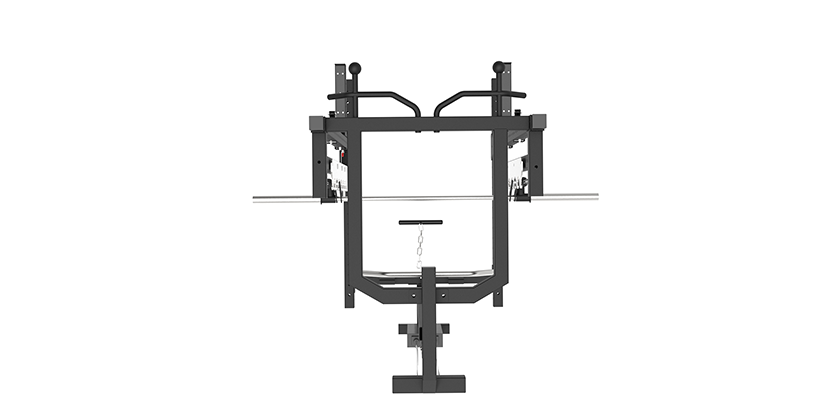
Optimizing Boutique Studio Footprints with Space Saving Strength Training Equipment
For boutique studio operators and high-end hospitality fitness managers, floor space is the most expensive asset in the facility. Efficient boutique studio layout design requires a delicate balance between offering diverse training modalities and maintaining an open, premium aesthetic. Utilizing high-quality space saving strength training equipment allows facilities to maximize revenue per square foot without sacrificing the high-end feel expected by premium members.
The strategic implementation of a folding gym rack addresses the inherent tension between equipment density and floor usability. Unlike traditional fixed power racks that permanently claim a large footprint, collapsible options provide the flexibility to transition a room from a heavy lifting zone to a multi-purpose functional training area. When sourcing for multi-site rollouts, procurement managers must ensure that this versatility does not compromise commercial durability; the mechanism must withstand frequent deployment and retraction cycles common in high-traffic boutique environments.
Technical Configuration Comparison for Facility Planning
Selecting the appropriate configuration depends heavily on the structural integrity of the installation site and the intended turnover of the training zone. For distributors or facility owners, understanding the trade-offs between depth, installation complexity, and aesthetic integration is critical for long-term ROI and maintenance schedules.
| Configuration Type | Typical Footprint Depth | Installation Requirements | Ideal Use Case |
|---|---|---|---|
| Wall-mounted Folding | 12–24 inches (folded) | Heavy-duty wall anchors/structural studs | Small boutique studios with high-traffic floor clearance |
| Slim-profile Stationary | 36–48 inches (fixed) | Standard floor mounting | High-end hotel gyms with permanent strength zones |
| Modular Compact | Variable (adjustable) | Modular floor bracing | Multi-purpose studios requiring functional versatility |
While a collapsible squat rack commercial grade model offers the highest level of space optimization, procurement specialists should note that wall-mounted versions require rigorous structural verification of the mounting surface. In contrast, stationary slim-profile units offer higher stability for heavy lifting but maintain a permanent presence in the room layout. When evaluating compact gym layout planning, prioritize models with high-grade steel thickness to ensure that the mechanical hinge or folding joint remains stable under repeated commercial use cycles.
Logistics and Long-Term Operational Lifecycle
Beyond the initial installation, procurement professionals must account for the long-term total cost of ownership (TCO) associated with moving parts. A high-quality folding gym rack is defined not just by its static weight capacity, but by its structural integrity during folding and unfolding cycles. In high-traffic boutique settings, the mechanical joints and locking pins undergo constant stress; therefore, sourcing should prioritize heavy-duty steel thickness and reinforced pivot points to prevent premature mechanical failure.
From a supply chain perspective, distributors should evaluate the shipping volume and logistics implications of collapsible units. While the folded profile significantly reduces shipping volume and optimizes container loading density, the weight of the steel components remains a constant factor in freight costs. When managing large-scale orders, clarify the MOQ considerations and packaging standards with the factory to ensure that specialized mounting hardware and structural reinforcements are included in the bulk shipment. Effective compact gym layout planning must also factor in regular maintenance cycles, ensuring that hinge lubrication and bolt torque checks are integrated into the facility's standard operating procedures to preserve equipment longevity.
Logistics and Landed Cost Management for Multi-Site Rollouts
Scaling a boutique fitness brand requires moving beyond simple unit pricing to a sophisticated understanding of the total investment. For procurement managers, the true expense of a folding gym rack is determined by how efficiently the hardware moves from the factory floor to various localized studio sites.
Beyond Unit Price: TCO and Shipping Optimization
A multi-site rollout introduces variables that a single-location purchase avoids, specifically regarding landed cost and logistical complexity. When sourcing a folding gym rack at scale, the ability to optimize shipping volume becomes a primary lever for controlling costs. Because these units are designed to be collapsible, they offer a distinct advantage in container utilization compared to fixed-frame alternatives.
To accurately calculate the TCO (Total Cost of Ownership), buyers must account for more than just the initial invoice. High-quality folding mechanisms reduce long-term maintenance and replacement costs, yet if the shipping dimensions are not optimized for high-density loading, the increased freight expense can quickly erode the initial savings of a wholesale order. Effective procurement strategies focus on balancing the structural durability of the equipment with the volumetric efficiency required for international transit.
Choosing between direct-from-factory procurement and utilizing a regional distributor depends largely on your rollout speed and inventory management capabilities. While direct sourcing offers the lowest unit price for space saving strength training equipment, it requires a higher tolerance for longer lead times and more complex customs management.
Sourcing Model Comparison for Procurement Managers
| Evaluation Metric | Direct Factory Sourcing | Local/Regional Distributor |
|---|---|---|
| Typical MOQ | High (Full Container Load/LCL) | Low (Case or Pallet quantities) |
| Shipping Efficiency | Optimized for high-density volume | Dependent on existing local stock |
| Lead Time | Extended (Production + Sea Freight) | Short (Immediate or weekly replenishment) |
| Logistics Control | Buyer manages international freight | Distributor handles last-mile delivery |
| Local Warehousing | Not available; requires site-ready storage | Readily available for rapid deployment |
For boutique studios prioritizing a compact gym layout planning strategy, the decision often hinges on the deployment timeline. Direct factory models are ideal for large-scale, single-event shipments where the goal is to minimize the cost per unit via high-volume orders. Conversely, if your rollout involves staggered openings across multiple cities, a distributor provides the necessary agility to manage localized stock and reduce the immediate warehousing burden on your operational budget.
Mitigating Transit Risks Through Structural Integrity
Effective compact gym layout planning must extend to the warehouse before the equipment even reaches the studio. A critical oversight in many procurement cycles is neglecting the relationship between volumetric weight and packaging durability. Because a collapsible squat rack commercial grade unit features moving joints and pivot points, the structural integrity of the packaging is as vital as the steel itself. If the outer casing fails to protect these precision components, the resulting transit damage can lead to costly onsite repairs or premature replacement.
To optimize a bulk shipping strategy, procurement teams should demand strict quality control (QC) during transit protocols from their suppliers. This includes verifying that the folding mechanisms are secured in a way that prevents shifting within the carton, which can lead to bent uprights or scratched powder coatings. By ensuring the product is engineered for high-density container loading without sacrificing protection, buyers can lower the landed cost per unit while guaranteeing that the first installation at a new boutique site is seamless and professional.
Ensuring Long-Term Mechanical Integrity
In high-traffic boutique studio layouts, the longevity of space-saving equipment depends entirely on the frequency and rigor of your maintenance protocols. Unlike static power racks, a folding gym rack utilizes dynamic components that are subject to constant friction and weight shifts during daily operation.
The primary focus for facility managers should be the mechanical pivot points and locking mechanisms. In a commercial setting, these joints endure significant stress during every fold and unfold cycle. To maintain commercial durability and prevent structural fatigue, distributors should advise clients to perform monthly inspections on bolt tightness and lubrication levels. Neglecting these critical junctions can lead to premature wear, eventually compromising the safety and the seamless functionality required for premium studio environments.
Technical Comparison of Folding Mechanisms
When selecting equipment for multi-site rollouts, understanding the different maintenance requirements of various folding systems is essential for calculating total cost of ownership. Wall-mounted systems often involve more complex load-bearing points, whereas floor-based models focus on base stability and hinge durability.
| Mechanism Type | Pivot Bolt Inspection | Lubrication Frequency | Key Wear Indicators |
|---|---|---|---|
| Wall-Mounted Folding | Quarterly (Focus on mounting bracket tension) | Bi-annually (Dry lubricant preferred) | Wall anchor loosening or bracket deflection |
| Floor-Based/Standalone | Monthly (Focus on heavy-duty pivot pins) | Quarterly (High-load grease points) | Hinge play or metal-on-metal grinding noise |
| Hybrid/Fold-Down Bench | Bi-annually (Secondary support struts) | Annually (Minimal moving parts) | Spring tension loss or latch misalignment |
For distributors managing large-scale procurement, specifying a model with standardized, easily replaceable hardware can significantly reduce long-term service costs. We recommend prioritizing models that utilize high-grade steel bushings over simple friction-fit joints to ensure the equipment remains reliable under heavy usage cycles.
Optimizing Total Cost of Ownership (TCO)
For procurement managers, the true value of space saving strength training equipment is measured by its uptime rather than the initial unit price. A low-cost folding gym rack that requires frequent technical intervention will ultimately drive up facility management costs through labor and downtime. To ensure long-term reliability, verify that the manufacturer adheres to strict QC standards regarding metallurgy and fastener quality. High-quality, industrial-grade hardware minimizes the frequency of required bolt torque adjustments and prevents the stripping of threads under heavy load.
When evaluating wholesale options for multi-site rollouts, prioritize equipment that utilizes standardized, widely available parts. This strategy simplifies the supply chain for replacement components and reduces the technical expertise required by on-site staff. By investing in premium-grade pivot pins and robust locking mechanisms today, distributors can offer their clients a lower TCO and a more predictable maintenance schedule, which is a critical selling point for high-end boutique studios and hotel gyms.