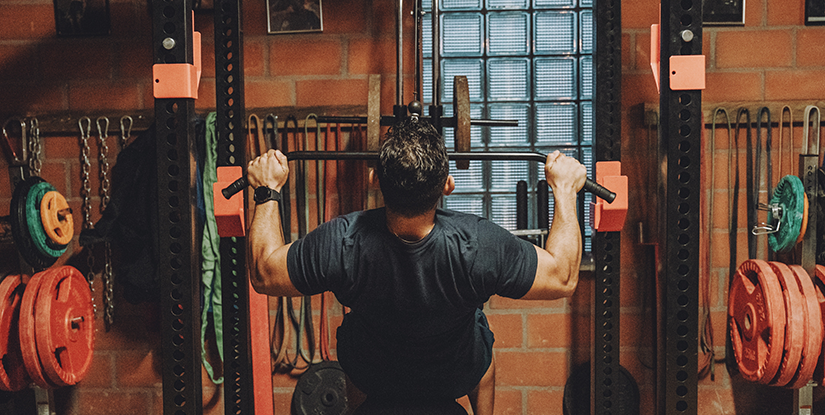
Barbell Squat Rack | Maintaining Commercial Barbell Squat
Procurement Standards for High-Traffic Squat Racks
Distributors often mistake high weight capacity for long-term durability, frequently sourcing units that lack structural resilience under constant use. A superior procurement strategy focuses on the material composition and surface resistance of the barbell squat rack to ensure the equipment withstands the rigors of high-traffic environments without premature deformation or wear.
Essential Material Specifications
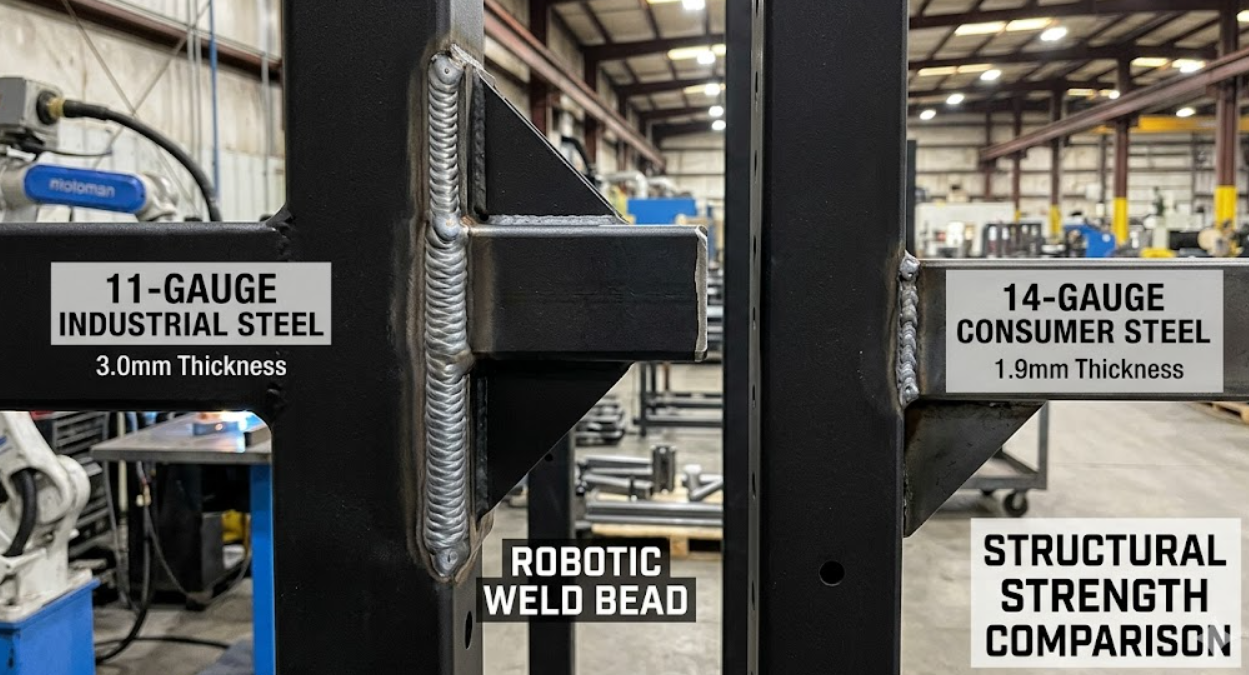
To maintain structural integrity in a commercial setting, the frame must be constructed from heavy-duty steel gauge, typically 11-gauge or 7-gauge steel, depending on the intended load intensity. Relying on thinner steel leads to frame bowing and instability over time, increasing liability for the facility. Additionally, the quality of the powder coating durability is a critical metric; high-grade finishes prevent chipping during heavy barbell impact, protecting the steel from oxidation and maintaining a professional aesthetic for the life of the product.
| Specification Type | Standard Commercial Requirement | Procurement Benefit |
|---|---|---|
| Steel Gauge | 11-gauge minimum | Prevents structural fatigue |
| Surface Finish | Industrial powder coating | Resists impact and oxidation |
| Joint Construction | Full-penetration welding | Ensures long-term stability |
Technical Comparison for Facility Sourcing
When evaluating different models, procurement managers must weigh the initial cost against the long-term maintenance requirements. A heavier steel gauge increases the upfront investment but significantly reduces the frequency of commercial weight rack inspection cycles and replacement costs. Choosing between finishes like chrome and electrostatic powder coating also affects how the equipment handles daily friction and impact in high-volume strength training facilities.
| Configuration Level | Steel Gauge | Weight Capacity | Typical Coating |
|---|---|---|---|
| Standard Commercial | 11-gauge | 600–800 lbs | Electrostatic Powder |
| Premium/Professional | 7-gauge | 1,000+ lbs | Hard Chrome or Polyurethane |
| Light Commercial | 14-gauge | < 500 lbs | Basic Powder Coat |
During your gym equipment upkeep protocols, prioritize checking the weld points and the integrity of the coating. If the coating begins to flake or the steel shows signs of minor bending, it is an indicator that the rack's specifications may not meet the specific load demands of your facility's training programs.
Optimizing Total Cost of Ownership (TCO) Through Preventative Care
Maximizing the return on a barbell squat rack investment requires moving beyond reactive repairs toward a proactive strength training facility maintenance model. A structured inspection schedule drastically lowers the total cost of ownership (TCO) by preventing catastrophic structural failure and extending the usable lifespan of the steel frame.
Effective gym equipment upkeep should include a monthly commercial weight rack inspection focused on two critical areas: fastener integrity and mechanical wear. We recommend a strict bolt tightening frequency of once every 30 to 60 days, depending on usage volume, to counteract the vibrations caused by heavy barbell drops. During these rounds, staff should actively document wear and tear signs, such as hairline fractures in weld points, uneven upright alignment, or localized rust beneath the powder coating. Identifying these issues early allows for minor adjustments rather than expensive, full-unit replacements, ensuring your procurement budget is spent on expansion rather than constant replacement.
Critical Inspection Points for Commercial Weight Racks
A rigorous commercial weight rack inspection protocol is essential for mitigating facility liability and ensuring long-term structural stability. In high-traffic gym environments, constant mechanical stress and heavy loading can compromise the integrity of a barbell squat rack if maintenance is neglected.
Establishing strict safety protocols allows distributors and facility managers to identify fatigue before it leads to equipment failure. Beyond simple aesthetics, regular technical audits focus on the structural junctions and load-bearing components that define the lifespan of your inventory.
| Inspection Focus | High-Frequency Use (Standard) | Heavy-Duty (Elite/Pro) | Procurement Impact |
|---|---|---|---|
| Structural Joints | Visual check for weld cracks | Ultrasonic or deep visual scan | Lower replacement frequency |
| J-Cup/Hook Integrity | Monthly wear assessment | Bi-weekly precision check | Reduced injury liability |
| Bolt/Fastener Tension | Quarterly torque verification | Monthly torque verification | Extended equipment longevity |
Technical Component Audit Checklist
To implement effective preventative maintenance, technicians must look beyond surface-level cleanliness and focus on mechanical tolerances. High-performance facilities require a systematic approach to auditing specific wear patterns that signal imminent component failure.
Inspect the welding integrity at every major junction point where the uprights meet the base or cross-members. Even microscopic hairline fractures in the weld can indicate structural fatigue under heavy load. Simultaneously, verify J-cup alignment; ensure the hooks sit perfectly level and have not been bent or warped by dropped weight, as uneven placement can lead to barbell instability.
For safety-critical elements, test safety bar functionality by ensuring they slide smoothly through their designated tracks without catching or vibrating excessively. Check all bolt tension across the frame to prevent wobbling, and scan for powder coating degradation. Scratched or chipped coatings are more than aesthetic issues; they expose the underlying steel to oxidation, which can compromise the structural lifespan of the entire unit.
Strategic Maintenance Scheduling by Facility Type
Maintenance intensity and labor allocation should scale directly with your facility's foot traffic and usage density. A boutique studio with controlled access requires a different operational budget than a high-volume commercial gym with constant turnover. Aligning your inspection frequency with your specific facility model helps optimize the Total Cost of Ownership (TCO) for your barbell squat rack inventory.
| Facility Type | Typical Inspection Frequency | Key Focus Areas | Maintenance Intensity |
|---|---|---|---|
| Boutique Studio / Hotel Gym | Quarterly | Visual integrity, bolt tightness, aesthetics | Low (Minimal staff oversight) |
| Standard Commercial Gym | Monthly | J-cup wear, safety bar travel, upright stability | Moderate (Routine facility upkeep) |
| High-Volume Training Center | Bi-Weekly | Weld stress, fastener torque, bearing/slide friction | High (Dedicated technical audit) |
From a procurement standpoint, choosing higher-grade steel or reinforced welding can often offset these labor costs by extending the intervals between major repairs. When sourcing for large-scale distribution or multi-site management, factor in these labor requirements to ensure your maintenance budget remains predictable across the entire product lifecycle.
Prioritizing Structural Integrity Through Preventative Maintenance
Implementing a structured preventative maintenance program is essential for any high-performance facility. For distributors and gym owners, relying on reactive repairs rather than a scheduled commercial weight rack inspection leads to unnecessary downtime and increased long-term costs. A consistent oversight protocol ensures that every barbell squat rack remains compliant with safety standards, protecting both the end-user and the facility's reputation.
In high-traffic environments, such as commercial strength hubs or collegiate training centers, equipment undergoes constant mechanical stress. Without rigorous strength training facility maintenance, minor issues like bolt loosening or weld fatigue can escalate into structural failures. Establishing a routine inspection cycle allows procurement managers to identify wear patterns early, ensuring the structural integrity of the steel remains uncompromised under heavy load cycles.
Standardized Inspection Framework
To effectively manage inventory longevity and minimize replacement costs, facility managers should adopt a tiered approach to equipment oversight. Distinguishing between superficial cosmetic checks and deep structural evaluations prevents oversight in high-load areas. Use the following framework to guide your onsite maintenance staff or third-party technicians.
| Inspection Frequency | Component Focus | Maintenance Action |
|---|---|---|
| Weekly (Routine) | J-cups, safety spotters, and pins | Verify alignment and ensure no visible deformation under load. |
| Monthly (Standard) | Bolts, fasteners, and connection points | Check for loosening; tighten all structural hardware to spec. |
| Quarterly (Deep) | Powder coating and steel surface | Inspect for chips or oxidation to prevent rust and structural compromise. |
| Bi-Annually (Structural) | Weight capacity stability and uprights | Evaluate frame rigidity and base stability for any shifting or tilt. |
From a procurement standpoint, selecting a rack with high-grade powder coating and standardized fastener sizes significantly reduces the complexity of these cycles. Higher-quality finishes and robust connection points ensure that routine upkeep remains a streamlined process rather than a constant operational burden.
Maximizing Long-Term ROI via Smart Procurement
When evaluating a barbell squat rack for large-scale deployment, the initial purchase price is only one variable in the TCO (Total Cost of Ownership) equation. For distributors and facility operators, the true cost is dictated by the lifespan of the equipment and the ease of upkeep. Selecting units with high-grade, industrial-strength finishes—such as electrostatic powder coating—is vital for maintaining powder coating integrity against moisture and friction-induced wear.
To secure a better long-term facility ROI, procurement professionals should prioritize manufacturers that offer high replacement parts availability. Sourcing from a supplier with robust wholesale procurement capabilities and a steady supply of modular components (such as replacement J-cups, safety pins, or upright bolts) prevents a single component failure from rendering an entire unit obsolete. Investing in durability at the sourcing stage mitigates the need for frequent full-unit replacements, ensuring your strength training inventory remains a stable, long-term asset.
Structural Integrity and Load-Bearing Safety Protocols
The longevity of a commercial barbell squat rack depends entirely on its ability to withstand repetitive, high-velocity loading. For distributors and facility managers, maintaining structural integrity is not merely about equipment uptime; it is a critical risk management strategy to prevent mechanical failure under heavy loads.
In high-traffic environments, the constant vibration and impact from heavy weight plates can compromise weld points and fastener tightness over time. Implementing a rigorous commercial weight rack inspection protocol ensures that the load-bearing capacity remains within the manufacturer's original specifications. Without a consistent preventative maintenance schedule, even premium-grade steel can experience fatigue, leading to catastrophic failures during peak training hours. Prioritizing these safety benchmarks during your initial procurement phase helps mitigate long-term liability and reduces the total cost of ownership for your clients.
Critical Inspection Points
To maintain optimal performance, facility managers should adopt a technical framework that targets high-stress zones. A thorough barbell squat rack maintenance routine begins with evaluating welding integrity. Inspect all junction points for hairline fractures or discoloration, which often signal metal fatigue or poor weld penetration. Even high-quality factory builds can develop micro-cracks under the stress of heavy barbell cycles.
Next, focus on upright stability and hardware security. Use a calibrated wrench to check bolt torque across all structural connections, ensuring that vibration from heavy lifting has not loosened the fasteners. Additionally, monitor wear and tear patterns on adjustable pins and J-cups; any visible deformation or rounding of the metal indicates that the component is approaching its end-of-life. Systematic monitoring of these specific variables allows distributors to provide better long-term support and ensures the facility remains compliant with safety standards.
Maintenance Frequency and Inspection Protocols
Standardizing inspection intervals is essential for managing the total cost of ownership and ensuring facility safety. Depending on the volume of use in your commercial gym or training center, a tiered approach to maintenance provides the best balance between operational uptime and structural safety. The following table outlines the recommended protocols for professional strength training facilities.
| Frequency | Inspection Type | Focus Area | Required Action |
|---|---|---|---|
| Daily | Visual Walkthrough | Surface Damage & Debris | Clear any loose weights; check for obvious structural deformities. |
| Monthly | Mechanical Check | Fasteners & Moving Parts | Tighten bolts; lubricate J-cup movement; inspect pin alignment. |
| Quarterly | Structural Audit | Weld Points & Load-Bearing Frames | Deep inspection of weld integrity; check for metal fatigue or oxidation. |
By integrating these routine checks into your gym equipment upkeep strategy, procurement managers can predict replacement cycles more accurately. This proactive stance minimizes emergency repair costs and ensures that the barbell squat rack remains a reliable asset throughout its functional lifespan.
Logistics and Unboxing for Large-Scale Equipment Deployment
Managing the arrival of heavy-duty strength equipment requires precise coordination between freight forwarders and facility receiving teams. When ordering a barbell squat rack in bulk, the complexity of international shipping and local drayage can introduce significant hidden costs if the receiving process is neglected.
Mitigating Hidden Costs Through Pre-Unboxing Inspection
The most critical moment for a procurement manager occurs before the first crate is opened. A rigorous commercial weight rack inspection must be conducted while the shipment is still under the carrier's control. Relying on a standard signature upon delivery often shifts the liability for structural damage from the logistics provider to the buyer, making claims nearly impossible.
To ensure effective damage prevention, your receiving team should verify the following before unboxing:
- External Packaging Integrity: Check for crushed corners, punctured steel plating, or moisture stains on wooden crates that indicate compromised structural protection.
- Pallet Stability: Confirm that the weight distribution of the barbell squat rack components hasn't shifted during transit, which can lead to bent uprights or scratched powder coatings.
- Documentation Alignment: Verify that the packing list matches the physical carton count to prevent shortages that delay facility openings.
Implementing this systematic inspection protocol protects your initial investment and ensures that any transit-related defects are documented immediately, preserving your ability to seek recourse from distributors or freight companies.
Evaluating Shipping Models for Volume-Based Procurement
Selecting the right logistics model directly impacts your total cost of ownership (TCO) and the long-term viability of your strength training facility maintenance budget. While smaller boutique studios might rely on frequent, smaller shipments, large-scale distributors and commercial gym chains must weigh the trade-offs between lead time and freight economies of scale.
The following comparison outlines the primary methods used for transporting heavy-duty steel structures to help optimize your procurement strategy:
| Shipping Method | Typical Volume | Lead Time Impact | Cost Profile | Best Use Case |
|---|---|---|---|---|
| LTL (Less Than Truckload) | 1–5 Units | Short/Medium | Higher per-unit cost | Small studio replenishment |
| FCL (Full Container Load) | Bulk/Containerized | Longer (Ocean/Land) | Lowest per-unit cost | Distributor inventory/Large gyms |
| Local Distribution | Low/Immediate | Minimal | Premium pricing | Emergency replacement parts |
For high-density facility layouts, opting for FCL minimizes the logistics-related downtime. While it requires more advanced planning and dedicated warehouse space for unboxing, the reduction in freight overhead per barbell squat rack allows for a more sustainable budget allocation toward routine strength training facility maintenance and equipment upgrades.
Optimizing Deployment Costs and Site Readiness
Unexpected expenses often arise during the final stages of installation due to poor site preparation. To avoid excessive assembly labor charges, procurement managers must ensure the facility layout accounts for both the physical footprint and the necessary clearance for safety. A well-planned deployment prevents the need for costly mid-installation adjustments or moving heavy steel components once they are unboxed.
When calculating your deployment costs, factor in the specialized tools and floor-anchoring requirements necessary for a professional barbell squat rack setup. Investing in precise spatial planning and pre-installation gym equipment upkeep protocols ensures that the equipment is integrated seamlessly into the floor plan, preventing secondary labor costs and ensuring a safe, efficient training environment from day one.
Long-Term Asset Management and Replacement Forecasting
For facility managers and distributors, the true value of a barbell squat rack is found in its lifecycle performance rather than the initial purchase price. Evaluating the Total Cost of Ownership (TCO) requires looking beyond the invoice to include the long-term costs of labor, downtime, and hardware replacement.
Maximizing ROI Through Preventative Maintenance
Relying on reactive repairs after a mechanical failure occurs is a costly mistake that disrupts gym operations and risks user safety. Implementing a rigorous preventative maintenance schedule—such as quarterly bolt tightening and lubrication of adjustment pins—protects the structural integrity of the unit. Consistent gym equipment upkeep ensures that high-traffic strength zones remain operational, extending the functional lifespan of the asset and delaying expensive capital expenditures.
TCO Comparison: Preventative vs. Reactive Models
| Maintenance Approach | Typical Impact on TCO | Operational Outcome |
|---|---|---|
| Scheduled commercial weight rack inspection | Low (Predictable labor costs) | Extended equipment life and high uptime |
| Reactive/Break-fix model | High (Unplanned parts and shipping) | Equipment downtime and safety risks |
By prioritizing a commercial weight rack inspection protocol, wholesalers and gym owners can transition from unpredictable repair cycles to a stable asset management strategy. This proactive stance optimizes the return on investment for every barbell squat rack deployed in a professional training environment.
Distributors should advise clients that the choice between budget-tier and premium-grade equipment often dictates the long-term maintenance burden. While low-cost alternatives may offer lower upfront MOQs, the frequency of part failures often negates any initial savings. A strategic procurement approach focuses on selecting high-spec components that withstand rigorous commercial usage cycles.
| Strategy Component | Reactive Replacement (Budget Focus) | Preventative Maintenance (Premium Focus) |
|---|---|---|
| Inspection Frequency | Only upon failure or noise | Quarterly or bi-annually |
| Cost-Benefit Ratio | Low initial cost; high replacement frequency | Higher initial investment; lower TCO |
| Long-term ROI | Diminished by frequent downtime | Optimized through asset longevity |
Selecting a high-durability barbell squat rack with standardized, replaceable parts allows for more efficient strength training facility maintenance. For bulk buyers, sourcing equipment with high-grade coatings and robust adjustment mechanisms reduces the frequency of specialized technical interventions, ensuring the facility remains a profitable, high-uptime environment.
Strategic replacement forecasting is essential for maintaining a seamless floor layout and preventing unexpected gaps in training capacity. Rather than waiting for a total breakdown, procurement managers should monitor specific wear and tear indicators, such as paint chipping on contact points, loosening of J-cup stability, or slight misalignments in upright structural components. Recognizing these early signs allows for a controlled wholesale procurement strategy, where parts or full units can be ordered during low-season cycles rather than during peak operational demand.
Optimizing Sourcing for Longevity
When scaling a facility or expanding a distribution catalog, the priority should shift toward sourcing high-durability steel and reinforced welding standards. Low-gauge steel may meet basic requirements, but professional-grade equipment demands heavy-duty gauge profiles to withstand lateral forces and heavy barbell impact. For distributors, prioritizing suppliers with high-caliber factory capability and rigorous quality control ensures that every barbell squat rack delivered meets the structural demands of a high-traffic commercial environment, ultimately protecting the buyer's bottom line through superior asset endurance.