Why a Sit Squat Rack Might Transform Your Leg Day Guide
Evaluating the Impact of Specialized Lower Body Machines on Facility ROI
Many facility owners make the mistake of prioritizing high-volume, generic strength machines that quickly become obsolete or underutilized, leading to wasted capital. A more strategic sourcing approach involves investing in high-utility, niche assets like a sit squat rack. While standard racks serve a broad demographic, specialized equipment targets specific training outcomes, offering a competitive edge that generic setups cannot match. By diversifying your floor plan with high-quality lower body strength training solutions, you transition from a basic gym to a high-performance training destination.
The true value of a sit squat rack lies in its ability to drive member engagement through specialized results. When clients see progress in stability and targeted muscle engagement, their retention rates naturally climb. Furthermore, choosing professional-grade, specialized lifting equipment ensures superior equipment longevity. For distributors and gym owners, this means fewer replacement cycles and a more durable asset base, ultimately maximizing the long-term return on your initial procurement investment.
To visualize the long-term value, consider the comparison between traditional free-weight zones and a dedicated seated squat machine station. While free weights offer versatility, they often demand high levels of technical skill and significant floor area for safety buffers. In contrast, a sit squat rack offers superior space efficiency by consolidating a high-impact movement into a controlled, compact footprint. This allows you to optimize your facility's square footage while catering to a wider demographic.
From a procurement standpoint, the ROI extends beyond mere floor space. A high-quality seated squat machine enhances user accessibility, allowing members who may lack advanced balance or core stability to engage in intense lower body strength training safely. Additionally, unlike complex multi-station cable machines, this type of specialized lifting equipment typically has lower maintenance requirements. For global distributors and gym owners, sourcing durable, single-function machines reduces long-term operational overhead and minimizes downtime, ensuring your capital is tied to reliable, high-performing assets.
Ultimately, the decision to integrate a sit squat rack into your inventory is a move toward facility differentiation. In a saturated market, a gym that offers a premium training experience through advanced, targeted tools stands out against those providing only standard amenities. This distinction is vital for attracting high-value clients and specialized coaching programs. By sourcing specialized lifting equipment that prioritizes both mechanical precision and user safety, you create a unique selling proposition that justifies higher membership tiers.
The ROI of this strategy is realized through multiple revenue streams: increased member retention driven by measurable results, higher turnover in high-performance zones, and reduced long-term maintenance costs. Rather than competing on price alone, distributors and owners can compete on quality and specialized utility. Investing in a high-grade seated squat machine ensures your facility remains a modern, indispensable destination for those serious about lower body strength training, securing a stronger competitive position in the global fitness landscape.
Essential Specifications for High-Performance Seated Squat Machines
When sourcing specialized lifting equipment for a commercial facility, the most critical investment isn't just the functionality—it is the structural integrity. A low-quality seated squat machine can compromise user safety and increase long-term maintenance costs. To ensure your facility remains a premium destination for lower body strength training, you must prioritize high-grade steel construction. This foundational quality prevents frame warping and ensures the machine maintains its stability even under maximum load during high-intensity sessions.
For distributors and gym owners, understanding the distinction between consumer-grade and commercial-grade builds is vital for calculating the total cost of ownership. A robust sit squat rack should be engineered to withstand thousands of cycles without mechanical fatigue.
| Material Specification | Standard Commercial Grade | Premium Heavy-Duty Grade |
|---|---|---|
| Steel Gauge | 11-gauge steel | 7-gauge or reinforced steel |
| Weight Capacity | High (Standard Load) | Extreme (Maximum Load) |
| Frame Stability | Rigid Construction | Enhanced Anti-Wobble Design |
| Durability Expectancy | Long-term Use | High-Traffic Commercial Use |
Investing in superior high-grade steel construction ensures that your sit squat rack remains a reliable asset, minimizing downtime and protecting your reputation for quality.
Evaluating the long-term viability of a sit squat rack requires looking beyond the initial purchase price. For high-traffic environments, the durability comparison between home-use models and professional-grade equipment is stark. While a residential seated squat machine might suffice for personal use, it often lacks the structural reinforcement required for the repetitive, heavy loading found in professional settings. This distinction directly impacts your maintenance requirements and operational overhead.
To optimize your procurement strategy, consider how the intended usage intensity dictates the necessary build quality. A commercial-grade seated squat machine is engineered for constant, heavy-duty cycles, whereas lighter builds may suffer from mechanical fatigue or frame misalignment over time. Choosing the right level of specialized lifting equipment ensures that your lower body strength training zone remains functional and safe, reducing the frequency of part replacements and technical downtime in your facility.
Beyond the structural frame, the fine details of manufacturing determine how a piece of equipment ages in a high-traffic environment. High-performance sit squat rack units rely heavily on precision engineering to ensure that moving parts, such as guide rods and pivot points, maintain smooth, friction-free operation over thousands of repetitions. Without this level of accuracy, even a heavy-duty machine can develop wobbles or mechanical lag, which compromises user safety and the overall training experience.
Furthermore, the exterior finish is a critical factor in protecting your long-term investment. We recommend sourcing equipment that utilizes advanced wear-resistant coatings. These specialized finishes protect the steel from oxidation, sweat-induced corrosion, and the physical abrasions common in a busy gym. By prioritizing these high-spec materials, facility managers can ensure their seated squat machine remains aesthetically pristine and structurally sound, significantly extending the lifecycle of the equipment and reducing the need for frequent replacements.
Optimizing Floor Plan Layouts with Targeted Strength Equipment
In high-traffic commercial facilities, floor real estate is often the most expensive commodity. Traditional free-weight zones required for lower body strength training—such as expansive squat racks and long barbell paths—frequently create bottlenecks and "dead zones" where movement is restricted. This lack of spatial optimization can disrupt the natural flow of a gym, making the environment feel cluttered and unorganized.
Integrating a sit squat rack offers a strategic solution for facility managers and gym owners looking to maximize utility per square foot. Unlike standard setups that require significant clearance for bar travel and spotting, this specialized lifting equipment features a much tighter footprint. By consolidating the movement within a controlled, seated frame, you can reclaim valuable floor space for other amenities or high-density training zones. For distributors and gym developers, sourcing a seated squat machine that prioritizes a compact design ensures a more efficient layout, allowing for a higher density of premium lower body strength training stations without compromising on professional quality or user safety.
When planning a facility expansion or a new build, understanding the trade-offs between traditional free weights and a seated squat machine is essential for a high-performance floor plan layout. While barbells offer high equipment versatility, they demand significant space requirements to accommodate safety bars, weight plates, and user movement. A sit squat rack, conversely, provides a streamlined, vertical profile that fits more easily into tight corners or specialized training corridors.
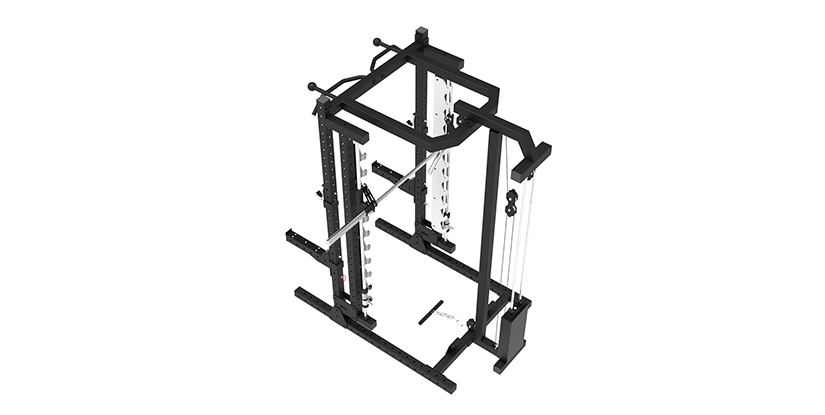
The following comparison illustrates how choosing specialized lifting equipment can transform your lower body strength training zone from a sprawling, high-maintenance area into a high-density, efficient station.
| Feature/Requirement | Traditional Barbell Setup | Seated Squat Machine |
|---|---|---|
| Space Requirements | Large (requires clearance for bar path) | Compact (optimized footprint) |
| Layout Flexibility | Requires wide, open zones | Fits easily into corner/dense zones |
| Equipment Versatility | Extremely high (multi-use) | Targeted (specialized movement) |
| User Safety Buffer | Wide area needed for spotting | Minimal (controlled movement) |
For professional buyers and distributors, investing in a sit squat rack means prioritizing a layout that maximizes revenue-generating square footage while maintaining a premium, organized aesthetic for the end-user.
Beyond mere dimensions, effective facility design relies on how well equipment facilitates movement through various training zones. A common mistake in gym layout planning is placing high-intensity stations in high-traffic thoroughfares, leading to congestion and safety hazards. By strategically positioning a sit squat rack within a dedicated strength corner, you can create a distinct, high-performance area that encourages focused work without impeding the flow of members moving between cardio or functional areas.
Optimizing floor plan efficiency requires more than just small footprints; it requires intentional accessibility. Because the seated squat machine provides a more controlled and contained movement path, it is an ideal candidate for high-density zones where space is at a premium. For distributors and wholesale buyers, selecting specialized lifting equipment that balances a compact profile with intuitive access ensures that the facility remains navigable even during peak hours. This approach not only improves user throughput but also elevates the perceived quality of the gym's organization, turning a potentially crowded area into a streamlined, professional strength station.
Mechanical Stability and User Safety Standards in Heavy-Duty Lifting
When sourcing specialized lifting equipment for high-traffic commercial facilities, the primary concern shifts from mere aesthetics to long-term structural integrity. A high-quality sit squat rack must act as a rigid, unyielding foundation for the athlete. In the world of heavy-duty lifting, even microscopic deviations in frame alignment or weld strength can lead to catastrophic mechanical stability failures over time. For distributors and gym owners, this isn't just about a single workout; it is about the reliability of the asset under extreme load cycles.
Investing in a premium seated squat machine ensures that the components—such as the pivot points and support pillars—can withstand the repetitive stress of high-intensity lower body strength training. When procuring at scale, we emphasize that durability is a direct result of rigorous quality control during the manufacturing process. A robustly constructed sit squat rack minimizes the risk of metal fatigue, ensuring that your facility remains a safe, high-performance environment for even the most advanced lifters.
Proactive Care and Long-Term Reliability
To protect your investment and ensure the longevity of a seated squat machine, implementing a strict preventative maintenance schedule is essential. Even the highest-grade specialized lifting equipment requires consistent oversight to remain operational in high-use commercial environments. Neglecting routine checks can lead to accelerated wear and tear, which ultimately compromises user safety and increases long-term replacement costs.
We recommend that facility managers and distributors implement the following maintenance protocols to keep the sit squat rack in peak condition:
- Regular Lubrication: Apply high-quality lithium grease to all pivot points and guide rails to ensure smooth, frictionless movement during lower body strength training.
- Structural Integrity Checks: Perform monthly bolt tightening across the entire frame and seat assembly to counteract vibrations caused by heavy loading.
- Surface Inspection: Regularly scan for any signs of paint chipping or oxidation that could indicate structural stress or environmental impact.
By prioritizing these small technical adjustments, you ensure that your equipment maintains its factory-spec performance and provides a reliable training experience for years to come.
Understanding the lifecycle of your assets is crucial for effective procurement planning. Different categories of specialized lifting equipment carry distinct maintenance profiles, which directly influence their expected lifespan and total cost of ownership. For instance, a high-end sit squat rack designed for heavy commercial use will require a different level of scrutiny than standard free weights or lighter cardio machines.
The following table compares common equipment types to help you visualize the maintenance frequency and the critical inspection points required to maintain facility standards:
| Equipment Category | Primary Inspection Points | Typical Maintenance Frequency | General Expected Lifespan |
|---|---|---|---|
| Seated Squat Machine | Pivot bearings, guide rails, and upholstery | Monthly/Quarterly | 10+ Years |
| Free Weights (Dumbbells/Plates) | Surface oxidation and grip integrity | Bi-Annually | 15+ Years |
| Standard Benches | Frame welding and seat padding | Quarterly | 7–10 Years |
When sourcing a sit squat rack, we advise buyers to look for modular designs that allow for easier access to internal components. This accessibility simplifies routine care, ensuring that your lower body strength training stations remain a dependable fixture in your facility for the long haul.
Sourcing Premium Build Quality for Commercial Strength Training
When procurement professionals evaluate the budget for a sit squat rack, the initial price tag often obscures the true cost of ownership. In high-traffic commercial facilities, viewing this piece of specialized lifting equipment as a mere expense rather than a capital investment can lead to premature mechanical failure and increased maintenance overhead. To secure a high long-term ROI, buyers must prioritize structural integrity over the lowest possible quote.
High-tier manufacturers differentiate their products through heavy-duty steel construction and precision welding, ensuring the frame remains stable under extreme load cycles. A premium seated squat machine is designed to withstand the rigors of constant daily use without losing its alignment or structural durability. By sourcing equipment that utilizes thicker gauge steel and reinforced joints, gym owners mitigate the risk of frequent replacements, ultimately protecting their bottom line through sustained operational reliability and reduced downtime.
Deciding between budget vs. premium options requires a deep understanding of your facility's specific usage intensity. While entry-level models may appear attractive for small studios or home setups, they often lack the structural stability required for intense lower body strength training in a high-volume commercial environment. A lower price point frequently results in higher long-term costs due to increased maintenance requirements and the eventual need for full unit replacement.
To help you weigh the investment, consider the following comparison of typical market tiers:
| Feature Dimension | Budget-Oriented Models | Premium Commercial Grade |
|---|---|---|
| Primary Use Case | Light residential or boutique use | High-traffic commercial gyms |
| Mechanical Stability | Moderate; potential for frame sway | Superior; engineered for heavy loads |
| Maintenance Needs | Frequent adjustments and lubrication | Minimal; robust bearing systems |
| Long-Term Value | Lower upfront, higher replacement risk | Higher upfront, optimized lifecycle |
When sourcing a seated squat machine, the goal is to find the "sweet spot" where durability meets your budget. Investing in a high-quality sit squat rack ensures that your facility remains a reliable destination for serious athletes, rather than a place where equipment downtime interrupts their training progress.
Beyond the physical frame, the most critical factor in your procurement strategy must be the verification of safety standards. A failure in a single component can jeopardize both user safety and your facility's professional reputation. Therefore, we recommend sourcing premium equipment from manufacturers who maintain rigorous quality control protocols during every stage of production. This includes testing the tensile strength of cables, the smoothness of the glide paths, and the load-bearing capacity of the upholstery.
To ensure your investment is protected, always request documentation regarding the structural integrity of the sit squat rack. High-quality specialized lifting equipment should undergo strict stress testing to ensure it can handle repetitive, high-intensity lower body strength training without mechanical fatigue. By prioritizing transparency in the manufacturing process and demanding high safety standards, you transition from simply buying a machine to securing a reliable, long-term asset for your commercial fitness center.
Long-Term Maintenance Strategies for Specialized Strength Stations
Investing in a high-quality sit squat rack is a significant capital expenditure for any commercial facility. To protect your investment and ensure long-term mechanical stability, a proactive maintenance regimen is non-negotiable. Unlike standard free weights, this specialized lifting equipment relies on precision movement patterns that can be compromised by neglect.
Routine safety inspection protocols should focus heavily on the moving parts and pivot points. Over time, even the highest-grade seated squat machine components can experience subtle wear and tear due to high-volume usage in commercial environments. We recommend a monthly audit to check for loose bolts, fraying cables, or any misalignment in the guide rods. To maintain a smooth, fluid motion, consistent lubrication of the sliding mechanisms is essential; this prevents friction-induced heat and preserves the structural integrity of the frame.
By prioritizing these preventative measures, gym owners can extend the lifecycle of their lower body strength training assets, reducing the frequency of costly replacements and ensuring a seamless experience for every end-user.
To streamline your operational workflow, we have categorized the maintenance frequency required based on your facility's specific environment. Effective upkeep prevents minor friction issues from escalating into expensive repairs for your seated squat machine.
The following upkeep table provides a general framework for managing your specialized lifting equipment based on typical commercial usage patterns:
| Usage Level | Environment Type | Primary Focus | Review Interval |
|---|---|---|---|
| Low to Moderate | Boutique Studios / Hotel Gyms | Visual inspection & dusting | Quarterly |
| High | Standard Commercial Gyms | Lubrication & bolt tightening | Monthly |
| Extreme | High-Traffic Training Centers | Full mechanical & structural audit | Bi-Weekly |
Whether you are managing a single unit or a full fleet of lower body strength training stations, staying ahead of these cycles ensures that your sit squat rack remains a reliable, high-performing asset for your members while minimizing downtime.
Beyond mechanical adjustments, the physical environment plays a decisive role in the long-term durability of your assets. For facilities located in coastal regions or high-humidity climates, rigorous humidity control is a critical component of your operational strategy. Excessive moisture in the air can accelerate oxidation on exposed steel surfaces and degrade high-grade upholstery, potentially compromising the aesthetic and structural integrity of your specialized lifting equipment.
We strongly advise that facility managers implement climate-controlled HVAC systems to maintain a stable atmosphere. This prevents the premature aging of the seated squat machine components and protects the precision-engineered parts from environmental stressors. Furthermore, while routine internal checks are vital, we recommend scheduling periodic professional servicing from certified technicians. Expert oversight ensures that the complex load-bearing mechanisms of the sit squat rack are calibrated to factory standards, mitigating the risk of mechanical failure during peak usage hours. By combining environmental management with expert technical support, you safeguard the lifecycle of your lower body strength training infrastructure.
Vendor due diligence and specification guardrails
When sourcing high-performance training gear, the most expensive mistake is overlooking the underlying metallurgy. A premium sit squat rack is more than just a frame; it is a precision-engineered tool that must withstand repetitive, high-impact loading. For distributors and gym owners, ensuring structural stability starts with scrutinizing the steel gauge used in the primary uprights. Low-grade, thin-walled tubing may lower your initial freight costs, but it drastically increases the risk of frame deformation under heavy resistance.
Beyond the thickness of the steel, the longevity of specialized lifting equipment depends heavily on the quality of the finish. We recommend prioritizing a high-micron powder coating, which provides a resilient barrier against oxidation and the inevitable wear of daily commercial use. When vetting manufacturers, demand transparency regarding their welding techniques and material density. Investing in high-spec construction ensures that your seated squat machine remains a reliable centerpiece of lower body strength training programs for years, rather than a liability prone to mechanical failure.
To help you navigate the spectrum of manufacturing standards, we have developed a framework to evaluate the build quality of a seated squat machine based on its intended environment. Not all equipment is created equal; the distinction often lies in the synergy between component density and mechanical tolerance.
| Tier Level | Primary Usage Frequency | Typical Construction Features | Maintenance Requirement |
|---|---|---|---|
| Commercial Grade | High-volume/24-7 Gyms | Heavy-gauge steel, reinforced pivot points, industrial bearings | Minimal; routine lubrication of moving parts |
| Premium Studio | Boutique/Personal Training | Mid-to-heavy gauge steel, high-density upholstery | Standard; periodic bolt tightening and surface cleaning |
| Light/Home Use | Residential/Low-traffic | Lightweight tubing, basic mechanical linkages | Higher; frequent inspection for structural looseness |
When selecting a sit squat rack for professional settings, your focus should remain on the durability of the load-bearing components. A machine designed for intensive lower body strength training must feature high-grade bushings and precision-aligned rails. Selecting a tier that matches your usage frequency prevents premature wear and ensures the equipment remains a high-performing asset rather than a constant maintenance burden.
During the inspection of specialized lifting equipment, the most critical indicators of quality are often found in the fine details of assembly. High-end manufacturing is defined by the precision of the welding precision; you should look for smooth, uniform beads without any porosity or splatter, which indicates a stable heat control during the fabrication process. This structural integrity is vital for a sit squat rack, as uneven joints can become points of failure under heavy load.
Furthermore, the mechanical movement of the seated squat machine must be flawless. We advise testing the bearing smoothness by observing the resistance throughout the entire range of motion. A high-quality unit should offer a consistent, fluid glide without any jitter or grinding sensations. Finally, always verify the rated weight capacity against the manufacturer’s technical specifications. A rigorous quality control process ensures that every machine can handle peak eccentric loads, providing the long-term durability required for high-traffic commercial environments.