Wholesale Power Cages: Factory Direct Gym Equipment Power Cage Manufacturer
What Defines a Leading Gym Equipment Power Cage Manufacturer?
A reputable gym equipment power cage manufacturer provides more than just steel frames; they deliver commercial-grade durability through 11-gauge Q235 steel and automated precision. By sourcing directly from a specialized fitness gear power cage factory, B2B buyers ensure consistent structural integrity, safety certification compliance, and a significantly reduced total cost of ownership.
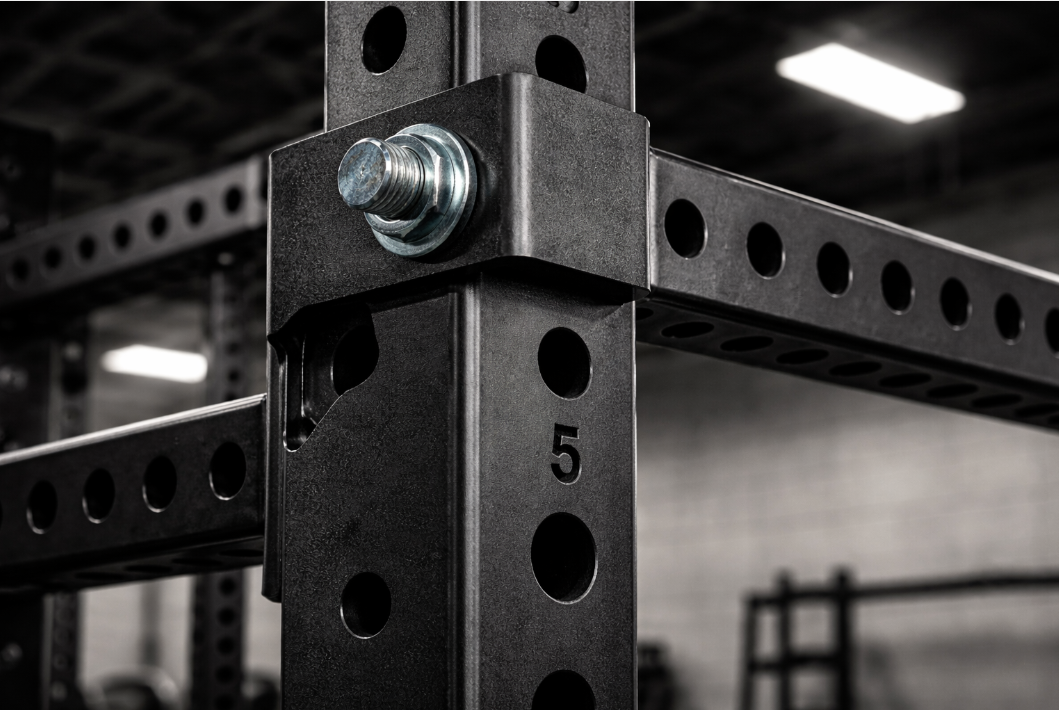
In the commercial fitness sector, the power rack is the cornerstone of the strength floor. For a gym owner or a regional distributor, selecting a gym power cage factory is a high-stakes decision that impacts long-term liability and maintenance budgets. We prioritize engineering over aesthetics, focusing on 3mm steel thickness and robotically welded joints that withstand the 1,500 lbs load capacities required in high-traffic facilities. This industrial approach eliminates the common failures found in retail-grade equipment, such as frame warping or powder coat chipping, which can tarnish a gym's reputation and lead to costly replacements.
The High Cost of Substandard Sourcing: Why Cheap Racks Fail the B2B Test
Procuring low-cost power racks often feels like a win for the initial budget, but the hidden costs of "cheap" equipment quickly erode those savings. Many distributors face the nightmare of shipping fragile units that arrive with bent uprights or misaligned bolt holes, leading to frustrated clients and expensive return logistics. For gym owners, a single structural failure isn't just a maintenance issue; it is a massive legal liability and a deterrent for high-paying members who demand professional-grade safety.
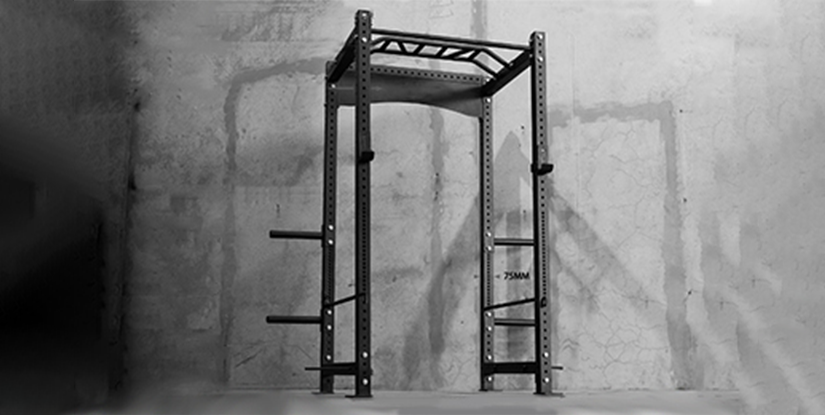
When you partner with a professional gym equipment power cage manufacturer, you are investing in a "zero-failure" infrastructure. Substandard racks frequently use thinner 14-gauge steel or manual welds that suffer from porosity and inconsistency. In a commercial environment, these weaknesses manifest as "sway" under heavy loads, which compromises the user's confidence and safety. Our gym power cage factory addresses these pain points by utilizing 75x75mm or 80x80mm uprights and industrial-grade hardware. This ensures the rack remains anchored and rigid through years of three-shift-per-day usage. By shifting from a "lowest price" to a "highest durability" mindset, distributors can maintain higher margins with fewer warranty claims, and gym owners can maximize their ROI through equipment that lasts a decade, not a season.
Our manufacturing process focuses on the specific needs of the B2B market, including:
| Feature | Standard Retail Rack | Our Factory Direct Commercial Rack | B2B Advantage |
|---|---|---|---|
| Steel Grade | 1.5mm - 2.0mm (Thin) | 3.0mm Q235 Steel | Prevents frame warping under 1000lb+ loads |
| Welding Method | Manual / Varied Quality | Full Robotic Laser Welding | 100% consistency across bulk orders |
| Hole Spacing | Wide / Inconsistent | Westside Spacing / CNC Punched | Precision fit for all attachments |
| Finish | Standard Spray Paint | Electrostatic Powder Coating | Extreme chip and sweat resistance |
Engineering the Foundation: Why Q235 Steel is the Commercial Standard
As a seasoned gym equipment power cage manufacturer, we understand that structural failure is not an option in a commercial setting. The primary differentiator between a high-performance rack and a residential imitation is the raw material. We utilize high-tensile Q235 structural steel with a minimum wall thickness of 3mm (11-gauge). While many suppliers cut costs by using 14-gauge or mixed-grade scrap steel, our fitness gear power cage factory adheres to industrial standards that guarantee a static load rating of up to 1,500 lbs. This is a critical metric for gym owners who cater to powerlifters and professional athletes, where the dynamic force of a dropped barbell can easily exceed the safety limits of inferior products.
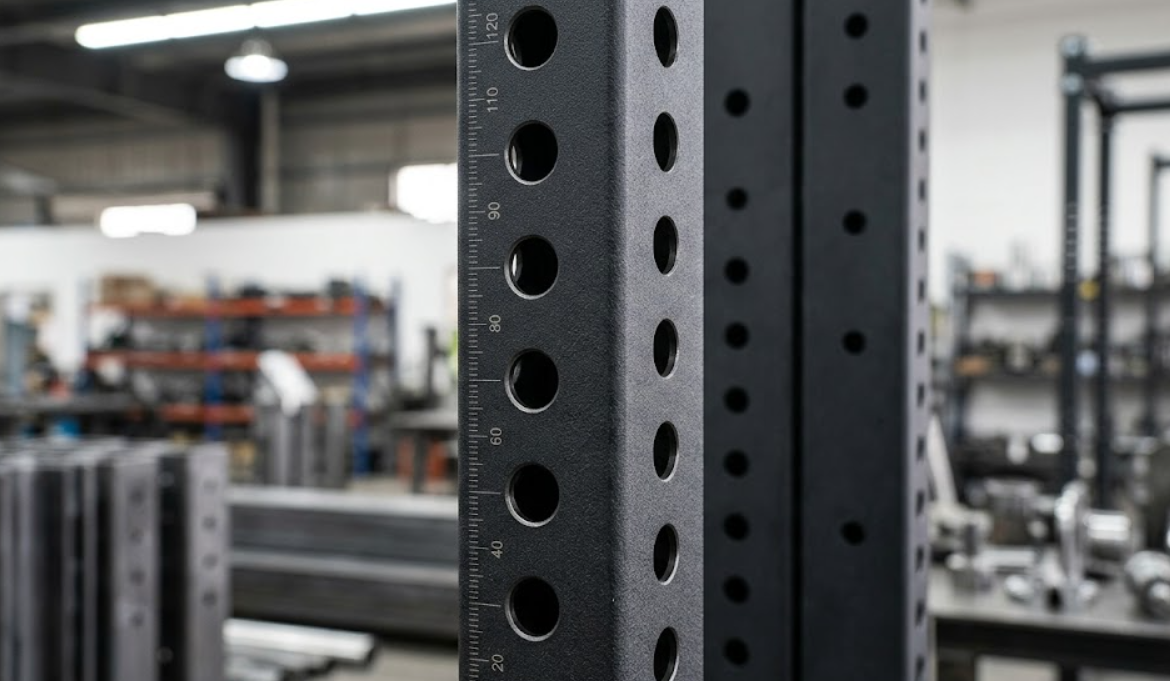
Beyond the thickness, the dimensions of the uprights—typically 75x75mm—provide the necessary surface area for stable attachment of J-cups, spotter arms, and cable systems. From a procurement perspective, this engineering choice reduces long-term maintenance costs. Thinner steel is prone to "ovaling" at the bolt holes after repeated use, leading to a wobbly, unsafe structure. By sourcing from a gym power cage factory that prioritizes material density and hole-punching precision, you ensure the rack remains a permanent asset on your gym floor, retaining its resale value and operational safety for over a decade.
Precision at Scale: The Impact of Robotic Welding on Bulk Procurement
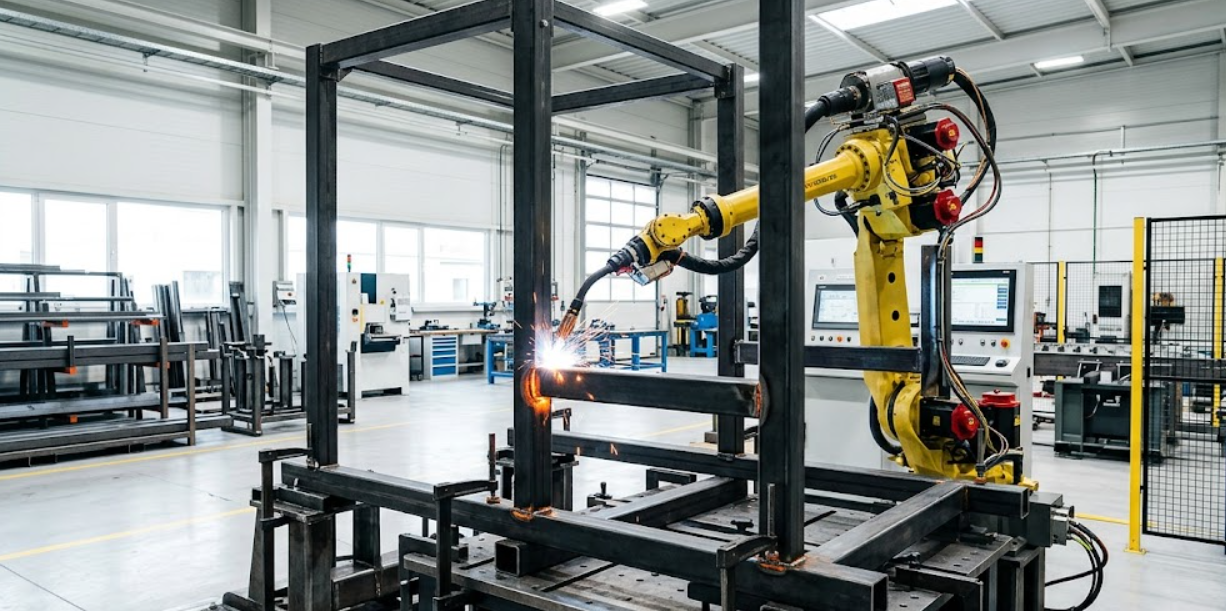
For distributors managing large-scale rollouts for franchise gyms, consistency is the biggest challenge. Manual welding, while skilled, inevitably introduces human error—slight variances in weld penetration or bead consistency can lead to assembly issues when installing fifty racks at once. Our gym power cage factory utilizes multi-axis robotic welding cells to ensure that every joint is identical. This level of precision is vital for the "bolt-together" integrity of the rack. When every component is perfectly square and every weld is uniform, on-site assembly time is reduced by approximately 20%, significantly lowering labor costs for the installation team.
This automated approach also addresses the "hidden" stress points of a power cage. A professional gym equipment power cage manufacturer uses robotic technology to ensure deep heat penetration at the base plates and cross-member junctions, where the most torque is applied. For the B2B buyer, this means fewer warranty claims and zero "dead on arrival" (DOA) parts. We have seen firsthand how this consistency helped a North American gym chain scale to 150 locations without a single structural report. In the wholesale world, reliability is the ultimate currency; our fitness gear power cage factory delivers that reliability through repeatable, tech-driven manufacturing processes.
Scaling Your Brand: OEM and Private Labeling via a Professional Power Cage Factory
For large-scale distributors and fitness brands, the ability to differentiate in a crowded market is the difference between price wars and brand loyalty. Working with a gym equipment power cage manufacturer that offers comprehensive OEM (Original Equipment Manufacturing) services allows you to move beyond selling a commodity and start building brand equity. Our fitness gear power cage factory provides advanced laser-cutting technology, allowing for custom logo integration directly into the steel uprights or crossmembers. This is not a simple sticker; it is a permanent brand statement that signals quality to every athlete who steps into the rack.
Beyond branding, our customization capabilities extend to color-matching and structural modifications. Whether your market requires a specific height for low-ceiling garage gyms or specialized "Westside" hole spacing for powerlifting boutiques, our engineering team can adjust CAD designs to meet your specific SKU requirements. By sourcing from a gym power cage factory with 15 years of experience, you leverage our production flexibility to offer "exclusive" features that your competitors cannot match. This strategic advantage allows you to maintain higher retail margins and creates a protective "moat" around your product line, as your customers cannot easily find the same specifications elsewhere.
Maximizing Revenue per Square Foot: The ROI of Multi-Functional Power Rack Systems
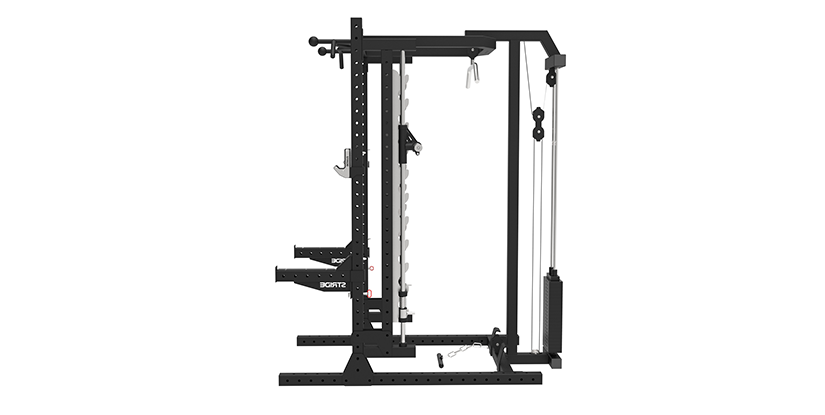
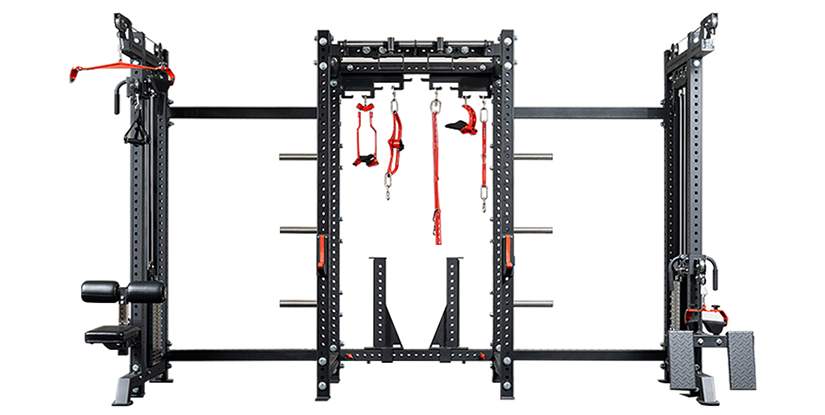
In the commercial fitness industry, floor space is the most expensive asset. A standard power rack occupies approximately 20-30 square feet, but its value is measured by the variety of exercises it facilitates. As a leading gym equipment power cage manufacturer, we design our systems to be "force multipliers." By integrating high-low pulley systems, jammer arms, and multi-grip pull-up stations, a single power cage can replace four to five standalone machines. For a small studio or a boutique gym owner, this space efficiency directly correlates to higher membership capacity and a faster return on investment (ROI).
From a procurement standpoint, purchasing multi-functional units from a fitness gear power cage factory simplifies your supply chain and reduces total equipment expenditure. Instead of managing five different vendors and five different maintenance schedules, you consolidate your strength floor into a unified, modular system. Our gym power cage factory focuses on "attachment compatibility," ensuring that every accessory—from dip stations to landmines—fits with zero tolerance for rattle or instability. This modularity also benefits distributors; you can stock a "base" rack and upsell various attachment packages, effectively increasing your average order value (AOV) without the need for additional warehouse space for bulky standalone machines.
| Space Optimization Metric | Standalone Machines (5 Units) | Integrated Power Cage System | Business Impact |
|---|---|---|---|
| Floor Space Required | 150+ sq. ft. | 35 sq. ft. (with attachments) | 75% space saving for more members |
| Total Procurement Cost | $8,000 - $12,000 | $2,500 - $4,500 | Reduces initial CAPEX by over 50% |
| Maintenance Points | High (5 separate units) | Low (1 central structure) | Lower long-term OPEX and labor |
| Exercise Versatility | Fixed / Limited | Unlimited (Free weight + Cable) | Higher user retention and variety |
Streamlining the Supply Chain: Logistics and Global Distribution Support
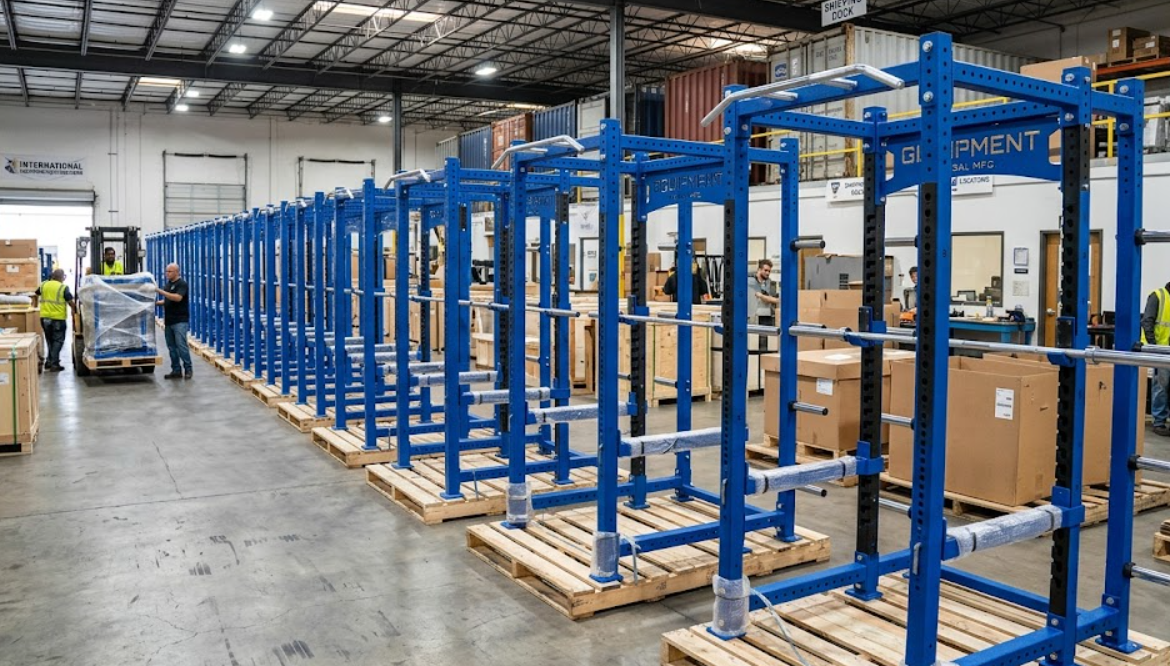
For international distributors, the product cost is only one part of the equation; shipping and customs logistics often determine the feasibility of a bulk order. A top-tier gym equipment power cage manufacturer must be an expert in container optimization. Our fitness gear power cage factory utilizes high-density flat-packaging techniques that minimize "dead air" within a shipping container. By designing the rack components to nest together efficiently, we can often increase the number of units per 40HQ container by 15-20% compared to standard suppliers. This directly lowers the landed cost per unit, allowing you to price more competitively in your local market without sacrificing your margins.
We also recognize that many of our B2B clients lack the infrastructure to handle complex customs clearances. That is why we provide end-to-end logistics support, including DDP (Delivered Duty Paid) options for major markets like North America and Europe. When you partner with our gym power cage factory, you are not just getting a manufacturer; you are getting a logistics partner that understands the nuances of ocean freight, port congestion, and inland trucking. We maintain a flexible MOQ (Minimum Order Quantity) policy, supporting "mixed container" orders that allow distributors to stock a variety of SKUs—such as power cages, bench presses, and storage racks—without overextending their working capital on a single product line.
Safety and Compliance: Meeting Global Standards in Power Cage Manufacturing
In the commercial fitness world, safety is the ultimate insurance policy. As a leading gym equipment power cage manufacturer, we operate under a strict ISO9001 quality management system, ensuring that every batch of steel and every welded joint meets international safety protocols. Our products undergo rigorous static and dynamic load testing to achieve CE certification, which is a mandatory requirement for many European commercial tenders. For a gym owner, choosing a rack from a certified fitness gear power cage factory reduces the risk of equipment-related injuries and the resulting insurance premium hikes or legal challenges.
Our quality control (QC) process is exhaustive. Before any order leaves our gym power cage factory, we perform a "first-article" assembly test to verify that every bolt hole aligns perfectly and that the powder coating thickness meets our 100-micron standard for industrial durability. We also provide full material traceability reports upon request, proving the chemistry and tensile strength of the steel used in your order. This level of transparency is what separates a professional gym equipment power cage manufacturer from a generic trading company. We provide you with the documentation and the peace of mind needed to pitch to government contracts, university athletic departments, and high-end fitness franchises with total confidence.
Sustainable Partnerships: Why Total Cost of Ownership (TCO) Outweighs the Initial Invoice
Experienced B2B buyers know that the purchase price of a power cage is only the tip of the iceberg. In a commercial setting, the Total Cost of Ownership (TCO) includes shipping, assembly, maintenance, and the eventual replacement cost. When you choose a high-quality gym equipment power cage manufacturer, you are intentionally lowering your TCO. A cheaper rack from a non-specialized factory might save 20% upfront but will likely require replacement parts, touch-up painting, or even full decommissioning within 24 months of heavy use. Our units are engineered for a 10-year structural lifespan, meaning your "per-year" cost is significantly lower than that of budget alternatives.
For distributors, the TCO perspective is even more critical for protecting reputation. Warranty claims are profit killers; the labor and logistics cost of replacing a defective upright often exceeds the original margin on the sale. By sourcing from a fitness gear power cage factory that implements rigorous stress-testing and quality control, you virtually eliminate these "after-sale" expenses. We focus on high-wear components—such as the J-cup liners and the thickness of the safety bars—to ensure that the parts most likely to fail are the most over-engineered. This reliability allows you to offer extended warranties to your clients, which serves as a powerful sales tool and justifies a premium price point.
The B2B Procurement Checklist: Vetting a Gym Power Cage Factory
Selecting a long-term gym power cage factory requires a systematic evaluation of their technical capabilities and business stability. Not all factories are equipped for the demands of the international commercial market. A true gym equipment power cage manufacturer should be able to provide clear documentation regarding their steel sourcing, welding certifications, and export history. Before finalizing a wholesale contract, we recommend evaluating several key performance indicators (KPIs) that directly impact your business operations, such as production lead times, weight tolerance standards, and the availability of replacement parts.
A reliable fitness gear power cage factory will offer a transparent view of their production floor. You should look for facilities that utilize CNC laser cutting rather than manual sawing, as this ensures the accuracy of every attachment point. Additionally, check the factory's ability to handle "mixed-load" logistics. Can they provide the benches, weights, and storage solutions needed to complete a full facility layout? Consolidation is a major logistical advantage in B2B procurement. By partnering with a versatile gym power cage factory, you reduce the complexity of your supply chain, minimize shipping delays, and ensure that every piece of equipment on the gym floor has a consistent aesthetic and functional quality.
To assist in your final decision-making process, use the following procurement checklist:
| Critical Checkpoint | Requirement for Commercial Grade | Our Factory Standard |
|---|---|---|
| Material Verification | ASTM A36 or Q235 Grade Steel | Certified Q235 Structural Steel |
| Structural Integrity | 11-gauge (3mm) thickness | Full 3mm thickness on all load-bearing tubes |
| Load Testing | Minimum 3x safety factor | Tested to 1,500 lbs static load capacity |
| Finish Durability | Industrial Powder Coat | Double-layer electrostatic powder coating |
| Compliance | ISO9001 / CE / EN957 | Full international certification suite |