Best Small Power Rack Options for Commercial Gym Sourcing
Optimizing Floor Plans with High-Density Strength Training Solutions
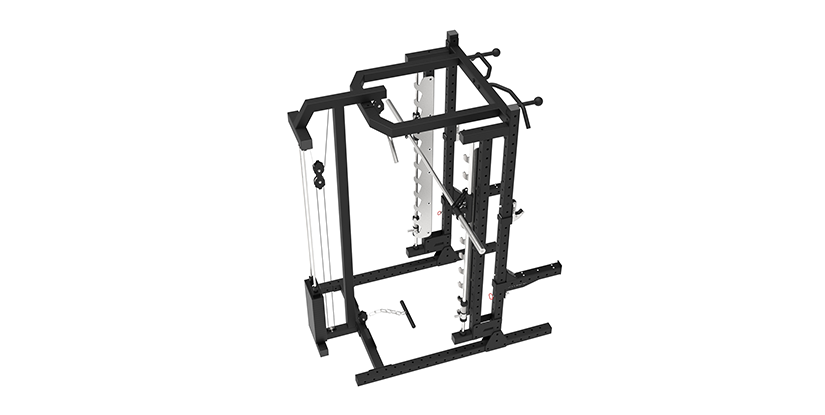
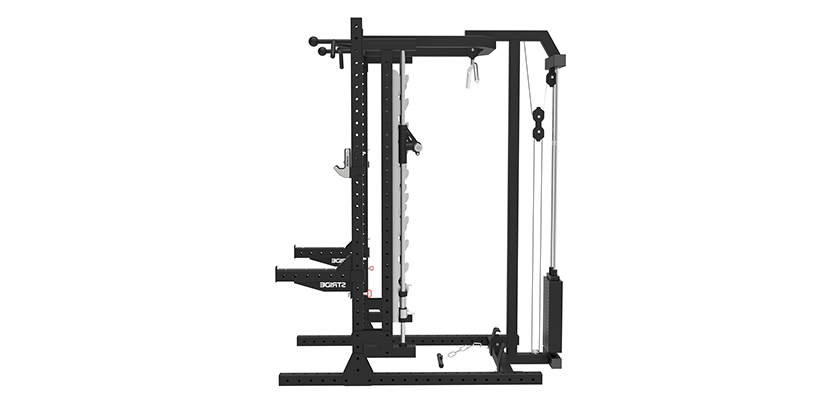
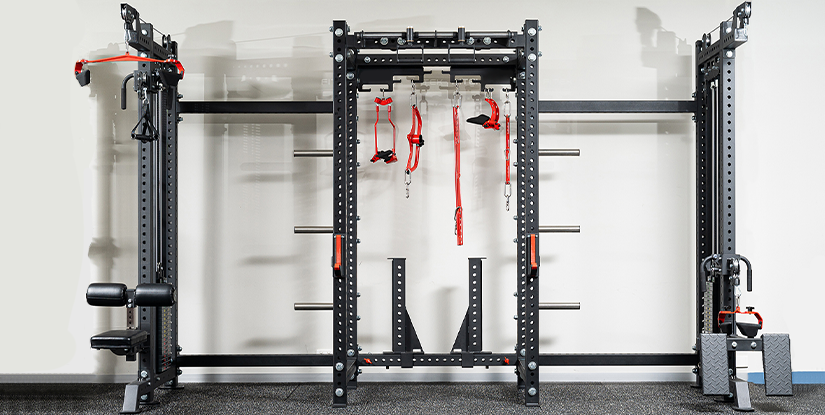
For boutique fitness studios or hotel wellness centers where square footage translates directly to overhead costs, every inch of floor space must yield a high return on investment. In these constrained environments, sourcing the best small power rack becomes a strategic necessity rather than a luxury. Unlike standard oversized rigs, compact strength training racks allow operators to increase equipment density without compromising user safety or movement ergonomics. By integrating these specialized units, facility managers can transition from sparse, low-capacity layouts to high-density training zones that accommodate more members simultaneously.
Effective floor plan optimization is the cornerstone of profitable commercial gym design. When procurement officers prioritize compact strength training racks, they are essentially buying more revenue-generating potential per square foot. For distributors and gym owners, selecting a best small power rack with a streamlined footprint ensures that heavy-duty lifting capabilities are available even in boutique settings. This approach maximizes utility in limited areas, ensuring your facility remains competitive and highly functional while maintaining strict quality control and structural integrity standards.
To assist in your wholesale gym equipment sourcing strategy, we have categorized common configurations based on their spatial requirements. Choosing the right model depends on whether your priority is absolute minimum footprint or a balance of high-load capacity. When selecting commercial grade squat racks, procurement officers must weigh space-saving dimensions against the intended intensity of the training zone to ensure long-term durability and user safety.
| Rack Configuration Type | Typical Footprint (Depth) | Load Capacity (Static) |
|---|---|---|
| Compact Half Rack | 42" - 48" | 800+ lbs |
| Wall-Mounted Folding Rack | 12" - 24" (Folded) | 600+ lbs |
| Slim Full Power Cage | 48" - 54" | 1,000+ lbs |
For distributors seeking to maximize inventory versatility, the best small power rack options often include wall-mounted or modular designs. These compact strength training racks offer the highest utility for high-rent urban locations. When negotiating with factories, ensure all commercial grade squat racks meet your specific weight-bearing certifications to prevent structural failure under heavy load.
Beyond mere dimensions, professional buyers must prioritize structural integrity to mitigate long-term liability. High-density environments demand equipment that does not compromise under heavy usage cycles. We recommend focusing on units featuring high-duty steel construction to ensure that even the most compact models can withstand rigorous commercial workloads. During your wholesale gym equipment sourcing process, it is vital to demand certified QC documentation. This verification ensures that every weld, coating, and component meets international safety standards, protecting your reputation as a reliable provider.
Furthermore, successful international procurement requires more than just finding the right specs; it requires global logistics reliability. When scaling your inventory, partner with manufacturers who offer streamlined shipping protocols and transparent lead times. Whether you are importing a single container or managing large-scale distribution, ensuring that your commercial grade squat racks arrive undamaged and on schedule is essential for maintaining your facility's operational uptime and profitability.
Evaluating Structural Integrity for High-Traffic Commercial Environments
When sourcing for high-traffic facilities, the primary concern for procurement officers is the longevity of the asset under heavy mechanical stress. To identify the best small power rack for your inventory, you must look beyond aesthetics and scrutinize the metallurgical specifications. A premium compact strength training rack must be engineered from high-duty steel gauge—typically 11-gauge or 7-gauge steel—to prevent structural deformation during repetitive heavy loading cycles.
For distributors and gym owners, structural stability is non-negotiable. High-quality commercial grade squat racks require reinforced welding points and heavy-duty uprights to maintain integrity over years of use. During your wholesale gym equipment sourcing process, always demand weight capacity certification and verified load-testing reports. This technical documentation ensures that the equipment can handle peak performance demands without compromising safety or structural fatigue, protecting your investment and reducing long-term replacement costs.
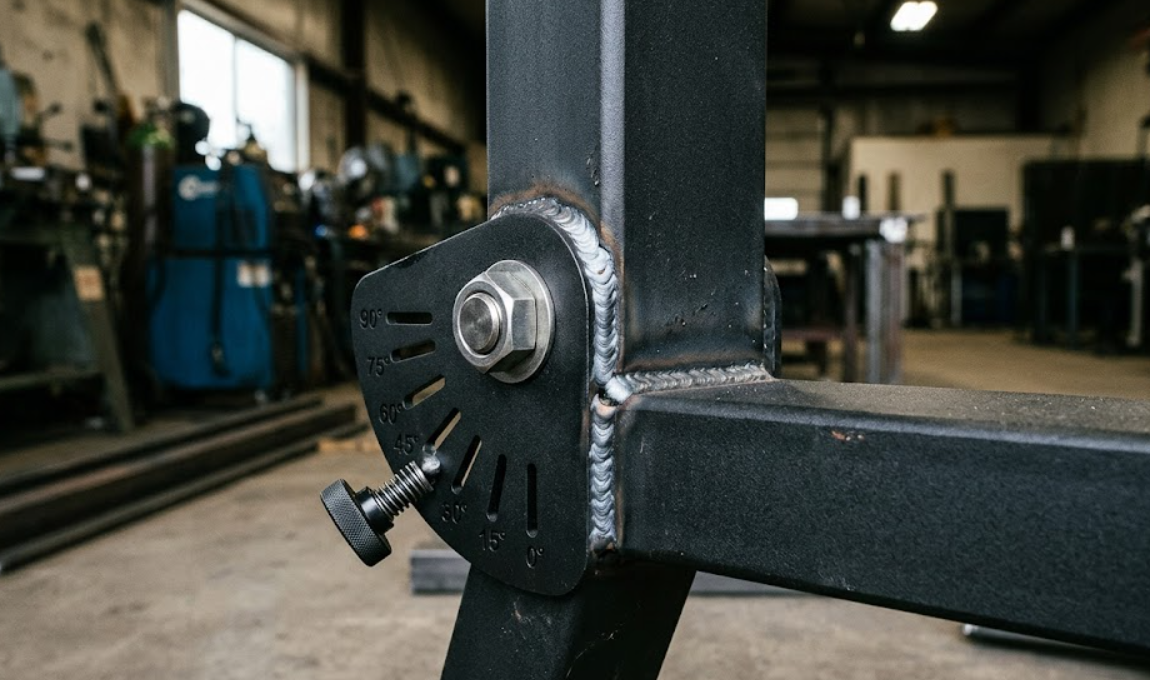
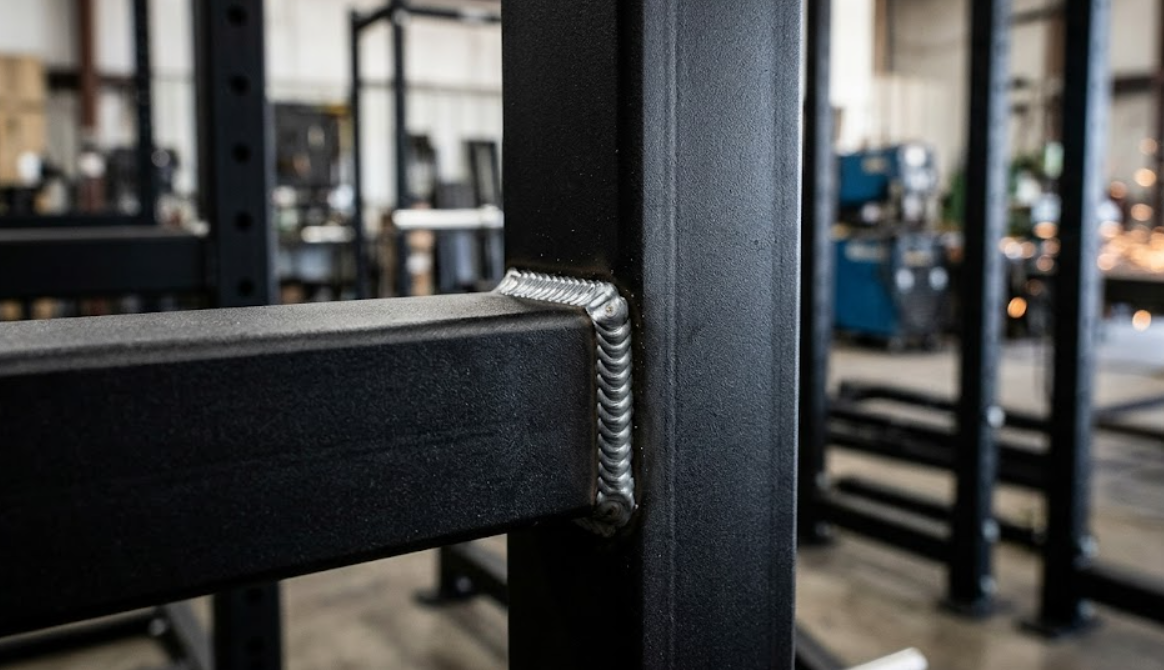
To mitigate risk during the procurement process, professional buyers must evaluate the specific metallurgical standards of each unit. Relying on generic descriptions is insufficient; instead, demand technical data sheets that detail the frame thickness and weld integrity. A high-quality compact strength training rack should feature full-penetration welds to withstand the lateral stresses common in commercial environments. Below is a technical benchmark to assist in your wholesale gym equipment sourcing decisions.
| Steel Gauge (Thickness) | Typical Load Capacity | Welding & Frame Quality | Commercial Durability Rating |
|---|---|---|---|
| 11-Gauge (approx. 3mm) | 800+ lbs (360+ kg) | Reinforced TIG/MIG Welds | High-Traffic / Premium |
| 7-Gauge (approx. 4mm) | 1,000+ lbs (450+ kg) | Heavy-Duty Structural Welds | Elite / Professional |
| 14-Gauge (approx. 2mm) | < 600 lbs (270 kg) | Standard Factory Welds | Light Commercial / Home |
When negotiating wholesale small power racks, clarify the MOQ considerations regarding custom steel thickness. Most top-tier manufacturers offer tiered pricing based on gauge thickness, ensuring you can scale your order while maintaining the high-duty standards required for the best small power rack designation in your local market.
Beyond material thickness, long-term wholesale procurement reliability depends on a manufacturer’s rigorous quality management systems. For large-scale distributors, verifying QC documentation is a critical step in the vetting process. We recommend requesting comprehensive factory testing standards reports, including stress-test data and mechanical strength validation, to ensure every unit meets international safety benchmarks. This structural integrity verification prevents the shipment of substandard units that could lead to liability issues or premature equipment failure in commercial settings.
Furthermore, professional buyers must account for the complexities of global shipping stability. Reliable wholesale gym equipment sourcing requires a partner who understands the logistics of moving heavy, high-density steel components across international borders. Ensure your supplier provides detailed packaging specifications and optimized container loading protocols to mitigate transit damage. By prioritizing manufacturers with transparent QC documentation and proven global shipping stability, you secure a consistent supply chain of the best small power rack options for your commercial clients.
Strategic Procurement: Balancing Footprint and Load Capacity
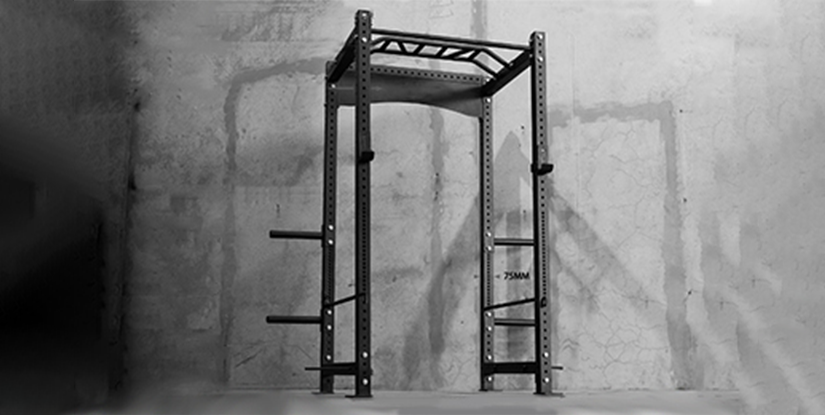
For facility managers and distributors, the primary challenge in wholesale gym equipment sourcing is the mathematical tension between spatial efficiency and structural durability. While many compact strength training racks sacrifice stability to save floor area, high-tier procurement requires a focus on the load capacity vs. floor space ratio. A substandard unit may save square footage but fail under heavy mechanical stress, leading to increased liability and replacement costs.
To secure the best small power rack for a high-traffic facility, buyers must prioritize high-duty steel construction over mere dimensions. We recommend sourcing units that utilize heavy-gauge steel tubing to ensure that a reduced footprint does not compromise the structural integrity required for professional strength training environments.
| Rack Configuration | Footprint Profile | Storage Efficiency | Procurement Suitability |
|---|---|---|---|
| Slim-Profile Rack | Minimal | High (Vertical) | Boutique Studios |
| Foldable Wall-Mount | Ultra-Low | Extreme (Wall-Stored) | Limited-Space Gyms |
| Compact Modular | Moderate | Medium (Accessory-Ready) | Commercial Training Centers |
When evaluating technical specifications for commercial grade squat racks, procurement teams must look beyond the visual footprint. A professional-grade unit must maintain a high strength-to-size ratio to ensure long-term durability and safety compliance. The following data provides a technical comparison to assist your wholesale gym equipment sourcing decision-making process, focusing on the critical relationship between steel thickness and weight-bearing capabilities.
The table below outlines the standard specifications we provide for our top-tier compact strength training racks, ensuring your facility receives equipment that meets rigorous global standards.
| Configuration Type | Typical Footprint (L x W) | Steel Gauge Specification | Max Weight Rating (lbs) |
|---|---|---|---|
| Standard Compact | 48" x 48" | 11-Gauge Steel | 650 - 800 lbs |
| Ultra-Slim Pro | 42" x 42" | 11-Gauge Steel | 600 - 750 lbs |
| Heavy-Duty Modular | 52" x 52" | 7-Gauge Steel | 1,000+ lbs |
Selecting the best small power rack depends on your specific client demographic; while boutique studios may prioritize the ultra-slim profile, high-performance centers should insist on 11-gauge or higher steel to guarantee structural stability under heavy load.
Beyond technical specifications, the true value of a best small power rack is realized through cost-per-square-foot optimization. For commercial distributors, maximizing revenue per square foot is a critical KPI. By integrating high-density, high-performance compact strength training racks, facilities can increase their equipment density without sacrificing the premium user experience. This strategic density allows for more diverse training zones within a smaller footprint, directly enhancing the facility's ROI.
Optimizing Global Supply Chain and Logistics
Effective wholesale gym equipment sourcing requires more than just selecting a model; it requires a partner with robust manufacturing and shipping capabilities. Our procurement process is designed to mitigate the risks of international trade. We offer scalable MOQ options to accommodate both growing boutique franchises and large-scale commercial distributors. To ensure compliance with international safety standards, every shipment is accompanied by comprehensive QC documentation, verifying material thickness and weld integrity.
Furthermore, our streamlined global logistics network ensures that even high-volume orders of commercial grade squat racks reach your facility with minimal transit friction. By optimizing container loading patterns and managing freight documentation rigorously, we help you reduce landed costs and ensure your facility scaling remains both predictable and profitable.
Quality Assurance Standards for Global Strength Equipment Imports
When sourcing for boutique studios or high-traffic training centers, the primary risk is not just aesthetic failure, but structural fatigue. For distributors and gym owners, selecting the best small power rack requires a rigorous audit of the manufacturing specifications. Low-tier alternatives often compromise on gauge thickness to save on shipping costs, leading to dangerous instability under heavy loads. To mitigate liability and ensure long-term ROI, procurement specialists must prioritize high-duty steel construction and verified weld integrity.
True commercial grade squat racks are engineered for high-frequency use, demanding a level of structural stability that budget-grade equipment cannot provide. During the wholesale gym equipment sourcing process, it is vital to demand weight capacity certification and detailed metallurgical reports. Ensuring your inventory meets these international standards prevents premature replacement cycles and protects your reputation as a reliable supplier in the competitive North American market.
To ensure long-term reliability, professional procurement must go beyond surface-level inspections. Reliable wholesale gym equipment sourcing requires a deep dive into the manufacturer’s technical QC documentation. We recommend requesting comprehensive material testing reports that verify the chemical composition and tensile strength of the steel used. This prevents the structural failures common in inferior compact strength training racks.
Top-tier manufacturers should demonstrate strict adherence to ISO standards throughout their production lifecycle. Your vetting process should mandate evidence of regular batch inspection protocols, ensuring that every shipment maintains manufacturing consistency. This means every unit leaving the factory undergoes rigorous load-bearing tests and weld-strength validation. For distributors, securing certified QC documentation is not just a formality; it is a critical safeguard against the liability of substandard equipment. By demanding these high-level technical benchmarks, you secure the best small power rack inventory that meets the uncompromising safety demands of commercial facilities.
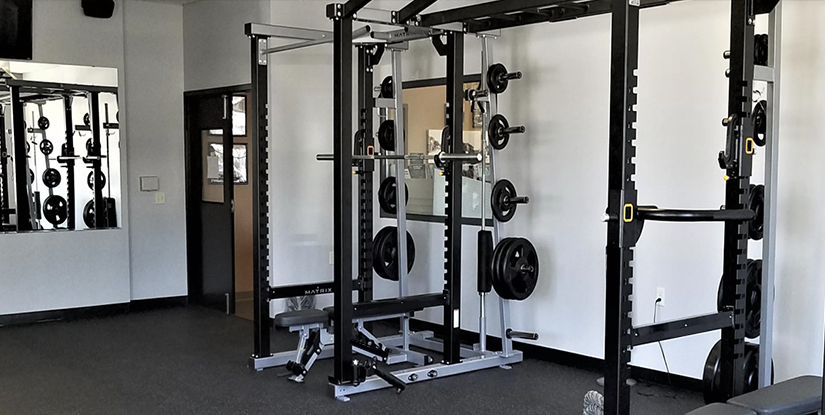
To streamline your vendor auditing process, we have developed a standardized verification framework. Utilizing this checklist during your factory inspections or when reviewing technical spec sheets will ensure you are securing the best small power rack options for your clients. High-performance compact strength training racks must meet specific physical benchmarks to withstand the rigorous demands of commercial environments and minimize long-term maintenance overhead.
Inspection Checklist for Compact Strength Training Racks
| Verification Metric | Target Specification | Procurement Objective |
|---|---|---|
| Steel Gauge | Minimum 11-gauge (approx. 3mm) | Structural integrity under heavy load |
| Powder Coating | Electrostatic/Anti-scratch finish | Long-term durability and corrosion resistance |
| Weld Strength | Full-penetration continuous welds | Prevention of structural fatigue/cracking |
| Bolt Grade | High-tensile Grade 8.8 or higher | Stability during high-impact usage |
Implementing these rigorous standards during wholesale gym equipment sourcing ensures that your commercial grade squat racks inventory remains a high-margin, low-return asset for your distribution business.
Scaling Inventory via Direct Manufacturer and OEM Partnerships
For facility owners and gym distributors, the difference between high returns and stagnant inventory lies in the supply chain. Relying on local distributors often adds unnecessary markups and limits your ability to scale. By prioritizing wholesale gym equipment sourcing through direct manufacturer partnerships, you eliminate the middleman and secure factory-direct pricing. This strategic shift significantly widens your profit margins, allowing you to offer competitive rates to your clients while maintaining healthy bottom lines.
When searching for the best small power rack, sourcing directly also provides greater control over customization and quality assurance. While working with a factory often involves a specific MOQ (Minimum Order Quantity), the long-term economic advantages of bulk procurement far outweigh the costs of small-batch retail purchasing. Whether you are stocking compact strength training racks for boutique studios or commercial grade squat racks for larger facilities, direct procurement ensures your inventory remains both high-performing and cost-effective.
To maintain a competitive edge, procurement officers must look beyond basic aesthetics and focus on rigorous technical standards. High-performing compact strength training racks must be built with high-duty steel construction to withstand the heavy mechanical stress of high-traffic environments. When vetting potential suppliers, demand comprehensive technical specification sheets that detail steel gauge, powder coating thickness, and tensile strength. Relying on vague descriptions is a risk; instead, insist on seeing QC documentation and material test reports to ensure every unit meets international safety standards.
Furthermore, leveraging custom branding/OEM capabilities allows distributors to build brand equity rather than just selling generic hardware. By partnering with a manufacturer capable of OEM/ODM services, you can integrate your own logo and proprietary color schemes into the commercial grade squat racks you supply. This level of customization, supported by strict quality control protocols, transforms a standard shipment into a branded product line, significantly increasing your market authority and long-term ROI.
Deciding between a white-label approach and a full OEM partnership depends on your capital allocation and long-term brand strategy. For many commercial facilities, the choice involves balancing the speed of market entry against the depth of product differentiation. While white-labeling offers faster turnaround, a dedicated OEM model provides the structural control necessary for high-end market positioning.
The following table compares common procurement models to assist in your wholesale gym equipment sourcing strategy, focusing on logistics reliability and cost-efficiency.
| Sourcing Model | Customization Level | Lead Time | Unit Cost |
|---|---|---|---|
| White-Labeling | Low (Logo/Color Only) | Short (Standardized) | Lowest (High Volume) |
| OEM (Custom Design) | High (Spec-Driven) | Extended (Developmental) | Moderate (Premium) |
| Direct Stock Sourcing | Minimal | Immediate | Competitive |
When selecting the best small power rack for your inventory, ensure your chosen model aligns with your logistics reliability requirements. A highly customized OEM path may offer superior brand value, but it requires more rigorous quality control oversight and longer planning cycles compared to standard compact strength training racks.
Logistics and Compliance in Wholesale Strength Equipment Sourcing
When sourcing the best small power rack for your facility, the most significant hidden costs aren't found in the initial invoice, but in long-term liability and operational downtime. Many distributors fail to account for the high price of substandard commercial grade squat racks that suffer from structural fatigue or non-compliant welding. Without rigorous oversight, a shipment of compact strength training racks can quickly become a massive financial liability due to safety failures or customs delays.
To mitigate these risks, professional wholesale gym equipment sourcing must prioritize verified QC documentation and strict material grade compliance. We recommend that buyers demand ISO certification and request a detailed factory inspection report prior to container loading. Ensuring that your supplier adheres to these international standards guarantees that every unit meets the structural integrity required for high-traffic commercial environments, protecting both your investment and your brand reputation.
Beyond quality compliance, optimizing your bottom line requires a strategic approach to wholesale gym equipment sourcing logistics. One of the primary challenges when importing compact strength training racks is managing volumetric weight. Because these units are heavy yet often bulky, inefficient packaging can drastically inflate your freight costs. We advise procurement managers to prioritize suppliers who utilize high-density packing methods to minimize container volume, ensuring you maximize the utility of every shipping container.
Furthermore, understanding the relationship between MOQ (Minimum Order Quantity) and shipping optimization is vital for maintaining healthy cash flow. While a lower MOQ provides flexibility, larger volume orders typically yield significant economies of scale regarding freight costs and sea freight rates. When planning your inventory, always account for extended lead times caused by global logistics fluctuations. By aligning your procurement cycles with optimized shipping schedules, you can reduce the frequency of high-cost air freight shipments and ensure a steady supply of high-demand strength equipment.
To ensure a high return on investment, procurement officers must evaluate the relationship between initial capital expenditure and long-term operational overhead. Selecting the best small power rack involves more than comparing unit prices; it requires a deep dive into the metallurgical standards and finishing durability of the hardware. Lower-tier compact strength training racks often utilize thinner steel or inferior coatings, leading to premature oxidation and increased maintenance frequency in high-humidity gym environments.
For professional buyers engaged in wholesale gym equipment sourcing, we have compiled a benchmark comparison to assist in your vendor vetting process. Use these metrics to evaluate whether a manufacturer’s commercial grade squat racks meet the necessary durability standards for high-traffic facilities.
| Maintenance vs. Durability Metrics | Standard Commercial Grade | Premium/High-Traffic Grade |
|---|---|---|
| Steel Gauge Thickness | 11-gauge (approx. 3mm) | 7-gauge to 11-gauge reinforced |
| Powder Coating Quality | Standard Electrostatic | High-Durability/Anti-Scratch UV |
| Expected Lifespan | 5–7 Years | 10+ Years |
| Annual Upkeep Cost | Moderate (Regular Inspection) | Minimal (Routine Cleaning) |
Prioritizing these specifications during your wholesale gym equipment sourcing phase ensures that your facility avoids the recurring costs associated with frequent equipment replacement and structural repairs.
Maximizing Long-Term Asset Value through Material Selection
For facility owners and distributors, selecting the best small power rack is not merely a matter of footprint, but a calculation of total cost of ownership (TCO). While budget-tier options may offer lower upfront outlays, they often lack the high-duty steel construction required for high-traffic environments. Investing in commercial grade squat racks engineered with heavy-gauge steel ensures depreciation mitigation by extending the equipment's functional lifecycle. When sourcing through wholesale channels, procurement officers must weigh durability vs. initial cost to avoid the hidden expenses of frequent replacements and downtime.
A strategic procurement approach prioritizes structural integrity to ensure the asset remains a revenue-generating tool rather than a maintenance liability. High-quality steel prevents frame deformation under heavy loads, protecting your capital investment over many years of heavy use.
| Procurement Metric | Standard Retail Rack | Premium Commercial Rack |
|---|---|---|
| Steel Gauge | Lower-grade/Thin | High-duty steel construction |
| Annual Depreciation | High/Rapid | Low/Optimized |
| TCO Profile | Frequent Replacement | Long-term Asset Value |
| Sourcing Reliability | Variable | Certified QC Documentation |
To ensure long-term profitability, professional buyers must scrutinize the technical specifications of compact strength training racks beyond mere dimensions. A critical differentiator in wholesale gym equipment sourcing is the specific gauge thickness of the steel tubing. We recommend a minimum of 11-gauge steel for high-traffic commercial environments to prevent structural fatigue. Furthermore, the quality of the powder coating quality directly impacts the asset's longevity; premium electrostatic coatings provide superior corrosion resistance, protecting the frame against sweat-induced oxidation and mechanical wear.
Technical Specification Comparison for Procurement Officers
The following data outlines the technical benchmarks required to verify the quality of your shipment. When auditing potential factory partners, ensure that the best small power rack candidates meet or exceed these industrial standards to safeguard your ROI.
| Technical Feature | Entry-Level Specification | Commercial-Grade Standard |
|---|---|---|
| Steel Gauge Thickness | 14-gauge (Thin) | 11-gauge (Heavy-Duty) |
| Surface Finish | Basic Spray Paint | High-Durability Powder Coating |
| Corrosion Resistance | Low/Moderate | High (Anti-Oxidation) |
| Structural Integrity | Light Usage Only | High-Traffic/Heavy Load |
Beyond material thickness, professional procurement requires rigorous verification of factory capability and compliance standards. To mitigate risk during wholesale gym equipment sourcing, buyers should demand certified QC documentation for every production batch. This ensures that every unit of the best small power rack in your shipment adheres to strict tolerances, preventing the structural failures common in unverified low-cost alternatives. Verifying these quality control protocols is essential for protecting the asset lifecycle and ensuring long-term operational safety.
Scaling your inventory also depends on a partner's ability to manage complex global logistics reliability. Whether you are a boutique distributor or a large-scale gym franchise, understanding the MOQ (Minimum Order Quantity) and shipping lead times is vital for maintaining cash flow and inventory stability. A reliable manufacturer provides more than just compact strength training racks; they provide a predictable supply chain. By selecting a partner with proven factory capability and transparent documentation, you secure a high-performing asset that delivers consistent ROI through reduced maintenance and extended service life.