Home Gym Storage Rack Maintenance and Safety Protocols
Evaluating Lifecycle Costs of Weight Storage Solutions
For distributors supplying high-traffic commercial fitness centers, selecting a home gym storage rack requires looking beyond the initial invoice. While a low-cost unit may improve short-term margins, the true economic impact is determined by the transition from initial CAPEX to long-term OPEX. A premium build often reduces the frequency of replacement cycles and minimizes labor costs associated with constant repairs.
Analyzing Capex vs. Opex Dynamics
When procurement managers evaluate a home gym storage rack, they must weigh the upfront investment against the total cost of ownership. High-quality steel construction and superior powder coating directly influence the structural integrity of the unit over time. Relying on lower-grade materials may decrease initial CAPEX, but it often leads to higher OPEX through increased maintenance frequency and premature equipment failure.
| Cost Factor | Budget-Tier Storage | Commercial-Grade Storage |
|---|---|---|
| Initial CAPEX | Low | Moderate to High |
| Durability Expectancy | Limited (High wear) | Extended (High load) |
| Maintenance Frequency | Frequent inspections required | Routine seasonal checks |
| Long-term ROI | Lower (Frequent replacement) | Higher (Longer lifecycle) |
Investing in units with reinforced welding and heavy-duty weight plate organizers ensures that durability remains a constant, rather than a variable. For large-scale facility rollouts, choosing equipment that maintains its structural integrity under heavy load reduces the risk of unexpected downtime and costly emergency shipments.
Material Quality and Replacement Cycles
The distinction between entry-level models and industrial-grade units often comes down to gauge thickness and welding precision. A budget-friendly weight plate organizer might utilize thinner steel or inferior coatings that succumb to oxidation and bending under sustained load. This necessitates a much tighter gym equipment safety inspection schedule to prevent catastrophic failure.
From a distributor perspective, sourcing high-gauge steel components significantly extends the replacement cycles. While the initial shipping weight and freight costs may be higher for heavier, more robust steel, the reduction in warranty claims and the ability to market a "set and forget" solution provides a superior value proposition for end-users. In high-use environments, the cost of a single failure—including labor for replacement and potential liability—often exceeds the initial price gap between tiers.
Optimizing Long-Term ROI Through Sourcing Strategy
A sophisticated procurement strategy prioritizes long-term ROI by integrating preventive maintenance into the initial selection process. Rather than reacting to damage, savvy buyers select units that are engineered for easy upkeep, such as modular components that allow for localized repairs without replacing the entire assembly. This approach mitigates the hidden costs of equipment downtime and labor-intensive troubleshooting.
To secure the best value, focus on factory capability regarding stress testing and load-bearing certifications. Sourcing a home gym storage rack from manufacturers that demonstrate rigorous quality control ensures that the storage rack structural integrity is verified before it ever leaves the warehouse. By investing in higher-spec hardware and reinforced weight plate organizers during the procurement stage, distributors can effectively lower the total cost of ownership, turning a one-time purchase into a durable, long-term asset for their clients.
Structural Integrity Standards for High-Capacity Racks
The long-term viability of a home gym storage rack depends entirely on its ability to withstand constant mechanical stress and heavy weight fluctuations. For distributors and facility managers, verifying structural integrity is the first step in mitigating liability and ensuring product longevity in high-use environments.
Professional-grade units must be constructed from high-gauge commercial-grade steel to maintain a stable load-bearing capacity over years of service. Relying on lightweight tubing often leads to bowing or catastrophic failure under maximum weight loads. Effective weight plate organizer maintenance begins with selecting a frame that resists deformation, ensuring that the weight distribution remains even and the uprights stay perfectly vertical during heavy lifting sessions.
Evaluating Construction Specifications for Long-Term ROI
When sourcing inventory, distinguishing between entry-level and professional-grade construction is critical for calculating total cost of ownership. A lower initial price point often masks thinner steel walls or inferior welding techniques that increase long-term maintenance requirements and replacement frequency. For high-volume distributors, prioritizing structural stability over marginal cost savings prevents high return rates and builds brand trust.
The following comparison highlights the technical differences between common manufacturing standards to assist in procurement decision-making:
| Construction Feature | Standard/Light Duty | Professional/Commercial Grade |
|---|---|---|
| Steel Gauge | 12-gauge or thinner | 11-gauge or 7-gauge heavy-duty steel |
| Welding Method | Spot welding (lower durability) | Full-penetration MIG/TIG welding |
| Structural Stability | Susceptible to frame sway | High rigidity under maximum load |
| Durability vs. Cost | Low initial cost; high replacement risk | Higher upfront cost; superior ROI |
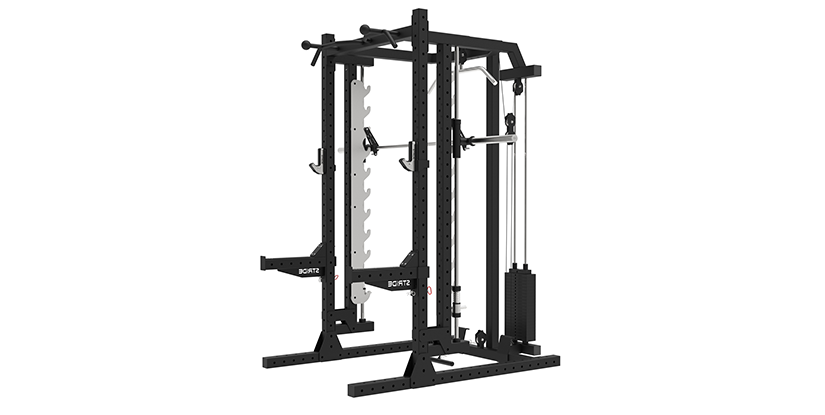
From a procurement standpoint, selecting a home gym storage rack with reinforced welding and higher-gauge steel ensures the unit remains a stable asset rather than a liability. For B2B buyers, verifying these specifications during the quality control phase is essential to guarantee that the product can handle the rigors of repetitive loading and unloading without compromising the gym equipment safety inspection standards required by most commercial insurance policies.
Protocol for Routine Inspection and Stress Point Monitoring
To maintain strict safety standards, distributors and facility operators should implement a formal maintenance cycle that prioritizes the identification of microscopic fatigue. A standard gym equipment safety inspection should not merely be a visual check but a systematic audit of critical stress points where the frame meets the load-bearing pegs or uprights. Over time, the repetitive vibration from loading heavy plates can compromise weld integrity, leading to hairline fractures that are often invisible to the untrained eye.
During these scheduled audits, inspectors must examine the powder coating for signs of chipping or peeling. While aesthetics are secondary, damaged coatings often signal underlying oxidation or metal fatigue that can weaken the structural core. We recommend a quarterly inspection for high-traffic environments to ensure that the home gym storage rack remains compliant with distributor QC standards. By catching minor deformations or surface wear early, buyers can prevent the need for full unit replacements, thereby protecting their long-term margins and ensuring user safety.
Maximizing Asset Longevity Through Preventative Care
For distributors and high-end gym operators, the long-term ROI of a home gym storage rack depends heavily on a disciplined maintenance schedule. Neglecting routine weight plate organizer maintenance can lead to metal fatigue or weld failure, especially when units are consistently loaded to their maximum load-bearing capacity. Implementing a preventative inspection protocol ensures that structural stress points are identified before they compromise the structural integrity of the unit.
Maintenance Frequency and Inspection Standards
Different usage intensities require varying levels of oversight. While a residential user might check their equipment once a season, commercial-grade distributors should advise clients on more frequent touchpoints to mitigate liability and equipment downtime.
| Inspection Type | Frequency (Commercial) | Primary Focus Area | Procurement Impact |
|---|---|---|---|
| Visual Check | Weekly | Surface coating and rust | Protects aesthetic value |
| Structural Audit | Quarterly | Weld points and bolts | Prevents catastrophic failure |
| Load Testing | Bi-Annually | Weight peg alignment | Ensures safety compliance |
Regularly auditing the alignment of weight pegs and the tension of mounting hardware prevents uneven weight distribution. For wholesalers, providing these maintenance benchmarks adds value to the product offering and reduces the frequency of warranty claims related to structural wear.
Critical Inspection Checklist for Facility Managers
Effective gym equipment safety inspection requires a systematic approach to identifying subtle signs of wear. When evaluating a home gym storage rack, inspectors should prioritize the following three categories to maintain high safety standards and long-term durability.
| Inspection Category | Specific Components | Common Issues to Identify | Action Required |
|---|---|---|---|
| Structural Integrity | Welds, frame joints, and support beams | Hairline weld cracks or metal fatigue | Immediate replacement if compromised |
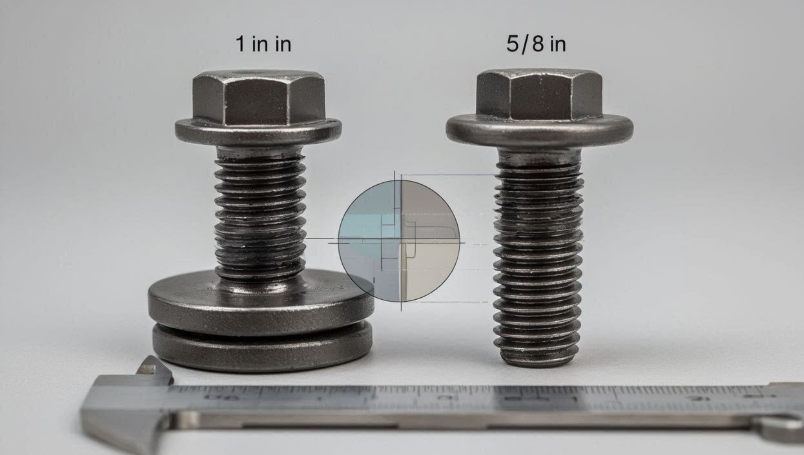
| Hardware & Fasteners | Bolts, nuts, washers, and weight pegs | Loose bolts or stripped threading | Tighten to manufacturer torque specs |
| Surface Coating | Powder coating and exposed steel | Rust, chipping, or oxidation | Clean and touch up with protective paint |
Identifying these issues early prevents minor surface oxidation from evolving into deep-seated corrosion that threatens the storage rack structural integrity. For distributors, emphasizing these specific checkpoints during client handovers helps mitigate the risk of liability and ensures the product performs reliably throughout its expected lifecycle.
Environmental Controls and Long-Term Durability
Protecting the investment in a high-quality home gym storage rack extends beyond mechanical tightening; it requires strict control over the surrounding environment. For importers and facility managers, moisture control is the most critical factor in preventing premature oxidation. High humidity or direct exposure to moisture can cause rapid degradation of the steel substrate, especially if the powder coating is compromised by heavy use or improper handling during shipping.
Maintaining the integrity of the powder coating is essential for long-term aesthetics and metal preservation. If scratches or chips appear, they should be addressed immediately to prevent moisture from penetrating the surface. Furthermore, ensuring proper weight distribution across all pegs prevents localized stress that can lead to frame warping. By adhering to a strict maintenance lifecycle, distributors can guarantee that the equipment maintains its commercial-grade standards, reducing the total cost of ownership for the end-user and minimizing the need for replacement cycles.
Safety Inspection Checklists for Commercial Distribution
Standardized inspection protocols are essential for distributors and facility managers to ensure the long-term structural integrity of every home gym storage rack in their inventory. Establishing a rigorous gym equipment safety inspection schedule is not merely a matter of product upkeep; it is a critical component of liability mitigation and professional risk management.
For those involved in commercial distribution, neglecting routine checks on weight plate organizers or heavy-duty shelving can lead to catastrophic failure under load. Implementing a systematic audit of welds, bolt tension, and coating durability protects the end-user while preserving the manufacturer's reputation for quality and reliability.
Technical Inspection Matrix for Quality Control
To maintain high standards for your inventory, procurement teams and warehouse managers should utilize a technical audit framework. This checklist focuses on the critical failure points of a high-capacity home gym storage rack, ensuring that load-bearing capacity remains within the specified tolerances throughout the product lifecycle.
| Inspection Component | Focus Area | Standard Metric | Recommended Frequency |
|---|---|---|---|
| Weld Integrity | Joints and connection points | No hairline cracks or separation | Quarterly |
| Bolt Tension | Fasteners and mounting hardware | No loosening or stripped threads | Bi-annually |
| Surface Coating | Powder coating and paint | No oxidation, rust, or chipping | Monthly |
| Weight Plate Organizer Maintenance | Pegs and loading sleeves | No bending or structural deformation | Monthly |
| Structural Alignment | Frame verticality and levelness | Zero deviation under max load | Annually |
Regularly auditing these variables helps distributors identify potential batch-level defects before they reach the end consumer. For large-scale distributors, documenting these checks provides a verifiable paper trail for quality assurance and simplifies the return-merchandise-authorization (RMA) process if a component fails to meet durability standards.
Logistics and Inventory Management Protocols
Managing high-volume stock requires a strategic approach to warehouse maintenance that extends beyond simple shelf organization. For distributors handling bulk inventory, the primary risk to storage rack structural integrity often occurs during the transition from factory to final destination. Improper stacking or excessive pressure within shipping containers can lead to subtle shipping damage, such as frame misalignment or microscopic fractures in the powder coating, which are not always visible upon initial unboxing.
To mitigate these risks, procurement specialists must integrate strict quality control (QC) checkpoints at every stage of the supply chain. This includes verifying that packaging reinforcement is sufficient for heavy-duty steel components and ensuring that long-term storage environments remain climate-controlled to prevent premature oxidation. By prioritizing these logistical safeguards, importers can reduce the incidence of defective returns and maintain a reliable supply of high-performance equipment for their retail or commercial clients.
Sourcing High-Durability Racks via OEM/ODM Specifications
For distributors supplying high-end residential projects or boutique studios, the long-term value of a home gym storage rack depends entirely on the precision of its manufacturing standards. Relying on generic specifications often leads to premature structural fatigue or surface degradation in high-use environments.
Prioritizing Structural Integrity and Material Standards
To ensure maximum structural integrity, procurement managers must verify the specific steel gauge used in the frame construction. A thicker gauge not only increases the load-bearing capacity for heavy plate sets but also prevents the warping that occurs under constant weight cycles. Beyond the core steel, the quality of the powder coating is a critical differentiator; a high-micron, industrial-grade finish protects the metal from oxidation and scratches, significantly extending the product's lifecycle and reducing the frequency of replacement requests from end-users.
Technical Specifications: OEM vs. Standard Manufacturing
When vetting factory capabilities, it is essential to distinguish between standard consumer-grade production and professional OEM specifications. A high-quality weight plate organizer maintenance schedule is only effective if the base unit is built to withstand repetitive loading cycles without deformation. Use the following comparison to evaluate potential suppliers during your sourcing process.
| Feature | Standard/Generic Grade | Professional OEM Specification |
|---|---|---|
| Steel Wall Thickness | 1.5mm – 2.0mm (Light Duty) | 2.5mm – 3.5mm (Heavy Duty) |
| Welding Method | Manual Spot Welding | Full-Penetration MIG/TIG Welding |
| Coating Durability | Thin Electrostatic Spray | High-Micron Industrial Powder Coat |
| Load Distribution | Single-Point Stress Points | Reinforced Structural Bracing |
Selecting the OEM-grade option mitigates the risk of structural failure during a routine gym equipment safety inspection. While the initial unit cost may be higher, the increased durability lowers the total cost of ownership (TCO) by reducing the need for frequent replacements and minimizing warranty claims for your distribution network.
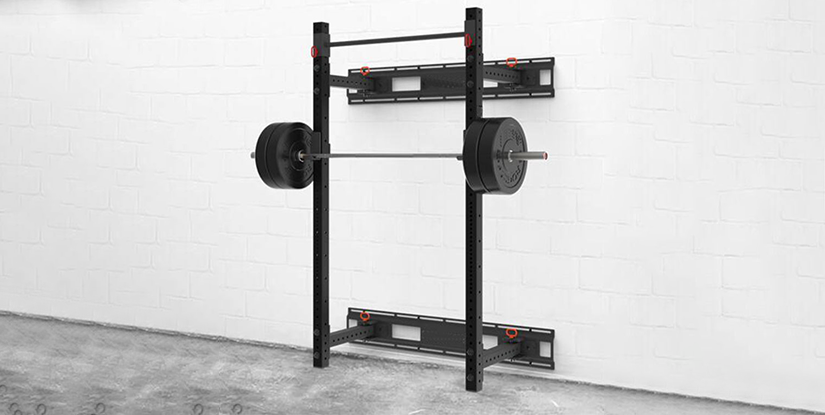
Vetting Factory QC and Logistics Reliability
Securing a reliable supply chain requires more than just reviewing a spec sheet; it demands a deep dive into a manufacturer's actual QC protocols. High-performing procurement teams prioritize factories that conduct rigorous weight capacity testing on every batch. This testing should involve sustained static loading to ensure the home gym storage rack can handle maximum weight without frame deflection or fastener loosening.
Furthermore, evaluate the manufacturer's ability to scale through their MOQ flexibility and factory capability. A supplier capable of handling customized logistics requirements—such as reinforced packaging for long-distance sea freight—is essential for preventing transit-related damage. When the product arrives with structural or cosmetic defects, it increases your overhead through returns and diminishes your reputation. Always request documentation regarding their internal quality control processes to ensure that the durability promised during the sourcing phase is actually realized in the final shipment.
Optimizing Inventory Turnover Through Reliable Storage Hardware
For distributors and facility managers, the true value of a home gym storage rack extends beyond simple organization; it is a critical factor in the total cost of ownership (TCO). High-quality hardware reduces the frequency of replacement cycles and minimizes liability risks associated with equipment failure.
The Correlation Between Durability and Profitability
Reliability in storage solutions directly impacts inventory turnover and long-term profitability. When a home gym storage rack maintains its structural integrity through rigorous maintenance cycles, it prevents the rapid depreciation of the asset. For B2B buyers, investing in premium-grade steel and reinforced mounting points reduces the need for frequent restocking or warranty-related returns. By prioritizing hardware that withstands consistent weight loading, distributors can offer a more dependable product line, ultimately lowering the long-term cost of ownership for the end consumer and enhancing brand reputation.
Selecting the appropriate configuration involves balancing initial procurement costs against the long-term expense of a gym equipment safety inspection. While entry-level models offer lower upfront costs, they often require more frequent interventions to prevent metal fatigue or paint chipping. In contrast, high-spec systems are engineered to minimize the labor hours required for weight plate organizer maintenance, providing a higher return on investment through extended service life.
Configuration Comparison: TCO and Maintenance Profiles
| Configuration Type | Primary Use Case | Maintenance Intensity | ROI Profile |
|---|---|---|---|
| Standard Single-Tier | Residential/Light Commercial | Moderate (Surface Inspection) | Low initial cost; higher replacement frequency |
| Heavy-Duty Reinforced | Professional Training Facilities | Low (Structural Check) | High durability; optimized for high-volume use |
| Modular/Expandable | Boutique Studios & Distributors | Variable (Component-Based) | Highest versatility; scalable for growing inventory |
From a sourcing perspective, procurement managers should evaluate the storage rack structural integrity relative to the intended load cycles. Investing in modular or heavy-duty options typically yields a superior ROI for distributors, as these units accommodate diverse client needs and resist the wear patterns common in high-traffic environments.
Effective procurement strategies must account for the long-term operational costs of maintaining a high-quality inventory. For distributors, a routine inspection schedule is not merely a safety requirement but a logistical tool to ensure product reliability and reduce the volume of defective returns.
Strategic Inspection and Sourcing Protocols
To maximize the lifespan of distributed goods, facility managers should implement a tiered inspection protocol. A standard routine inspection of a home gym storage rack should focus on bolt torque, weld consistency, and any signs of powder coating degradation. From a distributor perspective, sourcing units with standardized, replaceable hardware significantly lowers the long-term cost of maintenance. When procurement teams prioritize high-grade steel and reinforced mounting points, they effectively safeguard the storage rack structural integrity against the heavy vibration and load shifts common in high-traffic environments.
By establishing clear maintenance intervals—such as quarterly hardware tightening and annual structural assessments—retailers and facility operators can prevent minor wear from becoming catastrophic failures. This proactive approach to weight plate organizer maintenance ensures that the equipment remains a durable asset rather than a recurring liability, ultimately protecting the end-user's investment and the distributor's reputation for quality.