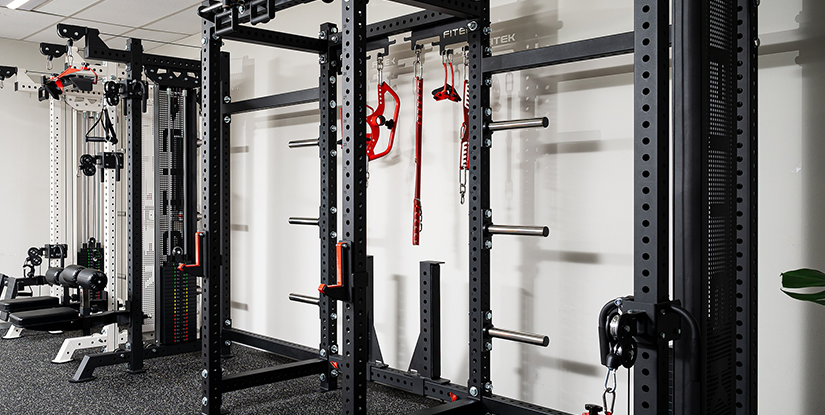
Commercial Weights and Squat Rack Procurement Checklist
Optimizing SKU Breadth and Inventory Turnover for Strength Equipment
For large-scale distributors supplying multi-site fitness franchises, managing the volume of weights and squat rack configurations involves a delicate balance between variety and liquidity. While a diverse catalog attracts different gym tiers, excessive SKU breadth often leads to unnecessary capital tie-up in slow-moving stock.
The Relationship Between Variety and Liquidity
Effective procurement strategy requires high SKU optimization to ensure that commercial strength training equipment moves through the warehouse at a predictable rate. A highly specialized inventory—such as carrying niche fractional plates alongside standard heavy-duty sets—can inadvertently lower your inventory turnover if the demand does not match the volume. Instead of over-extending your catalog, focus on core, high-demand specifications that satisfy the majority of commercial clients. By prioritizing versatile, high-rotation items, you reduce the risk of obsolete stock and maintain a leaner, more profitable supply chain.
When calculating total cost of ownership, procurement managers must decide whether to invest in a wide range of specialized items or a streamlined set of high-demand models. This choice directly affects your warehousing costs and the speed at which you can fulfill large orders.
Evaluating SKU Models for ROI Optimization
A successful procurement strategy depends on matching your inventory to your specific market tier. High-volume distributors often find that standardizing around universal gym weight set specifications allows for better economies of scale and lower MOQ requirements from factories. Conversely, specialized boutiques may require more diverse configurations to meet niche training demands. Use the table below to evaluate which approach aligns with your facility or distribution goals.
| Metric | Standardized High-Volume Sets | High-SKU Variety Models |
|---|---|---|
| Primary Advantage | Higher inventory turnover | Market niche penetration |
| Cost Per Unit | Lower due to economies of scale | Higher due to specialized manufacturing |
| Logistics Complexity | Simplified shipping and storage | Complex kitting and warehouse management |
| Equipment Compliance | Focus on heavy duty squat rack standards | Diverse specialized adjustments |
While variety can differentiate a brand, over-extending your catalog without strict quality control can lead to fragmented stock. Prioritize standardized core items to maintain liquidity, then add specialized units only when the demand justifies the increased lead times and storage costs.
Managing Logistics and Warehouse Footprint
Strategic procurement must account for the physical volume of incoming shipments. Standard configurations of heavy duty squat rack units are often optimized for nesting or stackability, which significantly reduces the total warehouse footprint during transit and storage. Conversely, ordering high volumes of specialized attachments or non-standard weight sets frequently triggers higher logistics costs due to irregular dimensions and increased packaging requirements.
To optimize your budget, negotiate MOQ thresholds based on standard modular components rather than disparate, niche parts. By focusing on a core range of compatible accessories, you can streamline your shipping workflows and minimize the dead space in your containers, ensuring that every cubic meter of freight contributes to your bottom line.
Evaluating Structural Integrity and Load Capacity Standards
Distinguishing between residential-grade builds and true commercial strength training equipment is critical for long-term ROI. While home setups focus on aesthetics, professional-grade units must prioritize structural stability to handle the violent kinetic energy of heavy lifting and frequent weight drops.
In high-traffic environments, such as training facilities or commercial gyms, the load-bearing capacity of a weights and squat rack determines its replacement cycle. Sourcing equipment that meets professional standards ensures the frame remains rigid under maximum load, preventing the structural fatigue or bending often seen in lower-spec, lighter-gauge steel alternatives.
Procurement managers should evaluate the thickness of the steel tubing and the density of the weight sets to prevent premature wear. A heavier gauge steel provides significantly higher resistance to lateral movement and structural bowing during heavy barbell work, which is essential for full-scale gym operations.
Technical Specifications by Facility Type
| Feature/Spec | Boutique / Studio Class | Full-Scale Commercial Gym |
|---|---|---|
| Steel Gauge | 14-gauge (Standard) | 11-gauge (Heavy Duty) |
| Weight Set Coating | Rubber Encased | Urethane or High-Density Rubber |
| Primary Use Case | Personal training & low-impact circuits | High-volume lifting & heavy barbell training |
| Durability Expectation | Moderate/High turnover | Extremely high/Heavy impact resistance |
When calculating the Total Cost of Ownership (TCO), choosing 11-gauge steel for a flagship facility may require a higher initial MOQ and shipping cost, but it drastically reduces the frequency of frame replacements. Similarly, urethane coatings offer superior resistance to cracking and scent retention compared to standard rubber, making them a smarter long-term investment for distributors catering to premium fitness centers.
Verifying Factory QC and Structural Testing Protocols
To mitigate procurement risk, buyers must look beyond basic product descriptions and demand transparency regarding a manufacturer's internal quality control (QC) protocols. High-performance facilities require more than just a visual inspection; they require documented evidence of structural testing to ensure equipment can withstand repetitive, high-impact loading cycles without catastrophic failure.
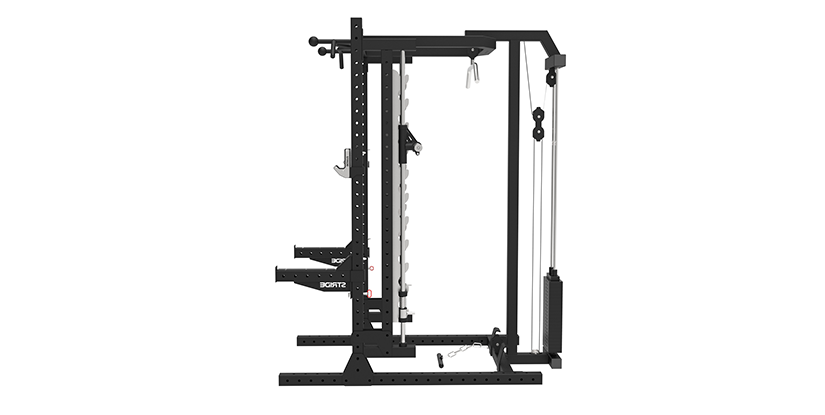
Rigorous quality management should include stress tests for weight set specifications, ensuring that coatings and densities remain uniform across entire batches. For the rack itself, verify that the factory adheres to heavy duty squat rack standards, specifically regarding weld integrity and bolt-hole precision. A reliable supplier will provide batch-level reports or third-party certifications that confirm the steel gauge and welding strength have been validated through mechanical load tests. This level of scrutiny prevents the common pitfall of receiving equipment that looks professional but lacks the metallurgical resilience required for true commercial use.
Standardizing Gym Weight Set Specifications for High-Traffic Use
For high-volume facilities, the durability of commercial strength training equipment determines the long-term TCO (Total Cost of Ownership). Selecting substandard weights and squat rack configurations leads to premature wear, frequent replacement cycles, and increased maintenance overhead in high-traffic usage environments.
Durability Benchmarks by Material Grade
Procurement managers must distinguish between residential-grade components and industrial-strength assets. A robust weights and squat rack setup relies on high-gauge steel and high-density urethane to ensure facility longevity and user safety under heavy load cycles.
| Component Type | Standard/Material | Durability Profile | Best Use Case |
|---|---|---|---|
| Weight Plates | High-Density Urethane | High impact resistance; minimal chipping | Commercial gyms & CrossFit |
| Weight Plates | Rubber Coated Iron | Moderate impact; protects flooring | Standard strength training |
| Rack Frame | 11-Gauge Steel | Maximum structural integrity; high load | Heavy-duty powerlifting hubs |
| Rack Frame | 14-Gauge Steel | Standard commercial stability | Boutique studios & hotel gyms |
Surface Treatments and Maintenance Requirements
Beyond structural steel, the secondary finish significantly impacts the replacement cycle. While chrome plating offers a high-gloss, premium aesthetic, it can become brittle and chip under heavy friction. Conversely, industrial powder coating provides a thicker, more resilient barrier against scratches and moisture, making it the preferred choice for high-intensity strength training environments.
To maintain these assets, procurement checklists should include a routine inspection of weld points and coating integrity. For premium weight sets, ensuring the rubber or urethane casing remains intact prevents internal oxidation. For the rack, regular checking of bolt tension and lubrication of moving parts like j-hooks or pull-up bars will extend the operational lifespan of the equipment.
Logistics and Quality Control Protocols
Reliable procurement extends beyond material selection into rigorous factory-level oversight. When ordering bulk quantities, distributors must mandate strict QC protocols regarding weight tolerance to ensure every plate in a gym weight set specification aligns with certified standards. Discrepancies in mass can disrupt programmed training and impact facility reputation.
Furthermore, logistics planning must account for shipping stability. Large-scale shipments of heavy-duty squat rack components and steel plates require reinforced packaging to prevent structural deformation during transit. When negotiating with manufacturers, clarify MOQ considerations and request detailed packing lists that include weight-bearing verification. A high MOQ often allows for more customized QC inspections at the source, reducing the risk of receiving damaged or non-compliant inventory at the destination warehouse.
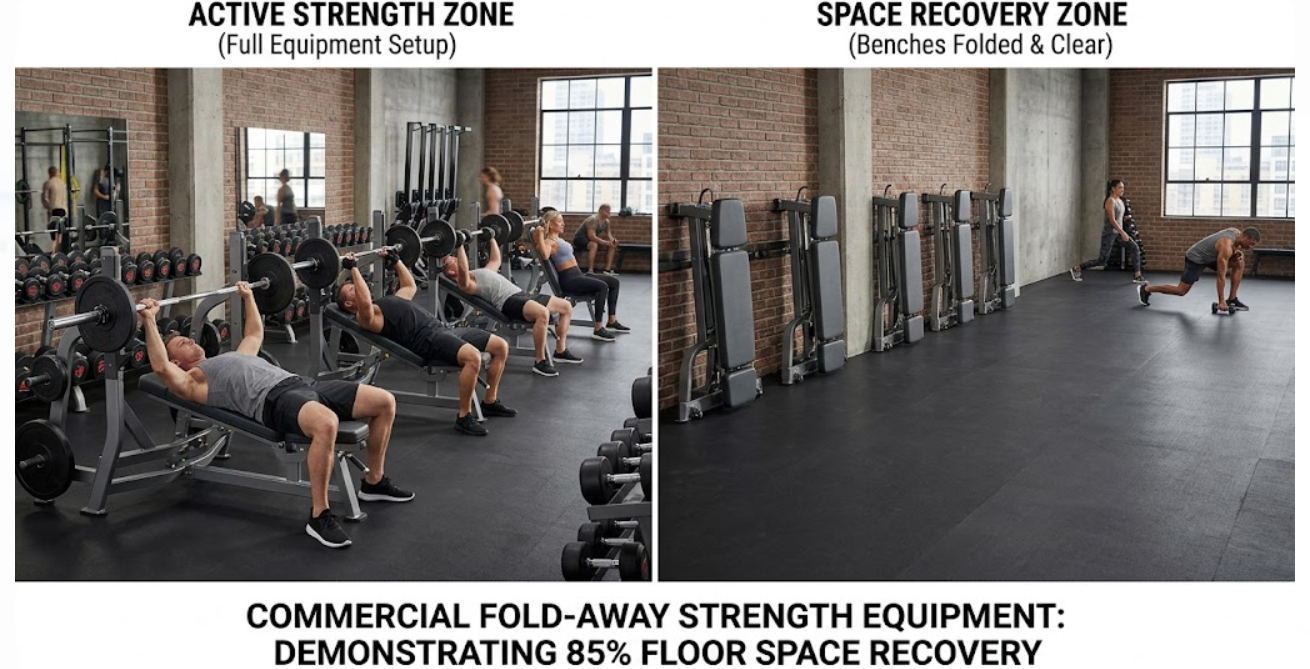
Spatial Constraints and Footprint Optimization in Facility Layouts
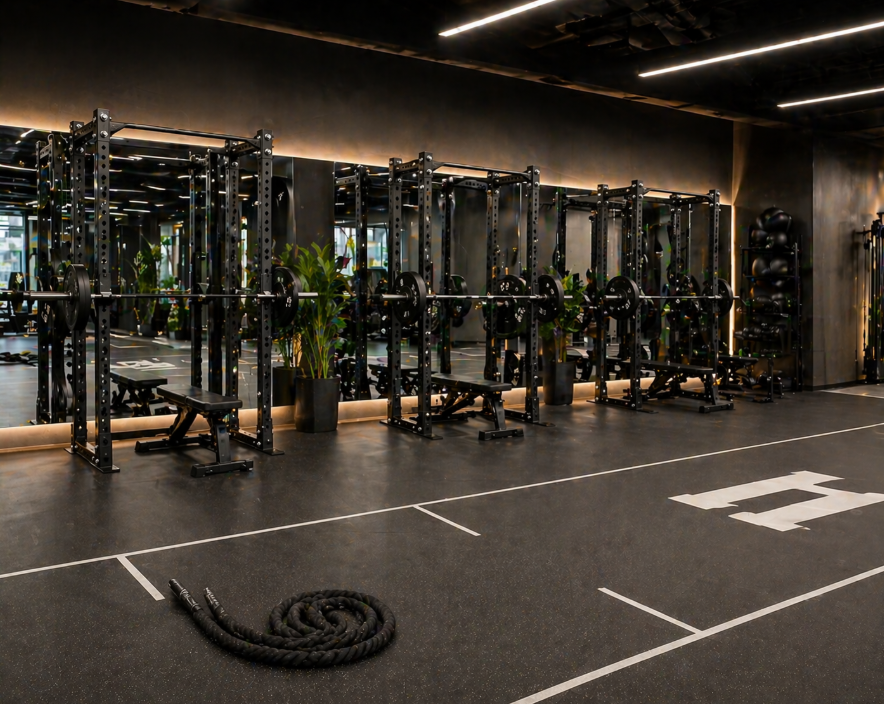
Effective facility planning requires distinguishing between the static footprint of weights and squat rack units and the dynamic operational area required for safe movement. Procurement managers must account for both the physical dimensions of the commercial strength training equipment and the necessary clearance for athletes to navigate the station without obstruction.
Footprint vs. Operational Clearance
A common mistake in facility layout design is calculating space based solely on the equipment's dimensions. While the static footprint covers the base of the rack and the weight plates, the operational zone must include safety zones to accommodate barbell whip, plate loading, and lateral movement. Neglecting these clearance requirements can lead to congestion in high-traffic areas and potential safety liabilities.
| Space Type | Definition | Procurement Consideration |
|---|---|---|
| Static Footprint | Actual floor area occupied by the rack and barbell. | Essential for calculating total unit density per square meter. |
| Operational Zone | Space required for loading plates and bar movement. | Prevents collision with adjacent commercial strength training equipment. |
| Safety Buffer | Extended perimeter for spotting and emergency egress. | Critical for compliance with commercial facility safety standards. |
When sourcing for large-scale gym rollouts, ensure your facility layout accounts for a minimum of 1.5 to 2 meters of unobstructed space around each station. This buffer ensures that even with heavy weight sets in use, the facility remains functional and compliant with professional safety protocols.
Configuration Comparison: Selecting the Right Rack Model
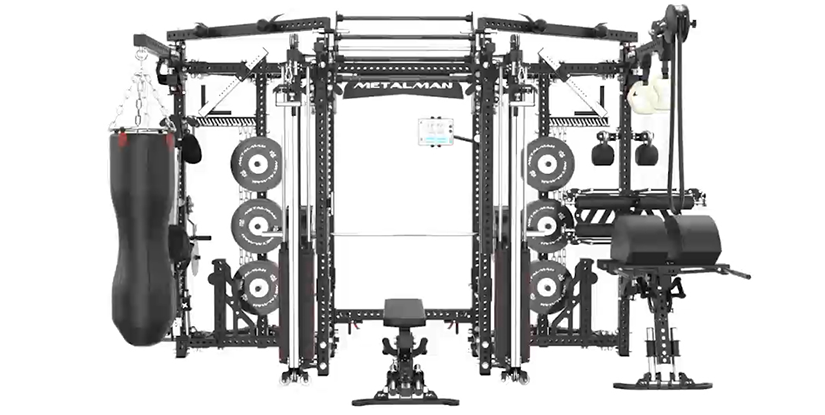
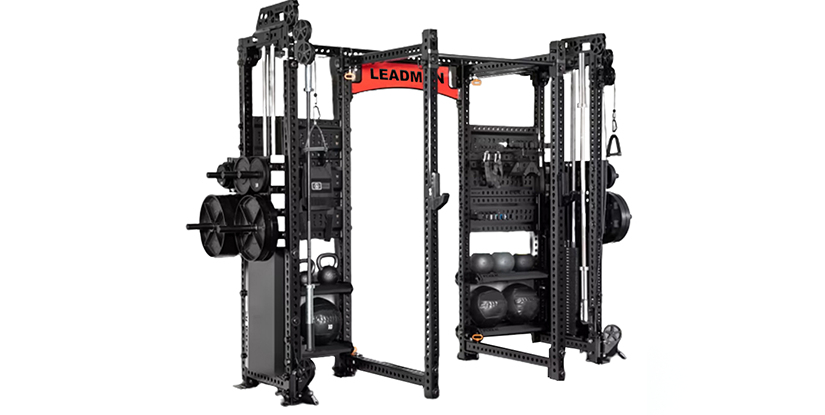
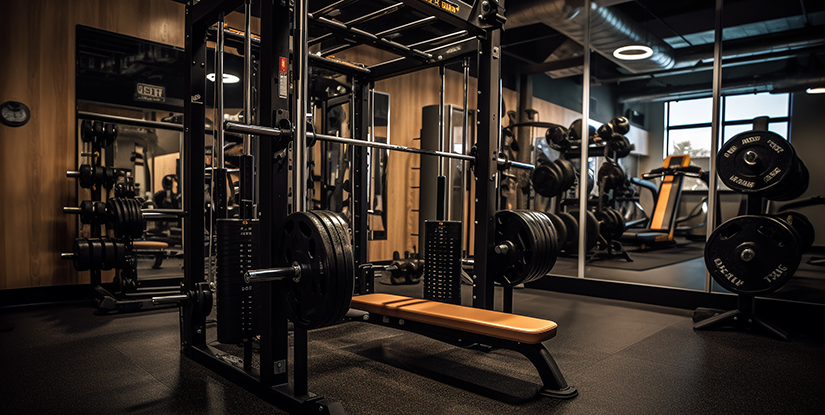
Selecting the appropriate rack geometry involves balancing density with utility. For boutique studios or high-density training centers, footprint optimization is a primary driver for ROI. Distributors often recommend different configurations depending on whether the client prioritizes structural versatility or maximum floor space utility.
| Configuration Type | Typical Footprint | Functionality & Utility | Ideal Commercial Setting |
|---|---|---|---|
| Half Rack | Small / Moderate | Open access for plate loading; high mobility. | Boutique studios, small CrossFit boxes. |
| Full Power Rack | Large / Substantial | Maximum safety; multi-angle spotting capability. | Dedicated strength rooms, high-end gyms. |
| Wall-Mounted Rack | Minimal / Compact | Zero floor footprint; extreme space-saving. | Hotel gyms, home-office wellness suites. |
| Squat Stand | Variable / Minimal | Basic barbell support; highly portable. | Small functional training zones. |
When reviewing heavy duty squat rack standards, procurement teams should note that while full power racks offer the highest safety ceiling, they demand significantly more square footage for effective throughput. Conversely, half racks provide a middle ground, offering professional-grade stability while maintaining a more efficient layout for high-traffic commercial environments.
Weight Set Dimensions and Storage Logistics
Beyond the structural frame, the logistical impact of gym weight set specifications is a critical factor in long-term facility management. Procurement managers must evaluate the volume of weight plates and bars not just as training tools, but as inventory that requires dedicated storage solutions. Improperly planned weight sets can lead to disorganized floors, reducing the effective floor density and hindering the professional appearance of a commercial facility.
When planning your order, consider the following variables to ensure optimal movement flow:
- Plate Diameter and Thickness: Ensure plate thickness is compatible with the barbell sleeve to avoid excessive "plate clutter" that can obstruct movement.
- Integrated Storage: Prioritize racks with built-in weight storage or specialized tree attachments to keep the operational zone clear.
- Vertical vs. Horizontal Storage: In high-density environments, vertical plate trees often save more floor space than horizontal racks, though they may require different procurement planning regarding total footprint.
Effective procurement planning should integrate the dimensions of both the weights and squat rack units and their respective storage accessories. By standardizing your gym weight set specifications, you can maintain a predictable layout that preserves high commercial durability and ensures that heavy equipment remains organized, safe, and accessible for high-volume usage.
Structural Integrity and Total Cost of Ownership
When sourcing commercial strength training equipment, procurement managers must look beyond the initial purchase price. The relationship between heavy-duty construction and long-term maintenance cycles is a critical factor in determining the total cost of ownership (TCO). High-grade steel gauges and reinforced welding points significantly reduce the frequency of structural adjustments and part replacements.
Investing in superior weights and squat rack configurations minimizes downtime caused by mechanical wear. While budget-tier options may offer lower upfront costs, they often lead to increased labor expenses for bolt tightening, upholstery repairs, and frame stabilization. For distributors and facility owners, prioritizing durability ensures that the equipment remains a reliable asset rather than a recurring maintenance liability.
Technical Maintenance Comparison
Long-term operational efficiency depends on how different components respond to daily heavy-duty use. Distinguishing between surface treatments and mechanical lubrication requirements helps buyers predict long-term upkeep costs and set realistic inspection frequency schedules for their facilities.
| Component Type | Technical Requirement | Maintenance Detail | Inspection Frequency |
|---|---|---|---|
| Steel Frame Coating | Powder Coating vs. Galvanization | Galvanization offers superior rust resistance for high-humidity environments. | Quarterly |
| Barbell Sleeves | Barbell Lubrication | Regular application of specialized grease prevents friction-induced bearing failure. | Bi-Annually |
| Weight Plates | Weight Plate Wear | Monitor urethane or rubber edges for cracking or excessive surface degradation. | Monthly |
Selecting high-quality weights and squat rack components requires understanding these trade-offs. While powder coating provides a premium aesthetic, galvanization is often the smarter procurement choice for high-traffic commercial settings where moisture and sweat exposure are constant. Implementing a standardized checklist for these elements ensures your inventory maintains high resale and operational value.
Quality Control and Logistics Planning
Efficient procurement extends beyond selecting the right specifications; it requires verifying factory capability and logistics reliability. Before finalizing a large-scale order, confirm that the manufacturer maintains strict QC standards regarding surface finishes and material density. In high-traffic commercial gym settings, inadequate wear-resistant coatings can lead to premature oxidation or paint chipping, increasing replacement frequency.
Additionally, weight-sensitive logistics planning is essential. When sourcing a full gym weight set, the high shipping weight can significantly impact landed costs. Request detailed packing lists and volumetric data early in the negotiation phase. This allows distributors to optimize container utilization and predict freight expenditures more accurately, ensuring that heavy-duty components arrive without structural compromise or unexpected surcharges.
Mitigating Procurement Risks in International Freight and MOQ Management
Calculating the total cost of ownership for commercial strength training equipment requires looking far beyond the factory ex-works price. Professional buyers must account for the logistical complexities that bridge the gap between manufacturing and final delivery to a commercial facility.
The Impact of Logistics and MOQ on Landed Cost
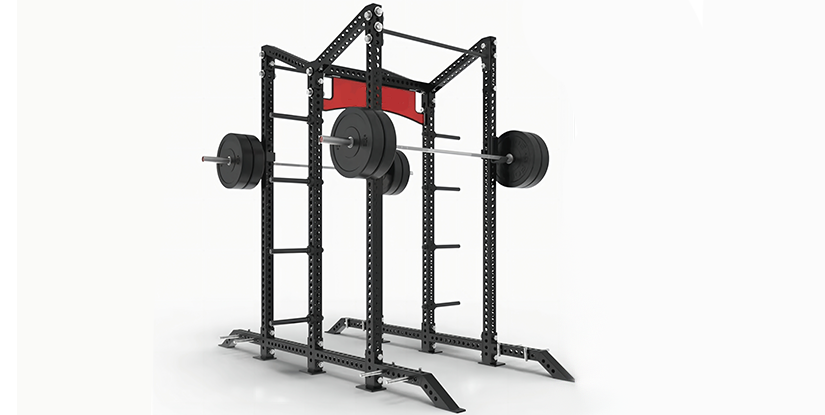
When sourcing a weights and squat rack package, the MOQ (Minimum Order Quantity) set by the manufacturer directly influences your landed cost. High-volume orders for heavy iron plates or cast iron dumbbells may satisfy factory requirements but drastically alter your shipping profile. A critical factor is the shipping volume vs. weight ratio; while racks are bulky and occupy significant volume, weights are exceptionally dense. Optimizing container utilization by balancing these two distinct profiles is essential to prevent paying for "dead air" in a sea container, ensuring your procurement budget is spent on high-quality equipment rather than inefficient freight logistics.
To determine the most cost-effective procurement model, you must weigh the immediate savings of direct sourcing against the logistical convenience of local distribution. The following comparison outlines how different channels impact your budget, particularly when adhering to strict heavy duty squat rack standards and bulk weight set requirements.
| Metric | Direct Factory Sourcing | Local/Regional Distributor |
|---|---|---|
| Lead Time | Extended (Production + Ocean Freight) | Short (In-stock/Domestic Transit) |
| Shipping Cost | Lower per unit (via Container Optimization) | Higher per unit (LTL or Parcel) |
| MOQ Requirements | High (Full Container Load/Palletized) | Low (Single Unit or Small Batch) |
| Quality Control | Direct oversight/On-site inspection | Relies on Distributor/Third-party |
While direct sourcing offers a superior margin for large-scale facility rollouts, it demands rigorous expertise in managing international freight and customs. Conversely, distributors offer a lower barrier to entry for boutique studios, albeit with higher unit costs and less control over specific customization for specialized gym weight set specifications.
Managing Hidden Expenses in Heavy Cargo Transit
Neglecting the technicalities of transit can lead to significant budget overruns. When importing high-density items, ensure gym weight set specifications include strict packaging durability requirements, such as reinforced wooden crates, to prevent damage during ocean transit. Beyond the physical product, procurement managers must account for customs duties and potential port delays. To protect your investment, always mandate comprehensive freight insurance and establish rigorous inspection protocols. Verifying the condition of every weights and squat rack unit upon arrival prevents the costly cycle of processing returns for equipment damaged by inadequate shipping protection.
Total Cost of Ownership: Maintenance and Replacement Cycles
Successful procurement of commercial strength training equipment requires looking beyond the initial invoice to the total cost of ownership (TCO). While low-cost weight sets may offer immediate budget relief, they often fail to withstand the high-frequency usage typical of high-traffic facilities, leading to premature replacement costs.
Durability vs. Upfront Price
The relationship between weights and squat rack quality and long-term profitability is defined by material integrity. Premium steel gauges and high-density rubber coatings reduce the frequency of maintenance cycles, ensuring the equipment remains operational without constant adjustment or part replacement. Investing in high-spec builds reduces the need for frequent inventory replenishment and minimizes downtime for your facility.
| Procurement Focus | Low-Cost/Entry-Level | Commercial-Grade/High-ROI |
|---|---|---|
| Primary Cost Driver | Low upfront purchase price | Long-term durability and TCO |
| Replacement Frequency | High (wear on coatings/joints) | Low (built for heavy usage) |
| Maintenance Needs | Frequent inspections/replacements | Standard periodic lubrication/checks |
To better visualize how different equipment tiers impact your operational budget, consider the following breakdown. Choosing the wrong specification for your facility type can inadvertently increase your long-term procurement frequency.
| Equipment Tier | Target Environment | Estimated Lifespan | Maintenance Frequency | Replacement Risk |
|---|---|---|---|---|
| Tier 1: Budget / Light Commercial | Boutique Studios / Home Gyms | 2–4 Years | High (Frequent adjustments) | Moderate (Structural fatigue) |
| Tier 2: Standard Commercial | Mid-sized Fitness Centers | 5–8 Years | Moderate (Seasonal checks) | Low (Consistent build) |
| Tier 3: Premium / High-Traffic | Large Scale Gyms / Training Facilities | 10+ Years | Low (Routine inspection) | Minimal (Heavy-duty standards) |
For distributors and facility managers, the heavy duty squat rack standards found in Tier 3 assets typically offer the most predictable ROI. While the initial MOQ or unit price is higher, the extended lifecycle and decreased downtime protect your margins against the rising costs of logistics and rapid equipment turnover.
Critical Inspection Points for Longevity
To protect your investment, procurement teams must verify specific heavy duty squat rack standards during the factory inspection or receiving phase. Beyond visual aesthetics, pay close attention to the wear and tear on coatings; uneven powder coating or thin finishes often lead to rust in high-humidity environments, compromising structural integrity.
Furthermore, verify bolt tension and fastener quality across all adjustable components. A rack that lacks precision in its weight set specifications or suffers from loose tolerances will require more frequent replacement intervals. Identifying these flaws at the sourcing stage prevents the logistics headache of shipping heavy replacement parts and ensures your facility maintains a professional, high-standard training environment.