Squat Rack Workout | Commercial Squat Rack Procurement
Analyzing Lifecycle Costs and Structural Longevity
Evaluating a procurement proposal requires looking beyond the initial invoice to mitigate long-term operational risks, verify technical specifications, and account for complex international shipping logistics. A discount on the unit price often masks hidden costs associated with premature hardware failure or inadequate structural integrity, which can disrupt a consistent squat rack workout environment for end-users.
Understanding Total Cost of Ownership (TCO)
For distributors and facility managers, the true expense of commercial gym hardware is defined by its Total Cost of Ownership (TCO). While entry-level models may offer lower upfront capital expenditures, high-traffic facilities often face escalating costs due to frequent maintenance cycles and component replacement. Investing in premium steel gauges and reinforced welding ensures that the equipment withstands heavy barbell impact without losing structural stability. By prioritizing high-grade materials during the sourcing phase, buyers secure a superior long-term ROI, as durable equipment reduces the frequency of technical downtime and minimizes the need for emergency part shipments.
| Investment Factor | Economy-Grade Sourcing | Premium Commercial Specification |
|---|---|---|
| Initial Capital Outlay | Low | Moderate to High |
| Maintenance Frequency | High (Frequent tightening/alignment) | Low (Standardized upkeep) |
| Structural Lifespan | Short-term (High wear) | Long-term (High durability) |
| Long-term ROI | Diminishing (Replacement costs) | Consistent (Asset longevity) |
Material Grade and Specification Comparison
Effective strength training equipment sourcing requires a granular understanding of how physical dimensions and material quality translate into operational longevity. When reviewing technical data sheets, buyers must differentiate between lightweight retail-grade frames and professional-grade heavy duty squat rack specifications. A lower gauge steel might reduce initial shipping weight and costs, but it often results in structural deflection under heavy loads, compromising the safety of a high-intensity squat rack workout.
The following comparison assists procurement managers in deciding between budget-conscious inventory and high-endurance assets for high-traffic commercial environments:
| Specification Detail | Standard/Economy Grade | High-Endurance Commercial Grade |
|---|---|---|
| Steel Gauge Thickness | 11-gauge (approx. 3mm) | 7-gauge (approx. 4.5mm - 5mm) |
| Powder Coating Quality | Basic Electrostatic (Light wear) | Electrostatic/Textured (Impact & Scuff Resistant) |
| Weld Strength | Standard MIG Welding | Reinforced Full-Penetration Welding |
| Expected Lifespan | 2–4 Years (High-traffic settings) | 8–10+ Years (Professional environments) |
Choosing the appropriate specification depends on your facility's specific programming. While economy grades may satisfy lower MOQ requirements for boutique studios, heavy-duty specifications are essential for distributors supplying large-scale training facilities where structural integrity and resistance to cosmetic degradation are non-negotiable.
Optimizing Modularity and Accessory Compatibility
A critical oversight in many procurement strategies is failing to account for how accessory compatibility influences the long-term utility of a rack. While a rigid, single-purpose frame may be cheaper to manufacture, it lacks the modularity required to adapt to evolving training trends. Buyers should prioritize systems with standardized hole spacing and compatible attachment points to ensure the rack remains a versatile asset rather than a static piece of inventory.
When designing a facility layout, the ability to swap components—such as dip stations, landmines, or specialized J-cups—allows a single footprint to serve diverse programming needs. This adaptability reduces replacement frequency by allowing for incremental upgrades rather than full-system turnover. A strategic procurement approach favors modular designs that accommodate a wide range of compatible attachments, protecting the investment against shifts in consumer demand and ensuring the equipment remains functional for a variety of intense squat rack workout requirements.
Structural Integrity and Material Standards
For high-traffic commercial fitness facilities, the reliability of a squat rack workout setup depends entirely on the underlying steel quality. Procurement managers must look beyond aesthetics to verify the structural integrity of the frame, as substandard builds pose significant liability risks in professional environments. A robust unit must withstand constant weight changes and high-impact use without frame deformation or fastener fatigue.
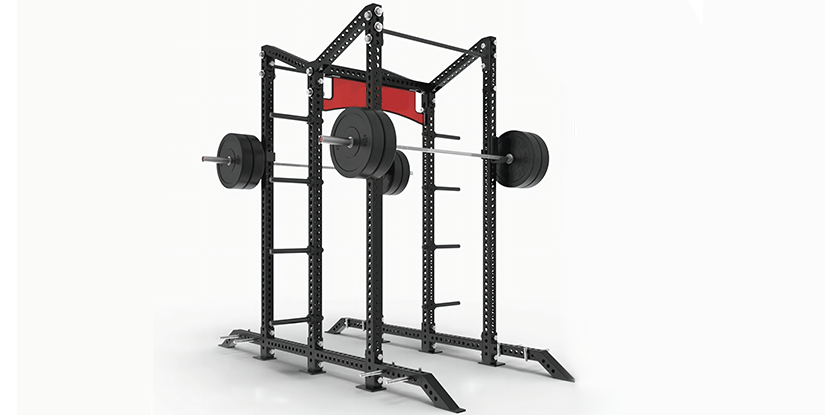
When auditing heavy duty squat rack specifications, the most critical metric is the steel gauge. Higher-grade commercial gym hardware typically utilizes 11-gauge steel for primary uprights to ensure long-term stability. Relying on lower-gauge materials may reduce initial shipping costs but significantly increases the total cost of ownership due to premature replacement cycles and diminished load-bearing capacity.
| Specification Factor | Standard Commercial Grade | Premium Heavy-Duty Grade |
|---|---|---|
| Steel Gauge (Uprights) | 14-gauge steel | 11-gauge steel |
| Typical Load Capacity | Moderate/High | Ultra-High/Extreme |
| Durability Profile | Standard Gym Use | High-Intensity/Competition |
| Maintenance Frequency | Periodic Inspection | Minimal/Ruggedized |
Dimensional Comparison: Upright Footprint and Stability
Beyond steel thickness, the physical dimensions of the uprights determine the stability of the entire system during heavy barbell movements. Distinguishing between 75x75mm and 100x100mm profiles is essential when calculating the long-term ROI for a facility. While 75mm frames may suffice for boutique studios or low-density training, they often lack the rigidity required for professional strength training equipment sourcing in high-volume environments.
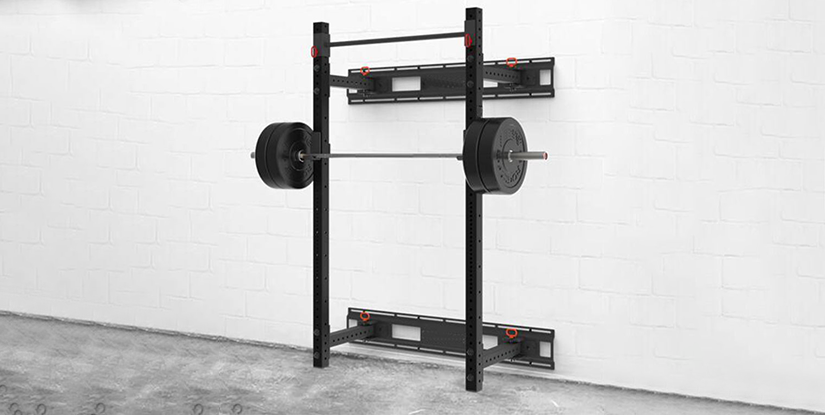
For distributors and large-scale gym developers, selecting the correct upright profile affects accessory compatibility and movement precision. A larger 100mm footprint provides a more stable base for heavy barbell racking and reduces the vibration felt during explosive lifts. This structural difference is a key differentiator when evaluating long-term durability and the potential for future hardware expansions.
| Upright Dimension | Profile Profile | Primary Use Case | Stability Rating |
|---|---|---|---|
| 75mm x 75mm | Standard Commercial | Boutique Studios / Semi-Private Gyms | Stable for moderate loads |
| 100mm x 100mm | Heavy-Duty Professional | Commercial Gyms / Strength Facilities | High stability for heavy barbell impact |
When managing bulk procurement, always confirm the connection methods between these uprights. A high-quality commercial build should utilize reinforced bolt-through or heavy-duty welding techniques rather than simple friction-fit joints to ensure the frame remains upright and true under maximum stress.
Accessory Compatibility and Long-Term Maintenance
A sophisticated squat rack workout environment requires more than just a static frame; it necessitates seamless accessory compatibility. When sourcing, verify that the upright system is optimized for various attachments, such as high-density J-cups and adjustable spotter arms. Inconsistent hole spacing or substandard machining can lead to equipment misalignment, forcing users to struggle with bar placement and increasing the risk of injury.
For distributors, the long-term total cost of ownership (TCO) is heavily influenced by the finish quality. We recommend prioritizing high-grade powder coating durability to prevent oxidation and surface chipping caused by repeated barbell impact. A superior finish minimizes the required maintenance cycle, ensuring the hardware remains aesthetically professional and structurally sound for years. Investing in ruggedized coatings and compatible, high-tolerance accessories reduces the frequency of part replacements and minimizes facility downtime.
Optimizing Accessory Compatibility and Modular Expansion
A standardized squat rack workout setup requires more than just a sturdy frame; it demands a system that evolves with user demand. For distributors and facility managers, prioritizing modular expansion ensures that the commercial gym hardware remains relevant as training trends shift, preventing premature equipment obsolment.
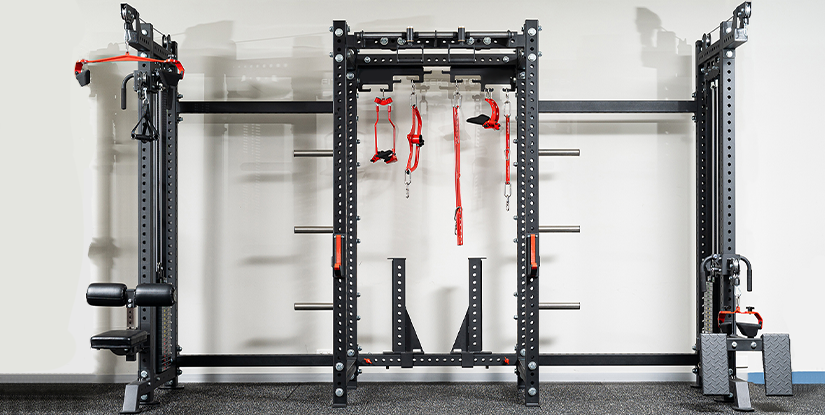
When evaluating procurement options, consider how modularity impacts the long-term facility layout. A rack that supports various attachments—such as dip stations, landmines, or specialized cable systems—offers higher utility per square foot. Selecting hardware with universal hole patterns and standardized accessory mounting points reduces the need for full unit replacements, significantly boosting long-term ROI and simplifying inventory management for large-scale rollouts.
| Configuration Type | Accessory Versatility | Maintenance Complexity | Ideal Use Case |
|---|---|---|---|
| Fixed Single-Function | Low | Minimal | Budget-focused boutique studios |
| Modular Multi-Functional | High | Moderate | High-traffic commercial strength zones |
| Fully Integrated Systems | Very High | Higher | Premium training facilities and franchises |
The technical specification of the uprights dictates the compatibility of your strength training equipment sourcing. A critical decision for procurement managers is choosing between standard imperial and metric hole patterns, as this determines which premium attachments can be integrated into the system. While smaller diameters offer more frequent adjustment points, larger diameters typically provide superior structural stability for high-load accessories.
| Hole Diameter | Compatibility Profile | Weight Capacity Stability | Maintenance Requirements |
|---|---|---|---|
| 25mm | Limited; specialized light-duty accessories | Moderate; suitable for lighter load sets | Low; less prone to pin wear |
| 28mm | Standard; common for mid-tier commercial builds | High; standard for heavy strength training | Moderate; requires regular pin inspections |
| 32mm | Premium; compatible with heavy-duty hardware | Maximum; engineered for extreme loading | Higher; necessitates precision bolt checks |
For high-traffic commercial gym hardware, we typically recommend the 28mm or 32mm standard. While the 32mm profile demands more rigorous quality control during the shipping and assembly phases, the enhanced structural integrity reduces the frequency of hardware fatigue. Choosing a standardized diameter ensures that your accessory inventory remains interchangeable, preventing the logistical headaches of sourcing non-standard components for your facility.
Effective distributor inventory management requires a proactive approach to accessory stock. When sourcing, procurement specialists should clarify the MOQ for custom attachments to avoid being locked into a single manufacturer's proprietary ecosystem. While custom-branded accessories offer a premium aesthetic, a modular system with a diverse, open-standard accessory catalog allows for more agile restocking and lower per-unit shipping costs during replenishment cycles.
From a TCO perspective, the heavy duty squat rack specifications must account for long-term wear on connection points. Maintenance cycles should not merely focus on the frame, but also on the replacement frequency of high-stress components like J-cups and spotter arms. A well-documented maintenance schedule—incorporating periodic torque checks on bolts and lubrication of adjustable rails—extends the functional lifespan of the equipment, protecting the initial investment against the high-frequency usage typical of commercial environments.
Sourcing Strategies for Strength Training Equipment Sourcing
Optimizing your procurement budget requires looking beyond the initial invoice. When managing a squat rack workout area for high-traffic facilities, the distinction between low-cost units and high-durability commercial gym hardware determines your long-term profitability and equipment uptime.
Evaluating Total Cost of Ownership (TCO)
A common mistake in strength training equipment sourcing is prioritizing the lowest upfront price over the total cost of ownership (TCO). While entry-level racks may satisfy initial budget constraints, they often lead to increased maintenance costs due to weld fatigue, paint chipping, or accessory incompatibility. For distributors and facility managers, investing in higher-grade steel and precision-engineered components reduces the frequency of replacements and minimizes operational downtime.
| Sourcing Model | Initial Investment | Durability Expectation | Long-term ROI |
|---|---|---|---|
| Economy Tier | Low | Moderate (2–3 years) | Lower (High replacement rate) |
| Commercial Standard | Medium | High (5–7 years) | Stable (Standard maintenance) |
| Premium/Heavy Duty | High | Exceptional (8+ years) | Highest (Low maintenance/High resale) |
Successful procurement hinges on balancing these variables. A robust squat rack workout environment relies on structural integrity that survives heavy usage cycles without requiring constant bolt tightening or part replacement.
Analyzing Sourcing Channels for Volume and Scale
Selecting the appropriate vendor model depends on your specific volume requirements and your capacity to manage logistics. For large-scale facility rollouts, understanding the trade-offs between direct factory access and local distribution is critical for meeting heavy duty squat rack specifications while staying within budget.
| Sourcing Model | Typical MOQ | Lead Times | Shipping Logistics | QC Oversight | Cost-per-Unit |
|---|---|---|---|---|---|
| Direct Factory | High (Container/Pallet) | Long (45–70 Days) | Self-managed/FOB/CIF | Strict (On-site/Third-party) | Lowest |
| Wholesale Importer | Medium (LTL/Bulk) | Moderate (20–40 Days) | Shared/Consolidated | Standardized | Moderate |
| Local Distributor | Low (Individual/Small Batch) | Short (7–14 Days) | Domestic/Last-mile | Minimal (Reseller-led) | Highest |
While direct factory sourcing offers the best economies of scale, it necessitates a sophisticated approach to quality control (QC) oversight and international freight. For procurement managers, the goal is to align the sourcing model with the project timeline, ensuring that structural integrity is verified before the equipment ever reaches the facility floor.
Accounting for Logistics and Accessory Compatibility
Budget overruns frequently occur during the final procurement stage due to overlooked variables in shipping and assembly. A primary oversight is failing to account for volumetric weight; while a rack's physical mass is significant, the large, lightweight packaging required to protect its structural integrity can drastically increase freight costs. Buyers must request precise dimensional data to calculate the true impact of both actual and dimensional weight on their landed cost.
Furthermore, accessory compatibility is a critical cost lever. Sourcing a high-quality rack only to find that standard J-cups, dip bars, or landmines do not fit perfectly leads to expensive secondary orders and shipping delays. To maintain a lean budget, ensure all add-ons are verified against the specific upright dimensions and hole spacing of your primary unit during the initial RFQ process, rather than treating them as afterthoughts.
Mitigating Common Procurement Pitfalls in Commercial Gym Hardware
When planning a high-volume squat rack workout area, procurement specialists often overlook the long-term operational costs associated with structural fatigue. Selecting subpar commercial gym hardware may lower initial shipping and unit costs, but it frequently leads to premature replacement cycles and increased liability risks.
Impact of Structural Integrity on TCO
The Total Cost of Ownership (TCO) is heavily dictated by how well a rack withstands constant wear and tear from heavy barbell impact and frequent adjustments. A high-quality build minimizes the frequency of maintenance cycles, ensuring the facility remains operational without unexpected downtime. If the steel gauge or welding quality is insufficient, the degradation of structural integrity becomes a significant financial drain through constant parts replacement and labor.
| Procurement Factor | Low-Tier Sourcing Risk | High-Tier Specification Benefit |
|---|---|---|
| Maintenance Frequency | High; frequent bolt tightening | Low; stable load-bearing joints |
| Long-term Durability | Surface oxidation and weld fatigue | Resilient powder coating and heavy-duty steel |
| Operational ROI | Rapid depreciation/replacement | Extended lifecycle for commercial use |
Hardware Finishes and Accessory Compatibility
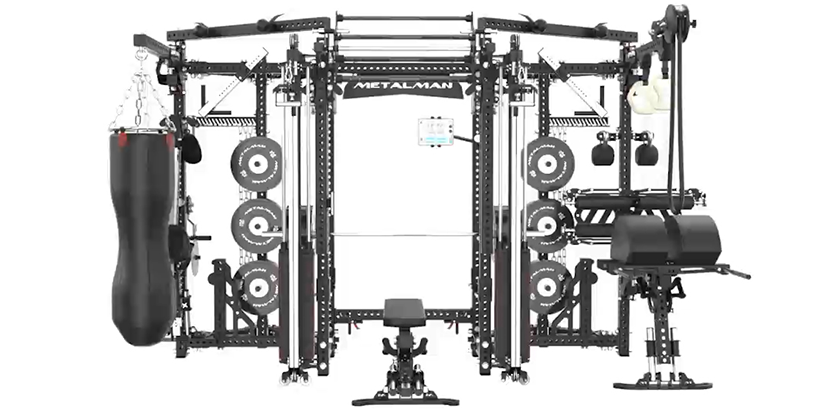
Beyond structural stability, the surface finish dictates how the equipment responds to high-frequency use. When evaluating heavy duty squat rack specifications, buyers must consider how different coatings interact with J-cups, spotter arms, and barbell knurling. Choosing a finish that lacks compatibility with standard accessories can lead to accelerated surface degradation or even scratching of premium barbell sleeves.
| Finish Type | Maintenance Requirement | Accessory Compatibility | Ideal Application |
|---|---|---|---|
| Powder Coating | Low; periodic wiping | High; standard J-cups | Standard commercial gyms |
| Chrome Plating | Moderate; prevents pitting | Medium; high friction risk | High-traffic boutique studios |
| Stainless Steel | Minimal; corrosion resistant | High; premium compatibility | Luxury/Outdoor facilities |
For distributors managing large-scale rollouts, the selection of finish is a strategic decision. While powder coating offers a cost-effective solution for strength training equipment sourcing, stainless steel provides superior long-term upkeep in humid environments. Always verify that the rack's attachment points—such as pin holes and strut spacing—are precision-engineered to prevent play when using diverse commercial accessories.
Quality Control and Logistics Protocols
Ensuring that heavy-duty equipment arrives in a "ready-to-install" state requires rigorous pre-shipment oversight. For commercial fitness facilities, even minor transit damage to uprights or upright holes can compromise assembly precision and long-term safety. Professional procurement workflows should mandate strict QC protocols at the factory level, focusing on weld consistency and dimensional accuracy before any unit is palletized.
To minimize the risk of shipping damage, distributors must verify that manufacturers utilize reinforced packaging solutions, such as heavy-duty corrugated boxes and edge protectors, specifically designed for high-density steel components. A comprehensive procurement checklist should include a requirement for photographic verification of load-secured crates. This ensures that high-value components, such as adjustable uprights and specialized attachments, are shielded from vibration and impact during long-haul transit, allowing for immediate, seamless integration into the facility layout.
Logistics and Quality Control Protocols for Bulk Imports
For distributors and facility managers, the long-term ROI of a squat rack workout environment depends entirely on the structural integrity of the hardware. Sourcing heavy-duty equipment requires more than just comparing price points; it requires a rigorous audit of factory-level quality control protocols to ensure every unit meets safety standards for high-traffic commercial use.
Verifying Structural Integrity and Load-Bearing Capacity
When procuring commercial gym hardware, the primary risk is material fatigue under repetitive stress. A reliable supplier must provide clear heavy duty squat rack specifications that detail the gauge of the steel and the welding techniques used. High-performance environments demand equipment with a high load-bearing capacity to handle both heavy barbell weights and the dynamic force of vigorous training. Without strict adherence to manufacturing tolerances, even minor deviations in frame alignment can compromise the safety of the entire facility.
| Verification Metric | Standard Requirement | Procurement Risk |
|---|---|---|
| Steel Gauge | Minimum 11-gauge (3mm) | Structural bending under heavy load |
| Welding Quality | Full-penetration continuous welds | Joint failure during dynamic movement |
| Powder Coating | High-density, scratch-resistant | Corrosion and aesthetic degradation |
| Tolerance Level | Strict dimensional consistency | Misalignment of accessory attachments |
Optimizing Shipping Safety and Packaging Standards
Beyond structural dimensions, the physical condition of the equipment upon arrival at your warehouse or facility is a critical metric for distributors. Bulk orders of heavy metal components are susceptible to surface damage and structural warping if the logistics strategy is insufficient. To mitigate the risk of costly returns or client dissatisfaction, evaluate the supplier’s ability to offer tiered packaging solutions tailored to the transit distance and volume.
| Packaging Method | Standard Configuration | Reinforced Commercial Grade | Primary Benefit |
|---|---|---|---|
| Visual Inspection | Manual surface check | High-intensity LED & UV light | Identifies micro-cracks or coating flaws |
| Load-Test | Static weight placement | Dynamic weight cycling | Ensures stability during actual use |
| Weld-Strength | Visual seam review | Ultrasonic or X-ray testing | Confirms deep structural penetration |
| Shipping Protection | Single-wall corrugated box | Double-walled heavy-duty crate | Prevents impact and moisture damage |
Selecting a reinforced packaging option is often a necessary investment for international freight. While standard packaging may suffice for local distribution, heavy-duty steel components require high-density foam buffers and rigid wooden crates to maintain structural alignment during sea or long-haul transit. This proactive approach to shipping safety protects your margins and ensures the equipment arrives ready for immediate installation.
Streamlining Global Sourcing and Final Site Integration
Efficient strength training equipment sourcing extends beyond the factory floor to the complexities of international logistics. Procurement managers must balance the Minimum Order Quantity (MOQ) requirements of premium manufacturers against the logistical overhead of shipping heavy steel components. High MOQs often yield better economies of scale, but only if the supplier demonstrates advanced container loading optimization to minimize volumetric waste and reduce freight costs per unit.
Before full-scale deployment, a rigorous final inspection is non-negotiable. This process should verify that the arrived hardware matches the original design intent and is compatible with your specific facility layout. Discrepancies in dimensions or bolt-hole alignment discovered during on-site assembly can lead to significant installation delays and increased labor costs. By enforcing strict quality control benchmarks—ranging from container loading protocols to pre-shipment audits—distributors can ensure that bulk imports arrive as high-performance assets rather than logistical liabilities.