Adjustable Squat Rack Installation and Maintenance Guide
Lifecycle Value and Long-Term Investment Analysis
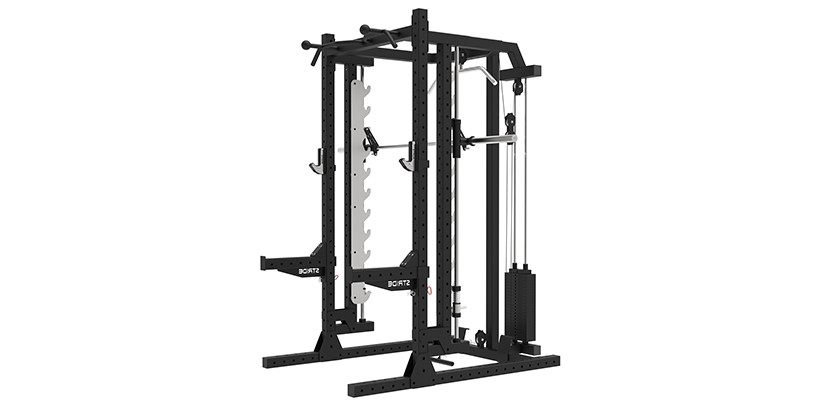
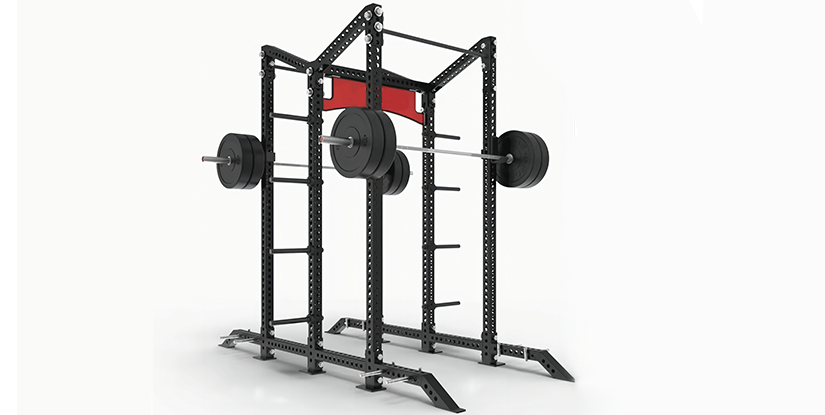
When sourcing an adjustable squat rack, procurement managers must look beyond the initial quote to evaluate long-term operational viability. A successful acquisition depends on balancing three critical checkpoints: technical specification alignment, logistical complexity during arrival, and the potential risk of premature wear under heavy commercial usage. Ignoring these factors often leads to higher replacement frequencies and unexpected downtime.
Understanding Total Cost of Ownership (TCO)
The true expense of an adjustable squat rack is not defined by the factory price alone, but by its total lifecycle costs. While a lower-tier unit might offer a competitive upfront advantage, the long-term value is often eroded by high maintenance requirements or the need for frequent commercial weight rack assembly adjustments due to structural instability. High-quality steel gauges and precision-engineered adjustment mechanisms provide a better return on investment by extending the equipment's functional lifespan.
Distributors and facility owners should prioritize durability vs. initial price when selecting inventory. A premium build reduces the frequency of necessary repairs and ensures the unit remains a reliable asset in high-traffic environments. Investing in robust components minimizes the long-term burden of gym equipment upkeep, ultimately protecting your profit margins through sustained equipment availability.
Investment Grade Comparison: Entry-Level vs. Premium Commercial
Selecting the appropriate grade of equipment requires a clear understanding of how material density and mechanical precision influence the replacement cycle. For high-volume facilities or distributors managing large-scale stock, the distinction between budget-friendly options and heavy-duty commercial builds is significant.
| Evaluation Metric | Entry-Level / Light Commercial | Premium Commercial Grade |
|---|---|---|
| Steel Gauge & Construction | Thinner gauge; basic welding | High-gauge steel; reinforced structural joints |
| Adjustment Precision | Standard pin/bolt systems | Precision-engineered, high-tolerance mechanisms |
| Maintenance Frequency | Frequent tightening and inspections | Low-frequency, routine checks |
| Structural Integrity | Moderate; susceptible to sway | High; designed for heavy eccentric loads |
| Long-Term ROI | Lower upfront cost; higher replacement risk | Higher initial investment; extended lifecycle |
From a procurement standpoint, the decision often hinges on the intended environment. A boutique studio might find value in entry-level units for specialized zones, but large-scale distributors and commercial gym chains should prioritize premium builds. The increased durability of high-grade adjustable squat racks reduces the long-term overhead associated with frequent squat rack safety inspection protocols and parts replacement, ensuring a more stable asset lifecycle.
To maximize the return on your procurement, it is essential to recognize that structural longevity is directly tied to how the unit is initially set up and subsequently managed. Relying on professional assembly during the initial installation phase is a critical step in mitigating long-term liability and preventing uneven wear on adjustment components.
A structured preventative maintenance schedule is the most effective way to protect your capital investment. Rather than waiting for mechanical failure, implementing a recurring squat rack safety inspection allows facility managers to identify bolt loosening, lubrication needs, or minor structural fatigue before they escalate into costly repairs. Consistent gym equipment upkeep—such as checking the alignment of height adjustment pins and verifying the stability of the base—ensures the equipment maintains its factory-spec performance, thereby preventing the premature depreciation that often affects poorly managed commercial inventory.
Sourcing Strategies for High-Volume Procurement
Optimizing the procurement scale for an adjustable squat rack requires a strategic decision between immediate availability and long-term margin protection. Large-scale facility managers must evaluate whether the speed of local distribution outweighs the significant cost advantages of direct factory sourcing.
Evaluating Procurement Models: Factory-Direct vs. Distributor
When planning a commercial weight rack assembly for multiple locations or a large-scale gym rollout, the choice of supply chain partner directly dictates your Total Cost of Ownership (TCO). While distributors offer rapid fulfillment and localized support, sourcing directly from manufacturers allows for greater customization of specifications and lower unit costs through higher Minimum Order Quantities (MOQ).
| Procurement Method | Primary Advantage | Typical TCO Impact | Best For |
|---|---|---|---|
| Direct Factory Sourcing | Maximum margin and customization | Lower per-unit cost; higher upfront logistics management | Large gym chains and global distributors |
| Local Distribution | Rapid deployment and local support | Higher per-unit cost; lower inventory risk | Boutique studios and immediate facility replacements |
A sophisticated procurement strategy looks beyond the initial invoice. A lower purchase price from a factory may be offset by higher shipping complexities or longer lead times, whereas a distributor might provide more streamlined gym equipment upkeep through local replacement parts and immediate technical assistance.
Operational Metrics Comparison
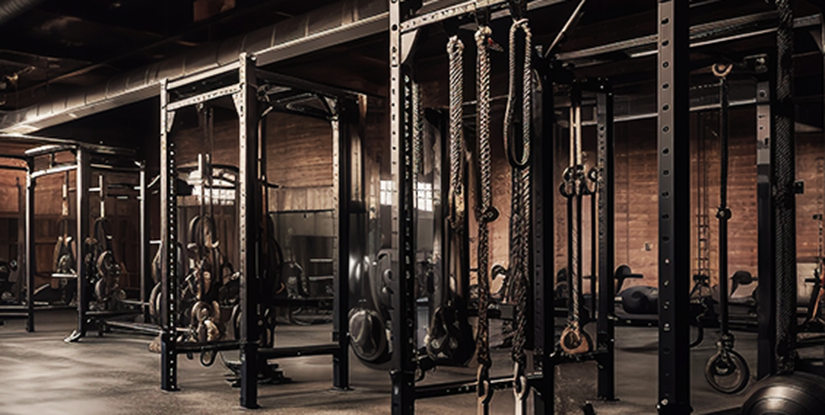
To make an informed decision, procurement officers must weigh the logistical burden of international freight against the agility of domestic supply. The following table outlines the operational differences between these two common sourcing paths.
| Metric | Direct Factory Sourcing | Local Wholesale/Distributor |
|---|---|---|
| MOQ Requirements | High (Container-load/Pallet-based) | Low (Unit-based/Small batch) |
| Shipping Lead Times | Extended (Sea freight/Customs clearance) | Short (Domestic/Regional transit) |
| Assembly Support | Self-managed or third-party contractor | Included or specialized local technician |
| Cost-Efficiency | High volume/Long-term scaling | Low volume/Immediate deployment |
For projects requiring hundreds of units, the direct model offers superior economies of scale. However, if your facility timeline is constrained, the higher per-unit cost of a distributor acts as an insurance policy against deployment delays and complex assembly troubleshooting.
Mitigating Hidden Costs in Logistics and Quality Control
Unforeseen expenses often arise during the transition from procurement to onsite installation. To protect your margins, implement rigorous QC protocols at the source rather than relying on end-user inspection. Verifying the structural integrity of every upright and adjustment pin before departure prevents the massive overhead associated with returning defective heavy-duty steel components.
Effective freight optimization is equally critical. When ordering an adjustable squat rack in bulk, ensure the manufacturer utilizes reinforced packaging to mitigate common bulk shipping risks, such as frame warping or bolt loss. Neglecting these details can lead to costly delays in the commercial weight rack assembly process, as missing hardware or damaged coatings can halt an entire facility rollout.
Optimizing Facility Layout and Assembly Protocols
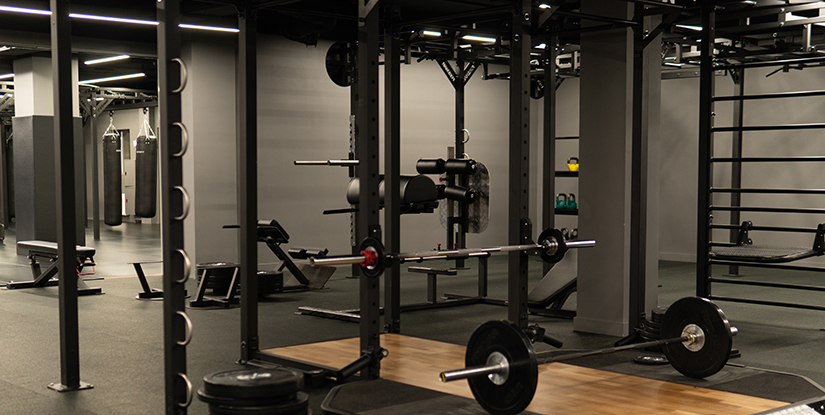
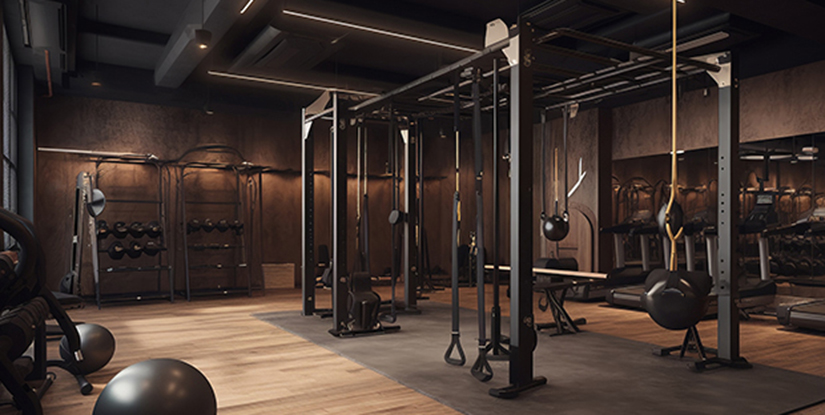
Effective spatial planning for an adjustable squat rack requires more than just measuring the unit's footprint. For commercial operators, the calculation must account for dynamic movement, accessory attachment extension, and the operational flow of high-traffic zones to prevent bottlenecks and ensure user safety.
Defining Clearance Zones and Safety Buffers
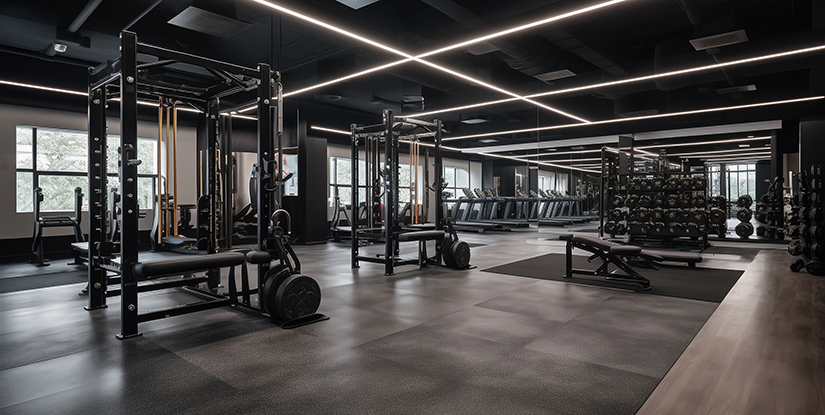
When designing a facility layout, procurement managers must establish strict clearance zones around each station. A standard commercial gym footprint should include a minimum 36-inch safety buffer on all sides of the rack. This space accommodates barbell whip, plate loading, and the lateral movement of lifters. Neglecting these zones often leads to equipment collisions and increased liability in busy training environments.
| Configuration Type | Primary Space Driver | Ideal Footprint Use | Procurement Priority |
|---|---|---|---|
| Standard Modular | Barbell Length | Linear/Open Floor | High Turnover/Standardized |
| Wall-Mounted | Depth/Access | Compact/Boutique | Fixed Installation/Low MOQ |
| Full Power Cage | Accessory Extensions | Dedicated Strength Zone | Maximum Durability/Stability |
From a sourcing perspective, selecting models with a more compact profile can optimize your total square footage, but always verify that the adjustable squat rack dimensions allow for unobstructed movement during heavy lifts.
Comparing Layout Configurations for Density Optimization
Selecting the right arrangement depends on your facility's specific square footage and the intended density of the strength training zone. While a modular setup offers flexibility for expanding inventories, specialized configurations like corner or linear arrays can drastically alter the effective throughput of a commercial floor plan.
| Layout Model | Space Efficiency | Accessibility | Typical Use Case |
|---|---|---|---|
| Linear Array | Moderate | High (Single-Sided) | Large-scale training centers |
| Modular Cluster | High | Variable (Multi-Angle) | Boutique or high-end studios |
| Corner/Perimeter | Maximum | Low (Restricted) | Small footprint/Small-scale gyms |
For distributors and large-scale buyers, the complexity of commercial weight rack assembly often increases with more complex modular layouts. We recommend prioritizing standardized spacing to simplify the installation process and ensure that high-density configurations do not compromise the long-term stability of the structural frame.
Anchoring Protocols and Structural Integrity
Once the layout is finalized, the transition from assembly to permanent installation dictates the long-term durability of the unit. In a professional commercial setting, a freestanding setup is rarely sufficient for high-load operations. Proper floor mounting is a non-negotiable requirement to mitigate vibration and prevent lateral shifting during heavy eccentric movements.
Procurement specialists should ensure that the facility's subfloor is compatible with the specific mounting hardware provided by the manufacturer. Whether utilizing heavy-duty expansion bolts for concrete or specialized mounting kits for reinforced rubber flooring, the goal is to maintain absolute structural integrity. A failure to anchor the rack correctly can lead to micro-shifts in the frame, which eventually compromises the precision of the adjustment mechanisms.
To mitigate liability and equipment fatigue, we recommend integrating a formal squat rack safety inspection into your facility's standard maintenance cycle. This should occur quarterly, specifically checking for bolt tension, base plate stability, and any signs of floor-to-frame separation. For distributors managing high-volume installations, verifying these anchoring standards at the point of assembly is the most effective way to ensure long-term gym equipment upkeep and client safety.
Critical Safety Standards for Heavy-Duty Racks
For facility managers and distributors, the long-term ROI of a fitness center depends heavily on the structural integrity of the equipment. A high-quality adjustable squat rack must withstand high-frequency usage and heavy barbell drops without showing signs of metal fatigue or structural deformation.
Structural Integrity and Material Specifications
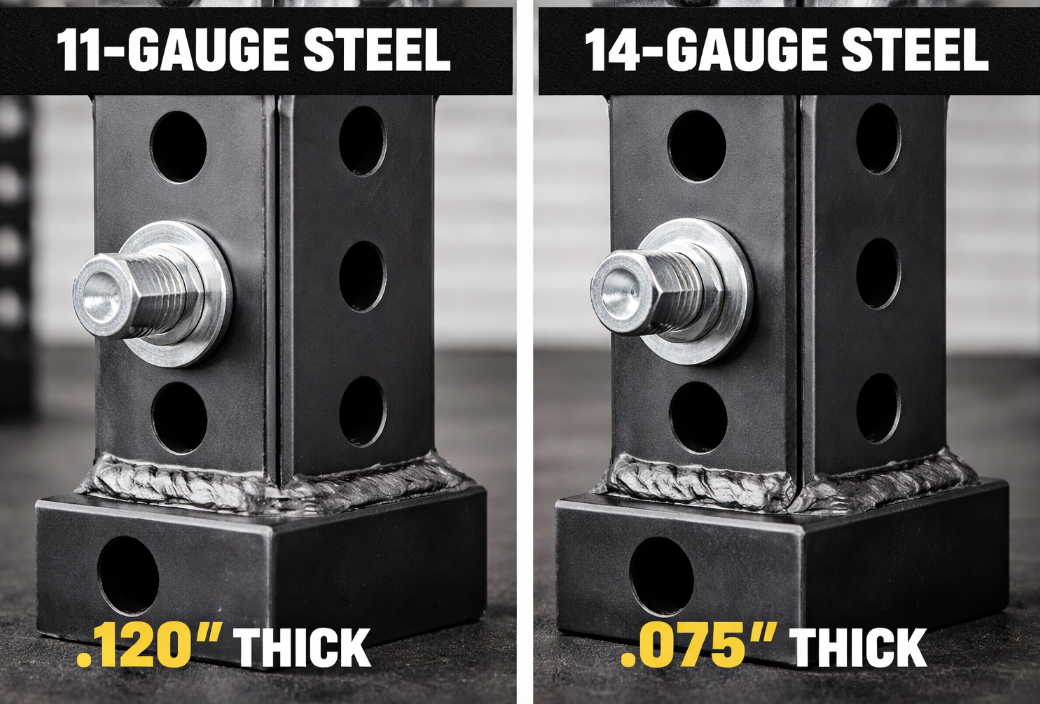
When sourcing or performing a commercial weight rack assembly, the primary technical metric to evaluate is the structural steel gauge. In professional environments, we typically recommend 11-gauge steel (approximately 3mm) for the uprights to ensure maximum durability and stability. Lower-grade steel may appear sufficient during initial inspection, but it often fails under sustained heavy loads, leading to permanent bending or catastrophic failure.
The load capacity of the unit is not just a single number; it is a function of the steel thickness, the welding quality at the joints, and the precision of the adjustment holes. For high-traffic commercial settings, ensuring the rack can handle dynamic weight shifts is essential for maintaining safety standards and reducing long-term replacement costs.
Technical Specifications Comparison for Procurement
Distributors and procurement managers must differentiate between consumer-grade builds and true heavy-duty equipment. Choosing the correct steel thickness and coating type directly impacts the total cost of ownership (TCO) and the frequency of required maintenance. The following table outlines the technical differences between common configurations found in the global market.
| Feature/Specification | Standard Commercial Grade | Premium High-Traffic Grade |
|---|---|---|
| Steel Thickness (Uprights) | 14-gauge (approx. 1.9mm) | 11-gauge (approx. 3.0mm) |
| Coating Quality | Standard Powder Coat | Electrostatic/High-Durability Powder |
| Typical Setting | Boutique Studios / Hotel Gyms | Large-Scale Commercial Gyms |
| Maintenance Cycle | Quarterly Inspection | Bi-Annual/Annual Inspection |
While 14-gauge steel may offer a lower initial price point and better shipping efficiency for smaller MOQs, it is prone to scratching and denting in high-volume environments. Investing in 11-gauge steel with electrostatic powder coating provides superior resistance to oxidation and mechanical wear, ensuring the adjustable squat rack remains functional and aesthetically professional for years.
Routine Maintenance and Inspection Protocols
To mitigate liability and ensure user safety, facility managers must implement a standardized squat rack safety inspection schedule. Even the highest-quality steel requires consistent oversight to detect subtle wear and tear caused by high-volume training sessions. Neglecting these protocols can lead to accelerated depreciation and increased replacement frequency.
The most critical technical check involves bolt tension. Vibrations from heavy barbell drops can loosen fasteners over time; managers should use a torque wrench to verify that all structural bolts meet the manufacturer's specific tightness requirements. Additionally, any moving parts or sliding mechanisms within the adjustable squat rack should receive periodic lubrication with a high-grade, non-corrosive lubricant to prevent friction-induced seizing.
Effective commercial gym maintenance extends beyond the rack itself. Inspectors should look for signs of paint chipping, which may indicate underlying oxidation, and check for any micro-cracks in the welding points. By integrating these checks into a regular gym equipment upkeep program, distributors and gym owners can extend the lifespan of their inventory and maintain a professional-grade training environment.
Operational Longevity and Liability Mitigation
For facility managers and distributors, implementing a structured maintenance protocol for every adjustable squat rack is a critical component of risk management. Neglecting the mechanical components of a commercial weight rack assembly can lead to premature wear, increased downtime, and significant legal liability in high-traffic environments.
A disciplined approach to routine maintenance ensures that adjustment mechanisms remain smooth and structural integrity stays intact. By integrating regular safety inspection checkpoints into standard facility management workflows, operators can identify bolt loosening or pin wear before they escalate into equipment failure or user injury.
Systematic Inspection Protocol
To maintain high standards of safety and optimize the total cost of ownership, distributors and gym owners should implement a tiered inspection schedule. This proactive approach to gym equipment upkeep prevents unexpected mechanical failures and extends the lifecycle of your inventory.
| Inspection Frequency | Component Focus | Required Action |
|---|---|---|
| Daily/Weekly | Adjustment pins and height settings | Verify pins are fully seated and locking mechanisms engage without resistance. |
| Monthly | Fasteners and structural bolts | Perform a squat rack safety inspection to identify loose bolts or minor structural shifts. |
| Quarterly | Moving parts and coatings | Lubricate sliding mechanisms and check for scratches in the powder coating to prevent oxidation. |
| Bi-Annually | Base stability and floor mounting | Ensure leveling bolts are secure and the unit remains perfectly aligned with the floor surface. |
Consistent adherence to this schedule reduces the frequency of replacement parts requests and ensures that your commercial weight rack assembly meets the rigorous demands of high-volume training environments.
Prioritizing Manufacturing Standards in Procurement
When evaluating long-term durability, the quality of the initial manufacturing process is the most significant factor in reducing future maintenance overhead. High-grade steel thickness and precision-engineered adjustment holes directly impact how a unit handles constant wear and tear over years of heavy use.
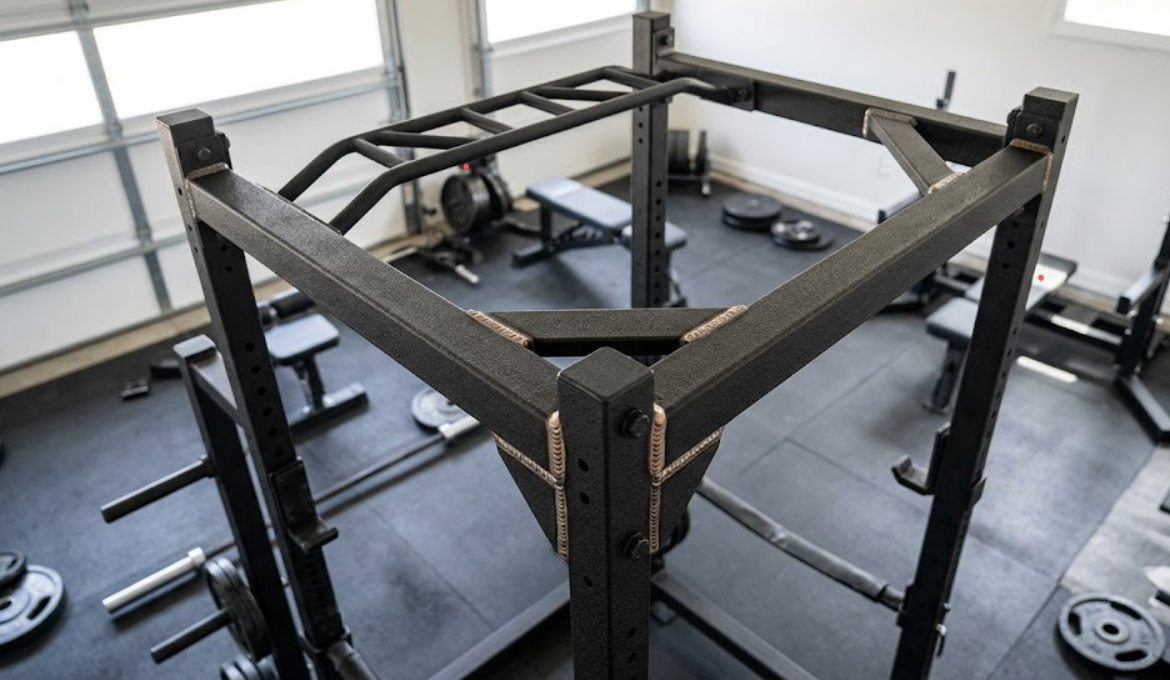
For professional buyers, the procurement decision should not focus solely on the initial unit price, but on the total cost of ownership. Investing in equipment with superior welding techniques and high-quality powder coating ensures the structural integrity remains uncompromised even in demanding commercial settings. Selecting premium-tier manufacturers minimizes the need for frequent repairs and replacement parts, ultimately protecting your profit margins and reputation as a reliable supplier or facility operator.
Operational Longevity and Upkeep Best Practices
Implementing a structured maintenance protocol is essential for protecting the long-term ROI of your facility's strength equipment. For high-traffic environments, a neglected adjustable squat rack can quickly transition from a high-performance asset to a liability due to unaddressed wear and tear on moving components and adjustment pins.
Prioritizing Structural Integrity and Safety
A rigorous routine inspection schedule ensures that every commercial weight rack assembly maintains its intended structural integrity under heavy loading. Distributors and facility managers should focus on three critical areas during monthly audits: the stability of the base frame, the smoothness of the adjustment mechanisms, and the security of all connection bolts. Neglecting these checks can lead to mechanical fatigue, potentially compromising user safety and increasing long-term replacement costs.
Effective gym equipment upkeep requires a shift from reactive repairs to proactive management. By establishing a predictable maintenance cadence, procurement managers can reduce unplanned downtime and extend the lifecycle of their strength training inventory.
Maintenance Strategy Comparison
| Approach | Frequency | Primary Focus | Impact on TCO |
|---|---|---|---|
| Preventative | Scheduled (Monthly/Quarterly) | Bolt tightening, lubrication, and wear detection | Lowest; minimizes replacement frequency |
| Reactive | As Needed (Upon Failure) | Fixing broken pins or unstable frames | Highest; involves high repair and downtime costs |
Standard Maintenance Checklist
To maintain a high standard of squat rack safety inspection, facility teams should follow this baseline protocol for every unit in the facility:
- Mechanical Smoothness: Apply specialized lubrication to adjustment tracks and pins to prevent binding.
- Fastener Security: Perform regular bolt tightening on all structural junctions to eliminate frame wobbling.
- Surface Integrity: Inspect powder coating and upholstery for chips or tears that could lead to oxidation.
- Pin Verification: Ensure all locking mechanisms engage fully without resistance or play.
Beyond basic mechanical checks, procurement specialists must evaluate specific quality indicators that differentiate high-grade commercial builds from entry-level models. When auditing inventory or inspecting new shipments, pay close attention to the following technical benchmarks to ensure long-term durability in high-volume environments.
Evaluating Material and Build Quality
A high-quality adjustable squat rack must withstand rigorous daily usage without showing signs of structural degradation. When evaluating factory samples or conducting receiving inspections, focus on these three critical quality control indicators:
- Powder Coating Integrity: High-grade commercial equipment should feature a thick, uniform powder coating. Inspect for any bubbling, unevenness, or thin spots, as compromised coating leads to rapid oxidation and rust, especially in high-humidity gym environments.
- Adjustment Mechanism Smoothness: The movement of height pins or sliding tracks should be fluid and consistent. Any grinding, sticking, or excessive resistance often indicates poor tolerances in the commercial weight rack assembly, which can lead to premature failure.
- Weight Capacity Stability: Under heavy load, the frame should exhibit zero perceptible sway or structural deflection. Verify that the load-bearing components maintain absolute stability to ensure the equipment meets the strict commercial setting durability requirements expected by professional athletes.
For distributors, prioritizing these specifications during the sourcing stage reduces the likelihood of costly returns and enhances your reputation for providing reliable, heavy-duty strength solutions.