Finding the Most Compact Squat Rack with Safety for
Evaluating the Long-Term Value of Compact Strength Solutions
Many buyers fall into the trap of prioritizing low upfront costs, often sourcing flimsy, lightweight structures that fail under heavy loads. This mistake leads to frequent replacements and, more importantly, compromised user safety. A smarter procurement strategy focuses on the total cost of ownership. Instead of searching for the cheapest option, savvy distributors and fitness enthusiasts look for the most compact squat rack with safety for apartment settings that balances a small footprint with industrial-grade reliability.
Investing in high-quality equipment is a long-term investment in both safety and stability. Premium models utilize high-grade steel construction to ensure the frame does not flex or buckle during heavy lifts. Furthermore, the integration of heavy-duty safety pins or adjustable spotter arms is non-negotiable. While these features may slightly increase the initial price point, they provide essential protection in small space home gym environments where space for movement is limited. Choosing a space saving power rack built with professional-grade materials ensures your apartment friendly weightlifting setup remains a dependable asset for years, rather than a recurring expense.
To better understand how to allocate your budget, it is helpful to look at the budget vs premium divide through the lens of long-term utility. A lower price tag often comes at the expense of structural integrity and rigorous safety standards, which can lead to higher maintenance costs over time.
| Feature Dimension | Budget-Friendly Options | Premium Space-Saving Solutions |
|---|---|---|
| Stability & Build | Lightweight steel; prone to wobbling | Heavy-duty gauge steel; high rigidity |
| Safety Features | Basic pins; limited adjustment range | Robust spotter arms; advanced catch systems |
| Ideal Use Case | Occasional, light resistance training | Consistent, progressive strength training |
| Long-term Value | Frequent replacement likely | Durable asset for a small space home gym |
When sourcing a space saving power rack, remember that the most economical choice is rarely the most cost-effective. Prioritizing a space saving power rack with superior stability ensures that your apartment friendly weightlifting setup remains a safe, permanent fixture rather than a temporary fix.
Beyond the hardware itself, failing to account for environmental impact can lead to significant hidden expenses. In multi-unit residential buildings, the lack of proper floor protection is a common oversight. Low-quality, lightweight racks often lack the necessary weight distribution or specialized base designs to dampen vibration and impact. This can result in structural damage to flooring or noise complaints from neighbors, potentially leading to costly repairs or lease disputes. When calculating your cost-per-use, you must factor in the necessity of high-density rubber mats or specialized flooring to protect the subfloor.
True value is found in safety reliability and structural integrity. A rack that is inexpensive to ship but lacks the density to remain stationary during a lift is a liability. By selecting a high-caliber unit, you mitigate the risk of equipment failure and the subsequent costs of replacement. For those focused on apartment friendly weightlifting, the goal is to acquire a single, durable piece of equipment that respects the living environment while supporting heavy, progressive training cycles without compromise.
Optimizing Footprint Without Compromising Structural Integrity
When designing a small space home gym, the primary tension lies between the physical footprint and the essential safety mechanisms required for heavy lifting. Many users mistakenly assume that a smaller frame inherently means lower stability. However, finding the most compact squat rack with safety for apartment living requires a strict focus on structural integrity. In a confined setting, the margin for error is slim; a single structural failure can lead to significant property damage or personal injury.
A critical decision for any buyer is choosing between safety pins vs. spotter arms. While safety pins offer a minimal profile, they often lack the versatility needed for varied barbell movements. Conversely, spotter arms provide superior protection during failed reps but require a slightly larger clearance. For those sourcing high-quality apartment friendly weightlifting equipment, we recommend prioritizing heavy-gauge steel construction to ensure that a space saving power rack remains rigid under load, regardless of its compact dimensions.
| Storage/Safety Configuration | Space Impact | Durability Profile | Best Use Case |
|---|---|---|---|
| Standard Safety Pins | Minimal | High (Fixed) | Strictly limited clearance |
| Adjustable Spotter Arms | Moderate | Very High (Versatile) | Multi-lift functionality |
| Wall-Mounted Brackets | Lowest | Extreme (Permanent) | Dedicated permanent setups |
Selecting the right configuration depends heavily on your specific floor plan and training intensity. For instance, a wall-mounted system offers the absolute minimum footprint dimensions, effectively reclaiming floor space, yet it requires professional installation to ensure stability against the structural wall. For those seeking a more mobile space saving power rack, a folding squat stand provides a middle ground—offering high weight capacity during sessions while folding flat against the wall when not in use.
When evaluating these options for apartment friendly weightlifting, do not just look at the width; consider the depth and the "swing zone" required for barbell movement. A high-quality small space home gym setup should ideally utilize a footprint of no more than 4'x4' for the base, even if the safety arms extend further. As a procurement professional, we advise verifying the steel gauge and the bolting requirements, as a lightweight frame may save space but often lacks the necessary mass to prevent tipping during heavy eccentric loading.
Beyond the dimensions of the rack itself, the surrounding environment dictates the long-term viability of your setup. Effective spatial planning requires establishing strict clearance zones; ensure there is at least 3 feet of unobstructed space around the rack to accommodate barbell whip and lateral movement. This prevents accidental collisions with furniture or walls that could compromise your weight distribution and overall balance.
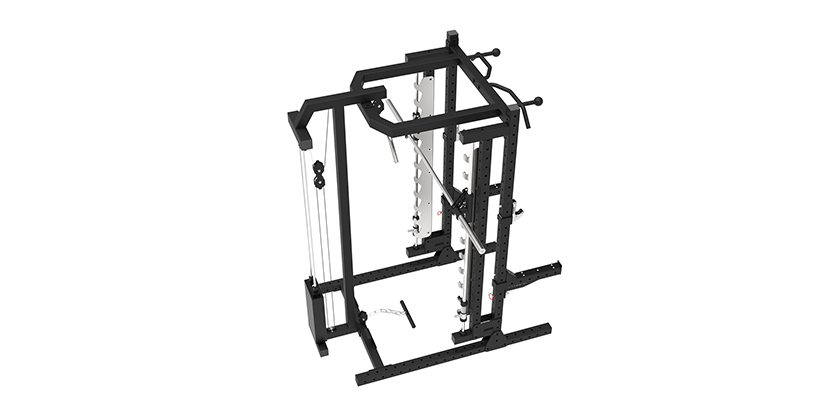
To protect your residence, do not overlook floor protection. High-impact training can cause micro-vibrations or localized pressure that damages residential flooring. We recommend utilizing high-density rubber matting to dampen noise and distribute the load more evenly. Before finalizing your layout, perform a rigorous stability testing routine: load the rack to 75% of its rated capacity and check for any lateral sway or floor oscillation. Ensuring the rack remains anchored and level is the final, non-negotiable step in perfecting your most compact squat rack with safety for apartment use.
Safety Mechanisms for High-Density Living Environments
When designing a small space home gym, the primary concern isn't just the footprint, but the reliability of the equipment under load. In an apartment setting, there is zero margin for error regarding structural integrity. A flimsy frame can lead to catastrophic failure, especially when lifting heavy loads in a confined area. This is why sourcing the most compact squat rack with safety for apartment use requires a strict focus on heavy-duty steel construction.
High-grade, thick-walled steel ensures that even the smallest footprint can handle significant weight without bowing or wobbling. For distributors and buyers, prioritizing high-gauge steel is essential because it guarantees stability in tight quarters, preventing the rack from shifting during intense sets. In high-density living environments, a robust build is the only way to ensure that a space saving power rack provides professional-grade protection and long-term durability for the end user.
Choosing between different safety configurations is critical for effective apartment friendly weightlifting. The two most common mechanisms—spotter arms and safety pins—offer different advantages regarding both protection and the physical footprint of your setup.
Spotter arms are often preferred for their superior weight capacity and ability to catch a bar mid-descent, providing a smoother transition if a lift fails. However, they can protrude further from the uprights, which may be a concern in a small space home gym. In contrast, safety pins are highly efficient for space saving power rack designs. They sit flush within the upright channels, maximizing available movement area, though they may require more frequent adjustments during a workout. When sourcing for clients, we recommend evaluating the ease of adjustment; high-quality pins and arms should feature precision-engineered holes to ensure a secure, non-slip fit. Ultimately, the choice depends on whether the user prioritizes the ultra-low profile of pins or the heavy-duty stability of arms for their specific training style.
Beyond the basic frame geometry, the longevity of your equipment depends on the microscopic details of its assembly. When evaluating the most compact squat rack with safety for apartment settings, you must look past the aesthetic and inspect the technical manufacturing standards. A premium build is defined by high-quality welding quality; look for smooth, consistent beads that indicate deep penetration, ensuring the connection points won't fail under repetitive stress.
For long-term reliability, we recommend prioritizing weld-on components for primary structural joints to minimize movement, while utilizing high-grade bolt-on components for adjustable safety features to allow for customization. To protect the finish from sweat and oxidation, a professional-grade powder coating is non-negotiable, as it prevents rust in humid indoor environments. Finally, to maintain a peaceful small space home gym, ensure the unit features high-density vibration reduction elements and integrated floor protection. This prevents structural rattling and protects the apartment flooring from heavy impact, making it a truly apartment friendly weightlifting solution.
Sourcing High-Quality Modular Racks for Small Spaces
When investing in a small space home gym, the longevity of your equipment depends entirely on the initial build quality. For distributors and retailers, sourcing a most compact squat rack with safety for apartment use requires looking beyond mere dimensions; you must prioritize the metallurgical integrity of the frame. High-end modular systems should be constructed from high-grade steel to ensure that structural stability is never compromised, even when heavy loads are being moved in a confined residential area.
Durability in apartment friendly weightlifting environments also hinges on surface protection. We recommend specifying a premium powder coating during the procurement process. This finish is essential for rust prevention, especially in humid residential climates or high-traffic home settings. A superior coating prevents oxidation and wear, ensuring that your space saving power rack remains a reliable, safe centerpiece for years without the degradation often seen in lower-tier, lightweight alternatives.
Maintaining a premium small space home gym requires a proactive approach to prevent wear caused by frequent use in confined areas. Even the highest quality space saving power rack requires periodic inspections to ensure user safety. We recommend a monthly routine to check and tighten bolts and fasteners, as vibration from heavy lifting can gradually loosen connections over time. Furthermore, a critical step in apartment friendly weightlifting maintenance is checking safety bars; ensure they are seated correctly and show no signs of structural fatigue or bending before every session.
Environmental factors in residential settings can also impact equipment lifespan. It is vital to regularly clean sweat/moisture from the frame and knurling to prevent corrosion. Additionally, the lubrication of moving parts—such as J-cups or adjustable uprights—will keep the mechanism smooth and prevent metal-on-metal grinding. By implementing these routine small space home gym maintenance habits, you ensure that the most compact squat rack with safety for apartment settings remains a durable, high-performing asset for any end-user.
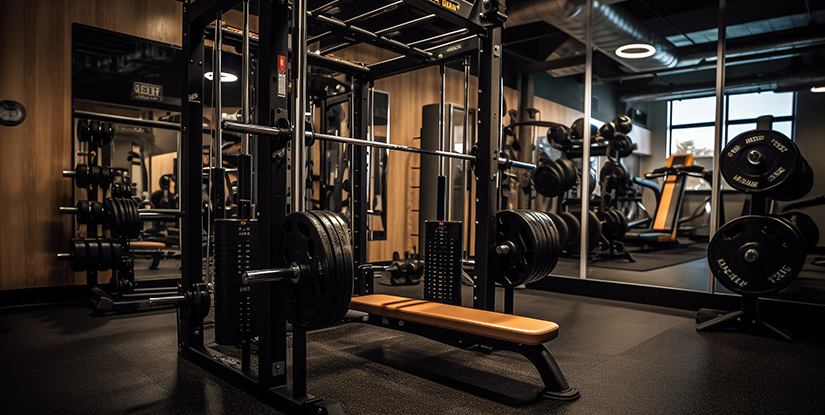
To assist in your procurement planning, we have developed a guide to help you categorize the upkeep required based on how the equipment is utilized. Whether you are stocking products for casual enthusiasts or high-frequency training environments, understanding these maintenance tiers ensures the longevity of your space saving power rack inventory.
| Usage Type | Frequency | Key Tasks | Estimated Effort |
|---|---|---|---|
| Light (Occasional Home Use) | Quarterly | Visual inspection of safety bars and basic dust removal. | Minimal |
| Moderate (Daily Training) | Monthly | Tighten bolts, lubricate moving parts, and wipe down frame. | Low |
| Heavy (High-Traffic/Semi-Pro) | Weekly | Deep structural check, full lubrication, and rust prevention audit. | Moderate |
By advising your clients on these specific apartment friendly weightlifting upkeep standards, you add value to the sale and reduce the likelihood of returns due to preventable wear. A well-maintained most compact squat rack with safety for apartment settings will consistently deliver the high-performance experience your customers expect.
Logistics and Assembly Realities for Apartment-Friendly Gear
The primary challenge of maintaining a small space home gym isn't just the square footage, but the logistical reality of getting heavy steel through narrow apartment doorways or up service elevators. When sourcing a space saving power rack, professional buyers must look beyond the dimensions of the finished product and consider the assembly workflow. A high-quality modular design is essential; it ensures that the components are manageable for single-person transport and assembly without requiring industrial lifting equipment.
In many urban residential settings, the footprint of the equipment is only half the battle. You must also account for the "assembly footprint"—the temporary space needed to unbox and bolt the unit together. For apartment friendly weightlifting, we recommend prioritizing racks that utilize standardized bolt patterns and intuitive assembly steps. This reduces the risk of damage to flooring or walls during setup, ensuring that your compact setup remains a permanent, safe fixture rather than a logistical headache.
Choosing the right configuration depends heavily on your specific floor plan and how much permanent real estate you are willing to commit. While all these options aim to provide the most compact squat rack with safety, their impact on your living space varies significantly. Below is a comparison to help you determine which model aligns with your residential constraints.
| Rack Type | Typical Footprint | Ease of Storage | Primary Safety Feature |
|---|---|---|---|
| Folding Wall-Mounted | Minimal (folds flat) | Excellent; mounts to studs | Integrated J-cups & Spotter Arms |
| Compact Freestanding | Moderate (fixed) | Low; requires permanent floor area | Wide Base & Heavy-Duty Uprights |
| Modular Folding Rack | Variable (adjustable) | Good; can be detached/moved | Adjustable Safety Bars |
If you are looking for a small space home gym solution that disappears when not in use, the folding wall-mounted style is the gold standard. However, for those who prioritize a space saving power rack that can be moved between rooms, a modular freestanding unit offers better versatility. Always verify that your chosen model includes robust safety catch mechanisms to ensure apartment friendly weightlifting remains a secure practice regardless of the footprint.
Beyond the initial dimensions, buyers must evaluate the practicalities of delivery access and the long-term maintenance of the living environment. A heavy-duty most compact squat rack with safety for apartment use often involves significant shipping weight, which can pose challenges for multi-story buildings or restricted service corridors. We advise verifying whether your building allows freight deliveries to the unit or if the components are segmented enough for manual transport through standard elevators.
Furthermore, assembly complexity can become a bottleneck if the hardware is not standardized. High-quality manufacturers prioritize intuitive assembly to prevent structural misalignment. To protect your investment and your residence, always pair your setup with professional-grade floor protection, such as high-density rubber matting. This mitigates the impact of heavy weight drops and prevents structural vibrations from disturbing neighbors, ensuring your small space home gym remains a respectful and sustainable addition to your home.
Selecting the Right Weightlifting Setup for Your Lifestyle
Investing in a small space home gym is more than just a purchase; it is a strategic decision to prioritize your long-term physical health within a limited footprint. When sourcing equipment, many buyers mistakenly focus solely on the initial price tag, overlooking the true cost-per-use. A budget-tier rack may save money upfront, but if it lacks the structural integrity required for heavy lifting, it becomes a wasted expense. For those dedicated to apartment friendly weightlifting, the goal is to find a balance between a compact footprint and professional-grade reliability.
High-quality manufacturing ensures long-term durability, meaning your equipment can withstand years of progressive overload without wobbling or structural fatigue. Beyond the physical build, integrated safety features—such as robust spotter arms or adjustable pins—are non-negotiable. These components protect your investment and your body, ensuring that your home training remains a safe, sustainable habit rather than a liability. By selecting a premium, space-efficient setup, you are investing in a piece of professional-grade hardware that grows alongside your strength and your lifestyle.
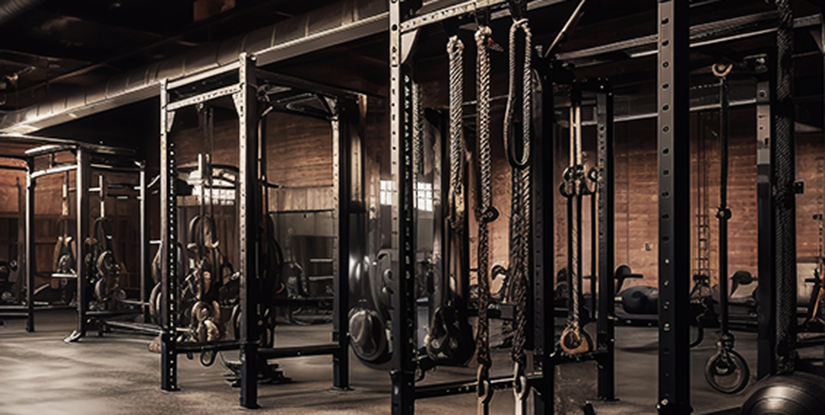
To maximize your return on investment, you must evaluate how different configurations align with your specific floor plan and training intensity. A space saving power rack might offer more versatility, but it requires a slightly larger footprint than a basic squat stand. Choosing the most compact squat rack with safety for apartment living involves weighing the trade-off between sheer minimalism and the protective features necessary for solo training. Use the framework below to determine which setup offers the best value for your constraints.
| Setup Type | Dimensions (Avg.) | Safety Level | Ideal User | Footprint |
|---|---|---|---|---|
| Minimalist Squat Stand | Very Small | Moderate (Requires Barbell/Pins) | Beginner / Light Lifter | Minimal |
| Space Saving Power Rack | Compact | High (Full Safety Bars) | Intermediate / Dedicated | Small |
| Full-Size Power Cage | Large | Maximum (Complete Enclosure) | Advanced / Heavy Lifter | Standard |
When evaluating these options, consider that a slightly larger footprint often yields a higher ROI by providing the essential safety redundancies needed for progressive lifting. For most urban dwellers, a mid-tier apartment friendly weightlifting solution offers the perfect intersection of safety, durability, and spatial efficiency.
Beyond the physical footprint, true value is found in the "hidden" costs of low-end alternatives. Many entry-level models lack the necessary structural integrity to handle progressive loading, which can lead to dangerous instability. When sourcing the most compact squat rack with safety for apartment environments, you must also account for secondary impacts. Cheap equipment often lacks high-quality floor protection and effective noise reduction features, which can lead to costly damage to flooring or friction with neighbors in multi-unit buildings.
A premium space saving power rack is a long-term investment in safety. While the initial procurement cost might be higher, the weight capacity and build quality ensure the unit remains a reliable tool for years. Investing in professional-grade hardware prevents the cycle of "buying twice"—once for a budget model that fails, and again for a permanent solution. By prioritizing high-spec components and stability, you secure a small space home gym that protects both your physical progress and your living environment.
Maximizing Long-Term Value: The ROI Checklist
For distributors and fitness enthusiasts, the true cost of a small space home gym isn't just the initial purchase price, but the longevity of the equipment under load. When sourcing the most compact squat rack with safety for apartment settings, you must evaluate the footprint vs. safety features ratio. A rack that is too small may lack the structural integrity required for heavy progressive overload, leading to premature replacement costs.
To ensure a high return on investment, use this professional evaluation framework before finalizing your procurement:
- Weight Capacity vs. Stability: Does the frame gauge support your target lifting volume without wobbling? High-density steel is essential to prevent lateral movement in tight quarters.
- Safety Component Integration: Are the spotter arms or pin safeties adjustable? A space saving power rack must offer versatile protection to remain useful as strength levels increase.
- Floor Loading & Vibration: Does the design include vibration-dampening features to protect the building's structure?
- Modular Scalability: Can the unit be upgraded with attachments later, or is it a static, single-use piece of equipment?
Prioritizing these metrics ensures your apartment friendly weightlifting setup remains a durable asset rather than a disposable consumer product.
Choosing the right configuration is a strategic decision. To help you visualize how different models impact your square footage and long-term utility, we have categorized the most common industry standards below. This comparison helps determine which space saving power rack aligns best with your specific constraints and training intensity.
| Rack Configuration Type | Typical Dimensions (W x D) | Safety Level | Ideal User Profile |
|---|---|---|---|
| Folding Wall-Mount | ~48" x 24" (Folded) | Moderate (Spotter Arms) | Casual lifters prioritizing apartment friendly weightlifting |
| Compact Half Rack | ~42" x 48" | High (Adjustable Pins) | Dedicated strength athletes in small space home gym setups |
| Slim Full Cage | ~48" x 55" | Maximum (Full Cage) | Serious practitioners requiring the most compact squat rack with safety for apartment use |
When calculating ROI, remember that a slightly larger footprint often yields higher value if it allows for a broader range of heavy compound movements without compromising structural safety.
Beyond the basic dimensions, professional procurement requires a deep dive into material specifications to justify the capital expenditure. A high-quality small space home gym setup should be viewed as a long-term infrastructure investment rather than a temporary fix. When vetting manufacturers, prioritize the steel gauge; a robust 11-gauge steel frame provides the structural rigidity necessary for heavy compound lifts, whereas thinner alternatives may fail under progressive load. This durability ensures that your space saving power rack remains a functional asset for years, rather than a liability.
Furthermore, consider the secondary costs of installation and maintenance. A premium apartment friendly weightlifting solution should integrate advanced noise reduction and floor protection. Look for designs that accommodate high-density rubber flooring or include integrated dampening to mitigate vibration and impact noise, which is critical for maintaining good standing with neighbors and building management. Finally, evaluate the versatility of available attachments. A rack that supports various pull-up bars, dip stations, or landmines offers far greater utility, allowing your training to evolve without the need to replace the entire unit.