Wall Mounted Squat Rack Folding | Optimizing Studio Floor
Vetting Manufacturers for High-Performance Folding Strength Equipment
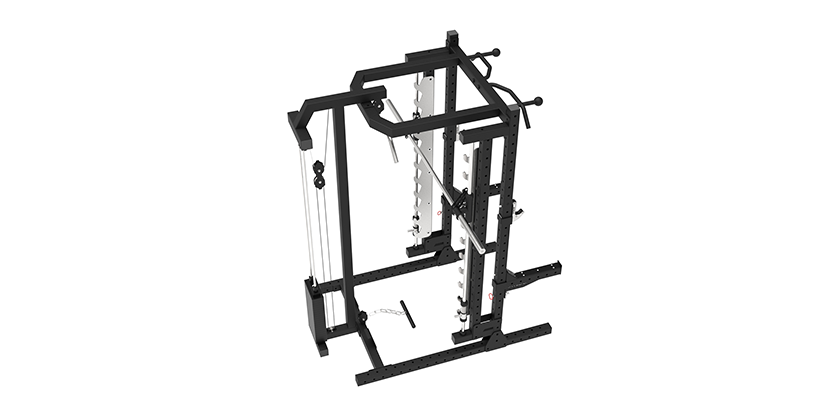
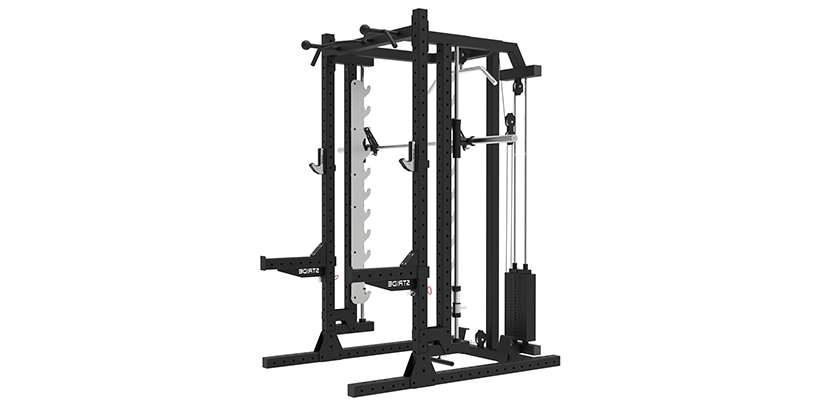
A professional wall mounted squat rack folding system is a specialized structural component designed to optimize boutique studio footprints without sacrificing heavy lifting capabilities. B2B buyers prioritize these units to maximize usable square footage, providing high-density training zones that can be cleared instantly for multi-functional floor use.
Structural Integrity and Material Standards
When sourcing for high-traffic commercial environments, the baseline for a wall mounted squat rack folding unit must exceed standard residential specifications. Procurement managers should focus on the steel gauge and the precision of the welding points to ensure long-term structural integrity. A high-quality heavy-duty steel gauge, typically 11-gauge or 7-gauge, is essential for preventing frame deformation under heavy barbell loads.
Beyond the frame itself, pivot point stability is the most critical failure point in folding designs. Low-tier manufacturers often use inferior bushings that loosen over time, creating dangerous play in the movement. To meet commercial gym standards, ensure the manufacturer utilizes reinforced steel pins and heavy-duty locking mechanisms that maintain a rigid, non-oscillating feel during high-intensity lifting cycles.
Distinguishing between consumer-grade hardware and professional-grade space saving strength equipment requires a granular look at the fabrication process. For distributors and facility owners, the total cost of ownership is heavily influenced by the initial build quality; a cheaper unit that requires frequent maintenance or premature replacement will ultimately diminish your ROI.
Technical Specification Comparison
| Feature | Consumer-Grade (Retail/Home) | Professional-Grade (Commercial/Boutique) |
|---|---|---|
| Steel Thickness | 14-gauge or thinner | 11-gauge to 7-gauge heavy-duty steel |
| Welding Technique | Standard MIG (Spot welding) | Full-penetration TIG or reinforced MIG |
| Powder Coating | Basic spray finish | Electrostatic, scratch-resistant matte |
| Load Capacity | Limited/Variable stability | High-capacity, consistent structural rating |
When evaluating a factory's capability, request specific documentation regarding their welding standards and coating durability. A high-quality powder coating is not merely aesthetic; it serves as a vital layer of protection against sweat-induced corrosion and friction-related wear in high-traffic studio settings. Ensuring these technical benchmarks are met will safeguard your facility's layout and long-term safety standards.
QC Protocols and Logistics Optimization
Scaling your inventory or outfitting multiple studio locations requires more than just selecting a capable vendor; it demands rigorous oversight of the manufacturing lifecycle. For high-volume orders of wall mounted folding rack utility systems, standard inspections are insufficient. Successful distributors implement strict QC inspection protocols that focus on the precision of the folding hinge alignment and the tension of the locking pins. Even minor deviations in part tolerances can lead to uneven wear-and-tear resistance, eventually compromising the safety of the studio layout.
From a logistics standpoint, shipping volume optimization is critical for maintaining competitive landed costs. High-quality manufacturers design the folding mechanism to be easily detachable or nestable, allowing for denser container loading. When negotiating MOQ considerations, ensure your contract specifies that the weight and dimensions of the folded unit remain consistent across production batches. This consistency prevents unexpected surcharges during international freight and ensures that your boutique gym layout optimization remains predictable during the final installation phase.
Standardizing Quality Control Audits for Wall-Mounted Systems
Reliability in a boutique studio depends on the precision of the mounting hardware and the integrity of the frame. When sourcing a wall mounted squat rack folding system, procurement managers must prioritize structural stability to prevent mechanical fatigue caused by repetitive high-intensity loading and unfolding cycles.
Critical Engineering Benchmarks
A professional-grade facility requires more than just aesthetic appeal; it demands high-spec commercial-grade steel with consistent wall thickness. During factory audits, distributors should verify the welding inspection protocols, specifically looking for full-penetration welds at all pivot points and load-bearing junctions. Because these units are anchored to a fixed surface, the load-bearing capacity is not just a matter of the steel strength, but also the torque resistance of the mounting brackets under dynamic weight shifts.
| Quality Metric | Standard Requirement | Procurement Red Flag |
|---|---|---|
| Steel Gauge | Minimum 11-gauge (3mm) | Thin-walled tubing under 2mm |
| Pivot Mechanism | Reinforced steel bushings | Plastic or lightweight alloy joints |
| Weld Integrity | Full-bead continuous welding | Spot welding or visible porosity |
For high-traffic environments, ensuring the wall mounted squat rack folding mechanism uses heavy-duty locking pins rather than simple friction fits is essential for long-term safety and reduced maintenance overhead.
Technical Specification Comparison for High-Volume Use
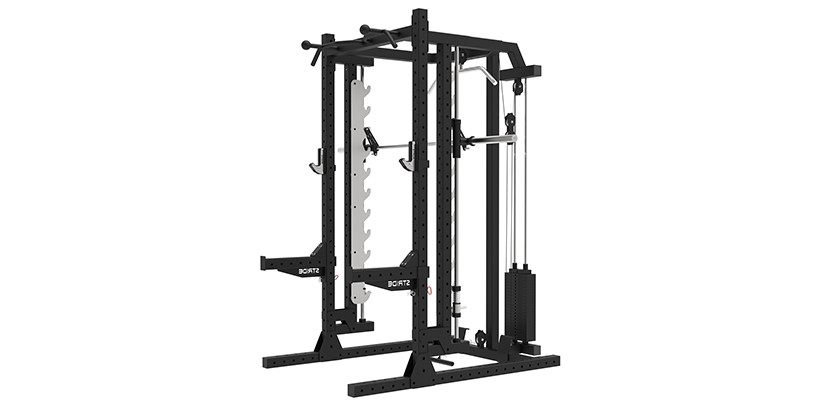
To optimize the long-term ROI of your space saving strength equipment, buyers must differentiate between consumer-grade finishes and professional-grade protective layers. Surface degradation from chalk buildup or moisture can lead to oxidation, which compromises the structural integrity of the mounting brackets over time.
| Technical Component | Commercial Standard (Boutique/Studio) | Light Commercial/Retail Standard |
|---|---|---|
| Powder Coating Thickness | ≥ 80-100 microns (High-durability electrostatic) | < 60 microns (Standard spray finish) |
| Hinge & Pivot Durability | Heavy-duty steel bearing systems (High cycle life) | Simple friction-based or bushing-only hinges |
| Bolt & Fastener Grade | Grade 8.8 or higher (High torque resistance) | Standard Grade 5 or zinc-plated hardware |
| Wall Interface | Reinforced steel mounting plates (Integrated) | Single-point or lightweight bracket mounts |
Distributors selecting a wall mounted folding rack utility for premium facilities should insist on these higher benchmarks. Investing in superior bolt grades and thicker coatings minimizes the frequency of replacement and prevents the mechanical "play" that often develops in lower-tier folding units after several months of heavy use.
Logistics and Transit-Related Quality Control
Beyond structural specs, the efficiency of a wall mounted folding rack utility is often determined by the quality of the shipping process. Because these units contain complex moving parts and precise hinge points, they are highly susceptible to vibration-induced misalignment during long-haul ocean freight. Procurement managers must evaluate a supplier's approach to transit damage prevention to ensure that the units arrive ready for immediate installation without recalibration issues.
A high-tier manufacturer should prioritize packaging integrity by using reinforced corrugated boxing and internal structural supports that prevent the folding arms from shifting. During pre-shipment inspections, verify that the component alignment remains perfect even after simulated movement. If the folding mechanism is slightly jarred out of alignment during transit, it can lead to uneven weight distribution or jamming, which disrupts boutique gym layout optimization by increasing downtime. Ensuring that the hardware arrives in a factory-set state protects your space saving strength equipment investment and guarantees the smooth, predictable operation expected in professional studio environments.
Managing Warranty Claims and Structural Integrity Liability
For facility management, the decision to implement a wall mounted squat rack folding system involves more than just spatial optimization; it is a direct engagement with long-term commercial liability. Unlike free-standing units, these systems transfer dynamic kinetic energy directly into the building's structure, making structural integrity a non-negotiable priority for high-traffic boutique studios.
Distributors and procurement managers must prioritize rigorous quality control (QC) protocols during the sourcing stage to mitigate risks. A failure in weight-bearing stability—whether due to substandard welding or inferior steel gauge—can lead to catastrophic failure and subsequent legal complications. When vetting manufacturers, ensure their production standards account for the repetitive stress of heavy loading, as consistent wall mounted squat rack folding performance is essential for maintaining both user safety and facility compliance.
Standardized Inspection Protocols and Maintenance Schedules
To mitigate risk and ensure long-term durability, facility operators must implement a tiered inspection routine. The most critical technical requirement involves verifying the bolt torque on all mounting brackets and pivot points. Over time, vibration from heavy lifting can loosen fasteners, necessitating a systematic check to prevent structural sagging or failure. A strict maintenance schedule prevents minor wear and tear from escalating into costly replacement cycles or liability claims.
For high-traffic boutique studios, we recommend following a frequency-based inspection checklist to maintain compliance with commercial gym safety standards. This prevents the degradation of mechanical components and ensures the folding mechanism remains fluid and secure.
| Inspection Component | Frequency | Primary Focus |
|---|---|---|
| Mounting Bolts & Fasteners | Monthly | Verify torque levels and check for loosening. |
| Pivot Points & Hinges | Quarterly | Check for smooth movement and lubrication needs. |
| Structural Welds | Bi-Annually | Inspect for stress fractures or metal fatigue. |
| Wall Interface/Anchors | Annually | Assess stability of the connection to the building structure. |
By formalizing these procedures, procurement professionals can protect their investment and extend the lifecycle of their space-saving strength equipment, ensuring a higher return on facility infrastructure.
Optimizing Long-Term ROI Through Strategic Sourcing
To maximize the long-term ROI of your facility layout, procurement professionals should look beyond the initial purchase price and evaluate the total cost of ownership. High-quality wholesale sourcing requires a deep dive into factory capability, specifically regarding the precision of the mechanical folding components and the consistency of the steel grade.
When vetting suppliers for a wall mounted folding rack utility, demand documentation for load-bearing testing and metallurgical certifications. A lower MOQ might offer short-term savings, but sourcing from a manufacturer that utilizes high-gauge, industrial-grade steel and standardized powder coating will significantly reduce the frequency of maintenance interventions. Effective distributor risk management involves selecting partners who provide transparent batch-testing results, ensuring that every unit meets the rigorous dynamic load requirements of a commercial boutique studio environment. Investing in superior material grade during the initial procurement phase effectively minimizes future warranty disputes and capital expenditure spikes.
Optimizing Boutique Gym Layouts via Vertical Space Utilization
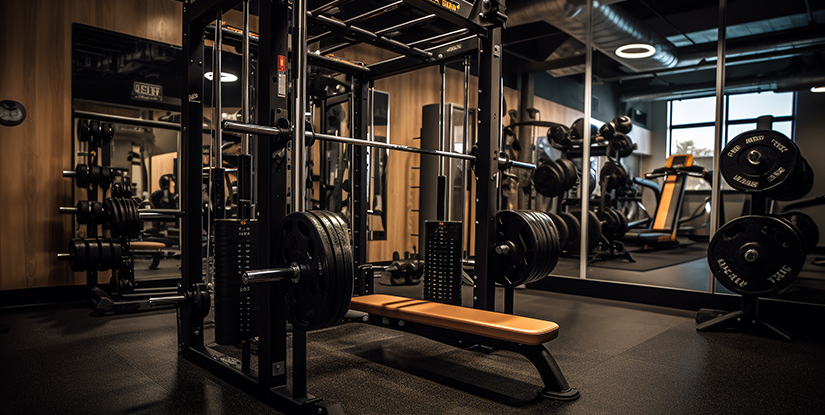
In high-rent urban districts, square footage efficiency is the primary driver of facility ROI. For boutique studio operators, the ability to pivot between different training modalities without cluttering the floor is critical. Utilizing vertical space via a wall mounted squat rack folding system allows for high-density programming without sacrificing the premium feel of a studio.
Integrating space saving strength equipment into your facility layout directly influences facility traffic flow. By moving heavy steel structures against the perimeter when not in use, operators can reclaim floor area for functional movement, mobility work, or group classes, effectively maximizing the utility of every square meter.
Strategic Floor Plan Configurations
| Equipment Type | Footprint Profile | Best Use Case | Procurement Priority |
|---|---|---|---|
| Standard Power Rack | Permanent/Large | Dedicated Strength Zones | Durability & Footprint |
| Folding Wall Rack | Minimal/Temporary | Boutique Gym Layout Optimization | Folding Mechanism Reliability |
| Standalone Half Rack | Moderate/Fixed | Hybrid Training Studios | Stability & Anchor Points |
When sourcing for boutique gym layout optimization, distributors should prioritize models with streamlined folding mechanisms. A high-quality wall mounted folding rack utility ensures that the transition from a heavy lifting station to an open floor area is seamless, maintaining a professional environment for clients while optimizing the operational density of the studio.
Evaluating Footprint and Durability for Commercial ROI
Procurement managers must differentiate between the static presence of traditional racks and the dynamic utility of folding systems. While standard power racks offer high structural stability, they represent a permanent loss of usable floor area. Conversely, a wall mounted squat rack folding configuration allows for rapid reconfiguration of the training environment, which is essential for multi-purpose studio operations.
When calculating the long-term ROI of your equipment investment, consider the trade-off between setup speed and structural rigidity. A high-grade folding system provides the necessary strength for heavy barbell training while allowing the facility to pivot into a functional area within seconds. This versatility is a key metric in facility layout planning, especially when managing high-density class schedules or premium membership experiences.
Technical Requirements: Installation and Longevity
Successful deployment of a wall mounted folding rack utility depends heavily on adhering to strict commercial installation standards. Unlike free-standing units, the structural integrity of a folding system is entirely contingent upon the substrate it is anchored to. B2B buyers should verify that any facility-wide rollout includes professional-grade mounting hardware and that the wall can support the dynamic load of heavy barbell training.
To ensure long-term reliability, we recommend a standardized maintenance cycle for all moving parts. This includes periodic inspections of the hinge pins, locking mechanisms, and wall mounting specifications to prevent wear from high-frequency usage. For distributors and facility managers, maintaining a regular schedule for checking bolt torque and lubrication can significantly extend the equipment's service life and reduce long-term replacement costs.
Calculating the ROI of Space-Saving Strength Equipment
When evaluating procurement costs, many facility managers mistakenly focus solely on the unit price of a wall mounted squat rack folding system. However, the true financial metric for boutique studios is revenue per square foot. By converting high-traffic lifting zones into multi-purpose floor space, you increase the potential density of your membership model.
Maximizing Square Footage Utility
Strategic boutique gym layout optimization allows operators to host diverse programming—such as HIIT, mobility work, or group classes—within the same footprint used for heavy lifting. Investing in a wall mounted squat rack folding model mitigates the "dead space" typical of traditional power racks, effectively increasing the usable area of your facility without expanding your physical lease. For distributors and studio owners, this higher square footage utility translates to a faster recovery of capital expenditure through increased class capacity and higher turnover rates.
To quantify the long-term value of your equipment order, procurement managers must analyze the discrepancy between static and dynamic footprints. Traditional floor-standing racks occupy a permanent footprint, whereas space saving strength equipment offers a variable footprint that adapts to your daily programming needs.
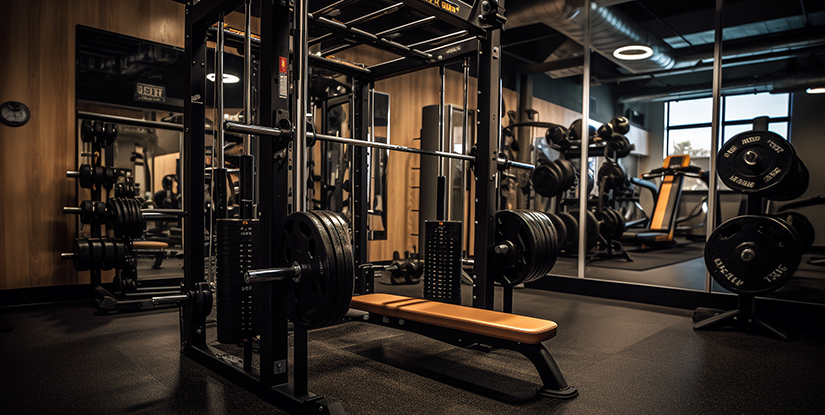
Footprint Comparison: Traditional vs. Folding Models
The following table illustrates the typical impact on facility layout and usable floor area for a standard commercial-grade setup. Note that these figures represent the average operational footprint required for safe movement around the equipment.
| Equipment Type | Average Static Footprint | Operational Footprint (Active Use) | Unfolded/Stored State |
|---|---|---|---|
| Traditional Power Rack | ~15–20 sq. ft. | ~45–50 sq. ft. | Fixed (Constant) |
| Wall Mounted Folding Rack | ~6–8 sq. ft. | ~45–50 sq. ft. | ~2–4 sq. ft. (Folded) |
From a wall mounted folding rack utility perspective, the ability to reclaim nearly 80% of the station's floor area during non-lifting hours allows for higher density in high-rent urban environments. For distributors, this means pitching a solution that doesn't just provide strength training, but actually expands the client's functional square footage.
Total Cost of Ownership and Long-Term Durability
Beyond immediate square footage gains, the long-term ROI of a wall mounted folding rack is heavily dictated by its structural integrity and maintenance cycles. For B2B buyers, selecting a unit with lower commercial durability risk is more critical than finding the lowest initial price point. Cheaply manufactured folding mechanisms often suffer from pivot wear or loose tolerances over time, leading to increased labor costs and equipment downtime.
To ensure a sound long-term investment, procurement specialists should prioritize heavy-gauge steel construction and high-grade industrial coatings. High-quality components minimize the frequency of maintenance cycles, ensuring the folding hardware remains smooth and secure even under heavy usage. When sourcing for a high-traffic facility, the goal is to find a balance between wall mounted folding rack utility and robust engineering that withstands thousands of cycles without compromising safety or structural stability.
Logistics and Landed Cost Considerations for Heavy Steel Imports
Procuring a wall mounted squat rack folding system requires a shift in perspective from simple unit pricing to total landed cost analysis. For boutique studio owners, the financial complexity lies in the high density of heavy steel imports, where shipping logistics can drastically alter the final budget.
Effective boutique gym layout optimization depends on more than just floor area; it requires understanding the relationship between shipping volume vs. weight. Because these racks utilize heavy-gauge steel for structural integrity, freight costs are often driven by actual weight rather than just dimensional volume. Buyers must account for ocean freight, customs duties, and domestic drayage to avoid unexpected overhead that erodes the ROI of their space saving strength equipment. When sourcing, always request a breakdown of volumetric weight versus gross weight to ensure your margin accounts for the true cost of heavy-duty hardware delivery.
Deciding between direct factory sourcing and purchasing through a local distributor involves balancing initial capital expenditure against operational speed. For large-scale facility rollouts, the procurement model chosen will dictate your control over quality and your ability to manage inventory lead times.
| Procurement Factor | Direct Factory Sourcing | Local Distributor Model |
|---|---|---|
| Typical MOQ | High (Container or LCL requirements) | Low (Per-unit or small batch) |
| Freight Costs | Lower per unit; high logistics management | Higher per unit; included in price |
| Lead Times | Long (Production + Ocean Freight) | Short (Ready-to-ship/In-stock) |
| QC Oversight | Direct control via 3rd party inspection | Dependent on distributor standards |
While direct sourcing offers the most competitive pricing for wall mounted folding rack utility at scale, it demands sophisticated supply chain management. Local distributors are often a more efficient choice for boutique studios requiring rapid deployment, as they absorb the complexities of customs clearance and domestic shipping, allowing owners to focus on facility readiness rather than logistics coordination.
Mitigating Hidden Costs and Ensuring Long-Term ROI
To protect the total cost of ownership (TCO), procurement managers must look beyond the initial invoice. A significant risk in sourcing space saving strength equipment is the potential for breakage risks during transit, which can lead to expensive replacement cycles or facility downtime. Establishing rigorous inspection protocols—such as requiring pre-shipment photos of heavy-duty steel welds and packaging integrity—is essential to ensure that the wall mounted folding rack utility remains intact upon arrival.
Furthermore, many buyers overlook the impact of customs duties and localized freight surcharges, which can unexpectedly inflate the landed cost. By integrating strict quality verification at the factory level, you minimize the likelihood of receiving damaged components that require secondary shipping. Investing in high-grade, verified steel structures during the initial sourcing phase ultimately drives better ROI, as it reduces the frequency of maintenance and replacement in high-traffic boutique environments.