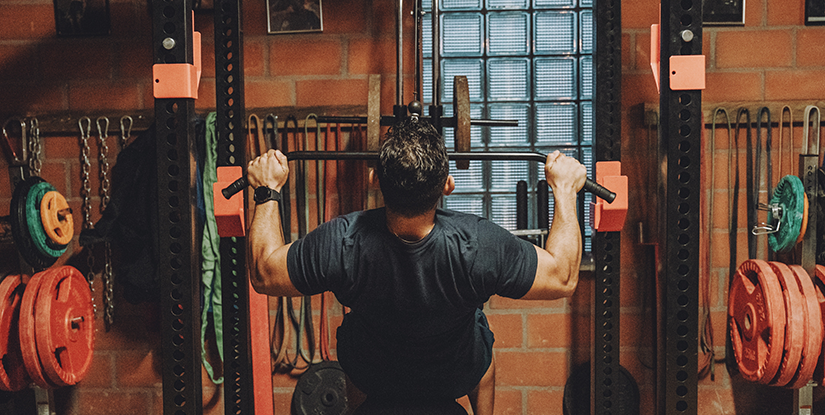
Evaluating Squat Rack with Bench Total Cost of Ownership
Strategic Procurement Criteria for Integrated Strength Stations
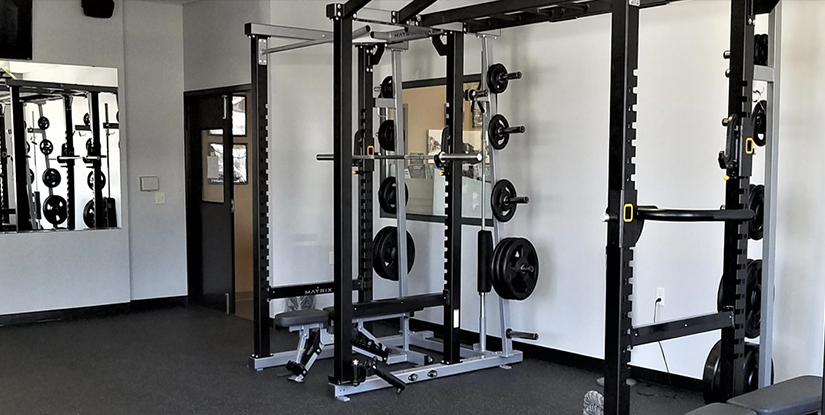
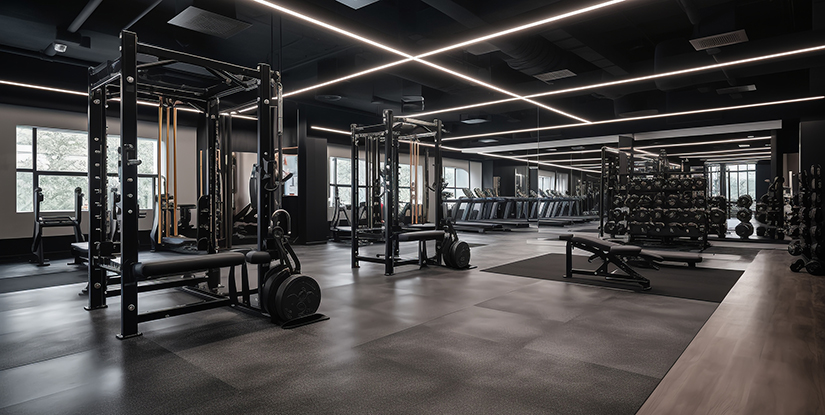
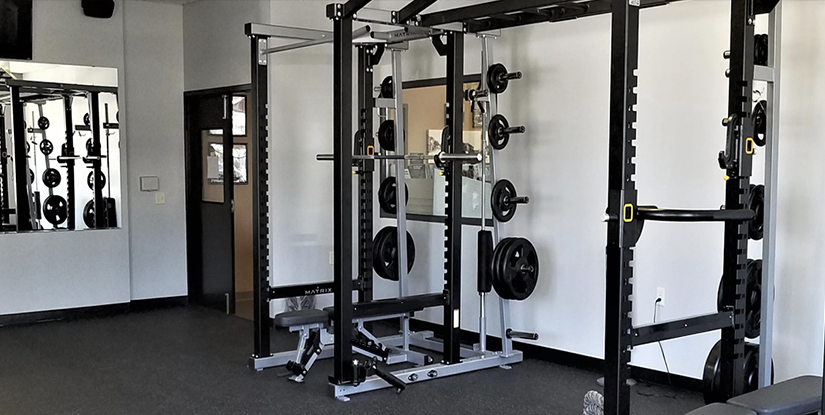
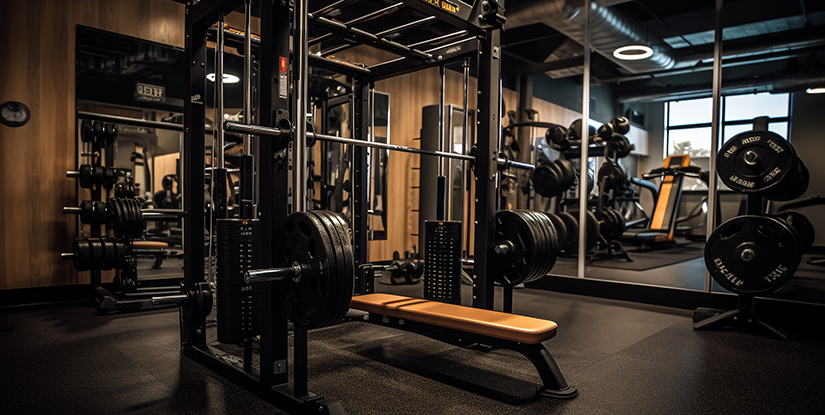
A squat rack with bench configuration serves as a centralized strength training hub, combining structural stability with versatile lifting capabilities. B2B buyers prioritize these integrated units to maximize floor space efficiency and provide a streamlined user experience for high-traffic commercial environments.
Analyzing Capex vs. Opex Frameworks
Distinguishing between initial investment and long-term operational costs is vital for distributors and facility managers. While a high-quality squat rack with bench combo may require a higher upfront CAPEX, the reduction in gym equipment lifecycle cost often justifies the spend. Low-cost alternatives frequently suffer from premature wear in pivot points and upholstery, leading to unexpected replacement cycles.
When calculating the total cost of ownership, procurement teams must weigh initial investment vs maintenance requirements. High-grade steel gauges and reinforced welding not only enhance commercial weight bench durability but also decrease the frequency of part replacements and labor-intensive repairs, ensuring the equipment remains revenue-generating for several years.
To optimize procurement decisions, buyers should categorize potential inventory or facility installations into three distinct quality tiers. Each tier represents a different trade-off between upfront cost and long-term operational stability, impacting the overall replacement frequency and maintenance budget.
| Feature/Tier | Tier 1: Premium Commercial | Tier 2: Mid-range Studio | Tier 3: Entry-level/Home |
|---|---|---|---|
| Structural Integrity | Heavy-gauge steel; reinforced welds | Standard gauge; industrial build | Lightweight steel; basic assembly |
| Upholstery Longevity | High-density foam; tear-resistant vinyl | Standard foam; commercial vinyl | Basic foam; thin synthetic cover |
| Maintenance Frequency | Minimal; annual inspections | Moderate; semi-annual adjustments | High; frequent part replacement |
| Best Use Case | High-traffic strength gyms | Boutique studios/Hotel gyms | Residential/Small retail setups |
Choosing the correct tier is a matter of aligning your heavy duty squat rack maintenance budget with your facility's expected foot traffic. For distributors, sourcing Tier 1 or Tier 2 units typically reduces the volume of after-sales support and warranty claims, providing a more reliable reputation in the long term.
Mitigating Indirect Costs in Logistics and Sourcing
Beyond the unit price, procurement managers must account for the logistical overhead that can erode profit margins. Optimizing shipping volume is critical when importing a squat rack with bench; modular designs that allow for nested components or high-density packing significantly reduce per-unit freight costs. When negotiating with factories, consider how MOQ considerations impact your ability to request customized shipping configurations or protective packaging that prevents transit damage.
Furthermore, a rigorous quality control (QC) impact assessment is non-negotiable to avoid the "hidden tax" of defective parts. Even a minor misalignment in a steel upright or a faulty bench adjustment pin can trigger expensive replacement cycles and increased labor costs during assembly. By prioritizing suppliers with established factory-level inspection protocols, buyers mitigate the risk of receiving non-compliant units that necessitate heavy duty squat rack maintenance or complete unit rejection upon arrival.
Analyzing Structural Integrity and Commercial Weight Bench Durability
The relationship between structural stability and total cost of ownership is defined by the engineering of the frame and the weight-bearing components. For high-traffic facilities, the squat rack with bench combination must withstand repetitive high-impact loading without frame deformation or upholstery failure.
When sourcing for distribution or large-scale gym rollouts, procurement managers must prioritize gauge thickness and welding quality over initial unit price. A low-gauge steel frame may appear cost-effective but often leads to premature replacement cycles due to structural fatigue. True commercial weight bench durability relies on the synergy between a rigid rack frame and a reinforced bench base that can support high load-bearing capacity without wobbling or shifting during heavy sets.
| Material Specification | Residential Grade | Standard Commercial | High-Performance Facility |
|---|---|---|---|
| Steel Gauge | 12–14 Gauge | 11 Gauge | 7–10 Gauge (Heavy Duty) |
| Structural Stability | Light/Moderate | Consistent/Reliable | Maximum/High-Impact |
| Expected Lifespan | 2–4 Years | 5–8 Years | 10+ Years |
| Maintenance Level | High (Frequent Check) | Moderate | Low (Routine Only) |
Investing in high-gauge steel ensures greater facility longevity. While the upfront MOQ or unit cost for heavy-duty steel is higher, the reduction in replacement frequency and maintenance downtime significantly optimizes the long-term lifecycle cost for distributors and gym owners.
Beyond the steel frame, the technical composition of the bench padding determines the long-term replacement cycle of the unit. In high-volume environments, high-density foam and high-grade upholstery are critical to preventing the "bottoming out" effect that degrades user experience and increases maintenance frequency.
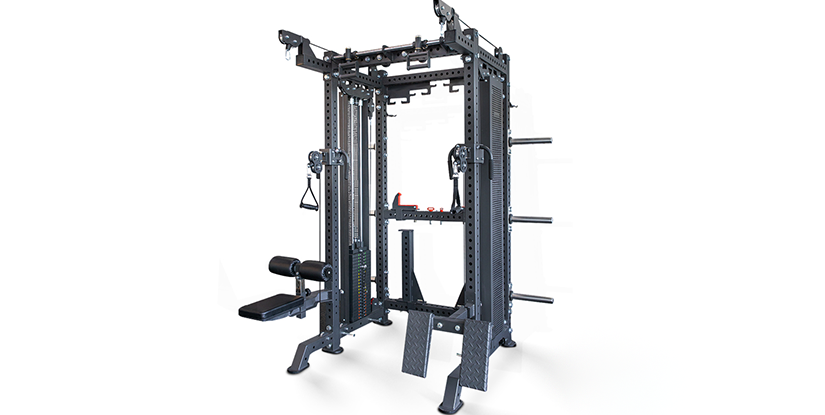
Technical Specifications for Component Longevity
Procurement teams should evaluate the density of the foam and the thickness of the upholstery to avoid early-stage wear. A squat rack with bench setup in a commercial setting requires components that can handle both compression and friction without tearing or permanent indentation.
| Component Feature | Light-Duty Specification | Commercial-Grade Specification |
|---|---|---|
| Upholstery Density | Low-density sponge | High-density, multi-layer foam |
| Surface Material | Thin Vinyl (PVC) | Reinforced, tear-resistant PU/Vinyl |
| Welding Quality | Spot welding | Full-penetration/Continuous welding |
| Maintenance Frequency | Quarterly inspections/replacement | Annual routine maintenance |
When calculating gym equipment lifecycle cost, ignoring the quality of the bench padding can lead to hidden expenses. While heavy-duty steel ensures the rack remains upright, low-density upholstery will fail under repetitive load, necessitating more frequent repairs or full unit replacements. For distributors, prioritizing high-density foam and superior welding standards minimizes warranty claims and maximizes the end-user's return on investment.
Preventative Maintenance and Inspection Protocols
To maximize the utility of a professional-grade setup, facility managers must implement rigorous heavy duty squat rack maintenance schedules. Relying solely on the initial build quality is insufficient in high-traffic environments; instead, consistent oversight prevents minor wear from evolving into costly structural failures.
Standard inspection intervals should occur quarterly, focusing on critical mechanical connection points. This includes regular bolt tightening across all structural joints to mitigate vibration-induced loosening and checking for any signs of upholstery wear, such as cracking or foam compression. Additionally, applying periodic lubrication to adjustable sliding mechanisms or weight pin sleeves ensures smooth operation and prevents friction-based degradation.
Establishing these replacement cycles for high-wear components—such as bench padding or nylon bushings—allows distributors and gym owners to manage replacement cycles proactively. By treating maintenance as a scheduled operational expense rather than a reactive repair, facilities can significantly extend the functional life of every squat rack with bench unit in their inventory.
Material Integrity and Long-Term Value
The total cost of ownership for a squat rack with bench is primarily dictated by the structural grade of the steel and the quality of the surface finish. For distributors and facility managers, prioritizing high-gauge steel over cheaper, thinner alternatives reduces the frequency of replacement cycles and stabilizes long-term maintenance budgets.
A heavy-duty squat rack with bench configuration should ideally utilize steel with a thickness of at least 11-gauge (approx. 3mm) for uprights. This thickness ensures structural stability under heavy loads and minimizes frame deformation over time. Furthermore, the commercial weight bench durability depends heavily on the powder coating durability applied to both the frame and the upholstery. A high-grade electrostatic powder coating provides essential corrosion resistance, protecting the equipment from oxidation caused by humidity and sweat in high-traffic commercial environments. Selecting components with these technical specifications mitigates the risk of premature structural failure and keeps the gym equipment lifecycle cost predictable.
Technical Specification Comparison
Procurement decisions often hinge on the trade-off between initial capital expenditure and long-term operational reliability. While lower-spec configurations offer attractive entry prices, they frequently result in higher secondary costs due to accelerated wear and frequent component replacement. The following table compares the standard technical configurations found in budget-oriented versus premium-grade commercial units.
| Specification Factor | Standard/Budget Configuration | Premium Commercial Configuration |
|---|---|---|
| Steel Gauge (Uprights) | 14-gauge (approx. 2.0mm) | 11-gauge (approx. 3.0mm) |
| Upholstery Material | Standard PVC | High-Density PU (Polyurethane) |
| Maintenance Frequency | High (Frequent tightening/re-upholstery) | Low (Standard periodic inspection) |
| Typical Use Case | Light Commercial / Small Studio | High-Traffic Training Facilities |
For wholesale buyers and distributors, understanding these nuances is critical for managing client expectations. A 14-gauge frame may suffice for boutique studios with limited throughput, but high-traffic gyms require 11-gauge steel to sustain the rigorous heavy duty squat rack maintenance cycles typical of strength training environments. Similarly, high-density PU upholstery offers superior resistance to cracking and moisture absorption compared to standard PVC, directly impacting the commercial weight bench durability and extending the functional life of the entire squat rack with bench assembly.
Sourcing Reliability and Factory-Level Oversight
Beyond material thickness, the true cost of ownership is often determined by the rigor of the manufacturing process. For large-scale distributors, sourcing a squat rack with bench requires more than just comparing price lists; it necessitates verifying factory-level specifications and strict quality control (QC) protocols. Discrepancies in welding consistency or coating uniformity can lead to localized structural weaknesses that accelerate replacement cycles, effectively doubling the long-term investment.
When negotiating wholesale orders or managing high-volume shipments, procurement managers should demand transparency regarding the manufacturer's testing standards. Reliable suppliers implement multi-stage inspections to ensure that every squat rack with bench unit meets the intended load-bearing tolerances. By prioritizing manufacturers that provide documented quality control (QC) reports and standardized production workflows, buyers can effectively lower the gym equipment lifecycle cost. This proactive approach mitigates the risks of shipping damaged components or receiving sub-standard steel, ensuring that heavy duty squat rack maintenance remains a routine task rather than an emergency structural repair.
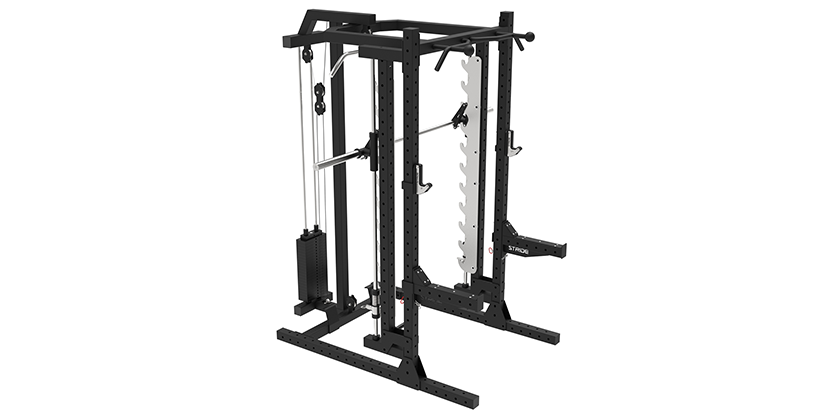
Preventative Maintenance Protocols for Heavy Duty Squat Racks
Effective maintenance for a commercial-grade squat rack with bench setup requires a systematic approach to both structural and mechanical upkeep. To protect your investment and ensure facility safety, procurement managers must implement routine inspection cycles that address wear in high-use components before they necessitate full replacement.
Structural Integrity and Mechanical Upkeep
Maintaining structural stability begins with regular bolt tightening across all connection points. In high-traffic commercial environments, vibration from heavy loading can gradually loosen fasteners, compromising the frame's rigidity. Beyond the uprights, focus on the mechanical interfaces: the lubrication of adjustment pins and sliding mechanisms is vital to prevent friction-related wear. These small actions significantly extend the life of the bench adjustment systems. Prioritizing these preventative inspection cycles ensures that commercial weight bench durability remains high, reducing the frequency of costly equipment turnover and optimizing the long-term lifecycle cost for distributors and gym operators.
Material Finishes and Component Durability
The choice of surface finish and mechanical components directly impacts the frequency of upkeep. For high-volume facilities, the trade-off between aesthetic appeal and long-term resilience can significantly alter the gym equipment lifecycle cost. A heavy duty squat rack maintenance schedule must account for the specific degradation patterns of different materials.
| Feature Type | Option A: Powder Coating | Option B: Chrome Plating |
|---|---|---|
| Surface Durability | High impact resistance; resilient against scratches. | Prone to pitting or peeling if coating is breached. |
| Maintenance Needs | Low; simple cleaning and occasional inspection. | Moderate; requires moisture control to prevent rust. |
| Upholstery Care | Standard; wipe down with non-abrasive solutions. | N/A |
| Mechanical Parts | Standard bushings/bearings. | Requires frequent lubrication for smooth movement. |
When sourcing a squat rack with bench combinations, consider how upholstery and bearing maintenance affect labor costs. While chrome-finished components offer a premium look, they often demand stricter climate control and more frequent lubrication of pins and slides to prevent binding. For distributors focused on low-maintenance solutions for high-traffic commercial gyms, high-grade powder coating on the frame paired with heavy-duty, easy-to-clean upholstery typically offers a superior ROI through reduced upkeep requirements.
Operational Inspection and Service Schedules
To maximize the ROI of your heavy-duty equipment, facility managers should move beyond reactive repairs and adopt a standardized inspection rhythm. A structured approach to maintenance prevents minor mechanical failures from evolving into expensive structural overhauls.
A standard maintenance protocol typically includes the following three tiers:
- Monthly Inspection Checklist: Conduct a visual and physical assessment of all high-stress points. Check for loose bolts on the frame, inspect upholstery for tears or cracking, and verify that adjustment pins engage smoothly without excessive play.
- Quarterly Deep Cleaning: Remove dust and sweat accumulation from the frame and the bench padding using non-corrosive, pH-neutral cleaners. Ensuring the base and uprights are free of debris prevents oxidation and maintains a professional aesthetic.
- Professional Servicing: Once or twice annually, schedule an expert evaluation to perform a comprehensive wear and tear assessment. This includes testing load-bearing tolerances and replacing worn bushings or specialized hardware that standard staff may overlook.
For large-scale distributors and multi-site operators, leveraging distributor-level support is a strategic advantage. Establishing a relationship with a manufacturer or primary wholesaler that offers technical guidance and replacement parts ensures that specialized components for your squat rack with bench setup remain available, preventing extended downtime during mechanical failures.
Logistics and Sourcing Considerations for High-Volume Orders
Procuring a squat rack with bench at scale requires balancing the initial unit price against the total landed cost. For distributors and large-scale facility operators, the complexity lies in managing the high shipping volume inherent to heavy steel structures, which can quickly erode profit margins if not strategically planned.
Optimizing Freight and Volume Efficiency
When coordinating bulk procurement, the primary challenge is the volumetric weight of the equipment. A single squat rack with bench set occupies significant container space, often requiring specialized packaging to prevent structural damage during transit. To achieve true freight optimization, buyers should negotiate with manufacturers who offer nested or semi-knocked-down (SKD) configurations. These methods reduce the dimensional footprint, allowing for a higher density of units per 40ft HQ container. Furthermore, aligning your order with the manufacturer's MOQ (Minimum Order Quantity) can often unlock tiered pricing that offsets the increased costs of international sea freight and port handling fees.
Sourcing Models: Direct Factory vs. Local Distributor
Choosing between direct factory sourcing and local distribution significantly impacts your long-term gym equipment lifecycle cost. While direct sourcing offers the lowest unit price, it necessitates higher internal resources for quality control and logistics management. Conversely, local distributors provide speed but often include markups that impact your total squat rack with bench investment.
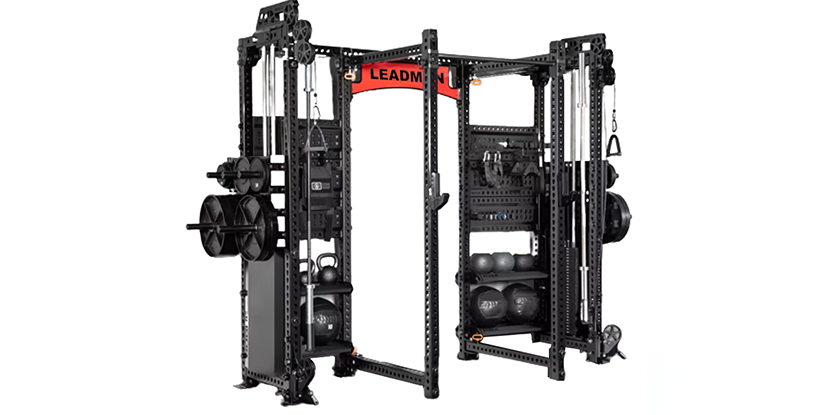
| Factor | Direct Factory Sourcing | Local Distributor Model |
|---|---|---|
| Unit Cost | Lowest (High Volume Advantage) | Higher (Markup Included) |
| Lead Time | Extended (Production + Sea Freight) | Rapid (Local Stock Availability) |
| Maintenance Support | Requires In-House Expertise | Easier Access to Local Parts |
| Quality Oversight | Essential (Third-Party Inspections) | Managed by Distributor |
For buyers focusing on heavy duty squat rack maintenance and long-term durability, direct sourcing is ideal for establishing a standardized inventory. However, if your priority is immediate deployment with minimized commercial weight bench durability testing risks, a local distributor can provide a more streamlined, albeit more expensive, procurement path.
Protecting Investment Through Quality Control and Maintenance
To safeguard the long-term value of a squat rack with bench, procurement protocols must extend beyond the initial purchase. Reliability begins with rigorous QC protocols during the manufacturing phase, specifically focusing on weld integrity and powder coating thickness to prevent premature oxidation. Buyers should verify that the manufacturer provides detailed assembly requirements and tolerance specifications, as improper installation can lead to uneven wear on moving parts.
A proactive maintenance cycle is essential for high-traffic commercial environments. We recommend establishing a quarterly inspection schedule to check bolt torque, lubrication of adjustment pins, and the structural integrity of the bench padding. Additionally, evaluating the facility layout during the planning stage ensures that there is sufficient clearance for safe movement around the rack, preventing accidental collisions that could compromise the durability assessment of the equipment over its functional lifespan.
Evaluating Long-Term ROI in Commercial Facility Layouts
For facility owners and distributors, calculating the return on investment for a squat rack with bench goes beyond the initial purchase price. True profitability is found by analyzing the gym equipment lifecycle cost, which accounts for the frequency of replacement and the stability of the unit under constant heavy use.
A high-quality squat rack with bench setup provides a dual advantage: it maximizes facility layout optimization by combining two essential stations into a single footprint, and it minimizes operational downtime. When sourcing, prioritizing commercial weight bench durability ensures that the upholstery and structural frame can withstand high-traffic cycles without requiring premature reinvestment. This approach shifts the focus from low-cost procurement to long-term asset value, effectively lowering the cost per use over several years.
Tiered Investment Analysis for Facility Scalability
Selecting the right tier requires balancing immediate capital expenditure against long-term operational overhead. A low-tier unit may offer a lower entry price point, but frequent replacement cycles and high maintenance needs can quickly erode the total value. Conversely, premium configurations provide the highest stability for high-traffic environments, reducing the burden of heavy duty squat rack maintenance.
Procurement managers should align their selection with the intended usage intensity of the facility to ensure the highest possible ROI. Use the following comparison to evaluate how different investment levels impact your long-term budget:
| Investment Tier | Estimated Lifespan | Maintenance Frequency | Ideal Setting |
|---|---|---|---|
| Budget/Entry-Level | 2–4 Years | High (Monthly) | Boutique Studios / Small Personal Gyms |
| Mid-Range Commercial | 5–8 Years | Moderate (Quarterly) | Mid-Sized Fitness Centers / Hotel Gyms |
| Premium/Heavy-Duty | 10+ Years | Low (Bi-Annually) | High-Traffic Performance Gyms / Training Facilities |
When sourcing at scale, consider that premium models often justify their cost through superior structural integrity and advanced powder coatings, which significantly extend the replacement cycles compared to standard retail-grade equipment.
Optimizing Margins via Quality Control and Sourcing Strategy
To maximize the ROI of a squat rack with bench order, procurement specialists must look beyond the unit price and focus on the impact of quality control (QC) during the manufacturing phase. Rigorous factory inspections—specifically focusing on weld strength, powder coating thickness, and component tolerances—directly influence the long-term gym equipment lifecycle cost. Even minor manufacturing defects can lead to structural instability, increasing preventative maintenance costs and shortening the asset's functional life.
Strategic wholesale procurement also offers a path to lower TCO through volume-based advantages. By consolidating orders through a single reliable manufacturer or distributor, buyers can leverage higher MOQs to secure better pricing while ensuring consistent material grades across all shipments. A disciplined maintenance plan, integrated from the moment of installation, further protects this investment. Regularly checking bolt tension and inspecting upholstery integrity allows facility managers to address minor wear before it necessitates a full replacement of the station.