Weight Bench with Squat Rack | Stocking Weight Benches With
Evaluating Total Cost of Ownership for Integrated Strength Stations
For a multi-location commercial gym chain, the procurement decision for a weight bench with squat rack extends far beyond the initial invoice price. While boutique studios might prioritize low upfront costs for rapid setup, large-scale operators must account for the long-term operational expenses associated with high-traffic commercial strength training equipment. A failure to factor in durability and maintenance cycles can lead to premature replacement cycles, effectively doubling your capital expenditure over a five-year period.
Calculating the true cost of ownership requires a comparison of the initial investment versus the long-term value provided by the build quality. High-grade steel gauges and heavy-duty upholstery may carry a premium at the factory level, but they significantly reduce the frequency of onsite repairs and replacement parts procurement.
| Procurement Factor | Entry-Level Strength Station | Premium Commercial Station |
|---|---|---|
| Initial Investment | Lower upfront cost | Higher initial capital outlay |
| Build Durability | Standard gauge steel; higher wear | Heavy-duty reinforced steel; high longevity |
| Maintenance Cycles | Frequent adjustments/re-padding | Extended intervals between service |
| Long-Term ROI | Lower margin due to replacement needs | Higher margin via extended asset life |
When managing gym equipment wholesale orders, distributors should advise clients to prioritize units with standardized components. This strategy ensures that even if a specific part requires attention, the maintenance process remains cost-effective and does not disrupt the facility's operational uptime.
Sourcing Models: Direct Factory vs. Local Distributor
Selecting a procurement route for a weight bench with squat rack involves a strategic trade-off between margin maximization and logistical reliability. Direct factory sourcing offers the highest potential for scale, but it demands sophisticated internal management of the supply chain. Conversely, working with a local distributor reduces immediate operational complexity but often results in higher unit costs due to the distributor's markup and warehousing overhead.
| Metric | Direct Factory Sourcing | Local Distributor Model |
|---|---|---|
| Shipping Costs | Lower per-unit (FOB/CIF/DDP) | Higher (Includes domestic freight) |
| Lead Times | Longer (Includes ocean transit) | Shorter (Ready-to-ship stock) |
| Quality Control (QC) | Requires independent inspection | Handled by distributor/local standards |
| Inventory Risk | High (Buyer holds all stock) | Low (Buy as needed from local stock) |
For distributors managing fitness distributor logistics, the decision often hinges on current warehouse capacity and capital liquidity. While direct sourcing optimizes the bottom line for high-volume SKU runs, the local model provides a safety net for rapid fulfillment and reduced inventory risk during fluctuating market demands.
Optimizing Margins via Footprint and Modularity
Beyond unit pricing, professional buyers must evaluate how the physical footprint of a weight bench with squat rack impacts long-term profitability. High-density gym layouts demand extreme space efficiency to maximize revenue per square foot. Sourcing modular configurations—where the rack and bench can be decoupled or adjusted—allows distributors to offer versatile solutions that fit diverse facility dimensions without requiring custom-built steel work.
When managing gym equipment wholesale orders, prioritizing modularity enhances inventory turnover. A single base frame that accepts multiple attachments reduces the number of unique SKUs a distributor must stock, streamlining distributor logistics and reducing dead stock. By selecting equipment with a compact, standardized footprint, procurement managers can optimize warehouse storage and ensure that end-users can scale their strength training areas without immediate structural renovations.
Maximizing Square Footage Efficiency
For facility planners and gym owners, floor space is a direct driver of revenue per square foot. Utilizing a weight bench with squat rack integrated unit allows for significant footprint optimization compared to sourcing separate, standalone pieces of commercial strength training equipment. By consolidating the bench and the rack into a single structural footprint, distributors and gym operators can increase the density of high-value training zones without compromising user safety or movement clearance.
Strategic facility layout planning often hinges on how these multi-functional stations interact with surrounding zones. While standalone equipment offers modularity, integrated units reduce the "dead space" typically found between disconnected machines. This efficiency is critical when designing boutique studios or high-density training areas where every meter of floor space must justify its cost through high throughput and versatile utility.
Evaluating Integrated vs. Standalone Configurations
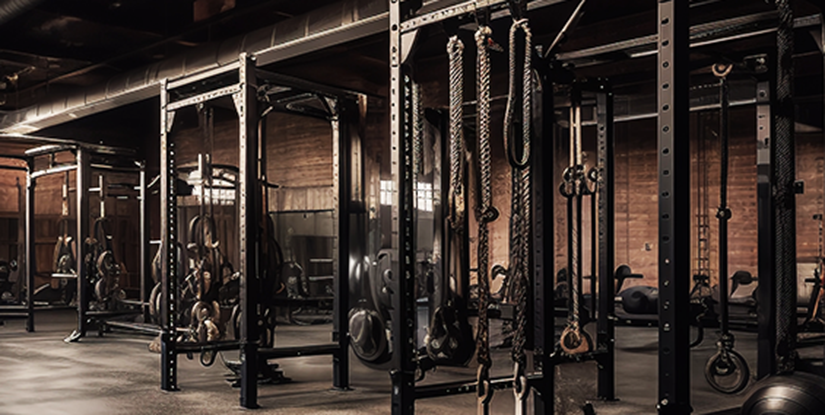
Distributors must advise clients on the trade-offs between modularity and density. While standalone units offer greater flexibility for rearranging floor plans, integrated systems provide a more compact, streamlined footprint that is ideal for high-traffic commercial environments. Use the following comparison to evaluate the most efficient configuration for your specific facility layout requirements.
| Metric | Integrated Weight Bench & Rack | Standalone Equipment Setup |
|---|---|---|
| Floor Area Requirement | Compact; single unified footprint | Larger; requires clearance between units |
| Equipment Density | High; optimizes square footage yield | Moderate; creates more "dead space" |
| Versatility/Modularity | Fixed; specialized for specific zones | High; easily repositioned or swapped |
| Best Use Case | Boutique studios & high-density gyms | Large-scale facilities with evolving layouts |
When managing gym equipment wholesale orders, consider that integrated units often lower the total number of SKUs required for a complete strength zone, though they may limit future reconfiguration options. For distributors focusing on turnkey solutions for small-to-medium enterprises, the integrated model typically offers a more compelling ROI through space optimization.
Logistics and Inventory Management Strategy
Sourcing multi-functional units requires a nuanced approach to fitness distributor logistics due to their high shipping volume and complex dimensions. Unlike smaller, modular components, a weight bench with squat rack occupies significant cubic volume, which directly impacts container loadability and freight costs. Procurement managers must balance MOQ considerations against warehouse capacity to ensure that high-density units do not stall inventory turnover rates.
To optimize margins, avoid over-ordering bulky configurations that lead to excessive storage fees. Instead, align your gym equipment wholesale procurement cycles with seasonal demand shifts. By calculating the precise ratio of unit volume to pallet space, distributors can minimize air shipment costs and maintain a lean, high-velocity inventory stream that accommodates both rapid fulfillment and efficient long-term storage.
Sourcing High-Durability Steel and Component Standards
When procuring a weight bench with squat rack for professional facilities, the primary technical differentiator is the gauge of the steel used in construction. High-quality commercial strength training equipment must withstand constant mechanical stress and heavy loading without frame deformation or weld failure.
Prioritizing Structural Stability and Material Gauge
For distributors and gym owners, the longevity of the unit depends on the thickness of the steel tubing. A premium weight bench with squat rack typically utilizes a heavy-duty steel gauge (often 11-gauge or 7-gauge for uprights) to ensure maximum structural stability. In high-traffic environments, thinner steel or inferior welding techniques lead to micro-fractures and instability, increasing long-term maintenance costs and liability risks. When evaluating factory specifications, prioritize units that offer a reinforced chassis design to handle the lateral forces generated during heavy compound lifts.
To accurately assess the Total Cost of Ownership (TCO), buyers must look beyond the initial purchase price and evaluate the technical specifications of the steel and surface treatments. A unit that appears robust but lacks high-grade powder coating or sufficient steel thickness will require frequent replacement, undermining your margins as a distributor or facility manager.
Technical Specification Comparison: Boutique vs. Commercial Grade
| Specification Detail | Boutique/Studio Grade | Full Commercial Grade |
|---|---|---|
| Steel Thickness (Gauge) | 12-gauge to 14-gauge | 7-gauge to 11-gauge |
| Powder Coating Quality | Standard electrostatic | High-durability, scratch-resistant electrostatically applied |
| Load-Bearing Capacity | Moderate (Static weight focus) | Extreme (Dynamic/High-impact focus) |
| Maintenance Requirements | Annual inspection/tightening | Periodic lubrication and structural check |
When negotiating with manufacturers, request specific details regarding the welding method and the micron thickness of the powder coating. Commercial-grade equipment requires a more robust finish to prevent oxidation and wear in high-humidity or high-use environments. Selecting the correct specification ensures that the hardware remains a reliable asset rather than a recurring maintenance liability.
Quality Control Checkpoints for Incoming Shipments
Effective fitness distributor logistics require rigorous inspection protocols to protect profit margins. Before finalizing inventory intake, verify welding inspection points for bead consistency and absence of porosity. Check all component tolerances—specifically adjustment pins and pivot points—to ensure smooth mechanical function. Furthermore, audit packaging integrity to mitigate shipment damage prevention issues, as even minor frame bends can compromise safety. Given that high-spec units often involve higher MOQ considerations, thorough QC at the receiving dock prevents costly returns and maintains your reputation for reliability.
Managing Inventory Volume and MOQ Strategies
Distributors face a delicate balancing act when sourcing a weight bench with squat rack. While maintaining high stock levels ensures immediate fulfillment for gym build-outs, it simultaneously ties up significant capital liquidity in bulky, high-density units. Effective procurement requires a strategic approach to inventory turnover to prevent warehouse congestion and stagnant assets.
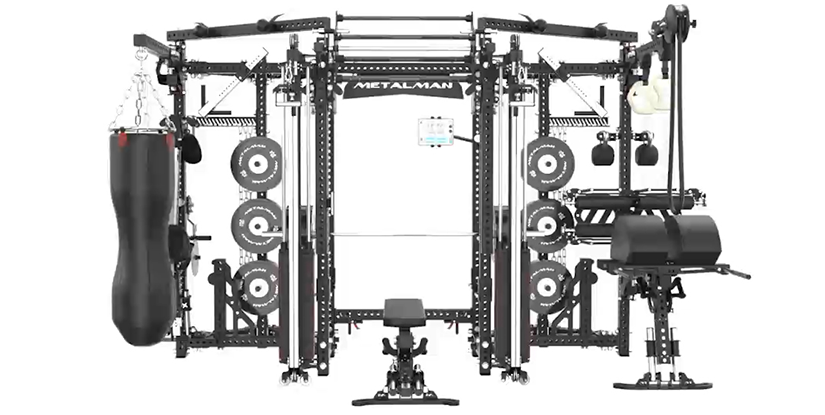
The decision to stock heavy-duty commercial strength training equipment depends on your regional demand volatility and the specific lead times offered by your manufacturer. Below is a comparison of common stocking models to help determine your optimal procurement strategy.
| Stocking Model | Inventory Risk | Capital Requirement | Order Frequency |
|---|---|---|---|
| High-Volume Bulk | High (Storage Costs) | Extensive | Low (Seasonal) |
| Just-in-Time (JIT) | Low (Stockouts) | Minimal | High (Per Order) |
| Hybrid/Tiered | Moderate | Balanced | Medium (Monthly) |
Choosing between direct factory procurement and working through a local distributor significantly alters your fitness distributor logistics framework. Direct sourcing offers the highest margins but demands rigorous management of shipping schedules and large-scale storage, whereas local distribution prioritizes speed and lower individual shipment costs.
| Sourcing Model | Typical MOQ | Shipping Speed | Cost Implications |
|---|---|---|---|
| Direct Factory Sourcing | High (Full Container Load) | Long (Sea Freight/Customs) | Lowest unit cost; high freight risk |
| Regional Distributor | Low (LTL/Palletized) | Fast (Domestic/Local) | Higher unit cost; lower logistics overhead |
| Wholesale Broker | Moderate (Mixed SKU) | Moderate | Balanced margin and lead-time stability |
When procuring a weight bench with squat rack, consider the volumetric weight. Because these units are heavy and non-collapsible, direct factory orders are most cost-effective for large-scale gym equipment wholesale operations, while local distributors serve better for boutique studio fulfillment where rapid turnaround is essential.
Optimizing Logistics and Quality Assurance
Effective fitness distributor logistics require more than just tracking shipments; they demand precise warehouse space optimization. Because a weight bench with squat rack features high shipping dimensions and significant volumetric weight, planners must account for non-stackable footprints in container loading and local storage. To protect margins, implement volume-based QC protocols. Instead of inspecting every unit, establish a tiered inspection system where factory-certified batches undergo rigorous structural stress tests and weld inspections before leaving the port, reducing the high cost of returns for heavy-duty equipment.
Logistics and Freight Optimization for Heavy Iron Goods
Managing the distribution of a weight bench with squat rack requires more than standard parcel handling; it demands a specialized approach to heavy-duty steel logistics. Because these units combine high density with large physical footprints, distributors must account for significant shipping volume and the nuances of dimensional weight to protect profit margins.
Unlike lighter cardio machines, commercial strength training equipment often involves high-density steel components that drive up freight costs through sheer mass. Failure to optimize container loading or pallet configurations can lead to unexpected surcharges or transit damage. Effective procurement planning requires a deep understanding of how weight-to-volume ratios impact your landed cost per unit.
Evaluating Shipping Methods for Inventory Planning
Selecting the right freight mode is a critical decision for a fitness distributor. Because a weight bench with squat rack is both heavy and bulky, the choice between sea and air can drastically shift your landed cost and stock availability. Most distributors rely on sea freight to maintain competitive margins, while air freight is reserved for high-priority, low-volume replacement parts or urgent sample requests.
| Shipping Method | Cost Impact | Transit Speed | Suitability for Heavy Iron Goods |
|---|---|---|---|
| LTL (Less Than Truckload) | Moderate | Medium | Ideal for regional distribution or mid-sized orders. |
| FCL (Full Container Load) | Lowest per unit | Slow | Best for high-volume replenishment and maximizing density. |
| Air Freight | Highest | Fastest | Not recommended for full rack assemblies due to weight. |
When managing gym equipment wholesale, prioritize FCL for your primary stock orders. Maximizing the volumetric efficiency of a 40ft container allows you to lower the freight cost per unit, which is essential when dealing with the high dimensional weight typical of strength training stations.
Strategic Inventory and Lead Time Management
Optimizing your supply chain requires a balance between MOQ requirements and warehouse space optimization. For large-scale distributors, ordering a weight bench with squat rack in bulk via FCL reduces per-unit costs but necessitates significant floor space. It is vital to align your procurement cycles with seasonal demand, such as the pre-Q1 fitness rush, to avoid stockouts during peak purchasing windows.
To maintain healthy margins, professional fitness distributor logistics must factor in a realistic lead time that accounts for both manufacturing duration and ocean transit. Relying on a single production window can be risky; instead, implement a staggered replenishment strategy. By calculating the time from factory completion to warehouse arrival, you can trigger reorders well before stock levels reach a critical threshold, ensuring consistent availability for your B2B clients.
Quality Control Benchmarks for Commercial Strength Training Equipment
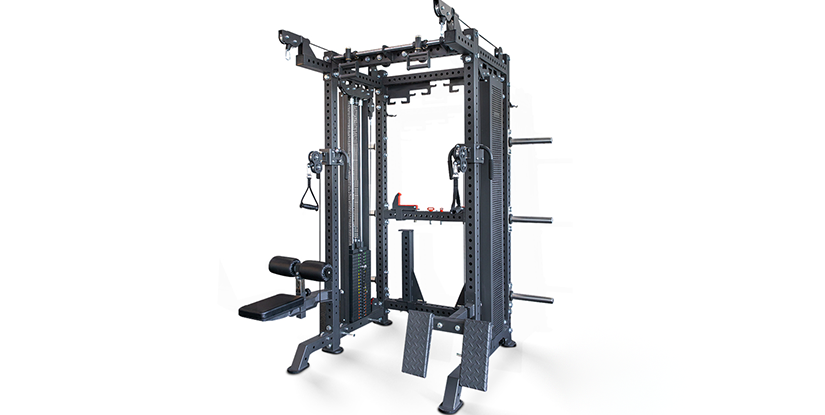
Distributors must evaluate the structural integrity of a weight bench with squat rack beyond basic aesthetics. In high-traffic environments, the intersection of heavy loading and repetitive mechanical adjustments dictates the long-term Total Cost of Ownership (TCO) and equipment uptime.
Durability and Maintenance Cycles
High-frequency use in commercial settings accelerates wear and tear on moving parts, such as adjustment pins and upholstery seams. To protect margins, procurement managers should prioritize commercial strength training equipment that utilizes reinforced steel gauges and high-density foam. Establishing strict maintenance cycles—including bolt tightening and lubrication of sliding rails—is essential to prevent premature failure. When sourcing, ensure the weight bench with squat rack features industrial-grade powder coating to resist oxidation and physical abrasion, which significantly extends the functional lifespan of the unit.
Material specifications directly influence the long-term service intervals and replacement costs for your inventory. Choosing between different finishes and upholstery types is a critical decision for a fitness distributor, as it dictates how frequently a facility will require technical support or part replacements.
Component Material Comparison
| Component Type | Option A (Standard) | Option B (Premium/Commercial) | Maintenance Requirement |
|---|---|---|---|
| Upholstery | Standard Vinyl | High-Density PU (Polyurethane) | Monthly wipe-down; PU resists cracking better under heat. |
| Frame Finish | Basic Powder Coating | Electrostatic Industrial Coating | Annual inspection for chips or oxidation signs. |
| Mechanical Parts | Standard Steel Bolts | Zinc-Plated/Stainless Fasteners | Quarterly torque checks to prevent loosening. |
| Moving Rails | Dry Sliding System | Lubricated Bearing System | Bi-annual application of silicone-based lubricant. |
When negotiating MOQ or sourcing terms, verify that the manufacturer provides high-grade fasteners and reinforced upholstery. Investing in premium finishes reduces the frequency of warranty claims and helps maintain a high standard of service for your end-users.
Routine Inspection and Structural Safety Protocols
To uphold commercial gym standards, facility managers should implement a standardized preventative maintenance checklist. The primary focus must remain on weight capacity stability and the structural integrity of the rack uprights. Over time, heavy loading can cause micro-shifts in the frame or loosen the connection points between the bench and the rack.
A routine inspection protocol typically involves a monthly physical audit of all load-bearing pins and adjustment mechanisms. Check for any signs of metal fatigue, weld cracking, or unevenness in the bench leveling. For distributors and large-scale importers, recommending these specific inspection intervals to clients adds value and reduces the likelihood of liability-related issues stemming from unmaintained equipment.
Scaling Your Fitness Distributor Logistics and Product Mix
Maximizing profitability requires a strategic balance between product complexity and inventory turnover. For distributors, the weight bench with squat rack represents a high-value asset that occupies significant warehouse volume, making efficient SKU management essential for maintaining healthy cash flow.
Optimizing Margins Through Configuration Strategy
Investing in commercial strength training equipment involves navigating the trade-off between modularity and specialized builds. While single-function benches are easier to ship, high-demand configurations—such as integrated power racks—command higher price points and offer better margin optimization for established distributors. By focusing on versatile, multi-functional units, you reduce the number of unique SKUs to manage while satisfying the demand for space-saving, all-in-one strength stations in boutique and commercial settings.
Distributors must evaluate whether the higher unit value of integrated systems outweighs the increased logistical complexity. The following comparison highlights the operational differences between stocking standalone units and the more complex weight bench with squat rack configurations.
| Metric | Standalone Weight Bench | Integrated Bench & Squat Rack |
|---|---|---|
| Logistics Footprint | Compact, stackable units | High volume, non-stackable |
| Shipping Volume | Low (optimized for LTL) | High (requires heavy-duty freight) |
| Assembly Requirements | Minimal to none | Moderate to high complexity |
| Retail Price Premium | Standard/Lower | Premium/High-margin |
When planning your gym equipment wholesale orders, consider that while integrated systems offer superior ROI per unit sold, they demand more sophisticated fitness distributor logistics planning. Choosing the right mix depends on your warehouse capacity and the specific needs of your commercial clientele.