Selecting Bench Press and Squat Rack for Specific Gym
Optimizing Inventory Margins Through Strategic SKU Selection
Strategic procurement of a bench press and squat rack involves balancing specialized performance with inventory efficiency. B2B buyers select specific configurations to match facility programming, ensuring that high-quality commercial strength training equipment meets diverse user needs while maintaining manageable stock levels and predictable maintenance cycles.
Managing Capex via Versatility vs. Specialization
For distributors and facility managers, the decision between high-specialization units and versatile modular systems directly impacts capital expenditure (CAPEX). While highly specialized racks may appeal to niche powerlifting gyms, they often increase SKU complexity and tie up capital in low-turnover inventory. Conversely, selecting a bench press and squat rack configuration with high gym programming compatibility—such as adjustable benches that work with various upright styles—allows a single unit to serve multiple training modalities. This approach reduces the total number of unique parts required in a warehouse, lowering long-term storage costs and streamlining the logistics of replacement parts or future expansions.
When evaluating the return on investment (ROI) for a new shipment or facility build-out, the distinction between multi-functional units and dedicated sets becomes a critical financial metric. High-versatility units often command a higher per-unit price but offer a lower total cost of ownership through extended utility, whereas specialized sets provide high-performance stability for specific training disciplines.
Configuration Comparison for Procurement Planning
| Evaluation Criteria | Multi-functional Racks | Specialized Bench/Rack Sets |
|---|---|---|
| Footprint | Compact/Consolidated | Larger/Dedicated Space |
| SKU Count | Lower (Modular/Interchangeable) | Higher (Specific Componentry) |
| Durability Focus | General Commercial Use | High-Load/Heavy Duty Weight Racks |
| Target Facility Type | Boutique Studios & Hotel Gyms | High-Traffic Strength Clubs |
Distributors should consider the turnover rate of specific training styles within their target regions before committing to large MOQs of single-use equipment. A balanced inventory strategy typically involves a core stock of versatile systems to satisfy general commercial demand, supplemented by a smaller, high-margin selection of specialized heavy-duty equipment for professional strength environments.
Logistics Efficiency and Total Cost of Ownership
Optimizing the landed cost of heavy duty weight racks requires a sophisticated approach to shipping volume optimization. Because these units are high-density, heavy-weight items, freight costs can quickly erode profit margins if not managed through strategic container loading. Distributors should work closely with manufacturers to align the MOQ (Minimum Order Quantity) with standard 20ft or 40ft container dimensions to minimize empty space and reduce the per-unit shipping impact.
Beyond initial procurement, the long-term ROI is heavily dictated by the equipment's durability and the frequency of maintenance cycles. High-traffic facilities benefit from purchasing robust, standardized components that allow for easier part replacement without requiring entirely new sets. By prioritizing high-grade steel and resilient coatings during the sourcing phase, buyers reduce the frequency of technical interventions, effectively lowering the total cost of ownership over the equipment's operational lifespan.
Matching Bench and Rack Configurations to Training Modalities
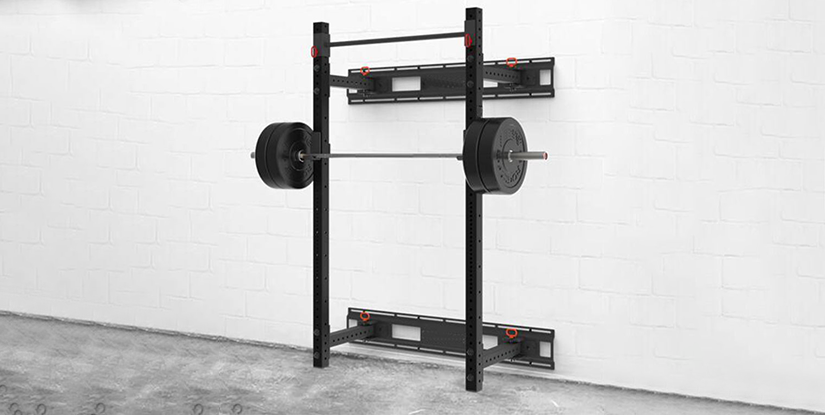
Optimizing your facility layout requires a strategic assessment of how much floor space each station consumes. When sourcing commercial strength training equipment, buyers must weigh the benefits of specialized, high-density units against versatile, multi-functional setups to ensure maximum footprint optimization within the available square footage.
Spatial Requirements vs. Equipment Density
The relationship between a bench press and squat rack configuration and your total square footage determines the long-term throughput of your facility. A compact, integrated unit allows for higher density in boutique studios, whereas heavy-duty, standalone components offer the modularity required for large-scale strength clubs. Selecting the wrong configuration can lead to bottlenecked traffic or underutilized floor space.
| Configuration Type | Primary Spatial Footprint | Ideal Setting | Procurement Focus |
|---|---|---|---|
| Integrated Combo Units | Minimal / Compact | Boutique Studios & Hotel Gyms | Low MOQ & Easy Shipping |
| Standalone Heavy-Duty Racks | Moderate / Modular | High-Traffic Strength Clubs | Durability & Component Longevity |
| Multi-Station Power Racks | Large / Fixed | Performance Training Centers | System Compatibility & Attachments |
For distributors and facility managers, understanding these spatial trade-offs is critical for accurate shipping volume calculations and efficient warehouse or floor planning.
Configuration Analysis for Facility Layouts
Selecting the right setup depends heavily on your specific training modality and how users transition between lifts. While integrated units maximize space efficiency, they may limit future expansion. Conversely, modular systems provide superior gym programming compatibility but require more calculated floor planning during the initial procurement phase.
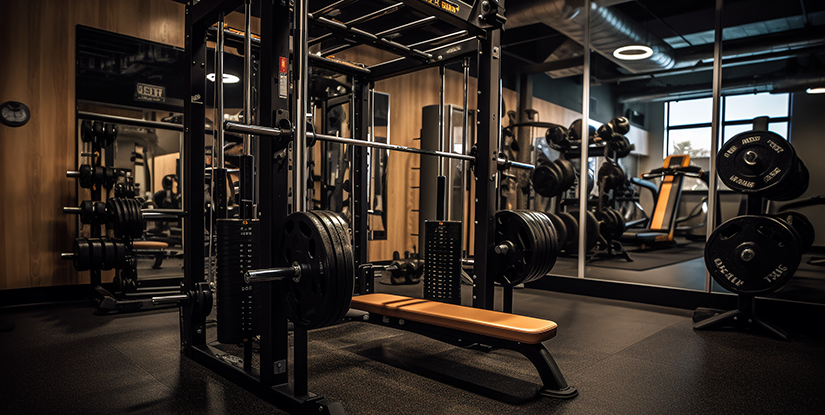
When sourcing heavy duty weight racks, consider that the footprint of a standalone unit includes not just the steel frame, but also the necessary safety clearance for barbell rotation and user movement. For high-density environments, integrated configurations reduce the risk of equipment collision, whereas performance-focused facilities often prioritize the versatility of modular components to accommodate diverse athlete needs.
Optimizing Footprint with Modular Accessories
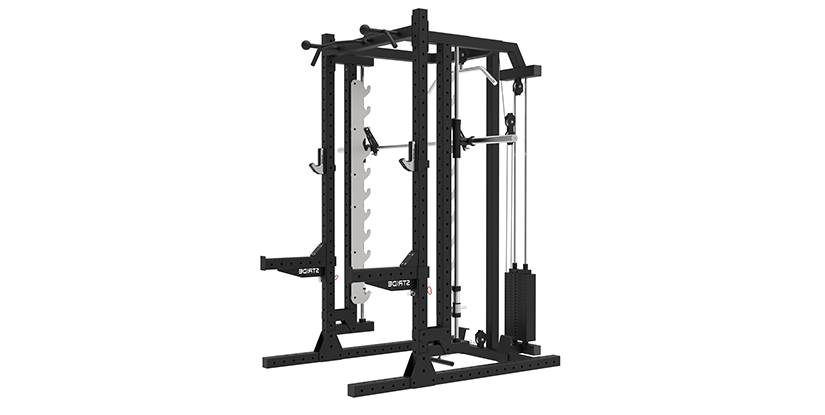
Beyond the primary steel frame, the procurement of space-saving accessories is a decisive factor in long-term facility management. For distributors, sourcing modular attachments—such as integrated weight plate storage, J-cup holders, and adjustable bench positions—allows end-users to expand functionality without increasing the physical footprint. This modularity ensures that a single bench press and squat rack station can adapt to different training sessions, effectively increasing the utility-per-square-foot.
From a B2B sourcing perspective, prioritize equipment that offers high compatibility with secondary attachments. While integrated units offer the most efficient use of space, modular systems with high-quality, standardized hole patterns reduce maintenance downtime and simplify future upgrades. When calculating shipping volumes and installation requirements, always account for the additional clearance needed for accessory-driven movement to prevent congestion in high-traffic zones.
Engineering for High-Traffic Commercial Strength Training Equipment
For high-volume strength clubs and professional training facilities, the structural integrity of a bench press and squat rack determines the long-term total cost of ownership. In environments where equipment undergoes constant loading and unloading, relying on residential-grade specifications leads to premature failure and increased maintenance cycles.
Prioritizing Structural Integrity and Material Standards
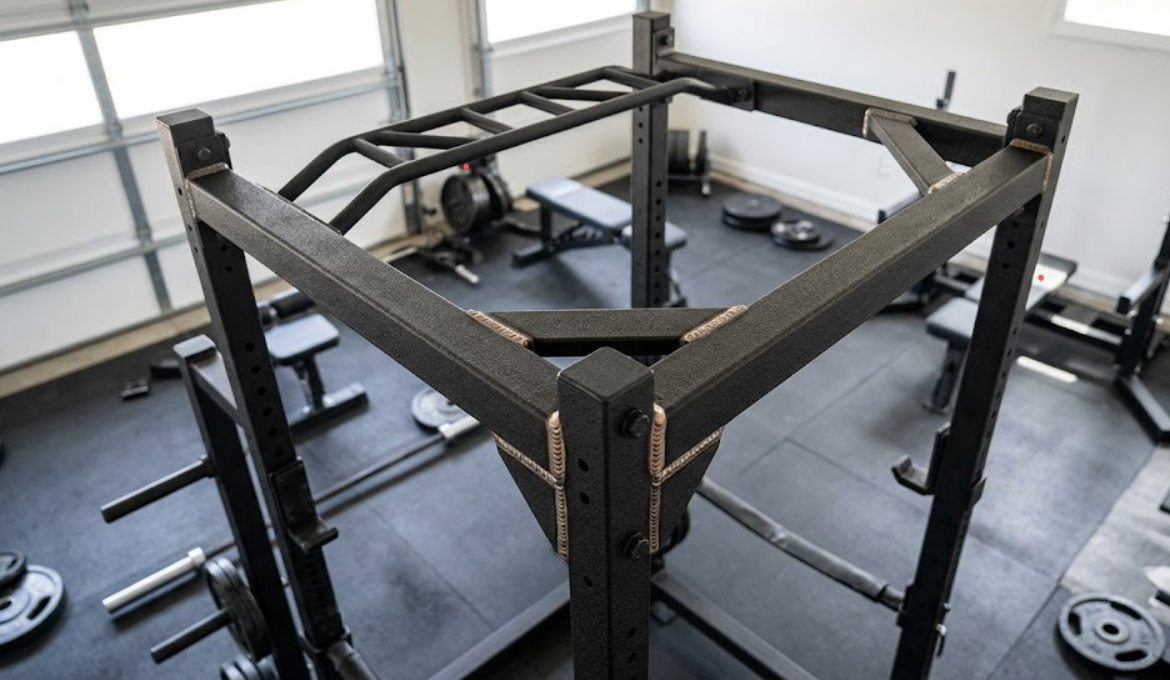
Distributors and facility managers must prioritize heavy duty weight racks that utilize high-gauge steel to withstand mechanical stress. When sourcing commercial strength training equipment, the steel gauge is a critical metric; thicker steel prevents frame warping under heavy barbell loads. Beyond the metal itself, high-quality welding standards are non-negotiable. Robust, full-penetration welds ensure that the connection points between the uprights and the base remain stable during high-impact movements. For high-traffic durability, look for reinforced junction points that can handle the lateral forces typical of aggressive programming. Investing in these structural fundamentals reduces the frequency of replacement and ensures the equipment remains a reliable asset rather than a liability.
Procurement decisions often hinge on the trade-off between initial capital expenditure and long-term operational reliability. While boutique studios may prioritize aesthetics and space-saving footprints, professional strength clubs require specific material densities to handle rigorous daily usage cycles without degradation.
Technical Specification Comparison by Facility Type
The following comparison outlines the typical material differences between configurations designed for lighter boutique environments and those built for heavy-duty commercial strength clubs. Selecting the appropriate tier prevents the common pitfall of under-specifying equipment for high-intensity training environments.
| Specification Metric | Boutique / Studio Configuration | High-Intensity Strength Club |
|---|---|---|
| Steel Gauge Thickness | 11-gauge to 12-gauge | 7-gauge to 8-gauge heavy-duty steel |
| Standard Coating Type | Powder coat or aesthetic paint | High-density textured powder coat |
| Typical Load Capacity | Moderate (up to 600+ lbs) | Extreme (800+ lbs per station) |
| Maintenance Cycle | Quarterly inspections | Monthly rigorous inspections |
| Primary Usage Profile | Low-to-medium traffic / Classes | High-traffic / Constant heavy loading |
When evaluating a bench press and squat rack for wholesale orders, verify that the manufacturer provides consistent steel thickness across all uprights and crossmembers. A mismatch in gauge between the base and the top can create structural weak points that compromise the entire unit's stability during heavy lifts.
Evaluating the long-term viability of a bench press and squat rack requires looking beyond the initial purchase price to the total cost of ownership (TCO). For distributors and large-scale facility operators, the true expense lies in the replacement frequency caused by accelerated wear and tear. High-performance gym programming compatibility depends on equipment that maintains its precision—such as upright alignment and adjustable pin stability—even after thousands of cycles. Selecting units that meet strict wholesale durability standards ensures that the hardware can withstand the lateral stresses of heavy lifting without requiring frequent parts replacement or structural repairs, ultimately protecting your profit margins and facility uptime.
Evaluating Attachment Compatibility for Diverse Gym Programming
The long-term operational cost of your facility is often dictated by how well your bench press and squat rack configurations handle specialized accessory use. While basic setups suffice for standard training, high-traffic environments demand equipment that maintains structural integrity despite frequent attachment swaps and heavy loading cycles.
The Link Between Compatibility and Maintenance Cycles
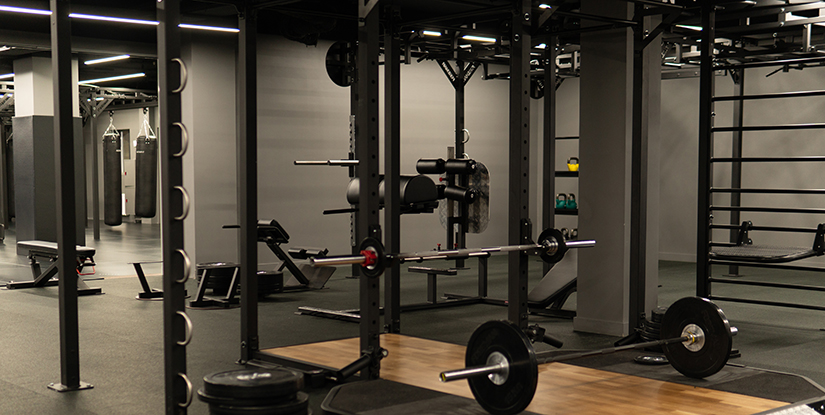
In many commercial settings, the decision to source modular systems rather than fixed-frame units is a strategic move to mitigate wear and tear. When a bench press and squat rack are designed with proprietary or low-quality attachment points, the constant friction from adding dip bars, landmines, or specialized pull-up handles can degrade the frame's finish and structural precision. This degradation often accelerates maintenance cycles, forcing facility managers to address loose bolts or stripped threads sooner than expected.
For distributors and large-scale gym operators, investing in high-quality, standardized commercial strength training equipment ensures that accessory integration does not compromise the primary rack's stability. Choosing robust, heavy-duty welding and high-grade steel coatings reduces the frequency of part replacements, ultimately lowering the total cost of ownership and ensuring the equipment remains reliable under the rigorous demands of diverse programming.
Technical Comparison of Attachment Types and Durability
When sourcing heavy duty weight racks, procurement specialists must differentiate between attachment types based on their mechanical complexity and long-term upkeep requirements. Standardized J-cups offer the highest durability due to their minimal moving parts, whereas specialized modules like adjustable spotter arms or dip stations introduce more frequent points of friction and potential mechanical failure.
| Attachment Type | Compatibility Scope | Maintenance Frequency | Durability Profile |
|---|---|---|---|
| Standard J-Cups | Universal Barbell Support | Low (Annual Inspection) | High (Solid Steel) |
| Adjustable Spotter Arms | Variable Height Safety | Moderate (Bolt Tightening) | Medium-High |
| Dip Stations | Bodyweight/Accessory Work | High (Joint/Pin Lubrication) | Medium |
| Landmine/Specialty Attachments | Multi-Angle Movements | Moderate (Pivot Check) | Medium |
For high-volume strength clubs, prioritizing attachments with high-grade powder coatings and standardized pin diameters is essential. This approach prevents the common issue of stripped threads or uneven wear, ensuring that the gym programming compatibility remains intact even after years of intensive, multi-user training sessions.
Standardized vs. Proprietary: Optimizing Long-Term ROI
A critical decision for procurement managers is whether to invest in a proprietary ecosystem or a standardized modular system. While proprietary designs often offer highly specialized, aesthetic-driven features, they can create significant logistical bottlenecks. If a specific component fails or a new training trend emerges, relying on a single manufacturer for replacement parts can lead to extended downtime and increased shipping costs, especially for international distributors managing large-scale inventory.
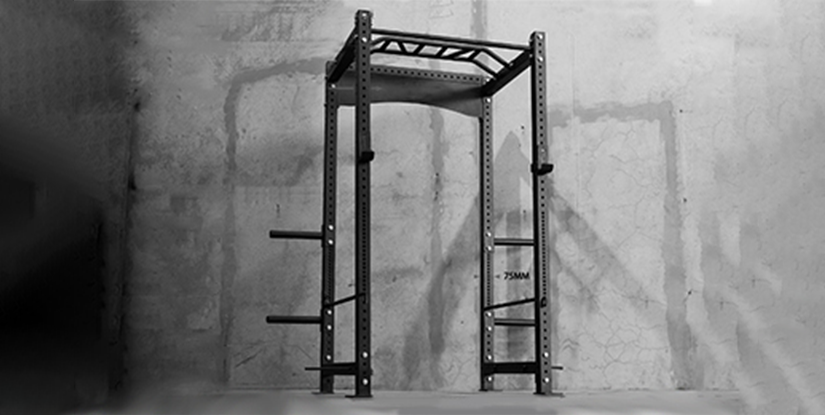
In contrast, selecting a bench press and squat rack system built on standardized dimensions—such as 2x3 inch or 3x3 inch uprights—provides much higher gym programming compatibility. This flexibility allows facility management to source diverse accessories from multiple vendors without risking structural mismatch. From a long-term ROI perspective, standardized systems reduce the risk of "dead stock" caused by obsolete or unreplaceable parts, ensuring the equipment remains a versatile asset rather than a maintenance liability.
Logistics and Footprint Optimization for Heavy Duty Weight Racks
Effective floor space management depends on how the bench press and squat rack configurations interact with your facility's structural layout. For high-traffic commercial strength training equipment, the footprint extends beyond the base dimensions to include safety zones and user movement paths.
Balancing Density and Safety Zones
When sourcing for large-scale strength clubs, procurement managers must account for the total operational area. A standard heavy-duty rack requires significant clearance for barbell rotation and safe dismounting. Neglecting this leads to bottlenecked traffic and increased maintenance costs due to accidental collisions. We recommend evaluating the footprint optimization through the following spatial tiers:
| Facility Type | Primary Layout Focus | Space Requirement Strategy |
|---|---|---|
| Boutique Strength Studio | High-density programming | Compact, multi-functional footprints |
| Commercial Strength Club | High-volume throughput | Generous safety buffers and barbell clearance |
| Hotel/Residential Gym | Aesthetic and footprint limit | Integrated storage and streamlined profiles |
Distributors should advise clients that a bench press and squat rack setup with integrated weight storage can reduce the overall footprint, allowing for more units per square meter without compromising safety standards.
Configuration Comparison: Integrated vs. Standalone vs. Compact
Selecting the right structural configuration directly impacts your long-term facility throughput and inventory management. For distributors and facility planners, the trade-off between versatility and floor area is a critical procurement decision. Use the following comparison to align your order with specific gym programming needs and storage requirements.
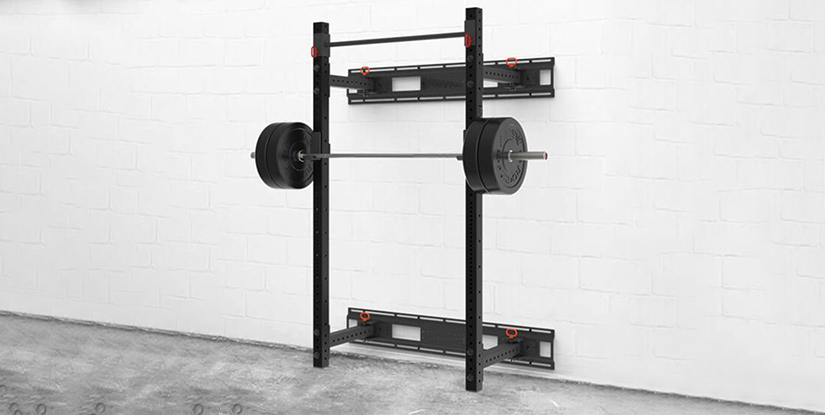
| Configuration Type | Typical Space Footprint | Versatility & Programming | Storage Capability |
|---|---|---|---|
| Integrated Power Racks | Large/Fixed | High; supports complex barbell movements and specialized attachments. | Excellent; built-in plate pegs and accessory holders minimize clutter. |
| Standalone Squat Racks | Moderate/Flexible | Medium; ideal for dedicated heavy lifting zones or free-weight areas. | Moderate; requires separate storage solutions for plates and bars. |
| Compact Bench Setups | Minimal/Small | Low; optimized for basic strength training and circuit-style classes. | Limited; best used in environments with centralized storage racks. |
When calculating shipping volumes and MOQ for large orders, integrated models often provide a higher ROI for premium clubs due to their all-in-one functionality. However, for boutique studios with fluctuating floor plans, modular standalone units offer better long-term adaptability for diverse training styles.
Optimizing Accessory Management and Global Logistics
For distributors and large-scale wholesalers, the procurement logic extends far beyond the metal frame. Efficient accessory storage integration is a primary driver of warehouse efficiency and long-term client satisfaction. When a bench press and squat rack includes dedicated attachment points for dip bars, landmines, or barbell hooks, it reduces the need for secondary equipment, effectively lowering the total shipping volume per functional station.
From a sourcing perspective, prioritizing modularity ensures gym programming compatibility while streamlining the unboxing process. High-density heavy duty weight racks that feature integrated plate pegs and specialized accessory holders allow facility owners to maintain a professional, clutter-free environment. For international buyers, selecting configurations that maximize component nesting can significantly reduce freight costs and optimize container utilization during bulk shipments.
Sourcing Standards for Global Distribution and Compliance
When sourcing commercial strength training equipment for international markets, structural integrity is non-negotiable. High-traffic environments demand gear that withstands constant mechanical stress without compromising user safety or facility reputation. For distributors and facility managers, verifying compliance with established ISO/ASTM standards is a critical step in mitigating long-term liability and ensuring product longevity.
Prioritizing Structural Stability and Certifications
A high-quality bench press and squat rack must feature heavy-gauge steel construction to maintain structural stability under maximum load. Relying on heavy duty weight racks that meet rigorous international testing protocols ensures the equipment can handle the dynamic forces common in professional strength clubs. When evaluating factory capabilities, prioritize suppliers who provide transparent documentation regarding material thickness and welding strength, as these factors directly impact the total cost of ownership and replacement cycles.
Technical Specifications by Facility Tier
Procurement decisions often hinge on the distinction between aesthetic appeal and sheer mechanical endurance. While boutique studios may prioritize compact footprints and premium finishes, professional strength clubs require high-density steel to manage the impact of heavy barbell drops and high-volume usage. Selecting the wrong tier can lead to premature frame deformation or coating failure, increasing long-term maintenance costs.
| Specification Tier | Typical Material Gauge | Common Coating Type | Primary Use Case | Load Capacity Profile |
|---|---|---|---|---|
| Boutique / Studio | 11–12 Gauge | Powder Coat / Matte | Small studios & hotel gyms | Moderate / Controlled |
| Standard Commercial | 7–10 Gauge | Electrostatic Powder | General fitness clubs | High / Consistent |
| Professional Strength | 3mm+ Heavy-Duty Steel | High-Impact Polyurethane | Powerlifting & CrossFit | Extreme / Dynamic |
For distributors managing large-scale RFPs, understanding these technical thresholds is vital for accurate quoting. A professional-grade bench press and squat rack configuration requires thicker steel profiles and more resilient finishes to survive the high-frequency mechanical stress of heavy lifting environments.
Logistics, Quality Control, and Bulk Procurement
Managing the international supply chain for heavy steel components requires more than just selecting a vendor; it requires a rigorous oversight of the entire fulfillment lifecycle. For B2B buyers, the complexity of importing a bench press and squat rack lies in balancing shipping volume optimization with the necessity of damage-free arrival. High-quality manufacturers must demonstrate advanced factory capability, specifically in nesting large-scale components to maximize container utilization without compromising the structural integrity of the units.
To mitigate the risks associated with long-distance transit, prioritize suppliers that implement strict QC inspection protocols at multiple stages—from raw steel gauge verification to final weld inspection. Effective procurement strategies should also account for packaging durability; heavy-duty weight racks require reinforced, multi-layered boxing and edge protection to survive sea freight and multiple handling points. When negotiating terms, clarify the Minimum Order Quantity (MOQ) and request detailed lead times that account for both production cycles and seasonal shipping fluctuations. A transparent supplier will provide a predictable timeline, ensuring your facility or retail stock remains consistent despite global logistics variables.