Commercial Squat Rack vs Power Rack Comparison Guide
Vetting Manufacturers for High-Volume Strength Training Equipment Specifications
When a multi-site fitness franchise or a large-scale commercial gym undergoes a facility upgrade, the durability of the squat rack power rack selection becomes a primary concern for long-term ROI. Unlike boutique studios that may prioritize aesthetics, high-traffic commercial settings demand hardware that can withstand constant mechanical stress and heavy loading without compromising structural integrity.
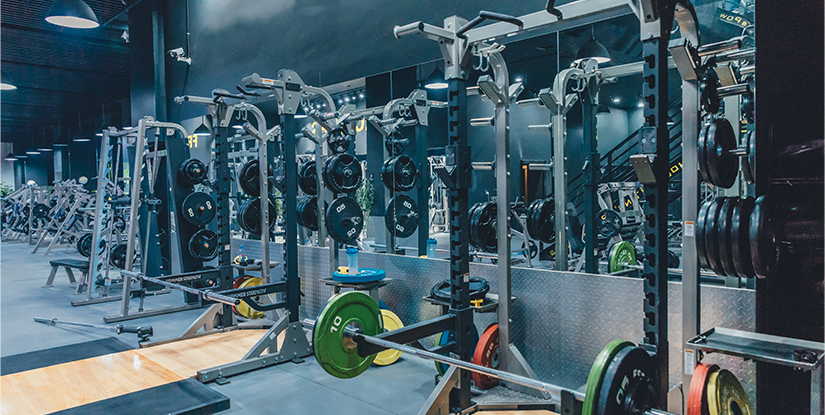
To ensure equipment longevity, procurement managers must look beyond basic dimensions and focus on specific strength training equipment specifications. A critical metric for heavy duty gym racks is the steel gauge; high-end commercial models typically utilize 11-gauge or even 7-gauge steel to prevent deformation under extreme weight. Evaluating the welding quality and the thickness of the uprights is essential to guarantee that the squat rack power rack configurations can handle the rigorous demands of professional strength athletes and high-volume daily use.
Technical Benchmarks for Material Integrity
Distributors and facility managers should utilize standardized benchmarks to differentiate between standard commercial models and high-performance power racks. Relying on visual inspection alone is insufficient; technical documentation must confirm the structural grade to prevent premature replacement cycles in high-traffic environments.
| Specification Metric | Standard Commercial Squat Rack | Premium Commercial Power Rack |
|---|---|---|
| Steel Gauge (Thickness) | 11-gauge (approx. 3mm) | 7-gauge to 11-gauge reinforced steel |
| Powder Coating Quality | Standard electrostatic finish | Industrial-grade, scratch-resistant matte/gloss |
| Typical Weight Capacity | 400–600 lbs (180–270 kg) | 800–1,000+ lbs (360–450+ kg) |
| Structural Stability | Single-post or basic upright design | Full-cage or heavy-duty multi-post frame |
When negotiating with manufacturers, request specific details regarding the steel's tensile strength and the application method of the protective coating. This level of scrutiny ensures that the hardware meets the rigorous safety standards required for professional strength training facilities.
Strict Quality Control and Logistics Management
For B2B buyers managing large-scale rollouts, the risk of receiving defective hardware far outweighs the initial savings of a lower MOQ. Robust QC protocols must extend beyond the factory floor to include rigorous welding inspection. Procurement teams should verify that manufacturers utilize continuous or high-penetration welding techniques on all load-bearing joints of the squat rack power rack assembly to prevent stress fractures during high-intensity training. A single faulty weld on a commercial unit can drastically increase your long-term Total Cost of Ownership (TCO) by necessitating premature replacement or causing facility downtime.
Logistics planning for commercial weightlifting hardware also requires a focus on shipping stability. Heavy-duty steel components are prone to surface abrasions and structural misalignment if not secured in reinforced, palletized packaging. Ensure your supplier utilizes moisture-resistant wrapping and structural bracing within the shipping containers to maintain the integrity of the powder coating and prevent frame warping. A disciplined maintenance cycle, including quarterly bolt torque checks and frame inspections, should be integrated into your facility's operational manual to preserve the asset's lifespan and ensure user safety.
Structural Integrity and Load Capacity Benchmarks
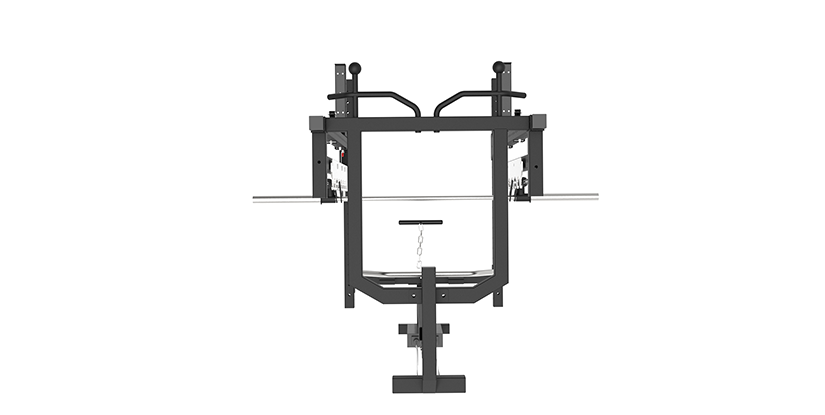
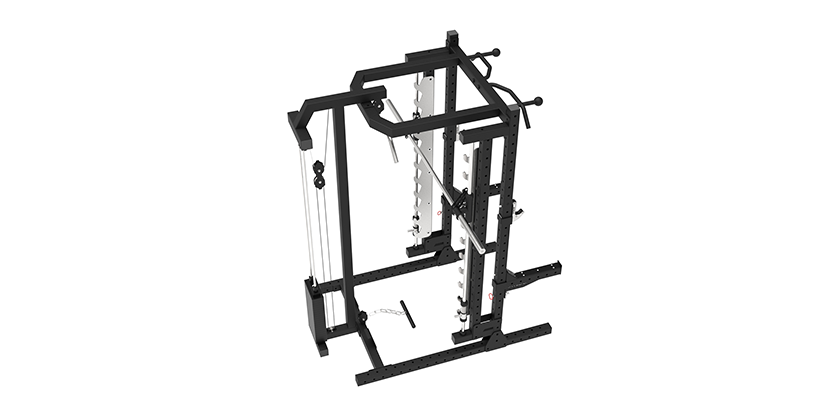
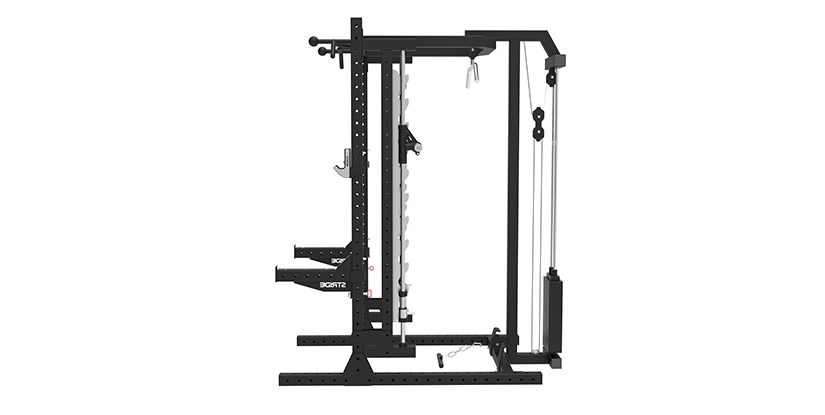
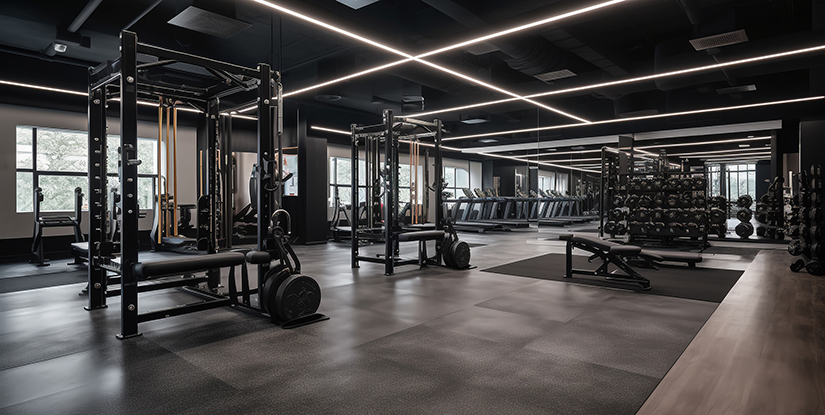
When sourcing high-traffic strength training equipment, the primary differentiator between a standard squat rack and a full power rack lies in the steel gauge and frame geometry. While a basic squat rack offers an open design for versatility, a power rack provides a fully enclosed structural cage designed to withstand high-velocity barbell drops and heavy eccentric loading common in professional settings.
For distributors and facility managers, verifying the steel gauge is critical to ensuring long-term ROI. Heavy duty gym racks intended for commercial use typically utilize 11-gauge steel, which provides superior resistance to bending and structural fatigue compared to the 14-gauge steel often found in light-duty or residential-grade models. This distinction directly impacts the structural stability of the unit during heavy compound lifts.
| Specification Factor | Commercial Squat Rack | Professional Power Rack |
|---|---|---|
| Typical Steel Gauge | 14-gauge (Standard) | 11-gauge (Heavy Duty) |
| Frame Configuration | Open/Semi-enclosed | Full Cage/Enclosed |
| Structural Stability | Moderate | High (Maximized Rigidity) |
| Ideal Use Case | Boutique Studios | High-Traffic Strength Zones |
Selecting the appropriate squat rack power rack configuration depends on your facility's specific throughput requirements. While 14-gauge steel may lower initial procurement costs, 11-gauge commercial weightlifting hardware is the industry standard for multi-site rollouts where equipment longevity and user safety are non-negotiable.
Beyond the frame gauge, procurement teams must evaluate the specific mechanical components that manage heavy loads. The robustness of safety catch systems and the ability to handle maximum weight capacities are the two most significant variables when deciding between a more open squat rack or a fully enclosed power rack for high-intensity training environments.
| Feature | Commercial Squat Rack | Power Rack |
|---|---|---|
| Frame Thickness | Standard (often 2x2 or 3x3) | Reinforced (heavy-duty 3x3 or 4x4) |
| Safety Catch Robustness | Adjustable pins or single bar | Multi-point heavy-duty steel pins |
| Typical Load Capacity | Up to 600–800 lbs | 1,000+ lbs (structural limit) |
When reviewing technical specifications for a large-scale order, ensure that the safety catch mechanisms are rated for high-impact scenarios. A power rack’s ability to sustain a high typical load capacity makes it the safer investment for strength-focused commercial facilities, whereas a squat rack remains a cost-effective solution for specialized training zones with lower throughput.
Maintenance Cycles and Total Cost of Ownership (TCO)
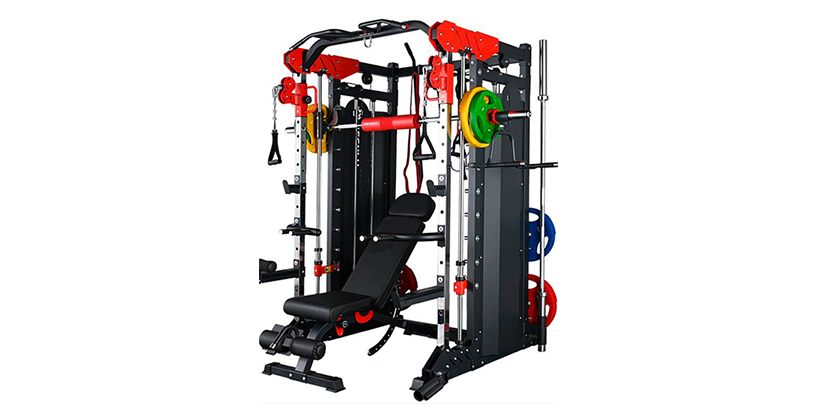
For procurement managers and distributors, the true cost of equipment extends far beyond the initial invoice. Assessing the long-term maintenance cycles of a squat rack power rack configuration is essential for predicting the Total Cost of Ownership (TCO). While an open-frame squat rack may offer a lower entry price, its lack of structural enclosure can lead to increased wear and tear on surrounding accessories and floor surfaces during high-intensity training sessions.
In high-volume commercial environments, the durability of hardware—such as J-cups, safety pins, and adjustment mechanisms—dictates the frequency of replacement. When evaluating strength training equipment specifications, prioritize units with high-grade powder coating and reinforced adjustment points. A power rack, despite a higher upfront investment, often yields better investment longevity because its enclosed structure stabilizes the load, reducing lateral stress on the frame and extending the lifespan of the hardware components.
Effective facility layout optimization also requires accounting for these maintenance realities. A power rack provides a contained training zone that protects the integrity of the surrounding area, whereas a more open rack configuration may require more frequent inspections of the floor mounting and lateral stability. For distributors managing large-scale rollouts, sourcing heavy-duty, enclosed models typically results in fewer service calls and a more predictable maintenance schedule for the end-user.
Spatial Footprint and Facility Layout Optimization
When planning a commercial gym floor plan, the decision between a squat rack power rack configuration hinges on the trade-off between movement freedom and structural density. Understanding the spatial footprint of each unit is critical for maximizing high-traffic zones and ensuring safe clearance for athletes.
Open Design vs. Enclosed Structure
A standard squat rack typically features an open design, offering a minimal footprint that facilitates easier movement around the station. This makes it an ideal choice for boutique studios or facilities where floor space is at a premium and multi-functional training is frequent. Because it lacks a full structural cage, it allows for better visibility and easier integration into varied facility layout designs.
In contrast, a power rack utilizes an enclosed structure that provides superior stability and safety features, such as integrated spotter arms or a full cage. While this provides a more secure environment for heavy lifting, the larger spatial footprint requires more dedicated square footage. For distributors and procurement managers, balancing the density of these heavy-duty units is essential to prevent overcrowding while maintaining high equipment utility.
Technical Dimension and Clearance Specifications
Procurement specialists must account for more than just the frame dimensions when calculating total area requirements. To maintain professional strength training equipment specifications, you must factor in the "effective footprint"—the total area required for safe barbell loading, weight plate clearance, and athlete movement. Neglecting this safety clearance in a commercial setting can lead to collisions or restricted movement during high-intensity sessions.
The following table outlines the typical spatial requirements for standard heavy-duty models. These dimensions serve as a baseline for facility planning and shipping volume estimations for multi-site rollouts.
~8' x 8' (2.4m x 2.4m)| Equipment Type | Standard Frame Footprint | Effective Footprint (with Safety Clearance) | Primary Spatial Advantage |
|---|---|---|---|
| Standard Squat Rack | ~4' x 4' (1.2m x 1.2m) | ~7' x 7' (2.1m x 2.1m) | High mobility and open access |
| Full Power Rack | ~4.5' x 5' (1.4m x 1.5m) | ~9' x 9' (2.7m x 2.7m) | Maximum structural stability |
| Half Rack / Combo | ~4' x 5' (1.2m x 1.5m) | Balanced density and safety |
When sourcing heavy duty gym racks, always verify if the manufacturer includes adjustable spotter arms or lateral extensions in the base dimension. For distributors managing large-scale inventory or container shipments, understanding these depth variances is vital for optimizing both the warehouse footprint and the end-user's floor plan efficiency.
For distributors and facility owners, the procurement decision often centers on a high-density layout versus station versatility. While a squat rack allows for a higher number of stations within a fixed square footage, a power rack provides a higher-value, specialized station that may limit scalability in smaller rooms. Effective space optimization requires calculating not just the steel footprint, but the operational radius of the barbell. When planning multi-site rollouts, prioritizing modularity ensures that your facility planning remains flexible as the gym's training density or membership capacity evolves.
Maximizing Equipment Utility Through Accessory Ecosystems
The operational distinction between a standard squat rack and a full power rack often resides in the depth of their accessory ecosystems. For facility managers, the ability to integrate modular components—such as dip stations, landmines, and cable attachment systems—transforms a single piece of heavy duty gym racks into a multi-functional training hub.
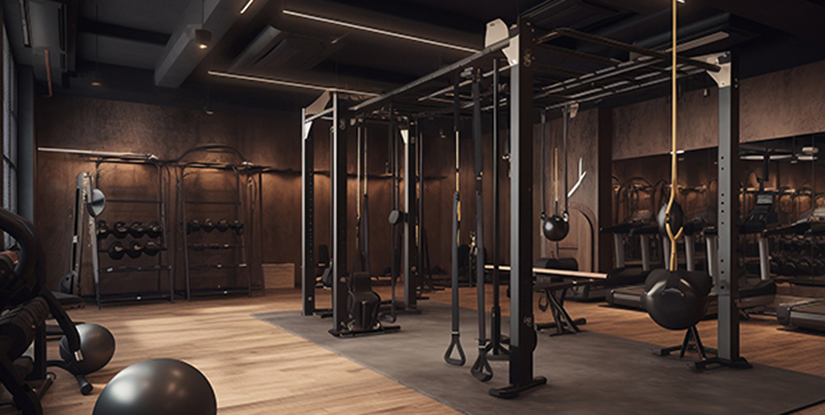
From a procurement standpoint, investing in a more robust squat rack power rack configuration increases the long-term value of the footprint. While a basic rack serves a singular purpose, a system designed for high accessory compatibility allows your facility to adapt to evolving training trends without requiring new floor space or additional heavy shipments. This versatility directly impacts member retention by providing the diverse stimulus required for high-level strength training and hypertrophy programming.
| Feature/Accessory | Standard Squat Rack Scope | Advanced Power Rack Scope |
|---|---|---|
| Primary Function | Isolated barbell movements | Full-body strength & specialized training |
| Accessory Integration | Limited (Pull-up bars only) | High (Cables, Landmines, Dips) |
| Facility ROI | Lower initial cost; fixed utility | Higher utility; scalable training options |
| Member Versatility | Basic strength enthusiasts | Diverse athlete & professional demographics |
When evaluating long-term procurement costs, the distinction between these two configurations extends beyond mere attachment points. Buyers must weigh the initial capital expenditure against the total cost of ownership (TCO), particularly regarding maintenance and spatial optimization. A power rack often necessitates more rigorous inspection of bolt torque and structural integrity due to the increased number of moving parts and accessory load points, whereas a standard rack offers a more streamlined maintenance profile.
The following technical comparison outlines how these two categories of strength training equipment specifications impact your facility's operational efficiency and floor plan density.
| Technical Dimension | Standard Commercial Squat Rack | Full Power Rack |
|---|---|---|
| Accessory Integration | Basic (Fixed uprights/Pull-up bar) | Advanced (Modular/Multi-functional) |
| Footprint Efficiency | High (Minimalist footprint) | Moderate (Requires more clearance) |
| Maintenance Frequency | Low (Static structure) | Moderate (Dynamic/Modular parts) |
| Deployment Speed | Rapid (Simple assembly) | Complex (Multiple connection points) |
For distributors and large-scale gym operators, selecting the appropriate model depends on whether the goal is high-density throughput or providing a premium, specialized training environment. While heavy duty gym racks in the power rack category require higher initial logistics planning and assembly oversight, they offer a superior hedge against equipment obsolescence in competitive markets.
Strategic Procurement: Balancing Floor Density and Margin Growth
For distributors and facility owners, the decision between a squat rack and a power rack is not merely a choice of equipment, but a strategic calculation of revenue per square foot. While a minimalist rack setup maximizes usable floor space for high-traffic throughput, it often limits the ability to upsell high-margin specialized attachments. Conversely, a power rack configuration provides a platform for consistent accessory revenue, though it demands more sophisticated inventory management and larger storage considerations.
To optimize total cost of ownership (TCO), procurement managers must ensure all secondary components are fully compatible with standard commercial weightlifting hardware. Sourcing mismatched or non-standard attachments can lead to significant dead stock and increased maintenance liabilities. We recommend verifying that all modular parts—such as J-cups, spotter arms, and cable systems—adhere to universal specifications to ensure seamless integration across multi-site rollouts and long-term facility scaling.
Quality Control Protocols for Heavy Duty Gym Racks
For distributors and multi-site facility managers, the distinction between a standard squat rack and a power rack often comes down to the rigor of the manufacturing process. High-traffic commercial environments demand equipment that maintains structural integrity under constant mechanical stress and heavy loading cycles.
Critical Benchmarks for Commercial-Grade Hardware
When sourcing heavy duty gym racks, procurement teams must look beyond basic dimensions to verify technical strength training equipment specifications. A reliable supplier should provide transparency regarding their quality control protocols, specifically focusing on the following three pillars of durability:
- Weld Inspection: High-load junctions must undergo strict visual and stress testing to ensure seamless integration of steel components, preventing fractures during heavy lifts.
- Powder Coating Thickness: Consistent micron levels are essential to prevent chipping and corrosion, especially in high-humidity or high-use commercial settings.
- Structural Tolerance: Precision in steel gauge and upright alignment ensures that the squat rack power rack remains stable and level during intense training sessions.
Rigorous oversight of these variables reduces long-term maintenance costs and minimizes the risk of equipment failure, protecting both your investment and your end-users.
Technical Specification Comparison
To assist in your procurement evaluation, we have outlined the typical variance between entry-level residential models and professional-grade commercial weightlifting hardware. These benchmarks serve as a baseline for vetting factory capability and ensuring the equipment can withstand the high-frequency usage typical of commercial gyms.
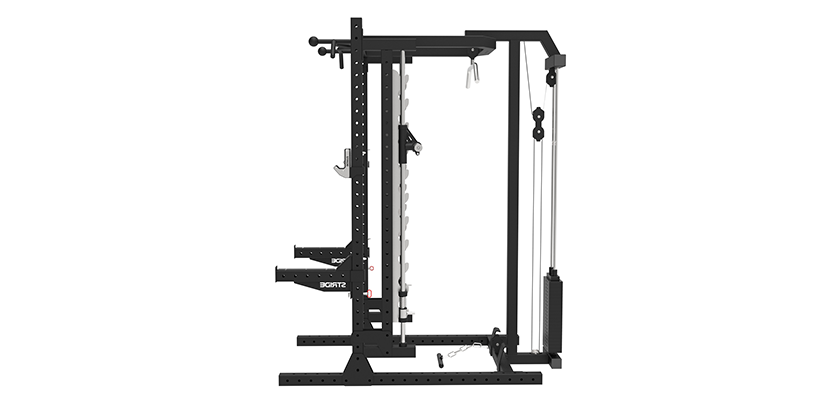
| Feature Specification | Standard/Residential Grade | Commercial-Grade Hardware |
|---|---|---|
| Steel Gauge (Uprights) | 11-gauge to 14-gauge | 7-gauge to 11-gauge heavy-duty steel |
| Weld Type & Quality | Standard MIG welding | Reinforced, continuous full-penetration welds |
| Coating Durability | Basic paint or thin powder coat | High-micron, impact-resistant industrial powder coating |
| Load Stability | Variable under heavy dynamic load | Engineered for high-impact, dynamic weight movements |
When negotiating MOQs or reviewing technical sheets from a manufacturer, prioritize the steel gauge and weld consistency. A higher gauge number indicates thinner steel; for a commercial squat rack power rack deployment, 11-gauge or lower (e.g., 7-gauge) is the industry standard for longevity and safety in high-traffic facilities.
Logistics and Inspection Strategy
Beyond the factory floor, durability is often determined by how a product survives the transit cycle. Procurement professionals should request documentation regarding load-bearing testing results to ensure the frame maintains its tolerance levels under peak dynamic stress. Furthermore, verify the shipping stability protocols; heavy duty gym racks must be packaged to prevent micro-vibrations and structural shifting during long-haul sea freight, which can compromise alignment.
When managing large-scale rollouts, align your MOQ considerations with the expected facility maintenance cycles. Sourcing higher volumes of high-spec hardware often yields a lower total cost of ownership, as premium components reduce the frequency of bolt tightening and structural recalibration. A proactive inspection of the packaging integrity and component weight distribution upon arrival will ensure your installation timeline remains uninterrupted.
Logistics, Packaging, and Landed Cost Management
When calculating the total landed cost for a multi-site rollout, the physical dimensions of the squat rack power rack units significantly impact your procurement budget. Unlike lighter accessories, these heavy-duty items present complex logistical challenges that extend far beyond the initial factory invoice price.
Managing Shipping Volume and Dimensional Weight
Procuring heavy duty gym racks requires a strategic approach to freight management. Because these units are comprised of dense steel profiles, the shipping volume and dimensional weight often dictate the final price more than the unit weight itself. A power rack, which typically features a more integrated and voluminous frame, may incur higher freight costs compared to a modular squat rack that can be more efficiently nested or flat-packed.
For distributors and facility managers, understanding how commercial weightlifting hardware is palletized is essential. High-density packaging reduces the risk of transit damage but can increase the volumetric footprint. We recommend optimizing your container load plans by mixing high-density components with lighter structural elements to minimize empty space and maximize your ROI per shipment.
Landed Cost Comparison Framework
Procurement managers must differentiate between the unit price and the actual cost of getting hardware to the facility. While a standard power rack may appear more economical on a per-unit basis, the logistical footprint of a full-scale commercial squat rack can alter the total cost of ownership (TCO) through shipping and assembly overhead.
| Logistics Factor | Standard Power Rack Configuration | Full-Scale Commercial Squat Rack |
|---|---|---|
| Packaging Density | High (Modular/Flat-pack optimized) | Moderate (Larger structural footprints) |
| Preferred Shipping Method | LCL (Less than Container Load) | FCL (Full Container Load) preferred |
| Assembly Complexity | Standardized/Bolt-together | Advanced/Requires specialized tools |
| Landed Cost Impact | Lower freight-to-value ratio | Higher volumetric weight surcharges |
When sourcing at scale, consider that the larger dimensions of commercial-grade hardware often necessitate FCL shipments to maintain a competitive landed cost. If your facility rollout involves smaller, frequent orders, the modularity of a power rack may provide better flexibility for LCL shipments and reduced warehouse storage requirements.
Optimizing Procurement Through MOQ and Quality Control
To mitigate hidden costs during large-scale procurement, buyers must look beyond the initial quote and evaluate the manufacturer's factory capability. High-end strength training equipment specifications demand rigorous QC inspection protocols to ensure that steel gauge consistency and weld integrity meet commercial standards before leaving the dock. Neglecting this step often leads to expensive on-site assembly failures or premature wear in high-traffic environments.
Strategic sourcing also involves negotiating MOQ (Minimum Order Quantity) levels to balance inventory risk with shipping efficiency. While a higher MOQ may reduce the per-unit price, it can also squeeze distributor margins if storage costs or capital tie-up are not factored into the landed cost management strategy. We advise procurement professionals to verify that the supplier can provide consistent batches that adhere to strict tolerances, ensuring that every unit in a multi-facility rollout performs identically.