Portable Squat Rack | Maintaining Portable Squat Racks For
Vetting Manufacturers for High-Mobility Strength Equipment
When sourcing mobile strength training equipment, procurement managers must evaluate three critical checkpoints: structural risk mitigation, material specification accuracy, and long-term logistical reliability. A substandard build can lead to premature wear or even structural failure, increasing your total cost of ownership and complicating facility safety protocols.
The Foundation of Structural Integrity
A premium portable squat rack relies heavily on the gauge and quality of its core components. For high-traffic commercial environments, we recommend prioritizing manufacturers that utilize high-grade steel to ensure the frame can withstand repetitive heavy loading without deformation. Beyond the raw metal, the durability of the finish is equally vital; a high-quality powder coating protects the steel from oxidation and surface abrasions during frequent transport or reconfiguration. Assessing these manufacturing standards allows distributors to offer products that maintain their commercial-grade durability even under rigorous daily use in boutique studios or mobile training setups.
Standardizing Quality Tiers for Bulk Procurement
To avoid the pitfalls of low-grade imports, buyers should demand specific technical data sheets rather than accepting generic descriptions. Evaluating the distinction between entry-level and commercial-grade specifications is essential for calculating the long-term ROI of your inventory. The following table outlines the typical material variances encountered when sourcing different tiers of mobile strength training equipment.
| Specification Metric | Economy/Residential Tier | Commercial/Pro Tier |
|---|---|---|
| Steel Gauge | 12-gauge (approx. 2.5mm) | 7-gauge to 11-gauge (heavy-duty) |
| Welding Standard | Standard MIG welding | Full-penetration TIG/MIG with reinforced joints |
| Surface Coating | Basic spray paint/Lacquer | High-durability electrostatic powder coat |
| Load-Bearing Stability | Moderate (limited oscillation) | High (optimized for heavy barbell movement) |
When reviewing factory capabilities, ensure the manufacturer provides testing reports for load-bearing stability. A robust frame with superior steel gauge and precision welding significantly reduces the frequency of maintenance requests, a critical factor for distributors managing large-scale facility contracts.
Verifying QC Protocols and Logistics Standards
Beyond physical build quality, true durability is determined by a manufacturer's internal QC protocols and shipping resilience. Reliable suppliers must demonstrate rigorous weight capacity testing to ensure every unit maintains portable rack stability under maximum load. We advise procurement teams to request documentation verifying that stress tests are performed on actual production batches rather than just prototypes.
Furthermore, the logistics of high-volume orders require strict attention to packaging durability. Because these units are frequently moved and reconfigured, the shipping crates must protect precision-welded joints and powder coatings from transit-induced vibration or impact. When negotiating MOQ and distributor requirements, confirm that the factory utilizes reinforced export-grade packaging. A manufacturer that treats shipping protection as a core component of their quality control process is a safer partner for long-term equipment lifecycles.
Prioritizing Structural Integrity in Wholesale Procurement
For distributors and facility managers, the long-term ROI of a portable squat rack depends heavily on the manufacturer's commitment to rigorous quality control. Unlike stationary units, mobile strength training equipment faces unique mechanical stresses during transport and frequent reconfiguration, making standardized testing essential for maintaining safety standards.
High-volume buyers must verify that every unit meets strict benchmarks for load-bearing consistency and structural integrity. A lack of standardized QC can lead to micro-fractures in the steel or bolt-hole fatigue, compromising the commercial durability expected in professional gym environments. When sourcing at scale, ensure your factory partners utilize high-grade steel gauges and precision welding to prevent structural failure under heavy barbell loads.
Technical Benchmarks for Material and Manufacturing Standards
Evaluating factory capability requires looking beyond aesthetic finishes to the core metallurgical specifications. For high-demand environments, the distinction between consumer-grade and professional-grade fabrication is often found in the precision of the steel gauge and the consistency of the protective coating. A failure to standardize these metrics can lead to premature oxidation or structural instability during heavy lifting sessions.
To ensure long-term portable rack stability, procurement officers should request specific technical data sheets that compare the following manufacturing tiers. This data allows for a more accurate assessment of the total cost of ownership (TCO) and long-term maintenance requirements.
| Metric | Standard Grade (Retail/Home) | Commercial Grade (Distributor/Pro) |
|---|---|---|
| Steel Gauge | 14-gauge (approx. 2.0mm) | 11-gauge or 7-gauge (3.0mm+) |
| Welding Quality | Standard MIG (Spot welds) | Full Perimeter / Continuous MIG |
| Coating Thickness | Basic Powder Coat | High-Density Electrostatic Powder |
| Weight Capacity Verification | Single-load testing | Dynamic/Static Load Testing |
When vetting suppliers, prioritize facilities that provide documented weight capacity verification. A robust manufacturer will demonstrate that their frame can handle both static loads and the dynamic impact of heavy barbell drops, ensuring the equipment remains a reliable asset throughout its operational lifespan.
Mitigating Logistics Damage via Rigorous Receiving Protocols
Effective gym equipment upkeep begins long before the first user steps onto the gym floor. For wholesale buyers, the most critical moment for quality assurance is the arrival of the shipment. Damage incurred during transit—often categorized as logistics damage—can result in hairline fractures or bent uprights that compromise portable rack stability over time, even if the unit appears intact at first glance.
To protect your investment and ensure high ROI, implement a standardized inspection checklist for every incoming container. This protocol should move beyond a simple count of units to a technical verification of component compatibility and structural alignment. A professional distributor procurement workflow must include the following steps:
- Structural Alignment Check: Verify that all uprights and crossmembers are perfectly square and free from transit-induced bowing.
- Fastener and Hardware Audit: Ensure all bolts, washers, and specialized connectors match the specified grade and count to prevent future mechanical failure.
- Surface Integrity Inspection: Look for scratches or chips in the powder coating that could lead to localized oxidation during use.
- Connection Point Verification: Test the ease of assembly for modular parts to ensure no threads or adjustment mechanisms were compromised during shipping.
By treating the receiving process as a vital stage of quality control, you minimize the risk of installing compromised equipment, thereby reducing future warranty claims and long-term maintenance liabilities.
Managing Warranty Claims and Structural Integrity Inspections
Maintaining a portable squat rack in high-traffic commercial gym settings requires more than just visual checks; it demands a rigorous protocol for evaluating structural integrity. For distributors and facility managers, regular safety inspections are essential to identify microscopic stress fractures or bolt fatigue before they lead to catastrophic equipment failure.
The scope of these inspections must prioritize all weight-bearing components, including upright columns, cross-members, and adjustable pin positions. Neglecting these critical touchpoints increases the risk of liability and shortens the total cost of ownership (TCO). By documenting the condition of welds and load-bearing junctions, procurement professionals can effectively validate warranty claims and ensure the long-term stability of mobile strength training equipment.
Standardized Inspection Checklist for Mobile Strength Training Equipment
To maintain high standards of safety and optimize the lifecycle of your inventory, implement a recurring quality control protocol. Using a structured checklist helps facility managers and distributors verify that the portable rack stability remains within manufacturer specifications, preventing premature wear and reducing the frequency of replacement-related overhead.
| Inspection Frequency | Component Focus | What to Check |
|---|---|---|
| Weekly | Fasteners & Bolts | Check for loose connections or vibration-induced loosening in uprights and base frames. |
| Monthly | Adjustable Pins & J-Cups | Inspect for bending, metal fatigue, or surface scoring that could impact safety. |
| Quarterly | Mobility & Wheels | Verify caster locking mechanisms and ensure smooth movement of the mobile strength training equipment. |
| Bi-Annually | Welds & Structural Frame | Examine all high-stress joints for hairline fractures or coating degradation. |
Regularly documenting these findings provides a reliable audit trail. For B2B buyers, this systematic approach is vital when assessing the long-term durability of a portable squat rack and validating the reliability of the supply chain's manufacturing standards.
The Importance of Documentation and Maintenance Logs
For a distributor or large-scale facility manager, the ability to differentiate between a manufacturing defect and user-inflicted damage is critical for financial risk management. Maintaining detailed maintenance logs serves as your primary proof of proper use. Without a chronological record of inspections and preventative adjustments, warranty claims regarding structural defects are often rejected by manufacturers due to lack of evidence.
A professional gym equipment upkeep strategy involves archiving every service event, from bolt tightening to caster replacements. This documentation protects your investment by proving that the portable squat rack was operated within designed load capacities and subject to regular professional oversight. For B2B buyers, this rigorous administrative habit transforms maintenance from a simple chore into a strategic tool for long-term asset protection and liability mitigation.
Optimizing Installation and Stability for High-Traffic Facilities
Ensuring the structural integrity of a portable squat rack is a critical priority for facility managers operating in high-traffic environments. Unlike fixed installations, mobile strength training equipment is subject to frequent repositioning, which can compromise its baseline stability if the initial setup is not meticulously verified against the specific facility layout.
The Role of Stability in Commercial Environments
In high-density training zones, even minor shifts in weight distribution can impact the safety of the user and the longevity of the equipment. A structured installation check is necessary to ensure that the portable squat rack remains level and secure under heavy loading. Failure to account for floor irregularities or improper footprint placement can lead to accelerated wear on adjustment mechanisms and structural components.
| Configuration Type | Stability Rating | Maintenance Complexity | Long-Term TCO (Total Cost of Ownership) |
|---|---|---|---|
| Standard Mobile Base | Moderate | Low | Lower initial cost; higher replacement frequency |
| Weighted Base System | High | Moderate | Higher upfront investment; extended lifespan |
| Bolted-Down Hybrid | Maximum | High | Highest durability; limited mobility options |
For distributors and procurement specialists, understanding these stability trade-offs is essential when advising clients on gym equipment upkeep. Selecting a model that aligns with the intended intensity of the facility ensures that the investment remains a durable asset rather than a recurring liability.
Surface Compatibility and Vibration Dampening
The interaction between a portable squat rack and the facility floor directly dictates its operational lifespan. For distributors and wholesale buyers, advising on surface-specific requirements is a key differentiator in quality control. While mobile strength training equipment offers versatility, certain floor types can compromise portable rack stability or cause premature damage to the equipment's base and the facility's flooring.
| Floor Type | Vibration Dampening | Stability Profile | Procurement Note |
|---|---|---|---|
| High-Density Rubber Tile | Excellent | High | Ideal for high-impact zones; minimizes noise. |
| Wood/Laminate | Low | Moderate | Requires protective mats to prevent structural shifting. |
| Concrete (Uncoated) | Minimal | Very High | Best for heavy loads; needs dampening for user comfort. |
| Turf/Artificial Grass | Moderate | Low | Unsuitable for heavy loading; limits precision leveling. |
When sourcing for commercial clients, prioritize configurations that include integrated vibration dampening features. A setup that accounts for the specific density of the floor ensures the equipment maintains a level footprint, reducing the risk of structural fatigue during heavy lifting cycles.
Hardware Integrity and Load Distribution Protocols
Effective gym equipment upkeep requires a proactive approach to mechanical inspections. For distributors and facility owners, the primary focus must remain on bolt tension and the structural integrity of load-bearing points. Because mobile strength training equipment undergoes constant movement, the vibrational stress from heavy lifting can gradually loosen fasteners, potentially compromising the entire unit's safety profile.
A routine maintenance schedule should include a monthly audit of all connection points. During these checks, technicians should verify that every bolt meets the specified torque requirements to maintain optimal bolt tension. Neglecting this step can lead to structural swaying, which diminishes the user's confidence and shortens the equipment's functional life. Furthermore, monitoring weight distribution is essential; uneven loading across the uprights can cause asymmetrical stress, often leading to premature fatigue in the steel or hardware.
To preserve commercial durability, procurement managers should ensure that users strictly adhere to the rated load capacity of the specific model. Exceeding these limits, even momentarily, can cause permanent deformation to the frame. By implementing a strict inspection protocol for both hardware tightness and weight placement, distributors can help their clients maximize the ROI of their mobile inventory while ensuring a safe, professional-grade training environment.
Routine Maintenance Cycles for Portable Rack Stability
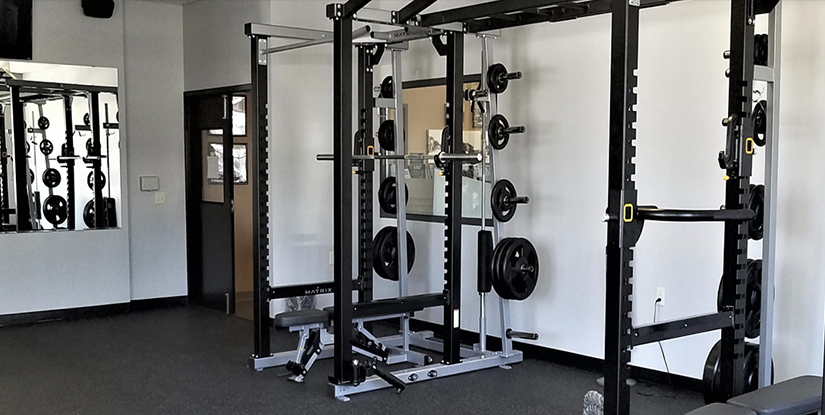
Implementing a structured maintenance schedule is essential for distributors and facility managers to protect their long-term investment. Unlike stationary units, a portable squat rack is subject to unique stresses during transport and reconfiguration, which can impact its long-term structural integrity and operational safety.
In high-traffic commercial gym settings, even minor hardware loosening or frame misalignment can compromise safety standards. Regular inspections ensure that mobile strength training equipment remains a reliable asset rather than a liability, optimizing the total cost of ownership (TCO) for your clients.
To prevent unexpected downtime and ensure the highest standards of safety, we recommend a tiered inspection protocol. This systematic approach allows facility managers to address minor wear before it escalates into structural failure or costly replacement requirements.
Recommended Inspection Frequency
| Inspection Frequency | Component Focus | Maintenance Action |
|---|---|---|
| Weekly | Bolts, Pins, and Safety Catch | Verify all connection points are tight and pins are fully seated. |
| Monthly | Mobility Wheels and Uprights | Check wheel rotation smoothness and inspect uprights for structural alignment. |
| Quarterly | Powder Coating and Surface Integrity | Inspect for scratches or rust that could compromise the metal finish. |
| Bi-Annually | Full Frame and Joint Integrity | Perform a deep audit of all load-bearing joints and structural welds. |
For distributors managing large-scale inventory, documenting these cycles provides essential proof of quality control for end-users. Maintaining a consistent log of these checks helps validate the durability of the equipment and supports long-term reliability in diverse training environments.
Prioritizing Quality Control During Sourcing
When sourcing mobile strength training equipment, procurement professionals must look beyond the initial unit price to account for long-term upkeep. High-quality manufacturing significantly reduces the frequency of required interventions, protecting your margins and reputation. To minimize the total cost of ownership, focus on specific technical benchmarks during the factory audit or sample testing phase.
A primary concern for any distributor is portable rack stability over time. Ensure the manufacturer utilizes heavy-gauge steel and high-tensile bolt tension specifications to prevent loosening during frequent reconfiguration. Furthermore, pay close attention to the powder coating durability; a resilient finish is critical to prevent oxidation and surface degradation caused by humidity or sweat exposure in commercial environments.
Finally, consider logistics-related wear as a key metric. Equipment that is frequently moved or shipped requires reinforced joints and robust mobility components to withstand the vibration and impact of transport. Expert procurement advice suggests prioritizing suppliers who provide detailed technical drawings and stress-test reports, as these indicators often correlate with a lower rate of field failures and a much longer product lifecycle.
Optimizing Procurement Budgets and Total Landed Cost
Distributors must look beyond the initial unit price when sourcing a portable squat rack to understand the true impact on profit margins. While a lower factory price may seem attractive, the total landed cost—including freight, customs, and handling—often dictates the actual ROI for commercial gym suppliers and large-scale facility managers.
Volume-based pricing is heavily influenced by the shipping volume and the physical dimensions of the disassembled components. Because these units are designed for mobility, their nested or flat-packed configurations significantly affect container utilization. When negotiating your MOQ, consider how weight considerations and volumetric weight impact your sea freight quotations. A heavier, more robust steel frame increases durability but raises shipping expenses, whereas a lighter design might reduce landed cost but require more rigorous quality control to ensure long-term stability.
Evaluating Shipping Models for Inventory Optimization
Selecting the appropriate logistics strategy depends on your current inventory turnover and the urgency of your facility expansion. Balancing the speed of delivery against the cost-efficiency of bulk movement is a critical decision for distributors managing mobile strength training equipment.
| Shipping Method | Primary Advantage | Typical Use Case | Cost Impact |
|---|---|---|---|
| Air Freight | Maximum Speed | Urgent replenishment of small batches or high-end accessories. | Highest cost per unit; impacts margins significantly. |
| LCL (Less than Container Load) | Flexibility | Testing new product lines or mid-sized distributor restocks. | Moderate; higher risk of handling damage during transshipment. |
| FCL (Full Container Load) | Maximum Efficiency | Large-scale facility builds or seasonal warehouse replenishment. | Lowest landed cost through optimized volume utilization. |
For long-term inventory management, sea freight remains the standard for high-volume orders. To achieve the best results, coordinate with your supplier to ensure the portable squat rack components are optimized for container loading. Utilizing FCL for heavy steel structures minimizes the per-unit cost and reduces the logistical complexity often associated with multiple LCL shipments.
Mitigating Hidden Costs in Transit and Quality Assurance
Beyond freight rates, procurement professionals must account for the risk of structural compromise during long-distance transit. A failure in packaging durability can lead to micro-fractures or bent uprights, which directly compromises portable rack stability once assembled in a commercial setting. Such defects often go unnoticed until the product is fully deployed, leading to expensive returns and damaged reputations.
To prevent these losses, prioritize suppliers who implement rigorous quality control (QC) protocols specifically for export-grade orders. This includes verifying the integrity of protective corner guards and reinforced edge protection for all steel components. Implementing a strict damage prevention standard—such as double-walled corrugated boxing or custom palletization—is a necessary investment. While these measures may slightly increase the initial unit cost, they significantly lower the long-term expense associated with replacing defective inventory and ensure the equipment meets the structural expectations of professional strength training environments.