How to Choose the Best Space Saving Squat Rack for Home
Optimizing Inventory Value Through Compact Strength Solutions
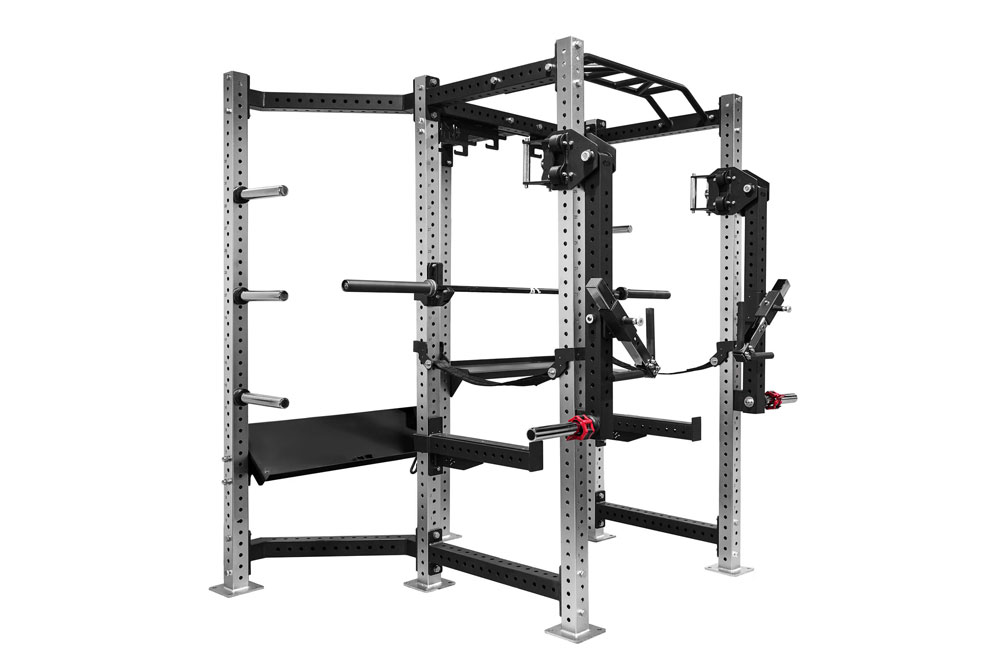
A high-quality best space saving squat rack is a specialized piece of strength equipment designed to maximize vertical utility while minimizing floor footprint. B2B buyers and distributors prioritize these units because they cater to the surging residential fitness market, offering high-margin, versatile solutions for limited-square-footage environments.
When sourcing compact home gym equipment, it is easy to fall into the trap of prioritizing low upfront costs over structural integrity. However, professional procurement logic dictates that you must weigh long-term durability vs. initial cost. A cheaper, lightweight frame may offer a lower entry price, but it often fails to withstand heavy progressive loading, leading to high return rates and diminished brand reputation.
Investing in premium, heavy-duty steel constructions ensures that the equipment remains a stable fixture in a home gym for years. For distributors, selecting products with superior weld quality and reinforced uprights means fewer warranty claims and higher customer satisfaction. True value lies in the ability to provide a product that balances a small footprint with the ruggedness required for serious strength training.
Understanding the price-to-utility ratio is essential when building a catalog of small space strength training solutions. While a basic rack might seem cost-effective, the true expense often lies in the lack of versatility or the inability to scale with the user. To help you evaluate your procurement strategy, we have categorized common options based on their functional value and market positioning.
The following comparison illustrates how different configurations impact both the user's investment and the available floor area. For instance, while foldable squat racks offer the highest level of space adaptability, they often require a higher manufacturing standard to ensure the locking mechanisms remain secure under heavy loads.
| Equipment Type | Space Efficiency | Price Tier | Best For |
|---|---|---|---|
| Wall-Mounted Racks | Extreme | Low to Mid | Dedicated permanent installations |
| Foldable squat racks | High | Mid to High | Multi-purpose rooms/Limited square footage |
| Compact Power Cages | Moderate | High | Serious lifters requiring maximum safety |
| Adjustable Squat Stands | Moderate | Low | Entry-level home setups |
When selecting the best space saving squat rack for your inventory, consider that specialized mechanics—like folding hinges or wall-mount brackets—add value that justifies a premium price point in the consumer market.
Avoid the pitfall of equating "low price" with "high value." In the realm of professional-grade compact home gym equipment, the most significant risk is sacrificing stability for a smaller price tag. A rack that wobbles under a heavy barbell is not just a poor product; it is a liability that can damage your brand's reputation and increase your return rates.
To achieve cost-effective strength training solutions, focus on the gauge of the steel and the precision of the load-bearing components. A high-quality best space saving squat rack must prioritize quality over low price to ensure it can handle progressive overload without structural fatigue. When sourcing, look for manufacturers who emphasize high-grade steel and reinforced joints. Investing in these robust builds ensures that the functionality remains intact over years of use, providing the long-term reliability that discerning home athletes demand from their premium equipment.
The Geometry of Strength: Balancing Footprint and Stability
When sourcing compact home gym equipment, the primary challenge isn't just finding a smaller frame; it is managing the inherent tension between a reduced footprint and structural integrity. In professional strength training, weight distribution is everything. A rack that is too light or lacks a wide enough base will oscillate under heavy loads, compromising user safety. To find the best space saving squat rack, you must evaluate the stability vs. footprint ratio—the mathematical relationship between the floor space occupied and the load-bearing capacity provided.
A high-quality design uses strategic geometry rather than just smaller steel tubing to maintain rigidity. Whether you are looking for foldable squat racks or wall-mounted systems, the goal is to maximize verticality while minimizing the horizontal shadow. Below, we compare common storage and footprint configurations to help you decide which architecture fits your specific spatial constraints.
| Configuration Type | Space Efficiency | Structural Rigidity | Ideal Use Case |
|---|---|---|---|
| Wall-Mounted | Maximum (Zero Floor Footprint) | High (Fixed to Structure) | Permanent small studio setups |
| Foldable/Collapsible | High (Retractable Components) | Moderate (Joint-Dependent) | Multi-purpose residential rooms |
| Compact Free-Standing | Moderate (Fixed Base) | Very High (Self-Sustaining) | Dedicated home strength corners |
Selecting the right configuration is the cornerstone of effective small space strength training. While a wall-mounted unit offers the most dramatic footprint reduction, it requires a permanent commitment to a load-bearing structure. Conversely, foldable squat racks offer unparalleled versatility for users who need to reclaim their living space immediately after a session. If your training involves high-frequency, heavy-duty lifting, a slim-profile free-standing model may provide the necessary structural confidence without the permanence of a fixed installation.
When evaluating these options, consider your long-term spatial workflow. A foldable design is excellent for multi-use rooms, but ensure the locking mechanisms meet high-quality standards to prevent lateral movement during heavy sets. For those prioritizing maximum floor utility, the distinction between a temporary setup and a permanent installation will dictate which architectural style serves your training goals most effectively.
Preparing the Training Environment
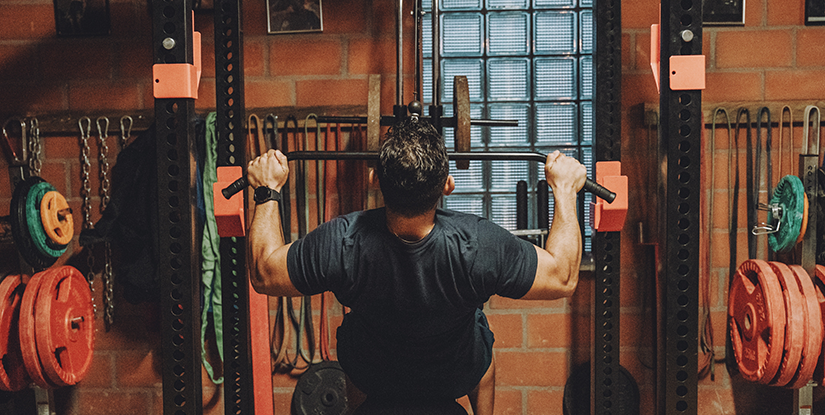
Before finalizing your purchase, you must move beyond simple dimensions and account for the dynamic environment of a live workout. Identifying the best space saving squat rack requires more than measuring a single corner; it requires mapping out functional clearance zones. You must account for the full extension of a barbell, the movement of a user stepping out of a lift, and the lateral swing of weights. A common oversight in small space strength training is failing to leave a 360-degree safety margin, which can lead to collisions with furniture or walls during heavy sets.
Furthermore, consider the physical interface between the equipment and your floor. Even the most robust compact home gym equipment requires a stable foundation to manage uneven weight distribution during eccentric movements. We recommend verifying if your setup requires floor anchoring to a structural beam or if a high-density rubber platform is sufficient to dampen vibration and prevent shifting. Neglecting these environmental variables can compromise the long-term durability of your installation and the safety of the athlete.
Evaluating Structural Integrity in Foldable Designs
When sourcing compact home gym equipment, the most significant trade-off is often stability vs. footprint. While the ability to tuck a rack away is highly desirable, a folding mechanism introduces potential points of failure that a static rack does not have. For distributors and high-end home gym builders, the priority must be the structural integrity of the locking pins and hinges. A subpar design might offer space savings, but it will fail the moment a user attempts a heavy compound movement.
To identify the best space saving squat rack, you must look beyond the aesthetics of the folding action and scrutinize the weight capacity ratings. High-quality foldable squat racks utilize reinforced steel gauges and heavy-duty industrial bolts to ensure that the transition from "folded" to "active" does not compromise safety. In professional procurement, we always advise checking the shear strength of the locking components; if the mechanism feels loose or lacks a secondary safety lock, it is not suitable for serious strength training. Reliability in these moving parts is what separates a professional-grade tool from a flimsy consumer toy.
To ensure your investment holds up under heavy loads, use this checklist to evaluate the build quality of various compact home gym equipment models. When prioritizing small space strength training, the difference between a lifelong tool and a liability lies in the manufacturing details.
| Quality Indicator | What to Look For | Why It Matters |
|---|---|---|
| Steel Gauge | Minimum 11-gauge (approx. 3mm) steel | Prevents frame deformation during heavy sets. |
| Welding Quality | Seamless, continuous MIG/TIG welds | Ensures structural unity at high-stress junctions. |
| Pivot Points | Heavy-duty bushings and precision bearings | Reduces friction and wear in foldable squat racks. |
| Hardware | Grade 8 industrial-strength bolts | Maintains rigidity during explosive movements. |
When evaluating the best space saving squat rack for a client or a premium home setup, always inspect the pivot points. In many budget models, these areas are the first to experience wobble. A high-tier manufacturer will prioritize precision-engineered components to ensure that even with a reduced footprint, the stability remains uncompromised.
Beyond the technical specifications, a tactile inspection is essential to confirm true durability. When sourcing for a professional-grade setup, do not settle for anything less than heavy-duty construction. A high-quality unit should feel remarkably rigid; any perceptible "play" or vibration in the frame when under load is a red flag. We recommend testing the resistance of the adjustment mechanisms—they should feel smooth yet incredibly firm, signaling that the stability is engineered into the core of the machine rather than being an afterthought.
Ultimately, selecting the best space saving squat rack is about viewing the purchase as a long-term investment rather than a temporary solution. While cheaper, lightweight alternatives might save on initial shipping or procurement costs, they often lack the structural density required for progressive overload. By prioritizing high-gauge steel and robust mechanical locking systems, you ensure that your small space strength training environment remains both safe and functional for years to come.
Versatility and Functionality for Modern Home Gym Layouts
As urban living footprints shrink, the demand for high-performance, compact home gym equipment has surged. We have observed that the most successful home gym layouts are no longer built around a single, bulky machine, but rather around a centralized, high-utility station. Investing in the best space saving squat rack is not just about saving floor area; it is about maximizing the utility of every square inch through multi-purpose training capabilities.
A truly effective setup integrates multiple movements—such as heavy compound lifts, pull-ups, and accessory work—into a single footprint. By prioritizing versatility, users can transition from a heavy barbell session to functional mobility work without needing a warehouse-sized facility. For distributors and high-end residential clients, sourcing equipment that balances this high level of functionality with a streamlined design is the key to meeting the evolving standards of modern strength training.
When planning your layout, the primary challenge is balancing the footprint vs. stability ratio. While a smaller footprint allows for more small space strength training, you must ensure the center of gravity remains secure during heavy eccentric loads. Depending on your specific spatial constraints and training intensity, different configurations offer varying degrees of utility.
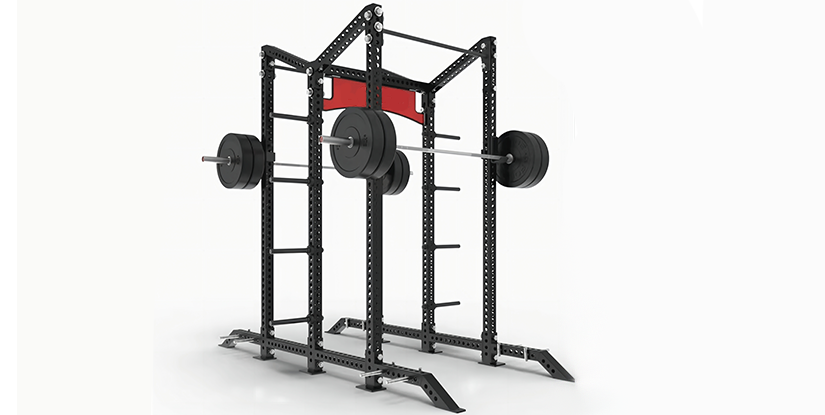
For instance, foldable squat racks are ideal for multi-use rooms where the equipment needs to be tucked away after a session. Conversely, semi-compact power racks provide a more rigid structure for those prioritizing heavy barbell movements. Use the comparison below to visualize which configuration aligns with your layout goals:
| Configuration Type | Space Efficiency | Stability Level | Best Use Case |
|---|---|---|---|
| Foldable Models | Highest | Moderate | Residential apartments/Multi-purpose rooms |
| Wall-Mounted Racks | High | High (Fixed) | Dedicated garage or small studio setups |
| Compact Power Racks | Moderate | Very High | Serious strength training with heavy loads |
Selecting the right model ensures that your compact home gym equipment serves as a long-term asset rather than a spatial hindrance.
Effective layout optimization goes beyond simply choosing a smaller piece of steel; it requires a strategic approach to your total home gym setup. To maintain high-quality functional training, you must account for the "buffer zone"—the clearance required for barbell rotation, plate loading, and safe movement. A common mistake in small space strength training is neglecting the lateral space needed for lateral raises or step-ups, which can turn a high-end station into a cramped, inefficient environment.
When calculating your required floor space, we recommend measuring not just the rack's dimensions, but the entire "active zone." This includes the reach of the barbell and the path of any accessory attachments. By integrating a well-proportioned best space saving squat rack into a thoughtful layout, you ensure that the equipment enhances your training environment rather than obstructing it. A disciplined approach to spatial planning ensures that even the most modest footprint can support a professional-grade strength regimen.
Long-Term Reliability and Maintenance of Slim-Profile Racks
When investing in small space strength training solutions, the primary concern for distributors and end-users alike is the longevity of the unit. Unlike standard commercial rigs, compact designs often face unique stress points due to their streamlined architecture. To ensure you are selecting the best space saving squat rack, you must prioritize structural stability and the caliber of raw materials used during manufacturing.
High-quality foldable squat racks should be constructed from high-grade steel with consistent wall thickness. This is critical because thinner, lower-quality tubing is more susceptible to bending under heavy loads or during repetitive movement. From a procurement standpoint, verifying the gauge of the steel ensures the equipment can withstand years of wear and tear without compromising safety. A robust frame prevents the micro-oscillations that often plague inferior compact home gym equipment, ensuring that your investment remains a reliable centerpiece of the training area for years to come.
To maintain long-term stability over time, a proactive maintenance schedule is essential. Even the highest-quality compact home gym equipment requires periodic inspection to ensure moving parts and fasteners remain secure. Neglecting these small details can lead to mechanical fatigue, which is particularly common in foldable squat racks where hinges and pivot points are frequently engaged.
We recommend a quarterly inspection routine focusing on two critical areas: bolt tightening and lubrication. Regularly checking every connection point ensures that vibrations from heavy lifting do not loosen the structural integrity. Additionally, applying a light coating of silicone-based lubricant to moving joints prevents friction-induced wear. Use the table below to gauge the expected maintenance difficulty and care requirements for different configurations.
| Rack Type | Maintenance Focus | Maintenance Difficulty | Stability Profile |
|---|---|---|---|
| Wall-Mounted Slim Racks | Wall anchor integrity | Low | Excellent (Static) |
| Foldable squat racks | Hinge lubrication & pivot bolts | Moderate | Variable (Dynamic) |
| Modular Compact Racks | Regular bolt tightening | Low | High (Static) |
Beyond mechanical upkeep, environmental control is a vital factor for achieving long-term reliability in residential settings. Because many users install compact home gym equipment in garages, basements, or multi-purpose rooms, the risk of environmental degradation is significantly higher. We advise clients to prioritize equipment with advanced powder coating to ensure effective rust prevention, especially in high-humidity zones. Controlling moisture control through dehumidifiers or proper ventilation is a simple yet effective way to protect the steel integrity of your best space saving squat rack.
Finally, consider the long-term impact of weight distribution on your flooring and the rack’s foundation. Whether using a wall-mounted or freestanding model, ensuring the load is evenly distributed prevents uneven settling that can lead to structural misalignment. By managing both the physical load and the surrounding environment, you ensure your small space strength training setup remains a durable, high-performance asset.
Strategic Sourcing for High-Demand Small Space Equipment
When sourcing for a residential or boutique studio market, the primary concern is often the durability vs. initial cost dilemma. While entry-level models may seem attractive, investing in the best space saving squat rack ensures that the equipment remains a functional asset rather than a liability. High-quality construction prevents the structural fatigue often seen in low-grade alternatives, which is critical when users are performing heavy compound lifts in confined areas.
Furthermore, the versatility of use acts as a significant multiplier for your return on investment. A premium, compact home gym equipment solution is rarely limited to a single movement; it often serves as a multi-functional station for presses, pull-ups, and accessory work. By prioritizing robust engineering and high-grade steel, distributors and retailers can offer products that withstand years of high-frequency use. This long-term reliability builds brand trust and reduces the overhead associated with frequent replacements or warranty claims, making high-spec small space strength training gear a smarter strategic procurement choice.
To maximize your procurement ROI, you must categorize your inventory based on the specific spatial constraints and user profiles your clients demand. Not every buyer requires a heavy-duty power rack; many are looking for high-efficiency, foldable squat racks that can be stowed away to reclaim floor space. Understanding these distinctions allows you to stock the right mix of products that satisfy both the minimalist enthusiast and the serious home lifter.
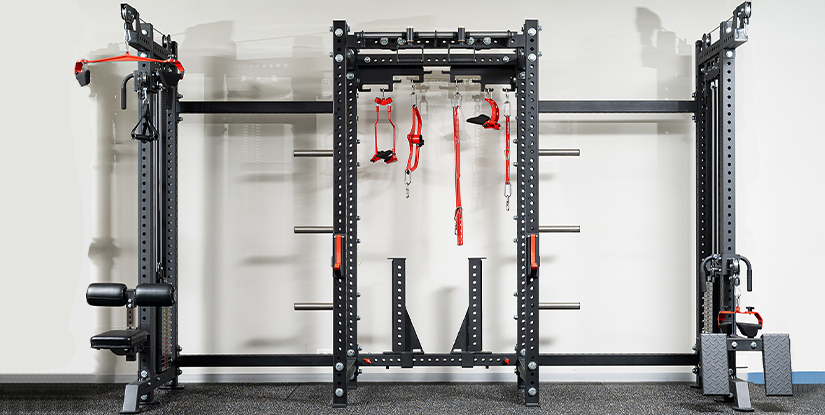
Use the following framework to evaluate different configurations of small space strength training solutions before finalizing your purchase orders:
| Equipment Type | Footprint | Stability | Setup Time | Ideal User |
|---|---|---|---|---|
| Foldable Squat Racks | Minimal/Stowable | Moderate | Fast | Apartment dwellers & enthusiasts |
| Wall-Mounted Racks | Very Low | High (Fixed) | Slow (Installation) | Dedicated home gym owners |
| Compact Half Racks | Medium | Very High | Instant | Serious lifters with limited space |
By aligning your inventory with these specific needs, you ensure that your selection of compact home gym equipment meets the diverse functional requirements of the modern consumer, ensuring higher turnover and long-term market relevance.
Prioritizing Longevity Through Manufacturing Rigor
Beyond mere dimensions, the true value of the best space saving squat rack lies in its structural integrity over time. To secure a high return on investment, procurement professionals must look past superficial aesthetics and focus on technical quality control indicators. Reliable material integrity—specifically the gauge and grade of the steel used—is the difference between a piece of equipment that remains a stable training station and one that develops dangerous structural play under heavy loads.
When vetting suppliers, ensure that the manufacturing processes adhere to recognized safety standards. High-quality foldable squat racks require precision in their pivot points and locking mechanisms; any deviation in tolerances can compromise the entire unit's stability. By prioritizing manufacturers that demonstrate consistent quality control and use high-tensile components, you transition from simply buying inventory to acquiring a long-term value asset. This rigorous approach to sourcing compact home gym equipment minimizes the risk of product recalls and protects your reputation for providing safe, professional-grade small space strength training solutions.
Implementation checklist for buyers
To ensure a high return on investment, you must look beyond the aesthetic of compact home gym equipment and focus on the technical specifications that guarantee longevity. A common mistake is prioritizing a smaller footprint at the expense of structural integrity, which leads to premature equipment failure and diminished value.
Before finalizing your procurement, use this professional checklist to evaluate potential units:
- Footprint vs. Stability: Measure your available floor space, but always add a 2-foot buffer. A best space saving squat rack must maintain a wide enough base to prevent wobbling during heavy lifts.
- Weight Capacity: Do not settle for entry-level limits. Ensure the steel gauge and welding quality can handle your projected maximum load plus a safety margin.
- Barbell Clearance: Verify the distance between the uprights and any surrounding walls or foldable squat racks to ensure unobstructed small space strength training.
- Movement Range: Check that the J-cups and safety bars provide sufficient clearance for barbell movement throughout your entire lifting arc.
Investing in a high-spec unit now prevents the high cost of replacing substandard gear later.
To help you visualize which configuration offers the highest utility for your specific environment, we have categorized the most common designs. Choosing the best space saving squat rack depends on whether you prioritize permanent installation or maximum flexibility.
| Design Type | Space Requirements | Primary Benefit | Ideal For |
|---|---|---|---|
| Wall-mounted options | Minimal floor footprint | Highest space efficiency | Dedicated home training corners |
| Foldable squat racks | Variable (can be tucked away) | Excellent ease of storage | Multi-purpose rooms/garages |
| Multi-functional racks | Moderate/Fixed | High utility/Versatility | Comprehensive small space strength training |
When weighing your options, consider the long-term durability of the mechanical parts. While foldable squat racks offer great versatility, ensure the folding mechanisms are heavy-duty to maintain stability during high-intensity sessions. For those with extremely limited square footage, wall-mounted options provide the most reliable way to reclaim your living space when a workout is complete.
Beyond the physical dimensions, true investment value lies in the technical build quality. When sourcing equipment for small space strength training, the temptation to opt for lighter, cheaper alternatives is high, but this often results in a low-quality cycle of frequent upgrades. To maximize your long-term ROI, prioritize high-grade steel gauge quality; a thicker gauge ensures the frame remains rigid and resistant to deformation under heavy loads over several years.
Furthermore, evaluate the potential for accessory compatibility. The best space saving squat rack is not just a standalone piece of steel, but a modular foundation. A high-quality unit should allow you to add dip stations, pull-up bars, or weight storage without needing to replace the entire structure. By selecting a model with robust long-term usability and an expandable ecosystem, you ensure that as your training intensity evolves, your equipment evolves with you, rather than becoming obsolete.