How to Choose the Best Adjustable Bench for Your Power Rack
Evaluating Long-Term Value: Bench Longevity vs. Initial Investment
Many buyers fall into the trap of prioritizing low upfront costs, only to face frequent replacements when lightweight frames fail under heavy loads. This reactive purchasing cycle is a common mistake that disrupts training consistency. Instead, a smarter sourcing approach focuses on the total cost of ownership. When searching for the best adjustable bench for power rack integration, you must view the purchase as a strategic initial investment rather than a simple expense. Selecting equipment based solely on the lowest price often results in higher costs later due to structural fatigue and mechanical failure.
To ensure true long-term value, prioritize high-grade build quality and structural integrity. A professional-grade bench should be constructed from heavy-duty steel to withstand years of high-intensity training and constant adjustments. While premium models may require a higher budget today, the durability of high-quality steel and reinforced welding provides much better home gym bench selection outcomes. Investing in robust materials minimizes maintenance needs and ensures your equipment remains a reliable staple in your strength training environment for years to come.
Understanding the relationship between price and performance is essential for a successful home gym bench selection. A budget-friendly model might suffice for light accessory work, but for heavy compound movements within a rack, the adjustable weight bench compatibility must extend to high-capacity load ratings. Choosing a low-end unit for high-frequency training often leads to increased maintenance costs and premature wear on the adjustment pins and upholstery.
To help you visualize the budget vs premium landscape, we have outlined a framework based on typical usage frequency and expected lifespan. This power rack accessory guide helps you determine where to allocate your capital effectively.
| Investment Tier | Typical Usage | Primary Material Focus | Expected Longevity |
|---|---|---|---|
| Budget-Friendly | Low (Occasional/Light) | Lightweight Steel / Thin Padding | 1–3 Years |
| Mid-Range | Moderate (Regular Training) | Standard Gauge Steel / High-Density Foam | 3–6 Years |
| Premium/Commercial | High (Daily/Heavy Loading) | Heavy-Duty Steel / Reinforced Welding | 7+ Years |
By evaluating these tiers, you can select the best adjustable bench for power rack use that aligns with your specific training intensity, ensuring your capital is spent on durability rather than frequent replacements.
Ultimately, navigating the home gym bench selection process requires a balance between immediate liquidity and long-term utility. While it is tempting to opt for the cheapest available option, we recommend viewing your purchase through the lens of a smart investment. A cost-effective choice is not the one with the lowest price tag, but the one that offers the highest utility-per-dollar over its entire lifespan. If a bench fails to match the structural integrity of your rack, the resulting downtime and replacement costs will quickly negate any initial savings.
As you finalize your power rack accessory guide checklist, prioritize brands that demonstrate consistent quality control and robust material specifications. By choosing a high-capacity, durable model now, you secure the longevity of your training setup and avoid the cycle of constant upgrading. Aim for a mid-to-high tier specification that matches your heavy lifting ambitions; this ensures your equipment remains a reliable asset rather than a recurring liability.
Optimizing Your Training Footprint with Integrated Bench Designs
When designing a high-performance training area, the primary constraint is often the available square footage. For many distributors and gym owners, the goal is to maximize utility without cluttering the floor. Selecting the best adjustable bench for power rack setups often comes down to how well the equipment manages its physical dimensions. An integrated design allows the bench to nestle closely within the rack's uprights, effectively utilizing the vertical volume rather than sprawling across the floor. This space-saving approach ensures that your home gym layout remains organized and professional, even in tighter environments.
Choosing a bench that complements your rack's dimensions reduces the total footprint of your strength station. Instead of having disconnected pieces of equipment that create tripping hazards, an integrated system streamlines movement and enhances safety. Below, we compare common storage and spatial configurations to help you decide which direction suits your procurement needs.
| Bench Configuration Type | Spatial Impact | Storage Efficiency | Best Use Case |
|---|---|---|---|
| Integrated/Nested Design | Minimal footprint | High (fits inside rack) | Compact home gyms |
| Standalone Adjustable | Large footprint | Low (requires floor space) | Large commercial facilities |
| Foldable/Wall-Mount | Variable footprint | Very High (vertical storage) | Multi-purpose studios |
By prioritizing adjustable weight bench compatibility during the sourcing process, you ensure that the equipment serves as a cohesive unit rather than a collection of disparate parts. This strategic selection is a hallmark of a well-planned power rack accessory guide, focusing on long-term spatial efficiency.
Understanding the trade-offs between these configurations is essential for effective home gym bench selection. While a standalone unit offers maximum versatility for multi-use training zones, it demands significant space requirements that may not be feasible in residential or boutique settings. Conversely, integrated models offer superior storage ease and a streamlined aesthetic, though they may limit movement outside the rack's frame.
| Configuration Type | Spatial Impact | Storage Ease | User Profile | Key Benefit |
|---|---|---|---|---|
| Integrated/Nested | Minimal/Compact | High (Internal) | Home Gym Enthusiast | Optimized Footprint |
| Standalone Unit | Expansive | Moderate (Floor) | Commercial/Pro Athlete | High Versatility |
| Foldable Design | Variable | Extreme (Vertical) | Small Studio Owner | Multi-functional Use |
Ultimately, your decision should hinge on whether your priority is absolute versatility or strict adjustable weight bench compatibility within a confined area. For professional distributors, matching the bench type to the client's specific spatial constraints is the most effective way to ensure long-term satisfaction and equipment utility.
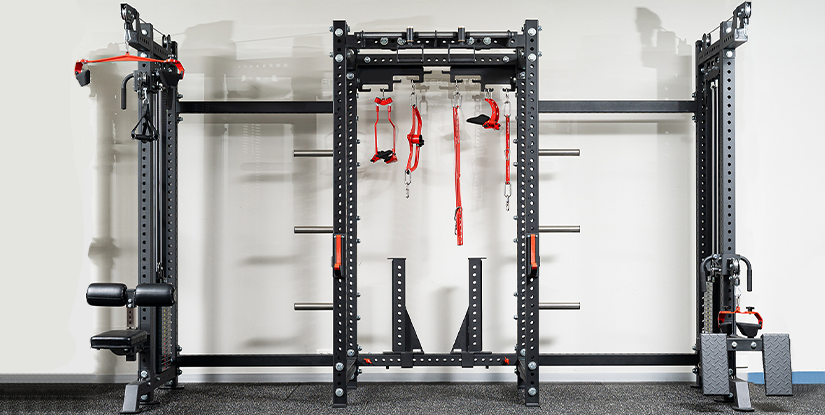
Beyond configuration styles, the most critical technical detail involves precise spatial measurements. Even the highest quality unit can fail if it lacks sufficient clearance to operate within the rack's uprights. When conducting your home gym bench selection, you must account for the full movement range of the bench—not just its static dimensions. This includes the tilt angle of the backrest, the extension of the footplate, and the thickness of the padding.
A common oversight in procurement is neglecting the safety margins required for smooth transitions. If a bench is too wide or too long, it may strike the rack's crossmembers or weight storage pegs during an incline adjustment, creating a mechanical bottleneck. As part of a comprehensive power rack accessory guide, we recommend measuring the narrowest internal points of your rack and subtracting at least 5-10 centimeters to ensure unobstructed adjustable weight bench compatibility. Verifying these tolerances during the initial sourcing phase prevents costly returns and ensures a seamless, professional training experience for the end user.
Structural Integrity and Load Capacity Standards
When sourcing high-end strength equipment, many buyers overlook the critical relationship between frame density and long-term safety. To find the best adjustable bench for power rack setups, you must look beyond aesthetics and focus on the structural integrity of the chassis. A premium bench is not just a seat; it is a precision-engineered support system designed to withstand dynamic loads during heavy compound lifts.
The primary differentiator in professional-grade manufacturing is the steel gauge used in the frame construction. High-density, heavy-duty steel ensures that the bench remains rigid under pressure, preventing the micro-oscillations that can compromise stability during a heavy bench press. When evaluating adjustable weight bench compatibility, always verify the maximum weight capacity. A robust frame construction ensures that the bench can handle both the user's body weight and the heavy barbell load simultaneously without bowing or structural fatigue, making it a reliable component in any serious strength training environment.
To streamline your procurement process, we have developed a quick-reference guide. This helps you categorize equipment based on typical training intensity and the specific frame construction requirements necessary for long-term durability. Use this power rack accessory guide to match your intended usage with the appropriate stability rating.
| Training Intensity | Typical Load Type | Frame Construction | Stability Rating |
|---|---|---|---|
| Light (General Fitness) | Low (Up to 300 lbs) | Standard 14-gauge steel | Moderate |
| Moderate (Strength Building) | Mid (300–600 lbs) | Reinforced 11-gauge steel | High |
| Heavy (Professional/Competitive) | High (600+ lbs) | Heavy-duty 7-gauge steel | Maximum |
When conducting your home gym bench selection, remember that higher load capacities often require a wider base footprint to maintain balance. Ensuring proper adjustable weight bench compatibility with your existing rack dimensions will prevent interference during complex movements.
Beyond the steel frame, the fine details of manufacturing determine the long-term durability of your equipment. When inspecting potential orders, pay close attention to the welding quality at every joint and pivot point. In a high-performance setting, even minor imperfections in the welds can lead to structural failure under repetitive stress. A professional-grade bench should feature smooth, continuous welds that integrate seamlessly with the frame to ensure maximum safety during heavy lifting sessions.
The upholstery is equally vital to the home gym bench selection process. We recommend looking for high-density foam wrapped in heavy-duty, tear-resistant vinyl. Unlike cheaper alternatives that flatten over time, high-density padding maintains its shape and provides consistent support, preventing the user from feeling the hard frame beneath them. This level of quality control ensures that the bench remains a functional, comfortable asset for years, rather than a piece of equipment that requires frequent replacement due to wear and tear.
Precision Adjustability for Diverse Training Modalities
To maintain the high performance of your equipment, mechanical upkeep is non-negotiable. When sourcing the best adjustable bench for power rack integration, buyers must look beyond initial adjustable weight bench compatibility and consider long-term operational reliability. High-frequency adjustments place significant stress on moving parts, making regular inspection a necessity for any professional or high-end home setup.
Routine maintenance protocols should prioritize the lubrication of pivot points to prevent friction-induced wear and ensure smooth transitions between angles. Additionally, we recommend checking bolt tightness across the frame and support structures every few months to counteract vibrations from heavy lifting. To ensure longevity, focus on preventing rust on adjustment pins and sliding mechanisms, as oxidation can seize these components and compromise safety. Following a strict power-rack accessory guide for maintenance ensures that your investment remains a durable asset, rather than a liability caused by neglected hardware.
Understanding the mechanical differences between adjustment mechanisms is essential for effective home gym bench selection and long-term upkeep. Different designs demand specific attention to prevent mechanical failure during heavy sets. Use the following comparison to align your maintenance schedule with your specific hardware type.
| Feature/Mechanism | Manual Pop-Pin Adjustment | Ladder (Step) Adjustment |
|---|---|---|
| Common Wear Parts | Spring-loaded pins, locking sleeves | Sliding rails, support notches |
| Inspection Frequency | Monthly (check spring tension) | Quarterly (check rail alignment) |
| Maintenance Task | Lubricate pin movement | Clean and oil sliding tracks |
| Ease of Upkeep | High (Simple part replacement) | Moderate (Requires rail cleaning) |
When evaluating the best adjustable bench for power rack use, remember that high-density training environments often require more frequent lubrication. Whether you are managing a single unit or a larger inventory, a proactive approach to hardware stability will significantly extend the lifespan of your power rack accessory guide standards and ensure consistent performance.
Preserving Upholstery and Structural Integrity
Beyond mechanical components, the longevity of your equipment relies heavily on surface care and structural vigilance. During your home gym bench selection process, it is vital to realize that even the most robust steel frame is only as good as its exterior protection. For high-end installations, cleaning upholstery is a fundamental task; we suggest using a non-abrasive, pH-neutral cleaner to prevent the cracking or peeling of synthetic leather, which often occurs due to sweat accumulation and improper chemical exposure.
Furthermore, a critical part of long-term reliability is inspecting frame alignment. Heavy, repetitive loading can occasionally cause subtle shifts in the bench geometry. Regularly checking that the frame remains square and that all adjustment notches seat perfectly ensures that you maintain weight capacity stability over time. By treating these maintenance steps as a standard operational protocol, you protect the structural integrity of the best adjustable bench for power rack setups, ensuring the gear remains safe for years of intensive training.
Sourcing High-Quality Components for Professional Setups
When building a high-performance training environment, the longevity of your investment depends entirely on the metallurgical integrity of your equipment. For serious lifters and gym owners, finding the best adjustable bench for power rack integration means looking beyond aesthetics to the core construction. A subpar bench can become a liability under heavy loads, making structural stability a non-negotiable requirement for safety.
At a professional procurement level, we recommend prioritizing benches constructed from high-tensile steel. This material ensures the heavy-duty frame can withstand repetitive high-impact use without warping or developing structural fatigue. When evaluating potential suppliers, always verify the weight capacity reliability; a truly robust bench must maintain its alignment even when adjusted to extreme angles. Investing in industrial-grade components prevents the costly downtime and safety risks associated with inferior home gym bench selection, ensuring your setup remains a reliable cornerstone of your strength training regimen for years to come.
To distinguish a professional-grade setup from a consumer-level purchase, you must examine the specific engineering tolerances of the components. A common pitfall in home gym bench selection is overlooking the gauge of the steel and the density of the padding, which directly impacts the lifespan of the unit. When sourcing, we advise buyers to demand high-spec materials that can endure the rigors of heavy lifting and frequent adjustments.
| Feature Dimension | Consumer-Grade Standard | Professional-Grade Standard |
|---|---|---|
| Steel Gauge | Thin-walled tubing (14-16 gauge) | Heavy-duty structural steel (11-12 gauge) |
| Upholstery Thickness | Thin, low-density foam | Multi-layered high-density foam |
| Maintenance Requirements | Frequent part replacement | Low-touch, high-durability design |
True adjustable weight bench compatibility isn't just about physical dimensions; it’s about the quality of the adjustment mechanism. Professional models utilize reinforced pivot points and thick upholstery thickness to prevent "bottoming out" during heavy presses. By prioritizing these industrial standards, you ensure that your power rack accessory guide checklist results in a piece of equipment that maintains its integrity under peak mechanical stress.
Beyond material thickness, the most critical phase of your power rack accessory guide involves a rigorous physical inspection of the mechanical assembly. A high-quality unit must exhibit flawless weld quality; look for smooth, continuous beads rather than jagged or porous joins, as these are primary failure points under stress. Furthermore, test the adjustment pins and levers to ensure a smooth adjustment movement. If the mechanism feels gritty or requires excessive force, it lacks the precision engineering necessary for high-frequency commercial use.
Finally, verify the stability under load by checking the footprint and base width. A premium best adjustable bench for power rack setup should remain perfectly level and motionless during uneven weight distribution. When conducting your final home gym bench selection, ensure the frame does not wobble or flex when the bench is tilted at an incline. These granular checks differentiate a durable professional asset from a transient piece of equipment.
Streamlining Your Procurement and Logistics Strategy
When scaling a fitness facility or upgrading a premium home gym, the true cost of equipment is rarely found on the initial invoice. Many buyers fall into the trap of prioritizing low upfront prices, only to face the logistical headache of frequent replacements and downtime. To secure the best adjustable bench for power rack setups, you must weigh durability vs. initial cost through the lens of total ownership lifecycle.
Investing in high-grade heavy-duty steel construction and precision engineering ensures that your equipment remains a stable asset rather than a recurring liability. High-quality build quality translates to a higher long-term value, as robust components withstand years of high-frequency mechanical adjustments without losing structural integrity. From a procurement standpoint, sourcing a single, high-caliber unit that offers seamless adjustable weight bench compatibility is far more cost-effective than cycling through budget-tier alternatives. By prioritizing manufacturing excellence during your home gym bench selection process, you mitigate the risks of mechanical failure and ensure your training environment remains both safe and professional for the long haul.
To optimize your capital expenditure, we recommend categorizing your selection based on the anticipated intensity of use. A common mistake in home gym bench selection is purchasing entry-level gear for high-volume training environments, which leads to rapid mechanical degradation and increased replacement costs.
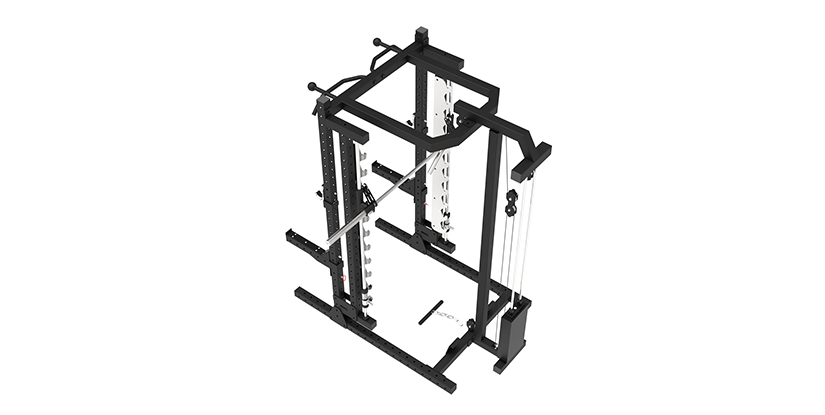
The following framework serves as a practical guide to help you determine whether a budget-friendly model or a premium investment aligns with your specific operational needs and power rack accessory guide requirements:
| Usage Frequency | Expected Lifespan | Maintenance Level | Value Proposition |
|---|---|---|---|
| Light / Occasional | 3–5 Years | Minimal | Low upfront cost for casual users |
| Moderate / Daily | 5–8 Years | Periodic Inspection | Balanced durability and price |
| High-Volume / Commercial | 10+ Years | Routine Maintenance | Maximum adjustable weight bench compatibility and longevity |
When evaluating these tiers, remember that the best adjustable bench for power rack integration is the one that maintains its structural tolerances over time. Choosing a higher-tier option may require more initial capital, but it significantly lowers the long-term cost per use by preventing premature wear and tear.
Beyond the technical specifications, the logistical execution of your order determines your ultimate ROI. Even the highest-quality equipment becomes a liability if the arrival process is poorly managed. When sourcing heavy-duty strength gear, sophisticated delivery logistics for home gyms must be part of your initial planning. Because premium benches are characterized by significant weight/dimensions, standard parcel shipping often falls short. We recommend verifying whether your supplier utilizes specialized freight services to handle the heavy steel frames typical of professional-grade gear.
A critical component of any power rack accessory guide is the consideration of assembly ease. High-density steel components are difficult to maneuver alone; therefore, choosing models with intuitive bolt patterns or modular designs can drastically reduce installation downtime. Furthermore, proactive shipping considerations—such as requesting reinforced packaging or palletized shipping—can prevent transit damage that often compromises precision adjustment mechanisms. By accounting for these physical realities during the procurement phase, you ensure that your transition from unboxing to a fully functional training station is seamless, efficient, and professional.
Vendor due diligence and specification guardrails
When sourcing high-performance equipment, the difference between a long-term asset and a liability lies in the structural specifications. For those seeking the best adjustable bench for power rack integration, superficial aesthetics are secondary to industrial-grade construction. A premium bench must feature heavy-duty steel gauge thickness—typically 11-gauge or 12-gauge steel—to prevent frame warping under heavy compound lifts. Without this structural integrity, the bench may fail to provide the necessary weight capacity stability required during high-intensity sessions.
Beyond the steel frame, the contact points demand rigorous quality standards. We recommend looking for high-density foam that maintains its shape despite repetitive heavy loading, paired with premium upholstery durability. High-grade synthetic leather or heavy-duty vinyl is essential to resist sweat and friction, ensuring the bench survives years of rigorous use. When evaluating adjustable weight bench compatibility within a power rack accessory guide, always prioritize these material benchmarks. Investing in superior builds ensures that your home gym bench selection remains a reliable cornerstone of your strength training setup for years to come.
To ensure your procurement decisions align with long-term durability, it is essential to move beyond marketing claims and examine the technical composition of the unit. A reliable home gym bench selection should be judged by its ability to withstand both static weight and dynamic movement. A common pitfall is selecting a bench based solely on a high nominal weight limit without verifying the actual construction density or the quality of the adjustment mechanisms.
Use the following framework to evaluate the build quality and adjustable weight bench compatibility during your vetting process:
| Feature Dimension | Standard Commercial Grade | Entry-Level/Residential Grade |
|---|---|---|
| Frame Construction | 11-12 Gauge Heavy-Duty Steel | 14-16 Gauge Thin-Wall Steel |
| Padding Density | High-Density, Non-Compression Foam | Low-Density, Soft Foam |
| Weight Limit vs. Usage | High Static/Dynamic Load Capacity | Low Static Load Capacity |
| Adjustment Mechanism | Reinforced Steel Pins/Pop-Pins | Lightweight Plastic/Thin Metal |
When consulting a power rack accessory guide, always confirm that the bench footprint and height are optimized for your specific rack dimensions. This ensures that the best adjustable bench for power rack setups provides a seamless transition between exercises without compromising your safety or the equipment's structural lifespan.
Beyond the internal frame, the external finish and assembly precision serve as the final indicators of a manufacturer's capability. A high-quality home gym bench selection should feature a professional-grade powder coating quality that is resistant to chipping, oxidation, and chemical cleaners. This layer is not merely aesthetic; it protects the steel from the corrosive effects of sweat and humidity in high-traffic environments. Furthermore, examine the welding precision at every joint. Seamless, smooth-beaded welds are non-negotiable, as jagged or uneven welding can indicate poor structural integrity and potential failure points under heavy loads.
Finally, do not overlook the importance of heavy-duty hardware. The bolts, pins, and adjustment notches used in the best adjustable bench for power rack configurations must be made of high-tensile steel rather than cheap alloys. In any comprehensive power rack accessory guide, the reliability of these moving parts is paramount. A bench that relies on thin-walled hardware or weak adjustment mechanisms will quickly become a safety hazard, regardless of how thick the main frame steel may be. Prioritize vendors who demonstrate strict quality control over these granular mechanical components.