Quality Control Standards for Wall Mounted Surfboard Racks
Evaluating Lifecycle Costs of Vertical vs. Horizontal Storage
A wall mounted surfboard rack is a specialized storage solution designed to optimize floor space in coastal resorts, surf schools, and retail environments. B2B buyers prioritize these systems to maximize facility layout efficiency, protect high-value inventory, and reduce long-term operational overhead through durable mounting hardware.
Total Cost of Ownership: Configuration Comparison
When sourcing commercial surfboard storage systems, the initial purchase price often obscures the true cost of ownership. Buyers must weigh the footprint of the installation against long-term maintenance and the potential for structural fatigue. Vertical configurations generally offer higher density, whereas horizontal setups may provide easier access for high-turnover retail environments.
| Configuration Type | Primary Benefit | Maintenance Profile | TCO Factor |
|---|---|---|---|
| Vertical Mount | Minimal floor footprint | Low; infrequent adjustments | Lower long-term cost via space optimization |
| Horizontal Mount | Easier board retrieval | Moderate; more contact points | Higher potential for surface wear/maintenance |
Selecting the correct configuration depends on your specific facility layout and the expected frequency of board movement. While vertical mounting maximizes usable square footage, horizontal systems may be preferable in high-traffic areas where rapid turnover is critical to daily operations.
To accurately project ROI, procurement managers should evaluate technical specifications beyond the unit price. The following comparison outlines how different mounting orientations impact facility density, structural load, and the long-term replacement frequency of your inventory.
| Metric | Vertical Orientation | Horizontal Orientation |
|---|---|---|
| Space Footprint | High density; minimal wall width required | Extensive; requires longer continuous wall runs |
| Weight Distribution | Concentrated load on lower mounting points | Distributed load across multiple support rails |
| Replacement Frequency | Lower; less surface contact with board rails | Higher; potential for friction-based wear |
| Maintenance Needs | Minimal; periodic hardware tightening | Regular; monitoring of rail alignment and padding |
For high-volume distributors or large-scale coastal resorts, vertical systems typically provide a superior return on investment by maximizing usable square footage. However, if your facility manages premium, fragile boards with high turnover, the distributed weight of a horizontal system may offer better protection against structural fatigue and long-term board damage.
Optimizing Procurement Through Manufacturing Standards
Long-term profitability depends on more than just the unit price; it requires a rigorous wholesale surf gear inspection protocol. High-quality heavy duty rack manufacturing ensures that structural integrity remains intact through multiple replacement cycles, preventing the premature failure often seen in budget-grade alternatives. When negotiating MOQ levels with overseas factories, ensure that export packaging standards are explicitly defined to mitigate transit-related damage. Investing in robust, reinforced packaging reduces the risk of arrival defects, effectively lowering the total cost of ownership by eliminating expensive return logistics and downtime for your facility.
Structural Integrity and Load-Bearing Verification for Wholesale Orders
For distributors and facility managers, the long-term ROI of commercial surfboard storage systems depends entirely on structural stability. A failure in load-bearing capacity does not just damage inventory; it creates significant liability risks in high-traffic coastal resorts or retail environments.
Prioritizing Weight Distribution and Stability
When sourcing a wall mounted surfboard rack for high-volume orders, verifying the engineering behind the mounting points is critical. High-quality manufacturing must ensure even weight distribution across the frame to prevent localized stress fractures. Unlike residential options, commercial-grade units must withstand constant loading and unloading cycles without compromising the integrity of the wall anchors or the rack itself.
Comparing Mounting Configurations and Material Specifications
Selecting the appropriate configuration requires balancing installation complexity against the expected frequency of use. Procurement officers should evaluate whether a fixed bracket or a modular rail system better serves their specific facility layout and long-term maintenance requirements.
| Configuration Type | Typical Material Thickness | Load Capacity (Est.) | Best Use Case |
|---|---|---|---|
| Single Bracket System | 2.0mm - 3.0mm Steel | Moderate / Per Unit | Boutique studios or low-density storage |
| Horizontal Rail System | 3.0mm - 5.0mm Steel | High / Distributed | Commercial resorts and high-traffic rental hubs |
| Modular Wall Track | Adjustable Profile | Variable | Retail showrooms with changing inventory |
When vetting a heavy duty rack manufacturing partner, request specific documentation regarding the gauge of the steel and the powder coating thickness. A higher gauge steel ensures the structure remains rigid under heavy longboard weight, while premium coatings prevent salt-air corrosion in coastal environments. For large-scale wholesale procurement, prioritize suppliers who provide standardized load-testing results for their rail-based systems to ensure consistent performance across all shipped units.
Critical Inspection Points for Heavy Duty Manufacturing
Rigorous wholesale surf gear inspection must extend beyond surface aesthetics to verify fundamental structural reliability. Buyers should mandate a review of weld strength at all junction points; inconsistent or porous welds often lead to catastrophic failure under sustained weight. Furthermore, verify fastener quality by ensuring all hardware is made from corrosion-resistant, high-tensile materials capable of handling constant tension. This prevents the loosening of components during routine use in humid or saline environments.
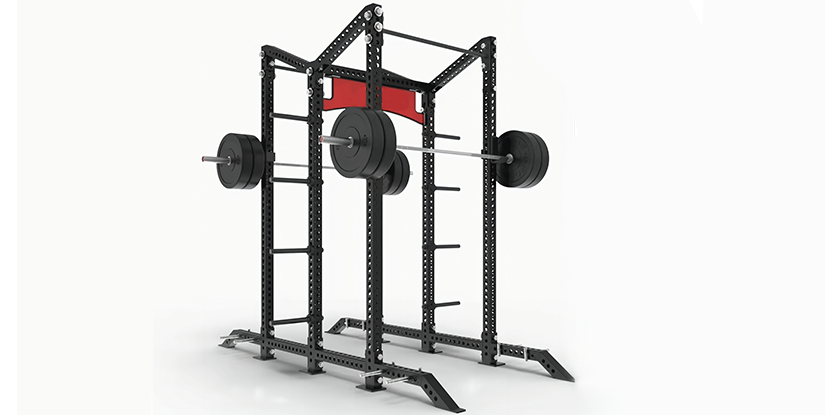
Logistics-related risks also demand attention before leaving the factory. Ensure the manufacturer employs reinforced packaging to bolster shipping vibration resistance, preventing micro-fractures in the metal or coating during long-haul transit. When negotiating MOQ considerations, confirm that higher volumes include stricter batch testing protocols. This ensures that the structural integrity of the first unit matches the last, protecting your reputation as a reliable distributor.
Material Compatibility and Surface Protection Standards
High-performance commercial surfboard storage systems must prioritize material compatibility to protect high-value inventory. A premium wall mounted surfboard rack is only as reliable as its contact points; improper materials can lead to chemical reactions that prevent resin damage and structural degradation over time.
Distributors should verify that all contact surfaces utilize high-density foam padding or non-reactive elastomers. In coastal or high-exposure environments, ensure these components possess high UV resistance to prevent cracking or brittleness. Standardizing these surface protection protocols is essential for maintaining the integrity of various board constructions, from epoxy to polyurethane, ensuring long-term durability for facility operators.
Evaluating Padding Durability and Maintenance Cycles
The choice of contact material directly dictates the total cost of ownership and the frequency of replacement for your inventory. For high-traffic commercial facilities, selecting the correct density is a critical step in heavy duty rack manufacturing oversight. While cheaper alternatives may lower initial MOQs, they often fail under the weight of heavy longboards or constant thermal fluctuations.
When sourcing, compare these common padding materials to determine which aligns with your facility's maintenance budget and environmental conditions:
| Material Type | Durability Profile | Maintenance Frequency | Cost-Efficiency |
|---|---|---|---|
| EVA Foam | High (Resistant to compression) | Low (Occasional wipe-down) | High (Best ROI for volume) |
| Neoprene | Medium (Susceptible to UV/Salt) | Moderate (Requires cleaning) | Medium (Premium feel) |
| Silicone | Extreme (Non-reactive/Heat stable) | Very Low (Highly stable) | Lower (Higher upfront cost) |
For wholesale procurement, we recommend prioritizing EVA foam for standard commercial settings due to its balance of structural resilience and ease of upkeep. If your distribution scope includes luxury resorts or high-end surf clubs, silicone-based interfaces offer the superior long-term reliability required for premium branding.
Surface Integrity and Inspection Protocols
A rigorous distributor quality check must extend beyond structural load testing to include meticulous surface scrutiny. When conducting wholesale surf gear inspection, buyers should inspect the contact zones for any signs of texture inconsistency or micro-abrasions. Even minor manufacturing defects in the padding can cause permanent scarring on high-end board skins.
Furthermore, verify chemical stability by ensuring no residual industrial lubricants or unreacted resins remain on the surfaces. These hidden contaminants can degrade board coatings over time. Establishing these strict standards during the procurement phase ensures long-term maintenance remains minimal, protecting both the hardware and the premium inventory it supports.
Optimizing Facility Footprint with Commercial Surfboard Storage Systems
Efficient facility layout relies heavily on maximizing vertical space optimization to keep floor areas clear for high-traffic movement. For distributors and venue operators, implementing a professional wall mounted surfboard rack is a strategic move to transition from bulky floor stacks to streamlined, vertical storage solutions.
In high-traffic environments like surf resorts or coastal fitness clubs, floor-based storage often creates navigation bottlenecks and increases the risk of equipment damage. By integrating high-quality commercial surfboard storage systems, procurement managers can reclaim valuable square footage, ensuring that the facility remains organized and accessible even during peak operational hours.
Selecting the correct configuration requires balancing vertical clearance against the available wall length. Procurement decisions should be driven by the specific volume of inventory and the ceiling height of the facility to ensure the chosen system does not impede overhead lighting or ventilation systems.
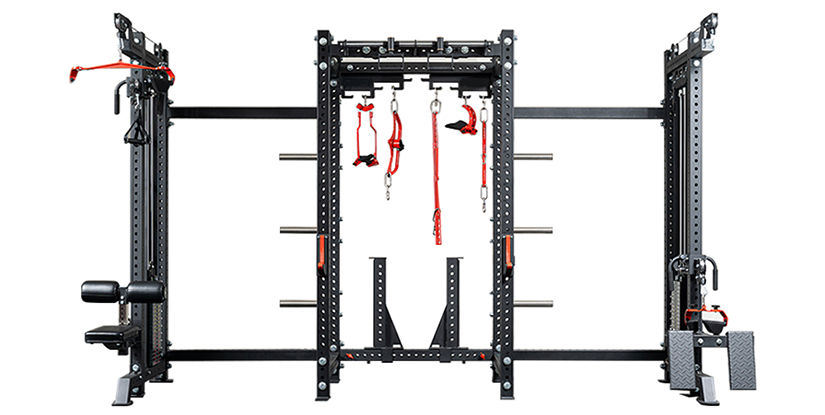
Configuration Comparison for Spatial Efficiency
| System Type | Footprint Impact | Capacity Ratio | Installation Complexity |
|---|---|---|---|
| Single-Tier | Minimal (Low profile) | Low (1:1 ratio) | Low (Standard mounting) |
| Multi-Tier | Moderate (Vertical depth) | High (Stacking capability) | Medium (Requires structural support) |
| Modular Systems | Highly Adaptable | Variable (Scalable) | High (Customizable layout) |
When sourcing for high-volume venues, prioritize heavy duty rack manufacturing standards that support multi-tier configurations. While modular systems offer the highest degree of flexibility for expanding inventories, they often require more rigorous quality control during the initial procurement phase to ensure all components remain compatible as the system grows.
During wholesale surf gear inspection, B2B buyers must look beyond simple dimensions to evaluate true modularity. A high-quality system should allow for incremental expansion without requiring a complete hardware overhaul. This adaptability is critical for distributors managing clients with fluctuating seasonal inventory needs.
Furthermore, ensure the load-bearing stability of the mounting points matches the vertical density of the configuration. A robust wall mounted surfboard rack must maintain structural integrity even when the upper tiers are fully loaded. For long-term durability, verify that the bracket-to-wall interface is engineered for heavy-duty commercial use, preventing sagging or misalignment that could compromise the footprint optimization of the entire facility.
Manufacturing Oversight and Heavy Duty Rack Manufacturing Protocols
High-traffic coastal resorts and surf clubs require commercial surfboard storage systems that can withstand constant mechanical stress. Relying on substandard fabrication leads to catastrophic structural failure, making rigorous heavy duty rack manufacturing protocols essential for long-term facility safety.
Prioritizing Structural Integrity and Load-Bearing Capacity
A premium wall mounted surfboard rack must undergo strict testing to validate its load-bearing capacity under repetitive use. Buyers should verify that the manufacturer utilizes high-grade steel or reinforced aluminum to ensure the structural integrity of the mounting points. Without standardized stress testing during the production phase, even high-quality materials can fail under the weight of multiple heavy longboards, leading to costly replacement cycles and potential liability issues for distributors.
Technical Specifications for Material Durability
To ensure long-term durability in humid or salt-heavy environments, procurement managers must look beyond basic aesthetics. A high-quality wall mounted surfboard rack requires specific metallurgical standards to prevent oxidation and structural fatigue. During your wholesale surf gear inspection, verify that the factory adheres to the following technical benchmarks for metal thickness and protective coatings.
| Feature | Standard Commercial Grade | Premium Heavy-Duty Specification |
|---|---|---|
| Welding Technique | Standard MIG Welding | Full-Penetration TIG Welding |
| Powder Coating Thickness | 60–80 Microns | 100+ Microns (High Corrosion Resistance) |
| Steel/Aluminum Gauge | 14-16 Gauge | 12-14 Gauge (Enhanced Rigidity) |
The difference in these specifications directly impacts the total cost of ownership. While lower-gauge metals may reduce initial shipping costs, they lack the necessary corrosion resistance for coastal commercial settings. Prioritize suppliers who provide detailed material certifications to ensure your inventory meets the rigorous demands of professional surf facilities.
Optimizing Logistics and Export Packaging Standards
The durability of a wall mounted surfboard rack is moot if the product arrives with structural deformities or cosmetic damage. For distributors, shipping damage prevention is a critical component of managing the Total Cost of Ownership (TCO). High-quality manufacturers must implement rigorous export packaging standards that account for the unique geometry and weight distribution of these storage units.
When negotiating bulk orders, clarify the specific packaging protocols used for international transit. Reliable suppliers utilize reinforced corrugated outer cartons and internal dividers to ensure bulk shipment stability. This prevents metal components from shifting or scratching during ocean freight. Furthermore, when evaluating Minimum Order Quantity (MOQ) considerations, ensure that the manufacturer’s quality control (QC) process includes a final pre-shipment inspection of the packaging integrity itself. Investing in superior crating and protective layering may slightly increase upfront freight costs, but it significantly reduces the risk of costly returns and damaged-on-arrival claims for your distribution business.
Securing Inventory Integrity via Export-Grade Packaging
For distributors and facility managers, the risk of receiving damaged inventory is a significant logistical headache. High-quality commercial surfboard storage systems require more than just standard cardboard; they demand rigorous export packaging standards to survive the rigors of ocean freight and multi-modal transport. Without specialized protection, even the most durable wall mounted surfboard rack can suffer from structural deformation or unsightly surface scratches during transit.
Effective transit damage prevention involves a multi-layered approach. We recommend verifying that your supplier utilizes reinforced corrugated cartons, corner protectors, and high-density foam inserts. These elements work together to stabilize the frame and shield sensitive mounting surfaces from impact, ensuring your stock arrives at your warehouse in showroom condition, ready for immediate commercial deployment.
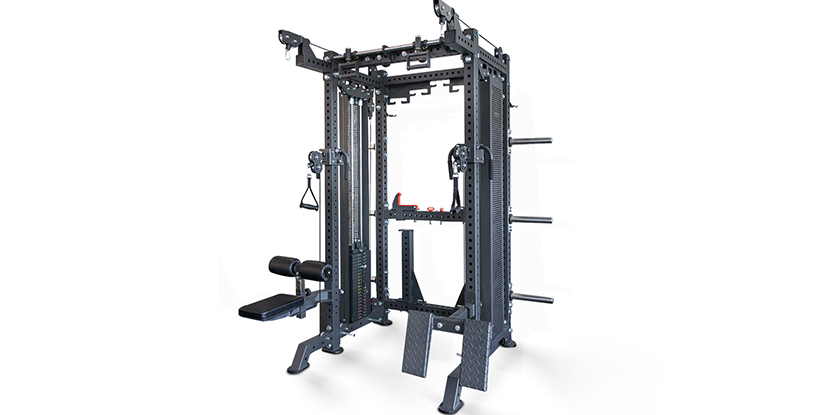
Evaluating Packaging Configurations for Bulk Shipments
When conducting wholesale surf gear inspection, procurement managers must distinguish between domestic shipping methods and professional export configurations. A failure to specify the correct protection level can lead to significant loss of margin due to transit-related defects. Relying on a manufacturer's standard packaging for international ocean freight often results in compromised structural integrity for heavy duty rack manufacturing products.
| Packaging Type | Protection Level | Ideal Use Case |
|---|---|---|
| Standard Retail | Basic (Single Wall) | Domestic courier or small local deliveries. |
| Bulk Export Grade | Enhanced (Double/Triple Wall) | Standard ocean freight and regional distribution. |
| Premium Industrial | Maximum (Palletized + Shrink Wrap) | High-volume B2B shipments and long-distance maritime transit. |
To mitigate risk, ensure your purchase orders explicitly require reinforced corner guards and internal bracing. This level of detail during the sourcing phase guarantees that your inventory remains stable, protecting the long-term ROI of your commercial hardware assets.
Streamlining Incoming Inspection and Sea Freight Protocols
Upon arrival, procurement teams should execute a systematic damage assessment before signing off on sea freight deliveries. Regardless of your MOQ, do not rely solely on visual exterior checks. Open a sample of the container loading units to inspect for internal shifting or moisture ingress that may have bypassed the outer packaging.
A professional inspection checklist for incoming stock should prioritize three critical areas: structural alignment of the mounting brackets, surface finish integrity, and hardware completeness. Verifying that the internal bracing remains intact ensures that every wall mounted surfboard rack meets the structural standards required for high-traffic commercial environments without the need for costly returns or replacements.
Sourcing Strategies for High-Volume Inventory and MOQ Management
Optimizing the procurement of commercial surfboard storage systems requires a calculated balance between initial capital outlay and long-term distributor profitability. For large-scale distributors, the relationship between MOQ and inventory turnover serves as the primary lever for maximizing returns on investment.
Balancing Scale and Liquidity
Securing a scale of economy through higher volume orders can significantly lower the per-unit landed cost, yet over-leveraging capital in stagnant stock can stifle liquidity. Effective procurement managers evaluate the MOQ not just as a purchase threshold, but as a strategic tool to optimize inventory turnover rates. By aligning order volumes with seasonal demand cycles, distributors can maintain a lean supply chain while ensuring high-demand wall mounted surfboard rack units remain readily available for facility renovations and retail replenishment.
Choosing the correct procurement channel directly impacts your margin and risk exposure. Depending on whether your priority is lowest possible unit cost or simplified logistics, your selection between direct manufacturing and local distribution will dictate your operational overhead.
| Sourcing Model | Cost-per-Unit Efficiency | Lead Times | Quality Control Oversight | Ideal For |
|---|---|---|---|---|
| Direct Factory | Highest (High Volume) | Long (Production + Sea Freight) | Direct inspection at source | Large-scale distributors |
| Trading Company | Moderate | Medium | Third-party or agent-led | Mid-sized retailers |
| Local Wholesaler | Lower (Premium Pricing) | Short (Domestic Shipping) | Standardized/Pre-vetted | Boutique studios & gyms |
When prioritizing heavy duty rack manufacturing, direct factory sourcing offers the most control over structural integrity and custom coatings. However, this requires a higher tolerance for longer lead times and more rigorous wholesale surf gear inspection protocols to mitigate the lack of local recourse. Conversely, local wholesalers reduce logistical complexity but often pass the cost of quality assurance and storage onto the buyer, resulting in a higher landed cost per unit.
Protecting Margins Through Logistics Integrity
High-volume procurement of a wall mounted surfboard rack is only profitable if the product arrives in factory-new condition. Unforeseen transit damage can instantly erode the savings gained from bulk discounts. To protect your long-term ROI, prioritize suppliers who demonstrate rigorous export packaging standards tailored for ocean freight and heavy-duty handling.
A robust bulk order quality assurance framework must extend beyond the factory floor and into the container. Effective shipping damage prevention involves more than just standard cardboard; it requires reinforced corner protectors, moisture-resistant wrapping, and standardized palletization to prevent shifting. Without a strict wholesale surf gear inspection that includes a pre-loading verification of packaging durability, distributors risk high return rates and dissatisfied commercial clients due to structural or cosmetic defects upon arrival.