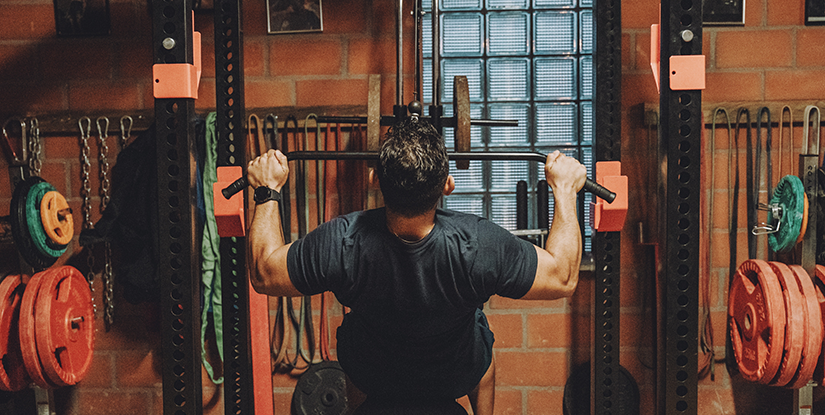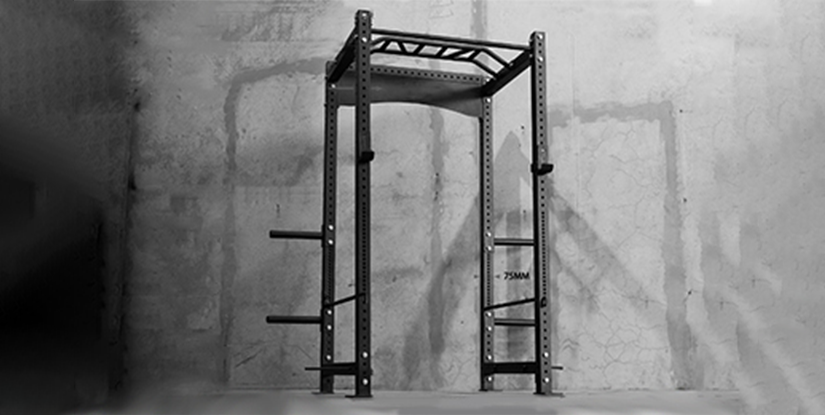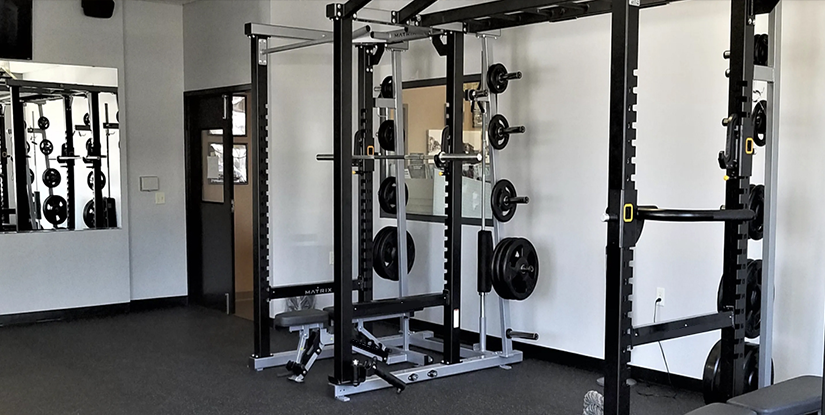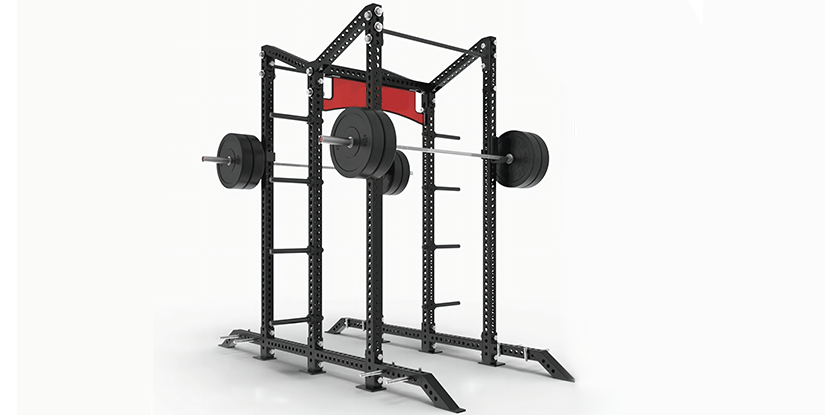
How to Choose the Best Weight Half Rack for Your Home Gym
Optimizing Inventory Mix and SKU Profitability
Whether you are outfitting a high-end boutique studio or scaling a localized fitness franchise, your procurement strategy must balance immediate capital expenditure against long-term asset utility. For many distributors and gym owners, finding the best weight half rack involves more than just a low entry price; it requires understanding the tiering of strength equipment. While a basic home gym power rack serves the casual enthusiast, commercial-grade models offer a higher value-to-durability ratio that justifies a larger upfront investment through extended lifespans and lower replacement frequencies.
Navigating the spectrum between budget-friendly vs premium options is essential for maintaining healthy margins and customer satisfaction. Lower-tier models often utilize thinner steel gauges or lighter-duty hardware, which may suffice for residential use but fail under rigorous commercial cycles. Conversely, premium configurations offer superior stability and modularity. By strategically diversifying your inventory to include both high-volume entry-level units and high-performance professional models, you ensure that your clients find the exact fit for their specific training intensity and spatial constraints.
To simplify your procurement decision-making, we have categorized the market into three distinct tiers. This helps you align your purchasing budget with the actual performance requirements of your end-users, ensuring you select the best weight half rack for their specific environment.
| Price Bracket | Key Features | Ideal User Type |
|---|---|---|
| Entry-Level | Standard 11-gauge steel, basic J-cups, limited modularity | Residential enthusiasts & casual home users |
| Mid-Range | Heavy-duty 11-gauge steel, integrated pull-up bars, increased footprint stability | Semi-commercial studios & serious fitness hobbyists |
| Professional-Grade | High-gauge steel, premium knurling, advanced strength training equipment guide compliance, full modularity | Commercial gyms & high-traffic training facilities |
Understanding these half rack benefits allows you to better manage client expectations. While the entry-level tier offers a lower barrier to entry, the professional-grade tier provides the long-term structural integrity required for heavy-duty, high-frequency training cycles.
When evaluating the total cost of ownership, the cheapest option is rarely the most economical. A common pitfall in procurement is focusing solely on the initial invoice rather than the lifecycle of the equipment. In our strength training equipment guide, we emphasize that a high-quality unit functions as a long-term investment rather than a recurring expense. Choosing a mid-to-high tier model helps in avoiding frequent upgrades or premature replacements caused by structural fatigue or component failure.
The true half rack benefits lie in their ability to evolve with a user's strength progression. A rack built with high-gauge steel and reinforced welding allows for the seamless addition of attachments—such as dip stations, landmines, or weight storage—without compromising the frame's integrity. By prioritizing versatility and build quality during the sourcing phase, buyers ensure their equipment remains a functional centerpiece of the gym for years, rather than an obsolete piece of hardware that requires replacement after a single season of heavy lifting.
Evaluating Footprint and Spatial Efficiency for Residential Layouts
When planning a high-end residential strength station, the most critical decision involves the physical footprint of your equipment. While a home gym power rack offers maximum structural support and 360-degree safety, it often occupies a significant volume of cubic space, which can feel restrictive in smaller layouts. In contrast, choosing the best weight half rack allows for a more streamlined installation. By eliminating the rear uprights, you gain a much larger movement radius, providing essential clearance for lateral exercises or accessory attachments without feeling boxed in.
For distributors and premium home-gym builders, understanding these spatial half rack benefits is essential for meeting client demands for both functionality and aesthetics. A half rack provides the necessary stability for heavy compound lifts while maintaining an open, breathable environment.
| Equipment Type | Floor Space Demand | Access & Clearance | Storage Capability |
|---|---|---|---|
| Full Power Rack | High (Requires deep footprint) | Limited (Enclosed feel) | High (Integrated plate pegs) |
| Best Weight Half Rack | Moderate (Optimized layout) | Excellent (Open movement) | Versatile (Side-mount options) |
| Squat Stand | Low (Minimalist setup) | Maximum (Unrestricted) | Basic (Limited attachment points) |
When calculating the necessary dimensions for a residential installation, do not simply measure the base of the unit. A professional strength training equipment guide must emphasize the "buffer zone"—the empty floor space required for barbell rotation, plate loading, and safe exit paths. A standard half rack typically requires a depth of 4 to 5 feet, but you must account for an additional 3 to 4 feet of longitudinal clearance to allow for a standard Olympic barbell to rotate freely during bench presses or rows.
Prioritizing accessibility ensures that the user can transition between different movements without bumping into walls or other furniture. For those working with limited square footage, the half rack benefits become even more apparent; the open-back design facilitates better airflow and makes the room feel less congested compared to a full cage. This spatial efficiency is a major selling point for high-end residential projects where maintaining a sense of luxury and openness is just as important as the heavy-duty steel construction.
Beyond the immediate footprint, successful placement within a residential layout depends on understanding weight distribution and structural safety. Even with a compact design, a heavy-duty unit creates significant downward pressure. We recommend placing the rack on a level, reinforced surface—ideally over high-density rubber flooring—to mitigate vibration and protect the subfloor. This setup ensures the best weight half rack remains perfectly plumb, which is vital for maintaining the long-term integrity of the uprights during heavy eccentric loading.
Furthermore, always establish a strict safety buffer around the training station. This isn't just about the barbell's length; it involves creating a dedicated zone that accounts for the user's natural movement and potential plate loading. By integrating the rack into a corner or against a structural wall, you can maximize spatial efficiency while ensuring that any dropped weights or lateral movements remain contained. This thoughtful approach to placement elevates a standard setup into a professional-grade, safe, and highly functional home training environment.
Structural Integrity and Load-Bearing Standards
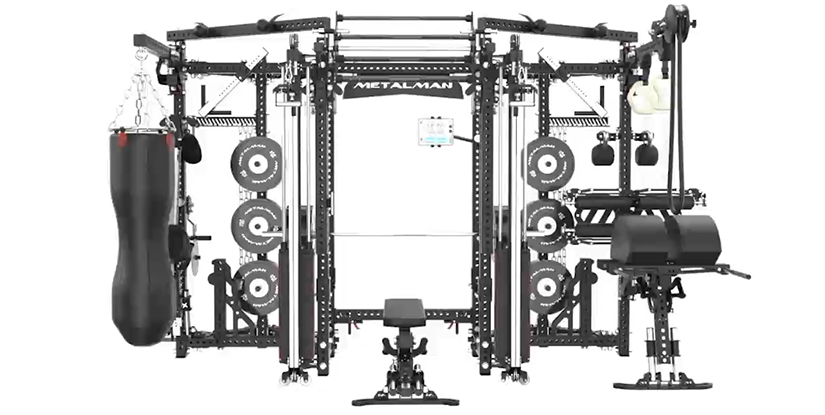
When sourcing equipment for a high-performance setup, the most critical factor is the underlying engineering. To find the best weight half rack, you must look beyond aesthetics and examine the metallurgical specifications. A premium unit relies on high-grade heavy-duty construction to ensure it can withstand years of intense mechanical stress without warping or bending.
The primary differentiator in professional-grade equipment is the steel gauge. While many entry-level models use thinner, lightweight tubing, a reliable station requires thicker steel walls to maintain structural stability under heavy barbell loads. For those building a serious home gym, we recommend prioritizing 11-gauge or 12-gauge steel. This thickness is essential for preventing frame fatigue during heavy compound lifts. Investing in a frame with superior thickness ensures that your strength training equipment guide leads you toward a piece that remains rigid and safe, regardless of how much weight you add to the bar over time.
To help you make an informed decision, we have categorized the industry standards into two distinct tiers. Understanding these specifications is vital when evaluating the long-term value and safety of your home gym power rack. A common mistake is assuming all steel tubing is created equal; however, the difference in gauge significantly impacts the lifespan of the equipment.
| Specification Tier | Steel Thickness (Gauge) | Typical Weight Capacity | Optimal Usage Scenario |
|---|---|---|---|
| Entry-Level / Light Use | 14-gauge | ~300 - 400 lbs | Casual fitness enthusiasts and limited space setups. |
| Professional / Heavy Duty | 11-gauge | ~600 - 1,000+ lbs | Serious strength athletes and high-intensity training. |
When searching for the best weight half rack, prioritizing the higher gauge ensures that your investment survives the rigors of progressive overload. While 14-gauge steel may suffice for light movement, 11-gauge steel provides the necessary half rack benefits of unyielding stability during heavy squats or presses.
Beyond the thickness of the steel, the true test of a rack's durability lies in its assembly and connection points. One of the most significant half rack benefits is the ability to provide high-intensity training in a compact footprint, but this efficiency is useless if the frame fails at the joints. We always advise checking the quality of the welding integrity. In high-end manufacturing, continuous welding techniques are used to eliminate weak spots, ensuring that every junction can handle the dynamic vibrations caused by dropping a heavy barbell.
Furthermore, pay close attention to the connection method. While some models rely solely on bolt-on connections, the best configurations utilize a hybrid approach: reinforced welding for the main structural frame and high-tensile bolts for adjustable components. This combination maximizes the load-bearing capacity and ensures long-term reliability. A rack that utilizes substandard welding or low-grade hardware may show signs of wobbling or frame fatigue after only a few months of heavy use. For a professional-grade home gym power rack, look for precision-engineered joints that maintain a rigid, unmoving stance even under maximum load.
Maximizing Long-Term Value Through Versatility
When investing in high-quality strength training equipment, the true return on investment is found in how well the unit evolves alongside your fitness journey. Selecting the best weight half rack is not just about the initial setup; it is about securing a foundation that grows with your ambitions. Unlike fixed-use machines, a premium half rack serves as a modular hub for various training modalities.
One of the primary half rack benefits is the integration of specialized attachment points. A well-engineered frame allows you to transition from basic barbell work to advanced calisthenics or accessory movements with ease. High-quality models often feature reinforced structures designed to support a heavy-duty pull-up bar, a dip station, or even landmine attachments. This inherent versatility ensures that your home gym power rack remains a functional centerpiece for years, preventing the need for frequent equipment upgrades as your training intensity increases.
To understand the true budget vs. value proposition, you must look beyond the initial price tag. A basic model may offer immediate savings, but it often lacks the accessory compatibility required for advanced training. This limitation frequently leads to "dead-end" investments where the user outgrows the equipment, necessitating a full replacement. By prioritizing long-term utility and space efficiency, you ensure your station remains relevant through various training phases.
The following comparison illustrates why investing in a more robust home gym power rack is a smarter strategic move for your long-term fitness goals:
| Feature Dimension | Basic Model (Budget Focus) | Premium Modular Model (Value Focus) |
|---|---|---|
| Accessory Integration | Limited; fixed uprights | High; compatible with landmines, dip bars, & more |
| Space Efficiency | Single-use footprint | Multi-functional; replaces multiple machines |
| Longevity | Subject to rapid obsolescence | High; evolves with your training level |
| ROI Outlook | Low; frequent replacement likely | High; sustained utility over many years |
As noted in our strength training equipment guide, selecting a unit with high expansion potential is the most effective way to protect your capital and maximize the utility of your dedicated training space.
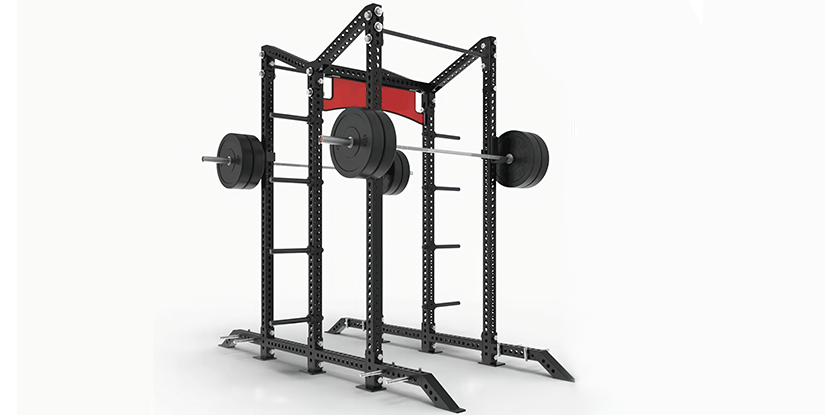
Ultimately, the distinction between a static piece of metal and a high-performance training station lies in its capacity for future-proofing. A smart home gym setup should never be a static purchase; it must be a dynamic environment that adapts to your training progression. By prioritizing modularity, you ensure that your equipment can scale from foundational movements to highly specialized strength disciplines without requiring a complete overhaul of your space.
This strategic approach to investment transforms your rack from a single-purpose tool into a lifelong strength training equipment ecosystem. Whether you are adding weight storage, specialized bars, or functional training attachments, a modular design allows for seamless expansion. When sourcing the best weight half rack, look for designs that offer diverse mounting options. This foresight ensures that as your strength increases and your routines evolve, your station remains the indispensable centerpiece of your fitness journey, providing long-term utility and unmatched value.
Material Quality and Long-Term Maintenance Requirements
When sourcing the best weight half rack, many buyers overlook the structural integrity hidden beneath the surface. High-quality strength training equipment is not just about the dimensions; it is about the caliber of the raw materials used during manufacturing. For long-term durability, the steel gauge is the most critical specification. A thicker gauge ensures the frame can withstand heavy barbell loads and high-impact use without structural fatigue or bowing over time.
Furthermore, the finish of the equipment dictates its lifespan in various home environments. We recommend prioritizing high-grade powder coating, as this provides a robust barrier against scratches and environmental wear. Superior powder coating is essential for effective rust prevention, especially in humid climates or basements where moisture levels fluctuate. Investing in these material standards ensures that your equipment remains a reliable centerpiece of your training station for years, rather than a depreciating asset that requires constant upkeep.
To help you make an informed decision, we have categorized common equipment profiles based on their expected lifecycle and upkeep needs. Understanding the relationship between a home gym power rack's build quality and its maintenance frequency is essential for long-term cost-effectiveness. While a premium, heavy-duty unit requires less frequent attention, a lower-spec model may suffer from rapid wear and tear if used excessively.
| Usage Level | Typical Environment | Maintenance Frequency | Primary Maintenance Focus |
|---|---|---|---|
| Light / Occasional | Residential Spare Room | Low (Bi-annually) | Dust removal and bolt tightening |
| Moderate / Regular | Dedicated Home Gym | Medium (Quarterly) | Lubricating moving parts and checking finish |
| High / Intense | Semi-Commercial / High-Traffic | High (Monthly) | Bearing inspection and structural integrity checks |
When evaluating the best weight half rack for your specific needs, remember that higher usage levels inevitably lead to more frequent mechanical inspections. Choosing a model with high-quality bearings and a resilient finish will significantly reduce the long-term burden of upkeep, ensuring your strength training equipment guide leads you toward a sustainable investment rather than a recurring expense.
Optimizing Lifespan Through Routine Care
To ensure the longevity of your investment, proactive care is non-negotiable. Even the highest-tier home gym power rack requires periodic attention to remain safe and functional. A vital component of any strength training equipment guide is the regular inspection of mechanical interfaces. Over time, the vibrations from heavy lifting can loosen hardware; therefore, scheduled bolt tightening is essential to prevent structural wobbling or misalignment.
Beyond structural stability, focus on the moving elements. If your setup includes adjustable components or sliding mechanisms, applying a specialized lubrication—such as a dry silicone spray—will prevent friction-induced wear and maintain smooth operation. We suggest a systematic approach: once every few months, conduct a thorough inspection of all connection points, the integrity of the powder coating, and the tension of all adjustable pins. By implementing these small, routine habits, you protect the long-term value of your equipment and ensure a safe, high-performance training environment.
Selecting the Right Configuration for Your Strength Goals
When designing a professional-grade training area, the physical dimensions of your equipment are just as critical as the steel gauge. A common mistake in residential setups is overlooking the total footprint required for safe operation. While a home gym power rack might offer maximum versatility, it often demands a larger dedicated area, which can congest a smaller room.
In contrast, choosing the best weight half rack allows for superior space optimization without sacrificing structural integrity. Because a half rack lacks the overhead crossmembers of a full cage, it provides a more open feel and a wider movement radius. This is essential for athletes performing lateral movements or those using longer barbells. When sourcing equipment, always account for the "buffer zone"—the clearance needed for weight plates to rotate and for the user to step in and out safely. Selecting a model with a streamlined profile ensures your strength station remains a functional asset rather than a spatial obstacle.
To maximize your training efficiency, you must evaluate the balance between depth vs width based on your specific floor plan. In our strength training equipment guide, we categorize configurations into two primary profiles to help you decide which fits your lifestyle.
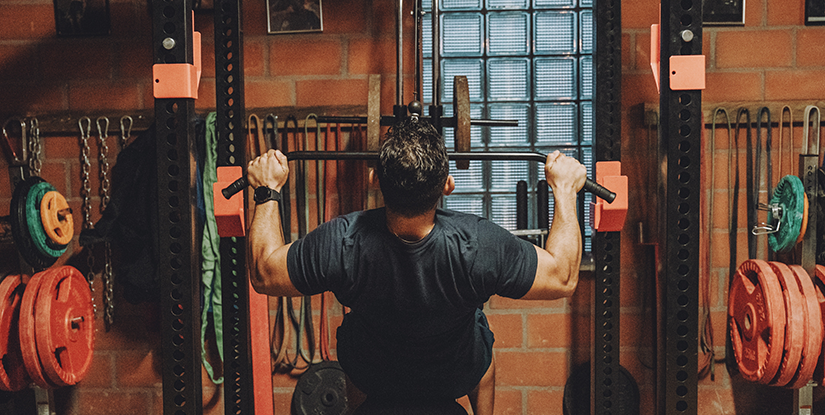
Compact vs. Extended Configurations
Standard models are designed for space-saving efficiency, typically featuring a shallower depth that makes them ideal for multi-purpose rooms or garage setups. These are perfect for users prioritizing a minimal footprint while maintaining core training versatility like bench pressing and squatting. However, if your goal is high-performance lifting, you may consider an extended model. These configurations offer increased depth to accommodate larger barbell plates and more aggressive movement patterns, though they require a larger dedicated zone.
Understanding these half rack benefits ensures you don't over-purchase equipment that exceeds your room's capacity. Whether you are sourcing a slim-profile unit for a compact studio or a heavy-duty station for a dedicated weight room, always prioritize a configuration that allows for unobstructed lateral movement and safe plate loading.
Beyond the initial dimensions, savvy buyers must weigh the long-term utility of specialized versus multi-functional setups. A single-function rack is often optimized for a specific movement, offering high equipment density in a tight area, but it can limit your future growth. Conversely, investing in a more robust, integrated station ensures higher long-term durability and adaptability as your training evolves from basic lifting to complex, versatile training routines.
The trade-off usually involves a balance between specialized precision and general utility. While a streamlined setup maximizes available square footage, a more expansive configuration provides the stability required for heavy, compound movements and diverse accessory attachments. When selecting the best weight half rack, consider whether you want a dedicated piece of hardware or a modular system that can grow with your strength goals. A well-chosen configuration should not only fit your current room but also accommodate the increased movement radius and plate storage needs that naturally arise as your strength levels progress.
Lifecycle maintenance planning for busy facilities
Investing in the best weight half rack is only the first step toward a long-term strength training solution. For high-use environments, structural integrity is not a "set and forget" feature; it is a result of consistent upkeep. Without a proactive approach, even the highest-quality steel can succumb to the stresses of heavy loading and repetitive movement.
To preserve the stability of your equipment, we recommend implementing a routine inspection every three to six months. This process should focus on two critical areas: bolt tightening and lubrication. Over time, the vibration from heavy lifting can loosen fasteners, potentially compromising the frame's alignment. Regularly checking every connection point ensures the rack remains a rigid, safe station for heavy compound lifts.
Additionally, keep an eye out for subtle signs of wear and tear, such as friction marks on the uprights or slight play in the J-cups. Addressing these minor issues early prevents them from becoming structural failures, ensuring your home gym power rack remains a reliable centerpiece of your fitness setup for years to come.
To streamline your upkeep, we have developed a practical maintenance checklist. Utilizing this schedule helps ensure that your strength training equipment guide transitions from a simple purchase to a long-term asset. By tracking these specific components, you can proactively manage the lifecycle of your home gym power rack and maintain peak performance.
| Component | Action Required | Maintenance Frequency |
|---|---|---|
| Structural Bolts & Fasteners | Inspect for tightness and torque consistency | Quarterly |
| J-Cups & Safety Spotters | Check for alignment, scratches, or metal fatigue | Monthly |
| Moving Parts (Hooks/Slides) | Apply light lubricant to prevent friction/squeaking | Quarterly |
| Frame & Powder Coating | Wipe down with a damp cloth to remove sweat/dust | Monthly |
| Floor Mounts/Base Stability | Verify levelness and floor contact integrity | Annually |
Consistency is the key to maximizing the ROI of your equipment. Whether you are managing a single unit or sourcing a full suite of gear, adhering to these maintenance frequency standards will safeguard your investment against the rigors of heavy training.
Beyond mechanical upkeep, environmental management is critical to maximizing the longevity of your setup. One of the primary half rack benefits is its durability, but even premium steel is susceptible to oxidation if the surrounding climate is poorly managed. To ensure effective rust prevention, we suggest monitoring humidity control within your training space. High moisture levels can degrade powder coating over time, leading to unsightly corrosion that weakens the structural frame.
Furthermore, protecting the foundation of your station is just as vital as protecting the steel itself. Implementing high-density rubber floor protection serves a dual purpose: it absorbs the kinetic energy from heavy dropped weights and prevents moisture from being trapped directly against the metal base. By maintaining a dry, stable environment and utilizing proper matting, you safeguard the structural integrity of your best weight half rack, ensuring it remains a high-performing asset for your long-term fitness goals.