How to Choose the Best Bench and Squat Rack Combo Guide
Defining Your Strength Training Standards
Whether you are a boutique studio owner scaling your footprint or a specialized distributor sourcing for high-end residential clients, the initial procurement decision often hinges on a single tension: upfront savings versus long-term utility. Many buyers fall into the trap of selecting entry-level home gym equipment setups that lack the structural integrity required for progressive overload. However, the most successful investors understand that the best bench and squat rack combo is not the one with the lowest price tag, but the one that meets rigorous strength standards from day one.
To maximize your ROI, you must move beyond looking at basic specs and start evaluating the durability of the steel gauge and the precision of the adjustment mechanisms. A low-quality unit may save capital during the initial shipment, but frequent replacements and maintenance issues will quickly erode your margins. By establishing a high baseline for quality control and structural stability now, you ensure that your equipment remains a reliable asset rather than a recurring liability.
Before finalizing your order, you must categorize your procurement needs based on your specific operational environment. Are you dealing with severe space constraints in a residential setting, or are you outfitting a high-traffic commercial facility? The scale of your investment should reflect your training intensity and the expected lifecycle of the gear. For instance, integrating an adjustable weight bench into a compact footprint offers versatility, but the power rack benefits—such as increased safety and structural rigidity—become much more critical as the weight loads increase.
Use the following framework to determine which setup aligns with your business model and long-term maintenance requirements:
| Setup Type | Primary Benefit | Space Requirement | Ideal Use Case |
|---|---|---|---|
| Compact Bench & Rack | High Versatility | Minimal | Residential/Boutique Studios |
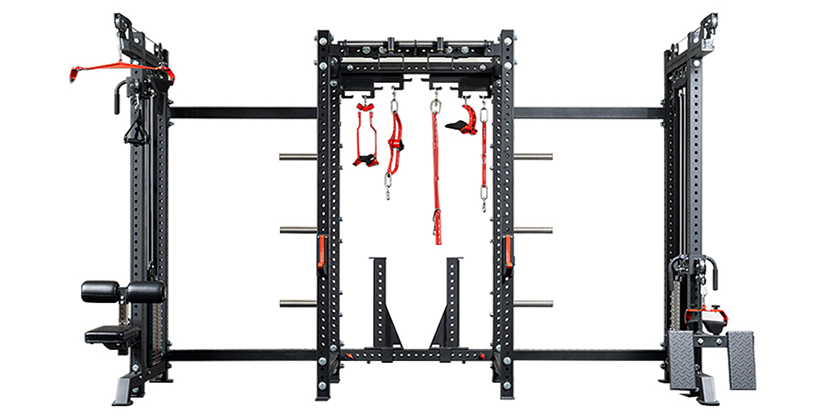
| Full Power Rack System | Maximum Safety/Durability | Substantial | Commercial Gyms/Strength Labs |
| Modular Strength Station | Scalability | Flexible | Growing Fitness Franchises |
Selecting the right tier ensures that your home gym equipment setups remain functional and profitable, rather than requiring constant mechanical upkeep or premature replacement.
Ultimately, viewing your procurement through the lens of equipment longevity rather than immediate cost is what separates professional operators from casual buyers. A high-quality best bench and squat rack combo acts as a foundational asset that supports years of heavy lifting without structural fatigue. When you prioritize strict quality standards and high-grade steel during the sourcing phase, you are investing in a solution that scales alongside your clients' progress.
Before committing to a specific shipment or model, take a step back to define your long-term training goals. Are you building a space for rapid growth, or a specialized station for high-intensity strength work? By aligning your purchase with these definitive objectives, you ensure that your selection provides lasting value, high safety ratings, and a much more predictable lifecycle for your business.
Structural Integrity and the Power Rack Benefits
When investing in high-end home gym equipment setups, the most significant risk is not a lack of space, but a lack of structural integrity. A flimsy frame can compromise your safety during heavy lifts, making the search for the best bench and squat rack combo a matter of long-term stability rather than just aesthetics. At the core of a professional-grade setup is the steel gauge; a higher gauge indicates thicker steel, which is essential for preventing frame deformation under heavy loads.
For distributors and serious enthusiasts, prioritizing heavy-duty construction ensures that the equipment can withstand years of high-frequency use. A premium best bench and squat rack combo must offer uncompromising structural stability, especially when transitioning between different exercises. Without a robust foundation, even a high-quality adjustable weight bench can feel unstable if the supporting rack lacks the necessary weight-bearing capacity. Investing in superior steel thickness and reinforced welding is the only way to guarantee a safe, reliable training environment.
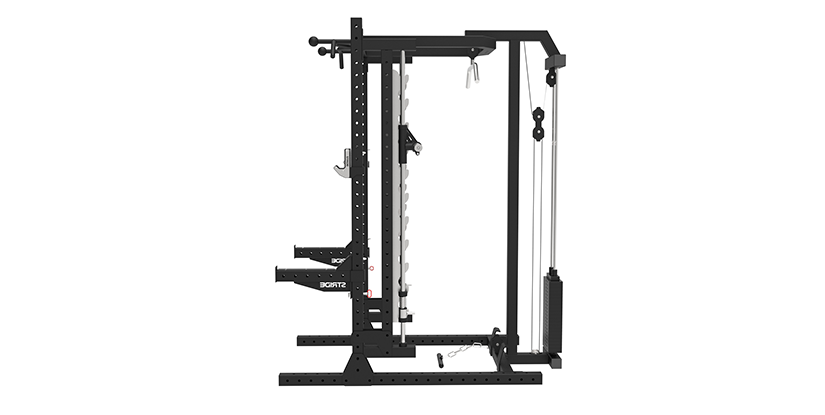
Beyond simple frame thickness, the primary power rack benefits lie in the specialized safety mechanisms that standalone units simply cannot provide. While a standard adjustable weight bench is excellent for versatility, it lacks the integrated weight capacity and catch-arm systems required for high-stakes heavy lifting. A professional-grade rack acts as a structural exoskeleton, designed to intercept a failing barbell instantly, which is a non-negotiable requirement for solo training sessions.
When sourcing for premium home gym equipment setups, look for units that feature reinforced uprights and heavy-duty J-cups. These components are engineered to handle extreme vertical pressure, ensuring the structural integrity remains intact even during maximal effort sets. For those building a long-term facility or a high-end home studio, choosing a combo that prioritizes these power rack benefits means you are investing in a system that manages both the physical load and the psychological confidence needed to push your limits safely.
To help you decide which configuration aligns with your specific training demands, we have compared the two most common configurations. While a standalone adjustable weight bench offers unmatched versatility for accessory work, a full rack system provides the structural ceiling necessary for advanced strength progression.
| Feature/Metric | Standard Bench Setup | Full Power Rack Combo |
|---|---|---|
| Usage Frequency | Moderate/Low Intensity | High-Intensity/Heavy Lifting |
| Stability Level | Standard/Variable | Maximum/Rigid |
| Space Requirement | Minimal/Compact | Substantial/Dedicated Area |
| Primary Benefit | Versatility in home gym equipment setups | Unrivaled power rack benefits & safety |
Choosing the best bench and squat rack combo depends largely on whether your priority is maximizing floor area or maximizing lifting potential. If your goal is a multi-purpose fitness space, a high-quality adjustable weight bench paired with a basic rack may suffice. However, for those seeking professional-grade durability and safety, the full combo is the superior investment.
Optimizing Versatility with an Adjustable Weight Bench
When designing compact home gym equipment setups, the primary challenge is often the footprint. Traditional, fixed-angle benches occupy permanent real estate, making it difficult to transition between heavy compound lifts and accessory work. To solve this, we recommend integrating a high-quality adjustable weight bench into your best bench and squat rack combo. This single piece of equipment offers unparalleled versatility by replacing the need for multiple stationary stations.
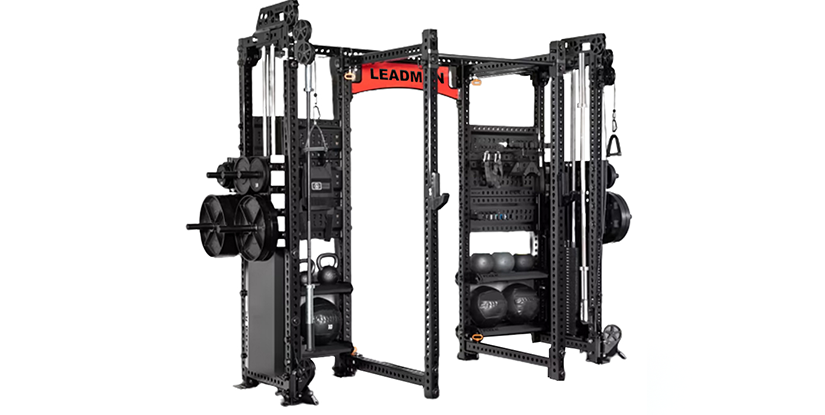
By utilizing a multi-angle training approach, users can switch from flat presses to incline or decline movements in seconds. This space-saving functionality is critical for distributors and retailers catering to the residential market, where square footage is at a premium. Instead of cluttering a room with various specialized benches, one premium adjustable unit provides a comprehensive range of motion, ensuring the training area remains functional and organized.
| Bench Configuration | Space Requirement | Functional Versatility | Ideal Use Case |
|---|---|---|---|
| Fixed Flat Bench | High (Static) | Low (Single Angle) | Dedicated Strength Rooms |
| Adjustable Weight Bench | Low (Optimized) | High (Multi-Angle) | Compact Home Gym Equipment Setups |
| Specialized Angle Bench | Medium | Specific (Incline/Decline) | Targeted Muscle Training |
Deciding between a fixed or adjustable model depends largely on your specific training philosophy and available square footage. While a stationary bench offers maximum stability for heavy lifting, an adjustable weight bench provides the functional variety required for diverse muscle engagement. Below, we have categorized these options to help you determine the most efficient way to integrate your best bench and squat rack combo into any environment.
| Feature Comparison | Fixed Bench | Adjustable Weight Bench |
|---|---|---|
| Space Footprint | Constant/Static | Flexible/Dynamic |
| Training Variety | Basic (Flat only) | Advanced (Incline/Decline) |
| Budget Level | Lower Entry Cost | Moderate Investment |
| User Profile | Pure Powerlifters | Comprehensive Fitness Enthusiasts |
Understanding these power rack benefits ensures that your home gym equipment setups remain both high-performing and space-efficient. Whether you prioritize a budget-friendly stationary setup or a high-utility adjustable system, the goal is to maximize every inch of your training zone.
The true value of a premium best bench and squat rack combo lies in the synergy between the two components. A high-grade rack provides the structural skeleton, but an adjustable bench provides the functional soul. When these two elements work in harmony, they facilitate a seamless transition between heavy barbell movements and targeted accessory exercises. For instance, a user can move from a heavy back squat directly into seated overhead presses or incline chest work without ever leaving the safety of the rack's footprint.
This integration is essential for achieving full-body workouts that demand both high-intensity strength and muscular hypertrophy. One of the primary power rack benefits is the ability to safely execute complex lifts in a confined area; adding a versatile bench expands this capability exponentially. By choosing a combo where the bench dimensions are optimized for the rack's interior, you ensure that the equipment remains a cohesive unit rather than a collection of mismatched parts. This level of thoughtful design is what distinguishes a professional-grade training station from a basic assembly, making it a superior choice for those looking to maximize the potential of their dedicated workout space.
Evaluating Footprint and Home Gym Equipment Setups
Before committing to a high-end purchase, the most common oversight in home gym equipment setups is failing to account for the actual physical footprint. While a compact best bench and squat rack combo may look impressive in a showroom or a product catalog, its utility is entirely dependent on the environment where it will reside. It is not merely about the dimensions of the steel frame itself, but rather the total operational area required for safe movement.
We advise all buyers and distributors to map out clearance zones before finalizing any order. This includes the space needed to load weight plates, the trajectory of an adjustable weight bench during use, and a critical safety buffer around the rack to prevent collisions with walls or other equipment. Neglecting these spatial requirements can lead to costly returns or, more importantly, compromised user safety during heavy lifts.
Choosing the right configuration depends heavily on your available square footage and your specific training goals. A larger footprint often translates to higher stability and more power rack benefits, such as integrated pull-up bars and specialized attachment points, but it requires a dedicated room. Conversely, more compact options offer space efficiency for smaller residential or boutique studio environments.
To help you visualize these home gym equipment setups, we have provided a footprint comparison table below. This breakdown illustrates how different rack styles impact your total operational area.
| Rack Type | Typical Footprint | Primary Advantage | Best For |
|---|---|---|---|
| Full Power Rack | Large / Extensive | Maximum safety and power rack benefits | Dedicated home gyms & heavy lifters |
| Half Rack | Medium / Moderate | Balanced stability and accessibility | Multi-functional training spaces |
| Squat Stand | Small / Compact | Maximum space efficiency | Limited area or minimalist setups |
When pairing these with an adjustable weight bench, ensure the bench's length does not exceed the rack's depth, especially when the bench is fully extended for incline or decline movements. This foresight ensures a seamless integration within your training zone.
Beyond static dimensions, you must account for the dynamic movement range of your equipment. A high-quality adjustable weight bench is designed to transition through various angles, but these shifts often expand the functional footprint. If the bench is too long or the incline angle is too aggressive, it may interfere with the rack's uprights or the barbell’s path. This lack of barbell clearance can be a dangerous oversight, potentially causing the bar to strike the frame during a lift.
Prioritize these safety considerations by testing the full range of motion during the planning phase. Ensure there is sufficient clearance for the user to safely bail from a heavy set without hitting the rack structure. When sourcing a best bench and squat rack combo, always verify that the bench's total length—at its most extended position—leaves a safe margin of error within the rack's depth to maintain structural integrity and user confidence.
Material Specifications for Long-Term Reliability
When sourcing high-end home gym equipment setups, the most common oversight is ignoring the underlying metallurgy. A premium best bench and squat rack combo is not defined by its aesthetics, but by its ability to remain motionless under extreme mechanical stress. For distributors and gym owners, ensuring structural integrity is a non-negotiable requirement to prevent equipment fatigue or catastrophic failure during heavy compound movements.
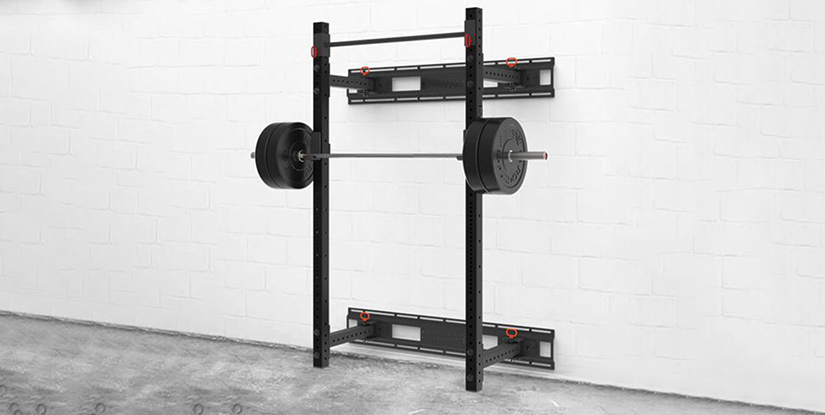
The primary differentiator in professional-grade gear is the steel gauge used in the frame construction. While consumer-grade models often utilize thinner tubing to save on shipping costs, true heavy-duty construction requires high-gauge, heavy-wall steel. This thickness directly dictates the total weight capacity and the stability of the unit when an athlete is performing a heavy squat or a high-intensity press. Investing in a setup with a robust, thick-walled frame ensures that the adjustable weight bench and rack remain a reliable centerpiece of the training environment for years, rather than a liability.
Beyond structural thickness, the surface treatment determines the long-term durability of the unit against environmental wear. In many home gym equipment setups, humidity and sweat can lead to oxidation if the metal is not properly shielded. To ensure long-term reliability, we highly recommend looking for equipment treated with high-grade powder coating. Unlike standard spray paint, this industrial process creates a hard, resilient layer that provides superior rust resistance and protects the steel from scratches during heavy plate loading.
A high-quality powder coating finish does more than just prevent corrosion; it also offers a consistent texture that is easier to clean and more resistant to the chemical breakdown caused by perspiration. For buyers sourcing a best bench and squat rack combo, verifying the quality of this finish is essential. A professional-grade coating ensures that the adjustable weight bench and rack maintain their structural and aesthetic integrity, preventing the unsightly chipping or rusting that often plagues lower-tier commercial-grade alternatives.
To simplify your procurement decisions, we have categorized common material standards into a reference guide. This allows you to quickly assess whether a specific best bench and squat rack combo aligns with your intended use case, whether you are outfitting a boutique studio or a high-traffic training facility. Understanding these variables helps prevent the common pitfall of overpaying for unnecessary specs or, conversely, under-specifying for high-intensity environments.
| Material Quality vs. Usage Intensity | Steel Thickness | Finish Type | Expected Lifespan | Budget Level |
|---|---|---|---|---|
| Light/Residential | 12–14 Gauge | Basic Paint | 3–5 Years | Entry-Level |
| Standard Home/Semi-Pro | 11 Gauge | Standard Powder Coat | 5–8 Years | Mid-Range |
| Commercial/High-Intensity | 7–11 Gauge | Premium Industrial Powder | 10+ Years | Professional |
When evaluating power rack benefits, remember that higher gauge steel (lower numbers) significantly enhances the stability of your home gym equipment setups. While a mid-range adjustable weight bench might suffice for casual lifting, professional-grade finishes and thicker steel are essential for maintaining a high resale value and long-term operational reliability.
Safety Features and User Experience Nuances
Investing in the best bench and squat rack combo requires looking beyond mere dimensions; you must prioritize long-term durability and user safety. For professional distributors and high-end gym owners, the value of home gym equipment setups is defined by how well they withstand rigorous, daily use without compromising structural stability. A slight misalignment or a worn component can turn a productive session into a significant liability.
To maintain peak performance, routine maintenance is non-negotiable. We recommend regular lubrication of moving parts, such as the guide rods on an adjustable weight bench or the selector pins, to prevent friction-induced wear. Furthermore, the powder coating quality is a critical indicator of longevity; high-grade finishes act as the primary defense for rust prevention, especially in humid training environments. By ensuring these mechanical elements remain pristine, you protect the integrity of the entire unit, ensuring that your power rack benefits—namely strength and safety—are realized for years to come.
To ensure your investment remains a reliable asset, implementing a systematic upkeep schedule is essential. Whether you are managing a boutique studio or a high-end residential installation, different components require specific attention to prevent mechanical failure and aesthetic degradation.
Maintenance Frequency and Component Care
A proactive approach to maintenance preserves the functional integrity of your home gym equipment setups. Below is a practical guide to managing the most critical elements of your equipment:
| Component Type | Primary Focus | Recommended Frequency | Maintenance Action |
|---|---|---|---|
| Adjustable weight bench | Upholstery & Pivots | Monthly | Inspect for tears; clean with non-abrasive solutions; check pivot bolts. |
| Power rack (Rails/Uprights) | Structural Integrity | Quarterly | Tighten all bolts and fasteners; check for alignment shifts. |
| Moving Parts (J-Cups/Pins) | Friction Reduction | Bi-Annually | Apply lightweight lubricant to ensure smooth movement on rails. |
By prioritizing these small tasks, you maximize the power rack benefits of safety and longevity. Regular inspections of upholstery and bolts ensure that the best bench and squat rack combo remains a centerpiece of high-performance training rather than a maintenance burden.
Beyond the technical specifications, the true quality of a best bench and squat rack combo is revealed through the tactile sensation of a training session. When a user transitions from a heavy squat to a bench press, they rely on absolute weight bench stability. Any microscopic wobble caused by loose fasteners or uneven surfaces can disrupt a lifter's psychological confidence and physical rhythm. This is where the distinction between a budget unit and a professional-grade long-term investment becomes evident. A well-maintained setup ensures that safety features, such as spotter arms and adjustment pins, engage with a satisfying, precise "click" rather than a sluggish or grinding sensation.
Maintaining this high standard of user experience requires more than just cleaning; it demands a commitment to the mechanical integrity of the unit. Neglecting the tension in a bolt or the smoothness of a rail doesn't just impact the "feel" of the workout—it directly compromises the power rack benefits of structural reliability. By treating upkeep as a fundamental part of the training cycle, you ensure the equipment remains a seamless extension of the athlete's movement, preserving both the aesthetic and the functional excellence of your home gym equipment setups.
Common Selection Pitfalls to Avoid
When sourcing home gym equipment setups, the most deceptive trap is the "low entry price" of budget-grade units. While a cheap best bench and squat rack combo might look attractive on a spreadsheet, the long-term cost of poor durability vs. initial price can be staggering. Many distributors and bulk buyers realize too late that thin-gauge steel and inferior welding lead to rapid wear or, worse, catastrophic failure under heavy loads.
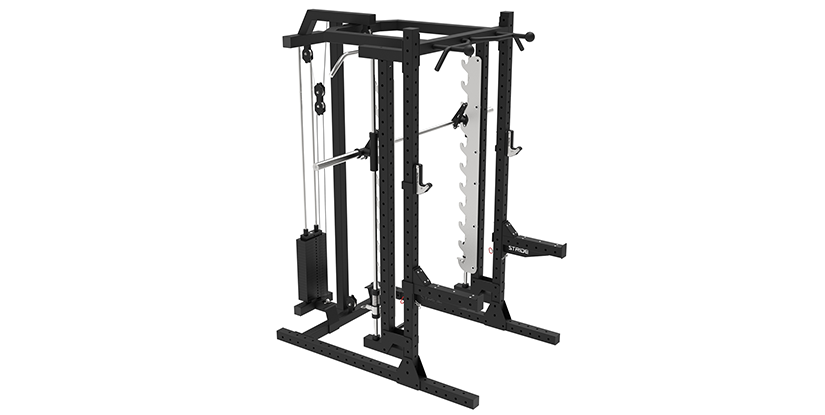
Investing in a premium unit ensures the structural integrity necessary for heavy compound lifts. Low-quality alternatives often suffer from wobbling or frame deformation, requiring frequent replacement and increasing your total cost of ownership. For professional distributors and serious fitness enthusiasts, prioritizing high-grade steel and precision engineering is a safeguard against the hidden expenses of frequent maintenance and premature equipment turnover. True value lies in selecting a setup that remains stable and safe through years of rigorous training cycles.
To help you evaluate the investment, we have categorized common configurations based on their lifecycle value. Choosing the right level depends on whether you are prioritizing immediate cost savings or long-term reliability in high-traffic environments.
| Budget Tier | Durability Level | Typical Use Case | Long-Term Value |
|---|---|---|---|
| Entry-Level | Light/Moderate | Occasional personal training at home | Lower; frequent replacement likely |
| Mid-Range | High | Dedicated enthusiast home gyms | Stable; ideal balance of cost/utility |
| Professional/Commercial | Industrial-Grade | Semi-commercial studios or heavy-use gyms | Maximum; optimized for longevity |
When selecting your setup, remember that an adjustable weight bench paired with a high-spec rack offers much greater power rack benefits than a static, low-tier alternative. While the upfront cost of a professional-grade best bench and squat rack combo is higher, the ability to scale your training intensity without upgrading your entire home gym equipment setups provides a significantly better return on investment for serious buyers.
A critical oversight in the procurement process is neglecting the total weight capacity required for long-term strength training progression. Many buyers fall into the "cheap upgrade" trap, purchasing entry-level sets that look sufficient today but fail to account for the inevitable increase in load. As your lifting volume and intensity rise, a setup with insufficient gauge steel or weak pivot points becomes a significant safety concern rather than a training tool.
True value is found in a long-term investment that supports progressive overload. If your adjustable weight bench or rack cannot reliably handle the weight of your future personal bests, you will eventually face the high cost of replacing the entire system. Rather than settling for a basic model that limits your growth, prioritize equipment that offers the stability required for heavy compound movements. This approach ensures your home gym equipment setups remain functional and safe assets for years, rather than temporary, disposable fixtures.
Maximizing Utility Through Long-Term Value
When sourcing equipment for a high-traffic facility or a premium home gym, the cheapest entry price often leads to the highest total cost of ownership. Selecting the best bench and squat rack combo is not just about immediate compatibility; it is about ensuring durability under constant mechanical stress. Low-grade alternatives often suffer from frame warping or upholstery tearing, forcing premature replacements that disrupt training cycles.
To secure a true long-term investment, prioritize units featuring heavy-duty steel construction. High-gauge steel provides the structural integrity required to handle progressive overload safely. Furthermore, understanding the power rack benefits—such as increased stability and multi-functional safety catches—allows you to justify the upfront cost. By investing in professional-grade components now, you mitigate the risk of structural failure and ensure your home gym equipment setups remain functional and safe for years of intensive, heavy-duty training.
Deciding between a budget-friendly setup and a professional-grade system requires a clear understanding of your training trajectory. For many, the goal is to balance space efficiency with high-level functionality. If you are building entry-level home gym equipment setups, you might opt for lighter-duty frames that prioritize a smaller footprint. However, for those focused on progressive strength gains, the lack of an adjustable weight bench with high weight capacities can quickly become a bottleneck.
Consider the following comparison to determine where your capital is best deployed:
| Feature Dimension | Entry-Level Setups | Professional-Grade Combos |
|---|---|---|
| Budget vs. Quality | Lower upfront cost; higher replacement frequency. | Higher initial investment; long-term durability. |
| Versatility | Limited movements; basic stability. | High versatility with advanced adjustable weight bench options. |
| Primary Benefit | Maximum space efficiency for small areas. | Maximum power rack benefits and safety for heavy lifting. |
Ultimately, the best bench and squat rack combo for your needs is the one that scales alongside your strength. While budget models serve a purpose, professional-grade equipment offers the structural reliability required for serious athletic development.
Before finalizing your procurement, the most critical step is verifying absolute compatibility between your chosen components. A mismatch in dimensions can lead to more than just a frustrating workout; it can create severe safety hazards. For example, ensure the width of your adjustable weight bench does not obstruct the movement of the barbell within the rack, and verify that the bench height aligns perfectly with the rack's uprights for a seamless integration.
True maximizing training utility occurs when the bench and rack function as a single, synchronized unit. Always check that the equipment meets rigorous safety standards, such as high weight-bearing thresholds for both the frame and the padding. By prioritizing these technical specifications over mere aesthetics, you ensure that your home gym equipment setups provide a stable, reliable environment for progressive lifting, effectively protecting your long-term investment in your physical performance.