Half Rack Squat Rack | Half Rack Installation and Guide
Procurement Standards for Commercial Strength Training Stations
Distributors often fail by sourcing residential-grade frames that cannot withstand daily heavy usage, leading to premature structural fatigue. A professional commercial squat rack setup requires a higher gauge steel specification and reinforced welding to ensure long-term durability in high-traffic environments where equipment turnover is a constant concern.
When optimizing your facility layout, the procurement scope for a half rack squat rack must extend beyond simple dimensions. Buyers should evaluate the steel thickness, powder coating resilience, and the compatibility of modular attachments. Selecting equipment based solely on the lowest MOQ or initial unit price often results in higher Total Cost of Ownership (TCO) due to frequent replacement cycles and increased maintenance labor.
Configuration Comparison for Strategic Sourcing
Selecting the appropriate model depends on your specific business model—whether you are outfitting a boutique studio with limited floor space or a high-volume strength facility. The following table outlines the technical trade-offs between common configurations to assist in calculating long-term ROI and operational overhead.
| Configuration Type | Footprint Efficiency | Typical Weight Capacity | Maintenance Intensity | Primary ROI Driver |
|---|---|---|---|---|
| Standard Half Rack | Moderate | 300–450 kg | Low (Annual Check) | Cost-effective entry for studios |
| Heavy-Duty Modular Rack | Large | 500+ kg | Moderate (Bi-annual) | High durability for heavy lifters |
| Compact Training Station | Minimal | 200–350 kg | Low (Quarterly) | Maximizing revenue per square foot |
For distributors, prioritizing high-gauge steel and standardized attachment points is vital. While a compact station offers a lower initial shipping cost, a heavy-duty model typically provides better long-term value by reducing the frequency of equipment replacement and minimizing downtime caused by structural wear.
Logistics Optimization and Quality Control Protocols
Efficient procurement requires more than selecting a model; it demands rigorous oversight of the supply chain. When negotiating the MOQ for bulk shipments, buyers must account for shipping volume and container utilization to prevent inflated landed costs. High-density packing can reduce freight expenses, but it must never compromise the structural stability of the components during transit.
To mitigate the risk of onsite issues during strength training station assembly, implement strict QC protocols at the factory level. We recommend inspecting weld integrity, coating uniformity, and bolt-hole alignment before any unit leaves the warehouse. Establishing these standards ensures that gym equipment upkeep remains a predictable, low-frequency task rather than a reactive necessity caused by substandard manufacturing or transit damage.
Structural Integrity and Component Compatibility
A high-performance half rack squat rack must be engineered to withstand the high-frequency vibrations and heavy mechanical loads typical of a professional training environment. For distributors and gym owners, the primary procurement focus should remain on the gauge of the steel and the precision of the welding to ensure long-term safety and minimize replacement costs.
Material Specifications and Load Stability
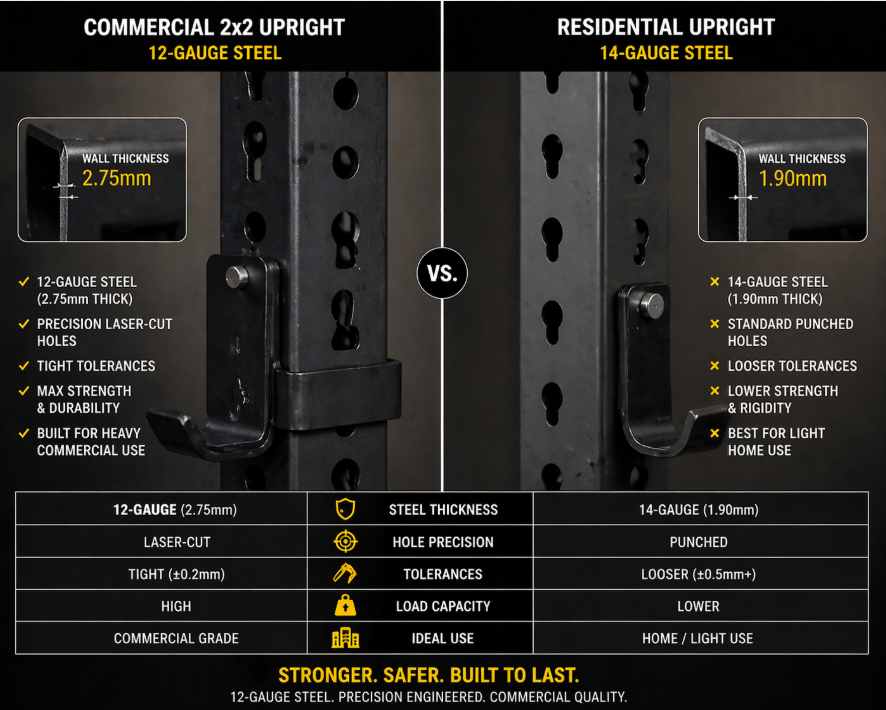
The structural integrity of a commercial squat rack setup is fundamentally determined by its steel gauge. While residential models often use thinner tubing, commercial-grade units typically utilize 11-gauge or 12-gauge steel to maintain stability under heavy weight. This thickness is critical for preventing frame deflection during high-intensity lifts. When sourcing, verify that the uprights and crossmembers are designed to maximize load capacity without compromising the footprint of the station.
| Specification Factor | Light Commercial/Studio | Full Commercial/High-Traffic |
|---|---|---|
| Steel Gauge Standard | 14-gauge steel | 11-gauge or 12-gauge steel |
| Structural Stability | Moderate; suitable for light lifting | High; optimized for heavy barbell loads |
| Typical Load Capacity | Lower threshold; higher wear risk | High threshold; durable for heavy usage |
| Maintenance Requirement | Frequent bolt tightening needed | Standardized periodic inspections |
Selecting a model with superior stability reduces the frequency of gym equipment upkeep. A robust frame ensures that the half rack squat rack remains perfectly aligned, protecting both the hardware and the facility's long-term return on investment.
Steel Thickness vs. Long-Term ROI
For procurement managers and distributors, choosing the correct steel specification is a trade-off between initial unit cost and the total cost of ownership. Thinner gauges may lower your initial MOQ investment, but they often lead to premature frame fatigue in high-traffic facilities. Evaluating the steel thickness helps predict the lifecycle of the strength training station assembly and its impact on your maintenance budget.
| Steel Thickness (mm) | Typical Use Case | Durability Profile | Cost-Efficiency | Weight Capacity |
|---|---|---|---|---|
| ~2.0 mm (14-gauge) | Boutique Studios / Home Gyms | Standard; prone to vibration | High initial savings | Moderate |
| ~2.5 mm (12-gauge) | Commercial Training Centers | High; resists frame deflection | Balanced ROI | Heavy |
| ~3.0 mm (11-gauge) | Professional Strength Gyms | Extreme; maximum structural rigidity | Long-term asset value | Ultra-Heavy |
Investing in higher-gauge steel typically yields a better long-term ROI by reducing the frequency of structural repairs and parts replacement. When sourcing for large-scale distribution, prioritize 11-gauge or 12-gauge specifications to ensure the equipment meets the rigorous demands of professional strength training environments.
Standardization in Hole Spacing and Accessory Integration
Precision in manufacturing goes beyond steel gauge; the uniformity of hole spacing is a critical metric for long-term utility. For distributors, sourcing units with standardized spacing ensures seamless accessory compatibility. This standardization allows users to transition between various attachments—such as dip bars, landmines, or weight plate storage—without encountering fitment issues that can damage the frame or reduce usability.
During the strength training station assembly, inconsistent hole patterns can lead to uneven load distribution and mechanical stress. High-quality manufacturers utilize precision CNC drilling to maintain strict tolerances. This technical precision is a vital component of gym equipment upkeep, as it prevents the loosening of bolts and ensures that accessories remain secure over thousands of cycles. When evaluating a half rack squat rack for wholesale, always verify that the spacing is consistent across all uprights to facilitate a versatile and safe training environment.
Optimizing Footprint and On-Site Assembly Logistics
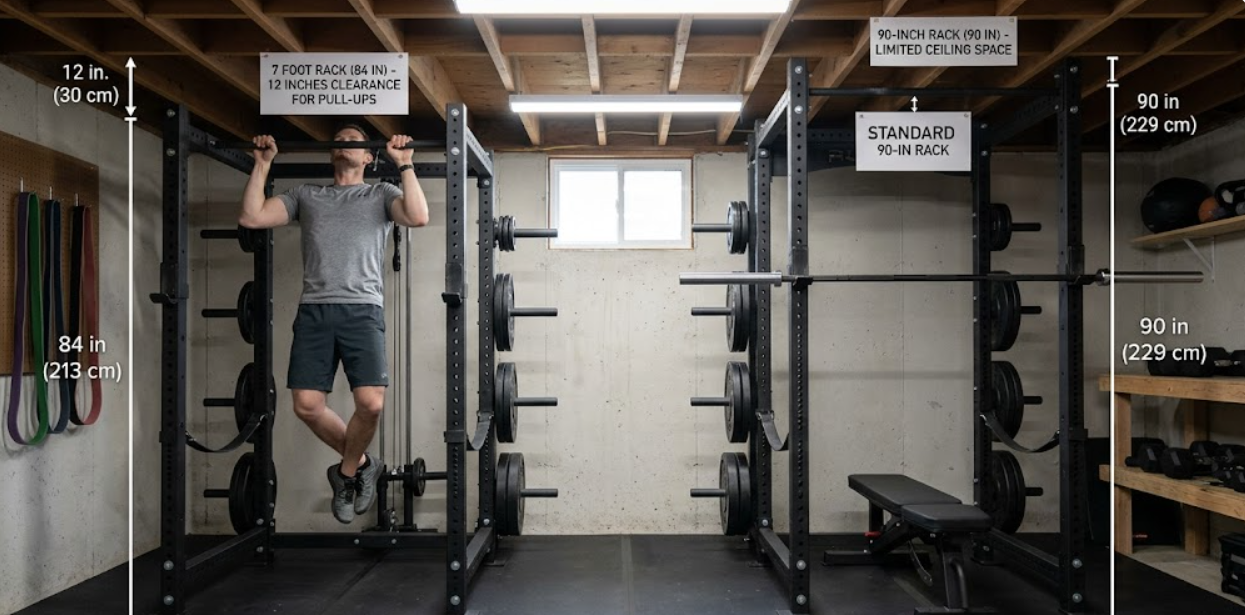
Effective facility planning requires a distinction between the physical footprint of a half rack squat rack and its necessary functional clearance. While the base dimensions determine the actual floor space occupied, the total operational area must account for user movement and safety margins.
Spatial Requirements and Safety Zones
In a professional commercial gym layout, procurement managers must calculate the "safety zone" surrounding each station. This includes the depth required for barbell rotation and the lateral space needed for plate loading. Unlike residential setups, a half rack squat rack in a high-traffic boutique studio requires expanded clearance requirements to prevent collisions with adjacent equipment. We recommend allocating at least 1.5 to 2 meters of unobstructed space around the unit to ensure a seamless strength training station assembly and safe user experience. Failure to account for this extra volume during the initial sourcing phase often leads to inefficient floor utilization and increased liability risks.
Configuration Comparison: Stability vs. Mobility
Choosing between a fixed or mobile configuration depends largely on your facility's long-term programming and the specific commercial squat rack setup requirements. High-traffic training centers often prioritize permanent installations, whereas multi-purpose studios may require more flexibility for floor reconfiguration.
| Configuration Type | Installation Stability | Mobility & Versatility | Ideal Facility Application |
|---|---|---|---|
| Floor-Mounted (Bolted) | Maximum; prevents shifting during heavy lifts | Low; permanent fixture once installed | Dedicated strength zones, high-volume commercial gyms |
| Boltless (Freestanding) | Moderate; relies on frame weight and base width | High; easy to relocate for floor redesigns | Boutique studios, hotel gyms, or temporary pop-up setups |
From a procurement standpoint, floor mounting offers the highest level of installation stability, which is critical for heavy-duty professional use. However, if your client base demands frequent layout changes, investing in high-quality freestanding units provides better space optimization and long-term versatility. When sourcing, always verify the weight distribution specs to ensure the unit remains secure without permanent anchoring.
Assembly Efficiency and Procurement Logistics
For distributors and facility managers, the complexity of strength training station assembly extends beyond the gym floor to the initial assembly logistics. High-quality commercial units are often shipped in high-density crates to optimize shipping volume and reduce freight costs, but this requires meticulous inventory management upon arrival.
A standard professional installation involves more than just a wrench; professional tool requirements typically include heavy-duty socket sets, torque wrenches for safety-critical bolts, and specialized leveling tools to ensure structural integrity. Effective procurement planning should account for an installation time of 2 to 4 hours per unit, depending on the complexity of the frame and the number of technicians on-site. For large-scale gym fit-outs, we advise sourcing modular components that simplify the build process, ensuring that the transition from shipping container to operational training station is both rapid and structurally sound.
Prioritizing Structural Integrity and Long-Term ROI
In a professional commercial gym environment, a half rack squat rack is subjected to constant mechanical stress and high-traffic usage. Relying on a one-time installation is insufficient for long-term asset protection; instead, facility managers must implement standardized maintenance protocols to mitigate wear and ensure safety compliance.
Regular safety inspections are essential to identify loosened bolts, structural fatigue, or compromised coatings caused by heavy weight loading. For distributors and gym owners, proactive upkeep of the half rack squat rack prevents premature replacement cycles, protecting the initial capital investment and maintaining the high standards expected in premium strength training stations.
Routine Maintenance and Lifecycle Management
To maximize the lifespan of a strength training station assembly, facility managers should adopt a scheduled inspection routine rather than waiting for mechanical failure. Neglecting routine upkeep often leads to increased downtime prevention costs and potential safety liabilities. A structured approach to maintenance ensures that every component, from the uprights to the adjustable pins, remains within safe operating tolerances.
| Maintenance Task | Frequency | Focus Area |
|---|---|---|
| Bolt Tightening | Quarterly | Structural joints and base plate connections |
| Lubrication | Bi-Annually | Moving parts, guide rods, and J-hooks |
| Visual Inspection | Monthly | Surface coating, wear and tear, and weld integrity |
| Full Calibration | Annually | Leveling and total structural alignment |
Understanding the difference between preventative and reactive approaches is vital for high-volume distributors. While reactive maintenance addresses issues after they occur, a preventative strategy—focusing on regular lubrication and bolt checks—significantly lowers the total cost of ownership. This disciplined oversight prevents minor wear and tear from escalating into expensive equipment replacements.
Component Replacement and Quality Control Standards
Effective gym equipment upkeep extends beyond simple tightening; it requires a strict protocol for component replacement. High-use items like J-hooks, safety arms, and barbell collars are subject to friction and metal fatigue. Distributors should advise clients to replace these modular parts as soon as visible deformation or significant surface scoring occurs, rather than waiting for a structural failure.
A successful commercial squat rack setup depends on maintaining a stock of high-quality replacement parts to minimize facility downtime. For wholesale buyers, ensuring that replacement components meet the original factory specifications is critical for maintaining the durability and safety rating of the entire station. Maintaining a standardized inventory of wear-prone parts allows gym owners to uphold professional safety standards without disrupting daily training operations.
Prioritizing Structural Integrity and Longevity
A consistent maintenance protocol is essential for any commercial squat rack setup to protect your long-term ROI and minimize liability. In high-traffic strength training environments, even premium steel components undergo constant stress. Without a disciplined inspection routine, undetected wear and tear can compromise the structural integrity of your half rack squat rack, leading to costly replacements or equipment failure.
Facility managers and distributors should implement a tiered inspection schedule to ensure safety and durability. Regular checks on bolt tension, weld points, and upright stability are standard industry practices to prevent mechanical fatigue. By identifying minor issues early, you maintain a professional standard of safety and extend the operational lifecycle of your strength training station assembly.
Standardized Inspection Protocols
To maintain a high-performance facility, distributors and gym owners must move beyond reactive repairs. Implementing a structured gym equipment upkeep routine ensures that the half rack squat rack remains a reliable asset rather than a liability. Use the following schedule to direct your maintenance staff or onsite technicians through routine safety audits.
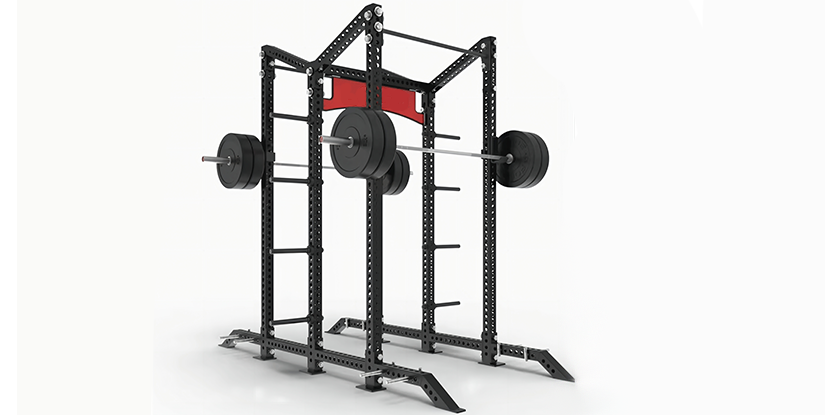
| Component | Inspection Frequency | Required Action |
|---|---|---|
| Structural Bolts & Fasteners | Monthly | Check for tightness; tighten any loose connections to prevent wobbling. |
| Barbell Sleeves & J-Hooks | Quarterly | Inspect for metal fatigue, scratches, or deformation; ensure smooth movement. |
| Uprights & Frame Welds | Bi-Annually | Scan for hairline cracks in welds or surface rust on the powder coating. |
| Floor Mounts & Anchors | Annually | Verify stability of base plates and ensure bolts are still securely anchored. |
Regularly documenting these checks is vital for compliance and quality control. For wholesale buyers managing multiple sites, these logs provide essential data for long-term procurement planning and equipment lifecycle management.
Procurement Strategy: Parts Availability and Surface Durability
Beyond routine physical checks, professional procurement requires a deep dive into the long-term logistics of ownership. When sourcing a half rack squat rack at scale, the total cost of ownership is heavily influenced by the availability of replacement parts and the resilience of the finish. A low initial unit price is rarely a bargain if the equipment becomes obsolete due to a lack of compatible accessories or proprietary hardware.
Smart buyers should prioritize manufacturers with robust supply chains. Ensure your distributor provides a clear catalog of wear-and-tear components, such as bushings, J-hooks, and specialized bolts. In many commercial settings, the ability to source single replacement parts rather than entire upright assemblies is the difference between a minor maintenance task and significant downtime. Additionally, verify the quality of the powder coating integrity during the sampling phase; high-grade, electrostatic powder coating is essential to prevent oxidation and chipping under heavy barbell use, preserving the aesthetic and structural value of the strength training station assembly over time.
Sourcing and Quality Control for Global Distributors
For distributors and large-scale facility managers, the economic viability of a half rack squat rack depends on balancing unit price with structural integrity. Sourcing at scale allows for significant cost-efficiency, but without rigorous oversight, volume discounts can lead to increased long-term maintenance liabilities.
Optimizing Procurement via Factory-Direct Sourcing
To maximize margins, many professional buyers shift toward factory-direct sourcing rather than purchasing from mid-tier wholesalers. By negotiating directly with manufacturers, distributors can better manage MOQ requirements and customize specifications to meet regional safety standards. This direct approach is essential when planning a commercial squat rack setup for multiple locations, as it ensures consistency in steel gauge and powder coating across all shipments. However, volume procurement must be paired with strict quality control standards to verify that every unit meets the load-bearing expectations of a high-traffic strength training station.
Comparing Sourcing Models for Scale and Reliability
Choosing the right procurement channel directly impacts your total cost of ownership (TCO). While direct factory access offers the lowest unit cost, it requires more sophisticated logistics management. Conversely, working with distributors or trading companies reduces operational friction but introduces additional markups. The following comparison outlines how different channels impact your supply chain for a commercial-grade half rack squat rack.
| Sourcing Model | Unit Cost | Shipping & Logistics | Quality Oversight | Reliability & Lead Time |
|---|---|---|---|---|
| Direct Factory | Lowest (Bulk Pricing) | Complex (Direct Export/FOB) | High (Direct Inspection) | Variable (Long Lead Times) |
| Trading Company | Moderate | Simplified (Managed Service) | Medium (Third-Party Audit) | Stable (Consistent Supply) |
| Local Distributor | Highest | Easiest (Domestic Delivery) | Low (Standardized Stock) | Rapid (Immediate Availability) |
When scaling a strength training station assembly project, the decision often hinges on your internal capacity for managing international shipping and customs. Direct sourcing provides the best ROI for large-scale gym builds, provided your procurement team can manage the technical verification of steel thickness and welding strength during the production phase.
Technical QC Checkpoints for Long-Term Durability
To prevent escalating repair costs, buyers must implement rigorous technical audits during the manufacturing phase. A high-quality strength training station assembly relies on more than just heavy steel; it requires precision in the finishing and mechanical components. During pre-shipment inspections, verify powder coating thickness to ensure the finish can withstand heavy barbell impact without chipping, which prevents premature oxidation.
Furthermore, inspect weld integrity at all load-bearing junctions to avoid structural fatigue under heavy use. For racks with integrated movement parts, testing bearing smoothness is non-negotiable to ensure seamless operation. Prioritizing these technical benchmarks during procurement leads to significant maintenance reduction and secures a superior long-term ROI, as high-spec equipment requires fewer replacements and less frequent onsite adjustments.