Optimizing Inventory for Wall Mounted Quilt Racks Guide
Strategic Deployment of Textile Display Solutions in High-Traffic Retail
Many retailers lose margin by over-investing in bulky floor units that obstruct customer movement, creating bottlenecks in high-traffic retail environments. A more profitable procurement strategy focuses on maximizing the vertical footprint to preserve square footage for high-margin impulse buys and wider aisles.
Optimizing Floor Space via Vertical Integration
Effective retail layout design requires a balance between product visibility and navigable floor space. Utilizing a wall mounted quilt rack allows distributors and boutique owners to move heavy textile inventory off the ground, facilitating better floor space optimization. By shifting the weight load to the walls, you reduce the vertical footprint of your display units, ensuring that high-traffic zones remain clear while maintaining high-density textile display solutions for seasonal inventory turnover.
Configuration Comparison: Fixed vs. Adjustable Mounting Systems
When sourcing wholesale wall hanging racks, procurement managers must evaluate the trade-off between structural rigidity and SKU density. The choice of mounting configuration directly impacts your ability to adapt to seasonal inventory shifts and varying product weights.
| Feature | Fixed Configuration | Adjustable Depth/Position |
|---|---|---|
| Load-bearing Capacity | High/Consistent | Moderate/Variable |
| Installation Complexity | Low (Single-point mount) | Medium (Track/Rail systems) |
| SKU Versatility | Limited to specific dimensions | High (Adaptable to varied textiles) |
| Retail Quilt Storage Use | Standardized collections | Seasonal/Mixed-size inventory |
Fixed systems offer superior stability for heavy, high-density textile displays where the load-bearing capacity must remain constant. However, for boutiques managing diverse seasonal turnover, systems with adjustable depth or rail-based mounting provide the agility needed to reorganize retail quilt storage without replacing hardware. While adjustable systems may involve slightly higher installation complexity, they significantly improve long-term ROI by allowing for rapid layout reconfiguration.
Prioritizing Customer Accessibility and Textile Protection
A well-planned boutique layout must account for both customer accessibility and long-term textile protection. When sourcing a wall mounted quilt rack, ensure the installation maintains clear clearance zones to prevent customers from bumping into displays or snagging delicate fabrics with bags and clothing. For high-traffic zones, prioritize hardware with high durability and smooth edges to minimize friction damage. Strategic placement away from heavy door swings or high-velocity ventilation zones protects your inventory, ensuring that even in busy retail settings, your premium textiles remain in pristine condition for every buyer.
Evaluating Load-Bearing Capacity and Structural Integrity for Bulk Inventory
High-volume retail environments demand a wall mounted quilt rack that functions as a reliable piece of fixed infrastructure rather than a temporary fixture. In commercial settings, the ability to manage heavy textile volumes without compromising the mounting points is essential for maintaining both safety standards and visual merchandising consistency.
The Necessity of Weight Distribution and Stability
When sourcing retail quilt storage solutions, distributors must prioritize structural integrity to prevent long-term wall fatigue. Unlike lightweight decorative hooks, professional-grade textile displays must account for the cumulative weight of multiple heavy quilts. Proper weight distribution ensures that the load is spread across multiple anchoring points, reducing the risk of mechanical failure during peak seasonal turnover. For procurement managers, selecting hardware with high-grade reinforcement is a critical step in reducing replacement costs and ensuring a low total cost of ownership (TCO) for boutique clients.
Technical Specifications for Mounting Configurations
Distributors and boutique owners must differentiate between aesthetic-focused displays and high-durability textile display solutions. The choice between lightweight configurations and heavy-duty mounting directly impacts the longevity of the installation and the safety of the retail floor. A lower material gauge may suffice for boutique seasonal decor, but wholesale orders for high-traffic environments require specific structural thresholds.
| Mounting Configuration | Typical Load Capacity | Material Gauge/Thickness | Best Use Case |
|---|---|---|---|
| Wall Stud (Direct) | High (Heavy Textiles) | 1.5mm - 2.0mm Steel | Permanent Commercial Display |
| Heavy-Duty Anchor | Moderate (Standard) | 1.2mm - 1.5mm Steel | Retail Boutique Settings |
| Standard Bracket | Low (Lightweight) | < 1.0mm Steel | Temporary Seasonal Promotions |
When evaluating wholesale wall hanging racks, always verify the metal gauge and the specific hardware kit included. Relying on standard anchors for heavy quilt volumes often leads to wall damage; therefore, we recommend prioritizing stud-mounted configurations for any long-term retail quilt storage installation to ensure maximum stability.
Quality Control Checkpoints for Long-Term Durability
To mitigate the risk of mechanical failure, procurement managers should implement a strict procurement checklist focused on fastener integrity. It is not enough to verify the metal gauge; the stability of the wall mounted quilt rack depends heavily on the shear strength of the included hardware. During factory inspections or initial receiving, testers should verify that brackets do not flex under the maximum rated load-bearing capacity. Establishing a routine maintenance cycle—inspecting screw tightness and bracket alignment every six months—helps retailers prevent sagging and ensures these wholesale wall hanging racks remain a reliable part of their floor layout.
Optimizing SKU Variety Through Modular Display Configurations
For distributors and boutique retailers, managing a wall mounted quilt rack inventory requires a balance between shelf depth and versatility. Relying on fixed dimensions often leads to dead stock when textile dimensions shift. Implementing modularity into your textile display solutions allows you to adapt to seasonal demand without overextending your warehouse footprint.
Strategic Inventory Comparison: Fixed vs. Modular Systems
Selecting the right configuration impacts both your retail quilt storage efficiency and your long-term margin. A modular approach typically offers higher SKU variety management capabilities compared to static hardware.
| Configuration Type | SKU Flexibility | Stocking Complexity | Best Use Case |
|---|---|---|---|
| Fixed Bracket Systems | Low (Single Size) | Minimal | Niche boutiques with set inventory |
| Adjustable Rail Systems | High (Multi-size) | Moderate | High-turnover retail environments |
| Modular Expansion Kits | Maximum | Higher (Multiple SKUs) | Large-scale distributors/Wholesale |
When sourcing, prioritize suppliers that offer interchangeable components. This reduces the risk of being stuck with obsolete hardware during shifts in textile trends or seasonal volume spikes.
Beyond basic SKU count, procurement managers must evaluate the physical footprint of each configuration. Choosing between high-density fixed setups and high-versatility modularity dictates your long-term logistics and storage costs.
| Configuration Style | Typical Dimensions | Versatility Level | Ideal Use Case |
|---|---|---|---|
| Fixed Bracket | Standardized 12-18" depth | Low | Consistent, single-product boutiques |
| Adjustable Rail | Variable 10-24" depth | Moderate | Seasonal retail with fluctuating textile sizes |
| Modular System | Customizable/Expandable | High | Wholesale distributors and large-scale showrooms |
For distributors managing large orders, modular components offer a strategic advantage. Rather than stocking dozens of unique finished products, you can maintain a lean inventory of base hardware and specialized attachment kits, effectively increasing your serviceable market without bloating your warehouse storage requirements.
Balancing MOQ and Logistics Efficiency
To maximize inventory turnover, procurement professionals should shift focus from finished goods to component-based ordering. When sourcing wholesale wall hanging racks, negotiating a lower MOQ on core structural elements while maintaining a diverse stock of specialized brackets or rails allows for a more agile response to market shifts. This strategy enhances logistics efficiency by reducing the volumetric footprint of shipments and allowing for kitted assembly closer to the point of sale. By decoupling the base hardware from variable accessories, distributors can mitigate the financial risks of overstocking specific, low-turnover SKUs.
Material Finishes and Maintenance Cycles for Long-Term TCO
For distributors and boutique owners, the total cost of ownership (TCO) for a wall mounted quilt rack is determined by how well surface coatings withstand high-traffic commercial settings. Selecting a finish that balances aesthetic appeal with material durability ensures the unit remains functional without frequent replacement or costly refinishing.
| Finish Type | Durability Profile | Maintenance Cycle | Best Use Case |
|---|---|---|---|
| Powder Coating | High resistance to scratches | Low (Annual check) | High-traffic retail environments |
| Natural Wood Veneer | Moderate (Susceptible to moisture) | Medium (Bi-annual oiling) | High-end boutique displays |
| Brushed Metal | Extreme (Industrial grade) | Minimal (Routine dusting) | Long-term exhibition halls |
When sourcing textile display solutions, prioritize finishes that minimize the need for intensive cleaning. A high-quality powder coating reduces the frequency of maintenance cycles, protecting the structural integrity of the wall mounted quilt rack against environmental wear and daily handling in busy commercial spaces.
Procurement managers should evaluate the trade-offs between initial unit cost and long-term upkeep. While brushed metal offers the highest resistance to corrosion and physical wear, it carries a premium price point. Conversely, wood veneer provides a superior aesthetic for luxury boutiques but requires a more rigorous maintenance schedule to prevent degradation from humidity or UV exposure.
For high-volume wholesale orders, powder-coated steel remains the industry standard for maximizing ROI. This finish provides a reliable barrier against surface abrasions and chemical cleaners, making it the most cost-efficient choice for diverse retail environments. When calculating your landed cost, consider how the finish's longevity impacts your return rates and customer satisfaction levels.
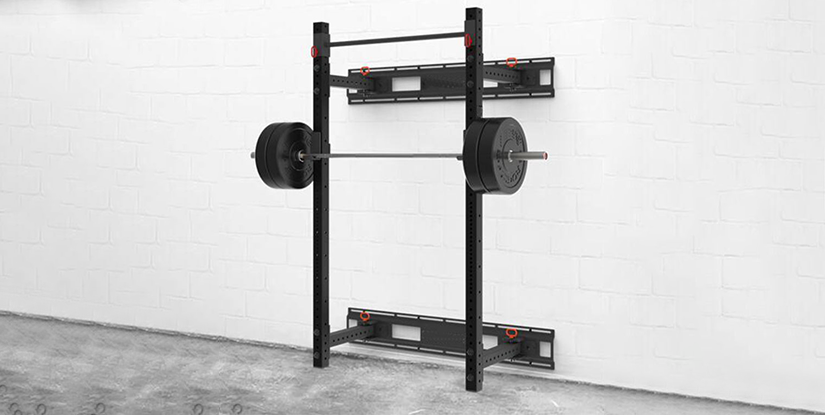
To ensure structural safety and long-term reliability, implement a rigorous inspection frequency for all installed units. In commercial settings, weight-bearing stability is the primary concern; even high-quality wholesale wall hanging racks can experience mounting fatigue if heavy textiles are consistently applied without monitoring. We recommend a quarterly audit of all wall anchors and bracket connections to detect any loosening or material fatigue before it becomes a liability.
Effective cleaning protocols are also essential to prevent the buildup of dust or residue that can degrade finishes over time. For metal-based textile display solutions, use only non-abrasive, pH-neutral cleaners to avoid etching the coating. Maintaining a strict routine of light dusting and periodic hardware tightening significantly extends the life of the product, ensuring a higher long-term ROI for distributors and end-users alike.
Sourcing and MOQ Planning for Wholesale Quilt Storage Orders
Effective inventory management for textile display solutions requires balancing a diverse product catalog against strict minimum order quantities (MOQ). For distributors, the primary challenge lies in managing the MOQ vs. variety trade-off to ensure sufficient stock without overextending capital on slow-moving SKUs.
Managing SKU Diversity and Seasonal Demand
When sourcing a wall mounted quilt rack, procurement teams must differentiate between high-volume standard models and niche specialty designs. High-variety orders often trigger higher MOQs per unit or increased shipping complexities. Successful seasonal demand planning involves forecasting peak retail periods—such as holiday gifting seasons—to secure production slots well in advance, ensuring that your stock levels align with market shifts rather than reacting to them too late.
| Ordering Strategy | SKU Variety | Typical MOQ Impact | Best For |
|---|---|---|---|
| High-Volume Core | Low (Standardized) | Lower per unit | Consistent retail turnover |
| Boutique Collection | High (Specialty) | Higher per SKU | Seasonal or premium events |
Evaluating Sourcing Models for Retail Quilt Storage
Choosing between a direct factory relationship and a regional distributor depends on your specific scale and the level of customization required for your textile display solutions. While direct sourcing offers the best margins, it demands more rigorous logistics management and higher volume commitments.
| Sourcing Model | Typical MOQ | Customization Capability | Lead Time |
|---|---|---|---|
| Direct Factory | High (Bulk/Container) | Extensive (Finish & Material) | Longer (Production + Sea Freight) |
| Wholesale Distributor | Low to Moderate | Limited (Pre-set SKUs) | Short (Local Stock Availability) |
For businesses looking to scale their offering of wholesale wall hanging racks, direct sourcing provides the leverage needed for proprietary designs. However, for smaller boutique operations, working with a distributor reduces the risk of capital being tied up in excess inventory and offers a more agile response to local market trends.
Prioritizing Quality Control and Logistics Reliability
To maintain high stock turnover in a retail or boutique setting, procurement must extend beyond simple order placement. Rigorous QC inspection is essential, specifically focusing on weight capacity verification to ensure the hardware can safely support heavy textile loads. Neglecting this step can lead to costly returns and damaged reputation. Additionally, proactive logistics planning—including buffer stocks for shipping delays—helps stabilize your supply chain. By integrating these quality checks into your sourcing workflow, you mitigate the risks of receiving substandard batches that could disrupt your inventory flow and customer satisfaction.
Logistics and Packaging Standards for International Freight
Managing the transit of a wall mounted quilt rack requires a precise understanding of how structural rigidity and volume affect landed costs. Because these textile display solutions often feature elongated frames or delicate mounting brackets, the logistics strategy must prioritize both dimensional weight optimization and structural integrity to protect your margins.
Mitigating Shipping Damage and Volumetric Costs
For distributors importing high-volume orders, the primary challenge lies in balancing protection with freight efficiency. High-quality protective packaging is non-negotiable; a single dented rail can render an entire unit unsellable. To ensure successful shipping damage prevention, we recommend sourcing units that utilize nested or collapsible designs. This strategy effectively reduces dimensional weight, allowing you to maximize container utilization and lower the per-unit shipping cost during long-haul sea freight.
Freight Configuration Comparison
Selecting the appropriate transit method depends on your current inventory turnover and the urgency of your retail replenishment. While bulk shipments offer the best margins for high-volume distributors, smaller boutique orders may benefit from more agile, albeit expensive, shipping options to avoid overstocking capital.
| Shipping Method | Typical Lead Time | Relative Cost | Risk of Damage |
|---|---|---|---|
| Bulk Sea Freight (Standard) | 30–45 Days | Lowest | Moderate (Requires heavy crating) |
| LCL (Less than Container Load) | 15–30 Days | Medium | Higher (Frequent handling) |
| Air Freight (Express) | 5–10 Days | Highest | Lowest (Optimized for speed) |
When sourcing wholesale wall hanging racks, we suggest a hybrid approach: utilize bulk sea freight for your core SKU baseline to protect your TCO, while reserving air freight for seasonal spikes or emergency stock-outs to maintain consistent retail availability.
Procurement Standards: MOQ and Quality Control
Navigating the procurement of wholesale wall hanging racks requires more than just price comparison; it demands rigorous oversight of factory capabilities. To maintain high turnover rates, buyers must establish a clear Minimum Order Quantity (MOQ) that balances the benefits of volume discounts against the risk of stagnant inventory. A higher MOQ can significantly lower your unit cost, but only if your distribution network can absorb the stock without excessive warehousing fees.
Beyond order volume, a professional QC inspection is vital to ensure every shipment arrives in retail-ready packaging. For textile display solutions, quality control should focus on mounting bracket strength, surface finish consistency, and the structural integrity of the rails. Inspecting the retail-ready packaging at the source prevents the common pitfall of receiving "damaged-in-box" goods that cannot be placed directly on showroom floors. By mandating strict QC protocols and dimensional weight optimization at the factory level, you safeguard your profit margins from the unexpected costs of returns and freight surcharges.
Maximizing Profitability via Verticality
For distributors and boutique retailers, the true return on investment stems from the relationship between floor space optimization and inventory turnover. While floor-standing units consume valuable square footage, a high-quality wall mounted quilt rack utilizes vertical real estate to increase SKU density without expanding the physical footprint of the showroom.
By implementing advanced textile display solutions, buyers can showcase a wider variety of seasonal patterns and textile weights in a compact area. This vertical approach drives higher turnover rates by making diverse product lines visible to customers at eye level, effectively turning underutilized wall space into a high-margin revenue stream. For wholesale procurement, selecting racks with high load-bearing capacities ensures that these vertical displays remain stable even as inventory levels fluctuate during peak retail seasons.
Configuration Trade-Offs: Fixed vs. Adjustable Systems
Procurement managers must weigh the initial unit cost against long-term operational flexibility. While fixed configurations offer lower entry prices and simplified shipping logistics, adjustable systems often provide a superior total cost of ownership (TCO) by accommodating diverse textile dimensions and seasonal stock changes without requiring new hardware.
| Feature/Specification | Fixed Configuration | Adjustable Configuration |
|---|---|---|
| Weight Capacity | High (Consistent) | Variable (Depends on Bracket) |
| Installation Complexity | Low (Standard Mount) | Moderate (Requires Precise Alignment) |
| Display Versatility | Limited to Set Spacing | High (Multi-size Compatibility) |
| Long-term ROI | Stable for Single-SKU focus | High for Multi-category Retail |
When ordering wholesale wall hanging racks, consider the versatility of your target market. If your clientele frequently rotates between heavy quilts and lighter textiles, the ability to adjust spacing prevents the need for frequent re-ordering and ensures your retail quilt storage remains optimized for any inventory profile.
Strategic Inventory Planning and Logistics
Optimizing margins requires balancing seasonal demand with smart procurement cycles. To maintain high inventory turnover without overextending capital, buyers should evaluate MOQ considerations against potential stockout risks during peak gift-giving months. Relying on a single, massive order can lead to high storage costs, whereas frequent, smaller shipments may compromise logistics efficiency and increase per-unit freight expenses.
When sourcing wholesale wall hanging racks, focus on tiered replenishment strategies. For example, stocking core, high-demand models in bulk while utilizing smaller, more frequent orders for trend-specific designs helps manage retail quilt storage capacity effectively. By aligning your procurement schedule with predictable market shifts, you minimize dead stock and ensure your wall mounted quilt rack inventory remains a lean, profitable asset for your distribution network.