How to Choose the Best Power Cage for Heavy Lifters
Evaluating the Long-Term Value of High-Capacity Strength Training Equipment
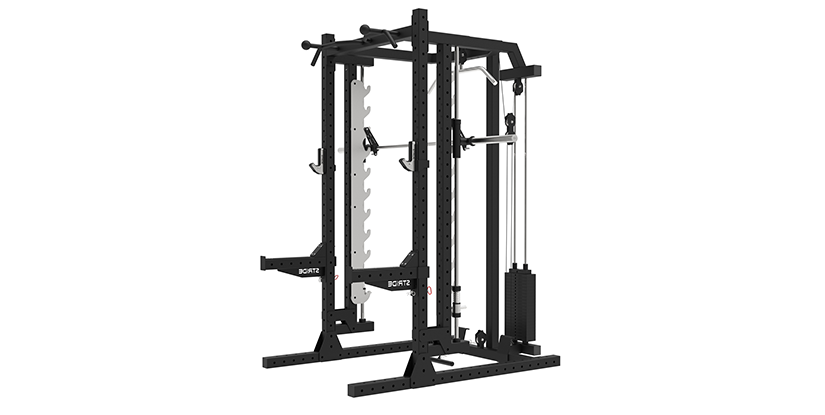
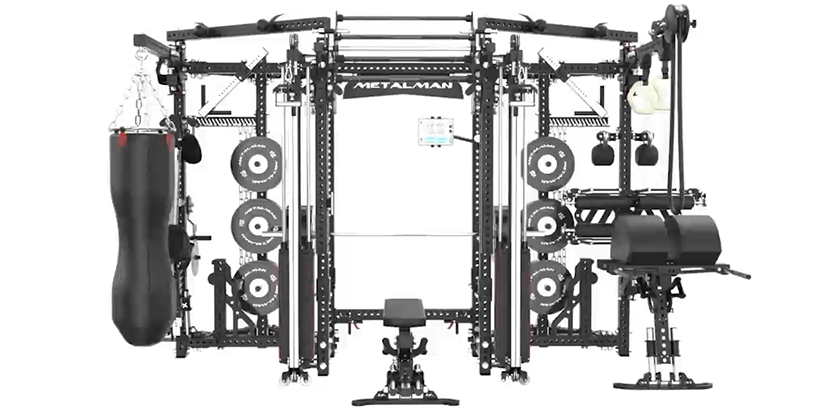
For a high-traffic commercial training facility or a professional strength studio, the procurement decision often begins with a budget sheet, but it should end with a durability assessment. While a budget-friendly option might satisfy an immediate line item, serious operators understand that the best power cage for heavy lifters is defined by its ability to withstand years of high-intensity loading without structural fatigue. Choosing a lower-spec model to save on the initial investment vs. long-term durability often leads to higher replacement costs and potential downtime when a heavy duty squat rack fails under peak loads.
We recommend focusing on the cost-per-use ratio rather than the sticker price. A premium unit engineered with superior structural integrity and high-gauge steel ensures that your strength training equipment remains a safe, reliable asset for a decade rather than a liability after eighteen months. Investing in high-quality barbell cage safety features and robust construction reduces the frequency of maintenance and protects your long-term capital expenditure.
To help you visualize the difference between basic models and professional-grade setups, we have outlined a comparison below. When sourcing strength training equipment, it is vital to recognize that a low entry price often masks hidden costs in maintenance needs and diminished durability.
| Feature Dimension | Budget-Tier Models | Professional-Grade Equipment |
|---|---|---|
| Primary Use Case | Light home use or low-frequency training | High-volume commercial gyms & heavy lifting |
| Structural Integrity | Thinner gauge steel; prone to vibration | High-gauge steel; optimized for stability |
| Barbell Cage Safety | Basic pin/shelf configurations | Advanced safety spotting & heavy-duty J-cups |
| Maintenance Needs | Frequent bolt tightening & part replacement | Minimal upkeep; designed for long-term load |
| Value Proposition | Low initial cost; shorter lifecycle | Higher initial investment; maximum longevity |
Ultimately, the best power cage for heavy lifters provides more than just a place to lift; it offers peace of mind. While a heavy duty squat rack from a budget supplier might seem cost-effective today, a high-capacity unit serves as a reliable foundation for your facility's growth, ensuring that safety remains uncompromised during even the most strenuous sessions.
Ultimately, the best power cage for heavy lifters provides more than just a place to lift; it offers peace of mind. While a heavy duty squat rack from a budget supplier might seem cost-effective today, a high-capacity unit serves as a reliable foundation for your facility's growth, ensuring that safety remains uncompromised during even the most strenuous sessions.
The Hidden Cost of "Cheap" Procurement
In the world of high-performance training, the most expensive piece of equipment is the one that fails during a maximal attempt. When sourcing strength training equipment, many buyers fall into the trap of prioritizing the lowest quote, overlooking the heavy lifter requirements for extreme stability. A lower price point often indicates thinner steel or inferior welding, which directly compromises barbell cage safety under high-velocity eccentric loads.
A safety-first mindset dictates that long-term value is found in reliability. Choosing a substandard unit may save capital upfront, but the "hidden costs"—such as premature replacement, equipment downtime, and the potential for injury—far outweigh the initial savings. For professional distributors and gym owners, investing in high-spec strength training equipment is not just a purchase; it is a strategy to ensure operational continuity and protect your reputation through uncompromising quality.
Structural Integrity vs. Initial Investment: Why Cheap Alternatives Fail Heavy Lifters
In the world of professional strength training, the difference between a standard rack and the best power cage for heavy lifters often comes down to the invisible engineering beneath the surface. While lightweight, consumer-grade racks may appear sufficient for moderate use, they frequently lack the structural integrity required to withstand the violent oscillations and high-impact loads of heavy compound movements. For facility owners and serious athletes, a failure in equipment is not just a maintenance issue—it is a significant liability.
A true heavy duty squat rack must prioritize the relationship between weight capacity vs. stability. It is not enough to simply list a maximum load; the frame must remain rigid under eccentric loading and rapid unracking. Choosing a lower-tier option to save on upfront costs often results in higher long-term expenses due to frame warping, loose connections, or even catastrophic failure during a heavy set.
| Equipment Tier | Frame Construction | Stability Profile | Long-term Reliability |
|---|---|---|---|
| Standard Consumer Rack | Thin-wall steel | Prone to wobbling | Low (High replacement risk) |
| Intermediate Gym Model | Medium-gauge steel | Moderate stability | Medium (Standard wear) |
| Heavy Duty Squat Rack | High-gauge reinforced steel | Rock-solid under load | High (Built for longevity) |
When sourcing equipment, understanding these structural nuances ensures that your investment supports peak performance rather than compromising barbell cage safety. A robust foundation is the most critical factor in building a reliable training environment.
To distinguish professional-grade equipment from substandard imports, buyers must look beyond the paint job and inspect the core metallurgy. A high-quality build is defined by the thickness of its steel and the precision of its assembly. For instance, a premium heavy duty squat rack typically utilizes a 11-gauge or even 7-gauge steel profile, whereas cheaper alternatives often use thinner, lighter-weight tubing that can flex or buckle under extreme tension.
Beyond the metal itself, the weld quality serves as a primary indicator of durability. In high-performance strength training equipment, welds should be seamless, deep-penetrating, and free of porosity or slag. Weak joints are often the first point of failure during heavy eccentric movements. Furthermore, true barbell cage safety is dependent on the rigidity of the uprights and the precision of the hardware. A professional-grade setup will feature heavy-duty bolts and reinforced connection points to ensure maximum stability, preventing the rack from shifting or vibrating when a lifter unracks a massive load. Investing in these technical specifications ensures the equipment remains a reliable asset for years of intense training.
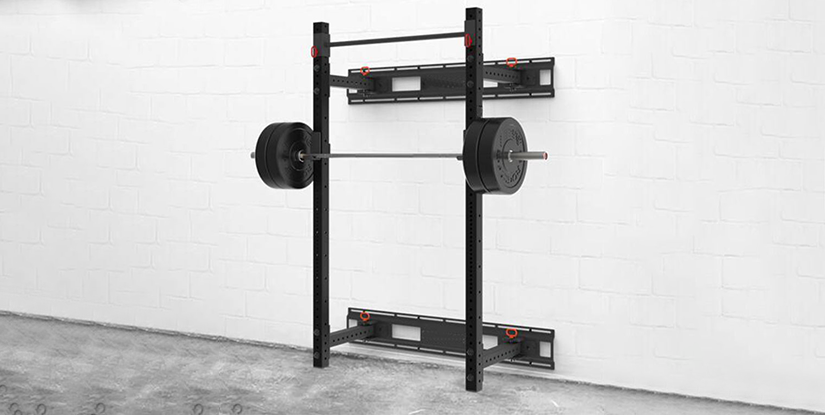
Ultimately, prioritizing long-term durability over a lower initial price tag is a strategic safety investment rather than a mere expense. While budget-friendly models may offer an attractive entry point, the "hidden costs" of substandard strength training equipment often manifest through frequent repairs, structural fatigue, or the complete necessity of avoiding replacement costs caused by premature failure. For distributors and gym owners, the true value lies in sourcing a product that maintains its geometric precision and structural rigidity through years of high-frequency use. By selecting a professional-grade setup, you are not just buying a rack; you are securing a reliable asset that protects both the athlete and your capital, ensuring that your facility remains a high-performance environment without the constant cycle of upgrading inferior hardware.
Essential Safety Features for High-Stakes Barbell Cage Safety
Maintaining the long-term structural integrity of your facility's equipment is just as critical as the initial procurement process. For professional strength facilities, the best power cage for heavy lifters is not just defined by its steel gauge, but by how well it survives rigorous, daily use. Over time, the intense vibrations from heavy eccentric loading can lead to subtle shifts in the frame. We recommend implementing a strict quarterly inspection protocol to ensure barbell cage safety remains uncompromised.
A primary focus during these checks should be bolt tightening. Even high-grade industrial fasteners can loosen under the stress of high-volume training. Regularly inspecting every connection point ensures the unit maintains its rated weight-bearing capacity. For distributors and gym owners, prioritizing this routine maintenance prevents the gradual degradation of strength training equipment. By proactively managing these mechanical details, you ensure your heavy duty squat rack remains a reliable, high-performance asset for your clients for years to come.
To ensure your facility operates at peak efficiency, we suggest following a structured maintenance schedule. Neglecting these small details can lead to premature wear, especially in high-traffic commercial environments where strength training equipment is under constant stress. Focus your attention on inspection points such as J-cups, safety pins, and upright connections to mitigate any risk of mechanical failure.
Beyond structural checks, lubrication of moving parts and rust prevention are vital for longevity. If your facility is located in a high-humidity area, moisture can compromise the finish of even the highest-quality heavy duty squat rack. Use a silicone-based lubricant on sliding mechanisms and ensure the powder coating remains intact to prevent oxidation.
| Frequency | Focus Area | Required Action |
|---|---|---|
| Weekly | Surface & Pins | Check for debris and ensure pins are seated correctly. |
| Monthly | Moving Parts | Apply lubrication to adjustable components. |
| Quarterly | Structural Integrity | Full bolt torque check and rust prevention inspection. |
Environmental management is the final pillar of long-term longevity for high-end installations. When sourcing strength training equipment for international export, we often advise clients to prioritize the installation environment. For instance, strict humidity control is non-negotiable in coastal or tropical regions to prevent micro-corrosion on exposed steel surfaces. Furthermore, ensuring absolute floor stability during the initial setup is vital; a perfectly level foundation prevents uneven weight distribution, which can cause structural fatigue over years of heavy loading. By controlling these external variables, you protect your investment and ensure the best power cage for heavy lifters continues to perform at a professional standard without premature degradation.
Optimizing Floor Footprint with Versatile Heavy Duty Squat Racks
When sourcing high-end strength training equipment, professional gym owners and facility managers often face a frustrating paradox: the most robust equipment tends to occupy the most real estate. For serious athletes, finding the best power cage for heavy lifters involves more than just checking steel gauge; it requires balancing high-performance utility with a logical floor footprint. Whether you are outfitting a boutique strength studio or a high-performance home gym, unmanaged spatial requirements can lead to cramped training zones and inefficient workflows.
The challenge lies in securing a heavy duty squat rack that offers uncompromising structural integrity without dominating the entire room. A well-engineered space-saving design ensures that even when the rack is loaded with heavy plates and specialized attachments, the surrounding area remains navigable. As a buyer, you must prioritize equipment that maximizes vertical utility and optimizes your square footage, ensuring that stability and safety are never sacrificed for the sake of a smaller footprint.
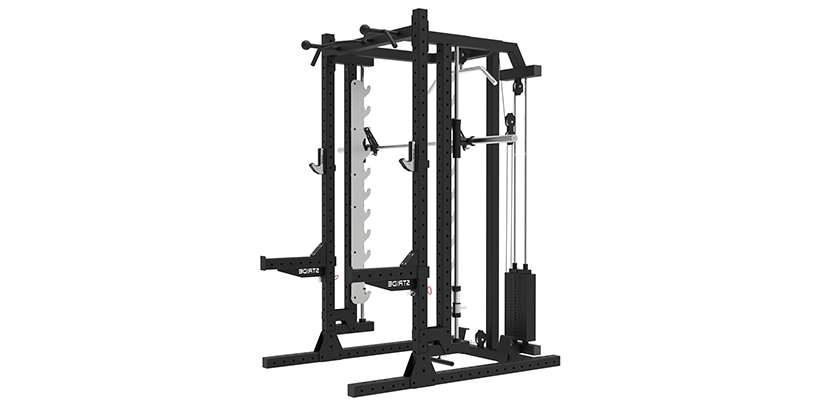
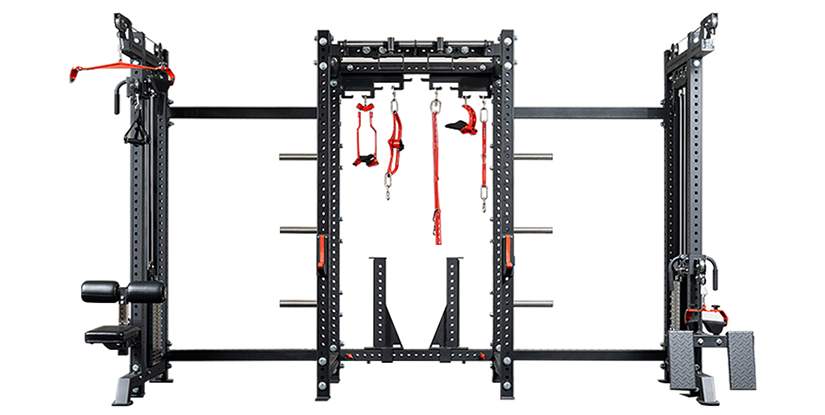
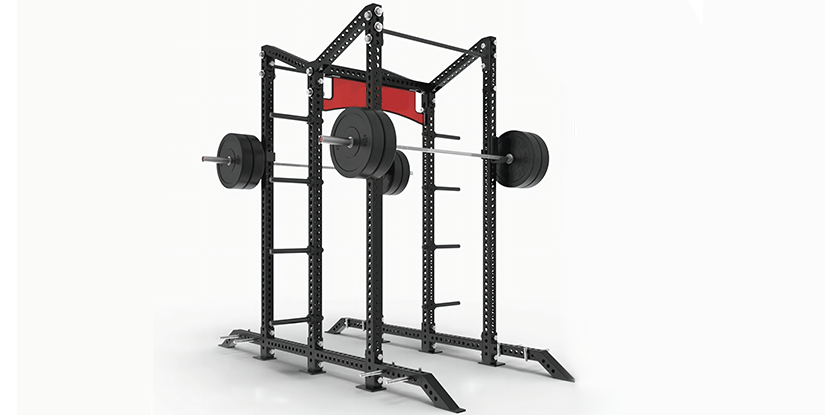
To make an informed procurement decision, you must evaluate how different configurations impact your facility's layout. While a full enclosure provides maximum barbell cage safety, it also requires the largest dedicated area. Conversely, more open designs offer better mobility but may lack the psychological and physical containment some athletes prefer during maximal attempts. We have categorized the most common configurations below to help you visualize the trade-off between utility and square footage.
| Configuration Type | Typical Footprint | Versatility | Training Intensity | Space Efficiency |
|---|---|---|---|---|
| Full Power Cage | Large / Enclosed | High (Multi-functional) | Maximal / Heavy | Lower |
| Half Rack | Medium / Open | Moderate | High / Strength | Moderate |
| Combo Rack | Compact / Hybrid | High (Specialized) | Variable | High |
When selecting the best power cage for heavy lifters, consider that a Full Cage is the gold standard for strength training equipment in high-traffic commercial settings due to its unrivaled safety profile. However, if your facility layout is constrained, a high-quality Half Rack or Combo Rack can provide the necessary heavy duty squat rack performance while maintaining an open, professional aesthetic.
Beyond the base dimensions, true spatial optimization requires a holistic view of the training environment. A common oversight in procurement is failing to account for the "operational radius" required around the rack. To maintain high standards of barbell cage safety, you must ensure there is ample clearance for barbell rotation. This prevents the bar from striking uprights or adjacent equipment during heavy cleans or high-velocity movements, which could otherwise damage your strength training equipment or cause injury.
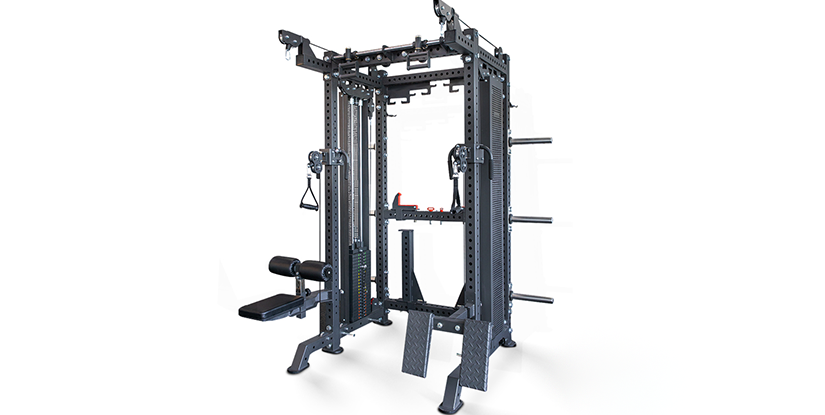
Furthermore, professional-grade installations should prioritize vertical space utilization. By selecting racks with integrated pull-up bars or adjustable height-specific attachments, you leverage the volume of the room rather than just the floor area. Finally, do not overlook the necessity of floor protection. High-impact training requires high-density rubber flooring to absorb shock and preserve the structural integrity of your facility's foundation. When sourcing, ensure your chosen heavy duty squat rack setup is compatible with professional flooring systems to protect your long-term capital investment.
Sourcing Premium Builds: What to Look for in Manufacturing Standards
When sourcing high-end strength training equipment, the most common mistake is overlooking the fundamental physics of the build. For professional facilities and serious athletes, a flimsy frame is a liability. To find the best power cage for heavy lifters, you must look beyond aesthetics and focus on the raw material specifications. A true heavy duty squat rack is defined by its ability to withstand lateral forces and heavy barbell drops without compromising its geometry.
The foundation of this reliability is the steel gauge thickness. In high-performance manufacturing, we prioritize heavy-gauge steel—typically 11-gauge or even 7-gauge for uprights—to ensure maximum structural integrity. When evaluating potential suppliers, confirm that the tubing is not just thick, but also constructed from high-tensile steel. This level of density ensures that the cage remains rigid under extreme loads, providing the essential barbell cage safety that heavy lifters demand during maximum effort lifts.
Beyond the steel gauge, the long-term durability of your investment depends on the precision of the assembly. High-quality strength training equipment is distinguished by more than just raw weight; it is defined by the finesse of the finishing and the strength of the joints. For example, inferior welding quality often presents inconsistent beads or visible gaps, which can become failure points under high-stress oscillation. In contrast, professional-grade manufacturing utilizes full-penetration welds to ensure the frame remains a single, cohesive unit during heavy sets.
Furthermore, the surface finish is a critical indicator of longevity. A premium powder coating does more than look professional; it provides a high-density barrier against oxidation and micro-scratches from barbell contact. To help you differentiate between consumer-grade models and the best power cage for heavy lifters, we have outlined the key manufacturing indicators below:
| Feature | Consumer-Grade Standard | Professional-Grade Standard |
|---|---|---|
| Weight Capacity | Moderate/Variable loads | Consistent, high-tonnage stability |
| Welding Style | Spot or superficial welds | Full-penetration, reinforced joints |
| Finish Quality | Basic paint or thin coating | High-durability industrial powder coating |
| Safety Profile | Basic structural barbell cage safety | Advanced heavy duty squat rack engineering |
Ultimately, true durability is not achieved by luck, but through rigorous, standardized production protocols. When vetting a manufacturer for high-performance strength training equipment, you must demand transparency regarding their quality control standards. A reputable factory does not just assemble parts; they implement a multi-stage verification process that begins with raw material certification and ends with the finished product.
The hallmark of a top-tier facility is the implementation of consistent safety testing. This often involves stress-testing the frame under simulated peak loads to ensure the uprights and crossmembers can handle the kinetic energy of a dropped barbell. Without these strict quality control standards, even a thick-gauge frame may suffer from unforeseen structural fatigue. For distributors and gym owners, ensuring that every unit has undergone systematic validation is the only way to guarantee the long-term durability and reliability required by professional athletes.
Logistics and Assembly: Preparing Your Facility for Large-Scale Equipment Arrival
Before finalizing your order for the best power cage for heavy lifters, you must look beyond the steel dimensions and consider the physical reality of your facility. A high-caliber heavy duty squat rack is a massive, high-density component that requires more than just a flat surface. From a procurement standpoint, failing to audit your installation site is a common mistake that leads to costly shipping delays or even structural damage during assembly.
First, evaluate your heavy duty squat rack footprint against your available floor space. You must account for clearance zones—the buffer area required for safe barbell movement and barbell plate loading. Furthermore, do not overlook verticality; ensure your ceiling height requirements accommodate both the rack structure and the lifter's overhead reach. Finally, verify your floor load capacity. Heavy-duty strength training equipment exerts significant concentrated pressure; ensure your concrete slab or subfloor is engineered to support the static weight of the cage plus the dynamic force of heavy lifting to maintain long-term barbell cage safety and structural stability.
Effective storage optimization is the final piece of the puzzle. A high-end setup is only as functional as its organization. To prevent clutter and ensure long-term barbell cage safety, you must plan for integrated weight plate management. A disorganized floor not only creates a tripping hazard but can also lead to uneven weight distribution, potentially compromising the stability of your strength training equipment.
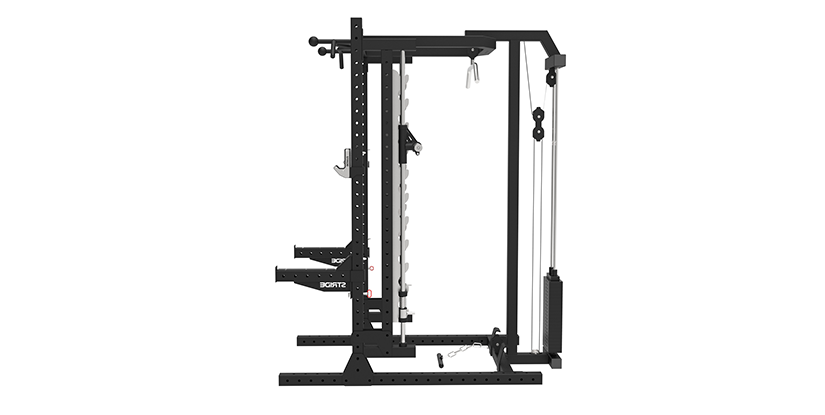
Pre-Arrival Logistics Checklist
Before the shipment arrives, use this checklist to ensure your facility is ready for a seamless integration of your new heavy duty squat rack components:
| Factor | Critical Requirement | Pro-Tip for Buyers |
|---|---|---|
| Delivery Access Points | Wide doors and loading bays | Measure clearance for pallet jacks and forklifts. |
| Assembly Tools | Industrial grade wrenches/sockets | Verify if specific torque tools are required. |
| Storage Capacity | Integrated plate pegs/barbell holders | Calculate total footprint for plate storage. |
By auditing these logistical elements, you transition from simply purchasing a product to successfully implementing a professional-grade training station.
Structural Integrity and Assembly Protocols
Once the shipment arrives, the focus shifts from logistics to the precision of the build. When sourcing the best power cage for heavy lifters, the assembly process is where the theoretical strength of the strength training equipment meets physical reality. High-end heavy duty squat rack units are engineered with high-gauge steel, but their long-term structural stability depends entirely on the rigor of the installation. We recommend strictly adhering to professional bolt tightening protocols; ensuring every fastener reaches its designated torque specification is not just a suggestion—it is a fundamental requirement for barbell cage safety.
Furthermore, procurement specialists should decide on the mounting configuration during the planning phase. While a free standing setup offers maximum versatility for multi-use facilities, a floor mounting approach provides the ultimate level of rigidity for high-intensity training environments. A bolted-down unit significantly reduces lateral movement during heavy eccentric loads, providing a more predictable and secure platform. Whether you choose a mobile or permanent installation, the quality of the assembly determines whether your equipment remains a reliable asset or becomes a structural liability.
Vendor due diligence and specification guardrails
When sourcing for a high-traffic facility, the difference between a premium asset and a liability lies in the invisible specifications. For heavy lifters, the margin for error is non-existent. A common mistake among distributors is prioritizing aesthetic appeal over structural integrity, often resulting in equipment that wobbles under load or fails prematurely. To avoid buyer regret and costly replacements, you must look beyond the surface and demand strict adherence to material standards.
The foundation of a reliable heavy duty squat rack is the steel gauge used in its construction. We recommend prioritizing high-grade, heavy-wall steel (typically 11-gauge or thicker) to ensure the frame can withstand extreme lateral and vertical forces. A high weight capacity is not just a number on a spec sheet; it is a direct result of superior welding techniques and robust upright dimensions. When vetting manufacturers, ensure their quality control processes specifically validate the stability of the frame under maximum load to guarantee long-term barbell cage safety and performance.
To make an informed procurement decision, it is essential to understand how material thickness dictates the lifespan of your strength training equipment. While lighter-gauge steel may be cost-effective for residential use, it lacks the durability required for commercial environments or high-intensity training sessions. Using a sub-par rack for heavy compound movements can lead to frame deformation, compromising the entire system.
Use the following comparison to differentiate between entry-level models and the best power cage for heavy lifters during your sourcing process:
| Specification Feature | Standard Home Gym Rack | Professional-Grade Power Cage |
|---|---|---|
| Steel Gauge | 14-gauge steel (thinner walls) | 11-gauge steel (heavy-duty thickness) |
| Primary Use Case | Light weightlifting & fitness enthusiasts | High-intensity training & heavy compounds |
| Expected Lifespan | Moderate (limited by fatigue) | Extreme (built for long-term durability) |
| Stability Profile | Prone to vibration under load | Maximum rigidity for barbell cage safety |
When negotiating with suppliers, always verify the exact gauge of the uprights. A true heavy duty squat rack should feel substantially more substantial than consumer-grade alternatives to ensure it remains a stable asset for years to come.
Beyond the steel thickness, the finer details of manufacturing dictate the long-term reliability of your investment. A critical indicator of quality is the welding quality; look for consistent, deep-penetration welds rather than superficial beads, as these are essential for maintaining structural stability during high-velocity eccentric loads. Furthermore, the finish of the equipment is not merely cosmetic. A high-grade powder coating serves as a vital protective layer against oxidation and sweat-induced corrosion, which is a common failure point in humid gym environments.
Finally, never overlook the mechanical components that facilitate safety spotting. The best power cage for heavy lifters must feature precision-engineered adjustment points and robust pin systems that do not rattle or deform under tension. When auditing a factory's capability, ask for documentation regarding their testing protocols for load-bearing components. Ensuring that every safety bar and J-cup is built to the same rigorous standards as the main uprights is the only way to guarantee true barbell cage safety and protect the end-user from equipment failure during maximal efforts.