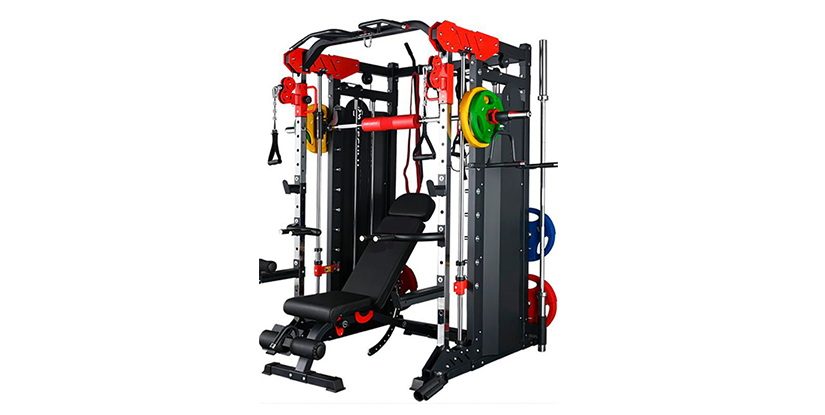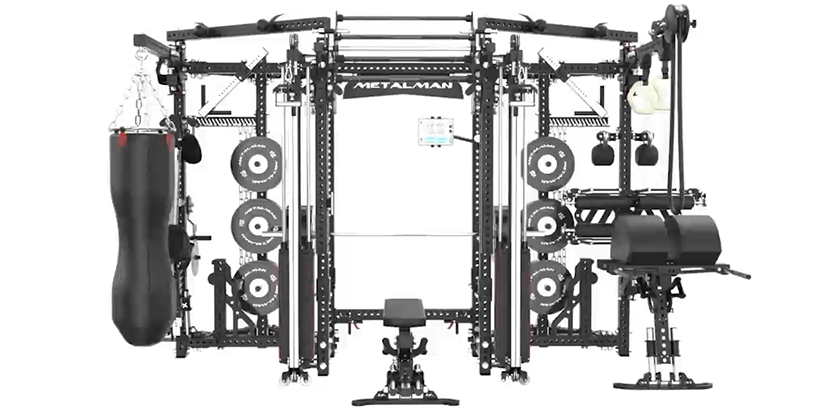
How to Choose the Best Weight Power Rack for Your Gym
Evaluating the Long-Term Value of Premium Strength Training Equipment
Many gym owners fall into the trap of prioritizing a low upfront price tag, only to face high replacement costs and maintenance headaches a few years later. This mistake often leads to purchasing low-grade strength training equipment that fails under heavy use. A more sophisticated sourcing approach focuses on the Total Cost of Ownership (TCO), recognizing that the best weight power rack is an asset that should serve your facility for a decade, not just a single season.
When evaluating your initial investment vs. longevity, you must look beyond the invoice. A budget-friendly rack might save capital today, but if the steel gauge is insufficient or the powder coating fails, you will spend more on repairs and downtime. Investing in a high-quality, heavy duty squat rack ensures long-term durability, meaning your capital is preserved through extended product lifecycles rather than being lost to frequent equipment turnover.
To make an informed procurement decision, we recommend categorizing your options into two distinct tiers. This framework helps you visualize the trade-offs between immediate savings and long-term operational efficiency.
| Feature Tier | Primary Focus | Typical Outcome |
|---|---|---|
| Budget Tier | Low initial capital outlay | Higher maintenance costs and frequent replacement cycles |
| Premium Tier | Compliance with gym safety standards | Maximum uptime and high resale value for your heavy duty squat rack |
The budget vs. premium debate is ultimately a question of risk management. While entry-level models may appear cost-effective, they often lack the structural rigidity required for high-traffic environments. In contrast, a high-tier best weight power rack investment reduces the frequency of hardware fatigue and bolt loosening. By selecting equipment that meets rigorous gym safety standards from the start, you mitigate the hidden costs of liability and equipment downtime, ensuring your facility remains a reliable destination for serious lifters.
Ultimately, the true cost of a rack is found in its operational lifespan and risk mitigation. Choosing a model with compromised structural integrity may save money during the initial procurement phase, but it introduces significant financial liabilities later. A single failure due to inferior welding or thin-walled tubing can lead to catastrophic results, far exceeding the original savings through potential injury claims and legal complications. This is why prioritizing robust safety features—such as high-grade J-cups, spotting arms, and reinforced uprights—is a non-negotiable requirement for professional facilities.
By focusing on long-term value, you transition from a mindset of "buying gear" to "building an asset." A high-quality heavy duty squat rack acts as a foundation for your strength zone, maintaining its precision and stability even under extreme load cycles. When you invest in equipment that adheres to strict gym safety standards, you are essentially buying insurance against frequent equipment turnover and the high costs of constant facility downtime.
Structural Integrity and the Engineering Behind a Heavy Duty Squat Rack
When sourcing high-end strength training equipment, the difference between a standard rack and the best weight power rack lies in the invisible engineering. For commercial distributors and gym owners, durability is not just a preference—it is a liability requirement. A high-quality heavy duty squat rack must withstand thousands of cycles of heavy loading and unloading without any signs of frame deflection or metal fatigue.
The foundation of this durability starts with the steel gauge thickness. We typically recommend looking for 11-gauge steel for professional environments, as this thickness ensures the frame construction can handle extreme weight capacities. Beyond just the metal density, the structural stability of the unit depends on the precision of the welding and the geometry of the uprights. A superior frame construction prevents wobbling during high-intensity lifts, ensuring that the center of gravity remains stable. When evaluating your next shipment, always prioritize these core mechanical specifications to ensure long-term performance and user safety.
To effectively differentiate between consumer-grade models and professional-grade strength training equipment, you must evaluate the intended usage frequency against the expected weight capacity. While residential models may suffice for occasional use, commercial facilities require a build that adheres to rigorous gym safety standards to mitigate risk during peak hours.
Understanding these distinctions helps procurement managers avoid the hidden costs of frequent equipment replacement. Use the following comparison to determine which tier of equipment aligns with your specific facility requirements:
| Feature Tier | Usage Frequency | Typical Weight Capacity | Ideal Environment |
|---|---|---|---|
| Standard/Home Grade | Low (Personal/Occasional) | Up to 300 kg (approx. 660 lbs) | Home Gyms / Small Studios |
| Professional/Commercial | High (Constant/High-Traffic) | 450 kg+ (1,000 lbs+) | Full-Scale Fitness Centers |
| Elite/Competition | Extreme (High-Intensity/Heavy Lifts) | Maximum Load Tolerance | Strength & Conditioning Facilities |
Selecting the best weight power rack for a commercial setting means prioritizing a heavy duty squat rack that can handle the relentless mechanical stress of high-traffic environments without compromising structural integrity.
Beyond the steel gauge, the true hallmark of a premium unit is found in the precision of its assembly. To ensure true long-term durability, you must scrutinize the welding quality at every junction. In high-traffic commercial environments, even a minor flaw in a weld can lead to stress fractures over time. We advise buyers to look for deep, consistent penetration welds that show no signs of porosity or unevenness, as these are critical to maintaining overall structural integrity under heavy loads.
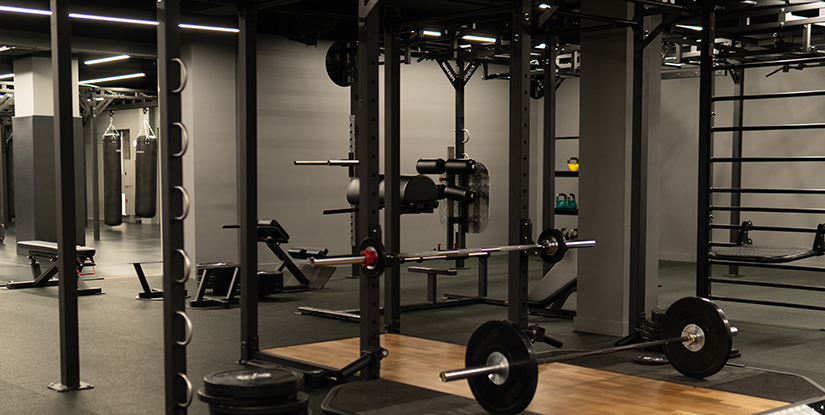
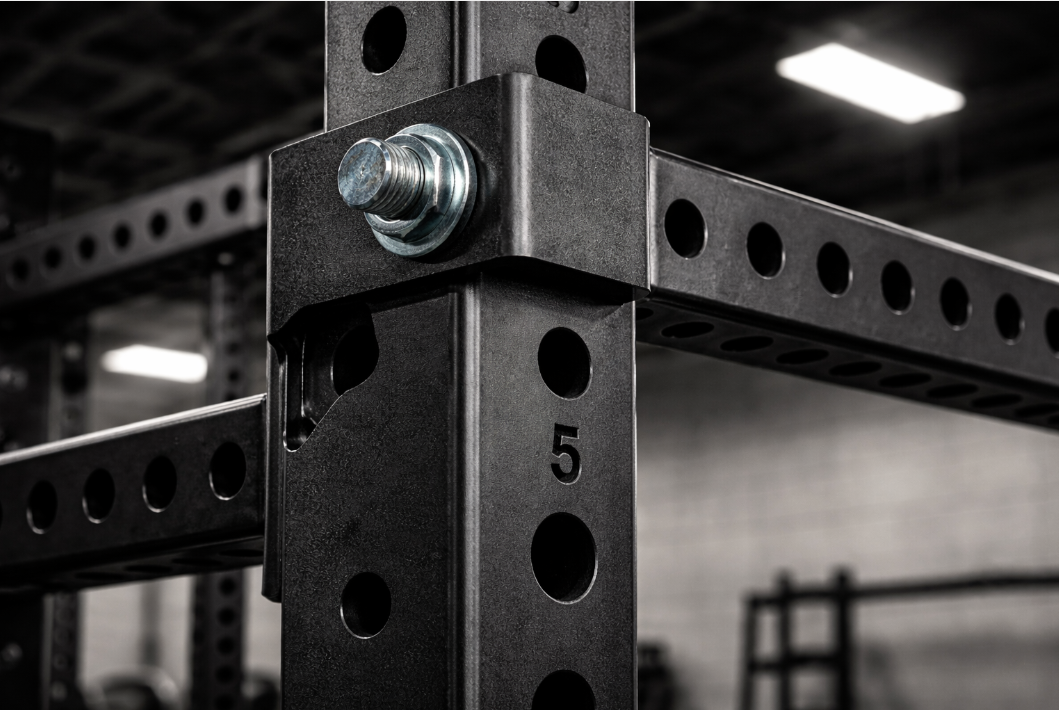
Furthermore, the hardware used to secure the frame is a vital component of the unit's safety features. High-grade bolt strength is non-negotiable; using inferior fasteners can lead to loosening or shearing during intense sessions. A professional-grade rack should utilize heavy-duty, high-tensile bolts that maintain a tight connection even after repeated vibrations. By focusing on these meticulous manufacturing details, distributors can ensure their clients receive equipment that meets the highest gym safety standards and remains a reliable asset for years.
Safety Standards and Essential Features for High-Traffic Gyms
In high-volume commercial environments, the margin for error is zero. When sourcing strength training equipment, the primary concern shifts from aesthetics to long-term structural integrity. A heavy duty squat rack must withstand thousands of cycles of heavy loading and unloading without signs of metal fatigue or frame deformation. For distributors and gym owners, overlooking the technical specifications of the steel can lead to increased maintenance costs and safety liabilities.
The most critical factor in identifying the best weight power rack is the steel gauge. High-quality commercial units typically utilize 11-gauge steel to ensure the frame remains rigid under extreme tension. Lower-grade alternatives may appear similar but often fail to meet the rigorous demands of high-traffic usage. To help you evaluate your procurement options, we have compared the standard durability profiles of common rack configurations below.
| Material Specification | Typical Application | Durability Profile | Maintenance Frequency |
|---|---|---|---|
| 11-Gauge Steel | Commercial Gyms | Extreme / High Impact | Low (Annual Inspection) |
| 14-Gauge Steel | Semi-Commercial / Studio | Moderate / Standard | Medium (Bi-Annual Check) |
| Lightweight Alloy | Home / Residential | Low / Light Loading | High (Regular Tightening) |
When vetting manufacturers, always prioritize units that demonstrate consistent weld quality and standardized steel thickness. Ensuring your facility utilizes equipment that meets global gym safety standards is not just a matter of quality control; it is a fundamental requirement for operational longevity and user confidence.
Proactive Maintenance for Long-Term Reliability
Even the highest-quality best weight power rack requires a disciplined upkeep regimen to ensure peak performance. For facility managers, a proactive approach to maintenance is far more cost-effective than reactive repairs caused by unforeseen equipment failure. Neglecting routine checks can lead to accelerated wear and tear, particularly in high-traffic commercial environments where heavy barbell impact is constant.
To maximize the longevity of your investment, we recommend implementing a structured safety inspection protocol. Our professional checklist includes the following essential steps:
- Bolt Tightening: Regularly check all structural bolts and fasteners. Vibrations from heavy lifting can loosen connections over time, compromising the frame's stability.
- Lubrication: Apply high-quality lubricant to moving parts, such as adjustable uprights or pulley systems, to ensure smooth operation and prevent friction damage.
- Surface Inspection: Monitor the powder coating and steel surfaces for any signs of oxidation or structural stress.
- Hardware Audit: Inspect J-cups and safety pins for any bending or thinning that could indicate excessive wear and tear.
By adhering to these standards, you ensure that your strength training equipment remains a safe, dependable asset for your clients while protecting your long-term capital expenditure.
Maintenance Requirements by Environment
Understanding the expected upkeep load is essential when deciding on the best weight power rack for your specific business model. A heavy-duty setup in a commercial facility demands a different oversight strategy than a residential unit. To help you plan your operational budget and staffing requirements, we have categorized the necessary attention levels below.
| Gym Type | Inspection Frequency | Typical Maintenance Tasks | Required Attention Level |
|---|---|---|---|
| Commercial/High-Traffic | Monthly/Quarterly | Bolt torque testing, weld integrity checks, barbell track cleaning | High (Rigorous) |
| Semi-Commercial/Studio | Bi-Annually | Fastener tightening, surface coating inspection, pin alignment | Moderate |
| Home/Residential | Annually | Basic bolt tightening, general stability check | Low (Occasional) |
When sourcing strength training equipment at scale, we advise buyers to account for these maintenance cycles in their total cost of ownership. Investing in a heavy duty squat rack that meets strict gym safety standards may require more frequent professional oversight, but it significantly reduces the risk of catastrophic failure and long-term liability.
Optimizing Floor Space with Modular Rack Configurations
When sourcing high-quality strength training equipment, many buyers overlook the most critical constraint: the physical footprint. Whether you are outfitting a boutique studio or a large-scale facility, the spatial requirements of your best weight power rack can dictate your entire floor plan layout. A common mistake is failing to account for the clearance needed for bar movement and user safety zones.
Understanding the distinction between a home gym vs commercial gym setup is essential for long-term scalability. While a home user might prioritize a compact, stationary unit, commercial distributors and facility managers should look for modularity. Investing in modular systems allows you to expand your training zones or reconfigure your layout as your membership grows. Choosing a versatile, high-grade system ensures that your initial investment adapts to evolving spatial constraints rather than becoming an obsolete obstacle in your facility.
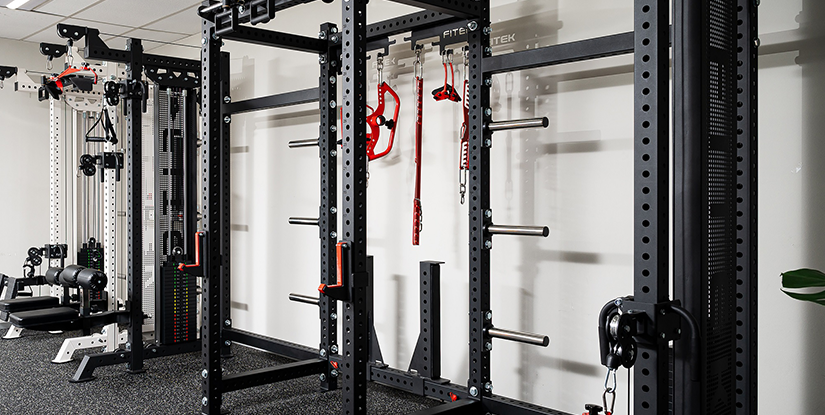
To help you determine which configuration aligns with your facility's dimensions, we have categorized the most common professional options. Selecting the best weight power rack depends heavily on whether you prioritize maximum safety enclosures or a minimized footprint to increase total equipment density.
<th style: padding: 10px;">Ideal Use Case| Rack Configuration | Space Efficiency | ||
|---|---|---|---|
| Full Power Rack | Large (4' x 6' minimum) | Low | High-intensity strength training |
| Half Rack | Medium (3' x 5' average) | Moderate | Versatile commercial training |
| Wall-Mounted | Compact (Minimal footprint) | High | Boutique studios & small gyms |
When evaluating a heavy duty squat rack, always consider the "buffer zone." Even a compact unit requires extra clearance for weight plate diameter and lateral movement. For distributors sourcing for high-traffic areas, we recommend prioritizing configurations that offer the highest degree of gym safety standards without sacrificing the ability to scale your floor-plan density.
Beyond the physical dimensions listed above, professional facility planning requires a deep dive into the operational workflow. A high-performance heavy duty squat rack does not exist in isolation; it is the centerpiece of a complex movement ecosystem. To maintain professional gym safety standards, you must calculate more than just the rack's footprint. You must account for the total dynamic space required for a lifter to safely approach, load plates, and complete a repetition without colliding with adjacent equipment or structural pillars.
Effective accessibility is often the difference between a cramped, high-risk environment and a premium training experience. We advise procurement specialists to ensure there is ample clearance on all sides of the station—specifically for barbell rotation and the outward swing of weight plates. If the spacing is too tight, users may struggle to load heavy plates, leading to fatigue or improper form. By planning for these "invisible" zones during the initial layout phase, you ensure that your strength zone remains a high-utility area that supports fluid movement and long-term user safety.
Strategic Sourcing: Navigating Global Manufacturing and Quality Control
When sourcing high-end strength training equipment, the primary challenge is balancing capital expenditure with long-term structural reliability. For gym owners and distributors, the best weight power rack is rarely the cheapest option on the market, but rather the one that offers the highest cost-efficiency through optimized manufacturing. Often, the discrepancy in price is a direct reflection of manufacturing scale and the precision of the production line.
A critical factor to evaluate is the material thickness vs. price ratio. High-volume manufacturers capable of producing a heavy duty squat rack with consistent 11-gauge or 12-gauge steel profiles can often drive down unit costs without sacrificing integrity. While low-cost, small-scale workshops might offer lower initial quotes, they often lack the rigorous quality control necessary to ensure uniform weld strength and metal density. To secure the best weight power rack for a commercial environment, look for suppliers that leverage large-scale industrial automation, as this ensures that your investment meets strict gym safety standards while maintaining a competitive wholesale margin.
Understanding the relationship between procurement tiers and total cost of ownership is essential for maintaining a profitable facility. We have categorized the market into three distinct sourcing profiles to help you visualize how initial investment impacts long-term durability and operational uptime.
| Sourcing Type | Typical Price Point | Durability Expectation | Best For |
|---|---|---|---|
| Small-Scale/Local Retail | Premium / High | Moderate | Home Gyms & Boutique Studios |
| Mid-Tier Commercial Distributor | Mid-Range | High | Regional Gym Chains & CrossFit Boxes |
| Direct Factory Wholesale | Competitive / Low | Industrial Grade | Large-Scale Facilities & Global Distributors |
When evaluating the best weight power rack, remember that the lowest upfront cost often masks hidden expenses in maintenance and replacement. Selecting a heavy duty squat rack from a high-capacity manufacturer ensures that the product adheres to international gym safety standards, effectively protecting your budget from the premature depreciation common in lower-tier strength training equipment.
Achieving value-driven purchasing requires looking beyond the initial invoice to the long-term operational costs. A common mistake in procurement is avoiding low-cost pitfalls by choosing the lowest bidder, only to face expensive downtime due to structural failure. To mitigate this risk, focus on the manufacturer's quality control protocols. A reliable supplier should demonstrate consistent structural integrity across their entire production run, ensuring that every bolt and weld meets high gym safety standards.
Instead of chasing the lowest price, prioritize suppliers who offer transparency in their fabrication processes. A heavy duty squat rack produced by a factory with standardized testing equipment will always provide a better return on investment than a cheaper alternative that lacks rigorous oversight. By verifying that your chosen strength training equipment is built with high-grade steel and precision-engineered components, you ensure that the best weight power rack in your facility remains a safe, high-performance asset for years, rather than a recurring liability.
Logistics and Installation Realities for Large-Scale Equipment Imports
Procuring a heavy duty squat rack involves more than just selecting a model; it requires a deep understanding of the logistical overhead associated with heavy-duty strength training equipment. When importing, the primary challenge lies in managing shipping dimensions and the high volumetric weight of oversized steel components. If your supplier lacks rigorous packaging standards, you risk receiving a product with compromised structural integrity due to transit vibrations or improper stacking in sea containers.
To ensure you receive the best weight power rack in pristine condition, we recommend verifying the factory's crating methods before finalizing any purchase. High-quality exporters utilize reinforced wooden crates and edge protectors to mitigate the impact of long-haul shipping. Without these precautions, even the most robust steel frames can suffer minor deformations that complicate the assembly process. Always request a detailed packing list that specifies both the actual weight and the dimensional volume to accurately calculate your landed costs and prevent unexpected freight surcharges at the port.
Beyond the shipping container, your focus must shift to the factory’s internal quality control (QC) protocols and the end-user's experience during setup. A premium heavy duty squat rack should arrive with high assembly ease, featuring precision-drilled holes and standardized hardware. We often advise buyers to inquire if the manufacturer performs a pre-shipment inspection on bolt tension and fastener alignment. If the components do not fit seamlessly, it indicates poor tolerances that can lead to structural instability over time.
Furthermore, true durability is dictated by how well the unit adheres to global gym safety standards. A high-tier supplier doesn't just build for the sale; they build for long-term maintenance. This means ensuring the powder coating is resilient against oxidation and that all moving parts—such as J-cups or safety bars—operate smoothly without excessive friction. When evaluating your source, prioritize factories that provide detailed assembly schematics and clear guidelines for routine hardware tightening. Investing in equipment that is easy to maintain ensures your strength training equipment remains a safe, reliable asset for years to come.
Selecting the right setup requires a realistic view of how your environment will impact the equipment's lifecycle. A professional gym operates under vastly different pressures than a private residence, and your procurement strategy should reflect these operational realities. To help you determine the necessary level of oversight, we have outlined the fundamental differences in logistics and upkeep requirements below.
| Feature | Home Gym Setup | Commercial Gym Setup |
|---|---|---|
| Shipping Frequency | One-time delivery (Direct to door) | Periodic replenishment / Bulk shipments |
| Assembly Complexity | Standard DIY (Single unit) | High (Multiple units / Integrated layouts) |
| Maintenance Requirements | Minimal (Occasional bolt tightening) | Rigorous (Daily inspections / High-frequency) |
| Budget Impact | Lower initial freight & setup costs | Higher long-term operational & labor costs |
While a home user may only need to ensure their best weight power rack is bolted to the floor once, a commercial facility must treat strength training equipment as a living asset. For large-scale distributors and gym owners, the focus remains on minimizing downtime through proactive maintenance and selecting a heavy duty squat rack that can withstand high-volume usage without compromising gym safety standards.
Prioritizing Value Over Initial Outlay
When sourcing high-end strength training equipment, many procurement managers fall into the trap of prioritizing the lowest upfront quote. However, professional gym owners know that the best weight power rack is not defined by its price tag, but by its long-term investment potential. A cheap, lightweight alternative may save capital today, but it often leads to increased maintenance costs and premature replacement cycles.
To maximize your ROI, you must shift your focus toward the total cost of ownership. This means evaluating the structural integrity of the steel gauge and the precision of the welding. Investing in a high-grade, heavy duty squat rack ensures that your facility can handle high-traffic usage without compromising gym safety standards. By choosing equipment built for durability, you reduce the frequency of hardware failures and downtime, ultimately protecting your bottom line and your reputation.
To help you align your procurement strategy with your specific facility needs, we have categorized typical market options into three distinct investment tiers. Use this guide to determine where your facility fits and how to allocate your budget effectively.
| Tier Level | Usage Frequency | Equipment Class | Maintenance Level | Budget Profile |
|---|---|---|---|---|
| Entry-Level | Low (Home/Studio) | Standard Modular Rack | Moderate | Economical |
| Mid-Tier | Moderate (Boutique Gym) | Professional Grade | Low | Balanced |
| Premium | High (Commercial/Affiliate) | Heavy Duty Squat Rack | Minimal | High Initial/Low Long-term |
When evaluating these tiers, always ensure the specifications meet or exceed local gym safety standards. While the premium tier requires a higher initial capital expenditure, the long-term savings in replacement costs and the reduced need for frequent repairs often provide the superior return on investment for high-traffic commercial environments.
Final Verification Before Purchase
Before you finalize your procurement order, perform a rigorous quality check to ensure the selected unit meets your facility's rigorous demands. A successful final decision relies on more than just a visual inspection; it requires a deep dive into the technical specifications to guarantee structural stability under maximum load. We recommend verifying the steel thickness, bolt strength, and the presence of essential safety features like adjustable spotter arms and high-density bumper protection.
Use this brief checklist to confirm your choice delivers true long-term value:
- Load Capacity: Does the heavy duty squat rack meet the weight-bearing requirements for your heaviest lifters?
- Build Quality: Are the welding points seamless and the powder coating resilient against heavy friction?
- Safety Compliance: Does the design align with international gym safety standards to mitigate liability?
- Installation Readiness: Is the hardware compatible with your existing flooring and facility layout?