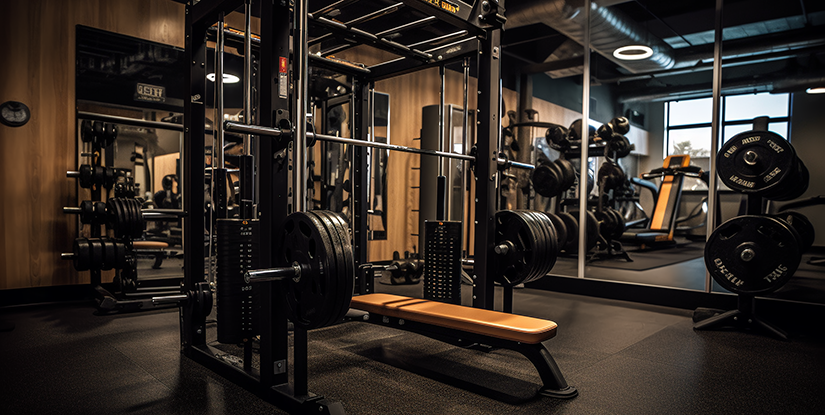
Bench Press Squat Rack Combination for High Traffic Gyms
Defining Procurement Standards for High-Traffic Training Stations
Many distributors mistake high weight capacities for long-term reliability, often overlooking the structural integrity required for constant use. A professional sourcing strategy shifts focus from simple load ratings to the fundamental metallurgy and welding quality of the bench press squat rack combination to ensure long-term ROI.
Material Gauge and Structural Stability
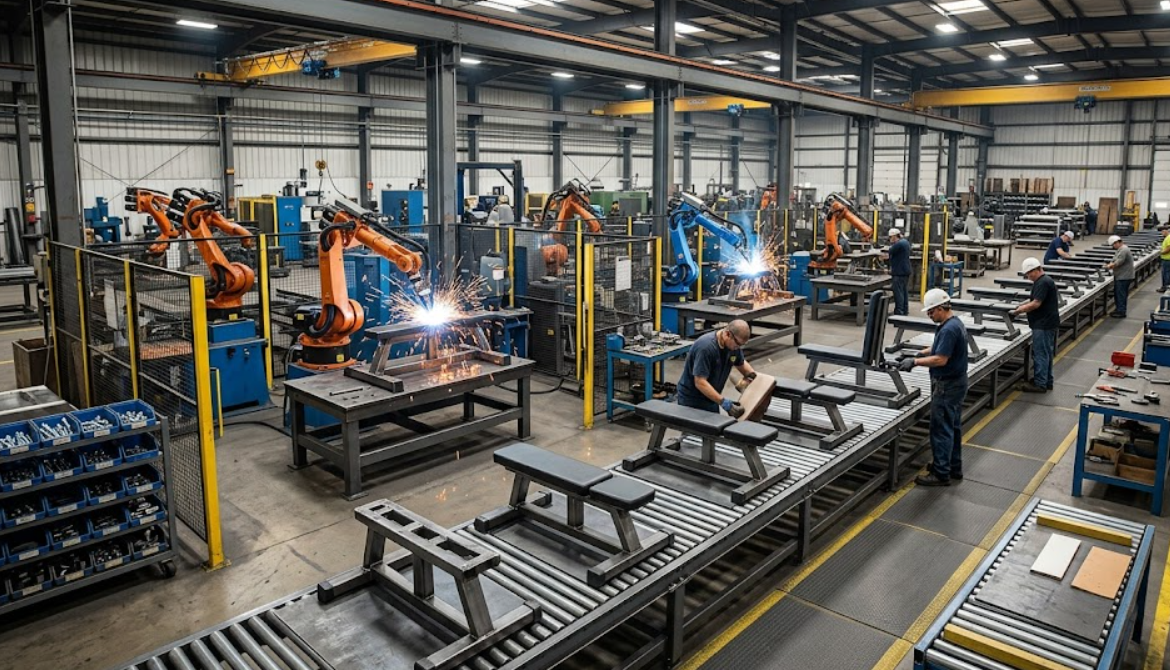
For high-traffic commercial weightlifting stations, the thickness of the steel tubing is the primary determinant of lifespan. We recommend specifying a heavy-duty steel gauge, typically 11-gauge (approx. 3mm) or 7-gauge for extreme heavy-duty applications, to prevent frame bowing under repetitive loading. Beyond mere thickness, the integrity of the weld joints is critical; full-penetration welding is essential at high-stress intersection points to maintain structural stability during heavy compound movements. Relying on thin-walled tubing or inferior welding techniques often leads to premature fatigue, increasing maintenance costs and reducing the operational uptime of your facility's training zones.
Evaluating Surface Finishes and Load Durability
The choice between powder coating and chrome plating significantly impacts both the aesthetic longevity and the total cost of ownership (TCO). While chrome offers a premium look, high-quality electrostatic powder coating provides superior resistance to scratches and oxidation in high-humidity or high-use environments. Procurement managers should evaluate these specifications against expected usage patterns to balance initial shipping costs with long-term maintenance frequency.
| Specification Metric | Standard Commercial Grade | Premium Heavy-Duty Grade |
|---|---|---|
| Steel Thickness (mm) | 2.0mm - 2.5mm | 3.0mm - 3.5mm+ |
| Coating Type | Electrostatic Powder Coating | High-Gloss Chrome or Hard Anodized |
| Typical Load Capacity | 300kg - 400kg | 450kg - 600kg+ |
| Maintenance Frequency | Bi-annual inspection | Annual inspection |
When negotiating MOQs with manufacturers, ensure that the steel grade and coating thickness are explicitly stated in the technical data sheet. This level of detail prevents the common issue of receiving "spec-drift" products that appear robust but fail to meet the rigorous demands of multi-functional training rigs.
Optimizing TCO Through Wear Resistance and Maintenance Cycles
For large-scale facility rollouts, the true cost of a bench press squat rack combination is not the initial purchase price, but the cumulative expense of repairs and downtime. High-traffic environments demand equipment that adheres to strict wholesale durability standards to minimize the frequency of part replacements. When evaluating multi-functional training rigs, procurement teams must scrutinize the durability of contact points, such as J-cups and barbell holders, where friction is most intense.
Effective gym equipment layout optimization includes planning for realistic maintenance cycles. Relying on low-cost, thin-gauge components may offer a lower upfront shipping cost, but it often results in a higher total cost of ownership due to rapid wear and tear. We suggest prioritizing components with high wear resistance—such as reinforced nylon bushings or hardened steel plating—to ensure that the station remains operational without frequent technical interventions. Selecting equipment that maintains its structural tolerances over several years of heavy usage is the most reliable way to protect your long-term capital investment.
Evaluating Structural Integrity and Load Capacity for Commercial Use
Distinguishing between residential equipment and professional-grade bench press squat rack combination units requires a strict focus on material thickness and welding quality. In high-traffic environments, the structural stability of a station determines both user safety and the long-term ROI of the facility.
The Necessity of High-Grade Steel and Gauge Standards
Commercial weightlifting stations must withstand constant vibration and heavy eccentric loading that would compromise lighter, consumer-grade frames. When sourcing for large-scale gym rollouts, procurement managers should prioritize a heavy-duty steel gauge—typically 11-gauge (approx. 3mm) or thicker—to prevent frame bowing under maximum load. Unlike residential setups, a professional bench press squat rack combination relies on reinforced crossmembers and heavy-duty uprights to maintain alignment during intense training sessions. This structural rigidity is essential for high-traffic usage, where equipment undergoes hundreds of cycles of loading and unloading daily. Investing in high-density steel ensures the station remains a reliable asset rather than a maintenance liability for your distributors or facility owners.
Selecting the appropriate structural configuration depends heavily on the specific user profile and the anticipated intensity of the training program. A mismatch between the steel gauge and the facility's throughput can lead to premature wear or structural fatigue, increasing long-term maintenance costs for gym operators.
Structural Configuration Comparison by Facility Type
The following table outlines the typical technical specifications required for different commercial environments. Use these benchmarks to evaluate manufacturer quotes and ensure the equipment meets the demands of your specific market segment.
| Configuration Type | Typical Steel Gauge | Weight Capacity (Static) | Ideal Use Case |
|---|---|---|---|
| Light Commercial / Boutique | 12-Gauge (approx. 2.5mm) | 600–800 lbs | Studios, Hotel Gyms, Personal Training Suites |
| Full Commercial / High-Traffic | 11-Gauge (approx. 3mm) | 1,000+ lbs | Big Box Gyms, CrossFit Boxes, Performance Centers |
| Heavy-Duty / Strength Training | 7-Gauge to 9-Gauge | 1,500+ lbs | Elite Powerlifting Gyms, Specialized Strength Labs |
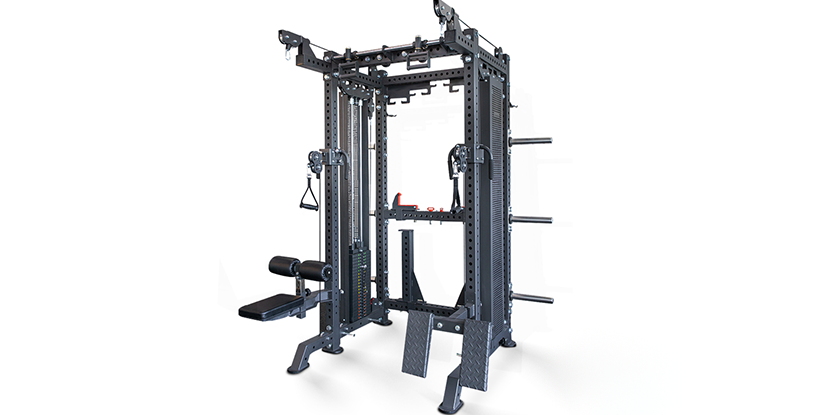
When negotiating with factories or sourcing through a distributor, verify that the weight capacity refers to the total structural limit of the multi-functional training rig, rather than just the individual barbell hooks. For high-volume facilities, opting for the 11-gauge standard provides the most reliable balance between shipping weight/logistics costs and long-term durability.
Optimizing Long-Term Durability and TCO
Beyond raw steel thickness, the longevity of multi-functional training rigs is dictated by welding integrity and surface protection. For distributors and facility owners, the Total Cost of Ownership (TCO) is heavily influenced by how often a unit requires touch-ups or replacement due to cosmetic or structural degradation. High-quality, continuous welds are non-negotiable; they prevent stress fractures in high-impact zones where the barbell frequently strikes the uprights.
Furthermore, the application of professional-grade powder coating serves as a critical defense against oxidation and mechanical abrasion. In high-traffic settings, standard paint often chips, exposing the steel to moisture and causing rust. A resilient, multi-stage coating process ensures the equipment maintains its aesthetic and structural value through extended maintenance cycles. When auditing factory capabilities, prioritize suppliers that utilize electrostatic powder coating, as this provides the surface hardness necessary to withstand the rigorous daily use typical of commercial weightlifting environments.
Optimizing Floor Space via Multi-Functional Training Rigs
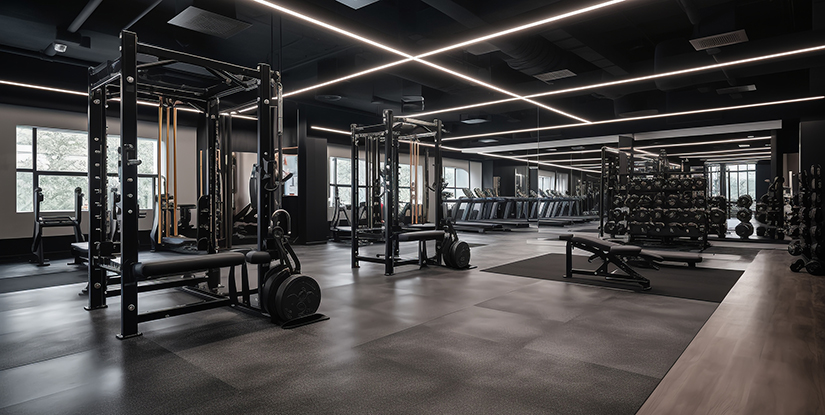
Maximizing the commercial gym footprint requires a strategic approach to equipment density. Integrating a bench press squat rack combination allows operators to consolidate heavy lifting stations into a single footprint, reducing the total square footage required for high-intensity zones while maintaining professional training standards.
Spatial Efficiency and Throughput Management
In high-traffic environments, the layout of strength training zones directly impacts member throughput. Utilizing multi-functional training rigs instead of standalone units prevents bottlenecks by centralizing core movements. This configuration minimizes dead space between machines, allowing distributors and facility managers to increase the number of usable stations per square meter without compromising safety or movement clearance.
| Configuration Type | Spatial Footprint | Member Throughput Potential | Long-term TCO (Total Cost of Ownership) |
|---|---|---|---|
| Standalone Units | High (Individual footprints) | Moderate (Limited by density) | Higher (More floor space required) |
| Integrated Combinations | Low (Consolidated footprint) | High (Optimized flow) | Lower (Efficient facility utilization) |
| Modular Rigs | Variable (Scalable) | Very High (Multi-user capacity) | Moderate (Higher initial CAPEX) |
For wholesale buyers and gym developers, selecting an integrated bench press squat rack combination is a decision driven by ROI. By optimizing the commercial gym footprint, facilities can accommodate more members during peak hours, directly addressing the challenges of high-traffic density in urban fitness centers.
Technical Comparison of Configuration Models
When evaluating procurement options, the distinction between standalone hardware and integrated systems lies in the trade-off between initial CAPEX and long-term utility. For distributors managing large-scale rollouts, understanding the spatial density of these configurations is essential for precise facility planning.
| Metric Category | Standalone Bench & Rack | Integrated Bench Press Squat Rack Combo | Multi-Functional Training Rig |
|---|---|---|---|
| Typical Footprint | ~45-60 sq ft | ~35-50 sq ft | Scalable (Linear/Modular) |
| Versatility | Single-discipline focus | High (Compound lifting) | Extreme (Multi-user/Multi-station) |
| Maintenance Complexity | Low (Independent parts) | Moderate (Shared components) | Higher (Complex attachment points) |
| Cost-per-sq-ft Efficiency | Lower efficiency | High efficiency | Maximum (Highest density/user ratio) |
While standalone units offer simplicity, the bench press squat rack combination provides a superior balance for mid-sized commercial settings. It maximizes the utility of every square meter by merging essential movements into a single station, effectively increasing the revenue potential per square foot of the facility.
Logistics and Long-Term Spatial ROI
Beyond the floor plan, procurement specialists must evaluate the logistical implications of weight and volume. A high-quality bench press squat rack combination offers significant advantages in modularity, allowing for easier disassembly and reduced shipping volume during international transit. This modularity is critical for distributors managing high-volume sea freight or complex on-site installations.
When sourcing, prioritize equipment with low assembly complexity to reduce labor costs during gym fit-outs. While multi-functional training rigs offer high density, they often require more intensive technical setup. For long-term spatial ROI, ensure the steel gauge and powder coating are rated for long-term durability in high-use zones. This prevents the need for frequent equipment replacement and maintains the facility's professional aesthetic under heavy daily utilization.
Mechanical Longevity and Adjustment Reliability
When sourcing a bench press squat rack combination for high-traffic environments, the durability of the adjustment mechanisms is a critical factor in total cost of ownership. In commercial weightlifting stations, the constant transition between flat, incline, and decline positions subjects the locking pins and adjustment ladders to significant mechanical wear.
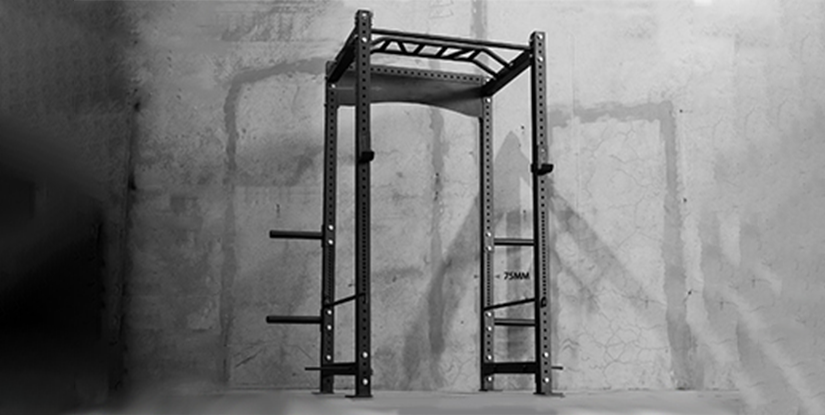
High-frequency use in large-scale facilities often leads to loose tolerances if the hardware is not industrial-grade. Distributors should prioritize units featuring heavy-duty steel pop-pins and reinforced adjustment notches. Relying on low-quality adjustment mechanisms can lead to increased maintenance downtime and safety concerns, as these components must withstand thousands of cycles without losing structural integrity or precision.
Evaluating Adjustment Systems and TCO
Selecting the right adjustment type directly impacts both your facility layout optimization and long-term operational budgets. While all systems serve the basic function of changing angles, the mechanical complexity determines the frequency of technician visits and the eventual replacement cycle of the unit.
| Adjustment Type | Durability Profile | Maintenance Interval | Cost-Efficiency (TCO) |
|---|---|---|---|
| Pop-Pin (Manual) | High; minimal moving parts | Low; annual inspection | Excellent for high-volume gyms |
| Ladder/Notch | Moderate; prone to friction | Medium; requires lubrication | Standard for mid-tier facilities |
| Hydraulic/Electronic | Complex; high sensitivity | High; specialized service | Lower ROI for high-traffic areas |
For distributors managing large-scale gym rollouts, pop-pin systems typically offer the best balance of reliability and ease of shipping. Although hydraulic systems offer seamless transitions, the potential for seal failure and the requirement for specialized technical support often makes them less ideal for high-density multi-functional training rigs where uptime is the primary metric for success.
Standardizing the Attachment Ecosystem
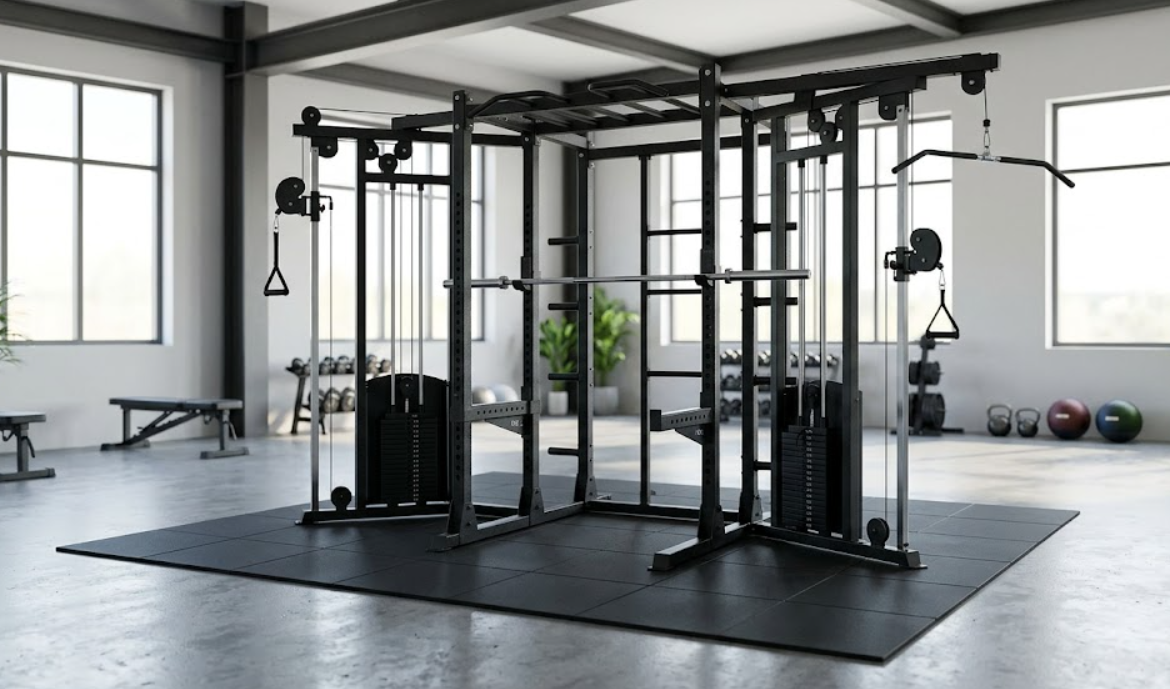
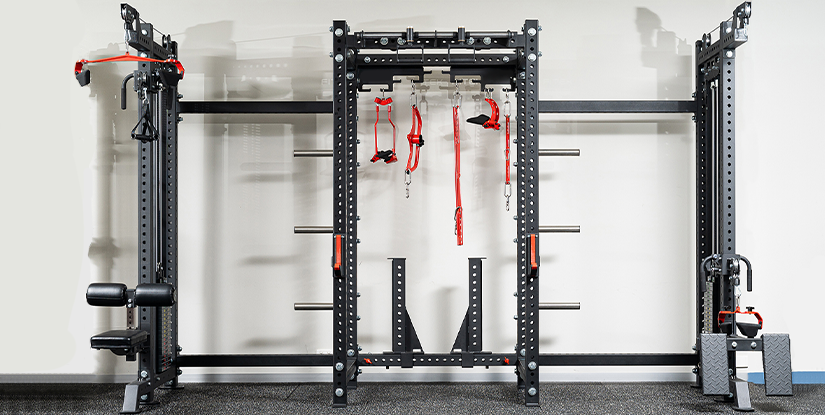
To prevent operational bottlenecks, procurement managers must evaluate the compatibility of the entire attachment ecosystem. A high-quality bench press squat rack combination should function as a modular hub, allowing for the seamless addition of dip stations, landmines, or weight horns. When sourcing multi-functional training rigs, verify that all accessories share a standardized mounting pattern to avoid the common issue of proprietary parts that limit future expansion.
From a logistics and inventory standpoint, relying on a single manufacturer for both the main frame and all accessories is a strategic advantage. This ensures that replacement parts—such as specialized bolts, pins, or specialized hooks—are consistent in grade and fit. For distributors, it is prudent to negotiate a reasonable MOQ for accessories to ensure a steady supply of high-wear components. Furthermore, demand strict quality control (QC) for moving parts, specifically regarding the tolerance of bushings and bearings, to ensure that even the most complex attachments remain smooth and functional under heavy daily use.
Optimizing Procurement ROI and Total Cost of Ownership
When sourcing a bench press squat rack combination for high-traffic facilities, procurement managers must look beyond the initial invoice to understand the long-term economic impact. While low-cost options may satisfy immediate budget constraints, they often fail to deliver value in high-use environments due to rapid wear and frequent replacement cycles.
Effective sourcing requires balancing unit price vs. durability to minimize the total cost of ownership (TCO). Investing in high-grade steel and reinforced welding for your commercial weightlifting stations reduces the frequency of maintenance and downtime. For distributors and large-scale gym operators, selecting equipment with high-traffic durability ensures that the initial capital expenditure translates into years of reliable service rather than recurring replacement costs.
| Procurement Focus | Low-Cost/Light-Duty Models | Commercial-Grade Combinations |
|---|---|---|
| Primary Metric | Initial Unit Price | Total Cost of Ownership (TCO) |
| Expected Lifespan | 1–3 Years (High Usage) | 5–10+ Years (High Usage) |
| Maintenance Needs | Frequent adjustments/repairs | Minimal/Scheduled inspections |
| Bulk Sourcing Value | Low MOQ/Low shipping volume | High MOQ/Optimized container loading |
Evaluating Sourcing Models for Volume Procurement
The decision between direct factory procurement and utilizing a local distributor depends heavily on your facility's scale and the complexity of the multi-functional training rigs you intend to install. Large-scale gym rollouts often benefit from the cost-efficiency of direct sourcing, whereas smaller boutique setups may prioritize the speed and service of regional vendors.
When ordering a bench press squat rack combination in bulk, understanding the trade-offs in logistics and lead times is essential for maintaining your project timeline. Direct factory orders offer the lowest per-unit cost but require more sophisticated oversight of shipping and customs, while local distributors provide a more streamlined, albeit more expensive, procurement path.
| Sourcing Model | Lead Time | MOQ Requirements | Shipping Complexity | Cost Impact |
|---|---|---|---|---|
| Direct Factory Sourcing | Longer (Production + Ocean Freight) | High (Full Container Loads) | High (Customs, Port, Last-mile) | Lowest Unit Price |
| Local/Regional Distributor | Short (Stock Availability) | Low (Per-unit or Small Batch) | Low (Domestic Freight) | Higher Per-unit Cost |
For organizations managing multiple locations, a hybrid approach is often most effective. Sourcing heavy-duty, core components like multi-functional training rigs directly from a manufacturer can significantly reduce capital expenditure, while utilizing local distributors for smaller, supplementary equipment can mitigate the risks of long-distance logistics delays.
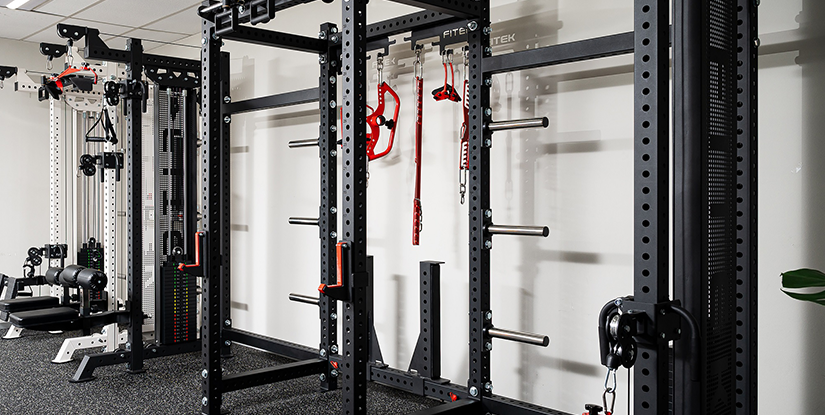
Mitigating Hidden Costs Through Logistics and Quality Control
Beyond unit pricing, the true cost of a bench press squat rack combination is often determined by shipping efficiency and arrival quality. For high-volume orders, failing to account for the shipping volume/weight ratio can lead to unexpected surcharges or inefficient container utilization. Professional manufacturers prioritize container loading efficiency, ensuring that heavy steel components are nested correctly to maximize space without compromising structural integrity during transit.
To prevent the high costs of returns and replacement parts, implementing a rigorous QC inspection protocol is non-negotiable. Heavy equipment is susceptible to specific breakage risks, such as bent uprights or damaged powder coating, if not handled with precision. Buyers should verify that the factory performs pre-shipment inspections that focus on weld strength and component compatibility. A robust quality control process ensures that your gym equipment layout optimization remains on schedule, preventing the costly downtime caused by receiving damaged or incomplete multi-functional training rigs.
Long-Term ROI and Maintenance Cycles in High-Volume Facilities
For facility owners and distributors, the true cost of a bench press squat rack combination extends far beyond the initial procurement invoice. In high-traffic environments, the Total Cost of Ownership (TCO) is dictated by how well the equipment resists mechanical fatigue and aesthetic degradation over several years of continuous use.
Structural Integrity and Material Specifications
When sourcing commercial weightlifting stations, the distinction between standard and heavy-duty builds becomes a critical financial lever. High-grade steel with increased wall thickness ensures the structural integrity remains intact under heavy eccentric loading, preventing the frame warping that often plagues lower-tier imports. Furthermore, high-quality powder coating is not merely an aesthetic choice; it serves as a vital defense against oxidation and surface abrasions caused by constant weight plate contact. Investing in these premium specifications reduces long-term maintenance costs by extending the replacement cycle and minimizing the need for frequent part swaps or frame repairs in demanding gym settings.
Procurement managers must weigh the immediate capital expenditure against the long-term operational efficiency of their floor layout. Choosing between isolated units and integrated systems requires a clear understanding of how footprint and durability affect the lifecycle of the investment.
Configuration Comparison: Single Stations vs. Multi-Functional Rigs
The following analysis compares the standard single-station setup against high-density training rigs to assist in budget allocation and facility planning.
| Feature | Single Bench/Rack Setup | Multi-Functional Training Rigs |
|---|---|---|
| Footprint | Minimal and isolated | Larger, but high density per sq. meter |
| Initial Investment | Lower per unit cost | Higher upfront capital requirement |
| Durability | High (Single point of failure) | Extreme (Modular and interconnected) |
| Maintenance Frequency | Moderate (Individual parts) | Lower (Centralized system components) |
| Long-term Value | Scalable for small gyms | Optimized for high-traffic throughput |
While single-unit configurations offer lower entry costs and easier shipping logistics for smaller distributors, multi-functional training rigs typically provide a superior return on investment for large-scale commercial settings. These integrated systems allow for greater gym equipment layout optimization, enabling a single footprint to support multiple training modalities simultaneously. For high-volume facilities, the ability to consolidate various strength movements into a single, robust structure reduces the total number of individual units to monitor, ultimately lowering the long-term labor burden for facility maintenance teams.
Mitigating Risk Through Supply Chain Reliability
Beyond the physical product, maximizing ROI requires a strategic focus on the procurement process itself. For large-scale rollouts, the most significant hidden cost is downtime caused by faulty components or delayed replenishments. To mitigate this, buyers should prioritize manufacturers with high factory capability and established QC standards that include rigorous stress testing for load-bearing joints and welding strength.
Dependable distributor reliability is equally vital when managing global inventory. A supplier with a stable supply chain and optimized shipping logistics ensures that replacement parts or expansion modules arrive without disrupting your gym equipment layout optimization. When sourcing wholesale, verify that the manufacturer maintains strict control over the production timeline and quality inspection stages. This proactive approach to downtime prevention ensures that your high-traffic facility remains operational, protecting your revenue streams from the logistical bottlenecks that often plague unverified low-cost sourcing options.