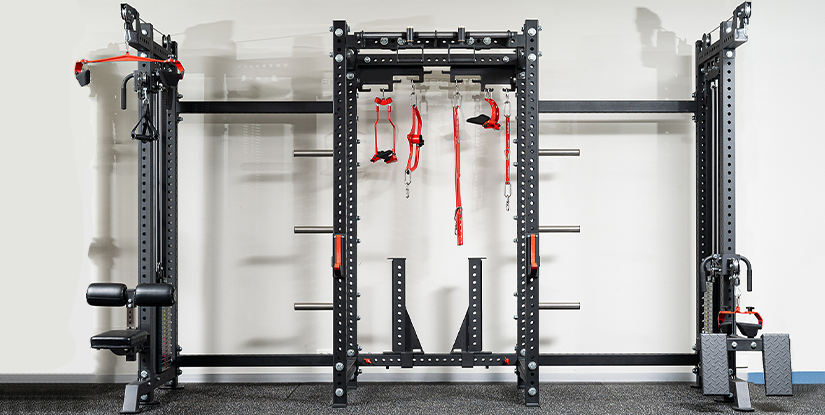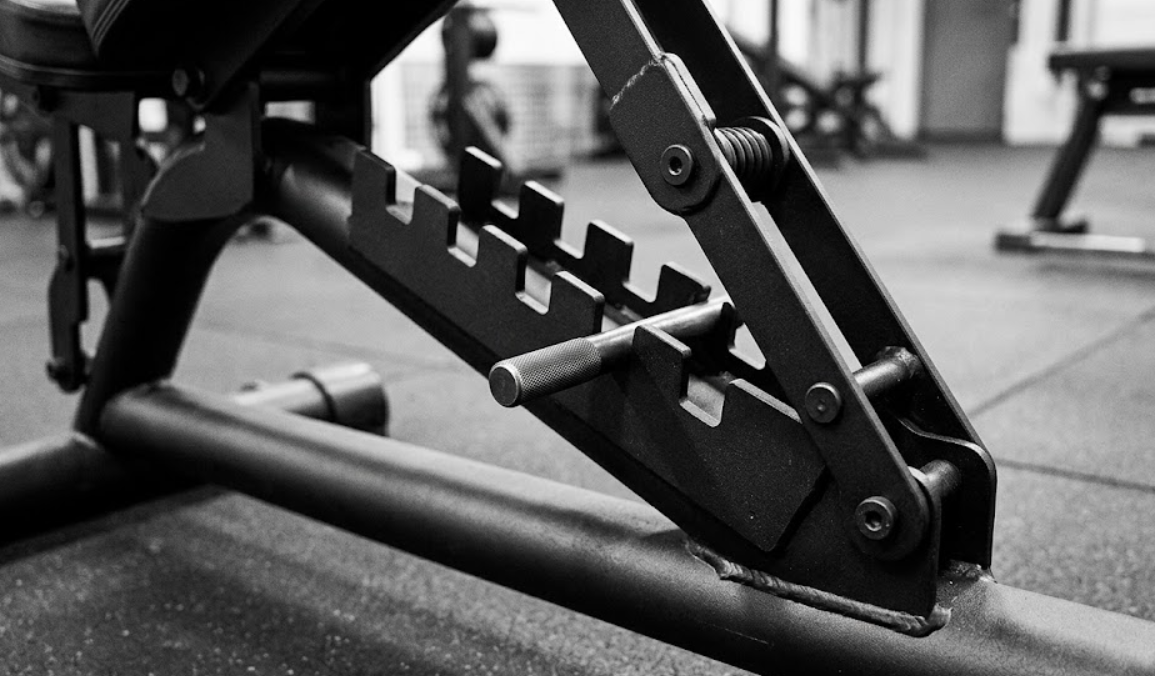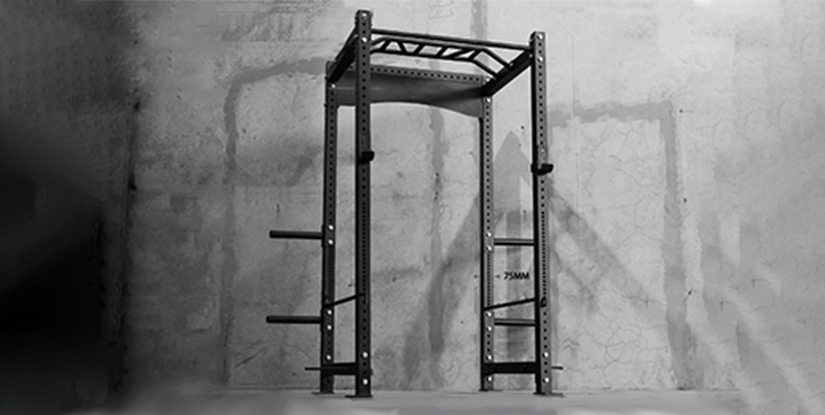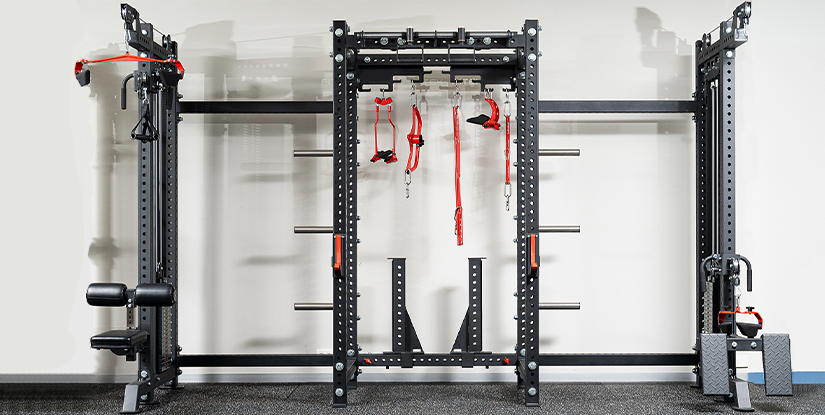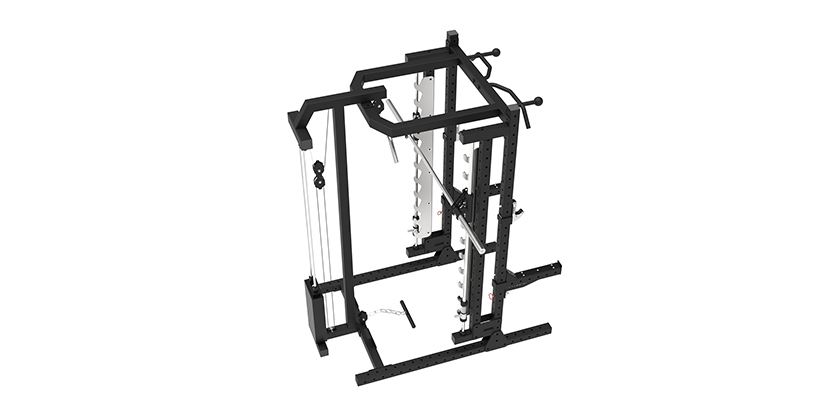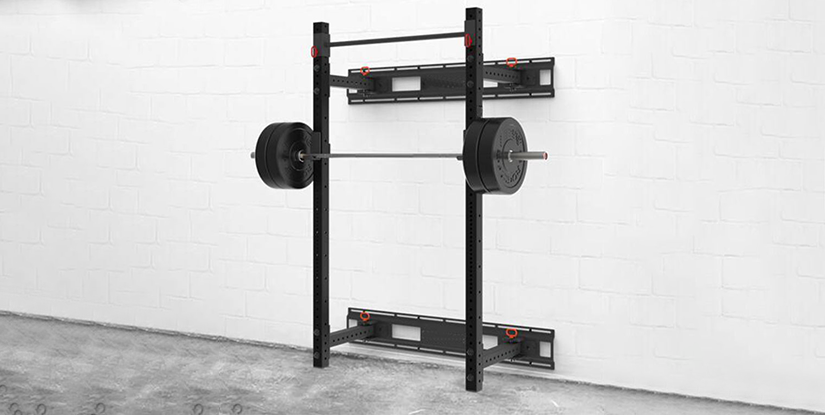
How to Choose the Best Bench Squat Rack for Your Home Gym
Vetting Manufacturers for High-Performance Strength Equipment
Many buyers make the mistake of prioritizing low unit costs or aesthetic finishes over fundamental structural integrity, often resulting in equipment that wobbles under heavy loads. A superior sourcing strategy focuses on the foundational build quality rather than just the outward appearance. When you are sourcing heavy duty weightlifting racks, you aren't just buying metal; you are investing in a piece of long-term home gym strength equipment that must withstand years of repetitive high-impact use without compromising safety.
To ensure you find the best bench squat rack for your inventory or personal use, you must look closely at the technical specifications. High-quality manufacturers prioritize a heavy steel gauge—typically 11-gauge or 7-gauge steel—to prevent deformation during heavy lifts. Furthermore, the quality of the powder coating is a critical indicator of durability. A professional-grade finish does more than look sleek; it provides a resilient barrier against moisture and oxidation, ensuring the rack remains functional and rust-free even in high-humidity training environments.
Beyond material thickness, true quality is revealed in the fine details of construction. When evaluating the power rack vs squat stand debate, the most significant differentiator is often the weld quality. Inspecting the joints is essential; seamless, consistent welding indicates a manufacturing process capable of handling extreme torque and tension. A rack with brittle or uneven welds poses a significant risk to stability during heavy compound movements.
Another critical metric for any heavy duty weightlifting racks is the rated weight capacity. Reliable home gym strength equipment should offer clear, verifiable load limits rather than vague marketing claims. We recommend looking for manufacturers that utilize reinforced base plates and heavy-duty hardware to ensure the unit remains anchored during explosive lifts. By prioritizing these structural indicators over brand prestige, you can confidently source a best bench squat rack that maintains its form and safety standards through years of rigorous training cycles.
Understanding the distinction between different production standards is essential for long-term value. Not every rack is built for the same intensity, and selecting a model without considering its intended usage can lead to premature wear or structural failure. To help you navigate your procurement decisions, we have outlined how different manufacturing tiers typically perform across various training environments.
Manufacturing Tier vs. Expected Lifespan and Best Use Case
| Manufacturing Tier | Expected Lifespan | Best Use Case |
|---|---|---|
| Entry-Level / Consumer | 2–4 Years | Occasional residential use; light strength training. |
| Mid-Range / Semi-Pro | 5–8 Years | Frequent home use; enthusiast-level strength training. |
| Professional-Grade | 10+ Years | High-frequency training; commercial or high-performance settings. |
When determining the best bench squat rack for your specific needs, consider that heavy duty weightlifting racks in the professional tier are engineered for constant mechanical stress. While entry-level models may suffice for casual fitness, investing in higher-tier home gym strength equipment ensures that your setup remains a reliable cornerstone of your training for a decade or more.
Standardizing Quality Control for Heavy Duty Weightlifting Racks
When investing in high-end home gym strength equipment, the longevity of your setup depends entirely on the uncompromising quality of its construction. A premium best bench squat rack is not merely a frame; it is a precision-engineered piece of machinery designed to withstand thousands of cycles of high-intensity loading. For distributors and serious enthusiasts, the primary concern is whether the structural integrity will hold up under extreme weight fluctuations over several years.
To ensure long-term structural stability, you must prioritize the thickness of the steel. We recommend looking for heavy duty weightlifting racks manufactured with high-grade steel gauge specifications, typically 11-gauge or thicker, to prevent bowing or deformation. Furthermore, the finish is a critical indicator of manufacturing excellence. A high-quality powder coating does more than provide an aesthetic edge; it serves as a vital barrier against oxidation and scratches, ensuring the metal remains pristine even in high-humidity training environments. Selecting equipment with these rigorous material standards is the only way to guarantee a safe, reliable lifting experience.
Even the highest-grade heavy duty weightlifting racks require a disciplined inspection routine to maintain peak performance. To protect your investment in home gym strength equipment, we recommend a proactive approach to maintenance that prevents minor wear from becoming structural failures. A consistent inspection routine—performed at least once every quarter—will ensure your setup remains as safe as the day it was unboxed.
Start by conducting a thorough bolt tightening session. High-impact training can cause subtle vibrations that loosen fasteners over time; ensuring every connection point is secure is non-negotiable for safety. Additionally, apply a specialized lubrication to moving parts, such as adjustable J-cups or barbell sleeves, to prevent friction-induced wear. Finally, prioritize rust prevention by inspecting the frame for any chips in the powder coating. If any exposed metal is found, treating it immediately will safeguard the steel against oxidation, extending the functional lifespan of your best bench squat rack for years to come.
Understanding the operational differences between a power rack vs squat stand is essential for planning your long-term upkeep. While both serve the same fundamental purpose, their mechanical complexity dictates how much attention they require to remain safe and functional. A more complex structure generally requires more frequent touchpoints to ensure every moving part remains synchronized and secure.
| Equipment Type | Maintenance Frequency | Primary Parts to Check | Ease of Upkeep |
|---|---|---|---|
| Power Rack | Quarterly | J-cups, safety pins, and structural bolts | Moderate (requires more moving parts) |
| Squat Stand | Bi-Annually | Base stability and upright connections | High (simpler, more static design) |
When sourcing home gym strength equipment, consider that a power rack offers superior safety features but demands a more rigorous inspection routine due to its adjustable components. Conversely, a squat stand is often easier to maintain but may lack the integrated safety mechanisms found in heavy duty weightlifting racks. Choosing the best bench squat rack configuration depends on your willingness to perform these routine checks to ensure lifetime durability.
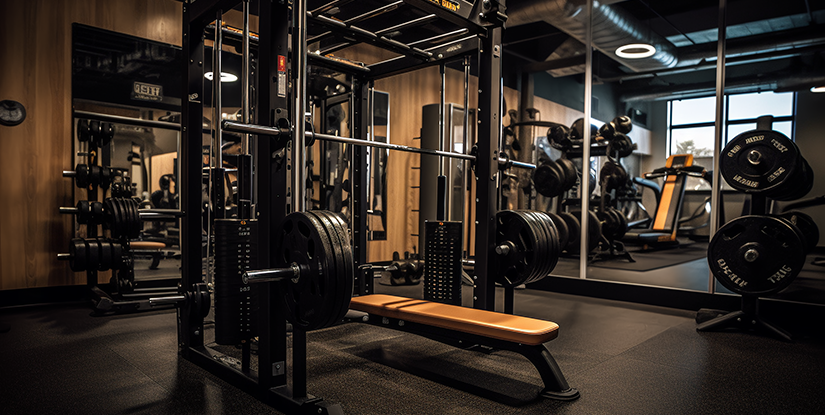
Navigating Warranty Claims and Post-Purchase Support
When sourcing home gym strength equipment, many buyers fall into the trap of prioritizing the lowest initial invoice. However, true long-term value is found in the structural integrity and the support system behind the product. Selecting the best bench squat rack involves more than just checking dimensions; it requires evaluating the manufacturer's commitment to durability and after-sales reliability.
Low-cost alternatives often lack the robust steel gauges required for heavy lifting, leading to premature wear or even structural failure. This creates a hidden cost: the need to replace equipment far sooner than anticipated. By investing in heavy duty weightlifting racks that offer comprehensive warranties, you are essentially purchasing insurance for your training environment. High-quality manufacturers provide much more than just a product; they provide peace of mind through strict quality control and reliable replacement parts. When weighing durability vs. initial cost, remember that a premium setup remains a stable asset for years, whereas budget options often become expensive liabilities.
Understanding the distinction between a power rack vs squat stand is critical when calculating your return on investment. A standalone squat stand might offer a lower entry price, but it lacks the 360-degree structural containment of a full power rack. For serious lifters, the increased safety and versatility of a full rack often justify the higher upfront capital. When evaluating these options, pay close attention to the warranty types offered by the manufacturer. A standard one-year limited warranty is common for entry-level gear, but premium heavy duty weightlifting racks often come with lifetime structural warranties, signaling the factory's confidence in their welding and steel gauge quality.
Furthermore, the availability of customer support availability can be the difference between a minor fix and a total training halt. Reliable suppliers ensure that replacement bolts, J-cups, or barbell collars are easily accessible. Whether you choose a compact setup or a full cage, ensure your provider offers a transparent support framework to protect your long-term investment.
To truly protect your capital, you must look beyond the sale and verify the manufacturer's operational maturity. A reputable supplier should provide clear, professional documentation that extends beyond a simple receipt. This includes detailed maintenance guidelines to ensure your equipment remains in peak condition, as well as technical specifications regarding the structural integrity of the steel used in construction.
Before finalizing a purchase, ask potential partners about their quality control protocols. A high-tier factory will have standardized testing for weld strength and powder coating durability, ensuring every unit meets rigorous safety benchmarks. Additionally, confirm the ease of sourcing replacement parts. In a professional or high-end home setting, a single missing pin or worn-out component should not render your entire setup useless. By prioritizing manufacturers that offer transparent technical support and a steady supply of modular components, you ensure that your best bench squat rack remains a functional, high-performing asset for the long haul.
Comparing Power Rack vs Squat Stand Configurations
Before finalizing your procurement list, the most critical factor to evaluate is your available floor area. When sourcing home gym strength equipment, many buyers overlook the actual footprint required for safe operation. A common dilemma in the industry is the choice between a power rack vs squat stand, as each configuration dictates your long-term spatial utility and training versatility.
A power rack offers maximum stability and integrated safety features, but it requires a significant, dedicated square footage. Conversely, a squat stand provides a much smaller space requirements profile, making it ideal for multi-purpose rooms or smaller residential setups. To help you decide which configuration aligns with your spatial constraints, we have outlined the primary differences below:
| Configuration Type | Typical Footprint | Storage Profile | Primary Benefit |
|---|---|---|---|
| Full Power Rack | Large / Fixed | Integrated plate pegs/hooks | Maximum Safety & Rigidity |
| Squat Stand | Compact / Flexible | Minimal / External storage needed | Space Optimization |
| Half Rack | Moderate | Partial integrated storage | Balanced Versatility |
When selecting the best bench squat rack setup, ensure you account not just for the machine itself, but also the clearance needed for barbell movement and user safety margins.
Beyond the basic footprint, your choice impacts how much room you have for accessory movements and barbell rotation. If you are sourcing heavy duty weightlifting racks for a high-end residential project, you must balance the stability of a full cage against the versatility of an open station. A full rack provides a structural "safety net" that allows for heavy, unassisted lifting, whereas a stand offers a more open environment for diverse training styles.
To assist in your decision-making process, we have categorized these configurations based on their operational impact. This ensures your selection of the best bench squat rack configuration meets both your training intensity and your room's dimensional limits:
| Feature Dimension | Power Rack Configuration | Squat Stand Configuration |
|---|---|---|
| Stability Level | Extreme (High structural rigidity) | Moderate (Dependent on weight/floor) |
| Spatial Footprint | Extensive (Requires ceiling height) | Minimal (Compact and agile) |
| Functional Versatility | High (Integrated pull-ups/attachments) | Medium (Requires external accessories) |
| Safety Margin | Maximum (Full cage enclosure) | Standard (Requires spotters/safety arms) |
Ultimately, the best bench squat rack setup for a professional-grade home gym is one that respects the physical boundaries of the room while providing the necessary structural integrity for your specific lifting volume.
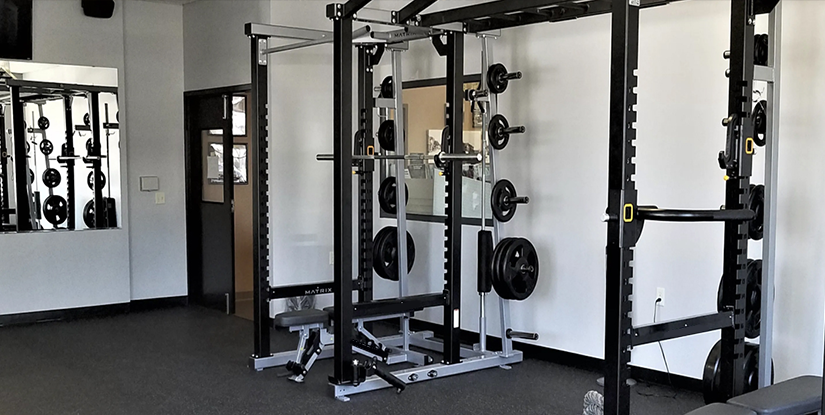
When performing spatial planning for a premium setup, the most frequent mistake is measuring only the equipment's base. To ensure a professional experience, you must calculate the "working area," which includes the total length of your barbell length plus a generous margin for movement. A standard Olympic bar is roughly 2.2 meters, but you must account for the extra width of loaded plates to prevent collisions with walls or other home gym strength equipment.
Furthermore, prioritize safety clearance in every direction. Even when sourcing high-end heavy duty weightlifting racks, the physical structure is only half the equation; you need unobstructed space for lateral movements and weight plate rotation. We recommend leaving at least 60cm of buffer zone around the rack to accommodate eccentric loading and to ensure that even in a compact environment, your training sessions remain safe, fluid, and free from cramped limitations.
Optimizing Your Home Gym Layout and Footprint
Before finalizing your equipment list, the most critical variable is often the physical dimensions of your training area. Unlike commercial facilities with vast square footage, home-based setups demand a strategic approach to spatial management. When searching for the best bench squat rack, you must decide whether your priority is maximum structural versatility or a minimized footprint. This decision often comes down to the fundamental debate of power rack vs squat stand configurations.
A full power rack offers unparalleled safety and multi-functional utility, but it requires a larger dedicated zone to accommodate the frame and barbell clearance. Conversely, a squat stand provides a much more compact profile, making it a preferred choice for those integrating home gym strength equipment into multi-purpose rooms or smaller garage spaces. Understanding these spatial requirements early in your procurement process prevents the common mistake of ordering heavy-duty gear that simply won't fit your designated training floor.
To help you visualize how different configurations impact your training environment, we have outlined the typical spatial requirements for various setups below. When sourcing heavy duty weightlifting racks, always account for the "buffer zone"—the extra space needed for barbell plate loading and safe movement around the bench.
| Configuration Type | Typical Footprint | Primary Spatial Advantage | Ideal Use Case |
|---|---|---|---|
| Full Power Rack | Large / Extensive | Maximum stability and safety | Dedicated garage or basement gyms |
| Squat Stand | Medium / Compact | Space-saving versatility | Small rooms or multi-use areas |
| Half Rack | Moderate | Balanced footprint and utility | Expanding home strength setups |
If you are working with a constrained area, look for space-saving models that offer modularity. While a full rack provides the highest level of structural integrity, a squat stand or a compact half rack can significantly reduce your total footprint without sacrificing the quality of your home gym strength equipment. Always measure your ceiling height alongside floor dimensions to ensure your chosen setup allows for unobstructed overhead movements.
Beyond the base footprint, the most overlooked aspect of procurement is the "safety zone." A common error when selecting the best bench squat rack is failing to account for the lateral clearance required during a heavy lift. You must calculate your space not just by the frame's dimensions, but by the total width of the barbell plus the weight plate diameter. If you are using standard 450mm (17.7 inch) plates, your equipment needs significantly more horizontal room than a slim barbell alone would suggest.
We recommend maintaining a minimum safety margin of at least 60cm to 90cm (approx. 2–3 feet) on all sides of the rack. This clearance ensures that even when loading heavy Olympic plates or performing wide-grip movements, you won't strike walls, furniture, or structural pillars. When sourcing heavy duty weightlifting racks for a residential environment, always visualize the widest possible barbell configuration to prevent accidental collisions and ensure a safe, unhindered training session.
Understanding Landed Costs and International Shipping Logistics
When sourcing heavy duty weightlifting racks from international manufacturers, many buyers fall into the trap of focusing solely on the factory's unit price. However, the sticker price is rarely the total investment required to get your home gym strength equipment through your front door. To make an informed procurement decision, you must calculate the landed cost.
The landed cost represents the final price of the best bench squat rack once it has arrived at your facility. This figure includes several critical variables that can significantly impact your budget. Beyond the initial purchase price, you must account for ocean or air shipping fees, which are often high due to the weight and volume of steel structures. Furthermore, international shipments are subject to import duties and various customs clearance fees required by your local government. Failing to budget for these logistics can lead to unexpected overhead. By calculating the full total investment upfront, you ensure that your pursuit of the best bench squat rack remains a profitable and predictable venture.
Navigating the complexities of freight logistics is where many procurement plans falter. Because heavy duty weightlifting racks are comprised of dense, high-gauge steel, they are subject to high dimensional weight charges. This means you are billed not just for the actual mass, but for the significant volume the product occupies in a container. When deciding between a power rack vs squat stand, consider the spatial footprint; a full rack often requires more specialized handling and larger shipping volumes than a compact stand, directly impacting your freight costs.
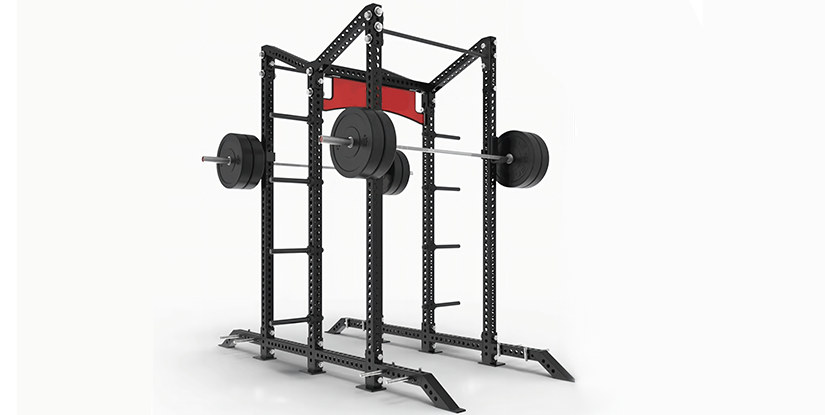
To mitigate risks during transit, prioritize suppliers who demonstrate rigorous damage prevention protocols. For large-scale orders, sea freight remains the most cost-effective method for transporting home gym strength equipment, yet it requires superior packaging durability to withstand moisture and long-haul vibrations. While air freight offers speed, it is rarely viable for heavy steel structures due to extreme costs. Ensure your manufacturer uses reinforced corner protection and heavy-duty corrugated boxing to protect the structural integrity of your best bench squat rack before it reaches your doorstep.
To help you visualize how logistics decisions impact your bottom line, we have outlined several common procurement scenarios. Whether you are a single-unit consumer or a professional looking to stock a studio, the relationship between weight, speed, and cost is a critical factor in your budget planning. When evaluating the best bench squat rack options, remember that the cheapest unit price often masks much higher transit expenses.
The following comparison provides a snapshot of how different sourcing routes affect your final expenditure and timeline for home gym strength equipment:
| Sourcing Method | Weight Class / Scale | Shipping Impact | Estimated Lead Time |
|---|---|---|---|
| Local Retailer | Light to Mid-weight | Low (Standard Ground) | 3–7 Days |
| International Direct (Air) | Compact / Light Frames | Very High (Premium) | 7–14 Days |
| International Direct (Sea) | Heavy Duty Weightlifting Racks | Moderate (Economical) | 30–45 Days |
| Bulk/Wholesale Import | Full Container Load | Optimized (Lowest per unit) | 45–60+ Days |
When weighing a power rack vs squat stand, keep in mind that the larger footprint of a full rack often necessitates sea freight for cost-effective delivery. If your project timeline is tight, you may face a trade-off between shipping speed and the total landed cost of your best bench squat rack.
Vendor due diligence and specification guardrails
When sourcing home gym strength equipment, the most common mistake is prioritizing aesthetic appeal over mechanical integrity. A high-quality best bench squat rack is not just a piece of furniture; it is a critical safety component that must withstand thousands of cycles of heavy loading and unloading. For professional distributors and serious enthusiasts, the difference between a flimsy unit and heavy duty weightlifting racks lies in the invisible technical specifications.
First, scrutinize the steel gauge. We generally recommend a minimum of 11-gauge steel for any serious lifting environment to ensure maximum structural stability under heavy barbell loads. A thinner gauge may look identical in photos, but it lacks the torsional rigidity required to prevent swaying during high-intensity movements. Furthermore, pay close attention to the powder coating quality. A premium, multi-stage finish does more than just look professional; it provides a crucial layer of protection against oxidation and daily wear, ensuring the equipment remains rust-free and functional for years of consistent use.
To help you decide which configuration aligns with your spatial constraints and training intensity, we have summarized the fundamental differences between the most common setups. Choosing between a power rack vs squat stand often comes down to a trade-off between total structural rigidity and available floor space.
While a full rack offers the highest level of safety for heavy compound movements, a stand provides a more versatile, compact solution for lighter training. Use the comparison below to evaluate which best bench squat rack configuration meets your specific durability and footprint requirements.
| Feature | Full Power Rack | Squat Stand / Half Rack |
|---|---|---|
| Stability | Maximum (All-around rigidity) | Moderate (Requires floor bolting) |
| Footprint | Large (Requires dedicated area) | Compact (More versatile placement) |
| Weight Capacity | Very High (Ideal for heavy lifting) | High (Standard barbell loads) |
| Durability Level | Industrial / Professional Grade | Advanced Home / Semi-Commercial |
When evaluating heavy duty weightlifting racks, always confirm if the unit is designed for bolt-down installation, as this significantly enhances the overall stability of the system during high-impact lifts.
Beyond the surface aesthetics, true reliability is found in the manufacturing process. When you are vetting a supplier for the best bench squat rack, you must look past the marketing brochures and ask about their quality control protocols. A premium manufacturer doesn't just assemble parts; they engineer them to withstand extreme stress. One of the most critical indicators of a high-end build is the welding standards used on the main uprights and crossmembers. You want to see smooth, consistent, and deep-penetration welds that eliminate weak points where structural failure typically begins.
Furthermore, a reputable factory will perform rigorous load-bearing testing on their home gym strength equipment before it ever reaches a shipping container. This involves testing the frame under both static and dynamic loads to ensure the unit can handle the sudden impact of a dropped barbell. If a vendor cannot provide clarity on their testing methodologies or material certifications, it is often a sign that the equipment may not meet the long-term durability requirements of a serious strength setup.