Squat Rack Cap | Selecting Squat Rack Caps for Commercial
Procurement Standards for Commercial Strength Equipment End Caps
For multi-site facility managers overseeing high-traffic commercial gym environments, the smallest components often dictate long-term maintenance budgets. A high-quality squat rack cap serves as more than a cosmetic finish; it is a critical barrier designed to prevent moisture ingress within the steel tubing. Neglecting this detail can lead to internal oxidation, eventually compromising the structural integrity of the entire rack system.
When sourcing barbell upright protectors and end plugs for large-scale rollouts, procurement officers must prioritize impact resistance and UV stability. In professional settings, these components undergo constant contact with heavy plates and movement. Selecting heavy-duty weight rack end caps ensures that your equipment remains resilient against daily wear, reducing the frequency of replacement parts orders and lowering the total cost of ownership for your clients.
Material Durability and ROI Comparison
Evaluating the material composition of your squat rack cap is essential for calculating the long-term lifecycle of strength equipment. While lower-cost options may reduce initial shipping weights and procurement costs, they often fail to meet the rigorous demands of high-intensity commercial training environments. A strategic comparison of common industrial materials helps distributors and facility managers choose between immediate savings and long-term durability.
| Material Type | Impact Resistance | UV Stability | Maintenance Frequency | Cost-Effectiveness |
|---|---|---|---|---|
| HDPE (High-Density Polyethylene) | High | Excellent | Low | High (Best ROI) |
| Standard Rubber | Medium | Moderate | Moderate | Medium |
| Metal/Plastic Hybrid | Very High | Low (Requires Coating) | High | Low (High Initial Cost) |
For most commercial rollouts, HDPE is the preferred standard due to its ability to withstand heavy plate impact without cracking. While rubber offers good shock absorption, it can degrade under direct sunlight or heavy cleaning chemical exposure. When negotiating MOQs with manufacturers, prioritize components that offer a balance of high UV stability and low maintenance to ensure your replacement parts inventory remains lean.
Quality Control Checkpoints for Bulk Sourcing
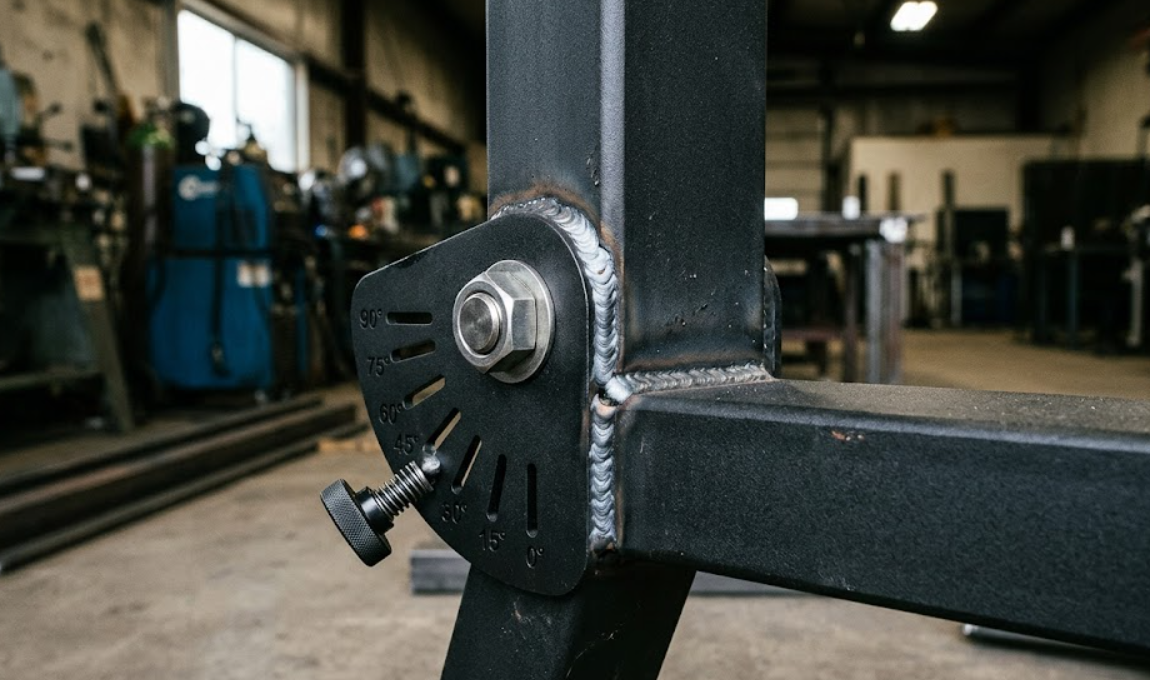
When managing high-volume orders of gym equipment replacement parts, distributors must look beyond the surface appearance. A common failure point in low-tier squat rack cap production is poor fitment precision. If the internal dimensions deviate even slightly from the standard tubing diameter, the cap will either fail to seat securely or leave gaps that invite moisture. This lack of a tight seal accelerates internal rust, a major liability for commercial strength equipment.
During the inspection phase, verify thickness tolerances to ensure the walls are consistent across the entire batch. Inconsistent wall thickness leads to premature cracking under heavy impact. Additionally, for facilities with natural lighting, confirm that the material has high UV resistance to prevent brittleness and discoloration over time. When calculating MOQ considerations for your inventory, factor in these technical specifications to avoid the hidden costs of frequent re-ordering and the logistical burden of managing defective, poorly fitted components.
Material Integrity and Moisture Protection for Multi-Site Rollouts
In high-traffic commercial gym settings, the long-term structural integrity of steel frames depends heavily on preventing internal corrosion. A high-quality squat rack cap acts as the primary defense against moisture ingress, sealing the hollow steel tubing to prevent water and humidity from accumulating inside the uprights.
Without effective barbell upright protectors or end plugs, ambient moisture can penetrate the frame, leading to internal oxidation. This degradation is often invisible until it compromises the strength of the rack. For distributors managing multi-site rollouts, specifying heavy-duty, UV-resistant caps is a critical step in reducing long-term maintenance costs and ensuring the equipment meets durability standards for diverse climates.
Material Comparison for Long-Term Durability
Procurement managers must evaluate the specific environmental demands of a facility—whether it is a climate-controlled boutique studio or a high-humidity outdoor training area—before finalizing bulk orders. Selecting the appropriate material for weight rack end caps directly impacts the replacement cycle and the Total Cost of Ownership (TCO).
| Material Type | Moisture Protection | Durability Profile | Ideal Facility Use Case |
|---|---|---|---|
| HDPE (High-Density Polyethylene) | High (Waterproof) | Excellent impact resistance; high UV stability | Outdoor training zones and high-humidity gyms |
| Solid Rubber | Moderate | High vibration dampening; heavy wear resistance | High-traffic weight rooms with heavy barbell impact |
| PVC (Polyvinyl Chloride) | Standard | Rigid fit; cost-effective for controlled environments | Standard indoor commercial fitness centers |
While PVC offers a budget-friendly solution for standard indoor setups, HDPE provides superior resistance to environmental degradation, making it a more reliable choice for facilities with varied microclimates. Investing in high-grade polymer caps reduces the frequency of maintenance interventions and protects the steel frame from the costly internal oxidation that often plagues lower-quality gym equipment imports.
Optimizing Logistics for Replacement Part Inventory
For large-scale distributors and facility managers, a successful multi-site rollout requires more than just an initial installation; it demands a robust strategy for gym equipment replacement parts. Relying on reactive ordering for small components like a squat rack cap can lead to significant downtime and increased shipping costs if not planned correctly.
To streamline inventory management, we recommend negotiating a specific MOQ (Minimum Order Quantity) for replacement components during the primary equipment procurement phase. Instead of ordering single units as they break, maintaining a localized stock of weight rack end caps ensures that maintenance teams can resolve issues immediately without waiting for international logistics cycles. A proactive quality control (QC) protocol during the factory stage—ensuring all caps meet exact dimensions for your specific tubing—will minimize the need for emergency restocks and ensure seamless multi-site rollout continuity across all your managed locations.
Evaluating Fitment and Compatibility Across Different Upright Profiles
Procurement errors often stem from neglecting the critical relationship between the squat rack cap and the specific dimensions of the upright profiles. In a high-traffic commercial gym, a cap that does not provide a precise seal increases the risk of moisture ingress, leading to internal oxidation and structural degradation over time.
To ensure long-term durability and minimize replacement frequency, buyers must verify the exact dimensional accuracy of the tubing before finalizing orders. Using a cap designed for a 60mm profile on a 50mm upright results in a loose fit that fails to protect the interior from humidity and debris.
| Profile Type | Common Application | Compatibility Risk | Stocking Strategy |
|---|---|---|---|
| Square (e.g., 60x60mm) | Heavy-duty Power Racks | Low; standard fitment | High volume/Bulk |
| Round (e.g., 50mm/60mm) | Functional/Boutique Racks | Medium; requires diameter match | Mixed SKU sets |
| Custom/Specialty | Niche/Hybrid Equipment | High; requires precision spec | Low MOQ/On-demand |
For distributors managing multi-site rollouts, we recommend maintaining a diverse inventory of various weight rack end caps to accommodate different manufacturer standards. Matching the cap to the exact profile geometry is the most cost-effective way to extend the lifecycle of the steel structure.
Beyond basic geometry, technical specifications such as gauge thickness and material density dictate the long-term ROI of your maintenance inventory. A mismatch between thebarbell upright protectorsand the structural tubing can lead to premature cracking or poor impact resistance, especially in high-impact training environments.
Technical Specifications and Material Density
When sourcing at scale, procurement managers should differentiate between standard consumer-grade plastics and heavy-duty industrial components. A higher gauge thickness in the plastic molding ensures the cap remains intact under heavy mechanical stress and temperature fluctuations. For large-scale facility rollouts, verifying the compatibility between the profile's wall thickness and the cap's internal friction fit is essential to prevent the component from popping off during intense use.
The following comparison highlights how variations in profile shape and thickness impact your total cost of ownership:
| Profile Shape | Typical Gauge/Wall Thickness | Fitment Precision Requirement | Primary Procurement Concern |
|---|---|---|---|
| Square (Standard) | 3mm - 5mm | High (Corner radius match) | Consistency in bulk shipments |
| Rectangular (Advanced) | 3mm - 7mm | Very High (Width vs. Depth) | Dimensional tolerance accuracy |
| Round (Standard) | 2mm - 4mm | Moderate (Diameter match) | UV resistance and impact strength |
For distributors, selecting the correct gym equipment replacement parts involves more than just aesthetic matching. A precision-engineered cap with a compatible internal profile ensures that the structural integrity of the rack remains protected against environmental wear, ultimately reducing the frequency of secondary orders and long-term maintenance overhead.
Optimizing TCO Through Strategic Procurement
When evaluating the long-term value of a squat rack cap, procurement specialists must look beyond the initial unit price and focus on the Total Cost of Ownership (TCO). Selecting generic, low-density replacements may offer immediate savings, but these components often fail prematurely due to poor impact resistance or inadequate environmental sealing. For large-scale facilities, this leads to an increased maintenance cycle and higher labor costs for frequent replacements.
For distributors and facility managers, bulk procurement of high-quality gym equipment replacement parts is a more efficient strategy for maintaining high-traffic zones. By securing high-density, UV-stabilized options, you maximize the ROI of your initial equipment investment. While premium caps may carry a slightly higher upfront cost, their superior durability ensures they withstand the mechanical stress of commercial use, reducing the need for emergency shipments and multiple small-scale orders.
To optimize logistics and reduce per-unit costs, we recommend the following procurement approach:
- Analyze the Maintenance Cycle: Estimate how often lower-grade parts fail in your specific climate to justify the cost of premium materials.
- Leverage MOQ Advantages: Negotiate lower unit prices by meeting higher MOQ thresholds during initial equipment rollouts.
- Standardize SKU Sets: Reduce warehouse complexity by selecting universal profiles that work across multiple rack models.
Impact Resistance and Safety Standards for High-Traffic Gyms
In a high-traffic gym, equipment undergoes constant physical stress from heavy barbell movement and frequent user contact. A high-quality squat rack cap serves as more than a simple aesthetic finish; it functions as a critical barrier against structural degradation. Without proper protection, the exposed steel ends of uprights are susceptible to denting and moisture-induced oxidation.
For facility managers and distributors, prioritizing impact resistance is essential to meet rigorous safety standards. Utilizing heavy-duty barbell upright protectors and end caps ensures that the structural integrity of the rack remains intact despite the rigors of heavy lifting. Investing in high-density, impact-resistant components reduces long-term maintenance costs and prevents the jagged edges or structural vulnerabilities that can lead to liability issues in commercial strength environments.
Sourcing Reliability and Quality Control for Bulk Orders
When managing multi-site rollouts or large-scale distribution, procurement teams must look beyond individual unit specs to evaluate factory-level reliability. Sourcing gym equipment replacement parts in bulk requires strict QC standards to ensure every weight rack end caps shipment meets dimensional accuracy and material density requirements. Inconsistent tolerances in cheaper components can lead to improper fitment, leaving uprights vulnerable to environmental damage.
For professional distributor requirements, it is vital to verify that suppliers can maintain consistency across bulk ordering cycles. Reliable manufacturers provide batch-tested samples that demonstrate UV resistance and impact strength, ensuring that replacement parts remain compatible with existing rack frames. Establishing these rigorous inspection protocols during the sourcing phase mitig down the risk of receiving defective batches that could delay facility openings or increase long-term maintenance overhead.
Optimizing Procurement via Bulk Ordering
For facility managers overseeing multi-site rollouts, the cost-efficiency of sourcing a squat rack cap is heavily dictated by order volume. Rather than treating these as incidental repairs, viewing weight rack end caps as essential inventory helps stabilize long-term maintenance budgets and reduces the frequency of individual shipping overheads.
When negotiating with suppliers, the MOQ (Minimum Order Quantity) serves as the primary lever for unit cost reduction. Small, sporadic orders for individual pieces often incur disproportionately high freight costs and administrative fees. By contrast, bulk ordering allows distributors to leverage economies of scale, ensuring that high-traffic commercial gyms maintain a ready stock of barbell upright protectors without the premium price of retail-level replenishment.
| Sourcing Model | Typical Order Volume | Primary Advantage | Cost Impact |
|---|---|---|---|
| On-Demand Replacement | Low (1–10 units) | Minimal upfront capital | High unit cost + high shipping |
| Bulk Inventory Sourcing | High (100+ units) | Lowered TCO & rapid repair | Significant unit cost reduction |
Selecting the right procurement channel depends on whether your priority is immediate facility maintenance or long-term supply chain stability. While local distributors offer speed, direct factory sourcing provides the margins necessary for large-scale commercial rollouts.
| Sourcing Model | Lead Time | Shipping Costs | Quality Control | Best For |
|---|---|---|---|---|
| Direct Factory | Long (30–60+ days) | Low (Bulk/Sea Freight) | High (Direct Oversight) | Multi-site rollouts & large distributors |
| Local Distributor | Short (1–7 days) | High (LTL/Parcel) | Variable (Third-party) | Urgent repairs & low-volume needs |
For large-scale equipment manufacturers or gym chains, sourcing directly from the factory is the most effective way to manage the total cost of ownership. This approach allows for stricter verification of material density and fitment, ensuring that every piece of equipment—including specialized barbell upright protectors—meets the rigorous standards required for high-traffic environments. However, buyers must account for longer lead times and higher minimum order quantities when navigating international logistics to avoid unexpected downtime during facility expansions.
Mitigating Risk in Global Logistics and Inspection
Securing high-quality gym equipment replacement parts requires more than just selecting a vendor; it necessitates rigorous inspection protocols to prevent the arrival of defective stock. Because small components like a squat rack cap are often packed in high densities, they are susceptible to shipping damage if the packaging lacks structural integrity. To avoid the high costs of returns and downtime, procurement managers must prioritize suppliers who can guarantee batch consistency across large shipments.
Before finalizing a sea freight or air shipment, demand documented verification of dimensional accuracy. Even a millimeter of deviation can result in a poor fit, rendering the part useless for standard uprights. We recommend requesting high-resolution photos of a sample from the actual production batch and, if possible, a physical pre-shipment inspection. Ensuring the supplier uses reinforced corrugated boxing or specialized protective sleeves will mitigate the risk of crushed or warped plastic components during long-haul transit.
Optimizing Inventory Cycles for Gym Equipment Maintenance
A high-quality squat rack cap serves as a critical line of defense in professional facility management. Beyond mere aesthetics, these components act as essential barbell upright protectors that prevent moisture ingress into the hollow steel tubing. For distributors and facility managers, neglecting these small parts can lead to significant long-term depreciation.
Integrating specialized end caps into a standard commercial gym maintenance cycle mitigates the risk of internal oxidation and structural degradation. Without proper corrosion prevention, humidity and cleaning agents can penetrate the frame, leading to rust that weakens the steel over time. From a procurement standpoint, stocking these small-batch weight rack end caps is a low-cost strategy to extend the lifecycle of heavy-duty strength equipment and reduce the frequency of full-unit replacements.
Strategic Stocking and Procurement Logistics
Managing inventory for specialized gym equipment replacement parts requires a balance between minimizing overhead and ensuring rapid response to wear-and-tear. For distributors, relying on ad-hoc ordering for weight rack end caps often leads to increased shipping costs and downtime during facility maintenance windows. Instead, we recommend establishing a baseline stock level based on your total installed footprint and expected turnover rates.
When negotiating with manufacturers, be mindful of the MOQ (Minimum Order Quantity) for high-grade protective components. While purchasing in bulk reduces the unit price and stabilizes the supply chain, it also allows for more efficient freight consolidation. A proactive preventative maintenance strategy involves ordering small-batch replacements during major equipment shipments to ensure that every new installation is fully protected from day one, ultimately maximizing the lifecycle extension of the entire strength training suite.