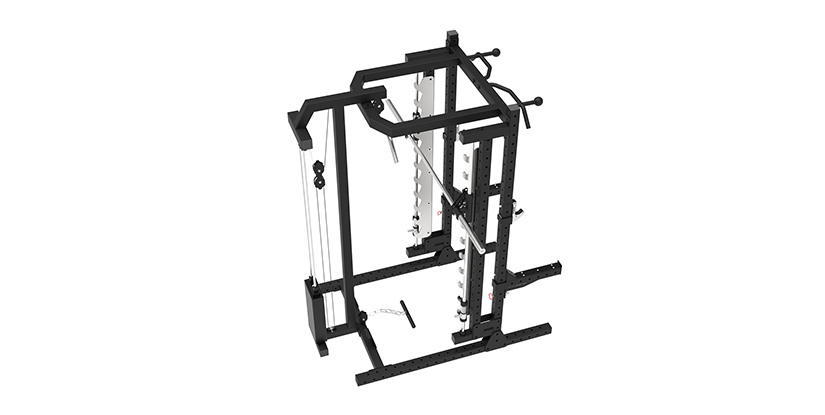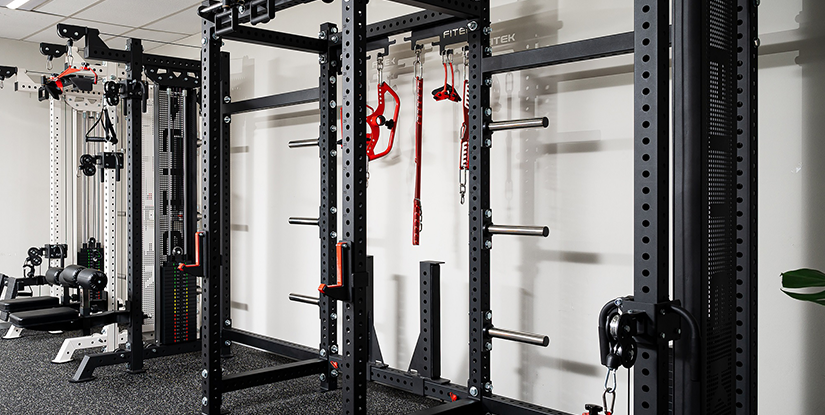
best squat rack for home | Durable Home Squat Racks
Optimizing SKU Breadth and Margin Potential in Residential Strength Markets
Many distributors fail by focusing exclusively on low-cost, entry-level models, which leads to razor-thin returns and high price sensitivity. A superior sourcing approach involves implementing a product tiering strategy that balances high-volume baseline units with premium, high-value inventory. Instead of competing solely on price for basic setups, savvy buyers diversify their catalogs to capture a wider demographic of the residential market.
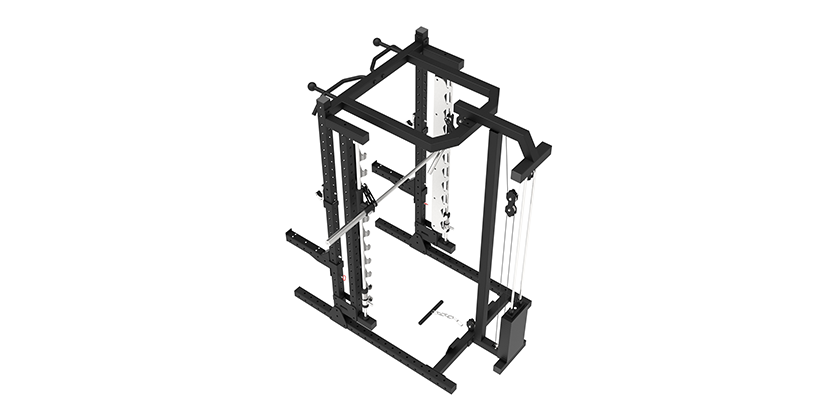
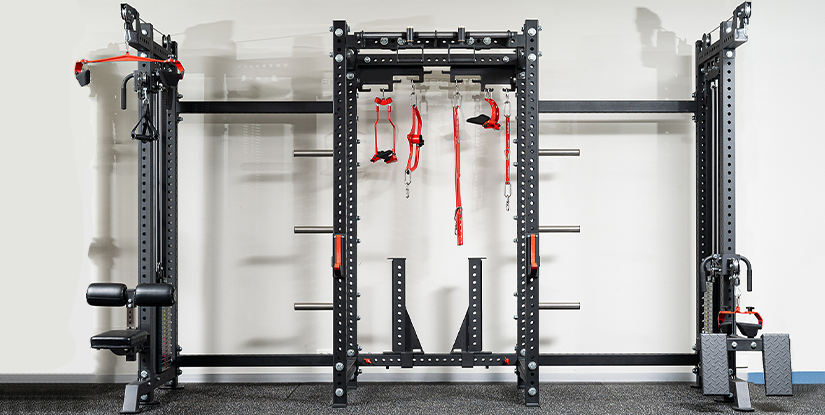
To maximize your profitability, you must move beyond the standard best squat rack for home search results and integrate high-margin specialty items into your procurement pipeline. Transitioning your inventory from basic squat stands to heavy duty power racks allows you to target the high-end enthusiast segment. While basic racks offer steady movement, heavy duty power racks command higher price points and better margins due to their enhanced structural integrity and advanced features. By expanding your SKU breadth to include these professional-grade solutions, you transform your business from a commodity supplier into a comprehensive provider of premium residential gym equipment wholesale solutions.
Understanding the economic landscape of residential gym equipment wholesale requires a granular look at how unit costs translate into long-term profitability. High-volume, entry-level items drive foot traffic and basic catalog presence, but the real margin potential lies in the mid-to-high-tier segments. When sourcing commercial strength training hardware for residential use, distributors must balance the low barrier to entry of light-duty stands against the significant returns found in professional-grade modular systems.
The following table illustrates the typical distribution of costs and profit margins across different SKU tiers to assist in your procurement planning:
| SKU Tier | Product Type | Typical Margin % | Target Consumer |
|---|---|---|---|
| Tier 1: Entry | Basic Squat Stands | 15% - 25% | Budget-Conscious Beginners |
| Tier 2: Intermediate | Standard Half Racks | 25% - 35% | Home Gym Enthusiasts |
| Tier 3: Premium | Heavy Duty Power Racks | 35% - 50%+ | Serious Lifters & Professionals |
By strategically diversifying your inventory to include both high-turnover basics and high-margin commercial strength training hardware, you mitigate the risks of market volatility and build a more resilient, profitable distribution model.
To protect your bottom line, procurement must shift from simple purchasing to rigorous supply chain management. Maximizing margins requires sourcing high-capacity units directly from manufacturers capable of maintaining strict QC protocols. Relying on middle-tier brokers often introduces hidden costs through inconsistent structural integrity and unexpected defect rates. By establishing direct factory-to-distributor relationships, you gain control over the technical specifications of your commercial strength training hardware, ensuring every unit meets professional load-bearing standards.
Furthermore, true profitability is won through logistics optimization and volume-based negotiation. High-performance distributors leverage larger MOQ (Minimum Order Quantity) requirements to secure preferential pricing, which offsets the higher manufacturing costs associated with premium builds. Efficient container loading strategies and streamlined customs documentation further reduce landed costs, allowing you to offer the best squat rack for home configurations at competitive prices while maintaining superior net margins. This disciplined approach to residential gym equipment wholesale ensures that high-end product quality never comes at the expense of your operational profitability.
Structural Integrity Standards for High-Capacity Home Gym Distribution
When sourcing the best squat rack for home use for your distribution network, the primary concern is not aesthetic appeal, but long-term structural integrity. For professional distributors, a product that fails under load is a liability. High-end residential gym equipment wholesale orders must prioritize commercial strength training hardware standards to ensure the equipment withstands repeated heavy loading cycles without frame deformation.
True heavy duty power racks are defined by their material science. Procurement officers should demand a minimum 11-gauge steel construction. Lower gauge options may appear cost-effective, but they lack the load-bearing capacity required for premium market positioning. Inspecting the steel grade and weld quality is non-negotiable during factory audits to ensure the best squat rack for home builds remain stable under maximum tension.
| Material Specification | Standard Residential Grade | Professional/Heavy Duty Grade |
|---|---|---|
| Steel Gauge | 14-gauge | 11-gauge (High-Capacity) |
| Structural Profile | Lightweight/Thin-walled | Reinforced/Thick-walled |
| Durability Rating | Low-impact/Light weight | High-frequency/Heavy load |
| Procurement Value | Mass-market/Budget | Premium/Professional Distribution |
To mitigate return rates and protect your brand reputation, your quality control protocols must extend beyond the steel thickness. Evaluating the best squat rack for home requires a deep dive into finishing processes. A high-quality powder coating durability rating ensures that the frame resists oxidation and chipping, even in high-humidity residential environments. Furthermore, ensure your factory partners utilize full-penetration welds rather than superficial beads. This distinction is critical for heavy duty power racks that must maintain rigidity under dynamic weight shifts. For those managing residential gym equipment wholesale, verifying these technical specs against commercial strength training hardware benchmarks is the only way to guarantee long-term profitability and minimize structural failure claims.
| Technical Specification | Standard Grade (Budget) | Premium Grade (High-Capacity) |
|---|---|---|
| Steel Gauge | 14-gauge (Thinner) | 11-gauge (Heavy Duty) |
| Weld Quality | Spot/Surface Welds | Full-Penetration/Structural Welds |
| Finish Type | Standard Lacquer/Paint | High-Durability Electrostatic Powder Coat |
| Wholesale Suitability | Entry-Level Retail | Commercial Strength Training Hardware Standards |
Reliability in residential gym equipment wholesale is determined by rigorous factory testing and logistics readiness. To ensure the best squat rack for home reaches the end-user in perfect condition, procurement teams must mandate strict QC protocols. This includes stress-testing individual components under maximum load and performing randomized structural audits on every production batch. A failure in the factory leads to a failure in your reputation.
Logistics complexity remains a significant hurdle for high-volume distributors. High-capacity heavy duty power racks require distribution-ready packaging that utilizes double-walled corrugated cardboard and reinforced corner protection to prevent transit damage. Furthermore, when negotiating MOQ considerations, ensure your manufacturer provides shipping stability documentation, verifying that the dimensions and weight distribution are optimized for sea or air freight. Investing in high-standard commercial strength training hardware means securing a supply chain where long-term structural reliability is backed by verifiable factory testing and robust, damage-resistant packaging solutions.
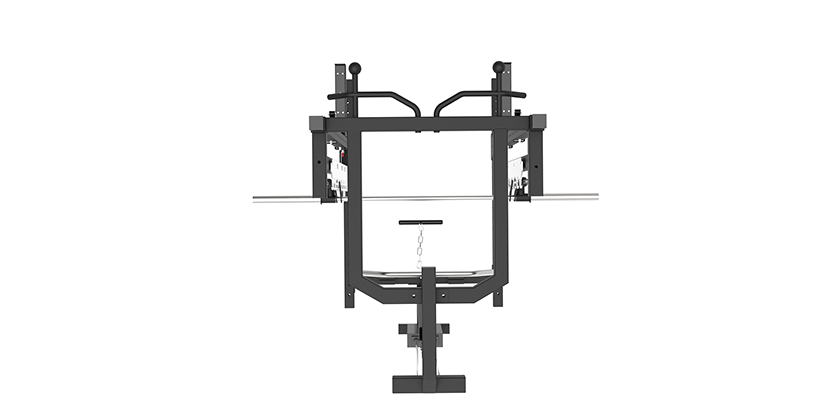
Navigating Dimensional Constraints and Shipping Logistics for Heavy Duty Power Racks
When sourcing the best squat rack for home use, distributors must look beyond mere structural integrity and consider the logistical complexities of shipping volume. Unlike standard fitness accessories, heavy duty power racks consist of high-gauge steel components that demand significant warehouse footprint and specialized handling. For wholesalers and importers, the primary challenge lies in managing dimensional constraints during transit to ensure that large-scale components do not incur prohibitive freight costs or suffer structural deformation.
Optimizing your supply chain requires a deep understanding of storage optimization and volumetric efficiency. We advise procurement officers to prioritize manufacturers that offer modular designs or high-density packaging solutions. By selecting equipment engineered for efficient nesting and streamlined assembly, you can mitigate the overhead associated with high-volume residential gym equipment wholesale orders. Effective planning regarding container loadability and commercial strength training hardware dimensions is essential to maintaining healthy margins in the competitive North American distribution market.
To achieve true freight optimization, procurement teams must evaluate the relationship between actual weight and volumetric weight. Because commercial strength training hardware often features large, low-density components (such as uprights and crossmembers), shipping costs are frequently driven by cubic volume rather than physical mass. We recommend requesting detailed pallet dimensions and packaging specifications during the RFQ process to prevent unexpected surcharges from LTL or ocean freight carriers.
Below is a technical breakdown of standard shipping classes for high-capacity units to assist in your shipping logistics planning:
| Rack Configuration Type | Typical Box Count | Est. Total Weight (lbs) | Avg. Pallet Footprint (in) |
|---|---|---|---|
| Modular Half Rack | 2–3 Crates | 350–450 | 48 x 40 |
| Full Power Rack | 3–5 Crates | 600–850 | 48 x 48 |
| Heavy Duty Squat Stand | 1–2 Crates | 200–300 | 40 x 40 |
When negotiating your MOQ, ensure the factory provides a consolidated packing list. This transparency allows distributors to calculate precise container utilization, ensuring your best squat rack for home inventory arrives with minimal dead space and maximized profitability.
Beyond volumetric calculations, the true risk in international procurement lies in the potential for transit-related degradation. To safeguard the structural integrity of high-gauge steel components, manufacturers must implement rigorous QC protocols that extend far beyond the assembly line. We recommend that buyers audit a factory's protective packaging standards to ensure every upright and crossmember is shielded against impact and environmental moisture during long-haul ocean freight.
A premium supplier of residential gym equipment wholesale will utilize reinforced corrugated cartons and heavy-duty corner protectors to facilitate transit damage prevention. This level of detail is non-negotiable when importing commercial strength training hardware, where even minor deformations can compromise safety ratings. By prioritizing vendors who master bulk shipping efficiency through standardized palletization and high-strength crating, distributors can drastically reduce the rate of RMAs and ensure that the best squat rack for home users arrives in showroom-ready condition.
OEM Customization and Material Specifications for Commercial Strength Training Hardware
For high-volume distributors, identifying the best squat rack for home use requires balancing premium durability with aggressive cost-per-unit optimization. When sourcing heavy duty power racks at scale, the most effective way to protect your margins is through direct OEM customization. By working closely with manufacturing partners, procurement specialists can adjust specific variables—such as steel gauge thickness and material grade—to meet exact market demands without over-engineering the product beyond its intended residential use.
Strategic material selection is the primary lever for controlling wholesale pricing. While 11-gauge steel offers maximum rigidity, a high-quality 14-gauge specification may provide a more competitive price point for the residential market while maintaining structural integrity. We advise buyers to negotiate these specifications based on their specific MOQ (Minimum Order Quantity) to unlock tiered pricing structures. Leveraging factory-direct customization ensures you receive commercial strength training hardware that meets rigorous quality standards while maintaining the high-profit margins necessary for successful residential gym equipment wholesale distribution.
Optimizing the Price-to-Durability Ratio via Surface Finishes
Beyond steel thickness, the final surface treatment significantly impacts both the aesthetic value and the long-term structural integrity of the unit. When evaluating a price-to-durability ratio for bulk orders, procurement officers must distinguish between standard powder coating vs plating. While electroplating offers high corrosion resistance, high-micron electrostatic powder coating provides a superior, scratch-resistant finish that is more cost-effective for mass-market residential gym equipment wholesale.
For distributors targeting the premium home segment, investing in a higher-grade powder finish reduces the rate of returns due to surface wear, ultimately protecting your brand reputation. From a sourcing perspective, selecting a standardized finish across your entire line of commercial strength training hardware allows for better economies of scale. We recommend requesting specific micron thickness reports during the quality control phase to ensure that your best squat rack for home inventory maintains a high-end appearance despite the rigors of high-volume shipping and long-term residential use.
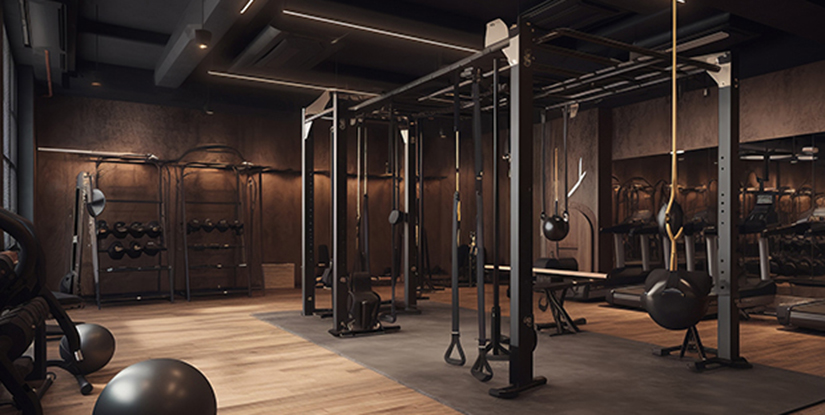
Material Specification vs. Cost Impact Analysis
To maximize profitability in residential gym equipment wholesale, procurement specialists must understand how structural adjustments influence the bottom line. A slight deviation in steel gauge or tubing diameter can significantly shift the estimated price tier, allowing you to target different consumer segments—from budget-conscious enthusiasts to premium home gym builders. Use the following technical breakdown to evaluate the best squat rack for home configurations based on your target market's price sensitivity and load requirements.
| Steel Thickness | Tubing Diameter | Load Capacity | Estimated Price Tier |
|---|---|---|---|
| 7-Gauge (Heavy Duty) | 3" x 3" | 1,000+ lbs | Premium / High-End |
| 11-Gauge (Standard) | 2" x 3" | 600 - 800 lbs | Mid-Range / Prosumer |
| 14-Gauge (Lightweight) | 2" x 2" | 300 - 500 lbs | Entry-Level / Budget |
When sourcing heavy duty power racks, we recommend negotiating commercial strength training hardware specifications based on your MOQ. Choosing a 11-gauge standard often provides the most balanced cost-to-spec ratio for high-volume distribution in North America.
Quality Control Protocols for High-Volume Residential Gym Equipment Wholesale
Distributors sourcing the best squat rack for home environments must look beyond basic aesthetics to ensure long-term reliability. When managing high-volume orders, a single structural failure can jeopardize your reputation and lead to costly returns. This is why rigorous quality control is non-negotiable for residential gym equipment wholesale. We implement stringent load-bearing testing protocols to verify that every unit meets the high standards required for heavy duty power racks.
Our manufacturing process focuses heavily on structural integrity through repeated stress testing. We don't just test for static weight; we evaluate fatigue resistance to simulate years of repetitive dynamic loading. This ensures that the commercial strength training hardware you procure can withstand the rigors of daily use without metal fatigue or weld degradation. For bulk buyers and importers, this level of oversight guarantees that your inventory remains a premium, durable solution for the end-user market.
Technical Specification Standards for Procurement Evaluation
To ensure your inventory meets international standards for commercial strength training hardware, we provide a transparent technical framework. Relying on standardized metrics allows distributors to verify that every unit is engineered for longevity. High-tier residential gym equipment wholesale requires more than just heavy steel; it demands precision in material density and surface protection to prevent oxidation and wear during high-frequency use.
The following table outlines the mandatory benchmarks our factory adheres to during the production of the best squat rack for home models. These specifications are designed to meet the rigorous demands of the North American market, ensuring compliance with MOQ compliance and quality assurance mandates.
| Technical Parameter | Industrial Standard Requirement |
|---|---|
| Steel Gauge Standards | Minimum 11-gauge (3mm) high-tensile steel |
| Powder Coating Thickness | 80–120 microns (Electrostatic application) |
| Weld Inspection Protocols | Full-penetration MIG welding with ultrasonic testing |
| Load Capacity Verification | Dynamic load testing up to 1,500 lbs |
Pre-Shipment Inspection and Maintenance Protocols
To mitigate the risk of high return rates in the North American market, our final inspection phase focuses on preventative maintenance and structural precision. Before any shipment of the <strong class="best squat rack for home> leaves our facility, every unit undergoes a rigorous quality assurance checklist. This process is designed to catch micro-defects that could lead to field failures, protecting your margins as a distributor of residential gym equipment wholesale.
Our technicians perform a comprehensive component tolerance audit, ensuring that every bolt, J-cup, and upright aligns within sub-millimeter specifications. This precision prevents mechanical binding and ensures smooth operation for the end-user. Furthermore, we prioritize shipment stability by validating that all heavy duty power racks are packaged with high-density protective layering. This prevents transit-induced vibration damage, ensuring that the commercial strength training hardware arrives in factory-perfect condition, ready for immediate assembly and deployment.
Procurement Strategies for Scalable Home Fitness Inventory Management
When sourcing the best squat rack for home use, distributors often face a false dichotomy between low entry costs and high-performance hardware. However, procurement logic dictates that selecting budget-tier alternatives often results in higher depreciation rates and increased return rates. Low-grade steel structures lack the structural integrity required for long-term residential use, leading to rapid inventory turnover and brand erosion.
Investing in heavy duty power racks offers a superior durability-to-cost ratio. While the initial unit cost is higher, the lifecycle value is exponentially greater. For wholesalers, stocking high-spec equipment reduces the overhead associated with warranty claims and logistical replacements. High-grade commercial strength training hardware maintains its market value longer, ensuring your inventory remains a premium asset rather than a liability.
| Procurement Tier | Structural Integrity | Depreciation Rate | Stocking Value |
|---|---|---|---|
| Economy Tier | Low/Light Duty | High | Low (High Turnover) |
| Heavy Duty Power Racks | High/Commercial Grade | Minimal | High (Long-term Asset) |
| Premium Wholesale | Elite/Industrial | Negligible | Maximum (Brand Loyalty) |
By prioritizing residential gym equipment wholesale options that emphasize high-capacity steel, distributors secure a more profitable and stable supply chain. Selecting the best squat rack for home markets means balancing upfront capital with long-term reliability to maximize your ROI.
Optimizing Supply Chain Reliability and QC Standards
Maximizing ROI in residential gym equipment wholesale requires more than just identifying the best squat rack for home use; it demands rigorous oversight of factory capability. To mitigate the risks of structural failure or shipping damage, procurement specialists must mandate strict QC protocols. This includes verifying weld strength, powder coating thickness, and tolerance levels for all commercial strength training hardware before it leaves the facility. Relying on subpar manufacturers leads to catastrophic failure in the field, which ultimately destroys your profit margins through costly reverse logistics.
Furthermore, efficient shipping logistics are critical when managing high-volume orders. Negotiating a reasonable MOQ (Minimum Order Quantity) allows for better economies of scale without overextending your warehouse capacity. A sophisticated vendor should offer optimized packaging solutions designed to protect heavy steel components during long-haul transit. By vetting factory capability through documented load-testing and standardized production workflows, distributors can ensure that every unit delivered meets the high-performance benchmarks expected in the North American market.
Evaluating Sourcing Tiers via Capacity and Return on Investment
To achieve predictable margins, distributors must move beyond unit price and analyze the structural integrity benchmarks of their inventory. A lower initial cost on a low-spec rack often results in a negative ROI due to high return rates and brand damage. By evaluating the relationship between weight capacity and market positioning, you can optimize your capital allocation across different consumer segments.
| Sourcing Tier | Duty Rating / Capacity | Expected ROI Profile | Primary Market Segment |
|---|---|---|---|
| Standard Residential | Light/Moderate Duty | High Volume / Low Margin | Entry-level Home Users |
| Heavy Duty Power Racks | High Capacity / Heavy Steel | Balanced Growth / High Retention | Serious Enthusiasts |
| Premium Commercial Strength Training Hardware | Industrial / Elite Grade | High Margin / Brand Authority | Professional/High-End Residential |
Strategic procurement involves selecting the best squat rack for home use that aligns with your specific distribution model. Whether you are focusing on high-volume residential gym equipment wholesale or high-margin premium goods, ensuring your supplier meets rigorous structural integrity benchmarks is the only way to protect your long-term profitability and market reputation.
Lifecycle maintenance planning for busy facilities
For distributors and high-end residential suppliers, the true value of a product is measured by its longevity and minimal downtime. When sourcing the best squat rack for home use, procurement specialists must look beyond the initial purchase price and focus on the total cost of ownership. Investing in heavy duty power racks with superior structural integrity ensures that your clients experience years of reliable performance without the need for frequent component replacements.
To protect your investment and maintain high resale or rental value, implementing strict maintenance cycles is essential. Regular inspections should focus on identifying early signs of wear and tear, such as bolt loosening, weld fatigue, or coating degradation. For those managing residential gym equipment wholesale accounts, providing clients with a standardized maintenance checklist adds immense professional value. By prioritizing high-spec commercial strength training hardware, you reduce the long-term liability of structural failure and ensure that the equipment remains a durable asset rather than a recurring maintenance expense.
Technical Inspection and Compliance Protocols
To ensure long-term reliability, distributors should provide end-users with a rigorous technical maintenance protocol. High-performance commercial strength training hardware requires systematic oversight to prevent structural degradation. We recommend a quarterly inspection focused on four critical technical pillars to maintain QC standards and safety compliance.
First, conduct periodic bolt torque specifications audits. Vibrations from heavy lifting can loosen fasteners; ensure all structural bolts are tightened to the manufacturer's exact Newton-meter requirements. Second, implement a lubrication schedule for all moving parts, such as barbell sleeves and adjustable pin mechanisms, to prevent friction-induced wear. Third, perform a weight capacity verification by visually inspecting uprights and J-cups for any signs of metal fatigue or bowing under load. Finally, inspect the powder coating for chips or oxidation, which can compromise the steel's integrity. By standardizing these technical checks, wholesale buyers can guarantee that the best squat rack for home installations remains a safe, high-capacity asset throughout its entire operational lifecycle.
Maintenance Frequency by Equipment Tier
Distributors must distinguish between light-duty consumer models and high-spec heavy duty power racks when advising clients on upkeep. While residential users may only require annual checks, professional-grade commercial strength training hardware demands a more aggressive oversight schedule to mitigate liability and ensure safety compliance. The following table provides a procurement-focused baseline for scheduling inspections and component replacement.
| Equipment Tier | Inspection Interval | Critical Component Focus | Primary Maintenance Task |
|---|---|---|---|
| Standard Residential | Bi-Annually | Bolts & J-Cups | Visual integrity & basic tightening |
| Premium Home Gym | Quarterly | Pins & Adjustment Holes | Lubrication & structural alignment |
| Commercial/Heavy Duty | Monthly | Welds, Uprights & Fasteners | Full torque audit & fatigue detection |
When managing residential gym equipment wholesale orders, we recommend including these technical specifications in your product documentation. Providing a clear maintenance roadmap helps your clients maximize the lifecycle of the best squat rack for home installations, reducing the frequency of warranty claims and enhancing your reputation as a reliable equipment provider.