Best Squat Rack Sourcing for Commercial Gym Facilities
Vetting Tier-1 Manufacturers for Heavy Duty Power Racks
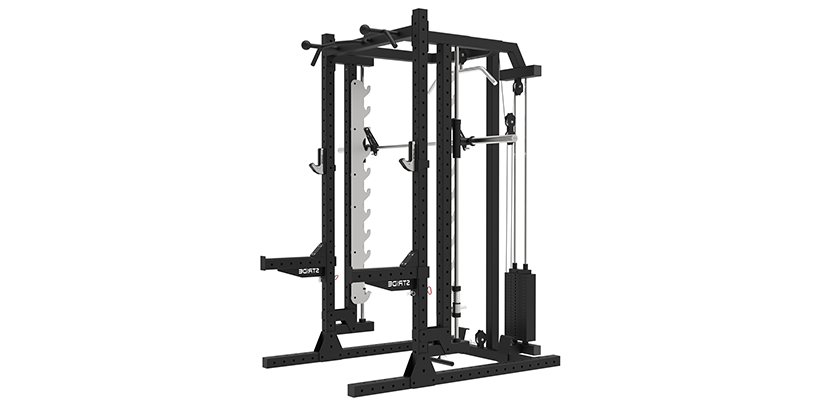
For a regional gym chain or a large-scale fitness franchise, equipment failure isn't just a maintenance headache—it is a liability and a direct hit to the bottom line. When sourcing commercial gym strength equipment, procurement managers must look beyond aesthetics to prioritize long-term structural integrity. The best squat rack for high-traffic environments is defined by its ability to withstand constant mechanical stress without frame deformation or weld fatigue.
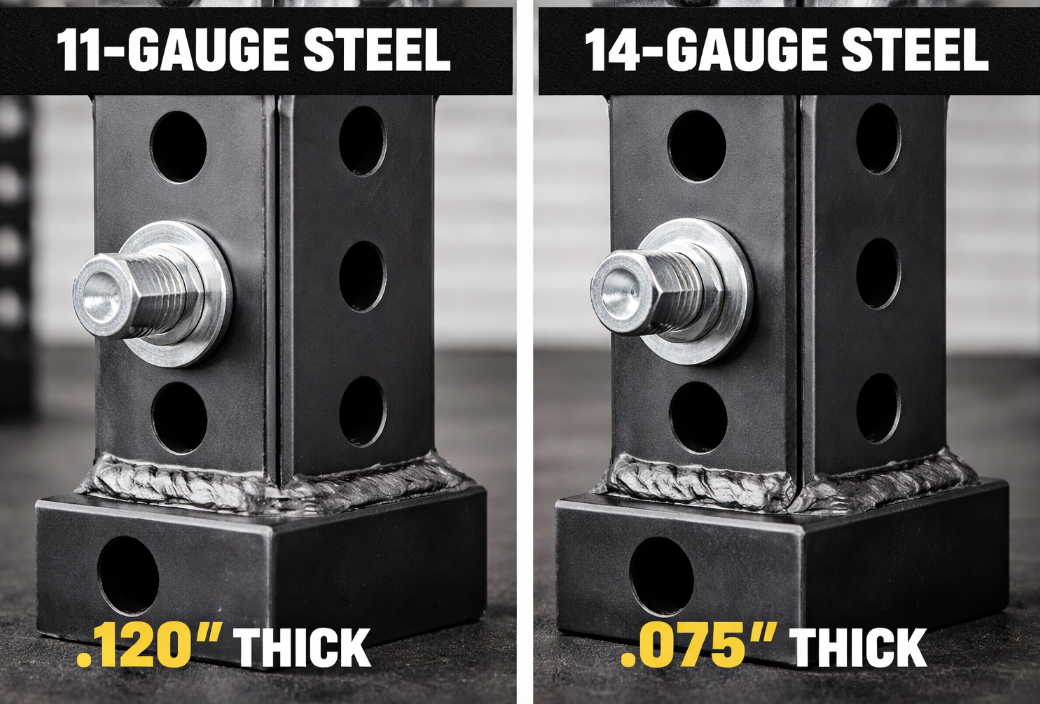
To ensure your investment meets international standards, prioritize manufacturers that utilize high-grade gauge steel thickness, typically 11-gauge or thicker, to construct their heavy duty power racks. Furthermore, a superior finish is non-negotiable; high-quality powder coating durability protects the steel against oxidation and the inevitable scuffs of heavy barbell use. When negotiating wholesale fitness hardware contracts, always verify that the factory's quality control protocols specifically test for load-bearing stability and coating adhesion to ensure your facility remains operational and safe.
To mitigate procurement risks, distributors must demand precise technical specifications rather than accepting vague descriptions. A high-quality best squat rack is distinguished by its metallurgical density and structural assembly methods. Relying on subpar manufacturing leads to rapid depreciation and increased replacement costs for your clients. Use the following technical comparison to audit your potential suppliers' production capabilities and ensure they meet the rigorous demands of professional strength training environments.
| Specification Component | Standard Commercial Grade | Premium Tier-1 Specification |
|---|---|---|
| Steel Gauge | 11-Gauge (approx. 3mm) | 7-Gauge (approx. 4.5mm+) |
| Welding Type | Spot Welding | Full Seam / Continuous Welding |
| Load Capacity | Static Load Only | Dynamic & Static Load Stability |
When negotiating wholesale fitness hardware, verify that the factory utilizes full seam welding to prevent structural fractures under high-impact movement. For top-tier heavy duty power racks, demand documentation proving high dynamic load capacities to ensure the equipment handles the kinetic energy of heavy lifting without frame oscillation.
Beyond technical specifications, true procurement security lies in the rigor of the manufacturer's quality control ecosystem. A reliable supplier of wholesale fitness hardware must operate under strict ISO certification standards to ensure consistency across large-scale orders. During the vetting process, professional buyers should demand evidence of rigorous factory audit protocols that go beyond basic assembly checks. This includes verifying that the facility conducts systematic batch testing on every production run to catch metallurgical inconsistencies before they reach the shipping container.
For high-performance commercial gym strength equipment, standard inspections are insufficient; you must require documentation regarding stress testing protocols. This ensures that every best squat rack in your shipment has been subjected to simulated weight loads and impact resistance tests. Furthermore, ensure your supplier maintains strict MOQ compliance and transparent production timelines. By auditing these manufacturing workflows, distributors can minimize the risk of receiving sub-standard units, ensuring that every piece of heavy duty power racks delivered to your facility meets the uncompromising safety standards required by modern commercial fitness environments.
Standardizing Quality Control Protocols for Commercial Gym Strength Equipment
For facility owners and global distributors, the cost of failure extends far beyond a single unit; it impacts brand reputation and long-term liability. When sourcing the best squat rack for high-traffic environments, procurement teams must look beyond basic aesthetics to ensure rigorous structural integrity testing is part of the factory standard. Relying on subpar manufacturing leads to rapid depreciation and increased maintenance overhead.
Top-tier manufacturers of heavy duty power racks implement strict load-bearing verification processes to ensure every frame can withstand repetitive, high-impact stress. Without comprehensive material fatigue prevention protocols, even premium steel can succumb to microscopic fractures over time. As a professional buyer, prioritizing suppliers who utilize advanced metallurgical testing ensures your commercial gym strength equipment inventory remains durable, safe, and ready for the demands of professional athletes and high-volume training facilities.
Rigorous Inspection Criteria for Long-Term Durability
To mitigate long-term liability and reduce operational downtime, B2B buyers must demand specific technical validation from their wholesale fitness hardware suppliers. A critical component of this vetting process is a meticulous welding inspection; ensure the factory utilizes automated robotic welding to guarantee seamless, high-strength joints that can endure extreme tension. Furthermore, verify powder coating durability through salt spray testing to prevent chipping and corrosion in humid training environments, which preserves the aesthetic value of your commercial gym strength equipment.
Precision is non-negotiable when sourcing the best squat rack for professional use. Demand documentation regarding tolerance testing to ensure all uprights and crossmembers meet exact dimensional specifications, preventing structural misalignment. Additionally, inquire about component friction reduction protocols for moving parts like J-cups and safety bars to maintain smooth operation under heavy loads. By insisting on these preventative maintenance standards during the manufacturing phase, distributors can ensure their heavy duty power racks deliver maximum lifecycle value and minimal field failures.
To streamline your factory audits or pre-shipment inspections, utilize the following technical checklist. This ensures your wholesale fitness hardware shipments meet the rigorous standards required for professional-grade facilities. Implementing these checks during the sourcing phase protects your margins and prevents the high costs associated with defective commercial gym strength equipment.
| Inspection Point | Standard Requirement | Frequency |
|---|---|---|
| Structural Weld Integrity | Zero porosity; uniform bead depth; no slag inclusion | Random sample per batch |
| Steel Gauge Consistency | Minimum 11-gauge (3mm) thickness across all uprights | 100% of major components |
| Powder Coating Adhesion | ASTM B117 salt spray compliant; no chipping or unevenness | Per production lot |
| Hardware/Bolt Torque | High-tensile grade; consistent tension across all connections | Every assembled unit |
| Alignment & Tolerance | Vertical uprights within ±1mm deviation | Pre-packing inspection |
By enforcing these strict protocols, procurement managers can confidently secure the best squat rack inventory for their clients, ensuring that every piece of heavy duty power racks delivered is engineered for peak performance and longevity.
Mitigating Risk in International Warranty and Claims Management
For procurement managers, the true cost of a best squat rack is not the initial purchase price, but the total cost of ownership over a five-year lifecycle. Sourcing low-grade commercial gym strength equipment might offer short-term savings, but it creates a liability nightmare involving high replacement costs and legal risks. When a rack fails due to subpar welding or thin-gauge steel, the resulting minimizing downtime becomes impossible, directly hurting your facility's revenue.
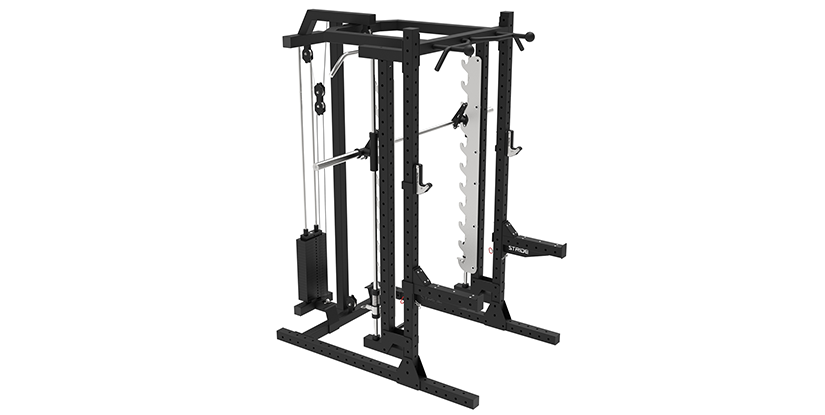
To ensure maximum ROI, distributors must prioritize manufacturers that implement rigorous factory QC protocols. High-tier suppliers focus on structural integrity by utilizing standardized steel thickness and precision laser cutting. By vetting for these technical specifications during the sourcing stage, you mitigate the risk of catastrophic failure and expensive international warranty claims. Investing in premium wholesale fitness hardware ensures your facility remains operational and safe, protecting both your brand reputation and your long-term capital investment.
Optimizing Long-Term ROI Through Warranty and Logistics Reliability
Beyond structural durability, the financial viability of your procurement strategy depends on the efficiency of the replacement parts policy. When sourcing heavy duty power racks, a manufacturer’s ability to provide rapid component replacement is critical for minimizing operational downtime. A robust supplier should offer clear inspection certificates (such as ISO or SGS) to validate material quality before shipment, reducing the likelihood of defect-related disputes.
Furthermore, savvy B2B buyers must clarify logistics liability during the contract phase. High-volume orders of wholesale fitness hardware are susceptible to transit damage; therefore, ensuring the supplier utilizes reinforced packaging and provides clear insurance protocols is non-negotiable. We recommend negotiating a tiered MOQ that includes a percentage of "buffer stock" or spare parts to bypass the delays of international shipping for minor wear-and-tear components. By aligning these technical safeguards with your procurement terms, you transform a simple purchase into a resilient, long-term asset for your commercial facility.
A sophisticated sourcing strategy must look beyond the unit price to account for the complexities of global logistics. To protect your capital, you must partner with suppliers that offer comprehensive export solutions, including standardized international shipping documentation and reinforced container loading protocols. Relying on a manufacturer that understands the nuances of transoceanic transit significantly improves liability mitigation, ensuring that your heavy duty power racks arrive in factory-spec condition without the hidden costs of transit-related damage.
Furthermore, securing bulk pricing should not come at the expense of long-term asset value. The most profitable procurement model involves balancing low upfront costs with high-grade material specifications that prevent premature depreciation. By selecting a partner capable of providing transparent wholesale fitness hardware with verifiable structural certifications, you ensure that your equipment remains a high-performing asset for years, rather than a recurring maintenance expense. This approach stabilizes your long-term operational budget and maximizes the lifecycle ROI of your facility.
Optimizing Packaging Specifications for Wholesale Fitness Hardware
When sourcing the best squat rack for large-scale facility deployments, procurement officers often overlook how packaging architecture dictates the final landed cost. For heavy duty power racks, the weight of reinforced steel plating necessitates more than just standard cardboard. Inefficient packaging design increases volumetric weight, leading to inflated freight bills and higher dimensional weight charges. Furthermore, inadequate protection leads to costly shipping damage mitigation efforts or, worse, total loss during ocean transit.
To achieve true cost-efficiency, distributors must demand specialized export-grade crating that balances structural integrity with spatial optimization. A high-quality factory will utilize customized internal bracing to ensure that high-density steel components do not shift, protecting your investment from the moment it leaves the warehouse until it reaches your facility.
| Packaging Type | Durability Rating | Freight Cost Impact | Risk Level |
|---|---|---|---|
| Standard Carton | Low | Lowest (Initial) | High (Damage) |
| Reinforced Double-Wall | Medium | Moderate | Medium |
| Custom Steel/Wood Crate | High | Higher (Weight) | Minimal |
Beyond basic crating, professional-grade commercial gym strength equipment requires rigorous export-standard packaging protocols to survive long-haul maritime logistics. High-volume B2B shipments must prioritize palletization techniques that maximize container density while maintaining structural stability. We recommend specifying heavy-duty wooden pallets and edge protectors to prevent crushing during stacking, which is essential for bulk shipping optimization.
To safeguard against the corrosive effects of salt air and humidity during ocean transit, every component must undergo strict moisture protection. This includes the use of VCI (Volatile Corrosion Inhibitor) films and desiccants within the internal wrapping. Before any wholesale fitness hardware leaves the factory, it must pass stringent QC standards that verify both the physical integrity of the packaging and the security of the load. By enforcing these technical requirements, importers mitigate the risk of arriving with damaged coatings or bent steel, ensuring that the best squat rack units remain in showroom condition upon arrival.
Strategic procurement requires a granular understanding of how packaging choices influence your total landed cost. When ordering wholesale fitness hardware, the tension between protection and volume is constant. For instance, while heavy-duty wooden crates offer superior protection for heavy duty power racks, they also increase the dimensional weight, which can significantly impact sea freight optimization. Buyers must evaluate the MOQ (Minimum Order Quantity) alongside packaging tiers; often, larger bulk orders allow for more efficient 20ft or 40ft container loading patterns, effectively lowering the logistics overhead per unit.
To streamline your commercial gym strength equipment sourcing, consider the following breakdown of how packaging affects your bottom line:
| Packaging Type | Protection Level | Cost Impact | Best For |
|---|---|---|---|
| Standard Corrugated | Low | Low | Small, lightweight accessories |
| Reinforced Multi-Wall | Medium | Moderate | Standard commercial gym strength equipment |
| Industrial Wooden Crating | Maximum | High | High-density heavy duty power racks |
Optimizing your best squat rack shipment involves more than just selecting a box; it requires a calculated decision on whether to prioritize lower initial freight rates or lower long-term shipping damage risks. A sophisticated wholesale partner will provide data on how different configurations impact your container utilization, ensuring your bulk pricing advantages aren't eroded by inefficient sea freight volumes.
Calculating Landed Cost and Freight Logistics for Bulk Imports
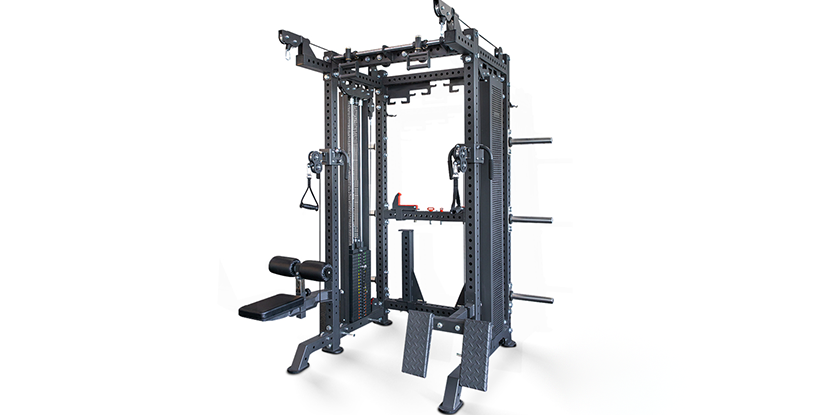
Budget overruns often occur when buyers focus solely on the unit price of the best squat rack without accounting for the total landed cost. When sourcing heavy duty power racks in bulk, the price you see from the factory is rarely the final price paid at your warehouse door. To maintain healthy margins, procurement managers must differentiate between EXW vs DDP terms. While EXW leaves all logistical burdens on the buyer, DDP provides a more predictable cost structure by including delivery and duties.
Complexity arises when calculating commercial gym strength equipment shipments. You must factor in customs duties and import taxes specific to your region to avoid mid-transit financial shocks. Furthermore, because these units are bulky, freight forwarders calculate costs based on volumetric weight rather than just actual mass. Neglecting hidden port fees, documentation charges, or local handling costs can quickly erode your procurement budget. Partnering with a reliable provider of wholesale fitness hardware ensures these variables are transparently managed from the factory floor to your facility.
Optimizing the shipment of heavy duty power racks requires advanced container optimization strategies to mitigate high freight expenses. Because these units are high-volume, low-density items, inefficient loading leads to wasted cubic space and inflated costs. To ensure maximum efficiency, we adhere to strict palletization standards, utilizing reinforced packaging that protects the integrity of the commercial gym strength equipment while maximizing the footprint within a 40ft HQ container.
For large-scale distributors, sea freight remains the only viable method for maintaining a competitive edge in wholesale fitness hardware pricing, despite the longer transit periods. While air freight offers speed, it is cost-prohibitive for heavy steel structures. To prevent supply chain disruptions, procurement officers must build significant lead time buffers into their seasonal planning. A professional exporter will provide precise documentation and optimized load plans to ensure your best squat rack orders arrive without the logistical friction that often plagues international bulk sourcing.
Comprehensive Landed Cost Breakdown
To maintain profitability when importing the best squat rack models, procurement teams must utilize a granular cost-per-unit model. Relying on a single unit price ignores the logistical reality of importing heavy duty power racks. The table below illustrates how diverse variables impact your final margin per unit.
| Cost Component | Description | Impact on Margin |
|---|---|---|
| Unit Price (EXW/FOB) | Base factory cost per unit | Primary Variable |
| Ocean Freight | Sea transit to destination port | Volume Dependent |
| Import Duties & Taxes | Customs tariffs and local VAT | Regulatory Variable |
| Insurance (CIF) | Transit risk protection | Fixed Percentage |
| Last-Mile Delivery | Port-to-warehouse trucking | Distance Dependent |
A critical factor in reducing these overheads is the Minimum Order Quantity (MOQ). Increasing your order volume optimizes container utilization, effectively lowering the freight cost per unit. High-volume orders for wholesale fitness hardware allow for better economies of scale, ensuring that the logistics of shipping commercial gym strength equipment do not outweigh the savings gained from bulk factory pricing.
Scaling Inventory via OEM and ODM Customization Strategies
For distributors looking to secure the best squat rack for their regional markets, understanding the technical distinction between manufacturing models is vital for long-term scaling. When sourcing commercial gym strength equipment, buyers must decide between standard wholesale procurement and customized production to drive product differentiation.
OEM vs ODM strategies offer two distinct pathways for growth. An OEM (Original Equipment Manufacturer) approach allows you to utilize our proven factory specifications while applying your own custom branding to the hardware. This is ideal for established brands wanting to maintain strict quality control over heavy duty power racks while reducing R&D overhead. Conversely, an ODM (Original Design Manufacturer) model enables you to request unique structural modifications or specialized accessory integrations tailored to specific market niches.
Choosing the right path ensures your inventory is not just another commodity, but a branded solution. Whether you require high-volume wholesale fitness hardware with subtle logo placement or a completely unique structural design, aligning with a capable factory optimizes your MOQ and shipping efficiency.
To mitigate the bulk procurement risks associated with high-volume orders, procurement specialists must prioritize rigorous quality control standards. When sourcing wholesale fitness hardware, the primary failure point is often the structural integrity of the steel. It is imperative to verify the material thickness—ideally 11-gauge or 3mm steel—to ensure the frame can withstand the rigors of daily commercial use. A sub-par manufacturer may compromise on steel gauge to lower costs, leading to catastrophic structural failure under load.
Furthermore, professional-grade heavy duty power racks require documented load capacity testing. A reliable factory must provide certified results showing the rack's ability to handle maximum weight capacities without deflection. Beyond the steel, manufacturing precision regarding weld strength and hole alignment is non-negotiable; even slight deviations can impede accessory compatibility and user safety. By mandating strict quality control standards during the production phase, distributors can ensure that every unit shipped meets the high-traffic durability expectations of the North American market, protecting both their reputation and their bottom line.
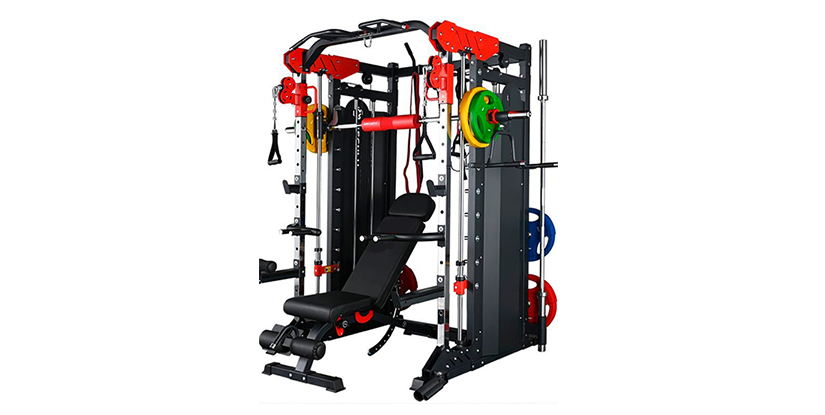
To streamline your procurement workflow, we have categorized customization levels into three distinct tiers. This comparison assists buyers in selecting the best squat rack configuration that aligns with their specific capital expenditure (CAPEX) constraints and inventory turnover goals.
| Customization Tier | MOQ Requirements | Lead Time | Cost Impact | Typical Variations |
|---|---|---|---|---|
| Standard Wholesale | Low (1-5 Units) | Short (2-4 Weeks) | Minimum (Base Price) | Standard colors/sizes |
| Semi-Custom | Medium (20-50 Units) | Moderate (6-8 Weeks) | Moderate (+5-15%) | Logo branding, custom colors |
| Full Custom (ODM) | High (100+ Units) | Extended (12-16 Weeks) | Premium (+20%+) | Structural dimensions, unique accessories |
Selecting the appropriate tier is essential when sourcing commercial gym strength equipment. While standard models offer the fastest turnaround for immediate stock replenishment, the semi-custom tier is often the sweet spot for distributors seeking to build brand equity with wholesale fitness hardware without the high overhead of full structural redesigns.
Optimizing Global Logistics and Freight Efficiency
Once the production specifications are finalized, the focus shifts to the complexities of international freight. For high-volume distributors, securing the best squat rack involves more than just factory output; it requires sophisticated logistics optimization to protect margins. Because heavy duty power racks are high-volume, low-density items, maximizing container loading efficiency is critical to reducing the landed cost per unit.
A professional manufacturer must demonstrate advanced expertise in spatial management, utilizing optimized palletization and nesting techniques to increase shipping volume per 40ft HQ container. This level of planning minimizes air shipment costs and ensures that your wholesale fitness hardware arrives in a stable, secure configuration. Furthermore, navigating the complexities of global export compliance is non-negotiable. We ensure all shipments adhere to strict international documentation standards and customs regulations, mitigating the risk of port delays or unexpected duties. By prioritizing supply chain reliability and transparent tracking, we provide the stability necessary for large-scale commercial gym strength equipment distribution across North American markets.
Implementation checklist for buyers
When sourcing for a new facility, procurement officers often fall into the trap of prioritizing low upfront costs over long-term value. However, the true metric of success is the lifecycle cost vs. initial price. Opting for entry-level models may save capital during the initial order, but the frequent replacement cycles and high maintenance requirements of substandard gear will erode your margins over time.
To maximize your return on investment, your procurement strategy must prioritize heavy duty power racks engineered specifically for durability for high-traffic environments. In a high-volume commercial setting, equipment undergoes constant mechanical stress. Investing in commercial gym strength equipment that meets rigorous structural standards ensures that your facility remains operational without frequent downtime for repairs or part replacements.
By selecting the best squat rack through a verified manufacturer with strict quality control protocols, you are not just buying hardware; you are securing a long-term asset. High-grade steel construction and superior powder coating reduce the need for mid-cycle upgrades, ensuring that your initial investment yields consistent utility and minimal operational expenditure for years to come.
Technical Verification and Quality Assurance Checklist
To safeguard your capital, move beyond basic aesthetics and perform deep-level due diligence on your manufacturer's technical capabilities. A successful procurement cycle begins with verifying factory certification standards, such as ISO compliance, to ensure the production environment meets global benchmarks. Before finalizing any wholesale fitness hardware agreement, demand documentation regarding structural integrity testing. This includes load-bearing stress tests and weld strength analysis, which are non-negotiable for heavy duty power racks intended for professional use.
Furthermore, establish rigorous QC protocols that involve third-party inspections or pre-shipment audits. This prevents the arrival of defective units that disrupt your facility launch. When discussing MOQ negotiation, do not simply push for the lowest volume; instead, negotiate for tiered pricing that rewards long-term partnership while ensuring high-quality components. Finally, evaluate logistics reliability by vetting the supplier’s experience with international freight and container optimization. Selecting the best squat rack requires a balance of technical scrutiny and supply chain stability to prevent the hidden costs of shipping delays or damaged inventory.
Visualizing the Value: Retail vs. Wholesale Sourcing
To assist in your capital expenditure planning, it is essential to quantify the economic advantages of direct manufacturer procurement. While retail channels offer convenience for small-scale setups, they cannot compete with the economies of scale provided by wholesale fitness hardware distributors when scaling a commercial facility.
The following data illustrates why professional buyers prioritize direct sourcing to optimize their long-term margins. When searching for the best squat rack for a multi-unit rollout, the disparity in logistics and unit pricing becomes a decisive factor in your facility's profitability.
| Metric | Single-Unit Retail Sourcing | Wholesale Commercial Sourcing |
|---|---|---|
| Unit Cost | High (MSRP + Markup) | Low (Factory Direct/Bulk Pricing) |
| Shipping Efficiency | Low (Individual Parcel/LTL) | High (Full Container/Optimized Freight) |
| Durability Rating | Variable (Consumer Grade) | Superior (Heavy Duty Power Racks) |
| Long-term ROI | Slow (Higher Replacement Rate) | Rapid (High-Traffic Durability) |
As demonstrated, the transition from retail purchasing to commercial gym strength equipment sourcing via direct export channels significantly lowers the total cost of ownership. By leveraging bulk pricing and optimized container logistics, you ensure that your procurement budget is utilized to build a resilient, high-performance training environment.