How to Evaluate Home Gym Rack Durability for Retail
Deployment Scenarios for High-Traffic Strength Training Zones
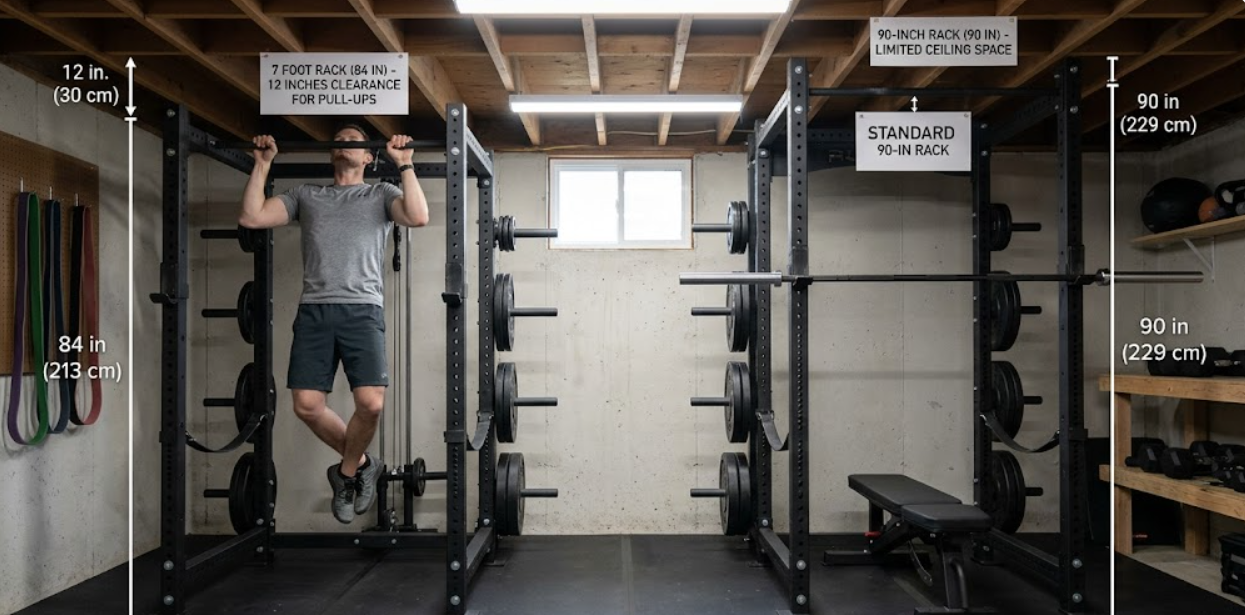
Distributors must differentiate between lightweight residential setups and the high-intensity demands of boutique studios or hotel fitness centers. While a home user may prioritize footprint and price, a commercial facility requires a rack capable of enduring constant loading cycles and heavy barbell impact without structural fatigue.
Residential vs. Commercial-Grade Utility
The distinction lies in the long-term ROI driven by structural rigidity. A budget-friendly rack might suffice for occasional use, but professional environments demand higher gauge steel to prevent swaying during heavy compound lifts. For distributors, sourcing equipment that bridges the gap between a basic home gym rack and a full-scale commercial rig ensures lower return rates and higher client satisfaction in high-traffic settings.
| Deployment Type | Primary Driver | Footprint Priority | Durability Requirement |
|---|---|---|---|
| Residential/Home Use | Price & Space | High (Compact/Collapsible) | Moderate (Low Frequency) |
| Boutique Studio | Aesthetics & Versatility | Medium (Modular Layouts) | High (Daily High-Intensity) |
| Commercial Gym | Lifespan & Load Capacity | Low (Fixed Infrastructure) | Extreme (Constant Heavy Use) |
Optimizing Floor Plans and Procurement Budgets
Selecting the right configuration requires balancing spatial constraints against the total cost of ownership. While a single rack unit offers low entry costs for residential distributors, facility managers must consider the long-term maintenance of modular systems. When sourcing for professional environments, adhering to strict heavy duty rack specifications—such as 11-gauge steel and reinforced uprights—is non-negotiable to ensure safety during peak hours.
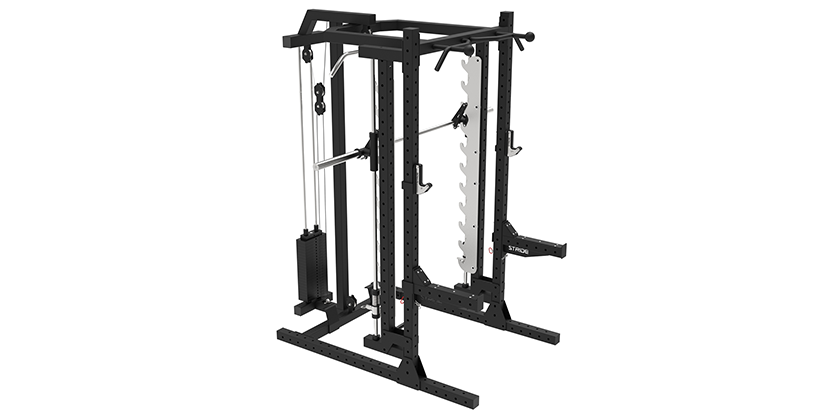
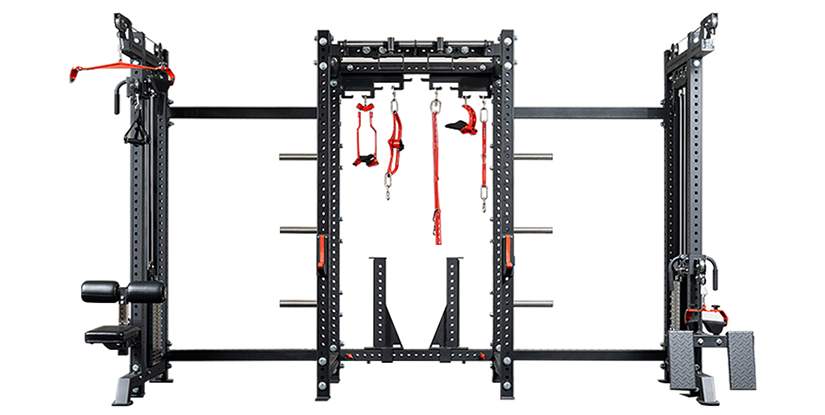
For high-volume distributors, the decision often rests on whether to stock versatile, modular components or fixed, heavy-duty structures. A modular approach allows for easier shipping and adaptable layouts in boutique settings, whereas fixed rigs provide the structural stability required for large-scale commercial strength training zones. Evaluating these variables early in the procurement cycle prevents costly logistical errors and ensures the hardware matches the intended facility throughput.
Inventory management for distributors involves a constant trade-off between modularity and stability. Modular systems offer easier shipping and lower MOQs by breaking down into smaller components, which is ideal for boutique studios with limited storage. However, these systems often sacrifice the rigid, unified structure of a fixed rig. When sourcing for high-traffic zones, ensure that any modular configuration meets rigorous quality control standards to prevent component loosening under heavy load. Failure to align these specifications with the facility's throughput can lead to increased maintenance costs and diminished reliability in professional environments.
Critical Structural Integrity Indicators for Bulk Sourcing
To identify the best home gym rack for retail distribution, buyers must look beyond aesthetics and focus on the fundamental metallurgy. Structural stability is determined by the thickness of the steel and the precision of the fabrication, which directly impacts the product's lifespan and return rates.
Steel Gauge and Weld Quality
A primary differentiator in heavy duty rack specifications is the steel gauge. While entry-level models often utilize 14-gauge steel, premium distributors should prioritize 11-gauge steel for high-end residential or boutique studio clients. The thicker wall construction provides superior resistance to deformation under heavy loads. Beyond the metal itself, weld integrity is a critical checkpoint during fitness equipment quality control. Inspect for smooth, continuous beads rather than erratic or porous welds, as inconsistent joining can compromise the entire frame's ability to handle dynamic weight shifts.
| Specification Metric | Standard Residential Grade | Premium/Heavy Duty Grade |
|---|---|---|
| Steel Gauge | 14-gauge (Thinner) | 11-gauge (Thicker/Robust) |
| Weld Type | Standard Spot Welds | Full-Penetration Continuous Welds |
| Structural Focus | Static Load Capacity | Dynamic Stability & Longevity |
Distributors should evaluate weight capacity based on the intended user environment. Miscalculating these specifications during the sourcing process can lead to high liability risks and diminished brand trust. The following comparison outlines typical load thresholds found across different market segments.
| Steel Thickness (Gauge) | Typical Weight Capacity | Primary Use Case |
|---|---|---|
| 14-Gauge | 300–500 lbs | Standard Home/Retail Distribution |
| 12-Gauge | 600–800 lbs | Boutique Studios & High-End Residential |
| 11-Gauge | 900+ lbs | Commercial Gyms & Heavy Strength Training |
When negotiating MOQs or reviewing factory capability, ensure the supplier can provide documented load-bearing test results. For distributors targeting the premium segment, sourcing 11-gauge steel ensures the equipment remains viable for intensive training, reducing long-term maintenance concerns and increasing the total cost of ownership (TCO) value for the end user.
Surface Resilience and Hardware Integrity
Durability extends beyond the steel frame to the secondary components that govern long-term usability. During strength training equipment sourcing, professional buyers must verify the quality of the powder coating durability. A high-grade electrostatic powder coating prevents oxidation and protects against scratches from barbell impact, which is essential for maintaining resale value and reducing customer complaints.
Furthermore, inspect the bolt/hardware grade used in assembly. Low-quality fasteners often lead to loosening or shearing under vibration, necessitating frequent maintenance cycles. High-tier manufacturers utilize Grade 8 or high-tensile steel bolts to ensure structural cohesion. Prioritizing these fine details during fitness equipment quality control minimizes field failures and protects your margins by reducing the frequency of warranty claims and replacement shipments.
Evaluating Load Capacity and Material Gauge Standards
For distributors and boutique studio owners, the long-term ROI of a product depends on its ability to withstand high-frequency use without structural deformation. Assessing the steel gauge and weight capacity is the most critical step in ensuring the best home gym rack remains a reliable asset rather than a liability prone to high return rates.
Steel Gauge and Structural Integrity
The thickness of the steel tubing directly dictates the structural integrity of the unit. In the procurement process, it is essential to distinguish between consumer-grade and commercial-grade specifications. While 14-gauge steel is common in budget-friendly consumer models, 11-gauge steel is the benchmark for high-end, heavy-duty equipment. Thicker gauge steel provides superior resistance to bending and vibration, which is vital for maintaining product quality control during long-term distribution.
| Material Specification | Typical Use Case | Durability Profile | Procurement Value |
|---|---|---|---|
| 14-Gauge Steel | Light Home Use | Moderate; prone to flex | Lower MOQ/Price point |
| 11-Gauge Steel | Premium Home/Studio | High; excellent stability | High reliability/Low returns |
| Commercial Standard | Full-Scale Gyms | Maximum; extreme load | Premium positioning |
When sourcing strength training equipment, buyers should verify the rated weight capacity against the steel gauge. A mismatch—such as thin-walled tubing paired with a high weight capacity claim—often indicates a risk of structural failure. Ensuring your inventory meets these commercial-grade standards protects your brand reputation and reduces the logistical costs associated with defective product replacements.
Understanding the distinction between these tiers allows importers to better align their inventory with specific market segments. A distributor specializing in high-end residential fitness should prioritize 11-gauge steel to minimize warranty claims, whereas a high-volume budget retailer might focus on 14-gauge models to remain price-competitive in the entry-level market.
Tiered Specification Comparison
| Spec Category | Steel Gauge | Typical Load Capacity | Primary User Base |
|---|---|---|---|
| Entry-Level | 14-Gauge | 250–400 lbs | Casual Residential |
| Intermediate | 12-Gauge | 400–600 lbs | Boutique Studios |
| Professional | 11-Gauge | 600+ lbs | Commercial Gyms |
When negotiating with manufacturers, do not rely solely on the advertised weight capacity. Request detailed heavy duty rack specifications regarding the thickness of the uprights and the crossmembers. High-quality steel thickness is a primary indicator of long-term durability and a key factor in maintaining strict fitness equipment quality control across your entire supply chain.
Mitigating Liability Through Rigorous Quality Control
Beyond material thickness, professional distributors must implement strict fitness equipment quality control protocols to mitigate legal and financial risks. Relying on manufacturer claims alone is insufficient for high-volume sourcing; instead, demand evidence of standardized factory testing. Effective distributor risk management involves verifying that every batch of strength training equipment undergoes stress testing to confirm it meets the advertised heavy duty rack specifications under maximum load conditions.
To protect your brand, prioritize suppliers who provide transparent documentation of their testing cycles. A robust procurement strategy includes requesting load-bearing test reports and weld strength verification. By insisting on these empirical benchmarks, you ensure that the products arriving at your warehouse are structurally sound, significantly reducing the likelihood of catastrophic failures and subsequent liability claims in the North American market.
Optimizing Inventory Selection for Boutique vs. Residential Distribution
Distributors must distinguish between the procurement needs of high-end residential clients and boutique studio operators. While both segments seek the best home gym rack for their specific environments, their requirements regarding structural density and aesthetic finish vary significantly.
Residential buyers prioritize a compact footprint and sophisticated aesthetic appeal to blend with interior decor. Conversely, boutique studios require higher load capacity expectations and ruggedized components to withstand high-frequency usage. When sourcing, ensure your inventory reflects these distinct performance tiers to avoid high return rates from end-users.
| Requirement Metric | Residential Tier | Boutique/Studio Tier |
|---|---|---|
| Primary Driver | Space efficiency & Design | Durability & Throughput |
| Typical Footprint | Minimal/Wall-mounted | Standard/Modular |
| Load Capacity | Moderate/Lightweight | Heavy-duty/High-volume |
To make informed purchasing decisions, distributors should evaluate technical specifications through the lens of total cost of ownership and equipment lifespan. Relying on generic descriptions often leads to mismatched inventory; instead, prioritize the following heavy duty rack specifications to ensure product reliability across different market segments.
| Technical Specification | Residential/Home Segment | Boutique/Professional Segment |
|---|---|---|
| Steel Gauge | 11 to 14 Gauge | 7 to 11 Gauge (High-density) |
| Weight Capacity | 300 – 600 lbs | 800 – 1,200+ lbs |
| Accessory Compatibility | Basic (J-cups, Pull-up bar) | Advanced (Dip stations, Landmines, Plate storage) |
| Frame Dimensions | Compact/Slim profile | Standardized/Modular footprint |
When performing fitness equipment quality control during factory inspections, verify that the steel thickness matches the promised gauge. A common mistake in strength training equipment sourcing is accepting lower-gauge steel under the guise of "lightweight" optimization, which can compromise the structural integrity required for professional-grade distribution.
Strategic Stocking and Logistics Management
Effective inventory management requires balancing Minimum Order Quantity (MOQ) constraints against the logistical realities of heavy steel shipments. For boutique-grade orders, distributors often face higher MOQs due to the specialized, high-gauge steel and premium powder coating required. Relying on low-cost, high-volume manufacturers without strict oversight can lead to inconsistent batch quality, particularly in welding precision and structural uniformity.
Beyond the factory floor, prioritize logistics and packaging durability. Even the most robust frame can suffer structural micro-fractures or cosmetic damage if the shipping protection is insufficient. When managing global shipments, ensure your supplier utilizes reinforced corrugated boxing and high-density foam inserts. This reduces the incidence of "dead on arrival" (DOA) reports, which are common when sourcing heavy-duty components across long-distance freight routes.
Common Procurement Pitfalls in Global Fitness Equipment Sourcing
Distributors often struggle with the discrepancy between quoted unit prices and actual long-term profitability. While a lower initial invoice may seem attractive for increasing margins, overlooking structural integrity during the sourcing phase frequently leads to high return rates and damaged brand reputation.
The Hidden Cost of Low-Quality Racks
Prioritizing low initial unit prices over strict heavy duty rack specifications creates a significant gap in total cost of ownership (TCO). When sourcing the best home gym rack for retail distribution, buyers must account for the costs of frequent replacements, warranty claims, and shipping returns caused by structural failure. Low-cost alternatives often utilize thinner steel gauges or inferior welding techniques that fail to meet standard strength training equipment requirements. This lack of durability results in higher maintenance overhead and diminished customer loyalty, ultimately making the "cheaper" option more expensive for the end-user and the distributor alike.
Analyzing the Cost-to-Quality Ratio
To avoid procurement errors, distributors should categorize potential inventory into distinct tiers based on structural utility. Understanding the relationship between steel gauge thickness and long-term reliability helps in managing customer expectations and setting realistic retail price points for different market segments.
| Sourcing Tier | Price Point | Material Gauge | Typical Longevity |
|---|---|---|---|
| Budget/Entry-Level | Low | 14-gauge steel | 1–3 years |
| Mid-Range/Prosumer | Moderate | 11-gauge steel | 3–7 years |
| Commercial-Grade | Premium | 7-gauge steel | 10+ years |
When evaluating factory capability, ensure that the specified gauge matches the advertised load capacity. A discrepancy here often indicates a lack of rigorous fitness equipment quality control, which can lead to catastrophic failure under heavy progressive overload during standard strength training sessions.
Logistical Overhead and Quality Control Failures
Aggressive pursuit of the lowest MOQ vs. unit price often masks systemic strength training equipment sourcing risks. Low-tier manufacturers frequently neglect rigorous quality control, leading to inconsistencies in weld strength and bolt alignment. These defects trigger high shipping damage risks, as structural instability often results in bent uprights or scratched powder coating during transit. For distributors, these quality control failures translate into expensive reverse logistics, replacement shipments, and lost margins that far outweigh any initial savings gained from a lower purchase price.
Long-Term Maintenance and Total Cost of Ownership (TCO) Analysis
Distributors must look beyond the initial purchase price to understand the long-term operational impact of their inventory. Selecting the best home gym rack involves calculating the Total Cost of Ownership (TCO), where high-quality structural integrity significantly reduces the frequency of replacement and costly after-sales support.
When conducting strength training equipment sourcing, prioritize units that withstand standard wear and tear without requiring immediate intervention. Inferior builds often lead to frequent maintenance cycles, such as tightening loose bolts or repairing compromised powder coatings, which increases the burden on both the distributor and the end-user. Investing in premium fabrication ensures that the product remains a reliable asset rather than a recurring liability in the retail lifecycle.
Maintenance Requirements by Grade
The operational expense of a rack is often dictated by its build quality. While entry-level models may offer lower initial MOQs and lower shipping costs, they frequently demand higher upkeep. High-grade equipment features advanced powder coating and precision-engineered joints that mitigate common failure points like oxidation or structural loosening.
| Maintenance Factor | Residential/Entry-Level Grade | Commercial/Premium Grade |
|---|---|---|
| Powder Coating Durability | Susceptible to chips and oxidation | High-micron, impact-resistant finish |
| Bolt Tensioning | Requires frequent monthly checks | Minimal adjustment needed |
| Lubrication Needs | Regular application for moving parts | Low-maintenance/Self-lubricating components |
| Replacement Frequency | High (2–4 year lifecycle) | Low (8+ year lifecycle) |
For distributors, sourcing units with superior heavy duty rack specifications reduces the volume of warranty claims and replacement parts shipments. A higher upfront investment in quality control often results in a more stable profit margin by lowering the long-term cost of service and returns.
Logistics-Driven Quality Control and Inspection Protocols
To protect your distributor ROI, quality assurance must extend from the factory floor to the final delivery point. Rigorous fitness equipment quality control begins with verifying heavy duty rack specifications against actual tolerance levels before the product leaves the warehouse. Implement strict inspection protocols that include checking bolt thread integrity and the uniformity of the powder coating to prevent early-stage aesthetic complaints.
Furthermore, shipment damage prevention is a critical variable in minimizing return rates. Ensure your supplier utilizes reinforced corrugated packaging and corner protectors designed for heavy steel components. High rates of "damaged on arrival" reports often stem from inadequate palletization rather than manufacturing defects. By auditing both the structural build and the logistics packaging, you mitigate the hidden costs of reverse logistics and bolster your reputation for reliability in the retail market.
Quality Control Checkpoints for Wholesale Order Inspection
When receiving high-volume shipments, distributors must move beyond aesthetic inspections to verify core structural integrity. Relying on visual appeal alone risks long-term liability and high return rates. A systematic audit of technical specifications ensures the units meet the rigorous demands of professional strength training environments.
Critical Structural and Surface Verification
The most vital step in quality control is verifying heavy duty rack specifications against the original purchase order. Inspect every junction for weld quality; welds should be smooth, continuous, and free of porosity or slag to prevent structural failure under load. Furthermore, check the powder coating consistency across the entire frame. An uneven or thin coating leads to premature oxidation and chipping, which compromises the long-term durability of the steel. Finally, perform a load capacity verification by checking the gauge of the steel tubing and the stability of the uprights to ensure the product can safely support intended weight increments without deflection.
To streamline the inspection process during container unloading or warehouse intake, procurement managers should utilize a standardized technical checklist. This ensures that the factory output aligns with the high-performance standards required for premium retail distribution and reduces the likelihood of defective SKUs reaching the end user.
Technical Specification Audit Matrix
| Inspection Point | High-Quality Standard (Commercial Grade) | Red Flags for Rejection |
|---|---|---|
| Weld Strength | Continuous, smooth bead penetration; no visible porosity. | Spatter, uneven thickness, or brittle-looking joints. |
| Coating Durability | Uniform powder coating thickness; high scratch resistance. | Bubbling, uneven texture, or exposed raw steel. |
| Hardware Grade | High-tensile steel bolts (Grade 8.8 or higher). | Soft metal bolts or inconsistent threading. |
| Tolerance Levels | Tight fitment in adjustable holes and upright junctions. | Excessive play, wobbling, or misalignment in uprights. |
Maintaining these rigorous standards during the sourcing phase protects your brand reputation. A single failure in hardware grade or weld integrity can result in significant logistical costs and damage the perceived reliability of your entire equipment catalog.
Logistics and Batch Consistency Risks
Reliable strength training equipment sourcing requires looking beyond the individual unit to the entire production run. A common pitfall for distributors is ignoring batch consistency; a single high-quality prototype does not guarantee that subsequent units in a large order will maintain the same steel gauge or welding precision. Discrepancies between batches can lead to mismatched components and increased assembly issues for your end users.
Furthermore, the MOQ impact on QC must be managed carefully. While higher volumes often lower unit costs, they can strain a factory's quality control capacity if oversight is not maintained. Effective procurement strategies include requesting pre-shipment samples from the actual production line, not just the development sample. Additionally, prioritize suppliers with proven shipping damage prevention protocols, such as reinforced corner protection and heavy-duty corrugated boxing. Without robust packaging, even the most durable steel frame can suffer structural warping or cosmetic damage during long-haul ocean freight, leading to costly returns and diminished profit margins.