Fitness Gear Squat Rack | Comparing Commercial Squat Racks
Vetting Global Manufacturers for Commercial Strength Training Equipment
Procurement teams often mistake high-end consumer models for professional-grade solutions, leading to premature equipment failure and increased maintenance costs. A successful sourcing strategy requires moving beyond aesthetic appeal to prioritize structural integrity and verified manufacturing standards that can withstand the rigors of high-traffic environments.
The Transition from Consumer to Heavy Duty Power Racks
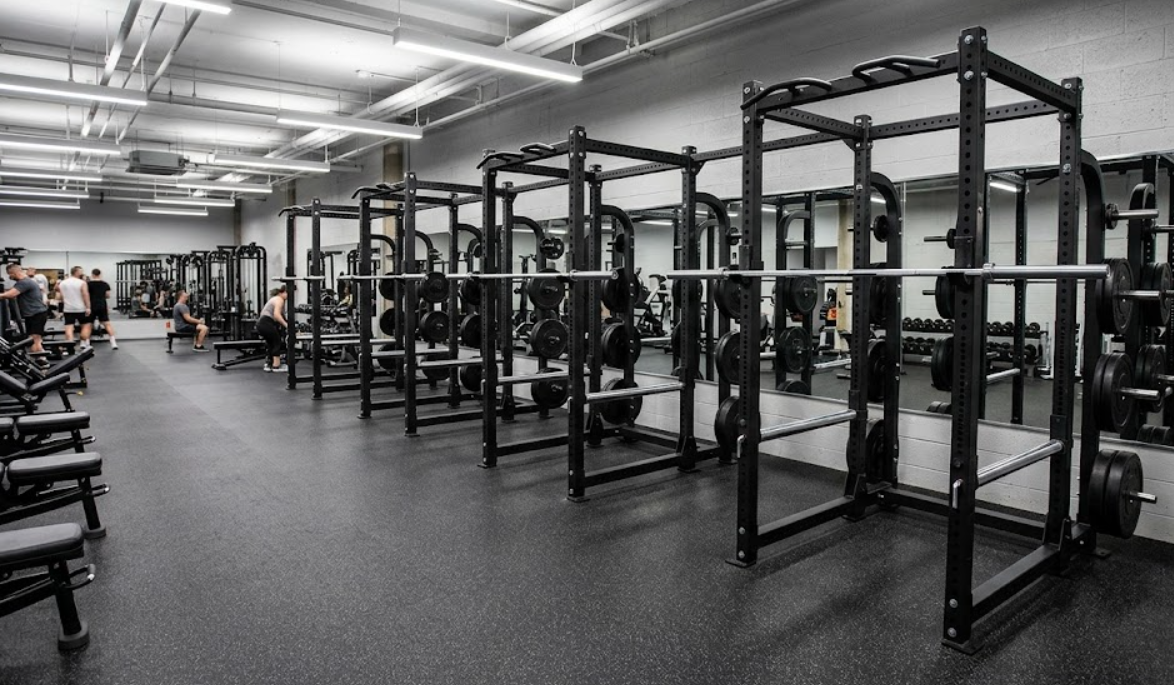
When scaling a fitness franchise or managing a large-scale facility, the distinction between a standard fitness gear squat rack and professional-grade equipment becomes a matter of long-term ROI. Consumer-grade units frequently lack the gauge thickness and weld strength required for constant, heavy loading. In contrast, true commercial strength training equipment is engineered to endure repetitive mechanical stress and heavy impact without compromising stability.
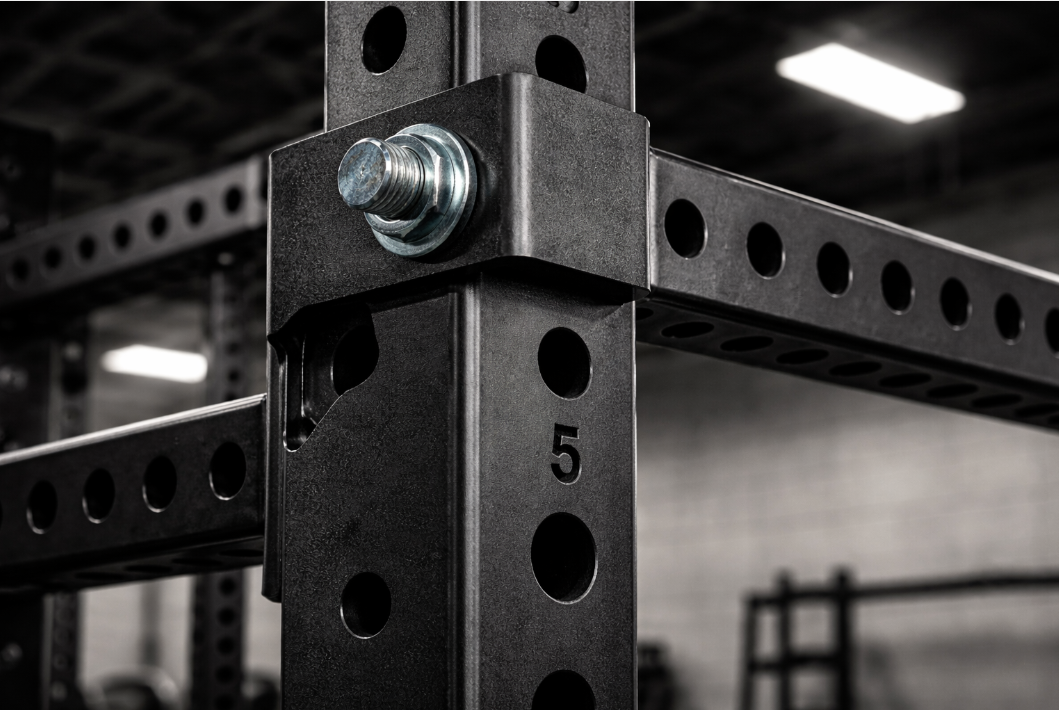
For distributors and gym facility procurement managers, vetting a factory's ability to produce heavy duty power racks involves more than checking a spec sheet. It requires verifying consistent steel quality, precision in hole alignment for accessory compatibility, and the robustness of the powder coating. Investing in high-specification fitness gear squat rack models ensures that your multi-site rollout remains consistent, reducing the frequency of replacement cycles and ensuring user safety across all locations.
Technical Specifications: Benchmarking Durability Standards
To mitigate the risk of structural fatigue, procurement specialists must evaluate the technical build of each unit. High-traffic facilities require specific metallurgical and finishing standards to ensure the equipment survives years of heavy loading and high-frequency use. Relying on vague descriptions is a common pitfall; instead, demand specific metrics regarding steel thickness and coating application.
The following comparison highlights the technical discrepancies between standard commercial builds and lower-tier alternatives. For multi-site rollouts, prioritizing the higher-tier specifications significantly extends the maintenance cycle and reduces long-term replacement costs.
| Technical Feature | Standard Commercial Grade | Premium Heavy Duty Build |
|---|---|---|
| Steel Gauge | 11-gauge (approx. 3mm) | 7-gauge to 11-gauge reinforced steel |
| Welding Type | Standard MIG welding | Full-penetration, reinforced structural welding |
| Powder Coating | Standard electrostatic finish | High-micron, scratch-resistant industrial coating |
| Load Capacity | Up to 350kg (770lbs) | 450kg+ (1,000lbs+) sustained loading |
| Maintenance Cycle | Annual inspection/tightening | Bi-annual inspection for high-traffic use |
When negotiating with manufacturers, confirm that the steel gauge is consistent throughout the entire frame, not just the uprights. A robust powder coating is equally vital for preventing oxidation in humid gym environments, protecting your investment and maintaining a consistent brand aesthetic across all franchise branches.
Standardizing Quality Across Global Supply Chains
Scaling a multi-location rollout requires moving beyond simple order placement toward a rigorous quality control (QC) framework. Relying solely on a manufacturer's word is insufficient for large-scale facility procurement; instead, procurement managers must validate factory capability through direct inspection protocols. A reliable partner should demonstrate a standardized production process that ensures every unit shipped meets the same structural tolerances, regardless of the batch number.
To ensure consistency across different shipping timelines and geographic regions, implement a multi-stage verification process. This includes requesting documentation on raw material sourcing and requiring third-party or factory-led durability testing, such as load-bearing stress tests and coating adhesion checks. Establishing a clear Minimum Order Quantity (MOQ) and a structured shipping stability plan is also essential to prevent delays in your rollout schedule. By integrating these QC milestones into your initial contract, you mitigate the risk of receiving sub-standard components that could compromise the safety and uniformity of your fitness brand's physical assets.
Standardizing Quality Control and Inspection Protocols
For procurement managers overseeing multi-site rollouts, the longevity of a fitness gear squat rack depends heavily on the rigor of your operational oversight. Relying on a single shipment is insufficient; instead, establishing standardized maintenance cycles ensures that every unit performs to the same safety standard across all locations.
Implementing a uniform inspection protocol for your commercial strength training equipment prevents localized wear from becoming a systemic liability. By enforcing strict quality control benchmarks—such as checking bolt torque, weld integrity, and upright alignment—you maintain facility consistency and protect your brand reputation. A proactive approach to inspecting heavy duty power racks reduces long-term TCO (Total Cost of Ownership) and ensures that equipment stability remains constant, regardless of which branch the end-user visits.
Maintenance and Inspection Benchmarks
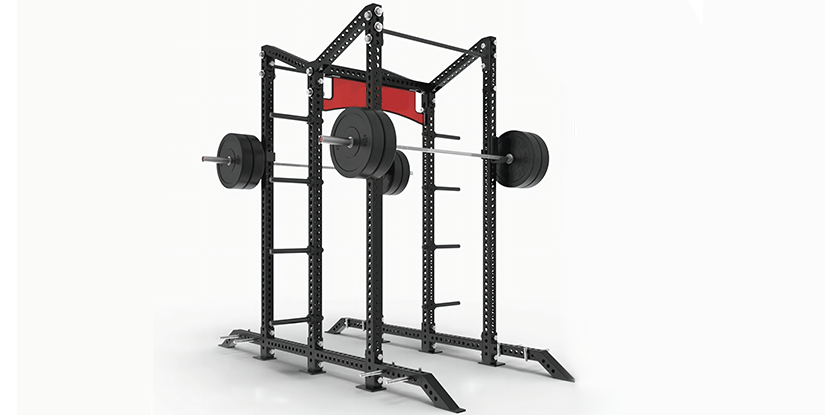
To maintain high-performance standards across a franchise or large-scale facility, procurement teams must differentiate between standard commercial grades and heavy duty power racks. High-traffic environments require more rigorous inspection schedules to mitigate the risk of structural fatigue and ensure user safety during peak hours.
| Inspection Dimension | Standard Commercial Grade | Premium / Heavy Duty Grade |
|---|---|---|
| Welding Integrity | Visual check for surface cracks every 6 months | Deep structural inspection every 12 months |
| Powder Coating | Monitor for chipping or oxidation annually | Check for impact wear every 12–18 months |
| Bolt Torque | Standard tightening during quarterly audits | High-frequency torque verification per season |
| Maintenance Frequency | Bi-annual routine check-ups | Quarterly rigorous technical audits |
| Expected Durability | Optimized for boutique or medium-use gyms | Engineered for 24/7 high-intensity environments |
When sourcing for multi-unit distribution, prioritize manufacturers that provide detailed technical specifications for these dimensions. A standardized maintenance log helps distributors and facility managers track the lifecycle of each unit, ensuring that durability remains a constant variable rather than a declining asset.
Upstream Quality Assurance and Logistics Oversight
Minimizing onsite maintenance issues begins long before the equipment reaches your warehouse. For B2B procurement, the most effective way to prevent premature wear and tear is to vet the manufacturer's factory capability and their adherence to strict QC protocols during the production phase. High-quality production ensures that structural tolerances remain consistent, reducing the likelihood of assembly errors that lead to instability in the field.
Reliable distributors should prioritize suppliers that offer transparent shipment inspection processes. This includes pre-loading checks to ensure that heavy duty power racks are not subjected to excessive vibration or moisture during transit, which can compromise both the finish and the mechanical components. By auditing the factory-level quality control—from raw steel thickness to the precision of the welding jigs—you mitigate the risk of receiving defective units that would otherwise increase your long-term service costs. Robust logistics management and thorough documentation of every inspection stage are essential for maintaining a seamless supply chain and protecting your ROI across large-scale gym facility rollouts.
Maximizing ROI Through Equipment Longevity
For multi-site operators, the true cost of a fitness gear squat rack extends far beyond the initial purchase order. While lower upfront costs may appeal to procurement budgets, high-frequency replacement cycles and unexpected equipment failures can rapidly erode profit margins across a franchise network.
The Hidden Impact of Downtime Costs
In high-traffic commercial strength training equipment environments, a single out-of-order station creates a ripple effect. When a rack becomes unusable due to worn components or structural instability, facility management faces more than just a repair bill; they face lost member engagement and diminished brand trust. Calculating the total cost of ownership requires factoring in these downtime costs, which include labor for emergency repairs and the potential churn of premium members. Prioritizing heavy-duty construction ensures that maintenance cycles remain predictable and infrequent, protecting the long-term capital investment of the facility.
Component Lifecycle and Maintenance Projections
To accurately forecast long-term expenditure, procurement managers must distinguish between structural integrity and consumable accessory wear. While the primary frame of a high-quality rack is built for decades of use, peripheral components follow distinct depreciation curves based on daily volume and user behavior. Understanding these cycles allows for better inventory planning and prevents sudden service disruptions.
| Component Type | Typical Replacement Cycle | Primary Cause of Wear | Operational Impact |
|---|---|---|---|
| J-Cups & Hooks | 12–24 Months | Metal fatigue and coating abrasion | Moderate; affects weight loading speed |
| Barbell Collars | 6–12 Months | Spring tension loss or locking mechanism failure | High; creates safety risks and user frustration |
| Upholstery/Pads | 18–36 Months | Compression, sweat exposure, and tearing | Low to Moderate; impacts aesthetic quality |
| Safety Spotters | 24+ Months | Impact deformation from heavy drops | Critical; requires immediate inspection |
A strategic procurement approach involves sourcing modular systems where these high-wear items are easily replaceable without requiring a full rack overhaul. By maintaining a small stock of essential accessories, distributors and facility managers can mitigate the logistical delays often associated with international shipping and bulk reordering.
Optimizing Logistics and Spare Parts Strategy
To maintain operational continuity, procurement teams must look beyond the initial shipment of heavy duty power racks and establish a robust secondary supply chain. Relying on ad-hoc ordering for small parts often leads to prohibitive shipping costs and extended equipment downtime. Instead, professional buyers should prioritize manufacturers with high distributor stock levels and a clear spare parts availability policy for high-wear accessories.
When negotiating wholesale contracts, clarify the MOQ for accessories such as J-cups, safety pins, or specialized bolts. While the main frame remains a permanent fixture, having a pre-negotiated volume for replacement components ensures that minor failures do not become major operational bottlenecks. Furthermore, evaluate the logistics for replacement components; a supplier capable of handling smaller, rapid-response air freight for critical parts is often more valuable to a multi-site operation than one offering only large-scale sea freight shipments. A proactive inventory of modular parts acts as insurance, ensuring that your facility remains fully functional and your capital investment stays protected.
Structural Specification Comparison for Multi-Site Rollouts
When managing a multi-site expansion or a franchise rollout, the durability of a fitness gear squat rack becomes a critical variable in your long-term Total Cost of Ownership (TCO). Relying on inconsistent structural specifications across different locations leads to fragmented maintenance schedules and uneven wear patterns in high-traffic environments.
Standardizing for High-Traffic Durability
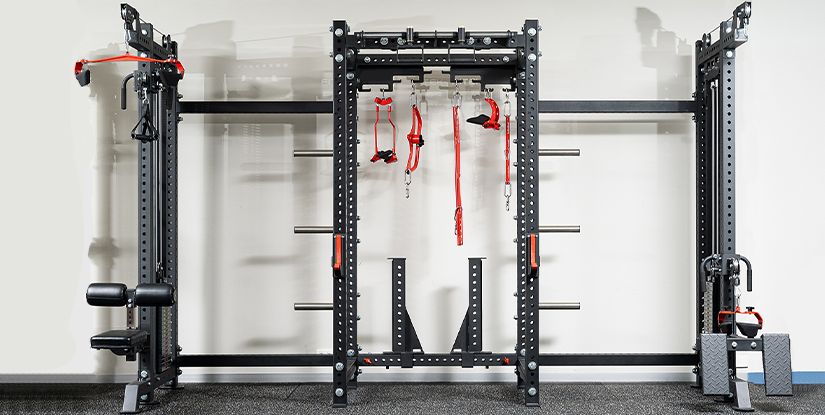
For procurement managers, facility layout standardization is not just about aesthetics; it is about ensuring that every piece of commercial strength training equipment performs identically under heavy use. A standardized fitness gear squat rack with uniform steel gauge and welding techniques prevents the premature structural fatigue often seen when sourcing disparate, lower-quality units for secondary branches. Maintaining strict structural consistency ensures that your maintenance teams can utilize a single set of spare parts and standardized service protocols across the entire network.
| Procurement Factor | Standardized Commercial Grade | Variable/Light Commercial |
|---|---|---|
| Structural Consistency | High (Uniform steel gauge) | Low (Mixed specifications) |
| Maintenance Profile | Predictable & Centralized | Frequent & Fragmented |
| Long-term TCO | Optimized via longevity | Higher due to replacement cycles |
| Facility Scalability | Seamless layout replication | Difficult to standardize |
Selecting a high-spec fitness gear squat rack allows distributors and facility owners to mitigate the risks of localized equipment failure. By prioritizing heavy-duty power racks with verified structural integrity, you ensure that your brand experience remains consistent, regardless of which branch a member visits.
Technical Material Benchmarks
To avoid the pitfalls of substandard sourcing, procurement specialists must evaluate the specific metallurgical properties of heavy duty power racks. A significant difference in steel gauge or coating thickness can lead to rapid oxidation or structural bowing under peak load, increasing replacement frequency and operational downtime. Use the following technical comparison to differentiate between high-performance commercial inventory and entry-level equipment.
| Technical Specification | Premium Commercial Tier | Standard/Light Commercial |
|---|---|---|
| Steel Gauge (Thickness) | 7-gauge to 11-gauge steel | 12-gauge to 14-gauge steel |
| Upright Dimensions | 3" x 3" or 4" x 4" profiles | 2" x 2" or 2.5" x 2.5" profiles |
| Powder Coating Quality | High-micron, anti-scratch finish | Standard industrial coating |
| Weight Capacity Range | 1,000+ lbs (High stability) | 600–800 lbs (Variable stability) |
When negotiating with manufacturers, request specific data regarding the micron level of the powder coating and the exact steel gauge used for the uprights. For large-scale gym facility procurement, opting for the 7-gauge or 11-gauge standard ensures that the equipment can withstand the rigorous demands of heavy lifting without compromising the structural integrity of the frame over several years of continuous operation.
Mitigating Procurement Risks Through QC and Logistics
The complexity of multi-site expansion requires more than just selecting a high-spec fitness gear squat rack; it demands a rigorous approach to gym facility procurement that accounts for human error in the supply chain. Discrepancies in manufacturing batches can lead to subtle variations in steel thickness or weld strength, which, if undetected, compromise the structural uniformity required for brand-wide consistency. Without stringent quality control (QC) protocols at the factory level, a distributor may receive shipments where one batch of heavy duty power racks performs differently than the last, complicating standardized maintenance cycles and increasing long-term operational headaches.
Effective logistics management must also extend to how equipment is handled and stored during transit to prevent micro-fractures or coating degradation. For procurement managers, the goal is to minimize the total cost of ownership (TCO) by ensuring that the product arriving at a remote branch is identical in quality to the flagship location. We recommend implementing a pre-shipment inspection checklist that verifies both the metallurgical benchmarks and the physical tolerances of every unit within a single MOQ to ensure seamless integration across your entire facility network.
Optimizing Footprint and Accessory Compatibility
When planning a multi-site rollout, the physical dimensions of a fitness gear squat rack dictate the long-term efficiency of your facility layout. Procurement managers must balance the desire for high-spec versatility against the reality of limited square footage to maximize member throughput and revenue per square foot.
The Trade-Off Between Size and Versatility
In high-density commercial strength training equipment environments, every inch of footprint matters. While larger, heavy-duty power racks offer extensive attachment points for specialized training, they also demand significant clearance for safety and barbell movement. Selecting the right model requires evaluating whether a compact, streamlined rack or a modular, expansive system better serves your specific gym model.
| Rack Configuration Type | Space Efficiency | Accessory Versatility | Best Use Case |
|---|---|---|---|
| Compact/Slimline | High | Moderate | Boutique studios & hotel gyms |
| Standard Modular | Medium | High | Commercial fitness franchises |
| Full-Scale Power Cage | Low | Extreme | Performance & bodybuilding hubs |
For distributors and large-scale buyers, prioritizing space efficiency through modularity allows for easier shipping logistics and more adaptable floor plans across different facility scales.
Strategic Configuration Selection
Selecting the appropriate configuration is not merely about physical size, but about future-proofing your inventory. While heavy duty power racks provide the highest level of stability for high-intensity training, their large footprint can limit the number of stations available in a standard retail footprint. Conversely, a modular approach offers the highest ROI for growing franchises, as it allows for incremental expansion without replacing the primary structural components.
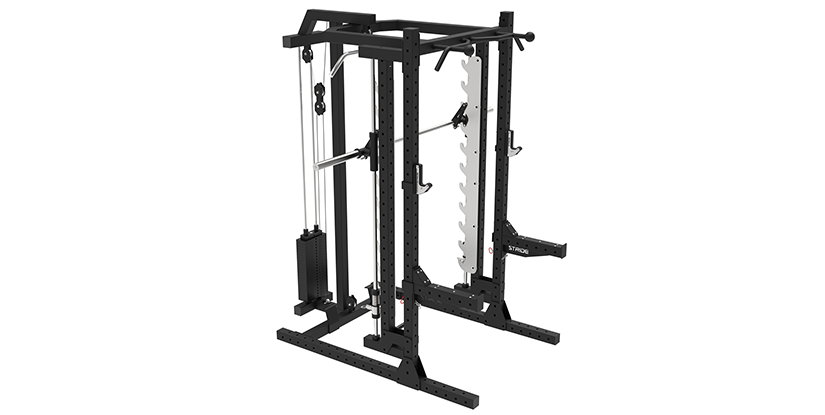
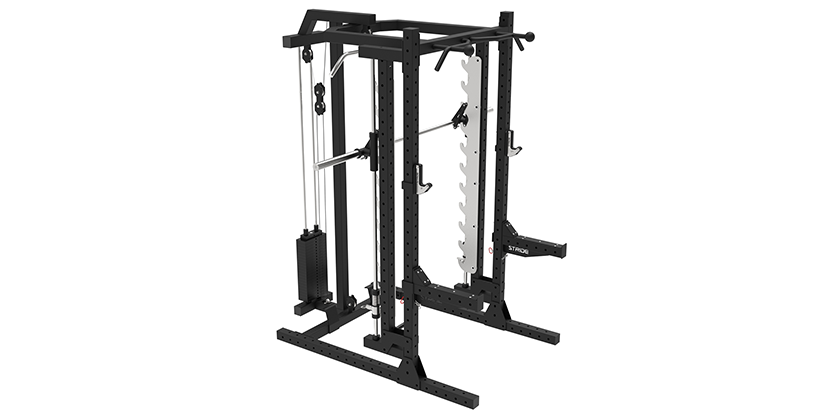
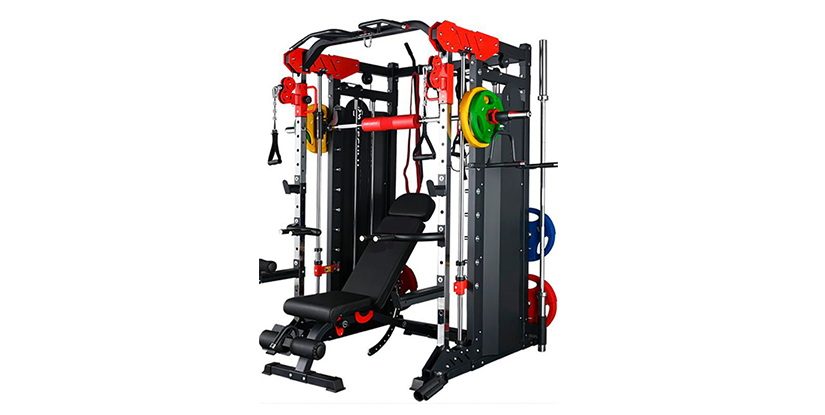
When sourcing for diverse locations, consider the modularity of the attachment systems. A rack that supports a wide array of compatible accessories—such as dip stations, landmines, or weight storage—provides greater value even if the base footprint is smaller. For high-volume gym facility procurement, we recommend prioritizing systems that offer a consistent accessory interface, ensuring that hardware remains interchangeable across all your branches to simplify maintenance and spare parts inventory.
The Accessory Ecosystem and Long-Term ROI
A critical oversight in many gym facility procurement cycles is neglecting the compatibility of secondary attachments. To ensure a high long-term ROI, buyers should prioritize a standardized ecosystem of attachment points. A rack with a universal hole pattern and compatible accessory interfaces allows a facility to evolve from a basic strength station to a specialized training hub without requiring full structural replacements.
This level of scalability is essential for distributors and multi-site operators. By investing in a base frame that supports a wide range of add-on modules—such as cable pulleys, dip bars, or specialized storage—you protect your capital expenditure. This approach ensures that as member demands shift, you can update the functional utility of your fitness gear squat rack through simple, cost-effective upgrades rather than expensive, full-unit procurement cycles.
Logistics Optimization and Landed Cost Calculations
Procurement professionals must look beyond the initial quote when sourcing a fitness gear squat rack for multi-site rollouts. While the unit price is a primary metric, the total cost of ownership (TCO) is heavily influenced by freight logistics and volumetric weight, which can significantly alter the budget for commercial strength training equipment.
Understanding Unit Price vs. Total Procurement Cost
For facility managers, the true expenditure includes more than just the factory ex-works price. High-density steel components in heavy duty power racks often result in high shipping costs due to weight and dimensional constraints. To optimize your budget, consider how volume-based pricing and container load optimization can lower the per-unit landed cost. Negotiating terms that account for freight considerations—such as sea freight versus air—is essential to maintaining consistency across franchise branches or international gym locations.
| Cost Factor | Impact on Budget | Procurement Strategy |
|---|---|---|
| Ex-Works Unit Price | Initial Capital Outlay | Negotiate based on MOQ and total order volume. |
| Freight & Logistics | Variable Landed Cost | Optimize container utilization to reduce per-unit shipping. |
| Customs & Duties | Final Landed Cost | Verify HS codes early to prevent unexpected tax spikes. |
| Maintenance (TCO) | Long-term Operational Cost | Priorize high-grade coatings to reduce replacement frequency. |
Comparing Shipping Models and Freight Efficiency
Selecting the appropriate logistics method for heavy duty power racks requires balancing speed against the substantial volumetric weight of steel structures. For large-scale gym facility procurement, the choice between sea and air freight often dictates the feasibility of the entire rollout timeline.
| Shipping Method | Weight/Volume Impact | Lead Time Profile | MOQ & Scalability |
|---|---|---|---|
| FCL (Full Container Load) | Lowest per-unit cost; maximizes density | Longest (weeks/months) | High; best for large-scale franchise rollouts |
| LCL (Less than Container Load) | Moderate; shares space with other goods | Medium | Low to Medium; ideal for boutique studio orders |
| Air Freight | Extremely high cost due to heavy steel | Fastest (days) | Minimal; reserved for urgent replacement parts |
When sourcing a fitness gear squat rack, procurement managers should prioritize FCL or optimized LCL shipments to mitigate the high cost of dimensional weight. While air freight offers speed, the heavy-duty nature of commercial strength training equipment makes it economically inefficient for standard inventory replenishment. For multi-site projects, planning shipments around sea freight cycles ensures the most predictable landed cost and stable budget management.
Streamlining Assembly and Local Distribution
Efficient gym facility procurement requires a strategic approach to the final stages of the supply chain. Beyond the initial shipment, buyers must account for assembly requirements and the logistical complexity of moving heavy steel components from a port to a functional gym floor. For large-scale rollouts, relying solely on factory-direct shipping can create bottlenecks if the destination lacks immediate loading dock access.
To mitigate these risks, many distributors utilize local warehousing to stage inventory closer to the final installation site. This strategy allows for better control over last-mile delivery, ensuring that heavy components arrive via specialized vehicles capable of handling oversized loads. Furthermore, utilizing a regional hub facilitates rigorous breakage prevention protocols; inspecting and repacking items locally can catch any transit-related damage to coatings or bolts before they reach the client, ensuring the fitness gear squat rack arrives in perfect, ready-to-assemble condition.