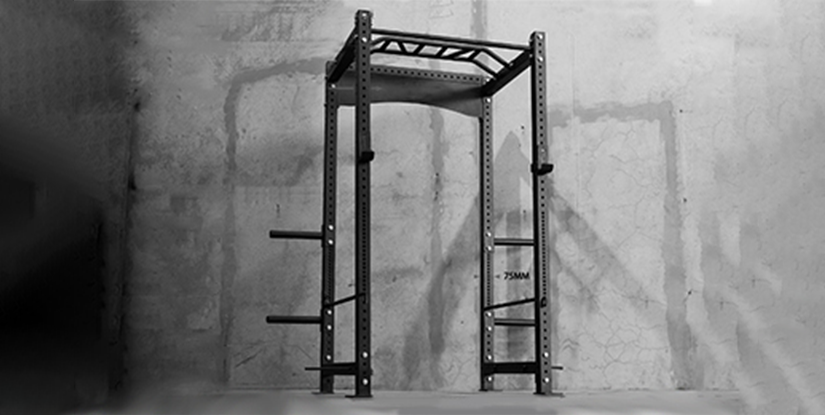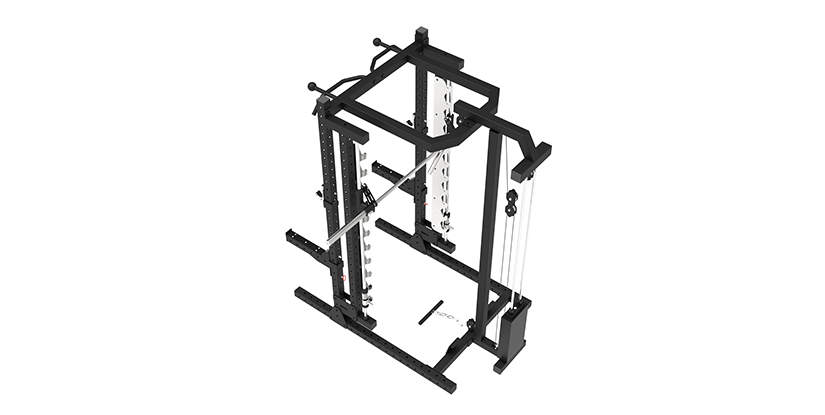
Commercial Weight Lifting Squat Rack Installation Guide
Procurement Standards for High-Traffic Strength Training Setups
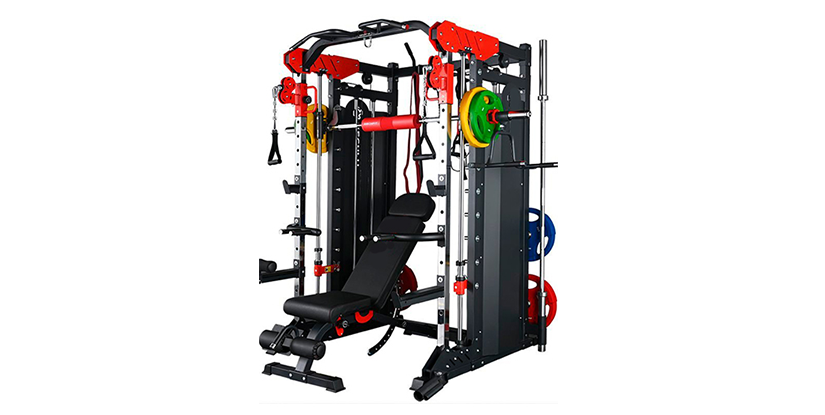
A professional weight lifting squat rack is a heavy-duty steel structure engineered to withstand constant mechanical stress and high-volume usage. B2B buyers prioritize these units because they provide the essential structural integrity required for safety compliance and long-term operational reliability in professional environments.
When planning a commercial strength training setup, procurement managers must look beyond initial unit costs. While residential-grade alternatives may offer lower upfront prices, they often fail under the rigorous demands of a commercial facility layout. Selecting equipment with high-traffic durability ensures a higher return on investment by reducing replacement frequency and minimizing downtime caused by mechanical failures or frame warping.
Evaluating Structural Tiers and Lifecycle Costs
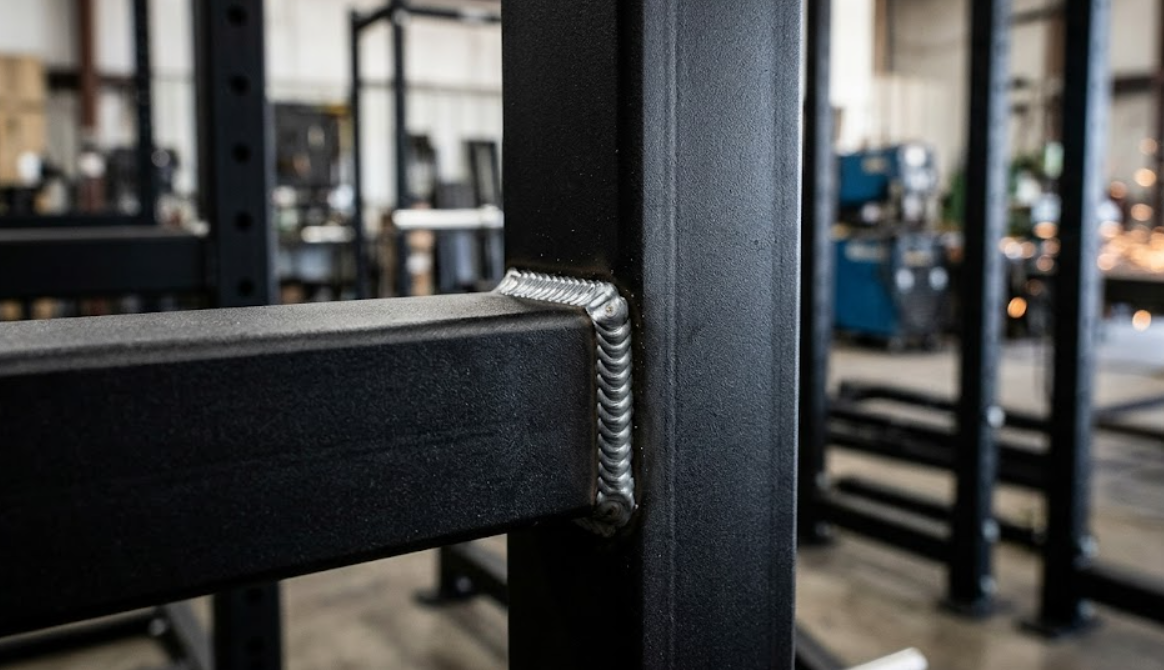
Distributors and facility owners should evaluate potential shipments based on steel gauge thickness and welding precision. A robust weight lifting squat rack serves as the anchor of a strength zone, meaning its stability directly impacts the safety profile of the entire gym. Investing in high-spec hardware at the sourcing stage mitigates the risks associated with frequent maintenance and premature wear.
| Feature Dimension | Light Commercial / Studio | Full-Scale Commercial Gym |
|---|---|---|
| Steel Gauge/Thickness | Standard 11-gauge steel | Heavy-duty 7-gauge or 11-gauge reinforced |
| Expected Lifespan | 3–5 years (moderate use) | 10+ years (constant use) |
| Maintenance Frequency | Quarterly inspections | Monthly structural checks |
| Primary Value Driver | Space efficiency & cost | Structural integrity & durability |
To optimize procurement workflows, it is essential to differentiate between tiers of equipment based on operational scale. The following comparison helps buyers align their budget with the expected intensity of use, ensuring the selected hardware matches the facility's footprint and long-term ROI requirements.
| Tier Category | Typical Footprint | Load Capacity | Maintenance Cycle | Best Use Case |
|---|---|---|---|---|
| Residential / Home Gym | Compact / Small | Low to Moderate | Bi-annual | Private studios or home use |
| Boutique / Studio | Medium / Efficient | High | Quarterly | Personal training studios |
| Full-Scale Commercial | Large / Dedicated | Extreme / Heavy-duty | Monthly | High-traffic fitness centers |
Choosing the correct tier prevents the common pitfall of under-specifying equipment for a high-traffic environment. For distributors, sourcing units that meet the higher end of these specifications can provide a competitive advantage by offering clients more reliable gym equipment assembly solutions and lower total cost of ownership over the product lifecycle.
Optimizing Logistics and Lifecycle Management
For international distributors, procurement efficiency is determined by more than just the unit price. Effective sourcing requires balancing the MOQ (Minimum Order Quantity) against shipping volume optimization to minimize landed costs. Because a commercial weight lifting squat rack is a high-density, heavy-weight item, container loading configurations—such as nesting components or optimizing pallet dimensions—are critical to protecting margins during transit.
Beyond initial delivery, long-term profitability depends on a disciplined squat rack maintenance schedule. High-traffic facilities must account for the TCO (Total Cost of Ownership), which includes the cost of periodic bolt tightening, lubrication of adjustment pins, and structural inspections. By prioritizing high-grade steel and precision-engineered parts during the initial gym equipment assembly phase, buyers reduce the long-term labor costs associated with repairs and component replacement.
Structural Integrity and Load-Bearing Specifications
For distributors and facility managers, the long-term ROI of a commercial strength training setup depends entirely on the rigidity of the frame. A weight lifting squat rack must withstand high-frequency, heavy-load cycles without experiencing metal fatigue or subtle structural shifts that compromise user safety.
The primary differentiator in durability is the steel gauge thickness. While light-duty equipment may appear sufficient for home use, commercial environments demand heavy-gauge steel to prevent permanent deformation under heavy barbell loads. Selecting the correct specification during the procurement phase prevents premature replacement cycles and minimizes long-term maintenance liabilities.
| Specification Type | Steel Gauge/Thickness | Typical Application | Durability Profile |
|---|---|---|---|
| Light-Duty | 14-gauge (approx. 2.0mm) | Personal studios/Home gyms | Prone to bending under high loads |
| Standard Commercial | 11-gauge (approx. 3.0mm) | Mid-sized fitness centers | High stability for regular use |
| Heavy-Duty/Pro | 7-gauge (approx. 3.8mm+) | High-traffic strength facilities | Maximum structural stability |
When auditing factory capabilities, prioritize suppliers who can provide verified steel thickness measurements. Ensuring a consistent, high-grade steel gauge across the entire weight lifting squat rack assembly is essential for maintaining the structural stability required in professional strength training environments.
Beyond frame thickness, procurement managers must evaluate the dynamic load capacity to ensure the equipment matches the specific intensity of the facility. A mismatch between the steel gauge and the expected weight load can lead to rapid wear on the J-cups, uprights, and safety pins, increasing the frequency of required maintenance and potential replacement costs.
Load Capacity and Application Matrix
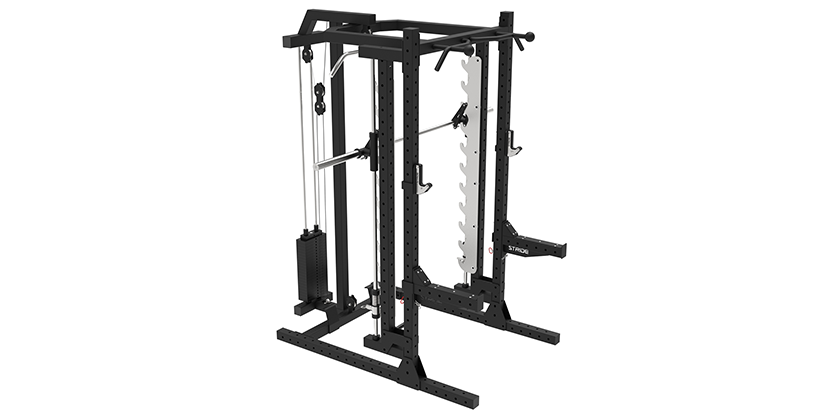
The following table provides a technical comparison of load capacities and usage scenarios. This data helps distributors and gym owners determine which weight lifting squat rack specifications align with their target client's training intensity and facility turnover rates.
| Configuration Tier | Typical Load Capacity | Primary Use Case | Structural Requirement |
|---|---|---|---|
| Standard Commercial | 300kg - 450kg | General fitness clubs | Standard 11-gauge steel |
| Performance/Semi-Pro | 450kg - 600kg | CrossFit/Strength gyms | Heavy 7-gauge or 11-gauge reinforced |
| Elite/Professional | 600kg+ | Powerlifting competition | Ultra-thick 7-gauge high-tensile steel |
When negotiating MOQ or sourcing from new suppliers, request documentation regarding the weld strength and the quality of the steel used in the load-bearing uprights. High-performance facilities often require specialized hardware and reinforced junctions to sustain the vibrations and impact inherent in heavy barbell movements.
Precision in Assembly and Maintenance Protocols
Achieving maximum commercial durability requires more than just high-grade steel; it demands rigorous attention to the gym equipment assembly process. Even the highest-quality frame can suffer from instability if the initial installation ignores precision standards. For distributors and facility owners, establishing a strict protocol for bolt torque is non-negotiable. Over-tightening can strip threads, while under-tightened bolts lead to lateral sway and micro-vibrations that eventually compromise the structural integrity of the entire unit.
To protect your long-term investment, implement a scheduled squat rack maintenance program. We recommend a quarterly audit of all connection points and adjustment mechanisms. Checking for loose fasteners and ensuring that uprights remain perfectly vertical prevents the gradual wear that often plagues high-traffic strength facilities. By prioritizing professional assembly and routine inspections, you safeguard both user safety and the total cost of ownership (TCO) for your strength training inventory.
Optimizing Floor Layout and Assembly Requirements
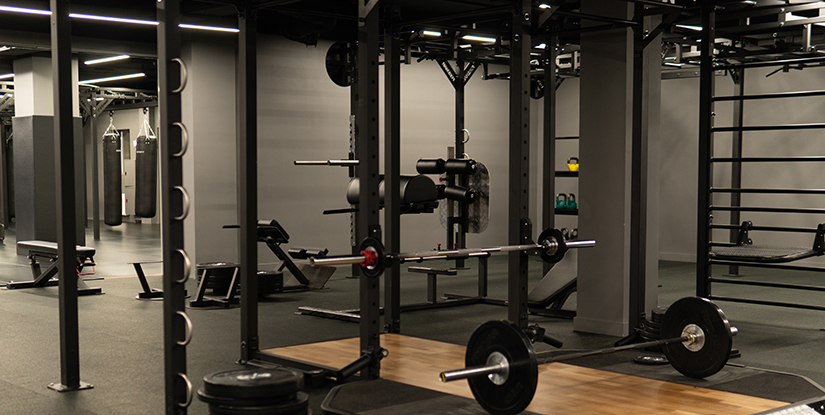
Successful deployment of a professional weight lifting squat rack depends on more than just the physical dimensions of the unit. Procurement managers must distinguish between the static footprint and the total operational area to ensure a safe, high-traffic commercial strength training setup.
Footprint vs. Safety Clearance
The footprint refers strictly to the floor space occupied by the base of the rack. However, for a functional facility layout, you must account for safety clearance. This includes the extension of the barbell during heavy lifts and the radius required for users to move around the station without colliding with adjacent equipment or walls. Neglecting this distinction often leads to bottlenecks in high-volume gym environments or increased liability risks during heavy compound movements.
| Requirement Type | Focus Area | Impact on Procurement |
|---|---|---|
| Static Footprint | Base frame and uprights | Determines minimum shipping volume and storage density. |
| Operational Area | Barbell length and plate loading | Dictates actual floor space needed per station. |
| Safety Buffer | User movement and weight drop zones | Essential for long-term facility safety and compliance. |
When planning your inventory or facility expansion, always calculate the total spatial demand based on the longest possible barbell length rather than the rack's frame alone. This proactive approach prevents costly re-configurations after the initial installation is complete.
Configuration Comparison for Facility Planning
Selecting the appropriate weight lifting squat rack configuration requires a strategic balance between density and utility. Depending on whether you are outfitting a boutique studio or a high-capacity strength zone, the spatial demand will vary significantly based on the structural design of the unit.
| Rack Configuration | Typical Footprint | Operational Width (with Barbell) | Best Use Case |
|---|---|---|---|
| Half Rack | Compact / Small | ~2.5m - 2.8m | Boutique studios or limited space layouts. |
| Full Power Rack | Medium / Standard | ~2.8m - 3.2m | High-performance training and heavy lifting zones. |
| Commercial Squat Stand | Minimalist | ~2.5m+ (Variable) | Multi-purpose training or specialized strength areas. |
For distributors and facility managers, understanding these variances is critical for optimizing the total number of stations per square meter. While a Full Power Rack offers superior structural stability for heavy-duty commercial gym layout planning, it requires a larger safety buffer to accommodate accessory attachments and barbell whip. Conversely, Half Racks allow for higher density in smaller footprints but may limit certain advanced training movements. Always verify the total clearance requirements with your supplier to ensure your shipping and assembly logistics align with the actual floor capacity of the destination facility.
Subfloor Integrity and Load Distribution
Beyond spatial dimensions, the structural stability of a weight lifting squat rack is directly tied to the quality of the subfloor. In commercial strength training setups, the concentrated weight of the rack combined with dynamic loading from heavy barbell drops creates immense downward force. Procurement specialists must verify the floor load capacity of the building before finalizing large-scale orders to prevent structural fatigue or uneven settling.
Standard concrete slabs are typically preferred for high-performance zones, but many modern facilities utilize engineered flooring or rubber mats. When planning gym equipment assembly, ensure that any protective matting does not compromise the rack's leveling. A stable, level subfloor is non-negotiable for maintaining the long-term integrity of the uprights and preventing lateral wobbling during heavy lifts. Regular maintenance should include periodic checks of the floor-to-frame connection points to ensure that vibrations from heavy training haven't loosened the mounting or caused any unevenness in the support base.
Balancing Initial Investment with Total Cost of Ownership
When sourcing a professional weight lifting squat rack, procurement managers must look beyond the initial invoice price to understand the TCO (Total Cost of Ownership). A lower upfront cost often masks hidden expenses related to premature wear, frequent repairs, and shorter replacement cycles.
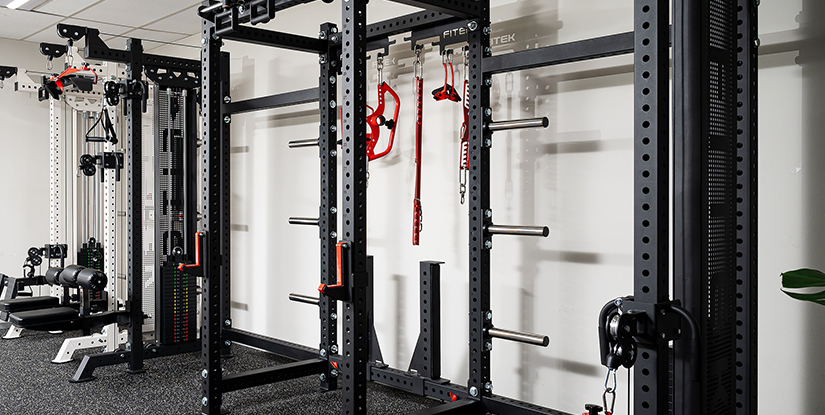
In a high-traffic commercial strength training setup, the relationship between component quality and long-term profitability is direct. High-grade steel gauges and industrial-strength powder coatings may require a higher initial capital expenditure, but they significantly extend maintenance cycles and reduce downtime. Selecting premium components ensures the structural integrity remains intact under heavy daily use, preventing the need for early reinvestment or costly onsite adjustments.
| Investment Tier | Primary Material Focus | Maintenance Profile | Long-Term Value |
|---|---|---|---|
| Value-Oriented | Standard Steel / Basic Finish | Frequent inspections required | Higher replacement frequency |
| Premium Commercial | Heavy-Gauge Steel / Reinforced Joints | Standardized, periodic checks | Optimized TCO and durability |
To make an informed procurement decision, distributors and facility owners should evaluate the specific technical specifications that differentiate entry-level equipment from heavy-duty professional units. The following comparison highlights how material density and surface treatment affect the longevity of your gym equipment assembly.
| Specification Metric | Standard Tier (Light Commercial) | Premium Tier (High-Traffic/Pro) |
|---|---|---|
| Steel Thickness (Gauge) | 11-gauge or 12-gauge steel | 7-gauge or 11-gauge reinforced steel |
| Powder Coating Quality | Standard electrostatic finish | High-durability, scratch-resistant industrial coating |
| Hardware Durability | Standard zinc-plated bolts | High-tensile, corrosion-resistant steel fasteners |
| Replacement Frequency | Moderate (2–4 years in high-use settings) | Low (extended lifecycle for heavy lifting) |
While the premium tier requires a larger initial budget, the reduction in squat rack maintenance costs and the extended interval between full unit replacements often yield a superior return on investment for large-scale training facilities. When negotiating with manufacturers, requesting specific gauge certifications can prevent the common pitfall of receiving under-spec steel that fails to meet commercial load requirements.
Optimizing Logistics and Bulk Procurement Efficiency
Effective procurement extends beyond product specifications into the realm of logistics efficiency and supply chain reliability. For distributors and large-scale gym developers, the complexity of gym equipment assembly is often dictated by how components are packaged and shipped. High-quality manufacturers prioritize modular designs that maximize container utilization, reducing the landed cost per unit during bulk ordering.
Furthermore, a robust procurement strategy must account for the availability of replacement parts. Relying on a single-source supplier without a clear inventory of fasteners, bushings, or specialized pins can lead to extended equipment downtime. Prioritize partners who demonstrate strong factory capability and can provide standardized components that simplify onsite maintenance. By aligning your order volume with optimized shipping configurations, you secure a higher long-term ROI through reduced freight overhead and minimized assembly errors.
Preventative Maintenance Schedules for Commercial Facilities
Establishing a rigorous upkeep protocol for every weight lifting squat rack in your inventory is essential for protecting your long-term investment. In high-traffic environments, mechanical fatigue and surface wear are inevitable; without a structured inspection plan, facility managers risk premature component failure and increased replacement costs.
A proactive approach to maintenance directly impacts the Total Cost of Ownership (TCO) by extending the functional lifespan of the steel structures and moving parts. Regular oversight ensures that structural integrity remains uncompromised, reducing liability and maintaining high safety standards for end-users.
| Maintenance Tier | Frequency | Primary Focus | TCO Impact |
|---|---|---|---|
| Daily Visual Check | Every Shift | Loose bolts, visible weld cracks, and debris | Prevents minor issues from becoming costly repairs |
| Monthly Deep Inspection | Monthly | J-cup alignment, barbell sleeve wear, and upright stability | Extends the lifecycle of high-wear components |
| Quarterly Structural Audit | Every 90 Days | Full fastener torque, floor mounting integrity, and coating condition | Maximizes long-term asset value and safety compliance |
For distributors and large-scale gym operators, implementing these tiers ensures that the commercial weight lifting squat rack units remain reliable under heavy usage. Prioritizing routine inspection over reactive repairs is the most efficient way to manage facility overhead and ensure consistent equipment availability.
Critical Maintenance Checklist for Key Components
Effective gym equipment assembly is only the first step; long-term reliability depends on how well the mechanical interfaces are managed. Maintenance teams should focus on specific points of friction and load-bearing junctions to prevent structural degradation over time.
When auditing your weight lifting squat rack components, pay close attention to the following high-use areas:
- Fasteners and Bolts: Periodically check all hex bolts and mounting hardware. Vibration from heavy lifting can loosen connections, requiring a standard torque check to ensure upright stability.
- Moving Parts and Lubrication: Apply a dry lubricant to adjustable pins or sliding mechanisms. Avoid heavy greases that attract dust, which can cause jamming in a commercial strength training setup.
- Surface Integrity: Inspect powder coatings and J-cup liners for wear and tear. Scratches or exposed steel can lead to oxidation, compromising both aesthetics and structural longevity.
- Structural Alignment: Ensure the base remains level and floor mounts are secure. Any shifting in the frame can cause uneven weight distribution during heavy sets.
By integrating these specific checks into your standard operating procedures, facility managers can mitigate the risks associated with heavy-duty usage and ensure a safer environment for all members.
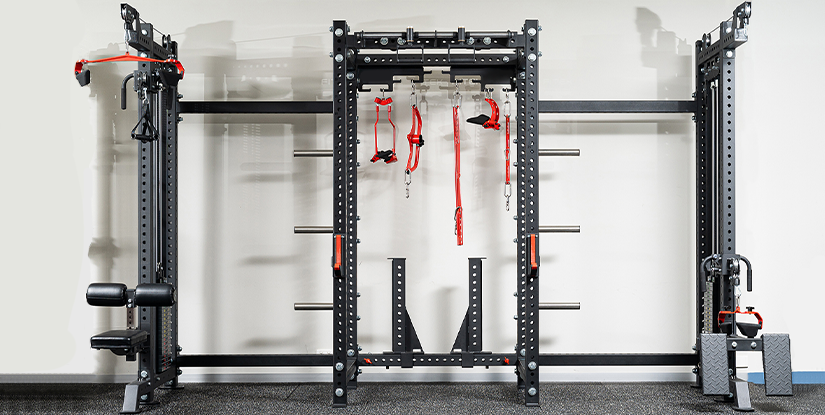
Identifying Failure Points: Repair vs. Replacement
Optimizing the ROI of a commercial strength training setup requires a decisive understanding of when a component can be salvaged and when it poses a liability. Distinguishing between superficial wear patterns and deep structural fatigue is the hallmark of an experienced facility manager.
Minor surface abrasions on powder coatings or slight scuffs on J-cup liners are typically cosmetic and do not require immediate action. However, if you observe metal shavings, deep gouges, or thinning of the protective layer, the component is entering a high-risk phase. At this stage, replacing the part is more cost-effective than attempting a repair that fails to restore original structural integrity.
A professional assessment should prioritize the following criteria to decide between maintenance and full replacement:
- Mechanical Components: If adjustable pins or sliding mechanisms exhibit significant play or resistance that cannot be solved by lubrication, they should be replaced to prevent jamming.
- Structural Integrity: Any evidence of weld cracking, bent uprights, or metal fatigue under load necessitates immediate replacement. These are non-negotiable failure points that cannot be safely repaired in a commercial setting.
- Fastener Integrity: Stripped threads or bolts that consistently require re-torquing due to vibration indicate that the threading or the hole itself has suffered fatigue and needs replacement.
For distributors and wholesale buyers, stocking high-demand replacement parts—such as J-cups, safety spotter arms, and specialized bolts—is a strategic move. This ensures that minor wear does not lead to extended equipment downtime, maintaining the high standards expected in professional gym environments.
Logistics and Quality Control for Bulk Imports
Managing the financial scope of a commercial strength training setup requires looking beyond the initial unit price. For distributors and large-scale facility planners, the true budget is defined by the total cost of ownership, which includes freight, duties, and the long-term durability of the steel components.
Optimizing Landed Cost and Volume
When sourcing a weight lifting squat rack in bulk, the shipping volume often dictates the final margin. Because these units are heavy and structurally bulky, optimizing container utilization is critical to reducing the landed cost. We recommend negotiating a clear MOQ that aligns with full container loads (FCL) rather than less-than-container loads (LCL) to minimize per-unit breakage risks and high ocean freight surcharges.
| Procurement Model | Logistics Impact | Primary Cost Driver |
|---|---|---|
| LCL (Less than Container) | Higher handling risk | Per-CBM freight rates |
| FCL (Full Container Load) | Optimized stacking | Bulk freight negotiation |
| Consolidated Showroom Orders | Mixed SKU complexity | Customs clearance fees |
Direct Factory Sourcing vs. Local Distribution
Choosing between a direct factory relationship and a local distributor involves a trade-off between upfront capital and operational ease. While direct sourcing offers the lowest unit price for a weight lifting squat rack, it requires more intensive oversight of the supply chain and longer lead times.
| Comparison Metric | Direct Factory Sourcing | Local Distributor Model |
|---|---|---|
| Unit Price vs. Landed Cost | Lowest unit price; higher logistics complexity | Higher unit price; predictable landed cost |
| Shipping Speed | Extended (ocean freight + customs) | Rapid (domestic/regional stock) |
| Quality Control Oversight | Requires third-party inspections | Handled by local vendor |
| Ideal For | Large-scale gym franchises/Wholesalers | Boutique studios/Single-site facilities |
For high-volume importers, the cost-efficiency of direct factory procurement is unmatched, provided you have a robust system for managing gym equipment assembly and quality verification. Conversely, local distributors reduce the burden of squat rack maintenance logistics and immediate replacement needs, albeit at a premium margin.
Mitigating Hidden Costs Through Pre-Shipment Inspection
The most significant financial risk in high-volume procurement is not the unit price, but the expense of discovering defects after the shipment arrives. Relying on a supplier without rigorous inspection protocols often leads to unforeseen replacement costs and labor surcharges. For a professional weight lifting squat rack, even a minor misalignment in the steel uprights or a faulty powder coating can compromise the structural integrity of the entire unit.
Implementing a strict pre-shipment QC phase is a vital damage prevention strategy. This process ensures that every component—from the J-cups to the base plates—meets dimensional tolerances before leaving the factory. Without this oversight, you risk the high cost of gym equipment assembly failures, where mismatched parts or damaged hardware lead to installation delays and potential liability issues on the gym floor.